
A Travel Guide to Luxor (2026)
Nestled along the Nile River in southern Egypt, Luxor—once the ancient capital of Thebes—is a living testament to the grandeur of pharaonic civilization. Often called the “world’s greatest open-air museum,” this UNESCO World Heritage site boasts an unparalleled concentration of temples, tombs, and monuments from the New Kingdom era (circa 1550–1070 BC). Whether you’re a history buff, an adventure seeker, or simply drawn to the mystique of ancient wonders, Luxor offers an immersive journey through time.
Why Visit Luxor?
Luxor is the epicenter of ancient Egyptian heritage, home to over one-third of the world’s known monuments. Highlights include the sprawling Karnak Temple Complex, the hidden tombs of the Valley of the Kings, and the dramatic Temple of Hatshepsut carved into cliffs. Beyond the ruins, you can soar over the desert in a hot air balloon at sunrise, cruise the Nile on a felucca (traditional sailboat), or wander vibrant souks for spices and souvenirs. It’s a perfect blend of awe-inspiring history and modern-day Nile-side relaxation, with fewer crowds than Cairo but just as much magic.
How to Get There
Luxor is well-connected, making it accessible from major hubs:
From Cairo: Fly direct from Cairo International Airport (CAI) to Luxor International Airport (LXR)—flights take 1–1.5 hours and cost $50–$150 round-trip. Alternatively, take an overnight sleeper train (9–12 hours, $25–$100) for a scenic ride, or drive/bus (8–10 hours, $20–$50).
From Aswan: Opt for a 3–4 hour train ($2–$5) or private car (3.5 hours). For a luxurious option, join a 4-day Nile cruise ($450–$3,000+).
International Arrivals: Direct flights from Europe (e.g., London, Paris) land at LXR; otherwise, connect via Cairo.
Upon arrival, taxis or pre-booked transfers from your hotel cost $5–$10 to the city center.
Best Time to Visit
Luxor’s desert climate means hot days and mild nights year-round, but timing matters for comfort and crowds. The shoulder seasons—March–April and October–November—offer balmy temps (68–86°F/20–30°C), fewer tourists, and lower rates. Winter (December–February) is coolest (72–82°F/22–28°C) but peaks with festivals like the Luxor African Film Festival; book ahead. Summers (June–September) hit 104°F+ (40°C+), ideal only for early-morning visits or balloon rides.
Top Attractions
Luxor divides into the East Bank (city life and temples) and West Bank (tombs and mortuary sites). Prioritize these essentials:
Karnak Temple
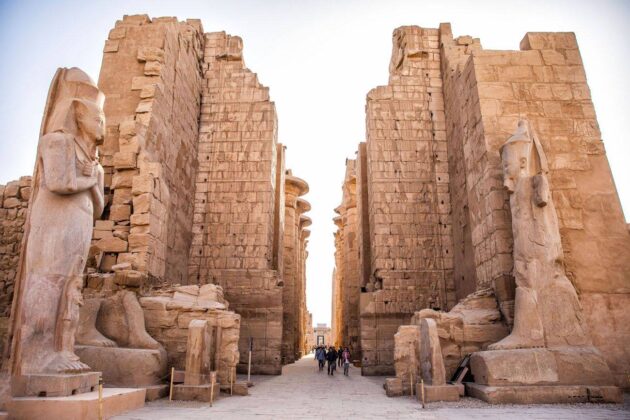
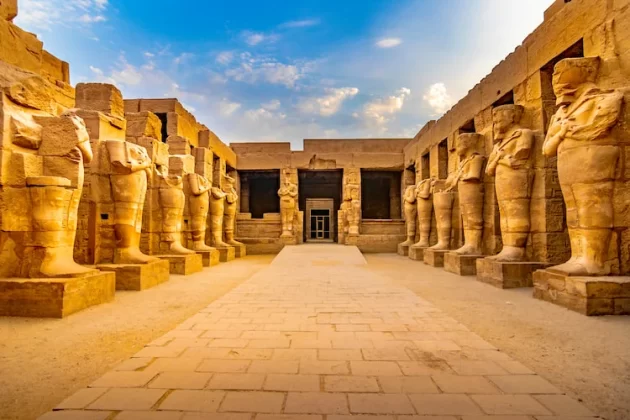
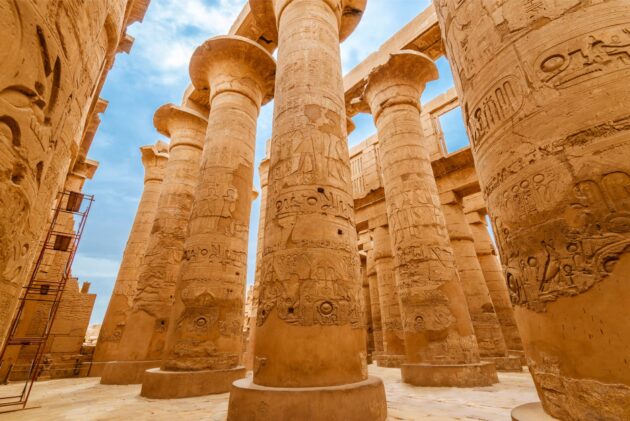
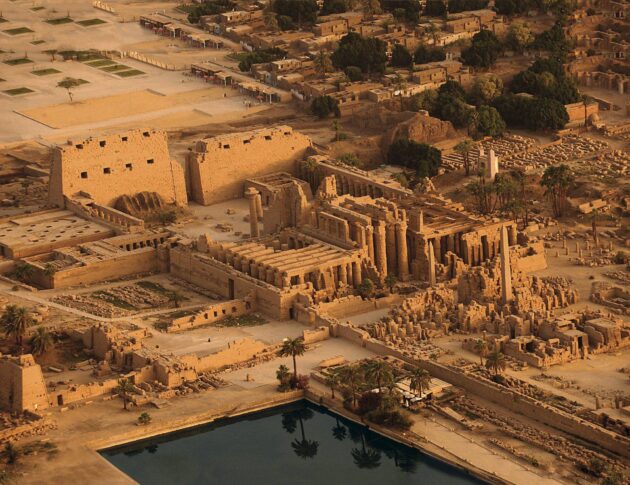
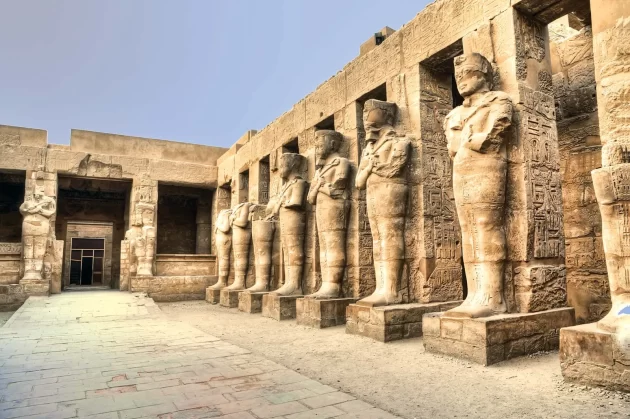
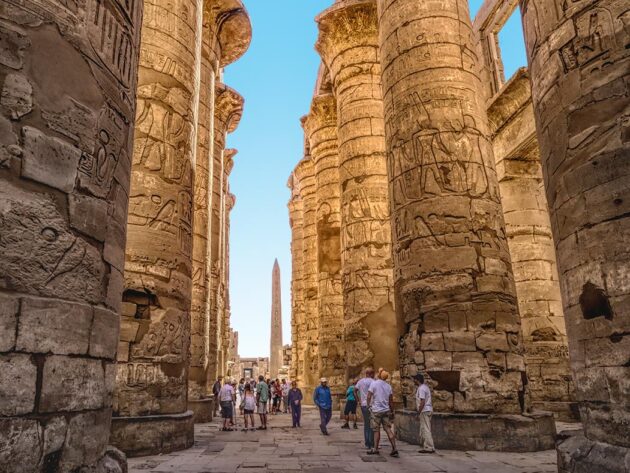
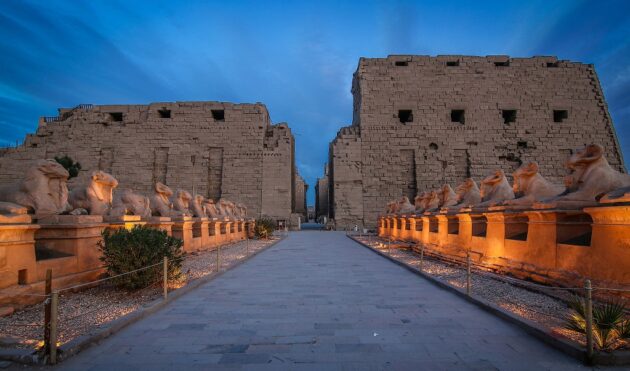
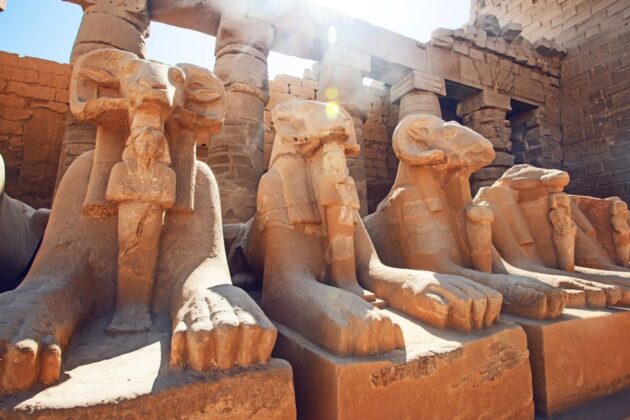
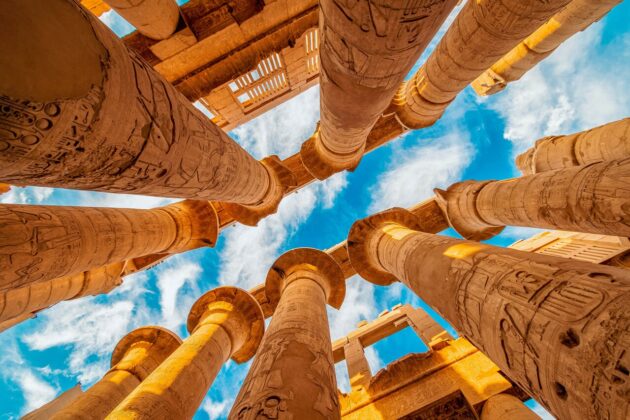
Nestled on the east bank of the Nile River in Luxor, Karnak Temple—officially known as the Precinct of Amun-Re—is one of the most awe-inspiring ancient wonders of the world. Spanning over 200 acres and constructed over more than 2,000 years by around 30 pharaohs starting around 2000 BCE, it stands as the largest religious complex ever built.
Luxor Temple
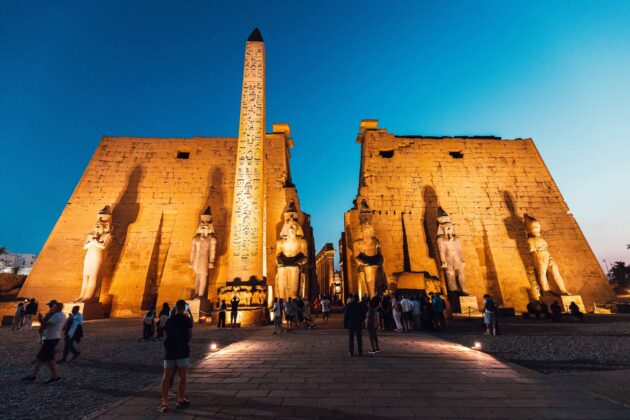
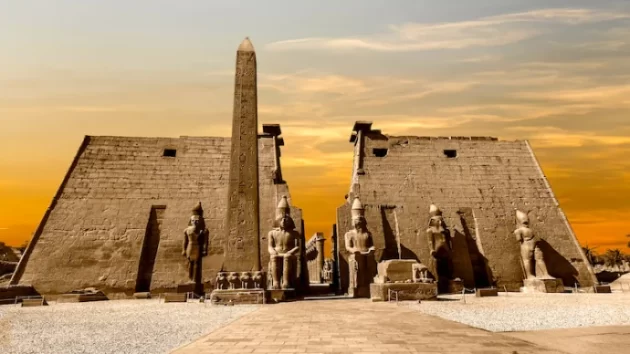
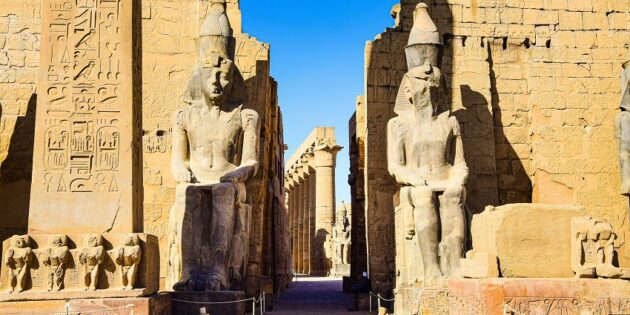
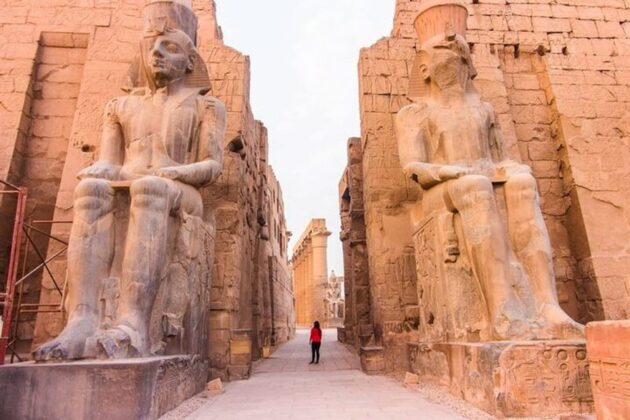
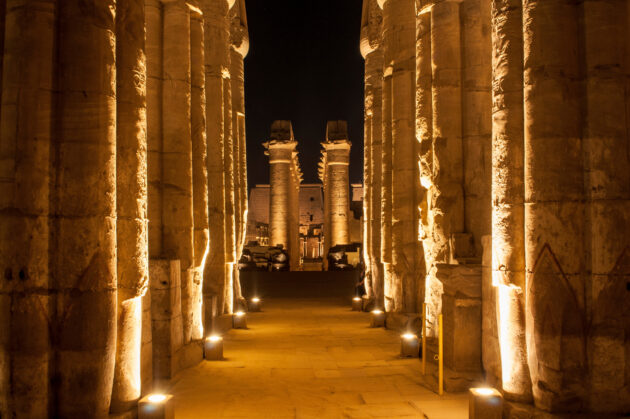
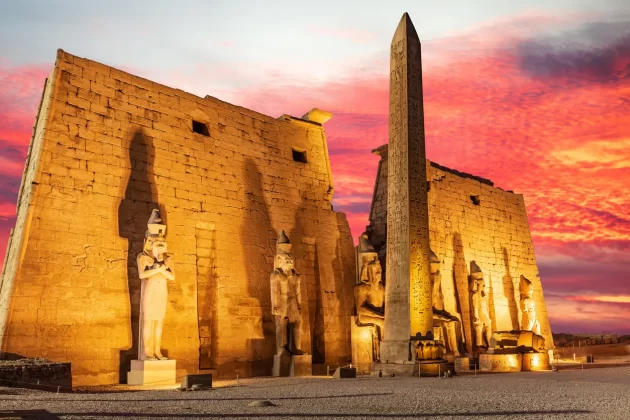
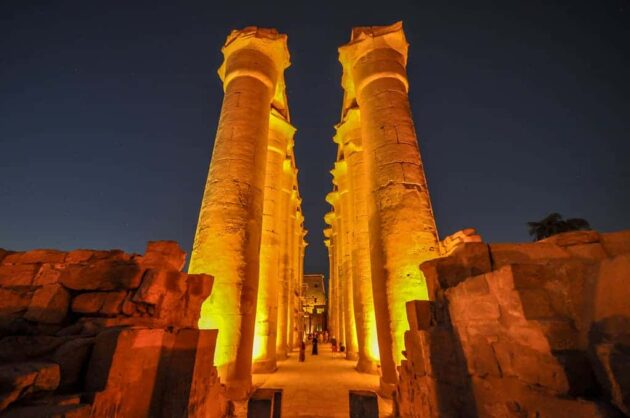
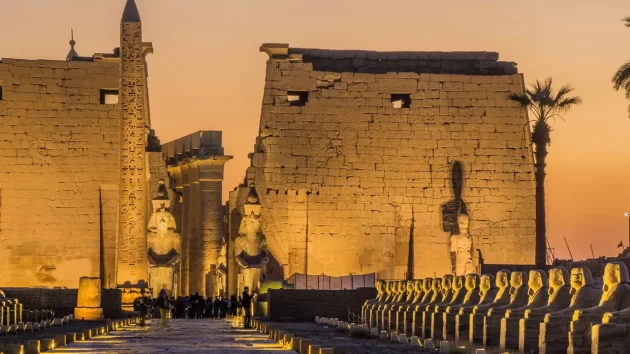
Nestled on the east bank of the Nile River in the heart of ancient Thebes (modern-day Luxor), Luxor Temple stands as a testament to Egypt’s pharaonic grandeur. Built primarily during the New Kingdom (c. 1400 BC), this majestic complex was a hub for royal rituals and festivals, symbolizing the rejuvenation of kingship. Unlike many temples dedicated solely to deities, Luxor Temple honored the pharaoh’s divine rebirth, making it a unique blend of political and religious architecture.
Valley of the Kings
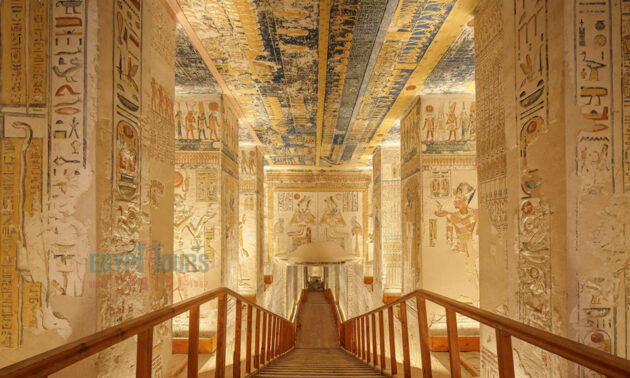
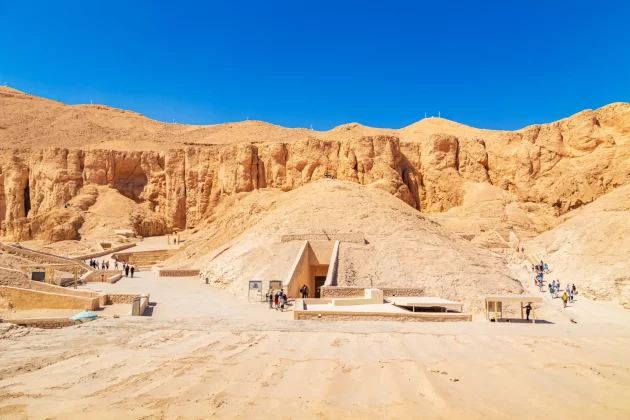
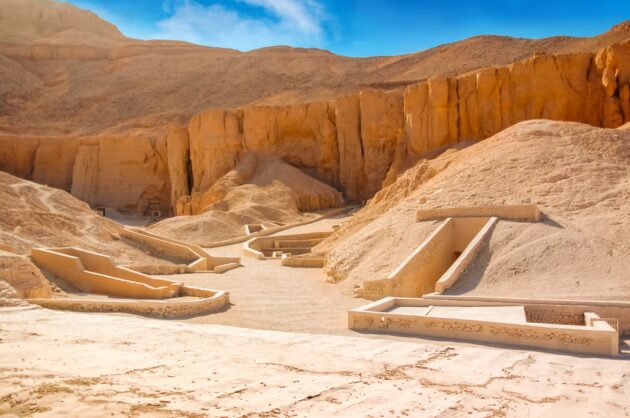
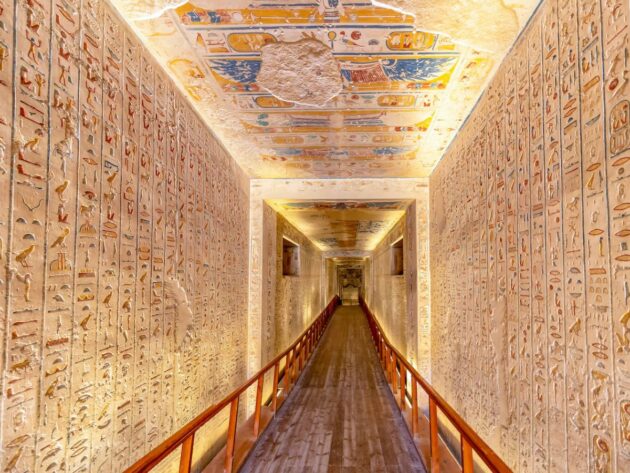
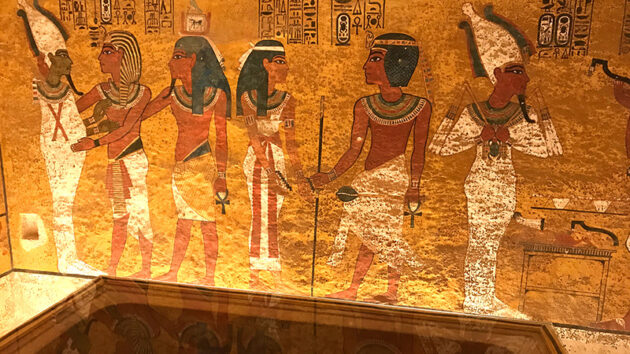
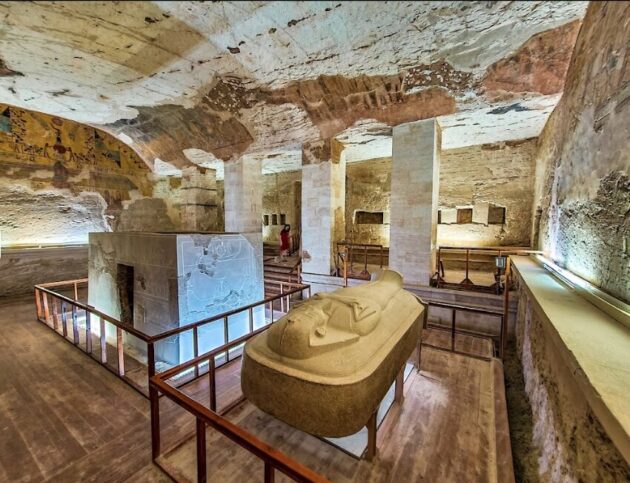
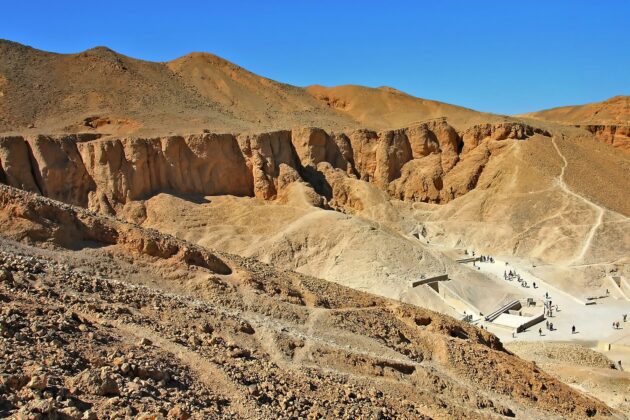
Nestled on the west bank of the Nile River in Luxor, the Valley of the Kings (Wadi al-Muluk) is one of ancient Egypt’s most iconic archaeological sites. This UNESCO World Heritage Site served as the royal necropolis for pharaohs of the New Kingdom (c. 1539–1075 BCE), housing over 60 intricately carved tombs filled with hieroglyphics, treasures, and glimpses into the afterlife beliefs of one of history’s greatest civilizations.
Mortuary Temple of Hatshepsut
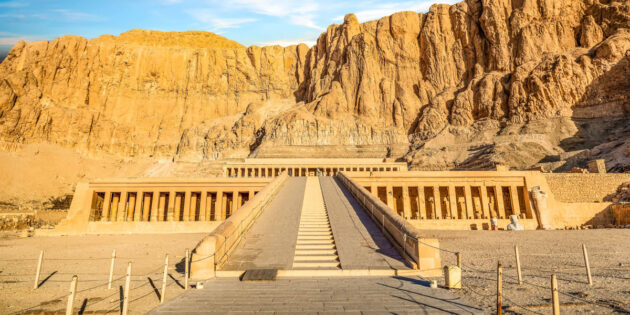
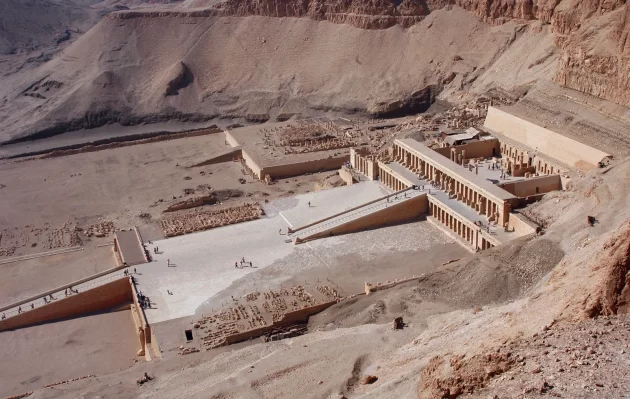
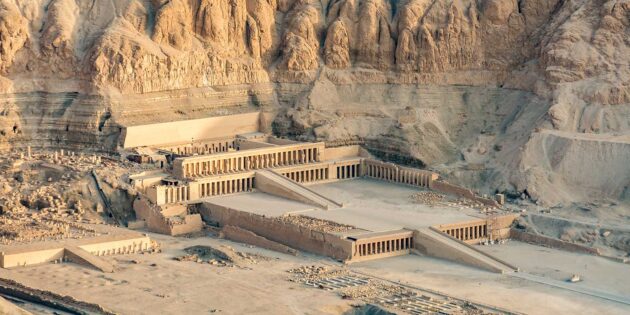
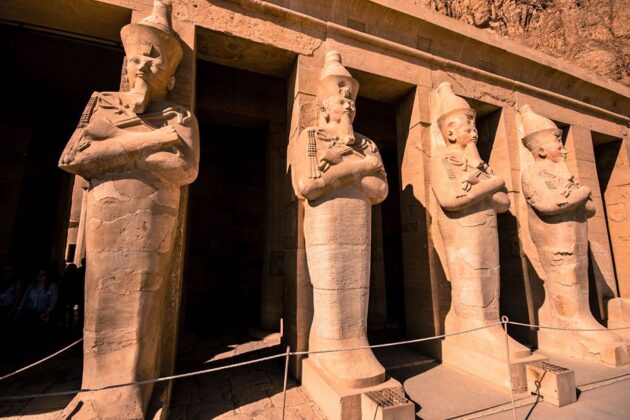
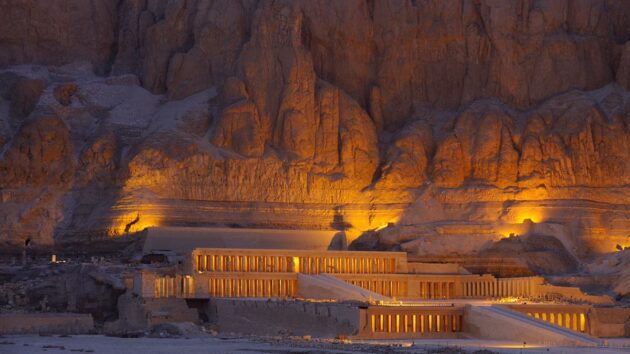
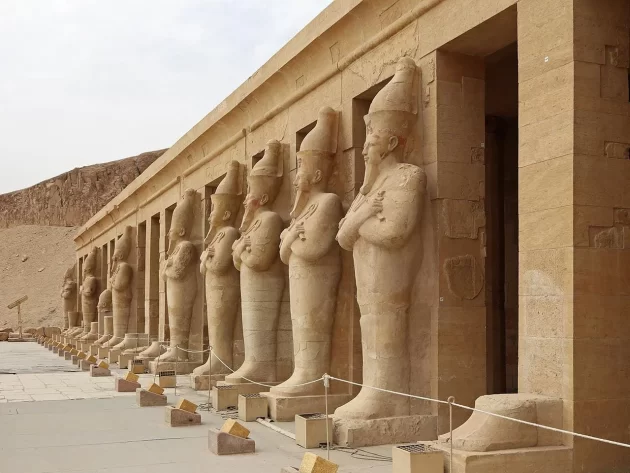
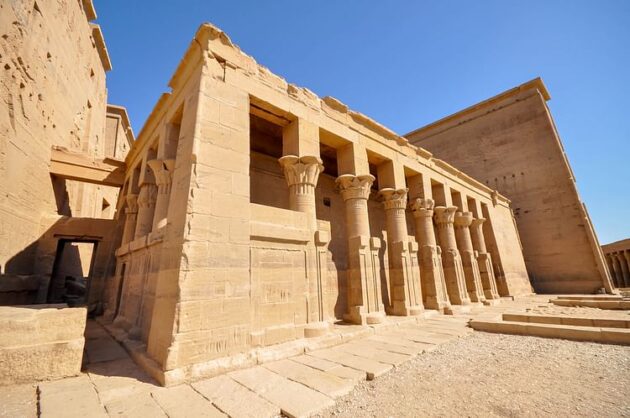
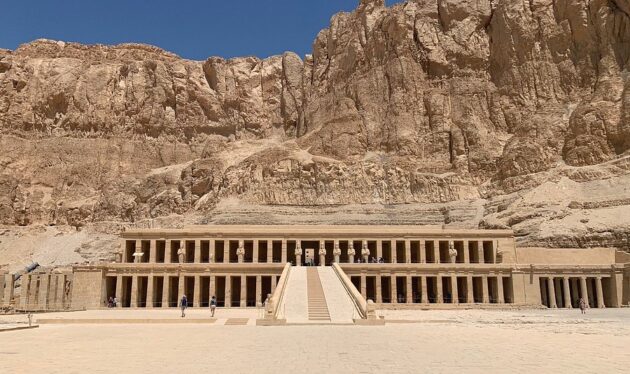
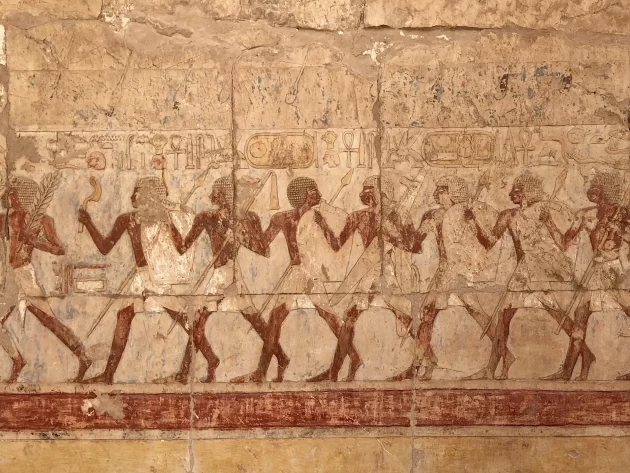
Nestled dramatically against the towering cliffs of Deir el-Bahri on Luxor’s West Bank, the Mortuary Temple of Hatshepsut—often called the “Djeser-Djeseru” or “Holy of Holies”—stands as one of ancient Egypt’s most stunning architectural marvels. Dedicated to Pharaoh Hatshepsut, Egypt’s first female ruler who reigned from 1479–1458 BCE, this terraced masterpiece was designed by her architect Senenmut as both a funerary complex and a testament to her divine birth and prosperous expeditions.
Colossi of Memnon
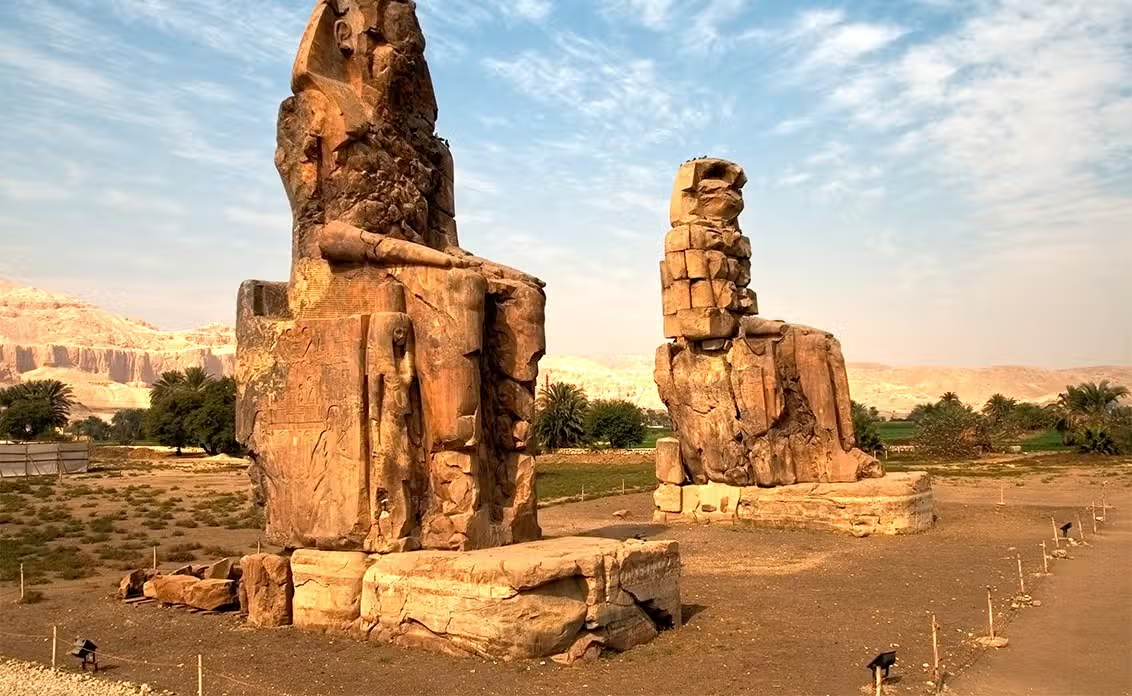
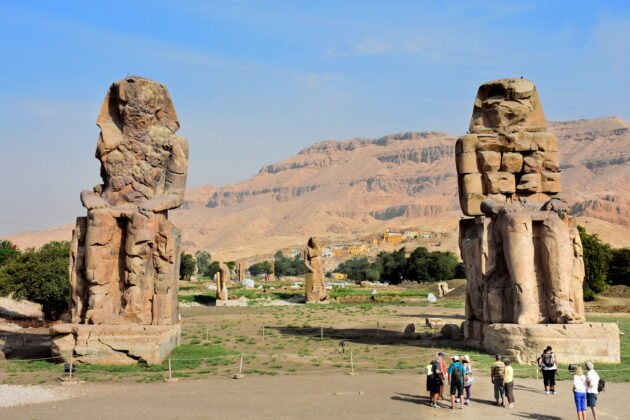
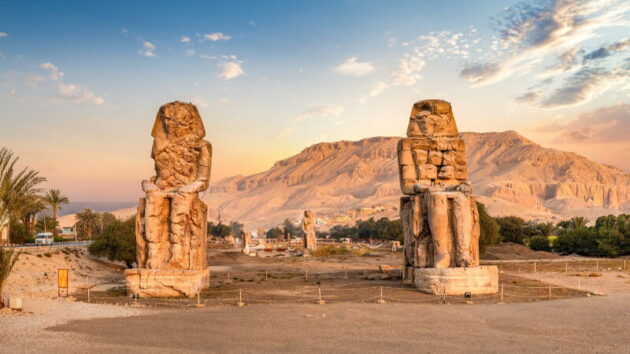
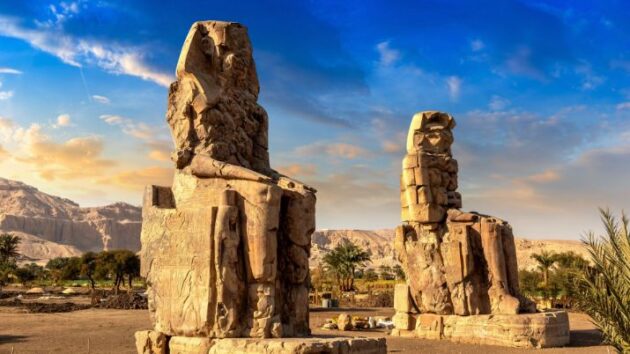
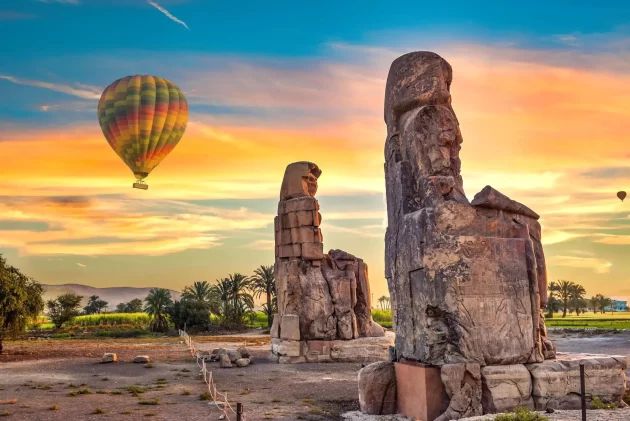
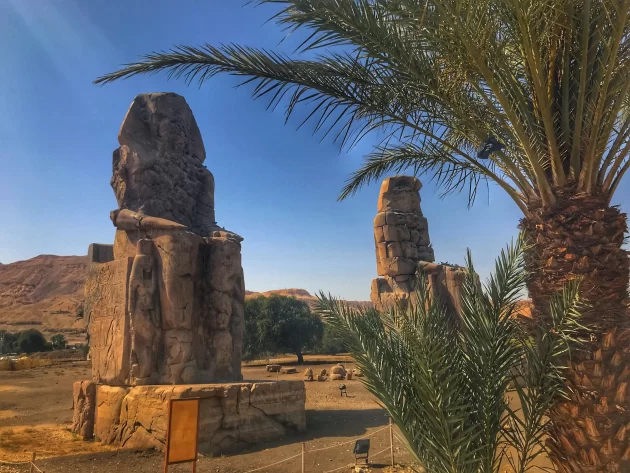
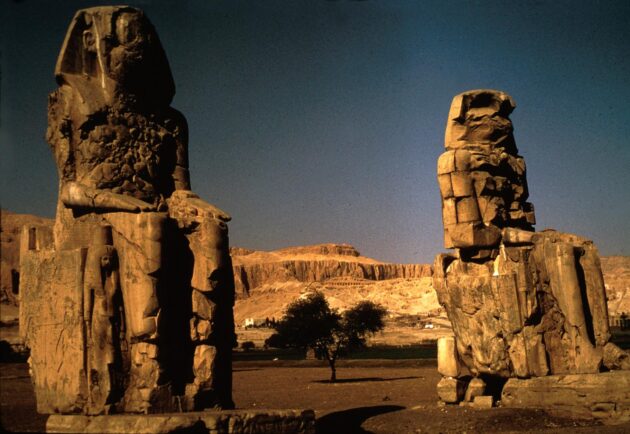
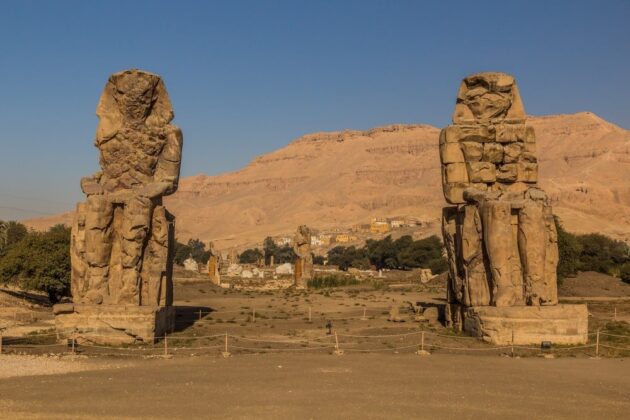
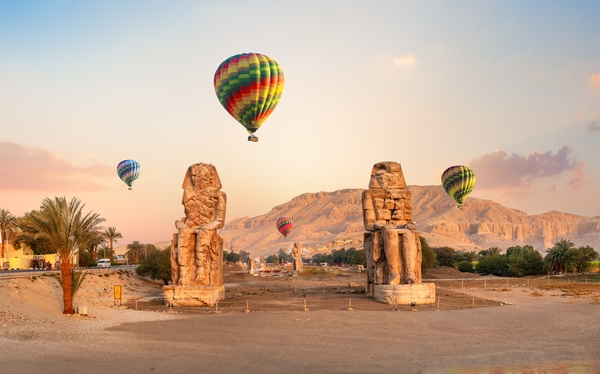
Nestled on the sun-baked West Bank of the Nile in Luxor, the Colossi of Memnon stand as silent sentinels of ancient Egypt’s grandeur. These two towering quartzite sandstone statues, each over 18 meters (60 feet) tall and weighing around 750 tons, depict Pharaoh Amenhotep III seated on his throne, gazing eastward toward the rising sun. Carved around 1350 BCE during the 18th Dynasty, they once guarded the entrance to what was the largest and most opulent mortuary temple in Thebes—now mostly eroded away by floods and earthquakes.
Hot Air Balloon Ride
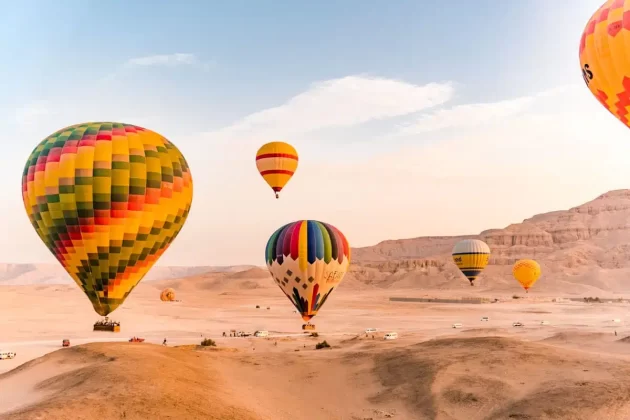
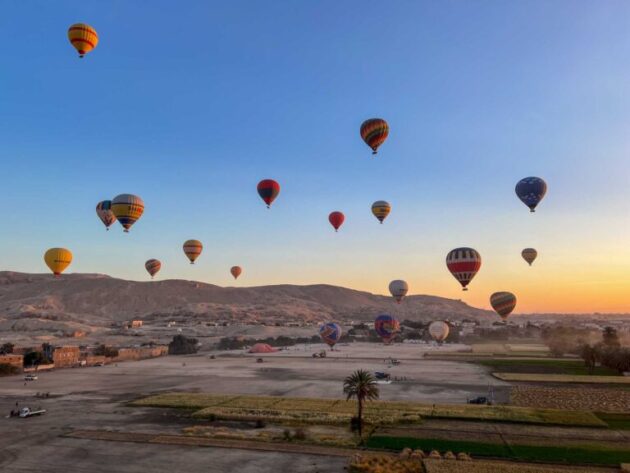
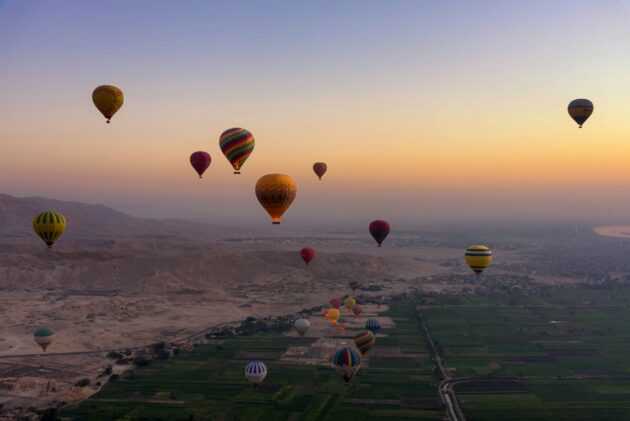
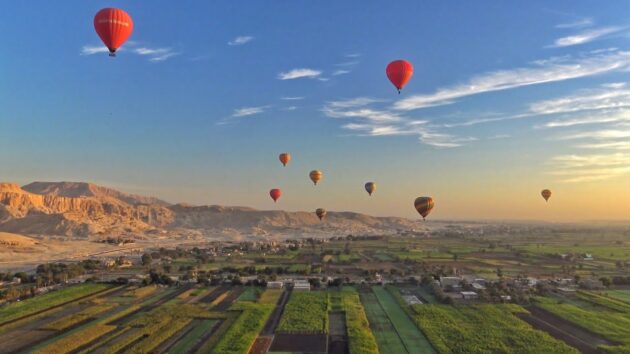
Glide over the West Bank at sunrise (45–60 minutes, $80–$150) for panoramic shots of temples and the Nile.
Suggested Itinerary
For a fulfilling trip, spend 2–4 days.
Day 1: East Bank Focus – Arrive and head to Karnak (open 6 AM), then Luxor Temple at sunset. Evening: Felucca sail and souk shopping.
Day 2: West Bank Adventure – Taxi tour: Valley of the Kings, Hatshepsut Temple, Colossi of Memnon (start 7 AM). Afternoon: Relax by the Nile.
Day 3 (Optional): Hot air balloon at dawn, then Luxor Museum. Or minibus to Edfu/Philae temples ($20/person).
Day 4 (Extended): Bike the West Bank’s villages or cruise south to Aswan.
Where to Stay
Base yourself on the East Bank for convenience and vibrancy; West Bank for tranquility near tombs.
Luxury: Sofitel Winter Palace Luxor ($200–$400/night) – Colonial elegance with Nile views and the upscale 1886 Restaurant.
Mid-Range: Steigenberger Nile Palace ($100–$200) – Modern amenities, pools, and temple proximity.
Budget: Bob Marley House or local guesthouses ($20–$50) on West Bank for authentic vibes.
Unique: Nile cruises docking in Luxor (e.g., 3-night itineraries from $300).
Book via sites like Booking.com; East Bank spots fill up in winter.
Where to Eat
Luxor’s cuisine blends Egyptian staples like koshari (lentils, rice, pasta) and ful medames (fava beans) with Nile-fresh fish. Drink bottled water only.
High-End: 1886 Restaurant at Sofitel – French-Egyptian fusion with river views ($30–$50/meal).
Local Favorites: Sofra (East Bank) for pigeon stuffed with rice; or street stalls for ta’ameya (falafel) and fresh juices.
Casual: Nile Corniche cafés for sheesha and hibiscus tea. Try molokhia soup or grilled kofta at family-run spots like Chez Omar.
Vegetarian options abound; tip 10–15% for good service.
Getting Around
Within Luxor: Walk the East Bank; horse carriages ($5–$10/ride) for charm. Local ferries ($1) cross to West Bank.
West Bank Tours: Hire a taxi/driver for the day ($30–$50) or join group minivans.
Bikes/Calèches: Rent bikes ($5/day) for rural West Bank paths; calèches (horse carts) for fun Nile crossings.
Apps: Uber/Careem work in town; agree fares upfront with taxis.
Practical Tips
Currency: Egyptian Pound (EGP; ~$1=48 EGP). ATMs are plentiful; carry small bills for tips (baksheesh, 5–20 EGP for guards/guides).
Health: Stay hydrated, use sunscreen/hat; pack toilet paper/sanitizer for sites. Avoid tap water/ice; get hep A/typhoid vaccines.
Safety: Luxor is safe for tourists, with heavy police presence at sites and no major incidents reported. Exercise caution: Avoid demonstrations, secure valuables from pickpockets, and firmly decline aggressive vendors. Women: Dress modestly (shoulders/knees covered); solo travelers report positive experiences. Hire licensed Egyptologist guides ($50–$100/day) via your hotel.
Etiquette: No photos in tombs (fines apply); haggle respectfully in markets (start at 50% off). Dress light but modest; no drones at sites.
Sustainability: Support eco-tours; avoid single-use plastics.
Final Thoughts
Luxor isn’t just ruins—it’s a portal to Egypt’s soul, where the past whispers through every column and carving. Whether chasing sunrises over the Nile or decoding hieroglyphs by lantern light, this destination will leave you enchanted. Pack your sense of wonder, and let the pharaohs’ legacy unfold. Safe travels—ma’a salama!