
A Travel Guide to Karnak Temple (2026)
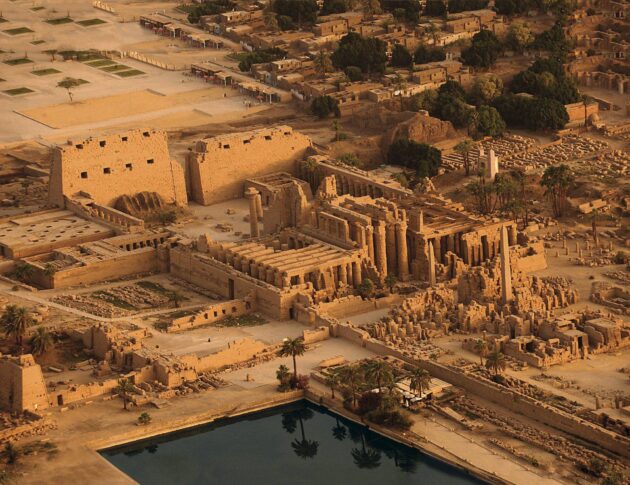
Nestled on the east bank of the Nile River in Luxor, Karnak Temple—officially known as the Precinct of Amun-Re—is one of the most awe-inspiring ancient wonders of the world. Spanning over 200 acres and constructed over more than 2,000 years by around 30 pharaohs starting around 2000 BCE, it stands as the largest religious complex ever built.
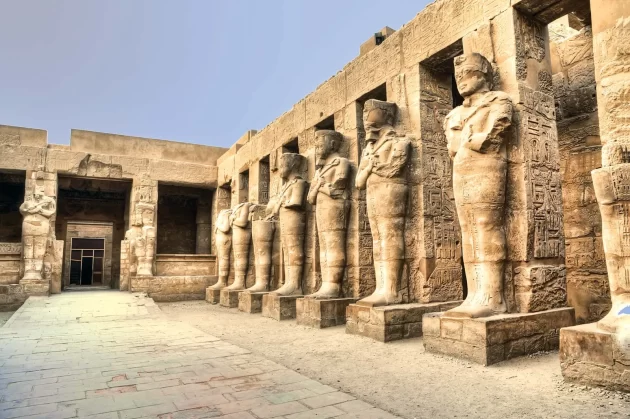
This sprawling site, dedicated primarily to the god Amun, features towering pylons, colossal columns, and intricate hieroglyphs that whisper tales of Egypt’s golden eras. Whether you’re a history buff, an architecture enthusiast, or simply seeking an unforgettable adventure, Karnak offers a mesmerizing journey back in time. It’s a UNESCO World Heritage Site and an essential stop on any Nile Valley itinerary.
Why Visit Karnak Temple?
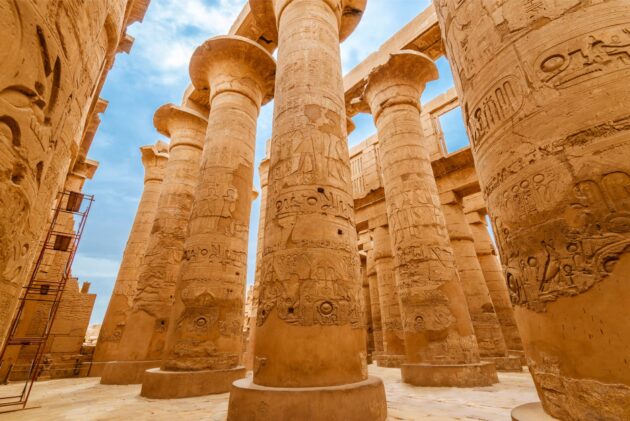
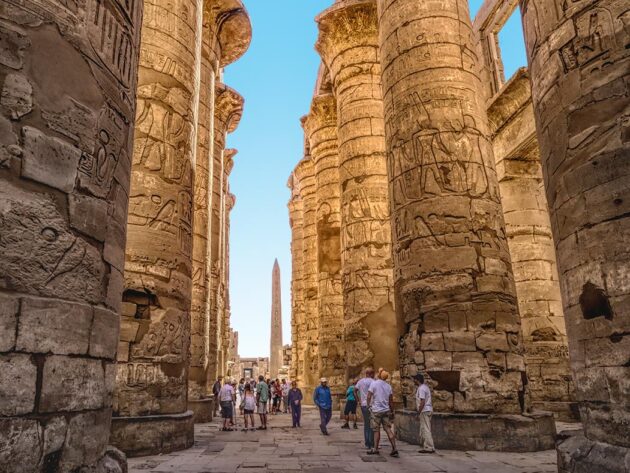
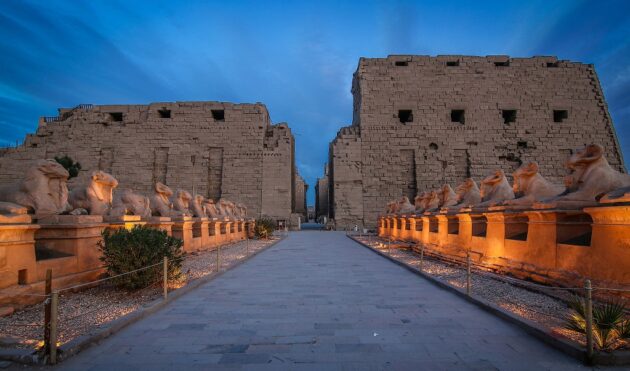
Karnak isn’t just a temple—it’s a living museum of pharaonic grandeur. Highlights include the iconic Great Hypostyle Hall with its 134 massive papyrus-shaped columns (some soaring 70 feet high), the Avenue of Sphinxes connecting it to Luxor Temple, and sacred lakes where rituals once unfolded. The site’s sheer scale and detail—carvings depicting battles, gods, and daily life—make it a highlight of Egyptian archaeology.
How to Get There
Luxor is the gateway to Karnak, easily accessible from major hubs:
By Air: Fly into Luxor International Airport (LXR), about 7 km east of the city center. Taxis from the airport to Karnak cost around 150–200 EGP (about $3–4 USD).
By Train: Overnight sleeper trains from Cairo (10 hours, $80–110 USD) or day trains from Aswan (2.5–3.5 hours, 65–95 EGP) arrive at Luxor Station, a 10-minute taxi ride (50–100 EGP) to the temple.
By Nile Cruise: Many cruises dock in Luxor and include guided transfers to Karnak.
From Luxor City Center: Karnak is 3 km north of downtown. Hire a taxi or calèche (horse-drawn carriage) for 200–300 EGP round-trip, or join a guided tour. For eco-friendly options, e-rickshaws or walking along the Corniche (riverside promenade) are feasible if you’re fit. The Avenue of Sphinxes (2.7 km) links Karnak directly to Luxor Temple—walk it if you have tickets for both (included with the Luxor Pass).
Public buses are cheap (5–10 EGP) but less reliable for tourists.
Best Time to Visit
Seasonal: October to April is ideal for mild weather (15–25°C/59–77°F). Avoid summer (May–September) when temperatures exceed 40°C (104°F).
Daily: Arrive at opening (6 AM) to beat the heat and crowds—aim for 7–8 AM when tour buses haven’t arrived yet. The site quiets down after 4 PM, but light fades quickly in winter. Sunset views from the temple’s upper levels are magical if you time it right.
What to See and Do
Allocate 2–3 hours to explore without rushing—the site’s vastness rewards patient wanderers. Key highlights:
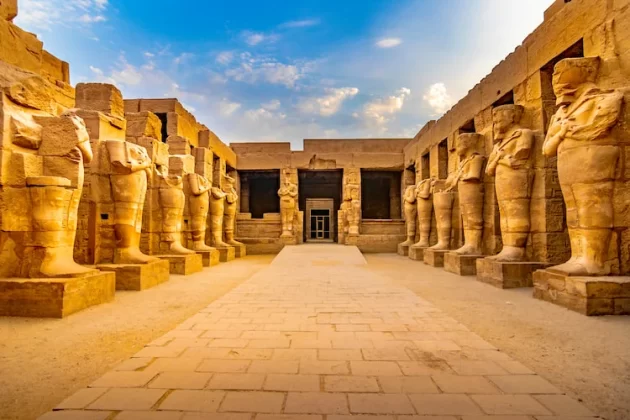
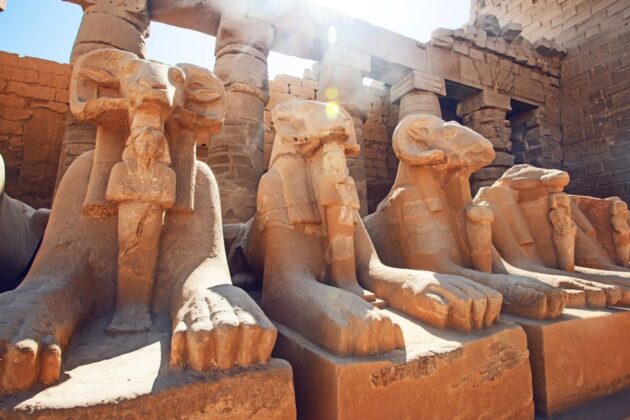
Avenue of Sphinxes: Enter via this grand, restored processional way flanked by statues—it’s especially atmospheric at dawn.
Great Hypostyle Hall: Marvel at the forest of columns etched with colorful reliefs from Ramses II and others.
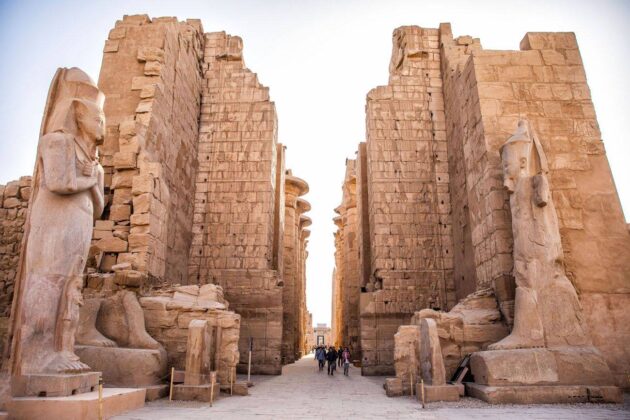
Pylons and Obelisks: Admire the massive gateways and the towering obelisk of Hatshepsut (one of the tallest surviving ancient obelisks).
Sacred Lake and Precincts: Stroll to the reflective lake used for purification rituals, then venture into the Precinct of Mut (extra ticket) for goddess shrines.
Karnak Open-Air Museum: Included in your entry, it showcases reconstructed chapels like the White Chapel of Senusret I and statues of Sekhmet.
Sound and Light Show: Evenings (7–9 PM, depending on season; 300–400 EGP) bring the temple to life with lasers and narration—book ahead.
Hire a licensed guide (200–300 EGP/hour) for deeper insights; they’re stationed at the entrance.
Practical Information
Opening Hours: Daily from 6 AM to 5 PM (last entry 4 PM), year-round.
Entrance Fees: 600 EGP (~$12.50 USD) for adults; 300 EGP for students (ID required). Children under 6 and Egyptians over 60 enter free. Photography is allowed without extra fees. Consider the Luxor Pass (5-day unlimited access to 50+ sites): $130 USD adult/$70 student (under 30 with ID), or premium $250/$130 including extra tombs—buy at Karnak or Valley of the Kings with passport.
Tickets: Purchase on-site or online via GetYourGuide/Shouf for e-tickets. No drones or tripods inside.
Tips for an Amazing Visit
Dress and Prep: Wear modest, comfortable clothing (long pants/skirts, covered shoulders) and sturdy shoes for uneven terrain. Bring water, sunscreen, and a hat—there’s little shade.
Crowd Avoidance: Go early or late; mid-morning fills with groups. Download an audio guide app if skipping a live one.
Safety and Etiquette: Luxor is tourist-friendly, but stick to licensed taxis and avoid unsolicited “guides.” Don’t touch carvings or buy from street vendors inside.
Accessibility: The site is mostly flat but has sand/gravel paths; wheelchairs available on request.
Combine Itineraries: Pair with Luxor Temple (1 km south via Sphinx Avenue) for a half-day East Bank loop. For a full day, add the West Bank (Valley of the Kings) via ferry (5 EGP across the Nile).
2025 Updates: Check for restoration closures (e.g., ongoing pylon work) via the Ministry of Tourism site. Tourism is booming, so expect more multilingual signage.
Where to Stay and Eat
Budget: Nefertiti Hotel ($20–40/night) near the Corniche, with rooftop Nile views.
Mid-Range: Bob Marley Hotel or Iberotel Luxor ($50–100), central with pools.
Luxury: Sofitel Winter Palace ($200+), historic elegance by the Nile.
Eat at local spots like 9th Gate Restaurant for koshari (street food staple) or Nile cruises for fusion cuisine. Try ful medames for breakfast.
Final Thoughts
Karnak Temple is more than ruins—it’s a testament to human ingenuity that humbles and inspires. With enhanced access and vibrant tourism, it’s easier than ever to lose yourself in its shadows. Plan ahead, embrace the chaos of ancient Egypt, and let the gods of Thebes guide your steps. Safe travels—may your journey be as eternal as the pharaohs’!