
A Travel Guide to the Mortuary Temple of Hatshepsut (2026)
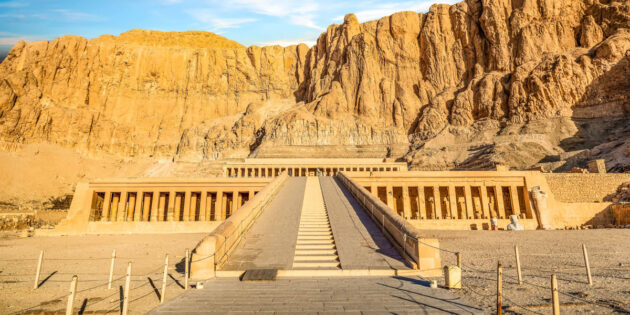
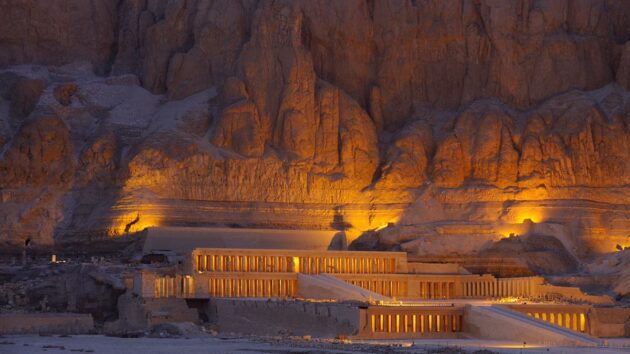
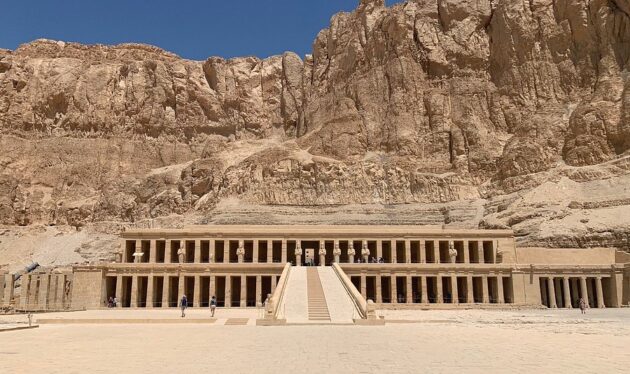
Nestled dramatically against the towering cliffs of Deir el-Bahri on Luxor’s West Bank, the Mortuary Temple of Hatshepsut—often called the “Djeser-Djeseru” or “Holy of Holies”—stands as one of ancient Egypt’s most stunning architectural marvels. Dedicated to Pharaoh Hatshepsut, Egypt’s first female ruler who reigned from 1479–1458 BCE, this terraced masterpiece was designed by her architect Senenmut as both a funerary complex and a testament to her divine birth and prosperous expeditions.
Restored in the 20th century after centuries of damage from earthquakes and deliberate defacement by her successors, the temple’s symmetrical ramps, colonnades, and intricate reliefs offer a glimpse into the New Kingdom’s grandeur. Whether you’re a history buff, architecture enthusiast, or photographer, this UNESCO World Heritage site delivers an awe-inspiring experience amid the Theban Necropolis.
Why Visit the Mortuary Temple of Hatshepsut?
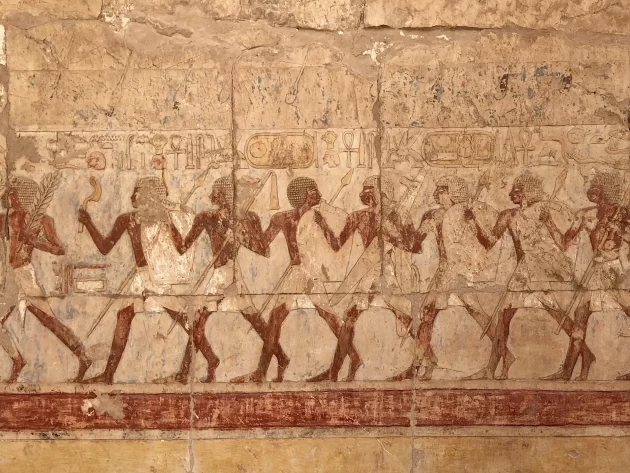
Hatshepsut’s temple is unique for its bold female-centric narrative in a male-dominated pharaonic era. Reliefs depict her mythical conception by the god Amun and her triumphant trade mission to the land of Punt, showcasing exotic animals, incense, and ebony. Unlike the somber tombs nearby, this site radiates elegance and innovation, blending seamlessly with its natural amphitheater of cliffs. It’s a highlight of any Luxor itinerary, often paired with the Valley of the Kings for a full day of ancient wonders.
How to Get There
The temple is located about 6 km (3.7 miles) from central Luxor on the West Bank of the Nile, accessible year-round.
From Luxor Airport (LXR): Fly into Luxor from Cairo (1-hour flight, ~$90 USD) or elsewhere. Taxis from the airport to the West Bank take 20–30 minutes (~200–300 EGP, or $6–10 USD).
From Luxor City Center: By Ferry and Taxi: Cross the Nile via the public ferry from Luxor East Bank (5 EGP, ~$0.15 USD, runs frequently). On the West Bank, hire a calèche (horse-drawn carriage) or taxi (~100–150 EGP round-trip to the temple). Private Driver or Tour: Recommended for efficiency—hotels arrange West Bank tours for ~$30–50 USD per person, including transport to multiple sites like the Valley of the Kings. Self-drive rentals are available but less common due to traffic and touts. By Organized Tour: Many opt for guided half- or full-day excursions from Luxor, starting early to beat the heat.
Parking is available at the site, with a short shuttle tram (included or ~20 EGP) ferrying visitors from the lot to the temple entrance.
Best Time to Visit
Season: October to April (cooler weather, 15–25°C/59–77°F during the day). Avoid summer (May–September) when temperatures soar above 40°C (104°F).
Daily Timing: Arrive at opening (6 AM) for cooler temps, fewer crowds, and golden-hour photography. Late afternoon (3–5 PM) offers dramatic shadows but more heat. The site takes 45–90 minutes to explore fully.
Highlights and What to Do
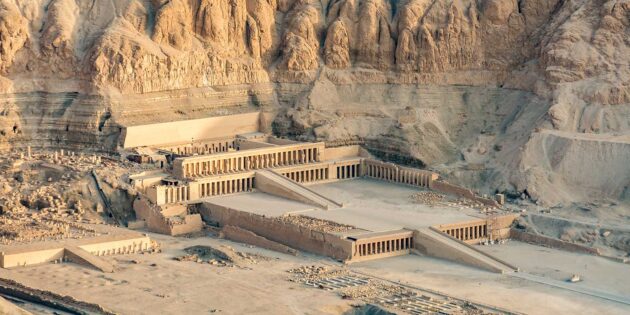
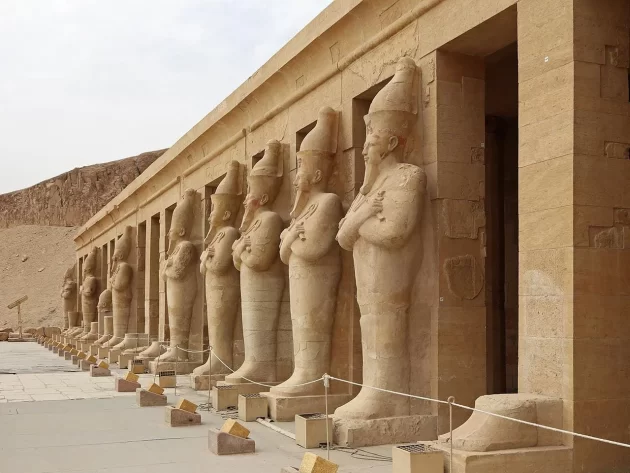
The temple unfolds across three terraced levels connected by grand ramps, evoking a modern ziggurat against the cliffs. Key stops include:
Lower Court and Sphinx Avenue: Enter via a avenue flanked by sphinx statues (some restored). Admire the reflecting pools (now dry) and lush garden remnants.
Middle Terrace – Punt Colonnade: Marvel at vivid reliefs of Hatshepsut’s Punt expedition, showing giraffes, leopards, and myrrh trees being loaded onto ships. The Hathor Chapel features cow-headed columns symbolizing the goddess.
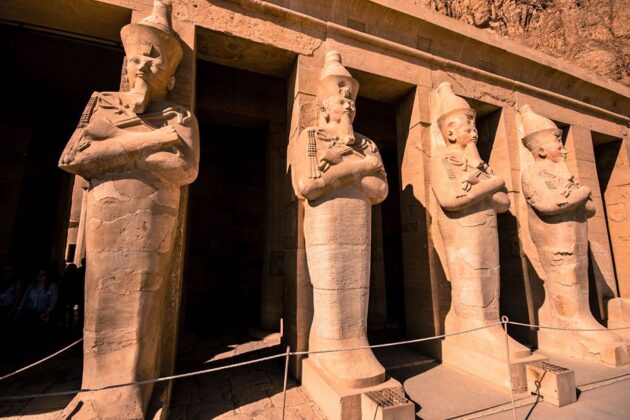
Upper Terrace – Birth Colonnade and Sanctuary: Hieroglyphs narrate Hatshepsut’s divine birth. Climb to the solar court with obelisks (one original, 30m tall) and the Anubis Chapel, where rock-cut tunnels lead to hidden shrines.
Guided Exploration: Hire an Egyptologist (~$20–30 USD extra) for context on the reliefs—self-guided audio tours are available via apps like VoiceMap.
No climbing on structures; photography is free (no flash indoors).
Practical Information
| Aspect | Details |
|---|---|
| Opening Hours | 6 AM – 5 PM daily (last entry 4:30 PM; Fridays may close earlier at 4 PM) |
| Entry Fees | 360 EGP (~$12 USD) adults; 180 EGP students (with ID); Bus: 2 EGP; Luxor Pass: 400 EGP (includes multiple sites) |
| Duration | 1–2 hours |
| Accessibility | Wheelchair-friendly ramps and shuttle; some steep sections |
What to Bring: Comfortable walking shoes, hat, sunscreen, water bottle, and light layers for wind. Modest clothing (shoulders/knees covered) respects the site’s sanctity.
Facilities: Restrooms, small café, and souvenir shops on-site. ATMs are scarce—bring cash in EGP.
Where to Stay and Eat Nearby
Base yourself in Luxor for easy access:
West Bank: Budget guesthouses like Al Moudira (~$100/night) for Nile views; eco-lodges near the temples.
East Bank: Hilton Luxor (~$150/night) or budget spots like Bob Marley Hotel (~$30/night) in central Luxor.
Dining: Try koshari (lentils and rice) at local spots like El Zaytoun on the West Bank. For upscale, Sofitel Luxor’s Nubian restaurant offers Nile-side Egyptian fusion (~$20–30 USD/meal).
Combine with a felucca Nile cruise at sunset for the full experience.
Tips for a Memorable Visit
Beat the Crowds: Go independently early or join a small-group tour to avoid bus hordes.
Haggle Smartly: Touts are persistent—fixed-price tickets help. Ignore “free” guides unless licensed.
Safety: Luxor is tourist-friendly, but stick to marked paths (rockfalls possible) and use reputable transport. Women travelers: Dress conservatively and travel in groups if possible.
Sustainability: Don’t touch reliefs; report graffiti. Support local by buying from artisan co-ops.
Final Thoughts
The Mortuary Temple of Hatshepsut isn’t just ruins—it’s a soaring tribute to a trailblazing queen, where every carving whispers of ambition and legacy. In Luxor’s timeless landscape, it feels like stepping into a myth. Plan for a dawn visit, let the sun illuminate the hieroglyphs, and carry away the quiet power of ancient innovation. Egypt’s wonders await—safe travels!