

A Travel Guide to Aswan (2026)
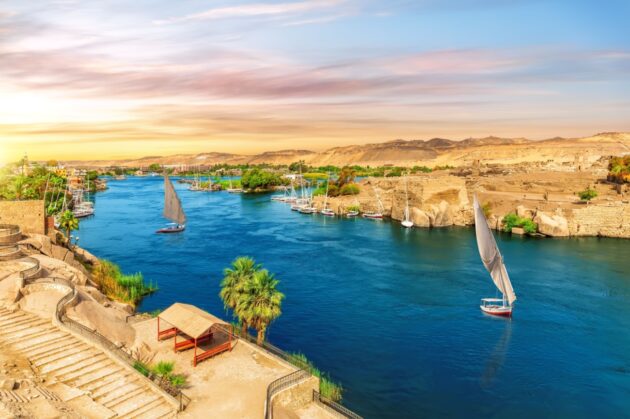
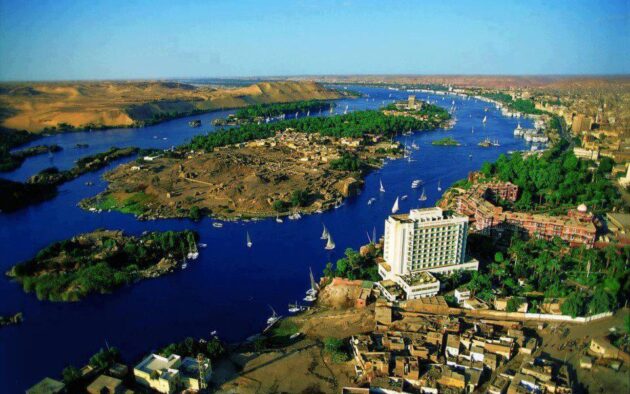
Nestled on the eastern bank of the Nile River in southern Egypt, Aswan serves as the gateway to Nubia and offers a serene contrast to the bustling pyramids of Cairo or the temple-packed Luxor. Known for its stunning granite quarries, ancient temples, and vibrant Nubian culture, Aswan is a laid-back destination where the Nile’s gentle flow sets the rhythm of life. With its warm sunsets over the river and opportunities for felucca (traditional sailboat) rides, it’s perfect for travelers seeking a mix of history, relaxation, and authentic Egyptian hospitality. Aswan remains a safe and welcoming spot for tourists, though always check current advisories—most governments recommend exercising increased caution in Egypt overall due to regional tensions, but tourist areas like Aswan are well-patrolled and low-risk.
Why Visit Aswan?
Aswan captivates with its blend of pharaonic ruins, Nubian villages painted in vivid colors, and the majestic Aswan High Dam. It’s less crowded than other Egyptian hotspots, allowing for a more intimate experience with the Nile—often called the “liquid highway” of ancient trade. Highlights include exploring relocated temples like Philae and day trips to the iconic Abu Simbel. For culture lovers, the city’s Nubian heritage offers music, crafts, and cuisine distinct from mainstream Egyptian fare.
How to Get There
Aswan is accessible via multiple routes from Cairo (about 900 km north) or Luxor (230 km north):
By Air: Fly into Aswan International Airport (ASW), with direct flights from Cairo (1.5 hours, ~$50–$100 USD one-way) and international connections via hubs like Istanbul or Dubai. Airlines like EgyptAir and Air Cairo operate daily.
By Train: Overnight sleeper trains from Cairo’s Ramses Station take 12–14 hours (~$40–$80 USD for a bed). Day trains from Luxor run 3–4 hours (~$10 USD).
By Bus: Affordable GO Bus or Super Jet services from Cairo (14 hours, ~$15 USD) or Luxor (4 hours, ~$5 USD). Comfortable but expect crowds.
By Nile Cruise: Luxury option from Luxor (3–4 days downstream, $300–$1,000 USD per person), combining transport with sightseeing.
Once in Aswan, the city is walkable along the Corniche (riverside promenade), but use taxis (Uber available), microbuses, or horse-drawn carriages for longer trips.
Best Time to Visit
Peak Season (October–April): Mild temperatures (20–30°C/68–86°F) make this ideal for outdoor exploration. December–February is busiest but offers festivals like Abu Simbel Sun Festival (twice yearly, when sunlight illuminates Ramses II’s statue).
Shoulder Seasons (May–June, September): Fewer crowds and lower prices, though heat can reach 35°C (95°F).
Avoid (July–August): Extreme heat (up to 45°C/113°F) and sandstorms.
Top Things to Do
Aswan rewards a 2–3 day stay. Here’s a suggested itinerary:
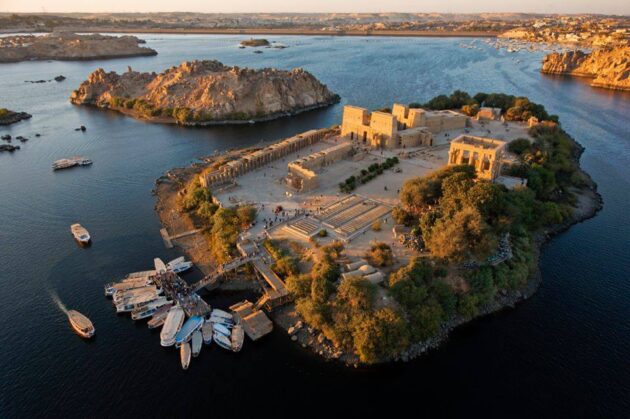
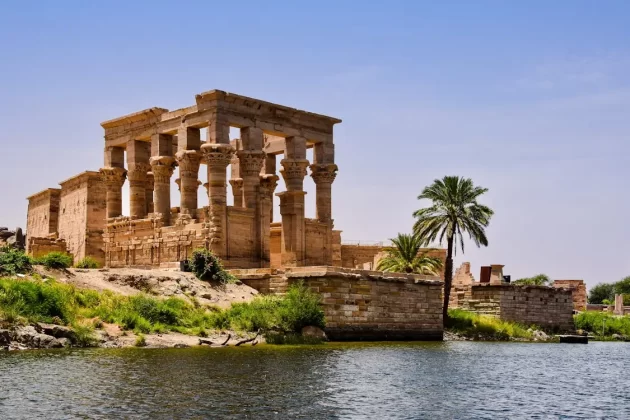
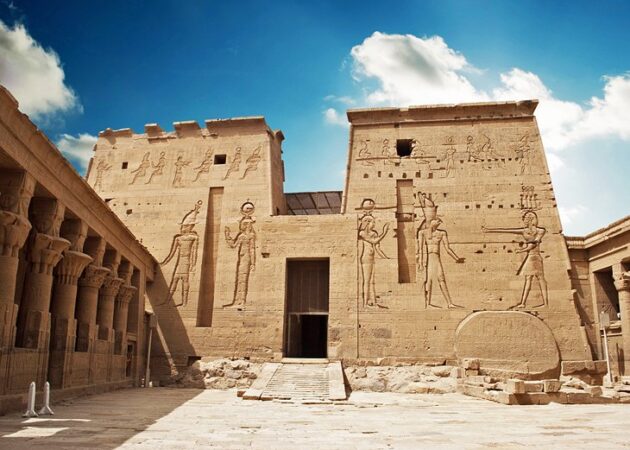
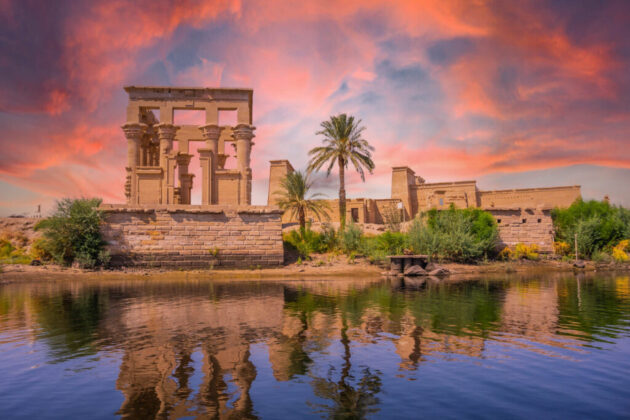
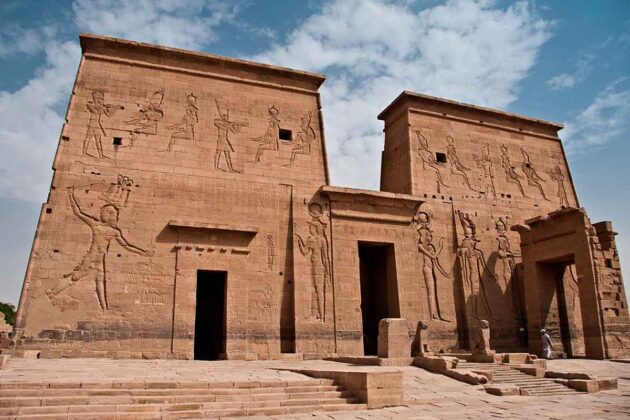
Philae Temple Complex: A Ptolemaic-era gem dedicated to Isis, relocated to Agilika Island after the High Dam’s construction. Sail there by motorboat and marvel at its ornate columns and Nile views. Entry: ~$15 USD. Best at sunset.
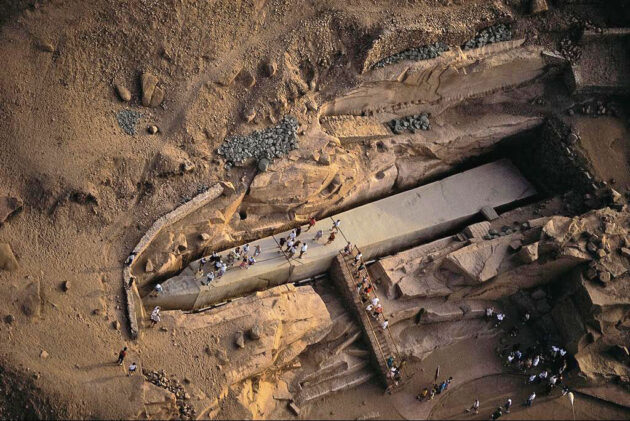
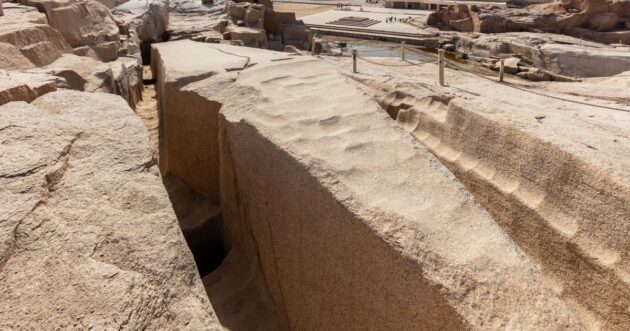
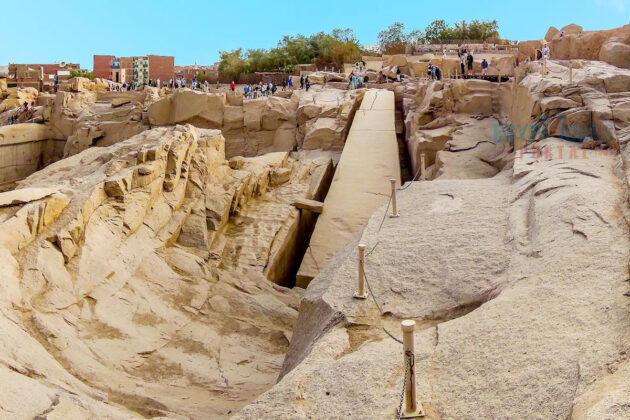
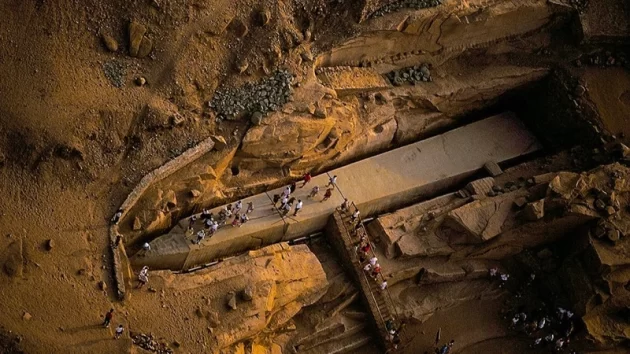
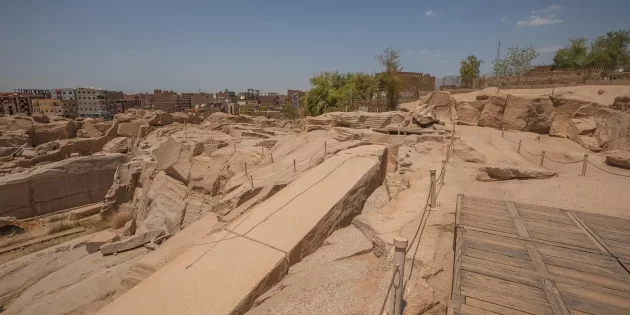
Unfinished Obelisk: In Aswan’s ancient granite quarries, this massive 42m obelisk (intended for Hatshepsut) reveals ancient engineering secrets—cracks halted its completion. A short walk from the city center; entry: ~$5 USD.
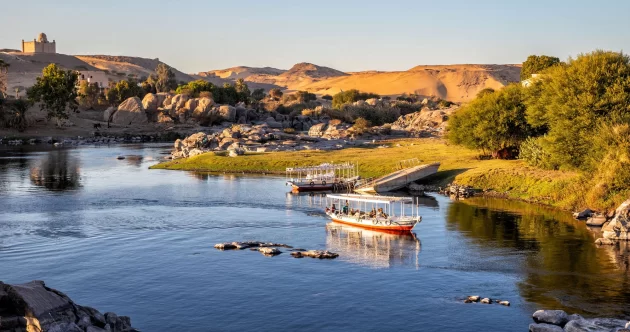
Elephantine Island & Nubian Villages: Ferry across to this lush island for colorful Nubian homes, a Nubian Museum (showcasing local history), and ruins of a Nilometer (ancient water gauge). Wander villages like Gharb Soheil for handicrafts and crocodile spotting. Round-trip ferry: ~$2 USD.
Aswan High Dam & Philae Sound-and-Light Show: Tour the engineering marvel that tamed the Nile (entry: ~$5 USD), then catch the evening light show at Philae for a dramatic retelling of myths.
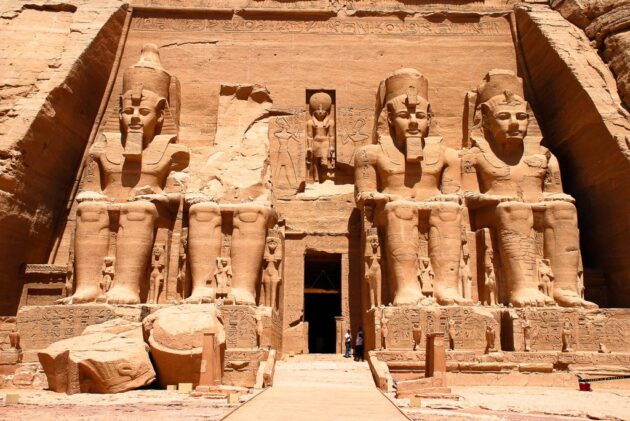
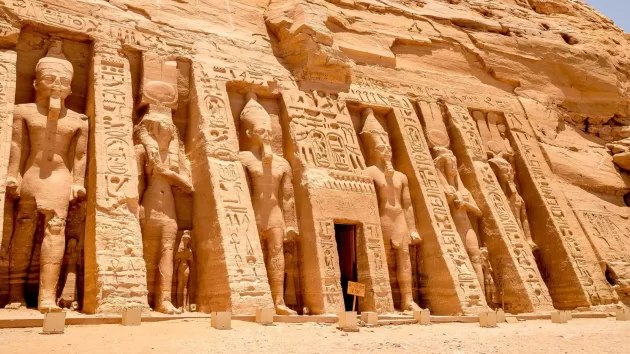
Day Trip to Abu Simbel: Essential for Ramses II’s rock-cut temples—flights from Aswan (~$200 USD round-trip, 45 minutes) or convoy bus (~$15 USD, 3 hours each way). Book early; convoys depart at dawn for security.
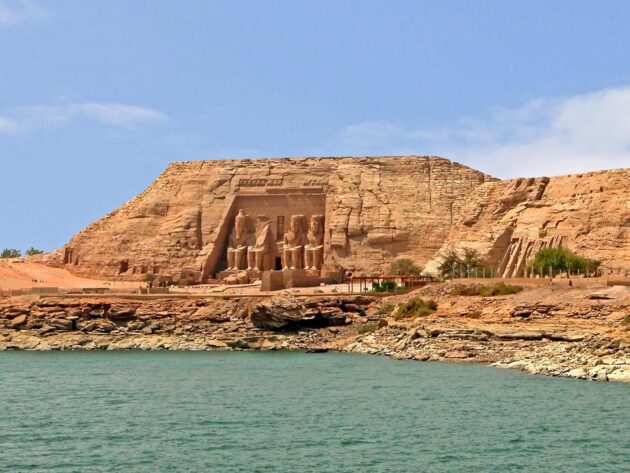
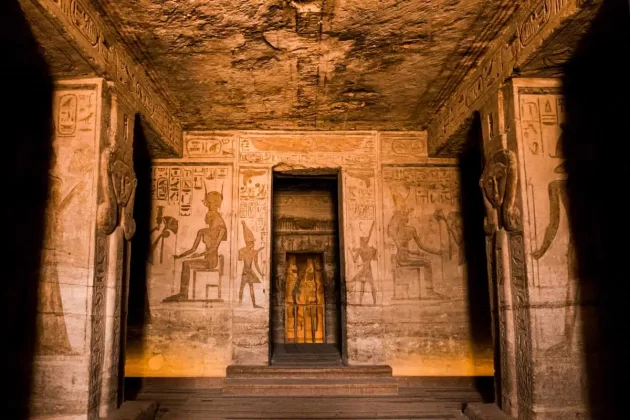
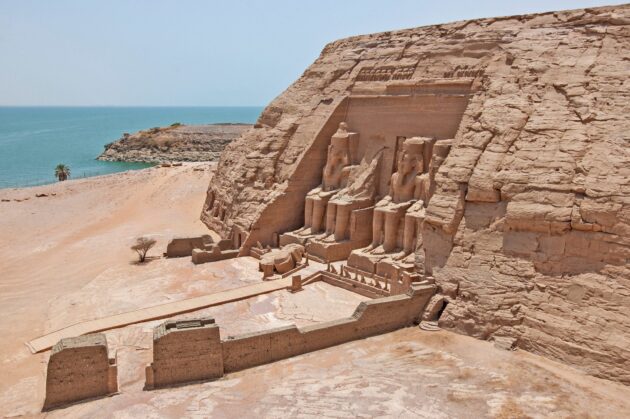
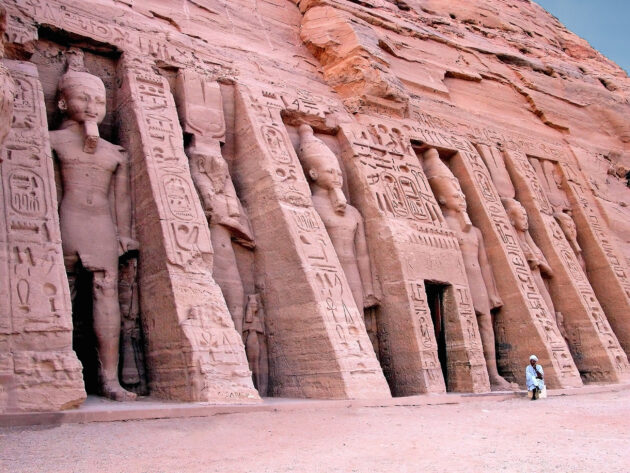
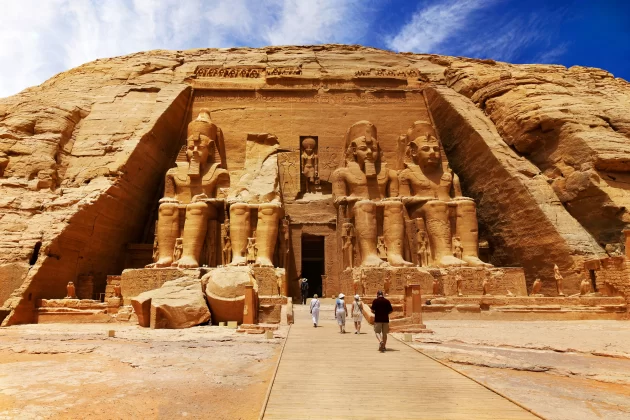
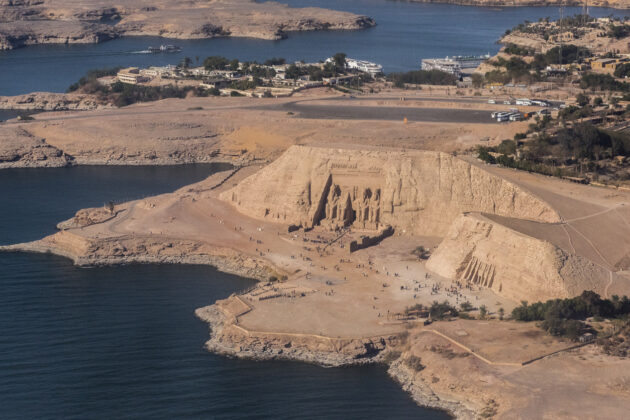
Felucca Ride & Kitchener’s Island: Glide on a traditional sailboat at dusk (~$10–$20 USD/hour for a group). Visit the neighboring Botanical Garden on Kitchener’s Island for exotic plants and birdwatching.
For multi-day adventures, join a Nile felucca overnight or a desert safari to the “Valley of the Kings” in Nubia.
Where to Stay
Aswan offers Nile views and budget options:
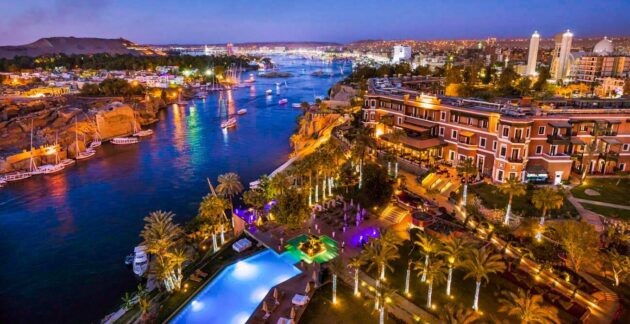
Luxury: Sofitel Legend Old Cataract (iconic, ~$300/night) for colonial charm and Agatha Christie vibes.
Mid-Range: Mövenpick Resort Aswan (~$150/night) with infinity pools overlooking the Nile.
Budget: Nubian-style guesthouses on Elephantine Island (~$30–$50/night) or hostels like Yassmin Oasis (~$20/night).
Book via Booking.com; Nile-front spots fill up in winter.
Where to Eat
Savor fresh Nile perch and local spices:
Nubian Cuisine: Try kawarek (spiced fish) or asida (porridge) at village eateries on Elephantine.
Classics: El Kabsa Restaurant for koshari (lentils and rice) or grilled meats (~$5–$10 USD).
Riverside: 1902 at the Old Cataract for upscale Egyptian fusion with Nile sunsets (~$30+ USD).
Vegetarian options abound; street falafel is safe and cheap.
Practical Tips
Getting Around: Taxis are metered; negotiate for calèches. Download offline maps.
Health & Safety: Drink bottled water, use reef-safe sunscreen. Women: Dress modestly at sites. Hire licensed guides (~$20–$50 USD/day) for context—avoid unofficial touts.
Sustainability: Support local Nubian artisans; opt for eco-cruises to minimize river impact.
Connectivity: Free Wi-Fi in hotels; SIM cards at the airport (~$10 USD for data).
Aswan’s magic lies in its unhurried pace—let the Nile inspire you to linger. Safe travels!