
A Travel Guide to Abu Simbel (2026)
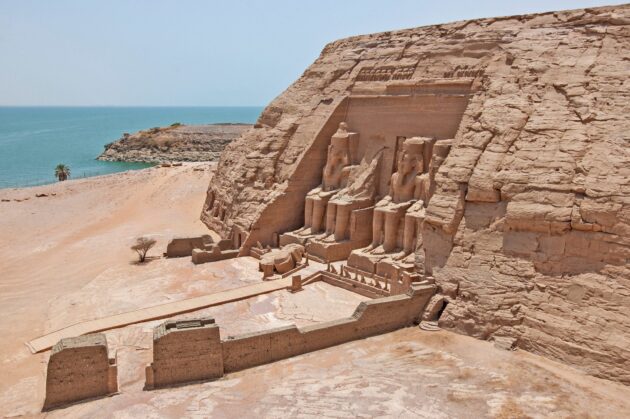
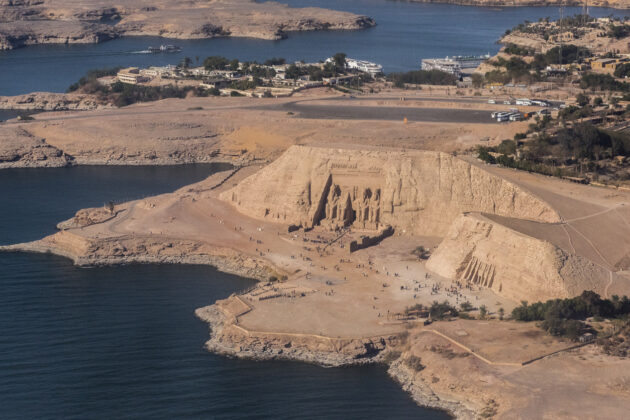
Nestled in the sun-baked Nubian Desert along the western bank of Lake Nasser, Abu Simbel is one of Egypt’s most awe-inspiring ancient wonders. This UNESCO World Heritage Site features two magnificent rock-cut temples commissioned by Pharaoh Ramses II in the 13th century BCE, dedicated to himself and his beloved wife, Queen Nefertari.
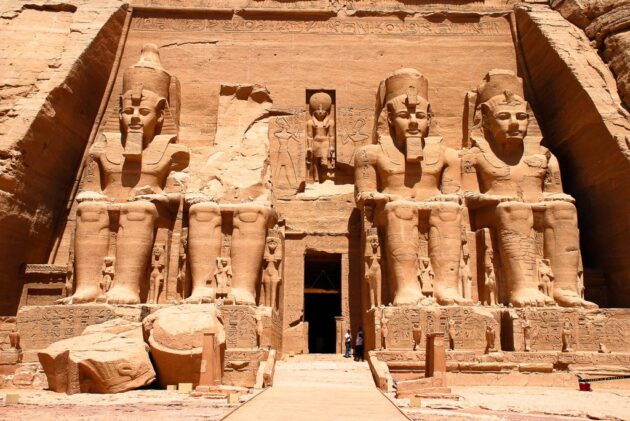
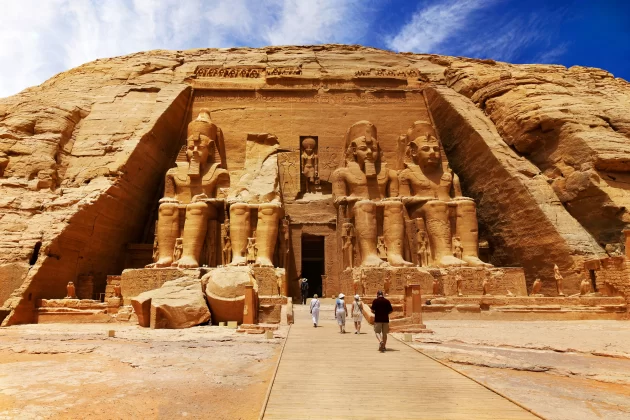
The site’s crowning glory—the four colossal statues of Ramses guarding the Great Temple—stand as timeless symbols of ancient Egyptian grandeur. Relocated in the 1960s to save it from flooding by the Aswan High Dam, Abu Simbel blends history, engineering marvels, and dramatic desert scenery. Whether you’re an archaeology buff or simply seeking an unforgettable adventure, here’s everything you need to plan your visit.
Why Visit Abu Simbel?
Abu Simbel isn’t just ruins; it’s a testament to human ingenuity and pharaonic ego. The temples’ interiors boast intricate carvings depicting battles, offerings, and daily life, while the exteriors’ massive scale (the statues are 20 meters tall!) evokes a sense of scale and mystery.
Twice a year (February 22 and October 22), sunlight penetrates the inner sanctum to illuminate the statues of four gods— a solar alignment that’s nothing short of magical. In a country overflowing with pyramids and temples, Abu Simbel stands out for its remote, cinematic vibe, making it a highlight of any Nile Valley itinerary.
How to Get There
Abu Simbel’s isolation (230 km south of Aswan) adds to its allure, but reaching it requires planning:
From Aswan (Most Common Route): By Air: The quickest option is a 45-minute flight from Aswan International Airport (ASW) to Abu Simbel Airport (ABS). EgyptAir operates daily flights (around $50–$100 one way), departing early morning to beat the heat. Book in advance, especially during peak season. By Road: A 3–4 hour private convoy (mandatory for safety) departs Aswan daily at dawn. Organized tours cost $50–$80 per person, including transport and entry. Self-driving isn’t allowed due to security protocols. By Ferry: Rare and seasonal high-speed ferries across Lake Nasser from Aswan take 4–5 hours, but they’re weather-dependent.
From Cairo or Luxor: Fly into Aswan first (1-hour flight from Cairo), then connect to Abu Simbel. Direct flights from Cairo to Abu Simbel are infrequent but available via Nile Air.
Pro Tip: All visitors must join a police-escorted convoy if traveling by road—sign up through your hotel or a tour operator the day before.
Best Time to Visit
Peak Season (October–April): Mild weather (20–30°C/68–86°F) makes this ideal for exploring. Winter brings fewer crowds outside holidays.
Shoulder Seasons (May–September): Summers are scorching (up to 45°C/113°F), so opt for early morning visits. Fewer tourists mean a more intimate experience, but pack ample water and sun protection.
Solar Alignment Events: If possible, time your trip for February 22 or October 22 to witness the sun illuminating the temple’s inner chamber—a once-in-a-lifetime spectacle (tickets sell out fast).
Avoid midday heat year-round; sites open 6 AM–5 PM.
What to Do and See
Your visit will likely last 2–3 hours, but make the most of it with these highlights:
The Great Temple of Ramses II: Enter through the iconic facade flanked by four 20-meter colossi (Ramses depicted as Osiris). Inside, a hypostyle hall with vibrant reliefs of Ramses’ victories (like the Battle of Kadesh) leads to the inner sanctum. Don’t miss the solar phenomenon if you’re there on alignment days.
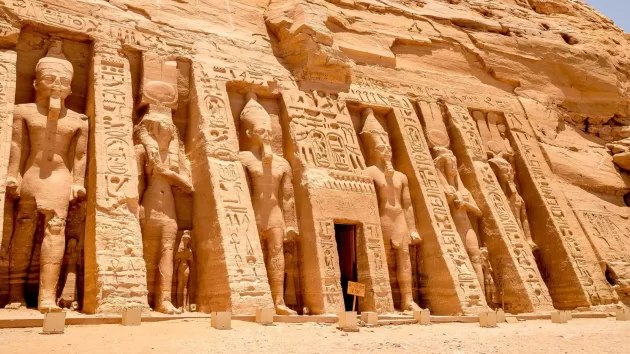
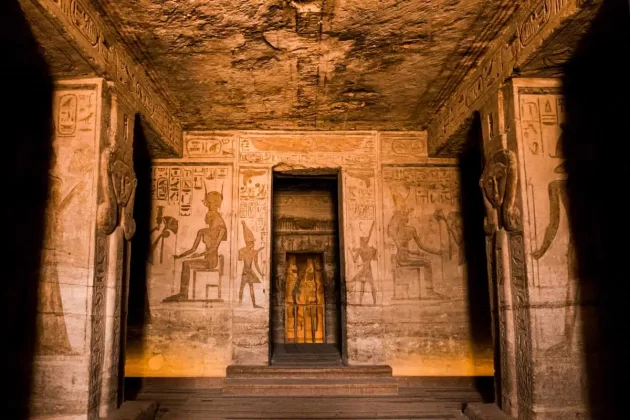
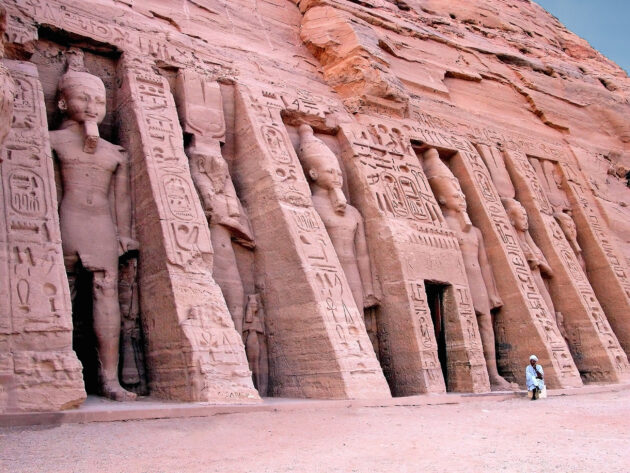
The Small Temple of Hathor: Dedicated to Nefertari and the goddess Hathor, this smaller (but equally stunning) temple features six 10-meter statues at the entrance. The interior’s cow-headed Hathor pillars and colorful wall paintings offer a more intimate glimpse into royal devotion.
Nubian Village Exploration: Adjacent to the site, wander through a recreated Nubian village with traditional mud-brick houses, craft shops, and performances of local music and dance. It’s a cultural bridge to the region’s indigenous heritage.
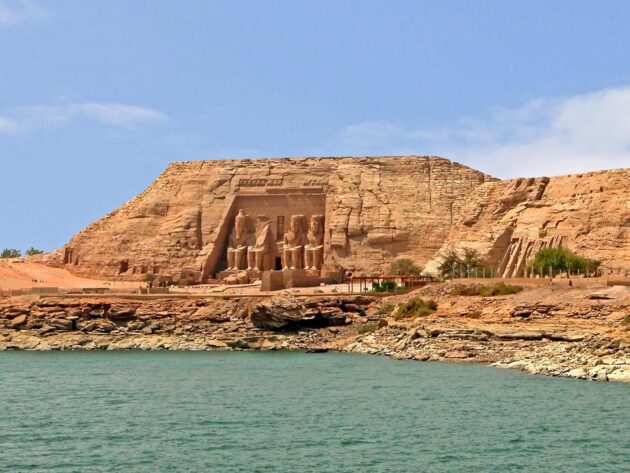
Lake Nasser Views: Stroll the lakeside promenade for photos of the temples against the vast blue waters of Lake Nasser, formed by the Aswan Dam.
Guided tours (included in most packages) are essential—English-speaking Egyptologists provide context and access to restricted areas.
Practical Information
Tickets and Entry: EGP 240 (about $8 USD) for foreigners; includes both temples. Buy at the gate or online via Egypt’s Ministry of Tourism site. Students/teachers get discounts with ID.
Tour Operators: Reputable options include:
Abercrombie & Kent: Luxury small-group tours with private guides.
Intrepid Travel: Budget-friendly day trips from Aswan.
Local Operators like Memphis Tours: Affordable convoy-inclusive packages starting at $60.
Accessibility: The site is wheelchair-friendly in parts, but uneven terrain and stairs limit full access—check with operators for adaptations.
Health and Safety: Drink bottled water only; apply high-SPF sunscreen. Egypt is generally safe for tourists, but stick to escorted groups.
Where to Stay and Eat
Abu Simbel is a day-trip destination for most, but overnight stays enhance the experience:
Luxury: Seti Abu Simbel Lake Resort (from $150/night)—overlooking Lake Nasser with pools, spas, and Nubian-inspired decor.
Mid-Range: Abu Simbel Nubian House (from $80/night)—cozy guesthouse with home-cooked meals and cultural immersion.
Budget: Basic hotels like Panorama Hotel (from $40/night) near the airport.
Dining is simple: Try fresh Nile perch at lakeside cafes or Nubian specialties like ful medames (fava beans) and koshari (lentil-rice mix) at the village eateries. Most spots are halal-friendly; vegetarian options abound.
Tips for a Great Trip
Pack Smart: Wide-brimmed hat, sunglasses, comfortable walking shoes, and modest clothing (shoulders/knees covered for respect).
Photography: Drones are banned; tripods need permits. The golden-hour light (dawn/dusk) is photographer’s heaven.
Combine with Nearby Sites: Pair with a Lake Nasser cruise to see other relocated temples like Philae, or extend to Aswan’s Philae Temple and Nubian markets.
Sustainability: Support local Nubian artisans by buying crafts—tourism funds community preservation efforts.
Currency and Connectivity: Use Egyptian pounds (USD widely accepted); ATMs are scarce, so exchange in Aswan. Wi-Fi is spotty—download offline maps.
Final Thoughts
Abu Simbel isn’t just a historical footnote; it’s a portal to an era when gods walked among men, preserved through modern miracles like the 1960s relocation project involving 50+ countries. Standing before those eternal guardians, you’ll feel the weight of 3,000 years of history—and the thrill of discovery. Whether by plane, convoy, or felucca, make the journey; it’s an Egyptian adventure that etches itself into your soul.
Safe travels and wonder-filled explorations!