
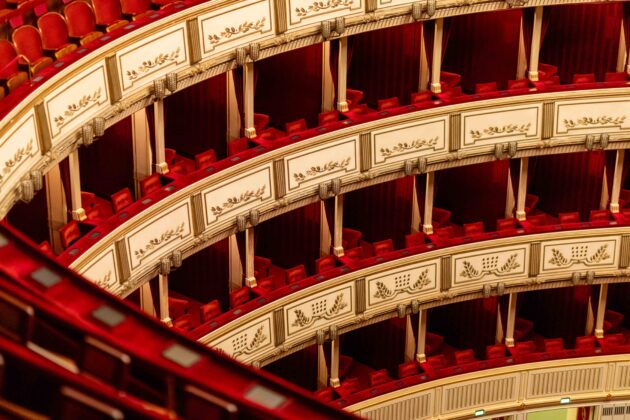
Austria Travel Guide 2025
Austria, a landlocked gem in the heart of Europe, captivates with its stunning Alpine landscapes, imperial history, and vibrant classical music scene. From the opulent palaces of Vienna to the fairy-tale villages nestled in snow-capped mountains, this compact country offers a perfect blend of urban sophistication and outdoor adventure. Whether you’re a history buff, a ski enthusiast, or a foodie seeking hearty schnitzel and crisp Grüner Veltliner wines, Austria delivers unforgettable experiences.
Best Time to Visit
Austria’s diverse climate suits year-round travel, but timing depends on your interests:
Shoulder Seasons (April–June, September–October): Mild weather (15–25°C/59–77°F), blooming wildflowers in spring or golden foliage in fall, fewer crowds, and lower prices. Ideal for hiking, cycling, and city exploration.
Summer (June–August): Peak season for festivals, lakeside relaxation, and Danube cruises. Expect warm days (up to 30°C/86°F) but higher crowds and prices in Vienna and Salzburg.
Winter (December–March): Magical for Christmas markets, skiing, and New Year’s concerts. Temperatures drop to -15°C (5°F) in the Alps, with heavy snow—perfect for après-ski vibes.
Avoid February–March if possible, as it’s the quietest (and muddiest) off-season.
Visa and Entry Requirements
Schengen Area: Austria is part of the Schengen Zone. U.S., Canadian, Australian, and most EU citizens can stay visa-free for up to 90 days in any 180-day period. Ensure your passport is valid for at least 3 months beyond your departure date.
ETIAS Update: Starting mid-2025, non-EU visitors (including U.S./Canada) need an ETIAS travel authorization (about €7, valid for 3 years or until passport expiry). Apply online in advance—it’s quick but mandatory for entry.
How to Get There
By Air: Major hubs are Vienna International Airport (VIE) and Salzburg Airport (SZG). Direct flights from the U.S. (e.g., NYC to VIE: 8–9 hours, €400–800 round-trip). Innsbruck (INN) serves the Alps.
By Train: High-speed Railjet from Munich (2 hours to Salzburg) or Zurich (4 hours to Innsbruck).
By Car: Enter via Germany, Italy, or Slovenia—scenic but watch for vignettes (highway toll stickers, €9.90 for 10 days).
Getting Around
Austria’s transport is efficient and eco-friendly:
Trains: ÖBB network is excellent—book via app for discounts (Vienna–Salzburg: €19–40). Eurail Austria Pass: €211 for 3 days in 1 month.
Buses: FlixBus for budget routes (Vienna–Graz: €10).
Public Transit: Vienna’s U-Bahn/trams: €2.40 single, €8 day pass. Rent bikes in cities (€15/day).
Car Rental: €20–40/day for freedom in the Alps, but parking is tricky in cities. International Driving Permit required.
Pro Tip: Get a Klimaticket (€1,095/year) for unlimited national travel if staying long-term.
Top Destinations
Vienna
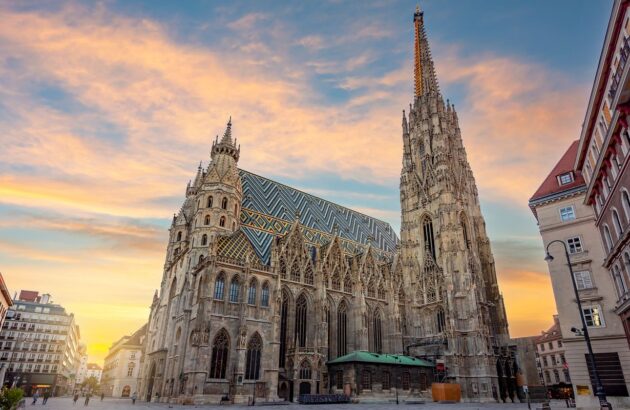
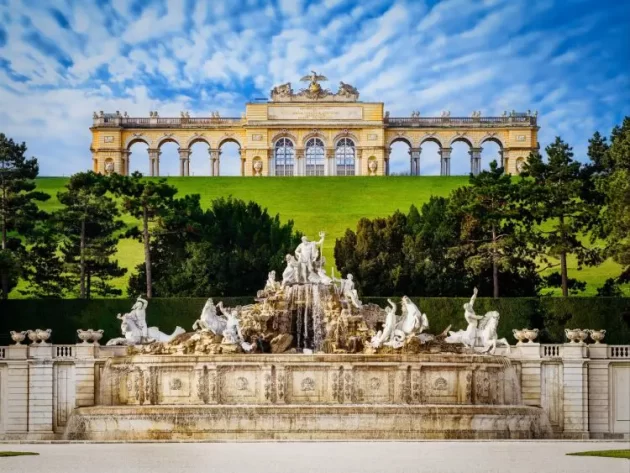
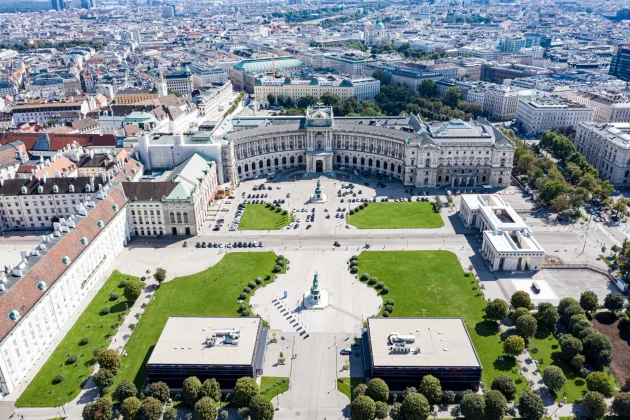
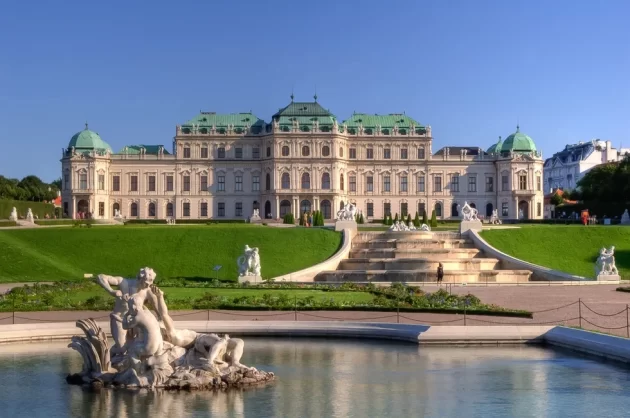
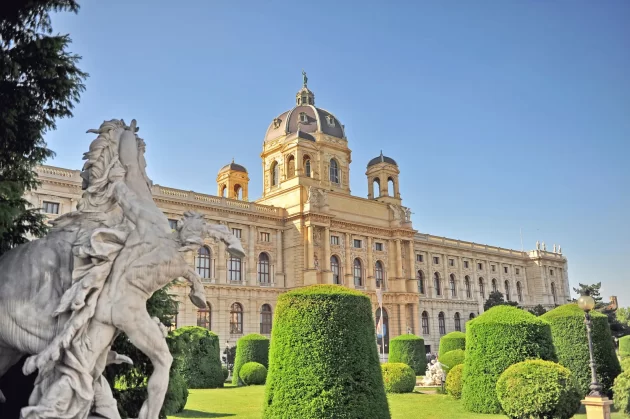
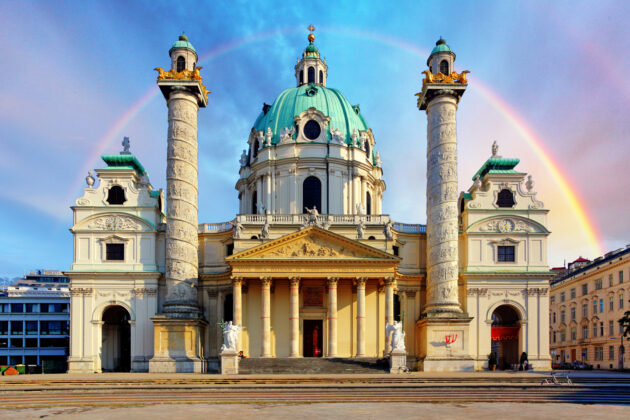
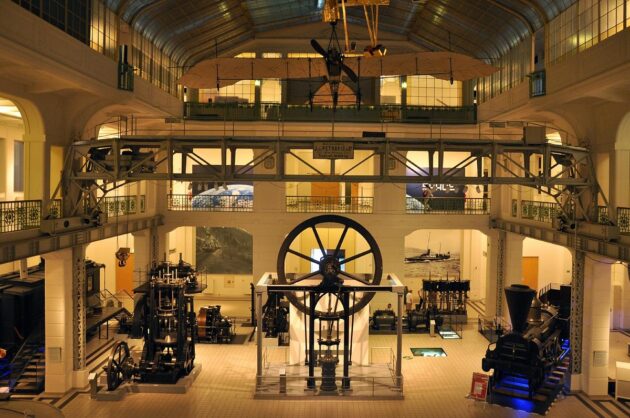
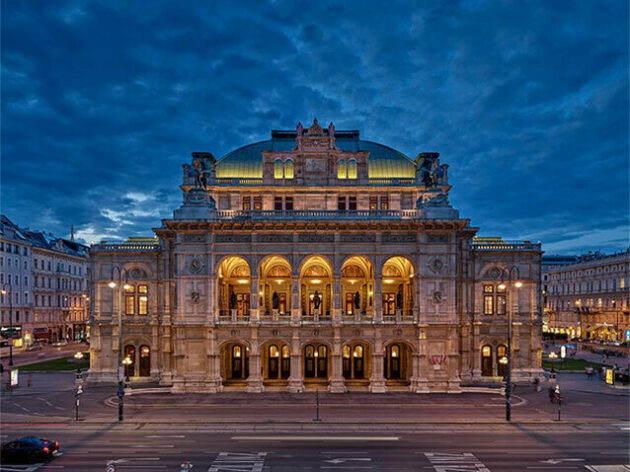
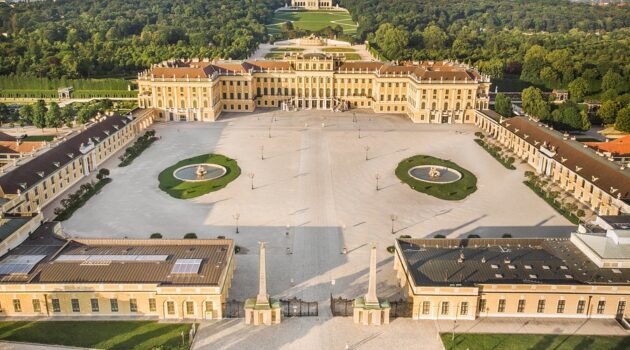
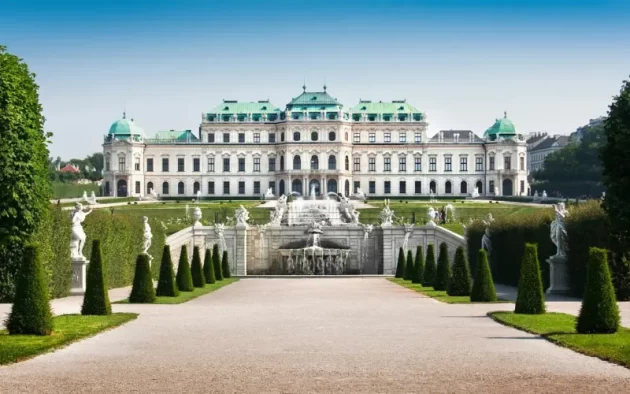
Vienna, the elegant capital of Austria, is a city where imperial grandeur meets artistic innovation, coffeehouse culture, and world-class music. Often called the “City of Music” and the “City of Dreams,” Vienna boasts stunning Baroque architecture, lush gardens, and a vibrant scene for classical concerts, museums, and seasonal festivals.
Salzburg
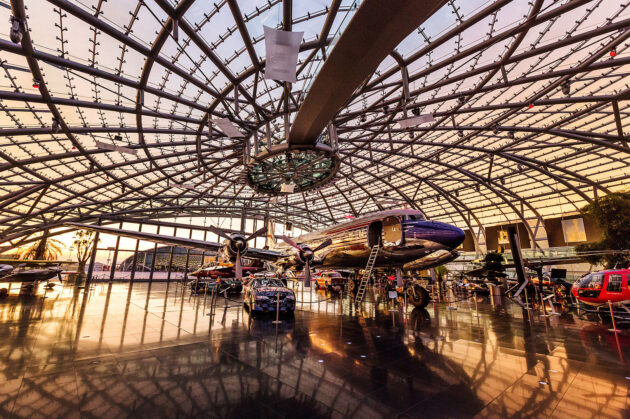
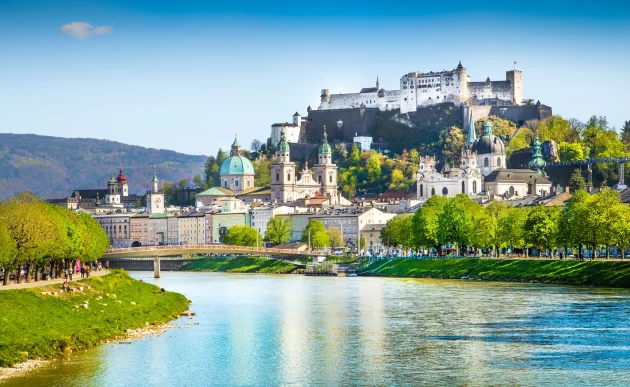
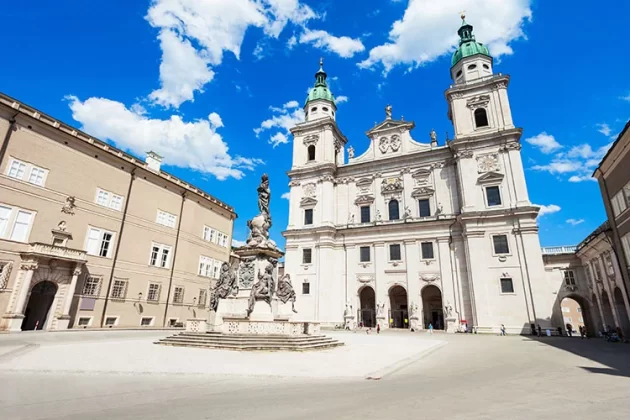
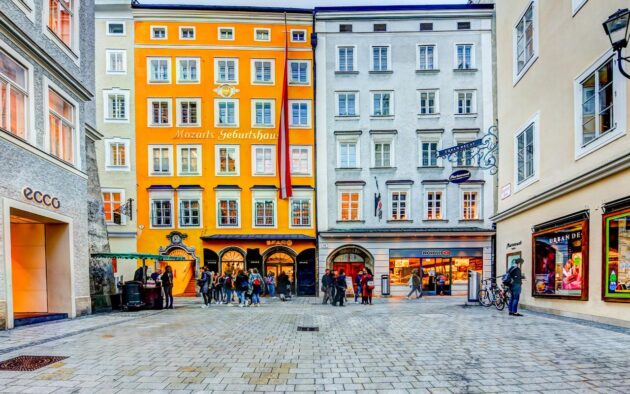
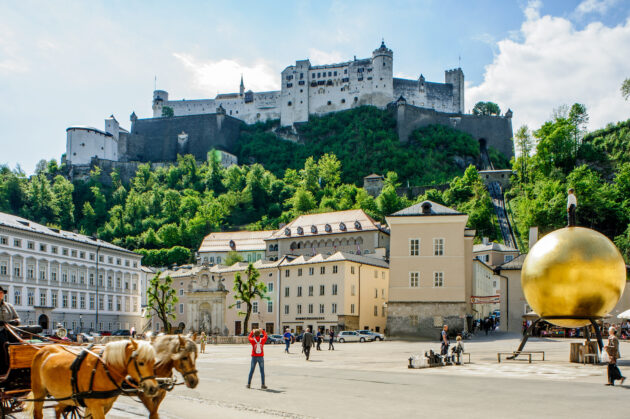
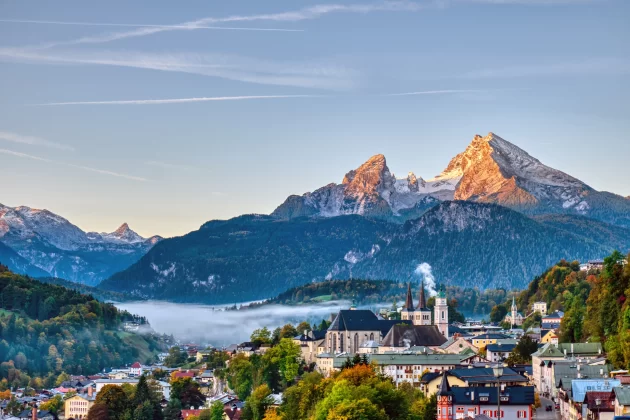
Nestled in the foothills of the Austrian Alps along the Salzach River, Salzburg is a UNESCO World Heritage gem that blends baroque splendor, musical heritage, and Alpine charm. As the birthplace of Wolfgang Amadeus Mozart and the filming location for The Sound of Music, this compact city offers a symphony of experiences—from grand fortresses and lush gardens to festive Christmas markets and world-class festivals.
Hallstatt
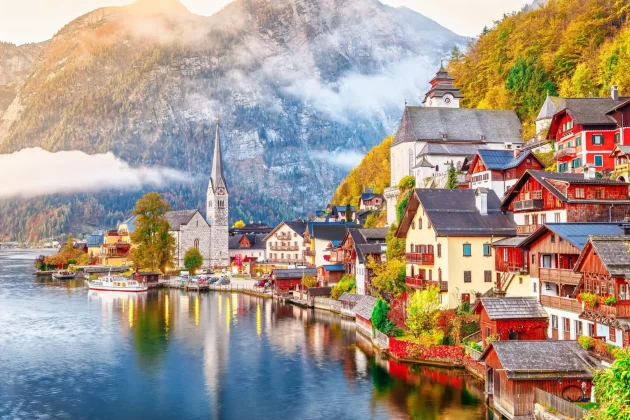
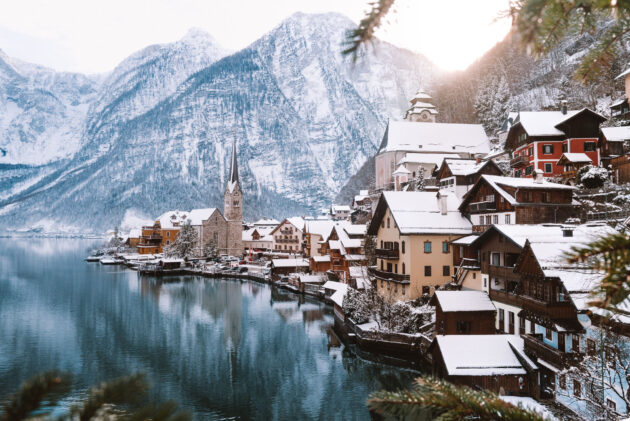
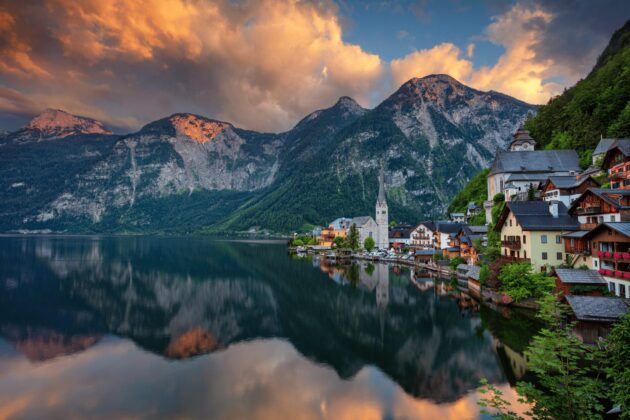
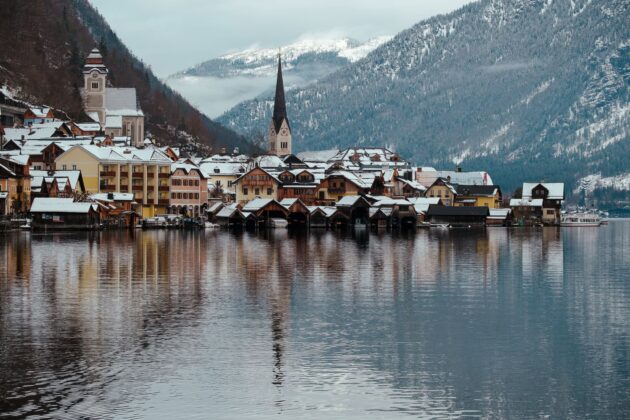
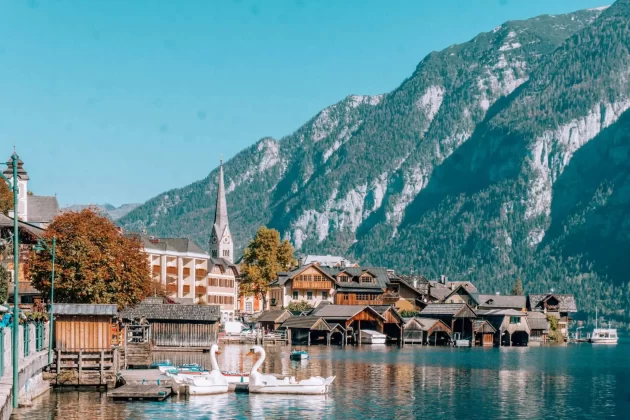
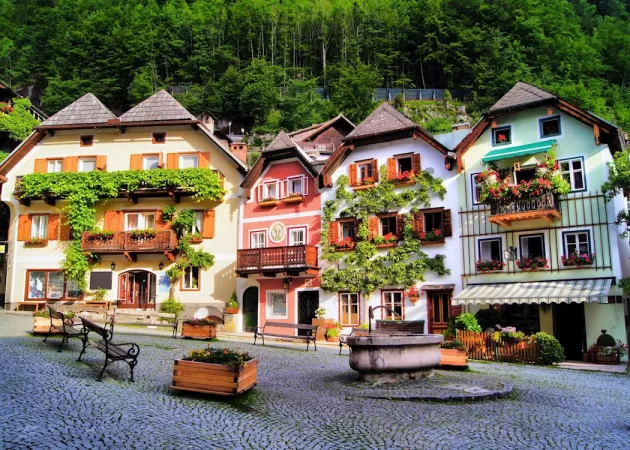
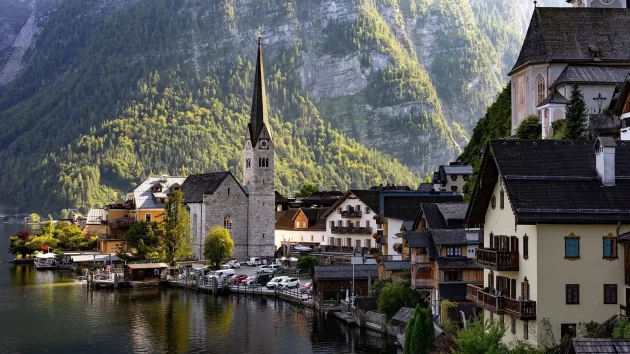
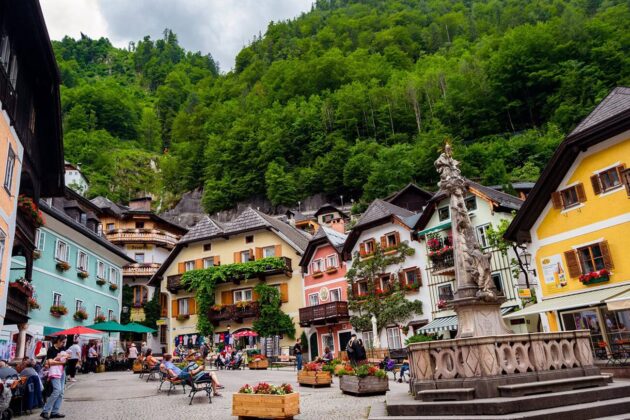
Nestled in the heart of the Salzkammergut region, Hallstatt is a postcard-perfect alpine village that feels like it was plucked from a fairy tale. Perched on the shores of Lake Hallstatt with dramatic Dachstein Alps as a backdrop, this UNESCO World Heritage site is Austria’s oldest salt-mining settlement, dating back over 7,000 years. Famous for its emerald-green lake, colorful chalets, and ethereal beauty, Hallstatt draws romantics, hikers, and photographers alike.
Innsbruck
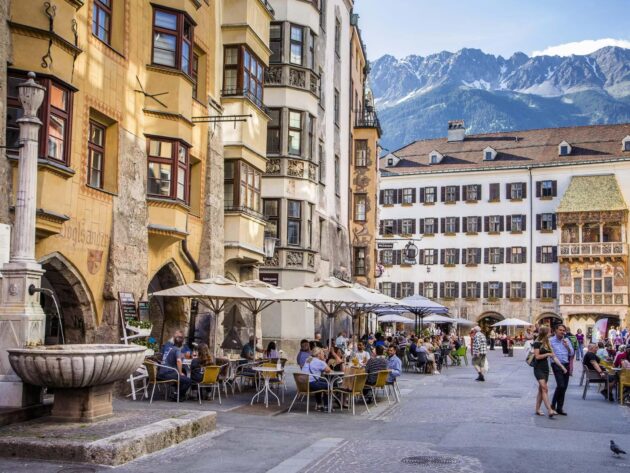
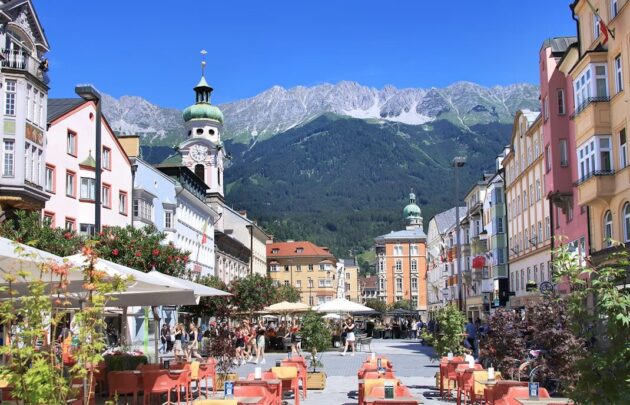
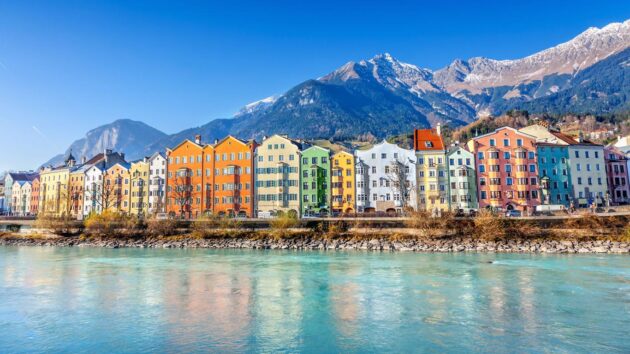
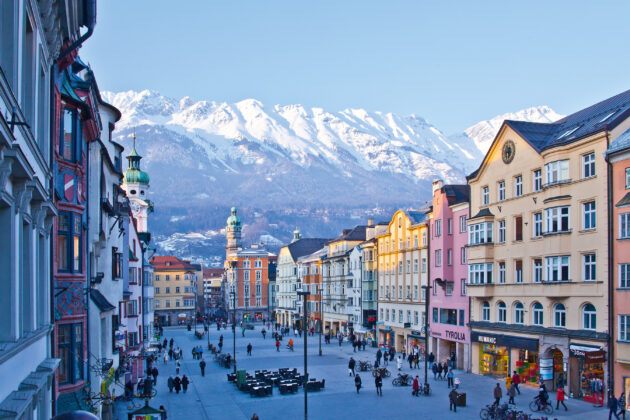
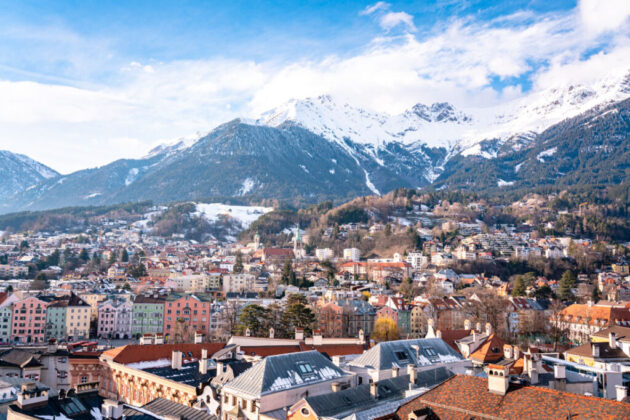
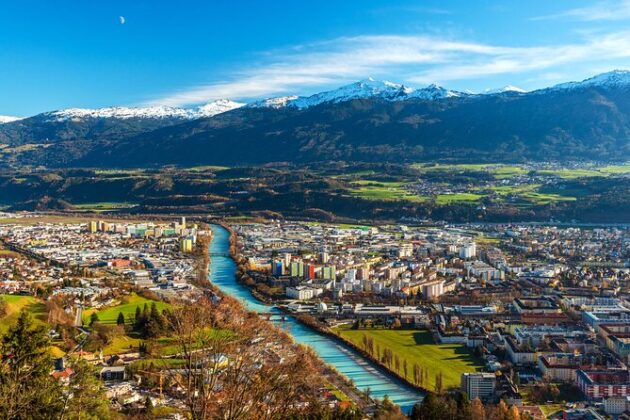
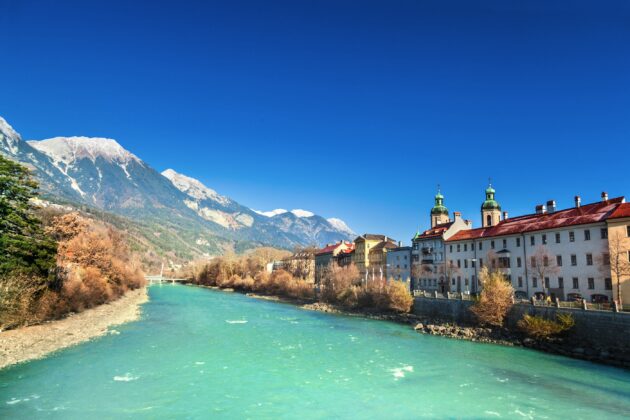
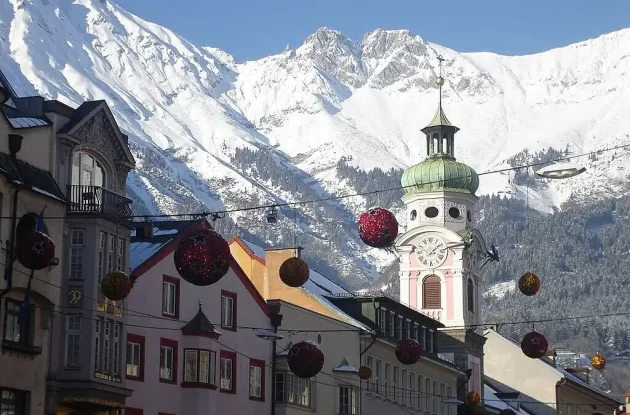
Nestled in the heart of the Austrian Alps, Innsbruck is a captivating blend of imperial history, stunning mountain scenery, and vibrant outdoor adventures. As the capital of Tyrol, this “Capital of the Alps” offers a perfect mix of urban charm and alpine escapades, from medieval landmarks like the iconic Golden Roof to world-class skiing on nearby peaks.
Graz
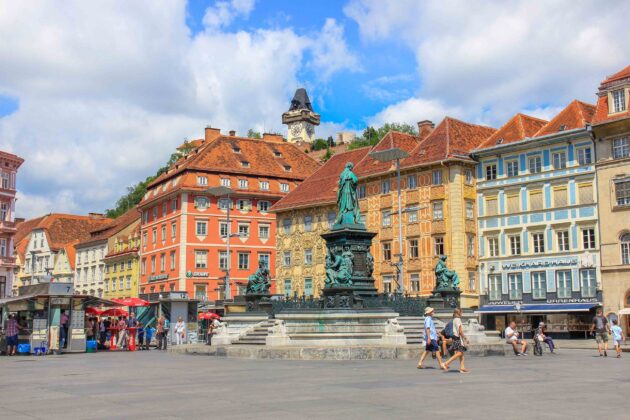
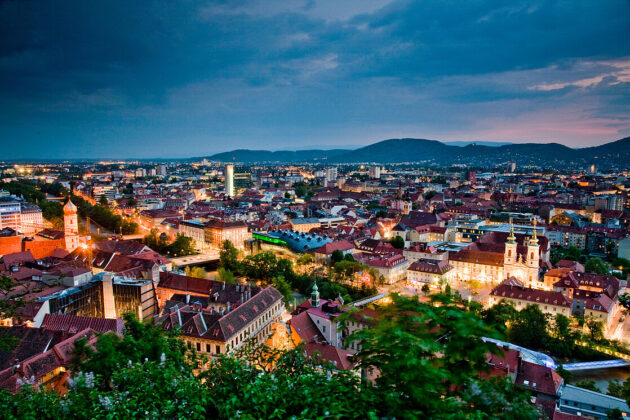
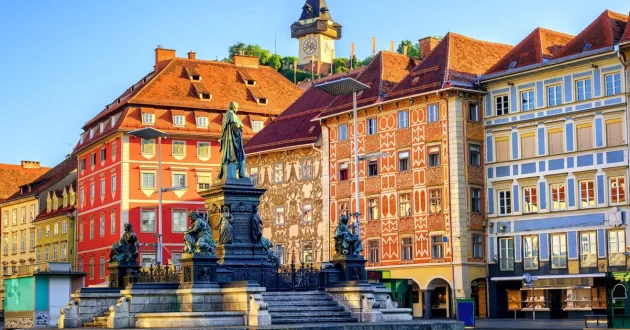
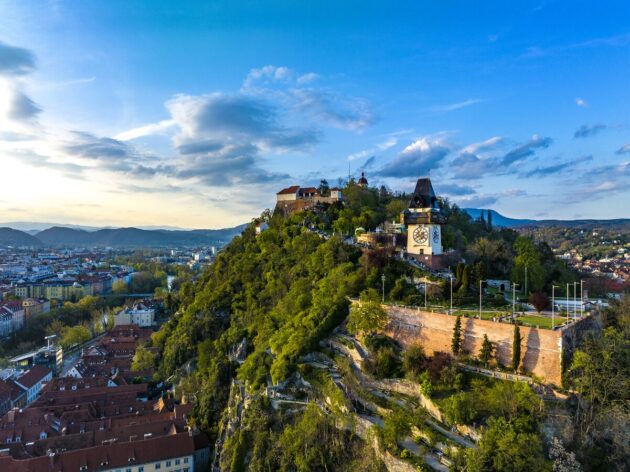
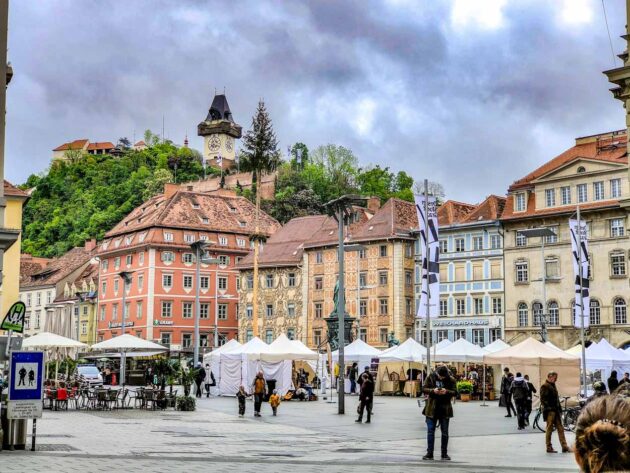
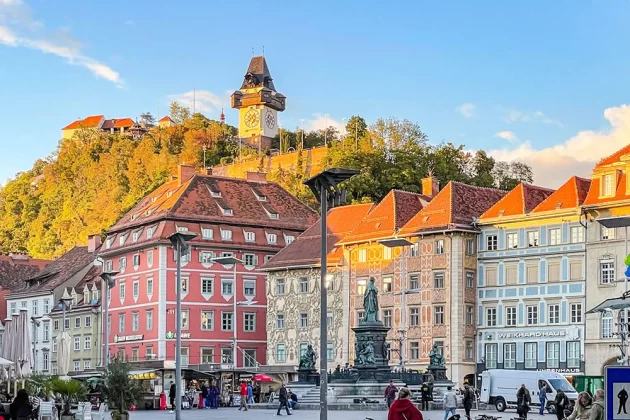
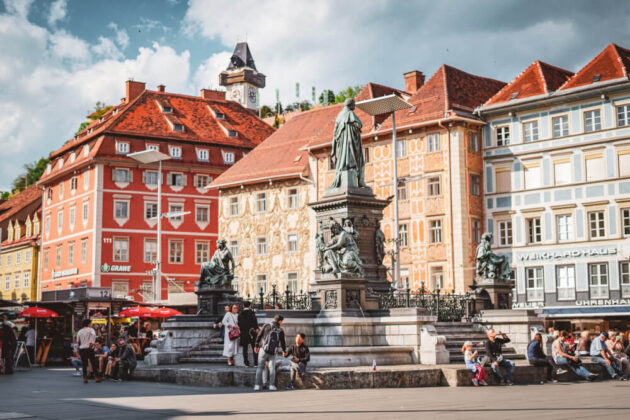
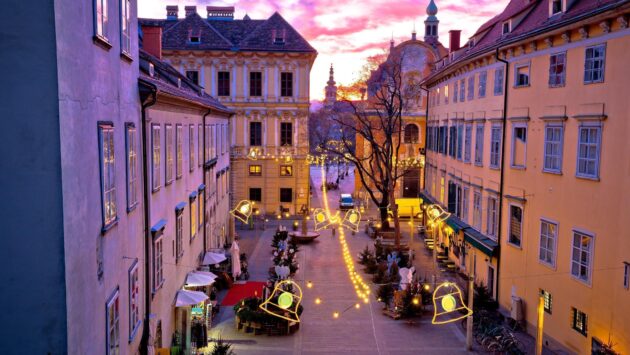
Nestled in the heart of Styria, southern Austria, Graz is a vibrant blend of Renaissance architecture, modern design, and culinary delights—earning it UNESCO World Heritage status for its historic old town and the title of “City of Design.” As Austria’s second-largest city, Graz offers a laid-back alternative to Vienna, with cobblestone streets, hilltop views, and a thriving arts scene.
Melk
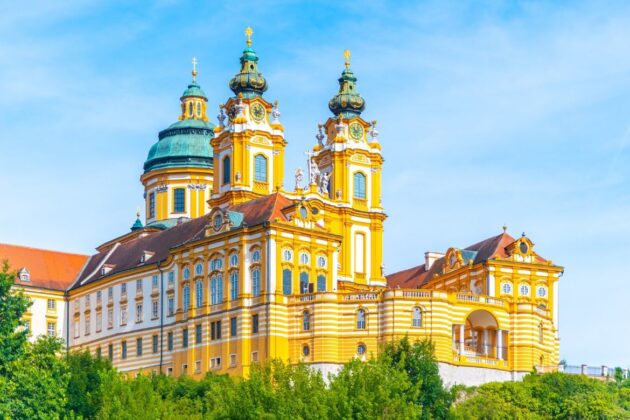
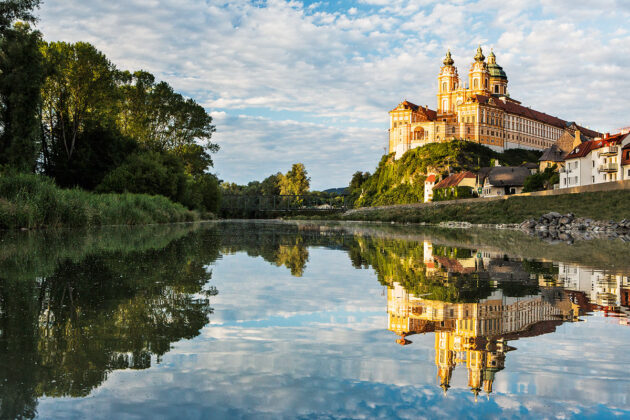
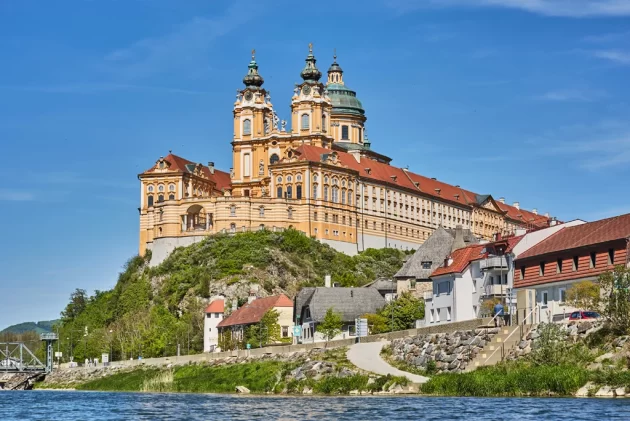
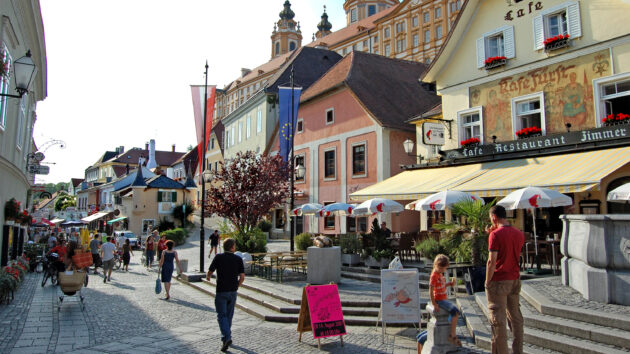
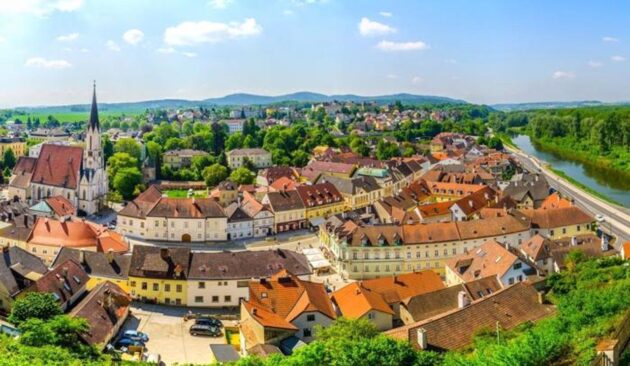
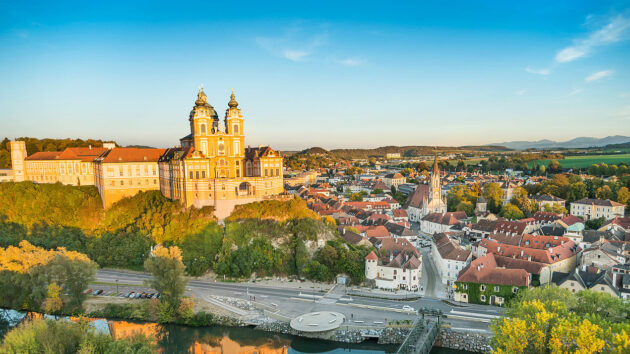
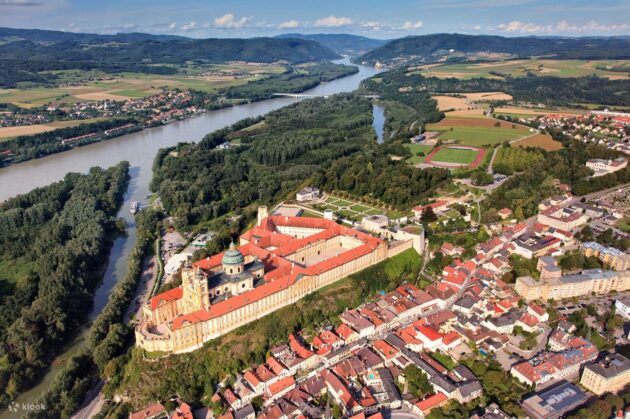
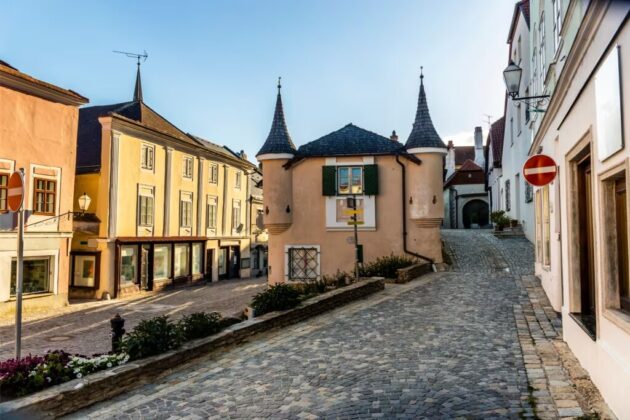
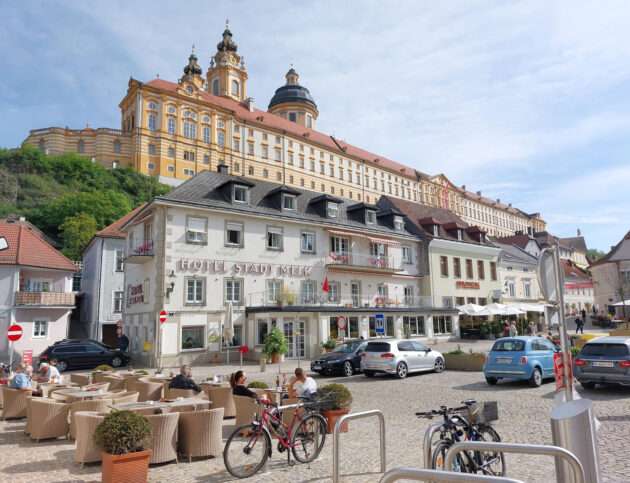
Nestled along the Danube River in Lower Austria’s enchanting Wachau Valley—a UNESCO World Heritage site—Melk is a picturesque medieval town that blends Baroque grandeur with riverside charm. Best known for its stunning Melk Abbey, a hilltop Benedictine monastery that dominates the skyline, Melk offers a perfect day trip from Vienna or a relaxing base for exploring the valley’s vineyards, castles, and apricot orchards.
Zell am See
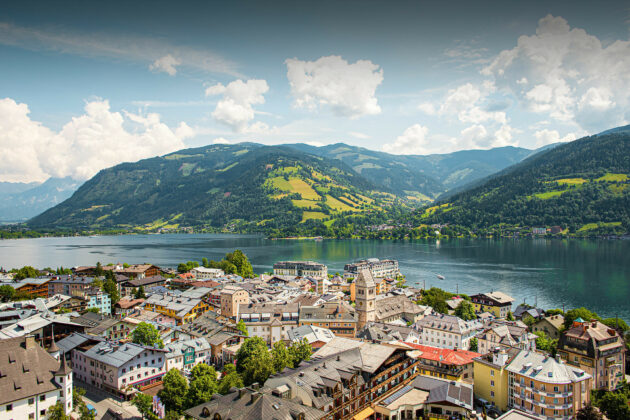
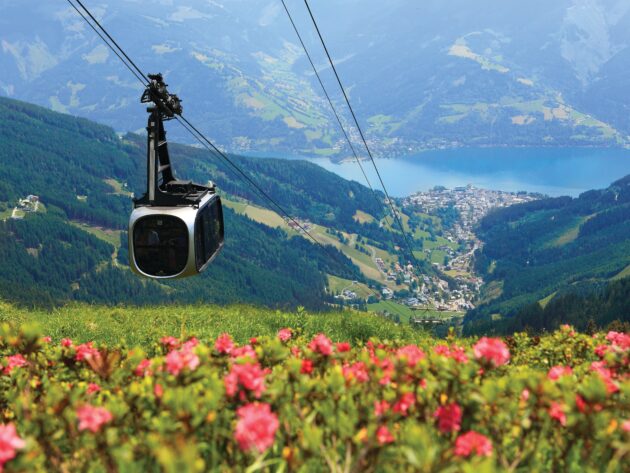
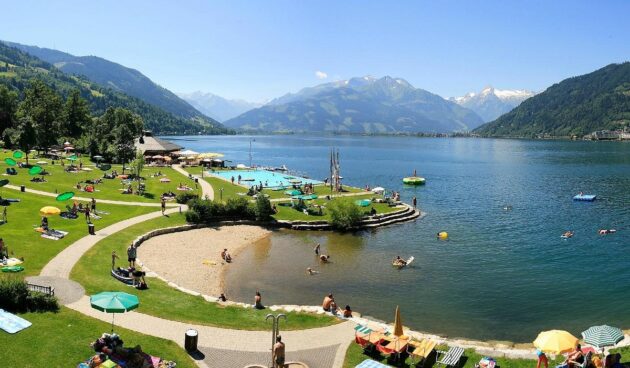
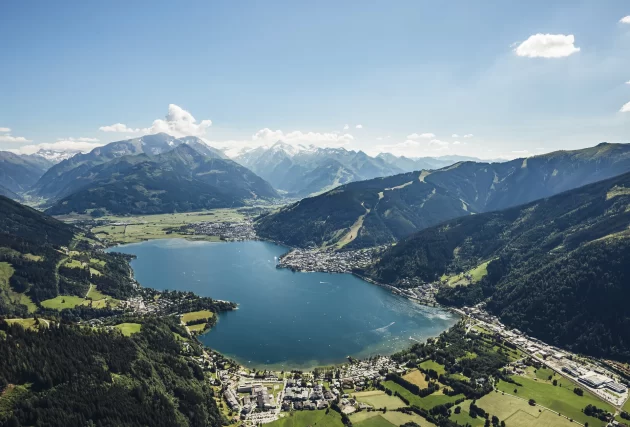
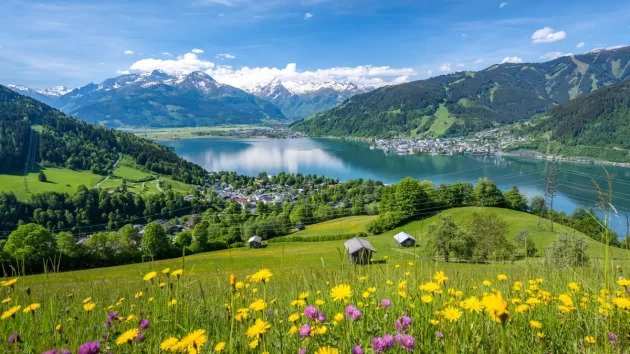
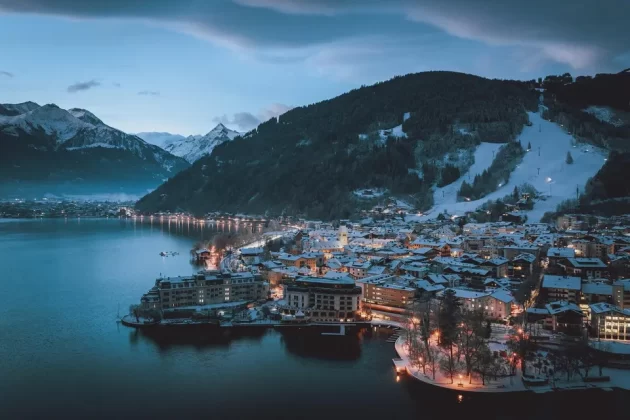
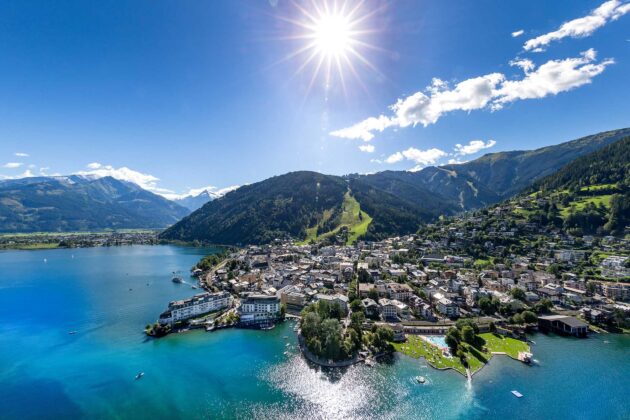
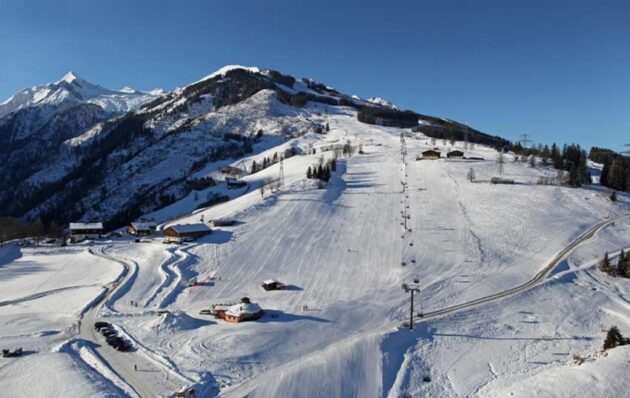
Nestled in the heart of Salzburger Land in the Austrian Alps, Zell am See is a picturesque resort town renowned for its stunning turquoise Lake Zell, snow-capped peaks, and year-round outdoor adventures. Backed by the Schmittenhöhe and Kitzsteinhorn mountains, this alpine gem offers a perfect blend of natural beauty, thrilling activities, and charming Bavarian-style architecture.
Suggested Itineraries
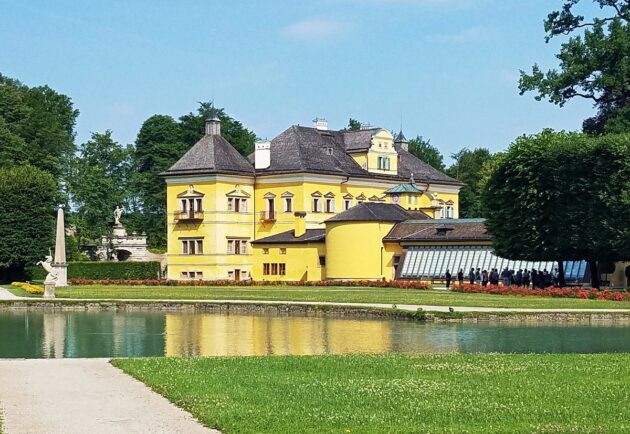
5 Days (First-Timers): Days 1–3: Vienna (palaces, opera). Day 4: Train to Salzburg (2.5 hours). Day 5: Salzburg sights + day trip to Hellbrunn Palace (€15).
7 Days (Culture + Nature): Add Hallstatt (train from Salzburg, 2.5 hours). Day 6: Explore lake and mines. Day 7: Return via Salzburg.
10–14 Days (Grand Tour): Follow Rick Steves’ route: Vienna (4 days) → Danube Valley/Melk (1 day) → Salzburg (3 days) → Hallstatt (2 days) → Innsbruck/Tirol Alps (3 days). Extend to Bavarian castles or Dolomites for cross-border flair.
Food and Drink
Austrian cuisine is hearty and wine-focused:
Must-Tries: Wiener Schnitzel (€15–25), Apfelstrudel (€5–8), Kaiserschmarrn (shredded pancakes). Veggie options abound in Vienna.
Wine Regions: Wachau (Grüner Veltliner tastings €20) and Burgenland reds.
Café Culture: Sachertorte and Melange coffee (€4–6)—linger like a local.
Markets: Naschmarkt for global fusion; seasonal heurigers (wine taverns) in Vienna suburbs.
Cultural Tips
Etiquette: Pünktlichkeit (punctuality) is key—arrive on time. Greet with “Grüß Gott” in the south, “Servus” in Bavaria-adjacent areas.
Music & Arts: Catch free summer concerts or affordable opera. Highlights: Salzburg Festival (July–August) and Vienna New Year’s Concert.
Sustainability: Use reusable bottles (tap water is pristine); opt for trains over flights.
Language: English is widespread in tourist areas; German phrases help in rural spots.
Safety and Practical Tips
Austria ranks among Europe’s safest countries—petty theft is rare, but watch bags in crowded Vienna metros. Dial 112 for emergencies. Women travelers: Very safe solo, but standard precautions apply. Weather can change fast in mountains—pack layers and check apps like wetter.at. Download the ÖBB app for trains and Citymapper for cities.
Austria’s motto? “Komm, süßer Mai” (Come, sweet May)—but visit anytime for its timeless allure. Prost to your adventure!