
A Travel Guide to Kunsthistorisches Museum Wien (2026)
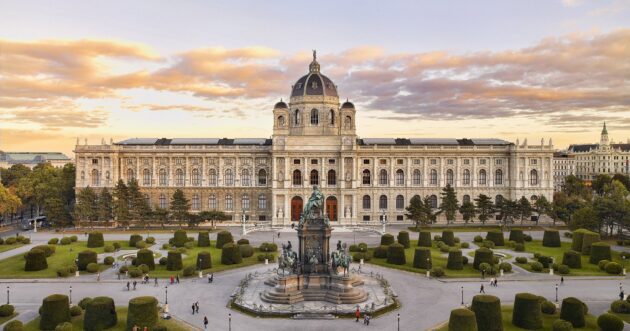
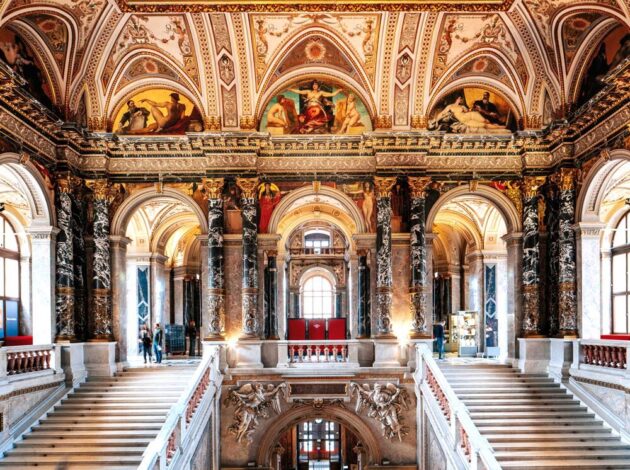
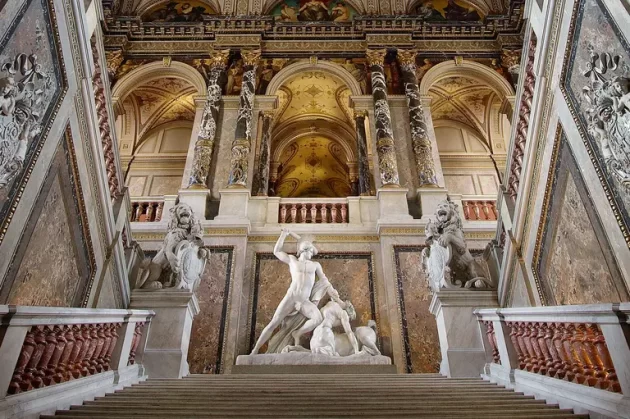
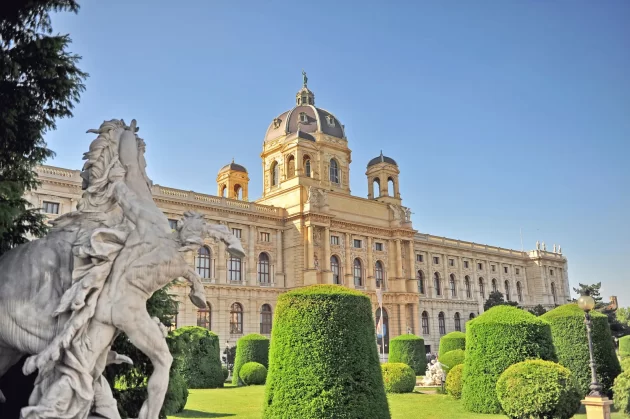
Nestled in the heart of Vienna’s historic Ringstrasse, the Kunsthistorisches Museum (KHM) stands as a testament to imperial grandeur and artistic excellence. Opened in 1891, this palatial museum was purpose-built to house the vast art collections amassed by the Habsburg dynasty over centuries. Crowned by a majestic octagonal dome, its opulent interiors—adorned with frescoes, marble staircases, and gilded details—rival the treasures they contain. Spanning five millennia of human creativity, from Ancient Egyptian artifacts to Baroque masterpieces, the KHM is a must-visit for art lovers, history buffs, and anyone seeking a cultural immersion in one of Europe’s most elegant cities.
Why Visit the Kunsthistorisches Museum?
The KHM isn’t just a museum; it’s a portal to the Habsburgs’ opulent world. Home to one of the globe’s premier collections, it boasts unparalleled depth in European painting, classical antiquities, and decorative arts. Highlights like Pieter Bruegel the Elder’s evocative landscapes and Benvenuto Cellini’s golden “Saliera” salt cellar draw millions annually. With new exhibitions like “Michaelina Wautier” opening, it’s an even more timely stop for discovering underrepresented voices in art history. Beyond the exhibits, the museum’s architecture and on-site café offer a quintessentially Viennese experience—think coffee amid cupola views.
A Brief History
Commissioned by Emperor Franz Joseph I, the museum was designed by architects Karl von Hasenauer and Gottfried Semper to twin with the opposite Natural History Museum, forming the Maria-Theresien-Platz ensemble. It opened alongside the Natural History Museum in 1891, transforming private Habsburg hoards into public treasures. Today, it safeguards over 5,000 years of art, from pharaonic relics to Renaissance gems, reflecting Europe’s cultural evolution.
How to Get There
Address: Maria-Theresien-Platz, 1010 Vienna.
By Public Transport: Metro: U3 line to Volkstheater station (6-minute walk). Tram: Lines 1, 2, or D to Burgring or Maria-Theresien-Platz stops (right outside). Bus: 1A, 2A, or 3A to the museum.
By Car/Taxi: Limited parking nearby; use apps like Uber or Bolt for a quick ride from central Vienna (10-15 minutes from Stephansplatz). Wheelchair-accessible taxis are widely available.
On Foot/Bike: A pleasant 15-minute stroll from the Hofburg Palace or a short bike ride via Vienna’s Citybike system.
The museum is centrally located, making it easy to weave into a Ringstrasse walking tour.
Best Time to Visit
Hours: Open daily from 10:00 AM to 6:00 PM; extended to 9:00 PM on Thursdays (last entry 30 minutes before closing). Closed on major holidays like January 1, May 1, and December 25.
Ideal Timing: Arrive early (10:00 AM) on weekdays to beat crowds, or opt for Thursday evenings for a more serene vibe under the dome’s glow. Summer (June-August) sees peak visitors, so shoulder seasons (April-May or September-October) offer milder weather and fewer lines.
Tickets and Entry
Standard Ticket: €22 for adults (includes permanent collections; special exhibitions may incur extras). Reduced rates (€15) for students/seniors; free for children under 19 and Vienna residents on the first Sunday of the month.
Annual Pass: €70 for unlimited access to KHM and affiliated sites like the Imperial Treasury.
Buy in Advance: Skip lines via the official website or apps like GetYourGuide. The Vienna Pass (€89+) grants free entry and fast-track access.
Guided Tours: Free audio guides (€5 deposit) in multiple languages; multilingual group tours (€3 extra) available.
What to See: Top Highlights
Allow 2-3 hours to explore, or a full day for deep dives. The collections are spread across three floors:
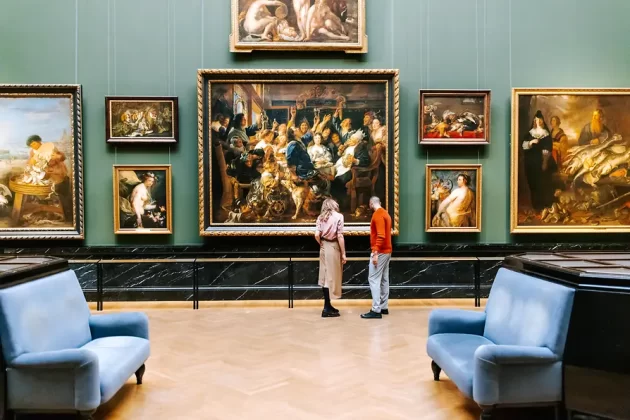
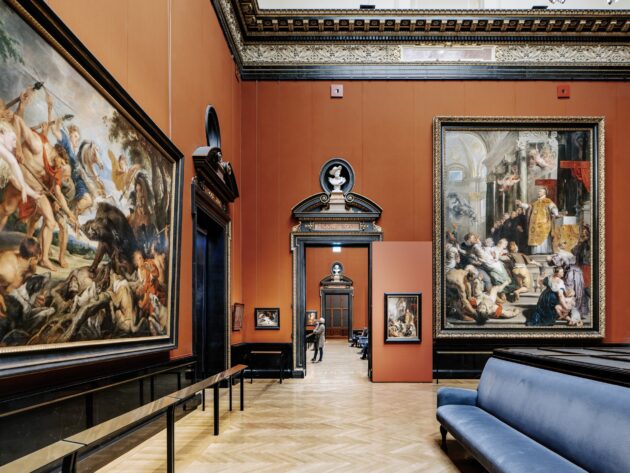
Picture Gallery (1st Floor): A Renaissance and Baroque bonanza with 2,000+ paintings. Don’t miss: Pieter Bruegel the Elder’s “The Hunters in the Snow” and “Peasant Wedding”—part of the world’s largest Bruegel ensemble. Titian’s “Danaë,” Rubens’ dramatic altarpieces, and Caravaggio’s intense “Madonna di Loreto.”
Egyptian and Near Eastern Collection (Ground Floor): Marvel at mummies, sarcophagi, and the world’s oldest board game from 3500 BC. Highlights include the “Amun-Re” statue and intricate jewelry.
Collection of Greek and Roman Antiquities (Ground Floor): Bronze sculptures, marble busts, and mosaics from Pompeii, including the Venus of Arles.
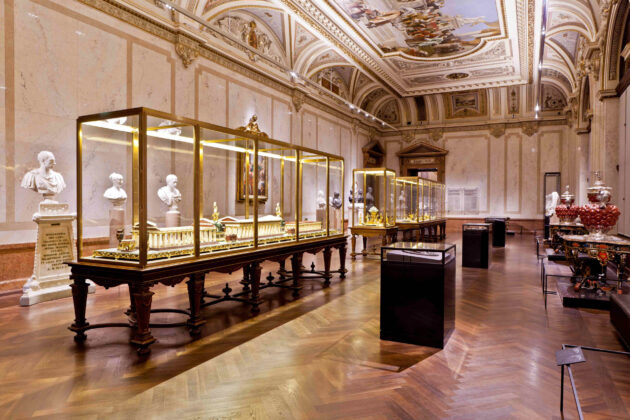
Kunstkammer (Ground Floor): The Habsburgs’ “Chamber of Wonders”—a treasury of Renaissance curiosities like Cellini’s gold “Saliera,” jeweled automatons, and nautilus cups.
Coin Cabinet and Other Gems: Over 700,000 coins and medals; the Ephesus Hall’s architectural fragments.
Practical Tips
Accessibility: Fully wheelchair-friendly with two elevators (99 cm door width), ramps, and a side entrance for mobility aids. Loaner wheelchairs available; tactile tours and audio descriptions for the visually impaired. Service dogs welcome.
Photography: Permitted without flash or tripod in most areas; restrictions in special exhibitions.
What to Bring: Comfortable shoes for marble floors; bags must be stored in free lockers. Water bottles allowed but no large bags.
Crowd Avoidance: Download the museum app for a self-guided route; free Wi-Fi on-site.
Dining and Shopping
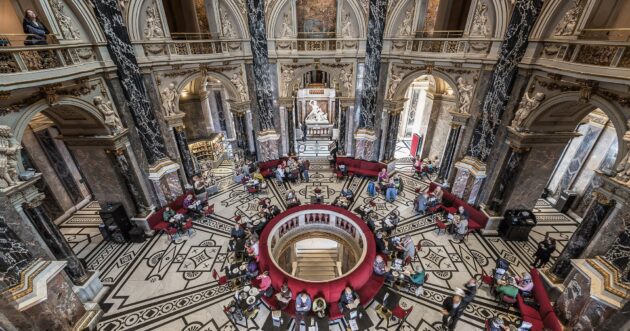
On-Site Café-Restaurant: In the stunning Cupola Hall (1st floor), enjoy Viennese classics like Sachertorte and Kaiserschmarrn amid frescoed ceilings—perfect for a mid-visit pause (€10-20 per person). Open during museum hours.
Museum Shop: Souvenirs, books, and replicas in the ground-floor boutique (open same as museum).
Nearby Eats: Café Central (10-min walk) for historic coffeehouse vibes, or Demel for pastries.
Nearby Attractions
Natural History Museum: Directly opposite—explore gems, dinosaurs, and Venus of Willendorf (same hours/tickets).
Hofburg Palace: 10-minute walk to imperial apartments and Spanish Riding School.
MuseumsQuartier: 5 minutes away for modern art at mumok or Leopold Museum.
Ringstrasse Stroll: Lined with Parliament, City Hall, and Opera House.
Final Thoughts
The Kunsthistorisches Museum encapsulates Vienna’s soul: imperial splendor meets timeless art. Whether you’re tracing Bruegel’s snowy peasants or pondering ancient pharaohs, it’s an unforgettable escape. Book ahead, linger in the dome, and let the Habsburg legacy inspire. For more, visit khm.at. Guten Tag, and happy exploring!