
A Travel Guide to the Museum of Natural History Vienna (2026)
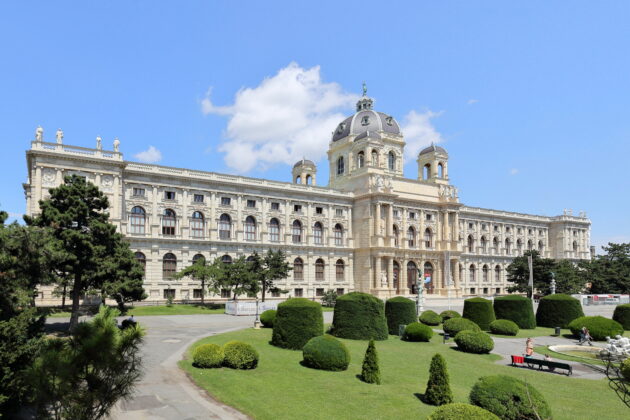
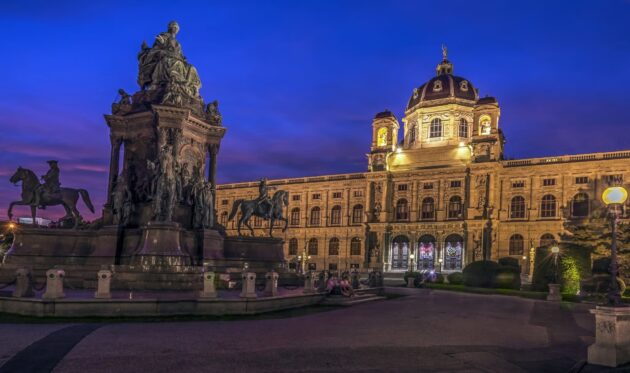
Nestled in the heart of Vienna’s opulent Maria-Theresien-Platz, the Museum of Natural History Vienna—known locally as the Naturhistorisches Museum Wien—stands as a majestic testament to Austria’s scientific heritage. Housed in a stunning Neo-Renaissance building constructed in the late 19th century, this world-class institution boasts over 25 million specimens, making it one of the most significant natural history museums globally. With collections spanning 250 years, it’s a treasure trove for science enthusiasts, families, and history buffs alike. Whether you’re marveling at prehistoric fossils or glittering gemstones, a visit here promises an immersive journey through Earth’s wonders.
Why Visit?
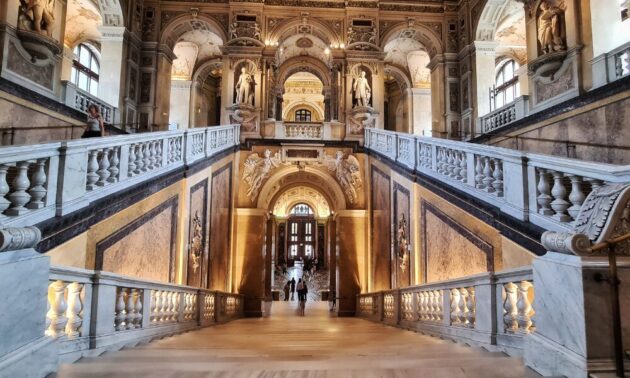
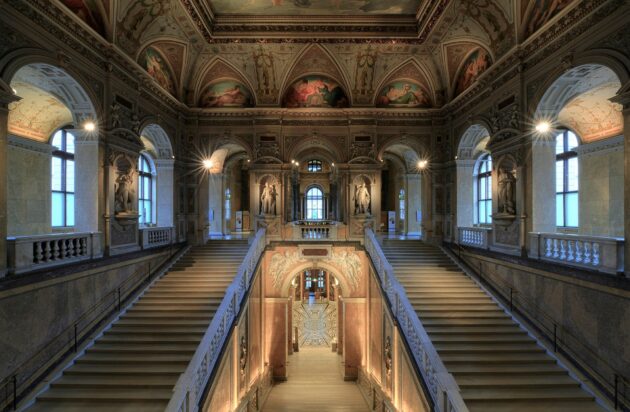
This museum isn’t just a repository of artifacts—it’s a portal to the natural world, blending rigorous science with awe-inspiring displays. Highlights include the iconic Venus of Willendorf (a 25,000-year-old Paleolithic figurine), towering dinosaur skeletons, and a vast meteorite collection that rivals those in London or New York. Its grand halls, adorned with frescoes and marble, evoke imperial grandeur, while interactive exhibits and family programs make it accessible for all ages. Special exhibitions on climate change and medical history add timely relevance, earning it consistent top ratings on platforms like TripAdvisor for its educational depth and visual splendor.
How to Get There
The museum’s central location makes it incredibly easy to reach:
By Public Transport: Take the U3 metro line to Volkstheater station (a 5-minute walk) or the U2 to Museumsquartier (10 minutes). Trams 1, 2, or D stop right outside at Burgring.
By Foot: It’s a 15-minute stroll from St. Stephen’s Cathedral along the Ringstrasse boulevard.
By Car/Taxi: Parking is limited; use nearby garages like the MuseumsQuartier lot (€25–30/day). Taxis from Vienna International Airport (VIE) take about 30 minutes and cost €40–50.
Accessibility: The museum is fully wheelchair-friendly with ramps, elevators, and loaner wheelchairs available. Audio guides in multiple languages (including English) enhance the experience for all visitors.
Best Time to Visit
Seasonal Sweet Spot: Spring (April–June) or fall (September–October) offer mild weather and fewer crowds, ideal for lingering in the outdoor plaza. Summers can be busy with tourists, but air-conditioned halls provide relief.
Daily Timing: Arrive early (9 AM) on weekends to beat families, or opt for Wednesday evenings (open until 8 PM) for a quieter, atmospheric vibe. Avoid Tuesdays, as the museum is closed.
What to See and Do
Plan for 2–4 hours to explore the museum’s four floors of wonders. Entry includes access to all permanent collections—here are the must-sees:
Prehistory and Anthropology Hall: Home to the Venus of Willendorf and ancient tools, offering a glimpse into human evolution.
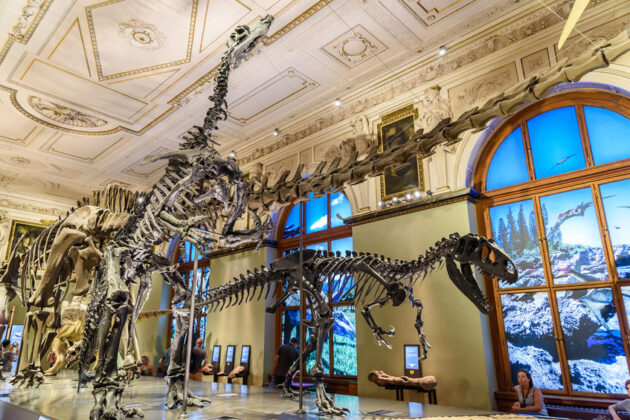
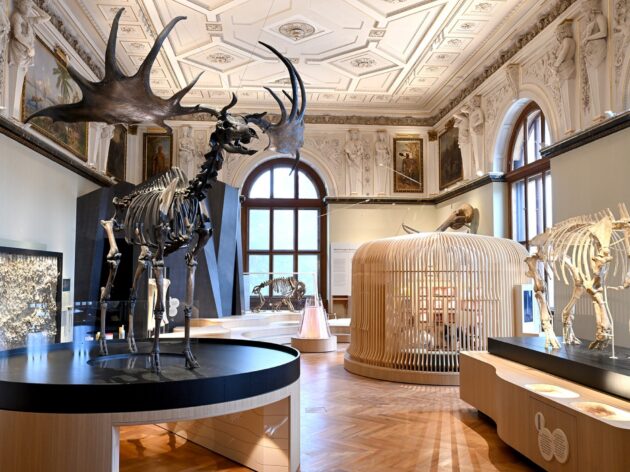
Dinosaur and Fossil Exhibits: Towering skeletons like the Plateosaurus steal the show, with interactive displays on extinction events.
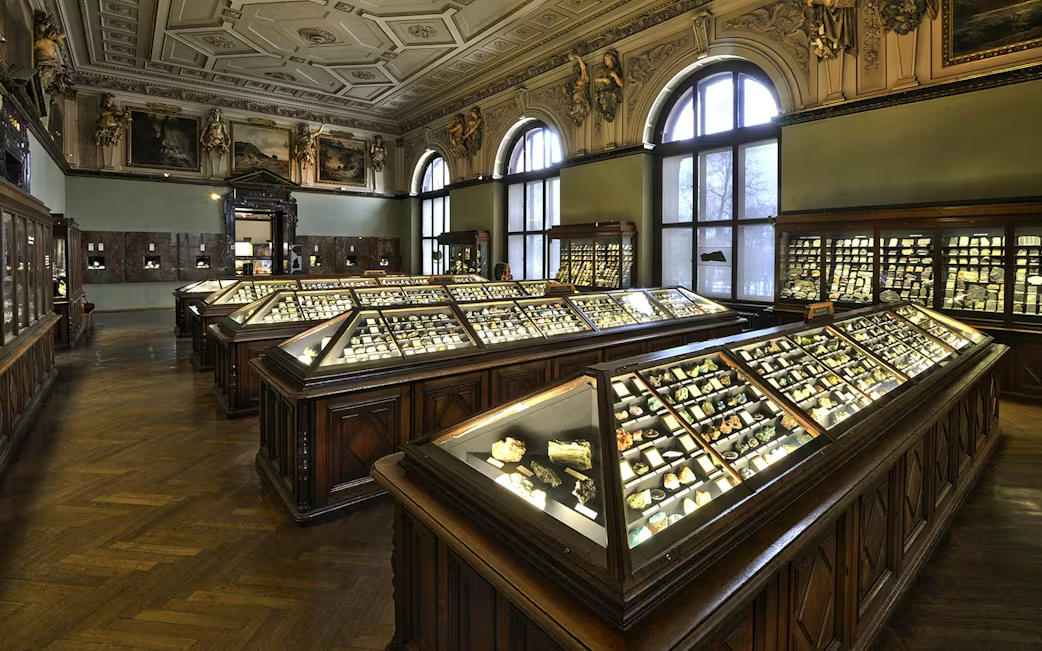
Mineralogy and Gem Hall: Dazzle at the Imperial Treasury’s crown jewels, including the 2,684-carat “Dresden Green” diamond.
Meteorite Collection: One of Europe’s largest, featuring the Ensisheim meteorite (1492 AD).
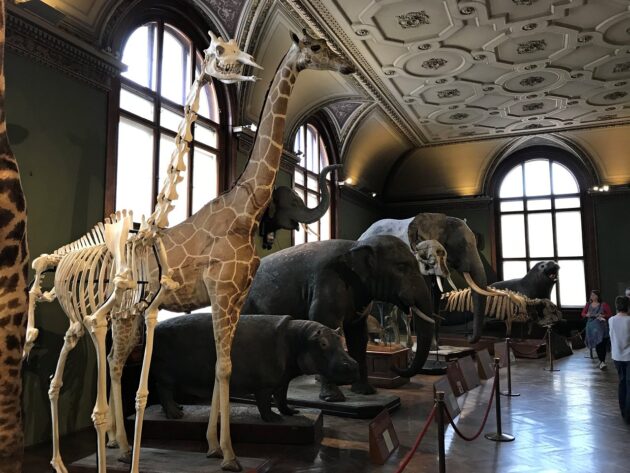
Zoology Wing: Lifelike dioramas of wildlife, though some stuffed animals may startle young kids.
Guided Experiences: Join free audio tours (€3 extra for app download) or family workshops like “DinoShow” (Saturdays at 10:30 AM). For deeper dives, book a private tour (€150/group).
Practical Information
Opening Hours: Thursday–Monday: 9 AM–6 PM; Wednesday: 9 AM–8 PM; Closed Tuesdays and major holidays (e.g., December 25).
Ticket Prices: €18 adults; €14 reduced (seniors/students); Free for under-19s (ID required). Buy online to skip lines—combo tickets with the opposite Kunsthistorisches Museum (€21) are a steal. Annual pass: €44 for unlimited visits.
Duration and Crowds: Allow 3 hours; peak times are midday weekends. Lockers (€1–2) available for bags.
Tips for an Unforgettable Visit
Beat the Lines: Purchase tickets via the official site or Wien-Tickets app for fast entry. Download the museum’s app for self-guided maps.
Family-Friendly Hacks: Kids love the touchable fossils—head there first to hook their interest. Avoid peak lunch hours for quieter halls.
Photo Ops: The grand cupola and dinosaur gallery are Instagram gold, but no flash in exhibit areas.
Insider Advice: Pair your visit with the twin Kunsthistorisches Museum across the plaza for a full imperial day. If time’s short, prioritize the ground floor for the big hits.
Sustainability Tip: The museum promotes eco-friendly travel—opt for public transport and bring a reusable water bottle.
Nearby Attractions and Where to Stay/Eat
Must-Combine: Stroll to the Hofburg Palace (10-minute walk) or relax in the Volksgarten park.
Stay: Budget: Hotel-Pension Continental (€100/night); Luxury: Hotel Sacher (€400+). For centrality, base in Innere Stadt.
Eat: Grab coffee at Café Landtmann (5 minutes away) or museum café for strudel (€5–10). Post-visit, dine at Figlmüller for legendary schnitzel.
The Museum of Natural History Vienna isn’t just a stop on your itinerary—it’s a spark for curiosity that lingers long after you leave. Book ahead, wear comfortable shoes, and prepare to be amazed. Safe travels!