A Travel Guide to Salzburg (2026)
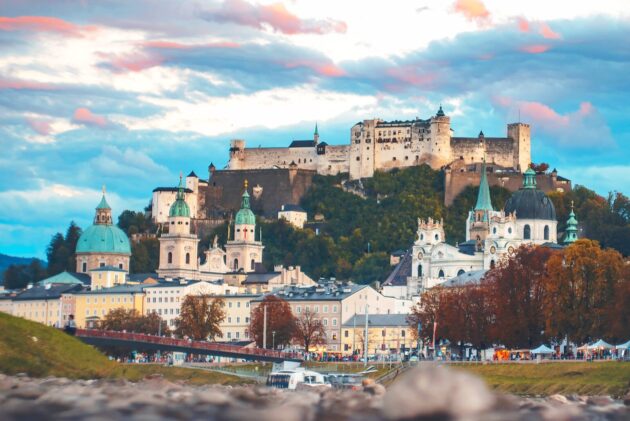
Nestled in the foothills of the Austrian Alps along the Salzach River, Salzburg is a UNESCO World Heritage gem that blends baroque splendor, musical heritage, and Alpine charm. As the birthplace of Wolfgang Amadeus Mozart and the filming location for The Sound of Music, this compact city offers a symphony of experiences—from grand fortresses and lush gardens to festive Christmas markets and world-class festivals. Whether you’re a classical music aficionado or an outdoor adventurer, this guide will help you orchestrate the perfect visit.
Why Visit Salzburg?
Salzburg captivates with its fairy-tale architecture, where snow-capped peaks frame ornate palaces and cobblestone streets. It’s a year-round destination: summer brings the Salzburg Festival’s opera extravaganzas, while winter transforms the Altstadt (Old Town) into a twinkling wonderland of mulled wine and gingerbread stalls. With its walkable layout and efficient public transport, it’s ideal for first-time Austria explorers.
How to Get There
Salzburg is exceptionally accessible, serving as a gateway to the Alps.
By Air: Fly into Salzburg Airport (SZG), a 10-minute drive from the city center. Direct flights connect from major European hubs like London, Frankfurt, and Amsterdam. Airlines like Ryanair and Austrian Airlines offer budget options; expect fares from €50–€150 one-way. A shuttle bus (€3.50) or taxi (€15–20) whisks you downtown.
By Train: High-speed Railjet trains from Vienna (2.5 hours, €30–€60) or Munich (1.5 hours, €20–€40) arrive at Salzburg Hauptbahnhof, steps from the Old Town. Book via ÖBB (Austrian Federal Railways) for deals.
By Car: From Vienna, it’s a scenic 3-hour drive (A1 motorway, tolls ~€10). Parking is limited in the center (€2–€3/hour); opt for Park & Ride lots (€5/day) on the outskirts.
Best Time to Visit
Spring (April–May): Mild weather (10–18°C/50–64°F) and blooming gardens at Mirabell Palace. Fewer crowds, but pack layers for rain.
Summer (June–August): Peak season with highs of 25°C (77°F). The Salzburg Festival (July–August) draws global crowds for opera and theater—book tickets early. Ideal for hiking nearby trails.
Fall (September–October): Golden foliage and harvest festivals; temperatures 10–20°C (50–68°F). Shoulder season means lower prices.
Winter (November–March): Magical for Christmas markets (November–December) with Glühwein and crafts. Snowy Alps for skiing; expect -5–5°C (23–41°F).
Top Attractions
Salzburg’s highlights are clustered in the pedestrian-friendly Old Town. The Salzburg Card is a must-buy: €30 for 24 hours, €39 for 48 hours, or €45 for 72 hours, granting free entry to 20+ sites, unlimited public transport, and discounts on tours. It’s a steal if visiting 3+ attractions—compare to individual tickets like €15 for Hohensalzburg Fortress.
Hohensalzburg Fortress
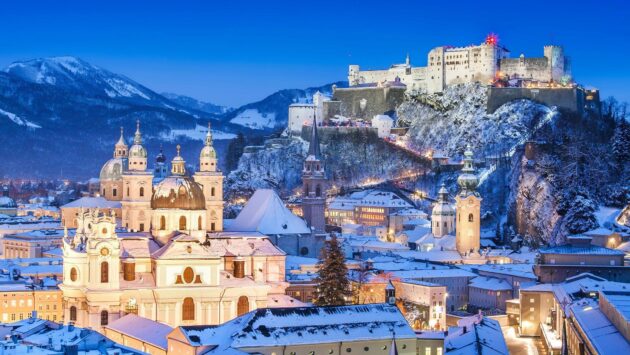
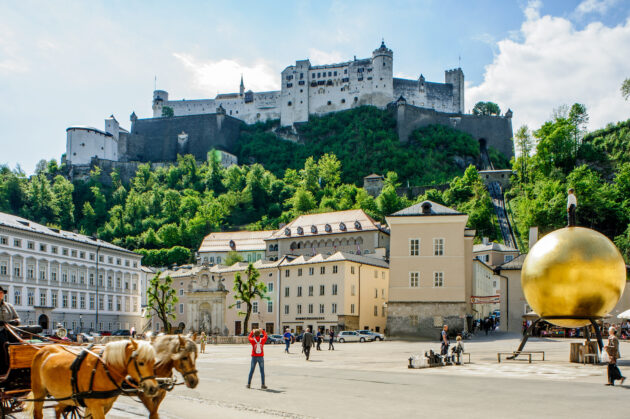
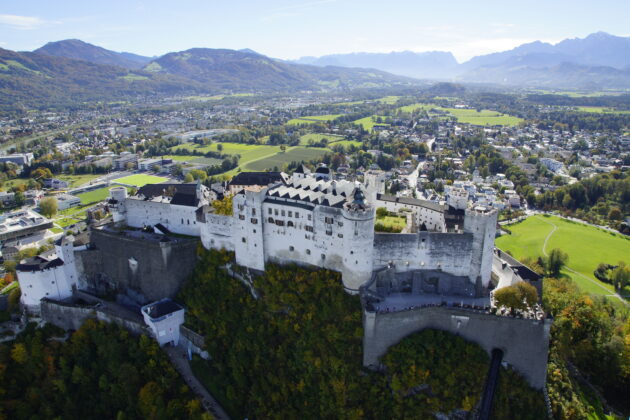
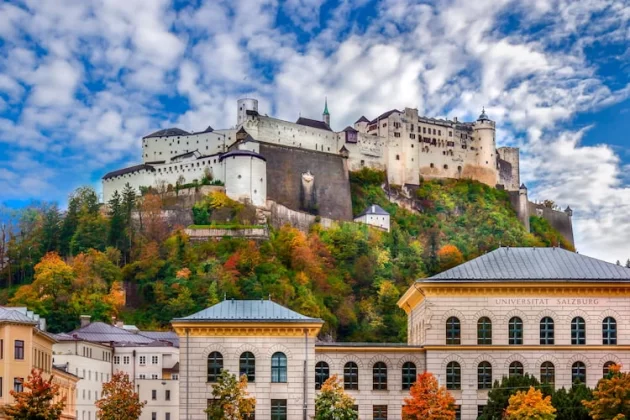
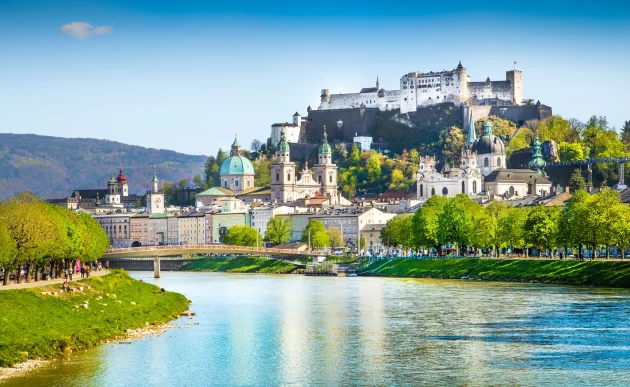
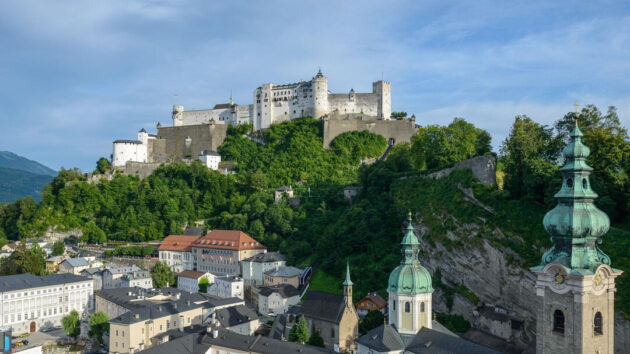
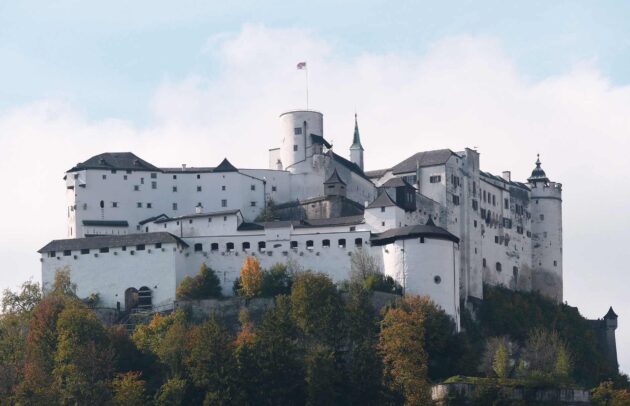
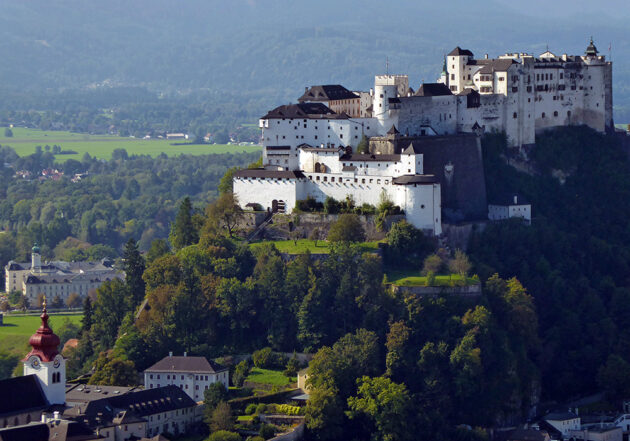
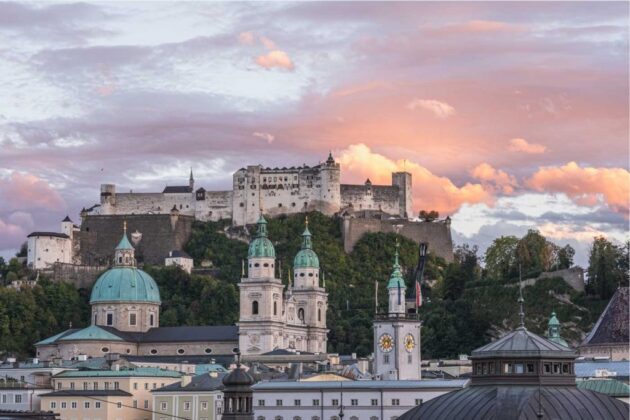
Perched dramatically atop Festungsberg Hill overlooking the Salzach River, Fortress Hohensalzburg (Festung Hohensalzburg) is one of Europe’s largest and best-preserved medieval castles. Dating back to the 11th century and expanded by Salzburg’s powerful prince-archbishops, this imposing structure symbolizes the city’s rich ecclesiastical history. As the iconic backdrop to “The Sound of Music” and a UNESCO World Heritage site, it’s a highlight for history buffs, film fans, and anyone seeking panoramic views of Salzburg’s baroque skyline.
Mozart’s Birthplace
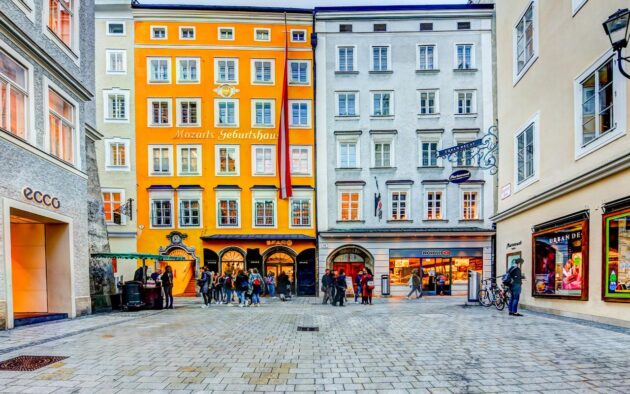
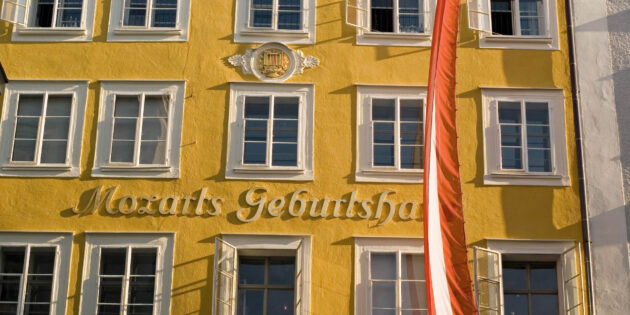
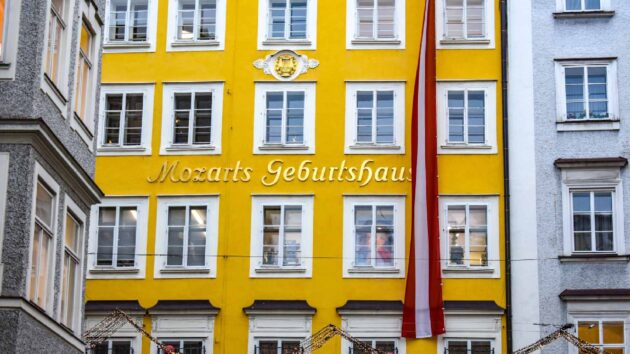
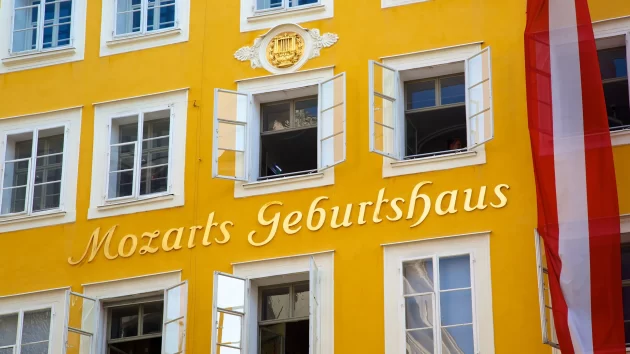
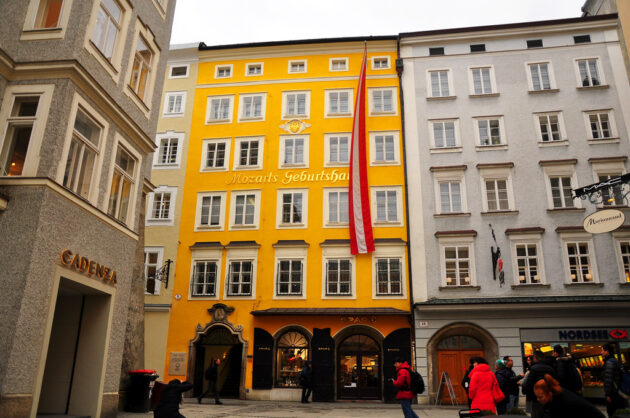
Mozart’s Birthplace, located in the charming Old Town of Salzburg, Austria, is the historic apartment at Getreidegasse 9 where the musical genius Wolfgang Amadeus Mozart was born on January 27, 1756. The bright yellow building, now a meticulously preserved museum, showcases the family’s original living quarters, precious memorabilia like his childhood violin and early manuscripts, and exhibits detailing his early life and family.
Mirabell Palace
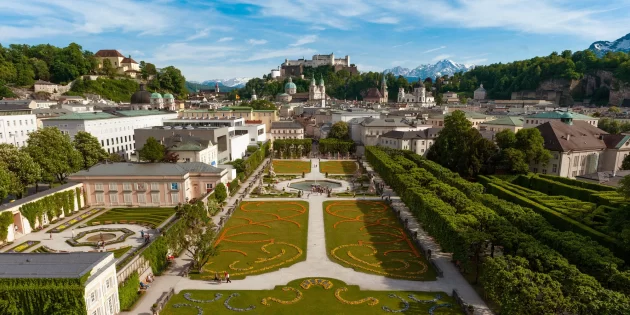
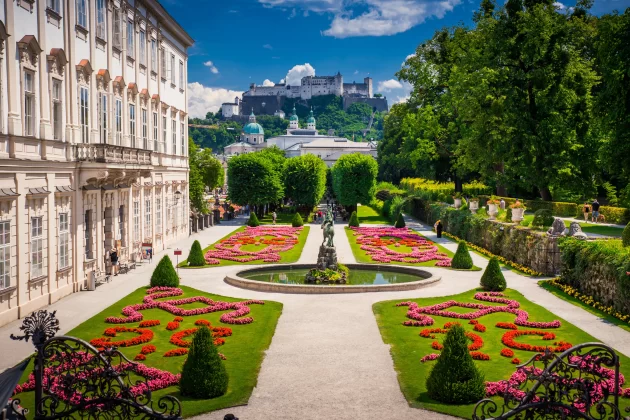
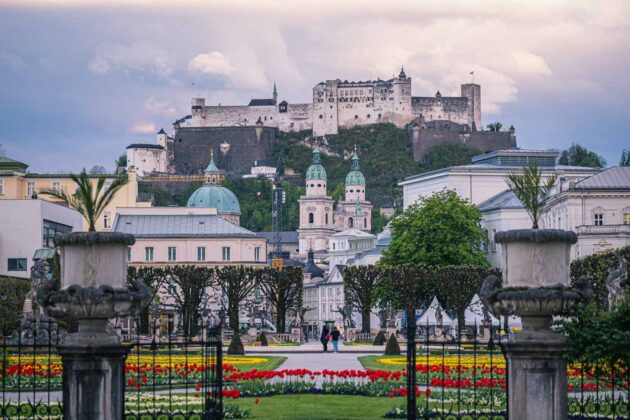
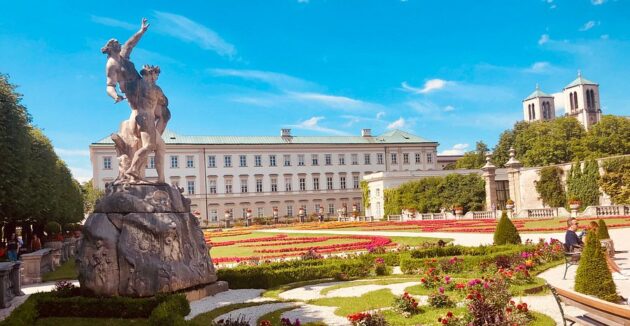
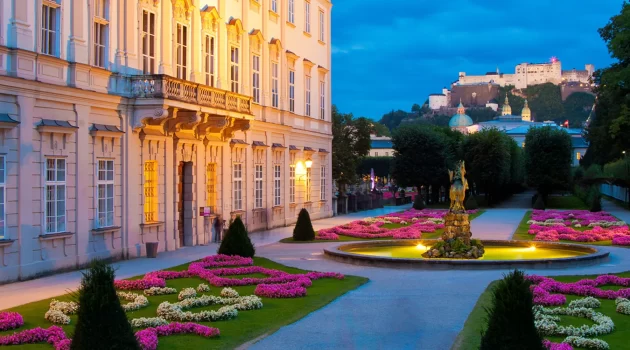
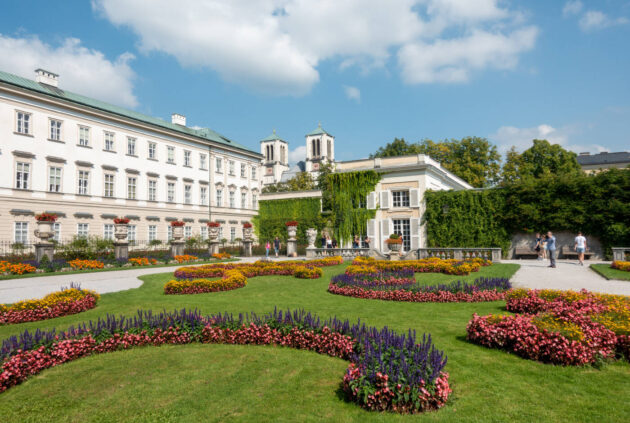
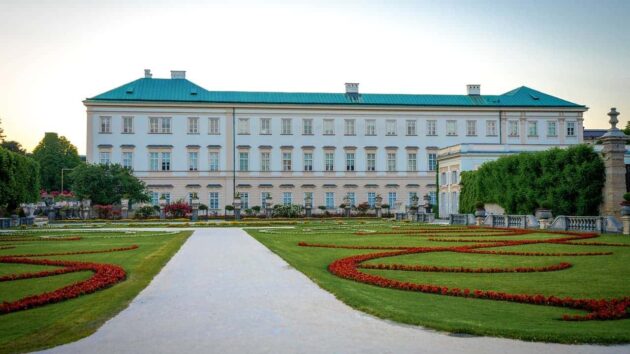
Nestled in the heart of Salzburg, Mirabell Palace (Schloss Mirabell) and its enchanting Baroque gardens stand as a testament to the city’s opulent history and timeless beauty. Built in the early 17th century, this iconic landmark offers a perfect blend of architectural grandeur, lush greenery, and cultural vibrancy.
Salzburg Cathedral
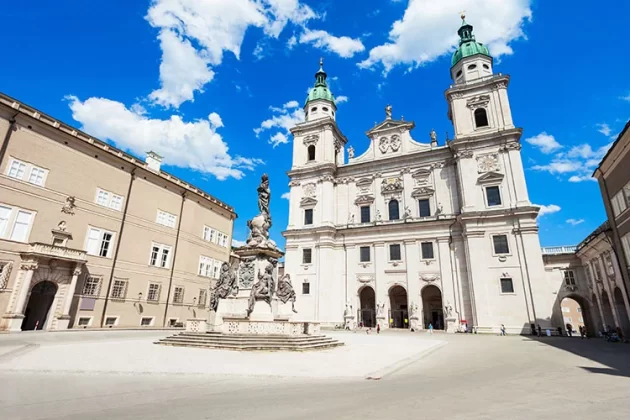
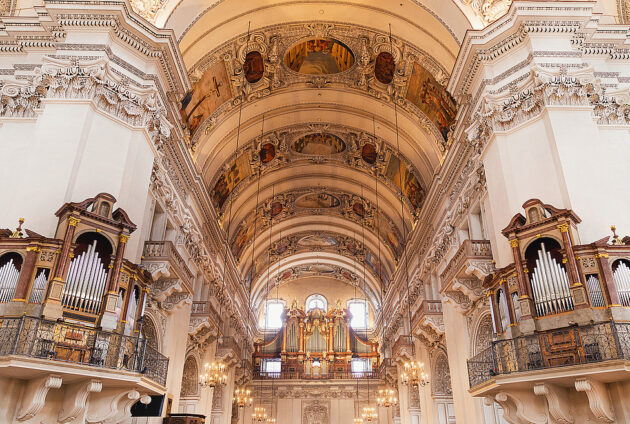
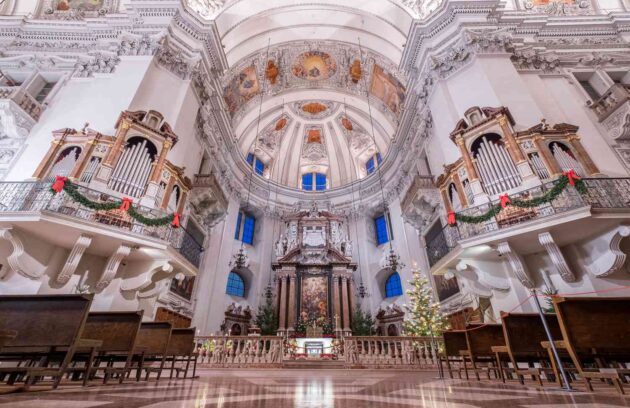
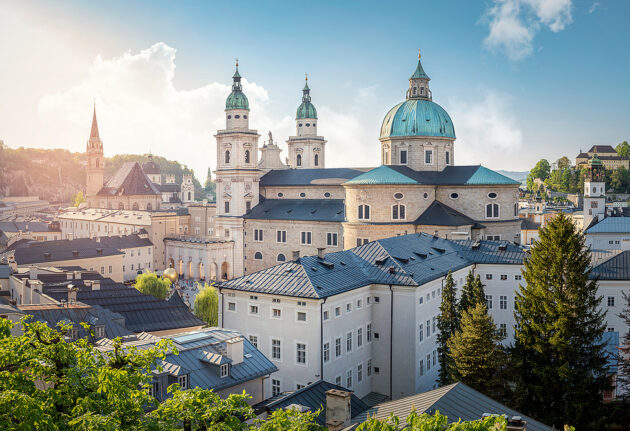
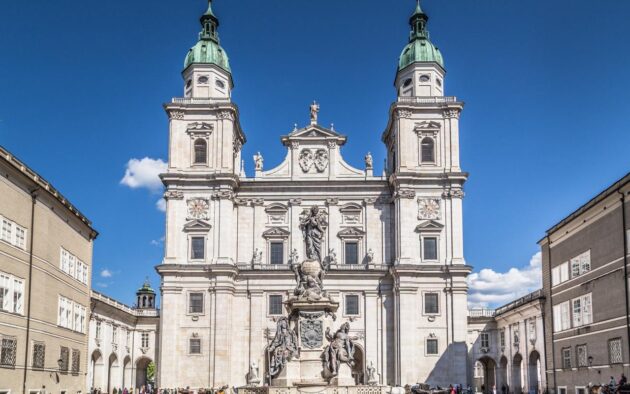
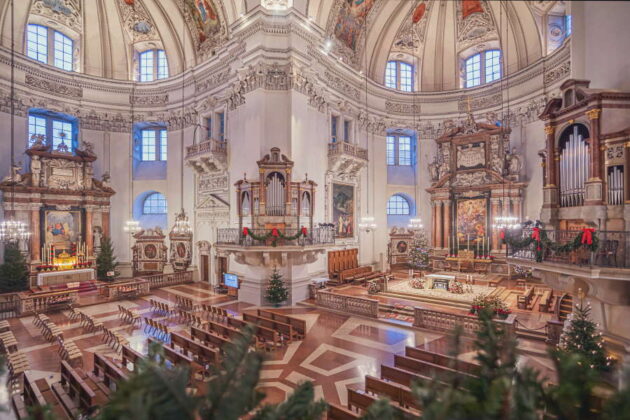
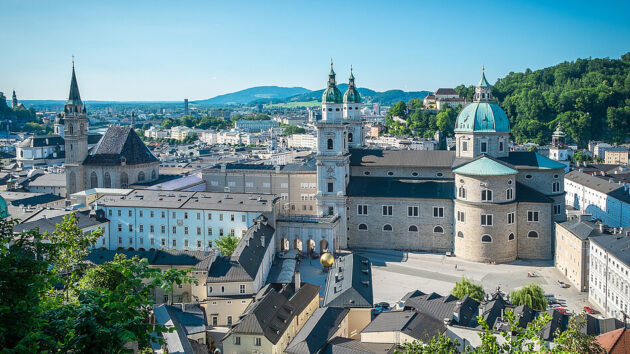
Nestled in the heart of Salzburg’s UNESCO-listed Old Town, Salzburg Cathedral (Salzburger Dom) stands as a majestic Baroque masterpiece and a cornerstone of the city’s cultural heritage. As the spiritual center of the Archdiocese of Salzburg, it has witnessed over 1,200 years of history, from its Romanesque origins to its role in the lives of figures like Wolfgang Amadeus Mozart.
Schloss Hellbrunn
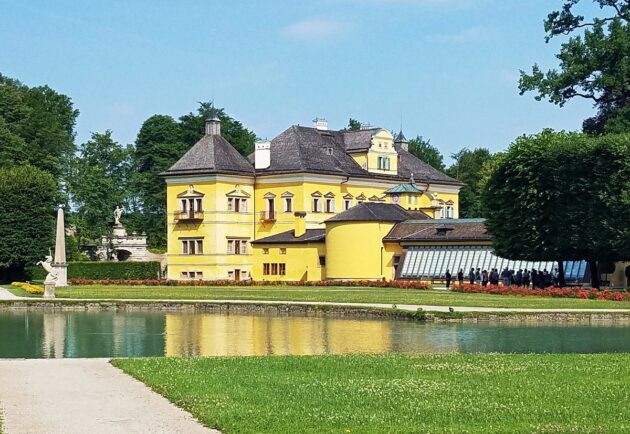
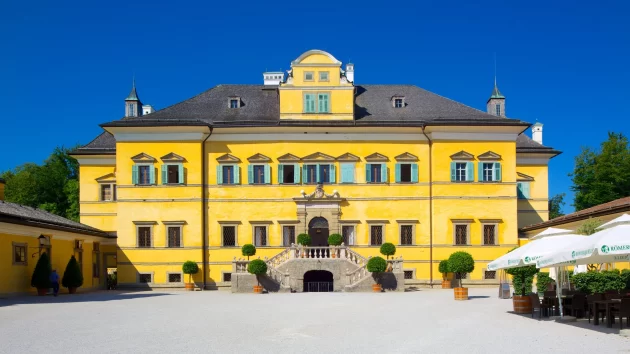
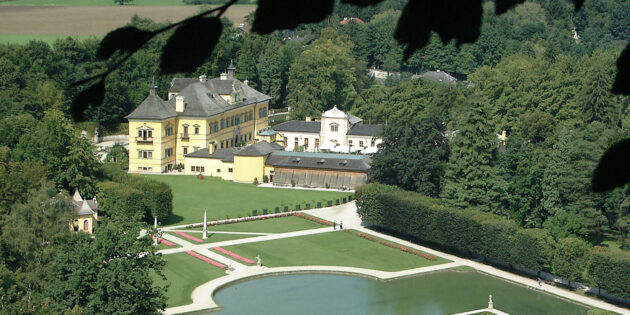
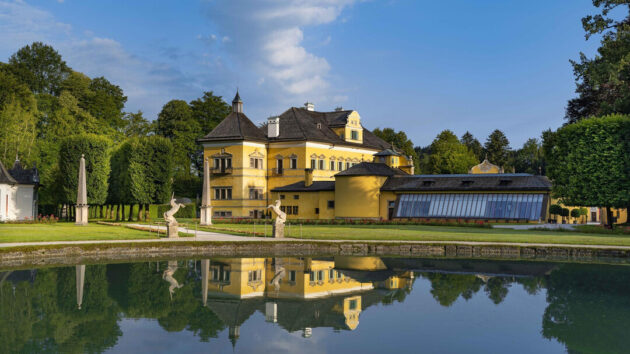
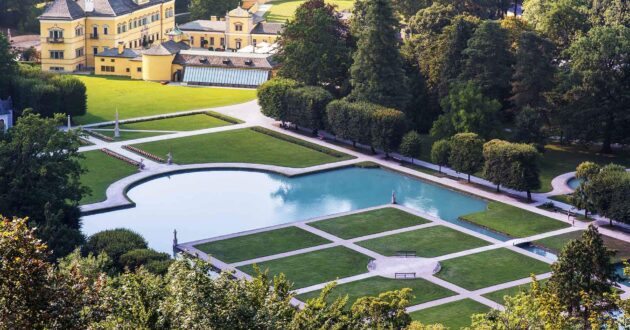
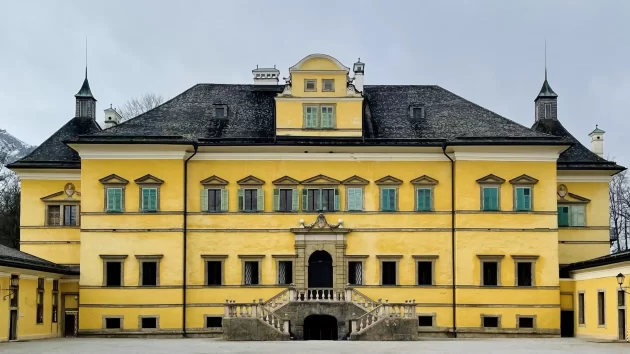
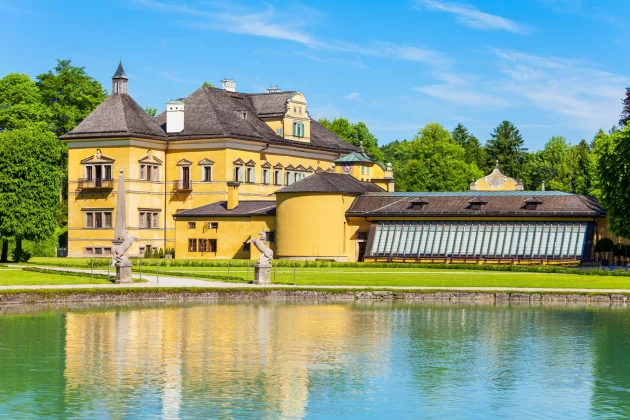
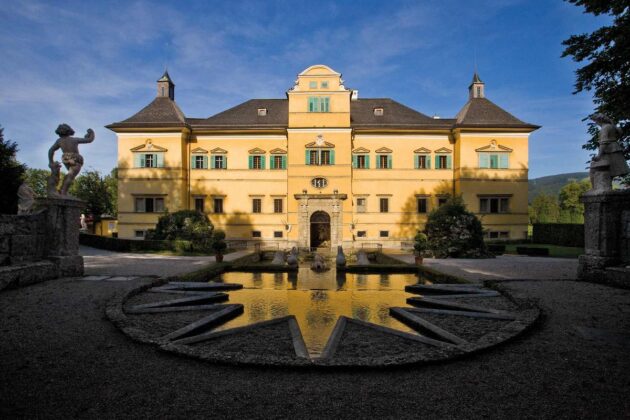
Nestled on the southern outskirts of Salzburg, Schloss Hellbrunn (Hellbrunn Palace) is a stunning Baroque masterpiece and one of Austria’s most delightful summer palaces. Built between 1613 and 1619 as the opulent retreat of Archbishop Markus Sittikus, it embodies the playful spirit of the Renaissance with its lavish gardens, intricate water features, and whimsical trick fountains that have charmed visitors for centuries.
Red Bull Hangar-7
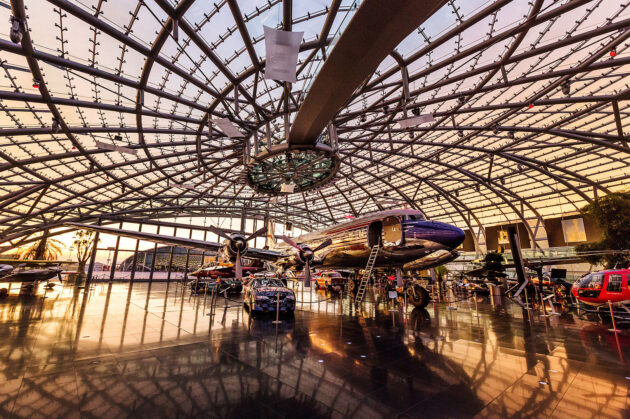
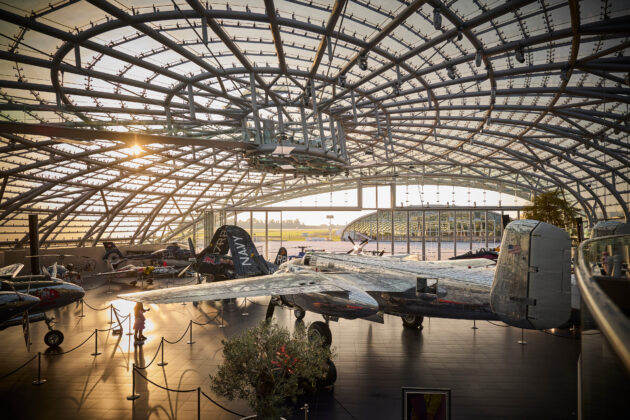
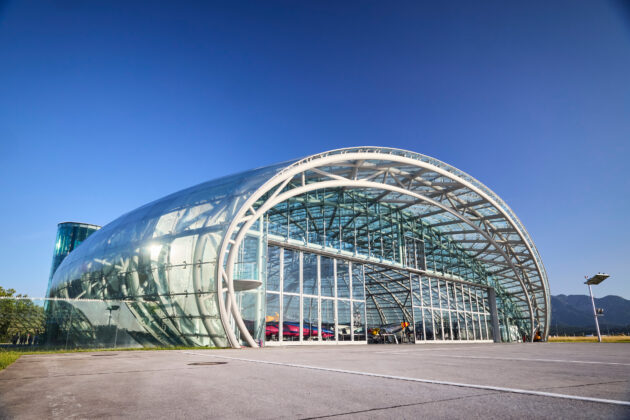
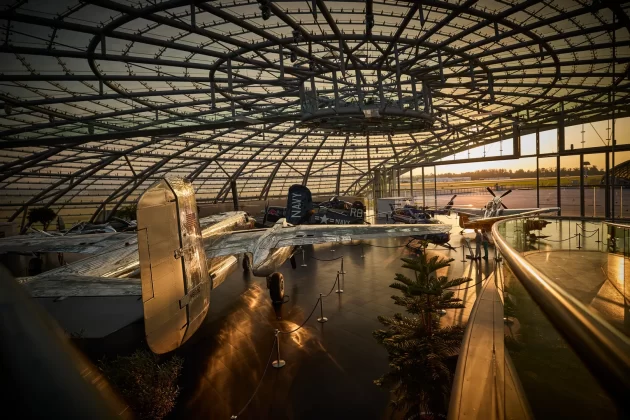
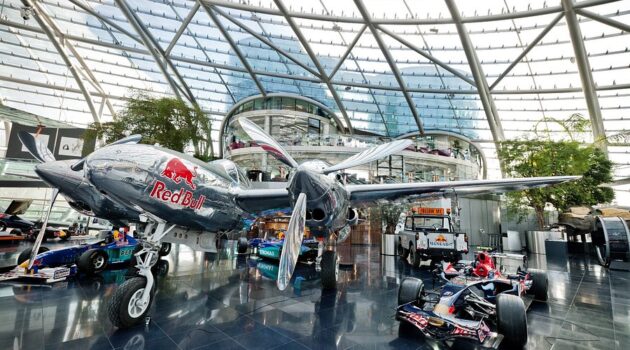
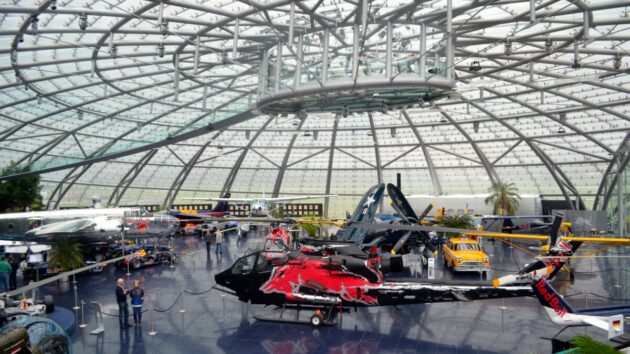
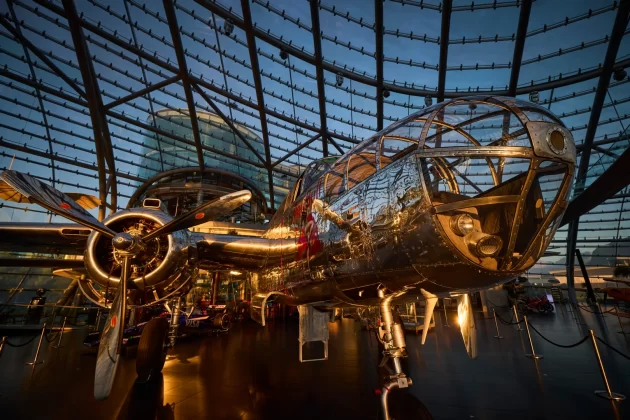
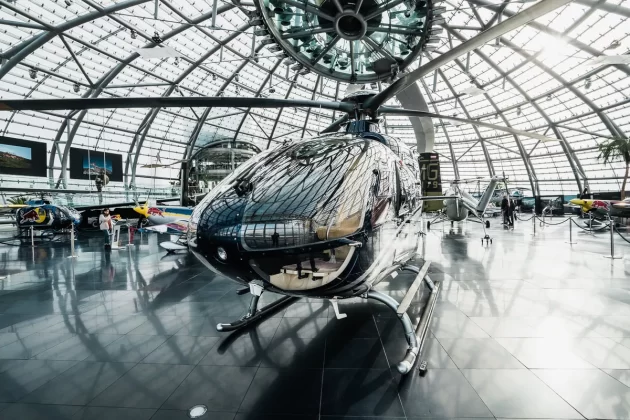
Nestled at Salzburg Airport, Red Bull Hangar-7 is a jaw-dropping fusion of aviation history, high-octane motorsport, cutting-edge architecture, and culinary flair. Opened in 2006 by Red Bull founder Dietrich Mateschitz, this 16,000-square-meter glass-and-steel marvel isn’t just a museum—it’s a living showcase of extreme performance machines, from vintage aircraft to Formula 1 legends.
Sound of Music Sites Tour
Self-guided or guided (€50–60, half-day via GetYourGuide), visit the von Trapp villa, Nonnberg Abbey, and lakeside pavilions. Fans: Do this on day one!
Where to Stay
Budget (€50–€100/night): Hostels like Yoho International Youth Hostel or Airbnbs in Nonntal district. Clean, central, with shared kitchens.
Mid-Range (€100–€200): Hotel Stein (Old Town, €150) for cozy rooms and breakfast; or Star Inn Hotel Salzburg Airport for shuttle convenience.
Luxury (€200+): Hotel Sacher Salzburg (€300+) for riverside elegance and spa; or Goldener Hirsch, a historic inn with Michelin dining.
Book via Booking.com for deals; aim for Old Town or near the train station.
Where to Eat
Savor Austrian classics amid cozy Gasthäuser (inns). Expect €15–30 for a meal.
Casual: Café Tomaselli (oldest in Salzburg, €10 coffee & strudel) or Nordsee for fresh seafood.
Traditional: St. Peter Stiftskeller (Europe’s oldest restaurant, €25 schnitzel) in a monastic cellar.
Modern: Imlauer Sky Restaurant for rooftop views and fusion (€40 tasting menu).
Markets: Try street food at the daily farmers’ market or Christmas stalls.
Vegetarian options abound; pair with local Stiegl beer or Grüner Veltliner wine.
Day Trips
Hallstatt
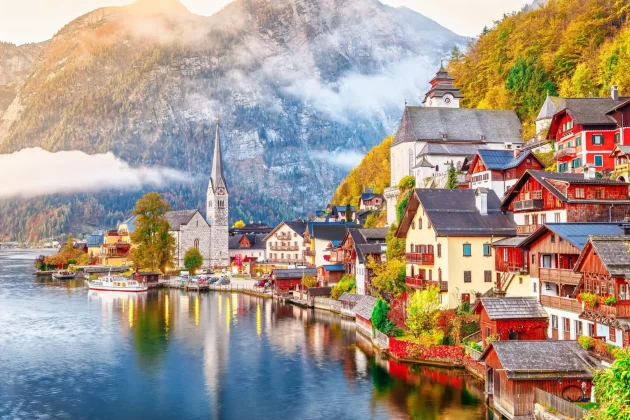
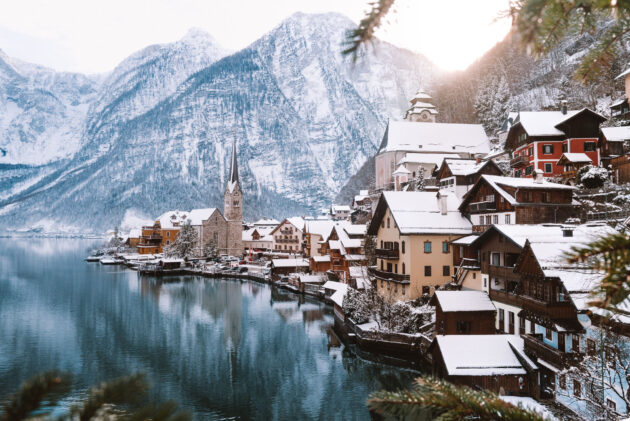
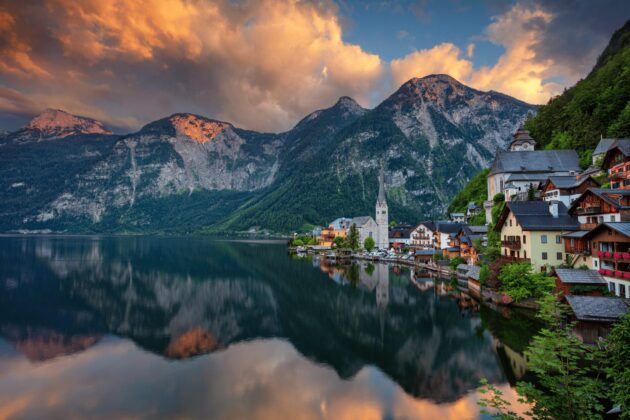
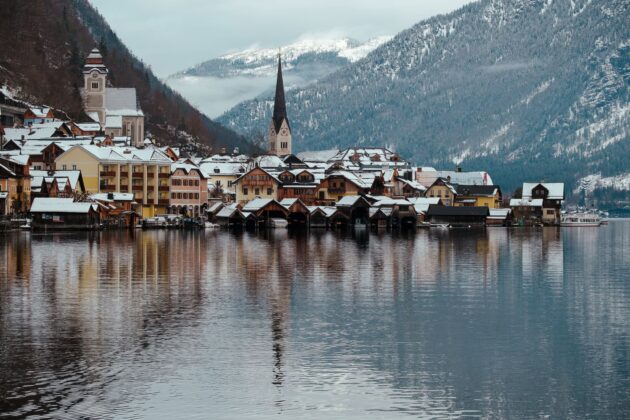
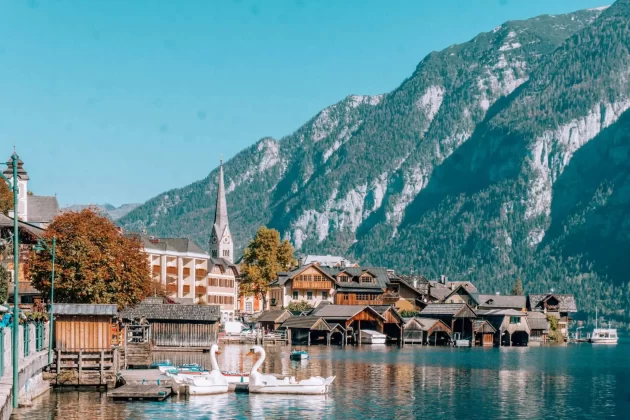
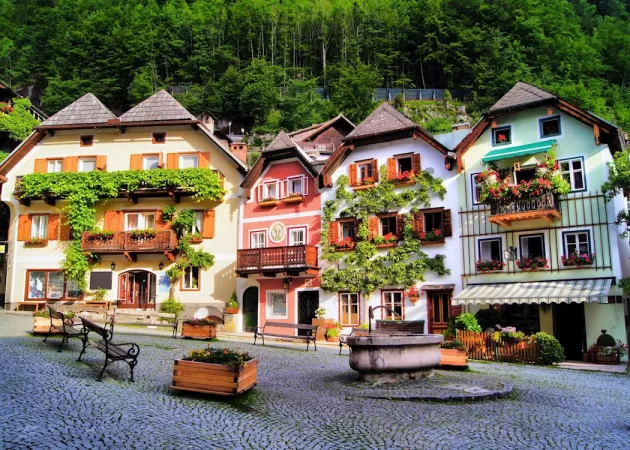
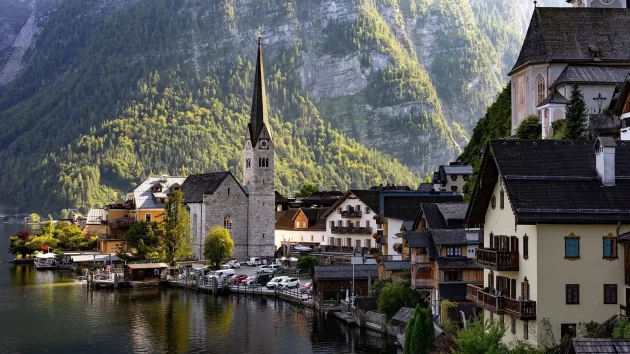
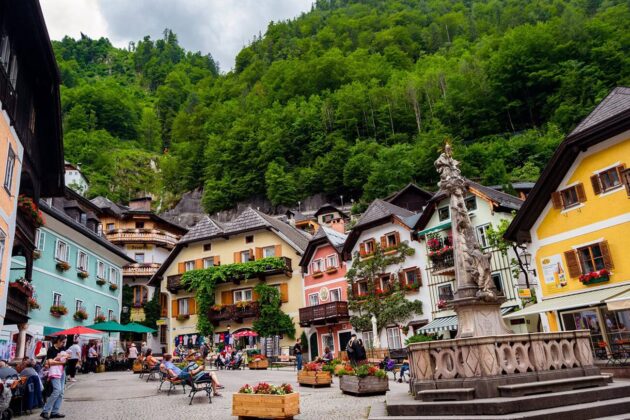
Nestled in the heart of the Salzkammergut region, Hallstatt is a postcard-perfect alpine village that feels like it was plucked from a fairy tale. Perched on the shores of Lake Hallstatt with dramatic Dachstein Alps as a backdrop, this UNESCO World Heritage site is Austria’s oldest salt-mining settlement, dating back over 7,000 years. Famous for its emerald-green lake, colorful chalets, and ethereal beauty, Hallstatt draws romantics, hikers, and photographers alike.
Berchtesgaden
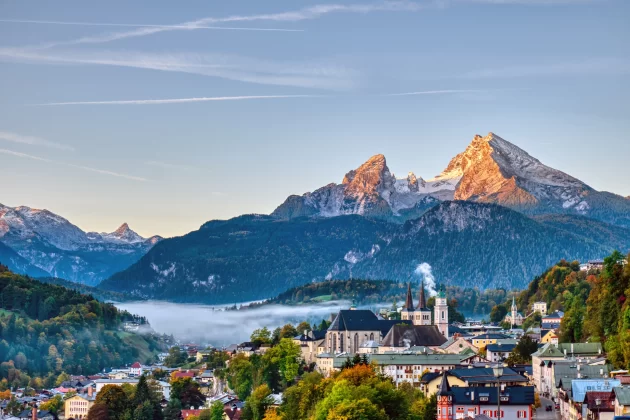
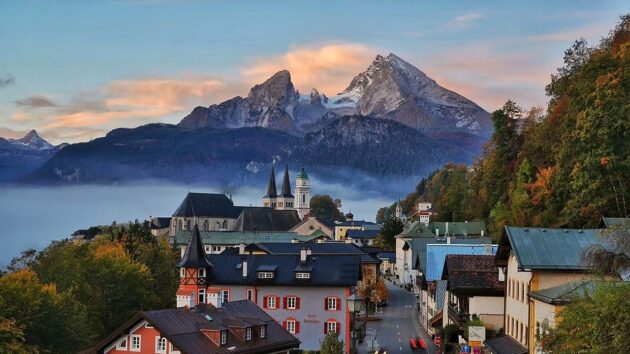
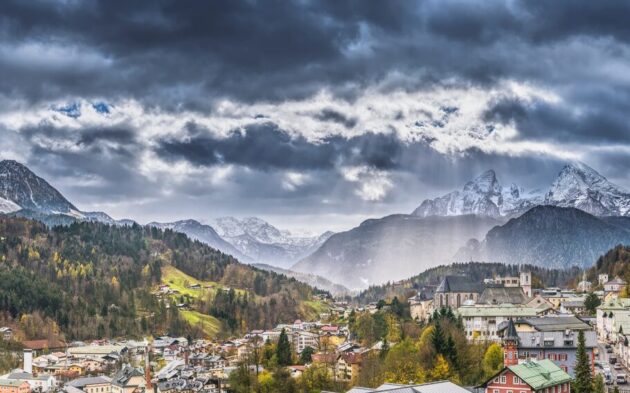
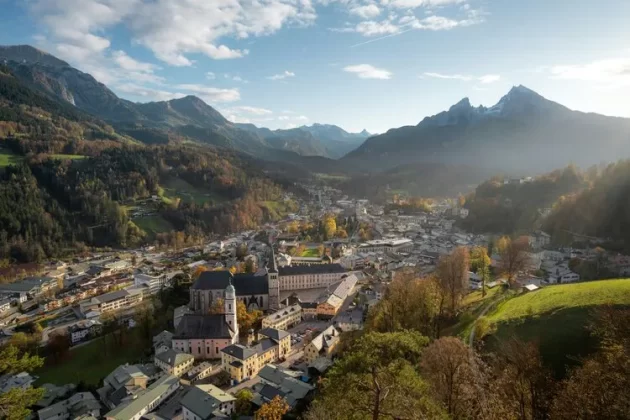
Tucked away in the Berchtesgaden National Park in the Bavarian Alps, Berchtesgaden is a postcard-perfect destination blending dramatic mountain scenery, crystal-clear lakes, WWII history, and outdoor thrills. Surrounded by towering peaks like the Watzmann (Germany’s third-highest mountain), this UNESCO-listed area offers everything from serene boat rides to adrenaline-pumping hikes.
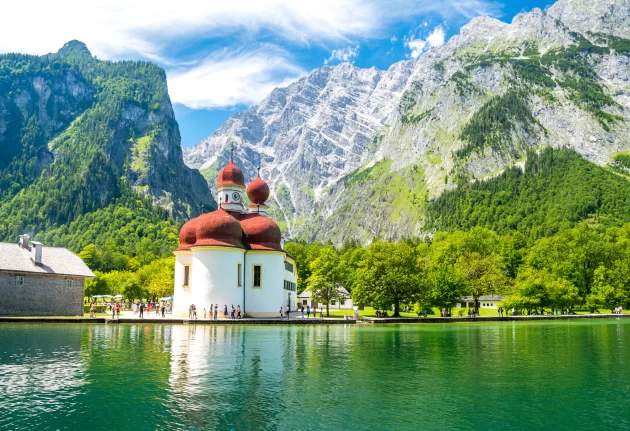
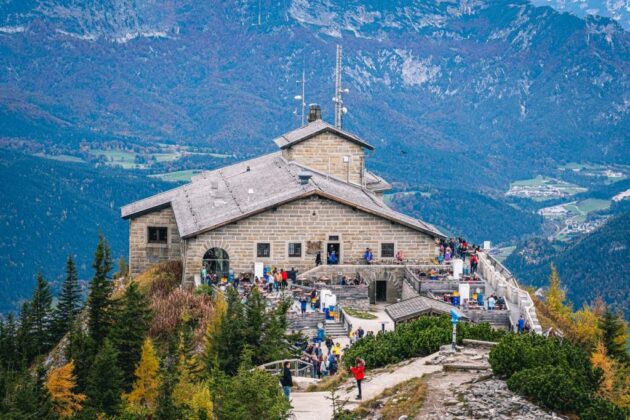
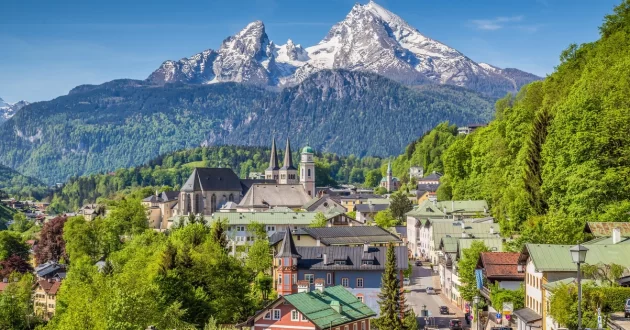
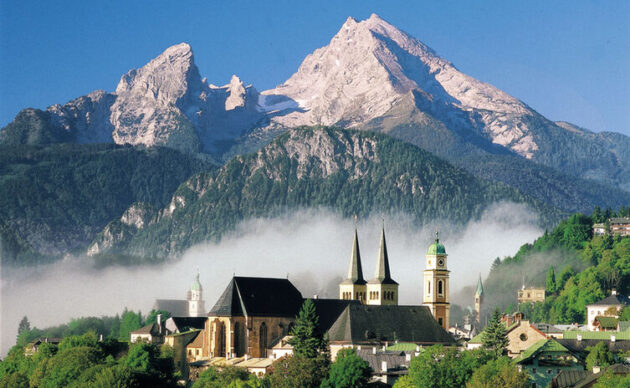
Berchtesgaden
Tucked away in the Berchtesgaden National Park in the Bavarian Alps, Berchtesgaden is a postcard-perfect destination blending dramatic mountain scenery, crystal-clear lakes, WWII history, and outdoor thrills. Surrounded by towering peaks like the Watzmann (Germany’s third-highest mountain), this UNESCO-listed area offers everything from serene boat rides to adrenaline-pumping hikes.
Practical Tips
Currency & Payments: Euro (€); cards widely accepted, but carry cash for markets. ATMs everywhere.
Transport: City buses/trains free with Salzburg Card; Salzburg is bike-friendly (€5/day rental). Taxis via Uber (€10–15 short rides).
Language: German primary; English fluent in tourist spots.
Health & Safety: Tap water safe; wear sturdy shoes for hills. Download the Salzburg App for maps/events.
Sustainability: Use reusable bottles—fountains are potable. Support local with farm-to-table eats.
Budget Estimate (per person, 3 days): €300–500 (mid-range), including Card, meals, and transport.
Don’t miss the Easter Festival (April) or Whitsun Concerts (May) for musical magic. Salzburg isn’t just a stopover—it’s a crescendo of culture and nature. Prost to your adventure!