
A Travel Guide to Innsbruck (2026)
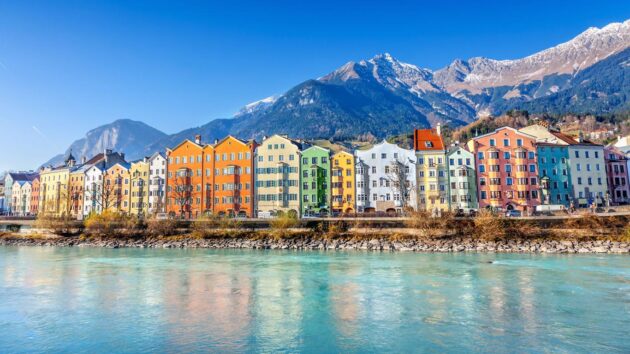
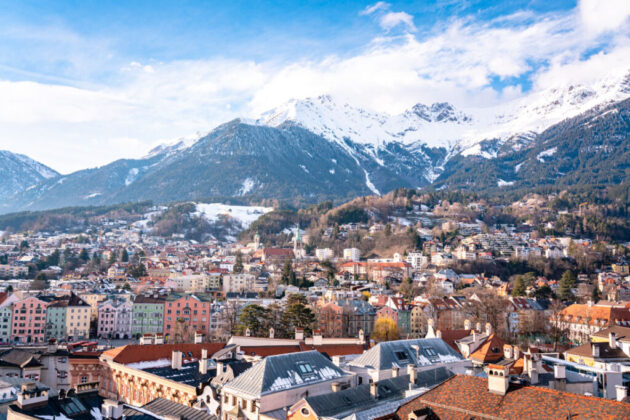
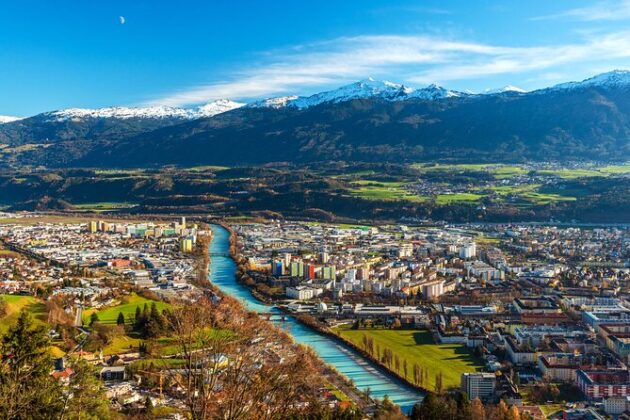
Nestled in the heart of the Austrian Alps, Innsbruck is a captivating blend of imperial history, stunning mountain scenery, and vibrant outdoor adventures. As the capital of Tyrol, this “Capital of the Alps” offers a perfect mix of urban charm and alpine escapades, from medieval landmarks like the iconic Golden Roof to world-class skiing on nearby peaks. Whether you’re a history buff, thrill-seeker, or foodie, Innsbruck delivers unforgettable experiences year-round.
Why Visit Innsbruck?
Innsbruck stands out for its unique position at the crossroads of culture and nature—surrounded by jagged peaks yet boasting a lively old town with baroque architecture and Habsburg-era treasures. It’s ideal for families, couples, or solo travelers seeking a compact city break with easy access to hiking, skiing, and cultural immersion. Plus, its efficient public transport and the Innsbruck Card make exploring hassle-free and budget-friendly.
How to Get There
Innsbruck is well-connected, making it accessible from major European hubs:
By Air: Innsbruck Airport (INN) receives direct flights from cities like London, Frankfurt, and Amsterdam, especially during peak seasons. From the airport, hop on the F-bus to the city center in 15-20 minutes for about €2.50.
By Train: High-speed Railjet trains from Vienna (4 hours), Munich (1.5 hours), or Zurich (3.5 hours) arrive at Innsbruck Hauptbahnhof, right in the city center. Tickets start at €20 if booked early via ÖBB (Austrian Railways).
By Car: Drive via the A12 motorway from Germany or Italy; parking is available at Park & Ride facilities outside the center to avoid ZTL (limited traffic zones). Expect tolls around €10-15.
Once there, the city is pedestrian-friendly, with trams, buses, and bikes for getting around—unlimited access included with the Innsbruck Card.
Best Time to Visit
Innsbruck shines in every season, but tailor your trip to your interests:
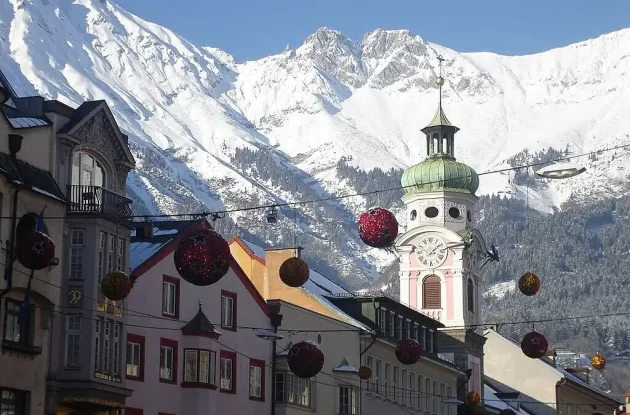
Winter (December-March): Peak for skiing and Christmas markets; expect snow-covered Alps and festive vibes, though crowds and prices peak around holidays.
Summer (June-August): Warm days (20-25°C/68-77°F) perfect for hiking and cable car rides; long daylight hours and festivals abound.
Spring (April-May): Blooming flowers and fewer tourists; ideal for gentle hikes with mild weather (10-15°C/50-59°F).
Fall (September-November): Cheapest rates and golden foliage, but note some attractions close in November.
What to Do
Innsbruck packs a punch in a small space—spend 2-3 days to cover the highlights:
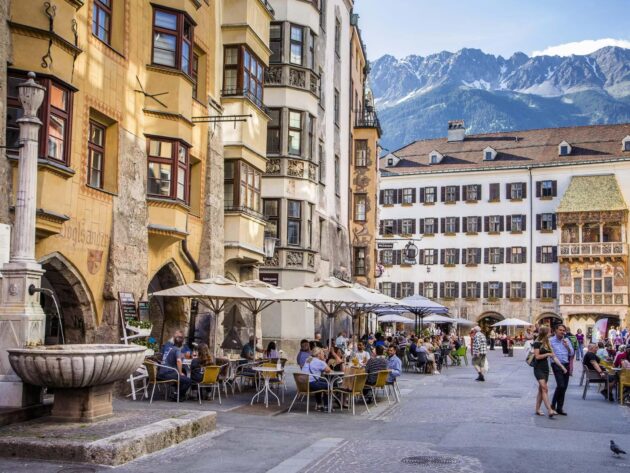
Golden Roof (Goldenes Dachl): Marvel at this 15th-century landmark in the Old Town, adorned with 2,657 gilded copper tiles symbolizing Emperor Maximilian I’s wealth. Entry to the museum: €5.50.
Nordkette Cable Car: Ascend from the Congress Center to 2,300m for jaw-dropping 360° views of the city and Karwendel Mountains. Round-trip: €45 (free with Innsbruck Card). Hike or paraglide in summer; ski in winter.
Imperial Palace (Hofburg): Wander Habsburg opulence in this baroque residence with rococo apartments and a treasury. Audio-guided tour: €9.50.
Ambras Castle (Schloss Ambras): A 10th-century Renaissance gem 5km south, featuring armor collections and Italianate gardens. Entry: €12; bus 4134 gets you there.
Swarovski Crystal Worlds: 20 minutes by bus, this dazzling art installation in a giant head sculpture is a family favorite. Tickets: €23.
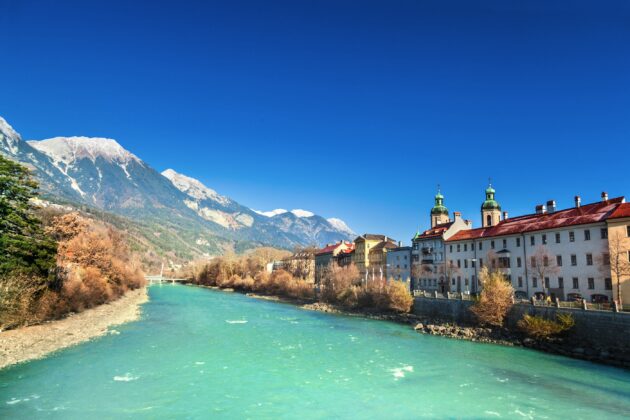
Outdoor Adventures: Hike the Inn River paths, mountain bike in summer, or ski at Patscherkofel (Olympic 1964/1976 site). In winter, try the Bergisel Ski Jump for panoramic views.
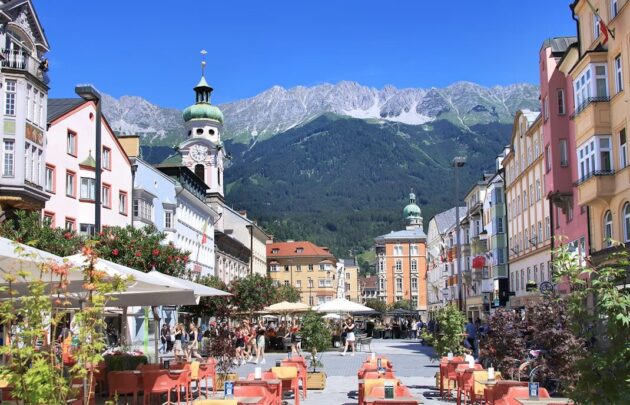
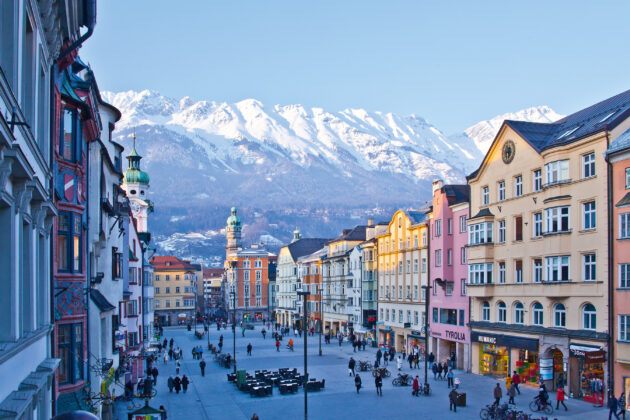
Cultural Hits: Stroll Maria-Theresien-Straße for shopping and cafés; visit the Tyrolean Folk Art Museum for regional heritage; or catch 2025 events like the Innsbruck Airport Festival or Poetry Slam.
For families, add the Alpine Zoo or a guided Old Town tour.
Where to Stay
Luxury: Hotel Innsbruck (€200+/night) for central location and spa; or Grand Hotel Europa for historic elegance.
Mid-Range: Basic Hotel Innsbruck (€100-150/night) near the station; or Nala Individuellhotel for modern Tyrolean design.
Budget: Youth Hostel Innsbruck (€50-80/night) with mountain views; or glamping sites like those in the surrounding Tyrol region for nature lovers.
Book early for winter; many include the Welcome Card for free transport and discounts with 2+ nights.
Dining and Nightlife
Tyrolean cuisine shines here—think hearty schnitzel, käsespätzle (cheese noodles), and Apfelstrudel:
Markthalle: Fresh produce and street food market for casual bites. Stiftskeller: Traditional tavern in a 16th-century monastery; try goulash (€15). Weisses Rössl: Cozy spot for local beers and fondue. Gourmet: Restaurant 1800 at Imperial Palace for upscale Austrian fusion (€50+).
Nightlife buzzes with cocktail bars offering alpine views and the Beer Alps Festival.
Vegetarians: Seek out mittagsmenü lunch deals for value.
Tips for a Great Trip
Budget Hack: Get the Innsbruck Card (from €53 for 24 hours) for free entry to 26 attractions, lifts, and transport—it pays off quickly.
Pack Smart: Layer for variable weather—waterproof jacket, sturdy shoes, and thermals for mountains. Sunscreen for high altitudes!
Getting Around: Walk the Old Town; use the IVB app for trams/buses. Rent e-bikes (€20/day) for riverside paths.
Safety: Innsbruck is very safe, but watch for pickpockets in crowds. Prepare for sudden weather changes—check forecasts via the official app.
Sustainable Travel: Use public transport; visit in shoulder seasons to avoid peak crowds. For families, prioritize Nordkette and the zoo.
Extend Your Stay: Day-trip to Hall in Tirol for medieval vibes or Swarovski Worlds.
Innsbruck’s magic lies in its seamless fusion of city and mountains—plan your adventure and let the Alps enchant you. Safe travels!