
A Travel Guide to Melk (2026)
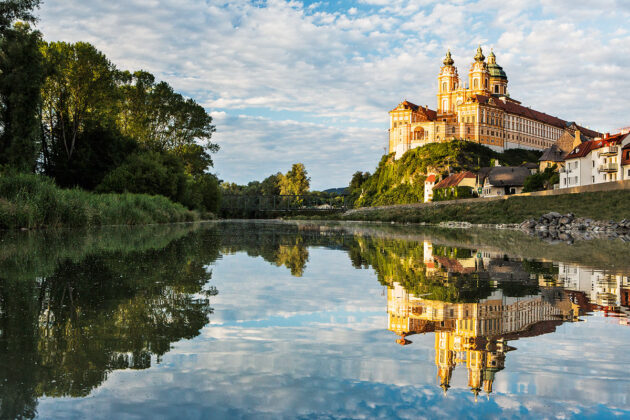
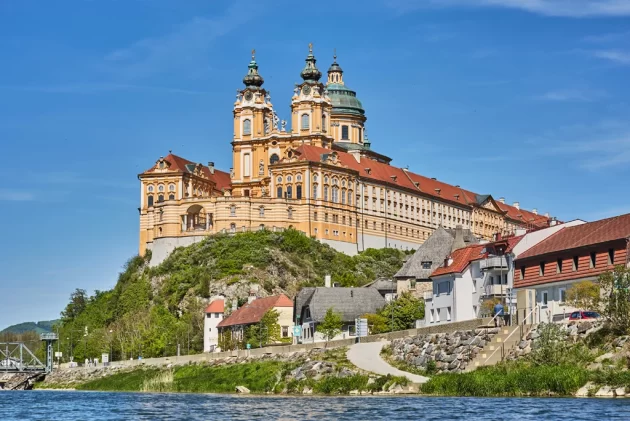
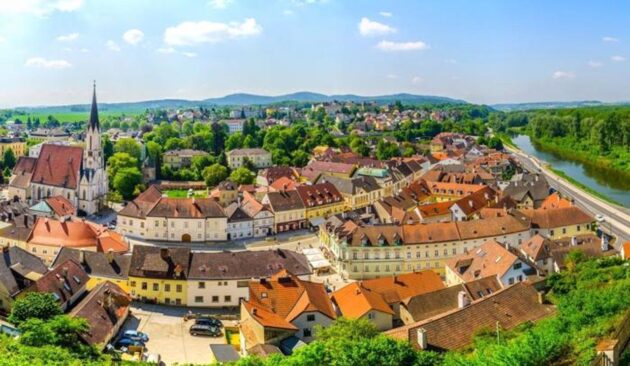
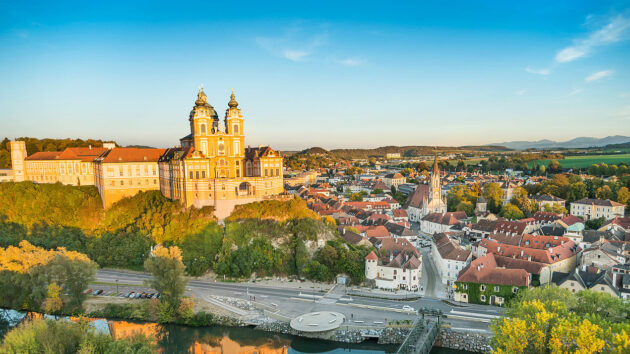
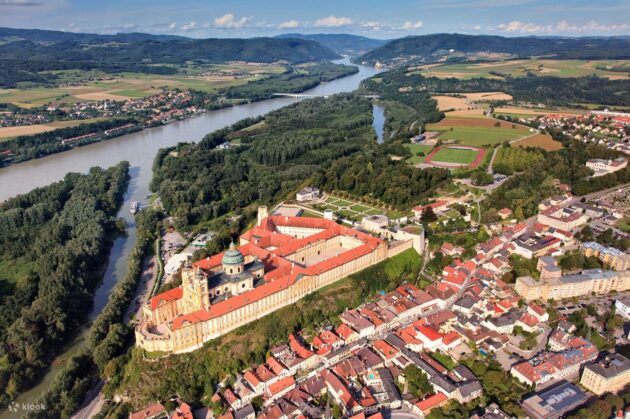
Nestled along the Danube River in Lower Austria’s enchanting Wachau Valley—a UNESCO World Heritage site—Melk is a picturesque medieval town that blends Baroque grandeur with riverside charm. Best known for its stunning Melk Abbey, a hilltop Benedictine monastery that dominates the skyline, Melk offers a perfect day trip from Vienna or a relaxing base for exploring the valley’s vineyards, castles, and apricot orchards. Whether you’re a history buff, wine lover, or nature enthusiast, Melk’s compact size and serene vibe make it an ideal escape, where you can wander cobblestone streets by day and savor local Rieslings at sunset. With its rich history dating back to the 11th century and vibrant seasonal events, Melk captivates visitors year-round.
How to Get There
Melk is easily accessible from major Austrian hubs, with options suiting different budgets and preferences:
By Train: The most straightforward route is from Vienna’s Westbahnhof station, a scenic 1-hour journey along the Danube (trains run hourly). Tickets cost €15–€25 one way. For those arriving by river cruise, note that Emmersdorf Bahnhof on the opposite bank offers better connections—take a 7-minute taxi or a 1-hour walk across the bridge.
By River Cruise: Danube cruises from Vienna or Passau often stop at Melk’s piers, providing stunning valley views en route. Companies like Viking or Tauck offer day trips; expect 2–4 hours on the water.
By Car: Drive from Vienna via the A1 motorway (about 1 hour, 85 km). Parking is available near the town center (€5–10/day), but the town is highly walkable, so consider leaving the car behind.
From Nearby Towns: Bikes can be rented in Melk for the Danube Cycle Path, with one-way options returnable in Krems (via train or boat).
Public transport within Melk is unnecessary—everything is within a 20-minute walk.
Best Time to Visit
Peak Season (May–September): Ideal for warm weather (15–25°C/59–77°F), blooming abbey gardens, and outdoor activities like cycling or wine tastings. July–August coincides with the apricot harvest, while mid-September brings the grape harvest festival—perfect for al fresco dining.
Shoulder Seasons (April–May, October): Fewer crowds, milder temps, and lower prices, with autumn foliage adding color to the valley.
Winter (December–February): Embrace the festive spirit with Melk’s Advent Village in the pedestrian center, featuring glühwein stalls, ice skating, and a Christmas Market at nearby Aggstein Castle. The abbey stays open, but expect shorter days and possible snow.
Avoid: Mid-winter if you dislike cold (0–5°C/32–41°F), though it’s magical for holidays.
Top Things to Do
Melk’s highlights revolve around its abbey and the surrounding valley, blending culture, nature, and cuisine. Allocate at least a half-day for the abbey alone.
Tour Melk Abbey (Stift Melk): The crown jewel—a Baroque masterpiece rebuilt in the early 18th century—perched dramatically above the Danube. Highlights include the opulent Marble Hall (with frescoes by Paul Troger), the world-famous Library (home to 100,000 volumes in gilded shelves), and the Abbey Church (adorned with golden stuccos, frescoes, and the tombs of saints like Coloman). Self-guided visits take 1–2 hours; guided tours (50 minutes, in English) delve into its 900-year history, including quirky relics like a reusable coffin. No photos inside, but the views from the terrace are Instagram-gold. Admission: €16 without guide, €19.50 with (includes park and gardens).
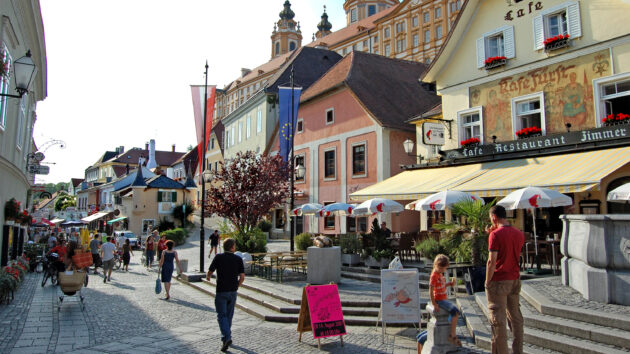
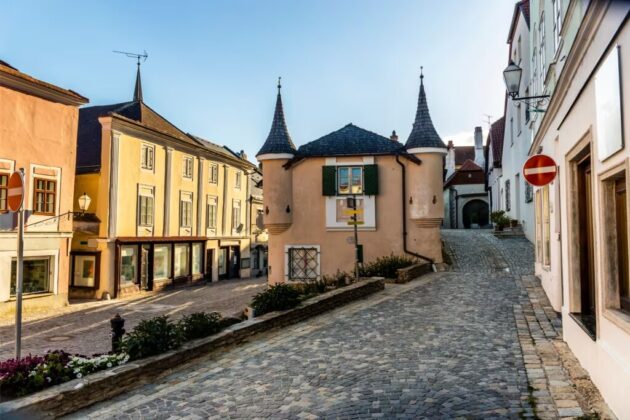
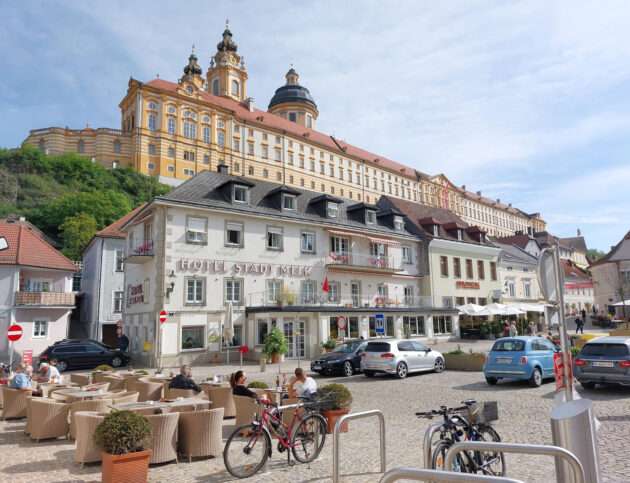
Stroll the Medieval Center: Wander pedestrianized streets like Sterngasse (the oldest) and Rathausplatz, lined with colorful facades, fountains, and historic buildings like the Zur Alten Post. Follow one of four themed walking routes (marked by blue/gold mosaics) with free audio guides from the tourism board—perfect for spotting hidden courtyards.
Cycle or Walk the Danube Cycle Path: Rent a bike (€15–20/day) for a flat, scenic 5–10 km stretch through vineyards and meadows. Stop at ruins or beaches like Luberegg for a dip in summer.
Wine Tasting in the Wachau Valley: Sample Grüner Veltliner and Riesling at local Heurigen (wine taverns) like Weingut Özelt in nearby Spitz. Pair with Brettljause (charcuterie boards), apricot dumplings (Marillenknödel), or Most (dumpling stew with cider). Reserve for formal tours; spontaneous visits work on open days.
Explore Nearby Castles: Hike to Aggstein Ruins (20-minute drive) for panoramic Danube views and a restored Knights’ Hall, or visit Renaissance Schallaburg Castle (15 km away) with its terracotta-sculpted courtyard and gardens.
Danube Cruise or Kayak: Hop on a short boat trip from Melk’s piers to see Dürnstein or Krems (1–2 hours, €20–40). For adventure, paddle the calm waters yourself.
Hike Jauerling Nature Park: Just north of town, trails under 5 miles wind through orchid meadows and butterfly habitats—great for birdwatching or a winter ski jaunt at 3,150 feet.
Visit the Melk Memorial: A poignant site at a former WWII concentration camp; access the monument by leaving ID at the guard’s desk.
Relax at the Pavilion Café: In the abbey’s Barockgarten, enjoy coffee and apricot cake with river views (cash only).
Seasonal Events: Catch the apricot festival in summer or wine harvest in fall for live music and local crafts.
Where to Stay and Eat
Stay: Melk has boutique options like Hotel Zum Schwarzen Bären (riverside, €100–150/night) or Pension Zur Post (central, budget-friendly at €80). For luxury, base in nearby Krems. Campers can use sites along the Danube.
Eat: Try traditional Austrian fare at Gasthaus zur Post (Wiener Schnitzel, €15) or Heuriger Zur Binderin for valley wines and homemade strudel. Don’t miss apricot-based desserts—Wachau is famed for them. Many spots are cash-only, so carry euros.
Vegetarian options are limited but improving; focus on salads and cheese plates.
Practical Tips
Getting Around: Wear comfy shoes—the town is hilly, especially to the abbey (20-minute uphill walk or €5 shuttle).
Costs: Budget €50–80/day (excluding lodging) for entry fees, meals, and transport. Abbey tours fill up—arrive 20 minutes early for English slots. Download the Melk app for maps and audio guides.
Accessibility: The abbey has ramps and elevators, but cobblestones can be tricky for wheelchairs. English is widely spoken in tourist areas.
Sustainability: Stick to marked paths to protect vineyards; opt for electric bike rentals.
Day Trip from Vienna? Absolutely—combine with a Wachau wine tour for the full experience.
Melk’s timeless allure lies in its unhurried pace: let the abbey bells chime as you sip wine by the Danube. It’s a reminder of Europe’s fairy-tale side, where history and nature harmonize effortlessly. Safe travels—Prost!