
A Travel Guide to Budapest (2026)
Nestled along the majestic Danube River, Budapest is Hungary’s vibrant capital and one of Europe’s most captivating cities. Split into the hilly Buda side and the flat, bustling Pest side, it blends grand Habsburg-era architecture, thermal baths dating back to Roman times, and a thriving ruin-bar scene in abandoned buildings. As a budget-friendly gem, Budapest offers Western European charm—think opulent palaces, leafy parks, and world-class museums—at a fraction of the cost of Paris or Vienna. Whether you’re soaking in mineral-rich hot springs, cruising the Danube at sunset, or sipping pálinka in a hidden speakeasy, this city delivers history, hedonism, and hidden gems in equal measure.
Why Visit Budapest?
Budapest stands out for its unique fusion of old and new: neo-Gothic spires pierce the skyline alongside Soviet-era relics and cutting-edge street art. It’s a haven for foodies (hello, chimney cakes and goulash), wellness seekers (over 100 thermal baths), and night owls (the ruin bars are legendary). Plus, it’s remarkably affordable—meals under $10 and hostels from $15/night—while being walkable and English-friendly.
How to Get There
Budapest Ferenc Liszt International Airport (BUD) is the main gateway, with direct flights from major European hubs and seasonal routes from North America (e.g., New York via low-cost carriers like Ryanair). Taxis to the city center cost about 10,000 HUF ($27 USD); the Airport Minibusz shuttle is cheaper at 5,000 HUF round-trip.
By Train: High-speed Railjet from Vienna (2.5 hours, ~$25) or EuroCity from Bratislava (2.5 hours, ~$35). Stations like Keleti and Nyugati connect to the heart of Pest.
By Bus: FlixBus from Prague (6 hours, from €20) or Bucharest (10 hours, €30).
By Car: From Vienna, it’s a 3-hour drive via the M1 motorway; parking in the city is pricey (2,000 HUF/hour), so consider a rental drop-off.
Best Time to Visit
Budapest shines year-round, but timing matters for weather and crowds:
| Season | Weather | Pros | Cons |
|---|---|---|---|
| Spring (Mar-May) | 10-20°C (50-68°F), blooming cherry blossoms | Mild temps, fewer tourists, blooming parks | Occasional rain |
| Summer (Jun-Aug) | 25-30°C (77-86°F), sunny | Outdoor festivals, Danube swims | Hot/humid, peak crowds/prices |
| Fall (Sep-Nov) | 15-20°C (59-68°F), golden foliage | Comfortable for walking, harvest wines | Cooling evenings |
| Winter (Dec-Feb) | 0-5°C (32-41°F), possible snow | Magical Christmas markets, low prices | Cold, short days |
Shoulder seasons (spring/fall) are ideal for value. Avoid mid-July if you hate heatwaves.
Top Things to See & Do
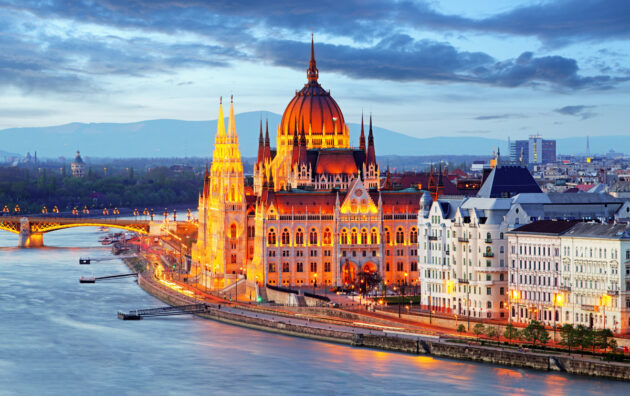
Hungarian Parliament Building
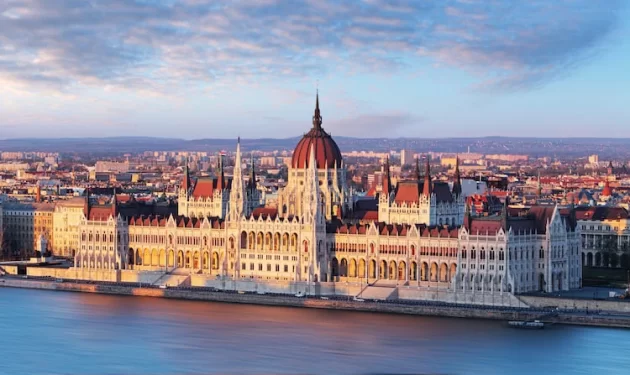
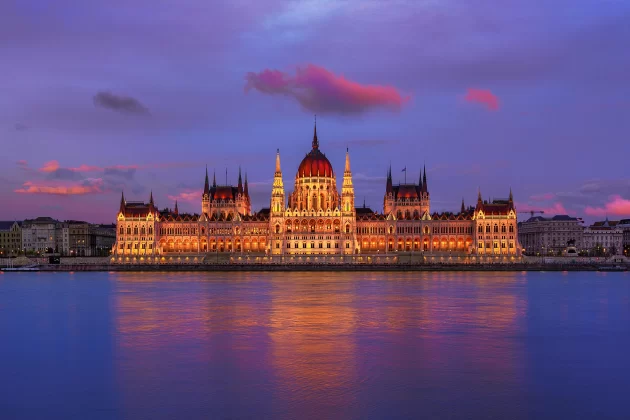
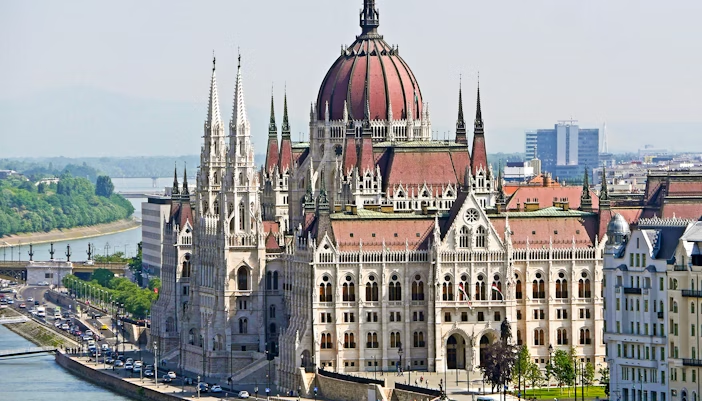
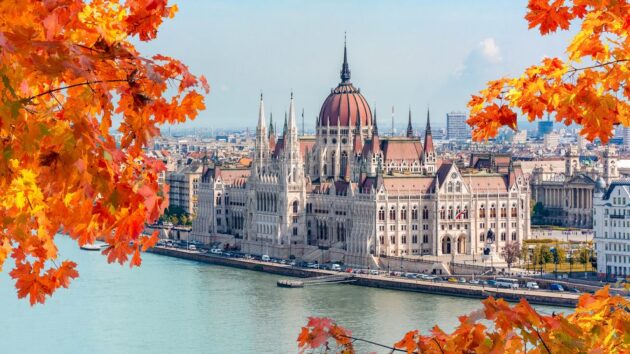
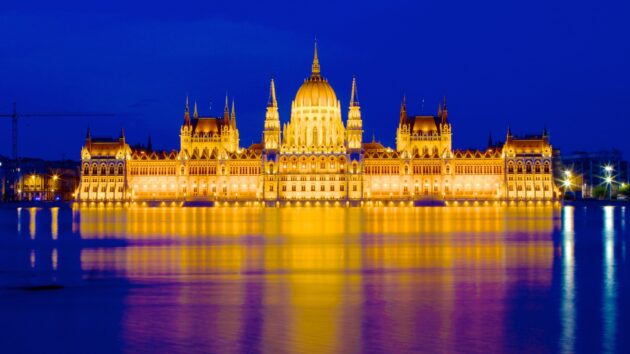
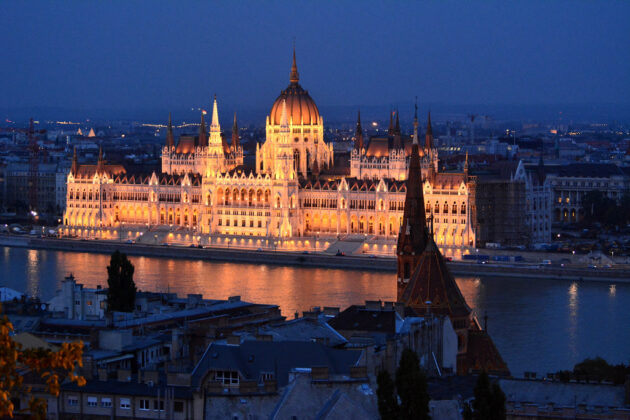
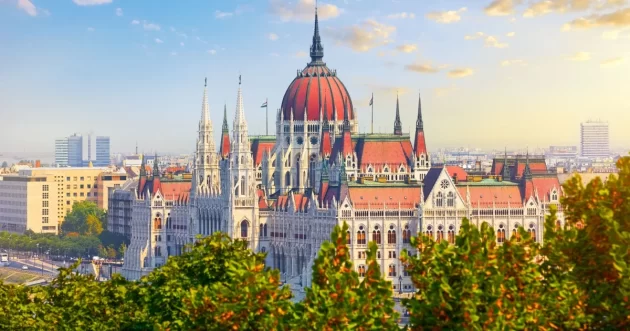
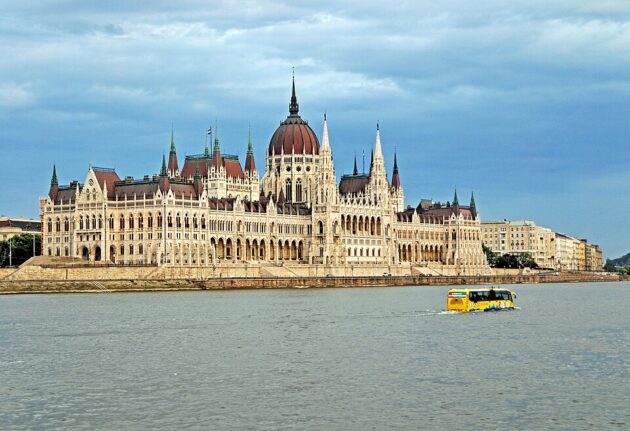
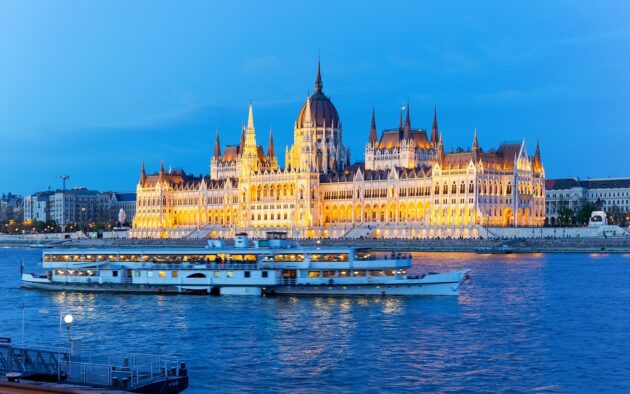
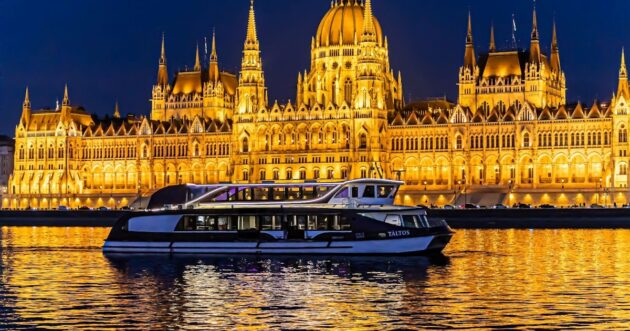
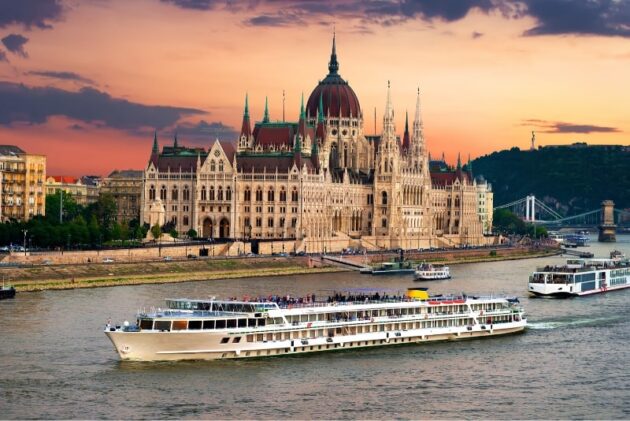
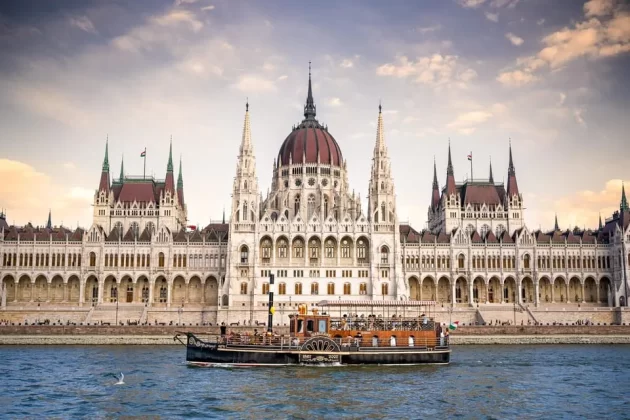
The Hungarian Parliament Building, an architectural masterpiece on the banks of the Danube River, is one of Budapest’s most iconic landmarks and a symbol of Hungary’s rich history and Gothic Revival grandeur. Completed in 1902 after 19 years of construction, this neo-Gothic behemoth—spanning 268 meters in length and boasting 691 rooms—houses the National Assembly and features intricate spires, statues of Hungarian leaders, and opulent interiors adorned with gold leaf and frescoes.
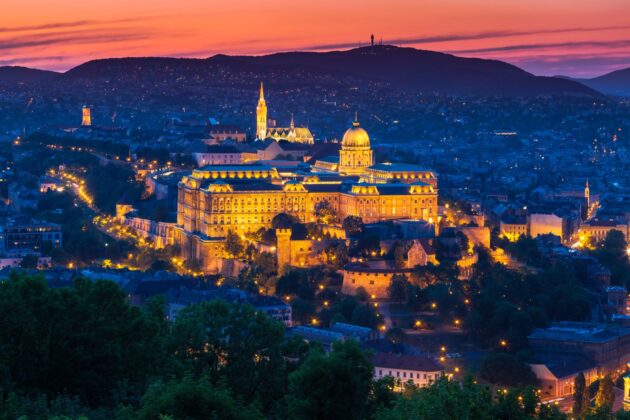
Buda Castle
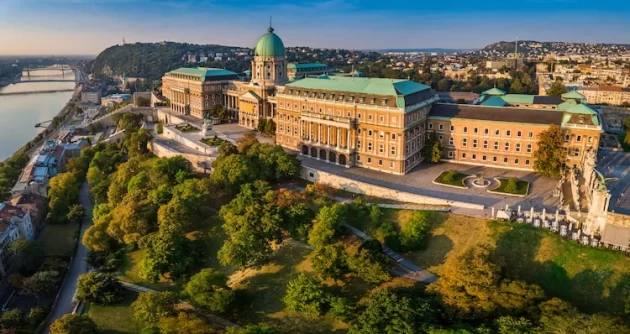
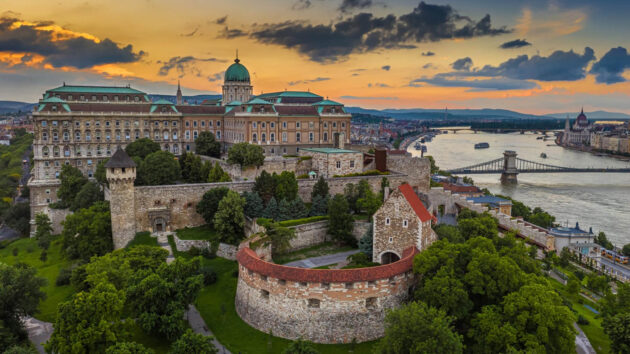
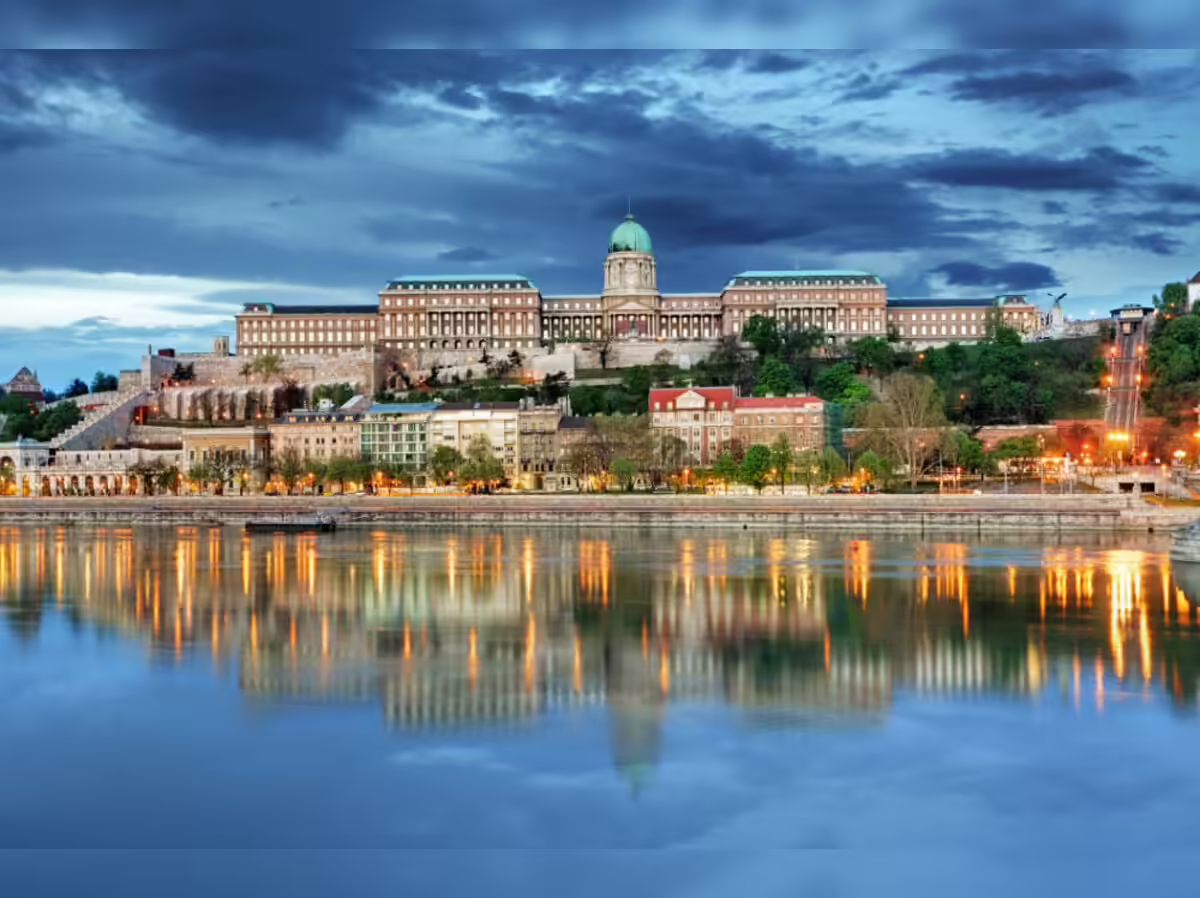
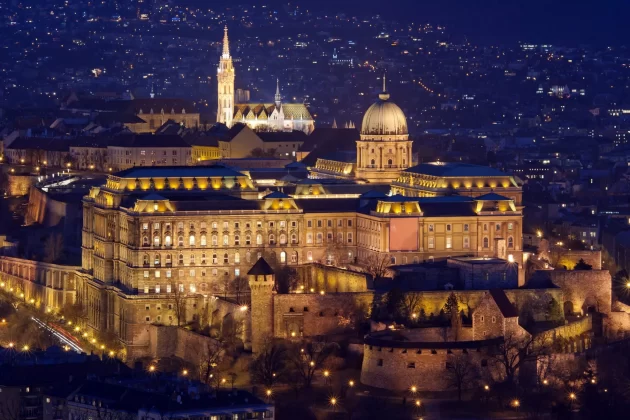
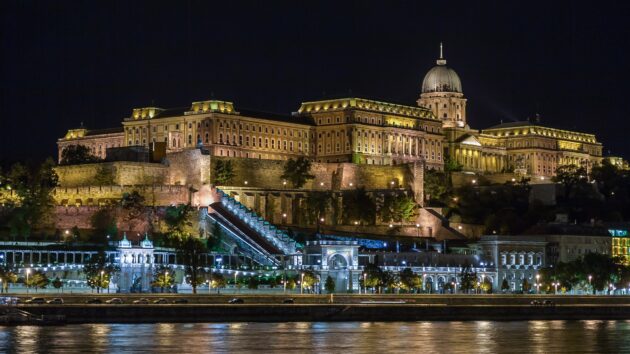
Nestled atop the verdant Castle Hill on the Buda side of the Danube River, Buda Castle—also known as the Royal Palace—is one of Budapest’s most iconic landmarks and a UNESCO World Heritage site. This sprawling Baroque and Renaissance masterpiece has witnessed over 700 years of Hungarian history, from royal coronations to wartime sieges.
St. Stephen’s Basilica
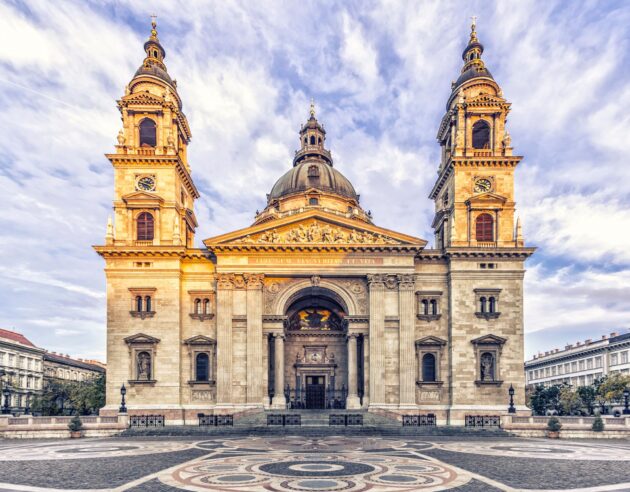
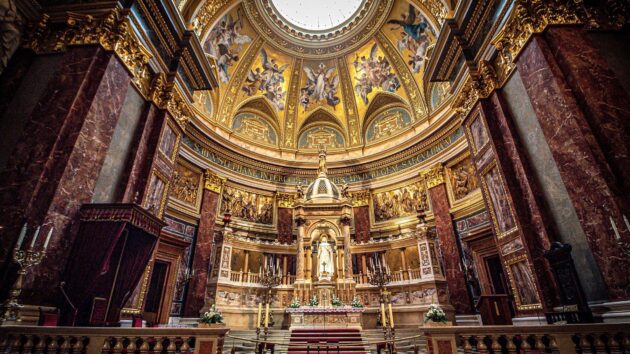
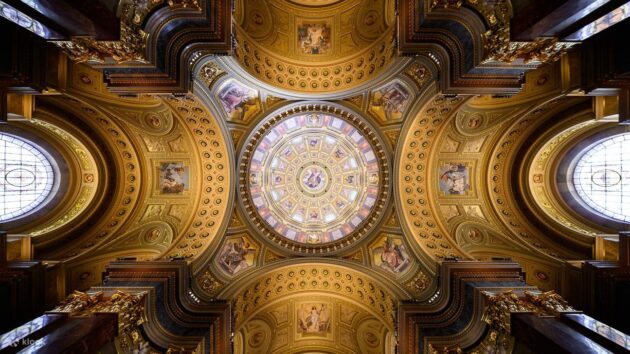
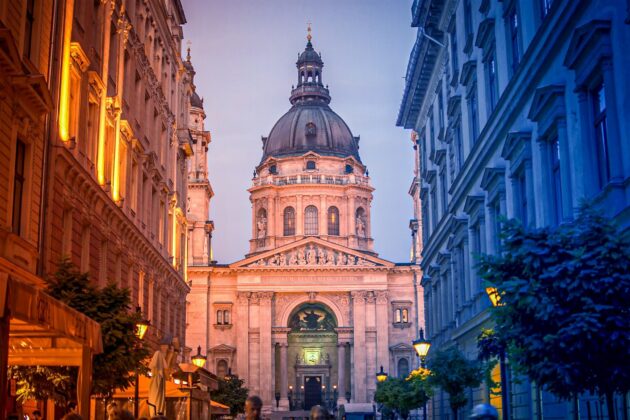
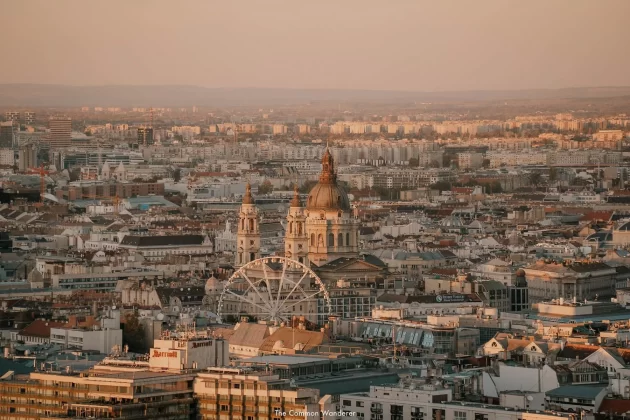
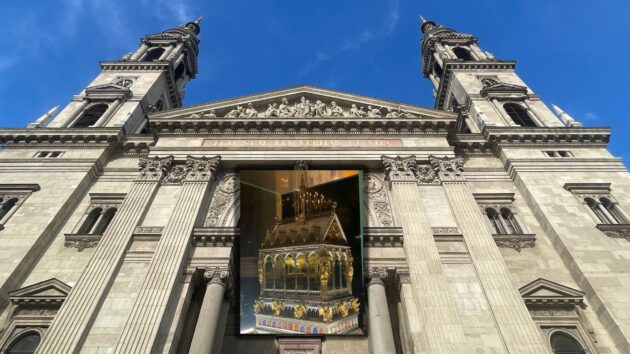
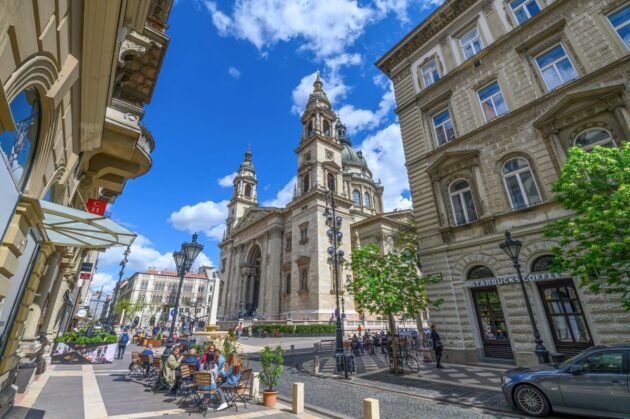
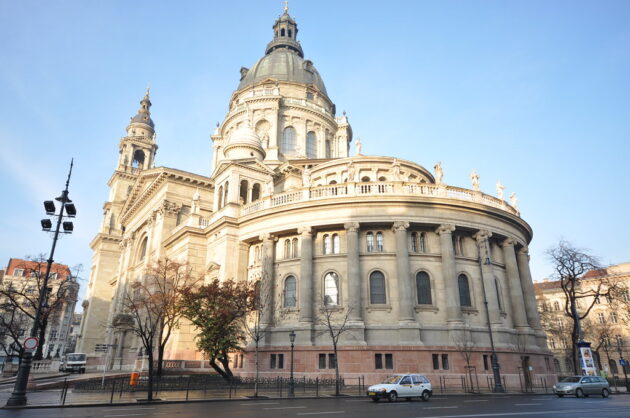
St. Stephen’s Basilica (Szent István-bazilika) is one of Budapest’s most iconic landmarks, a grand neoclassical masterpiece dedicated to Hungary’s first king, St. Stephen. Dominating the skyline of Pest with its massive dome, this architectural gem blends opulent interiors, spiritual significance, and panoramic city views.
Széchenyi Chain Bridge
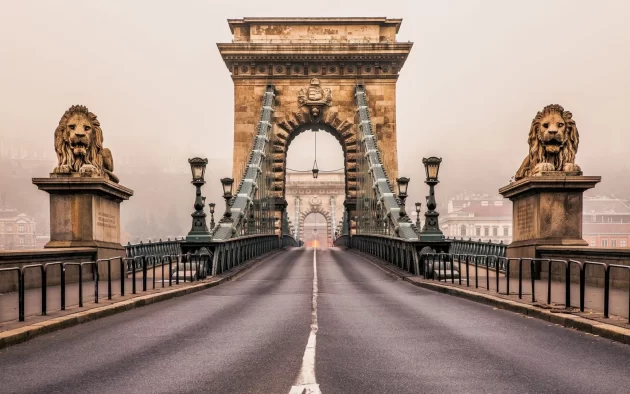
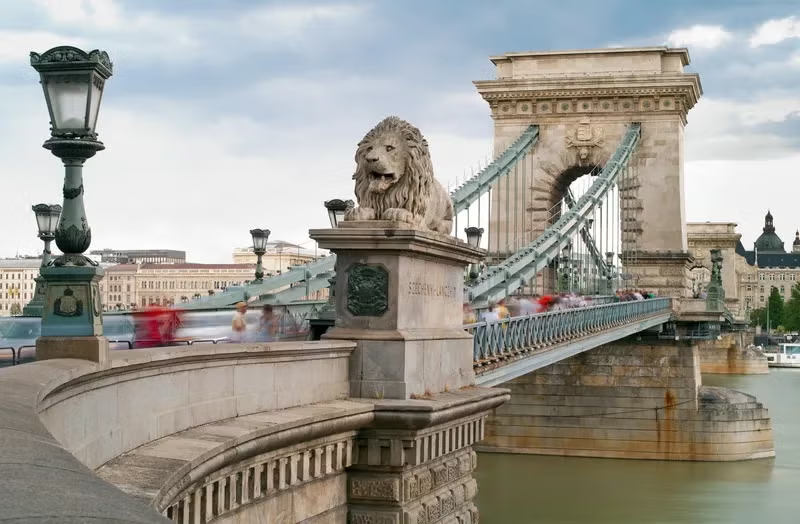
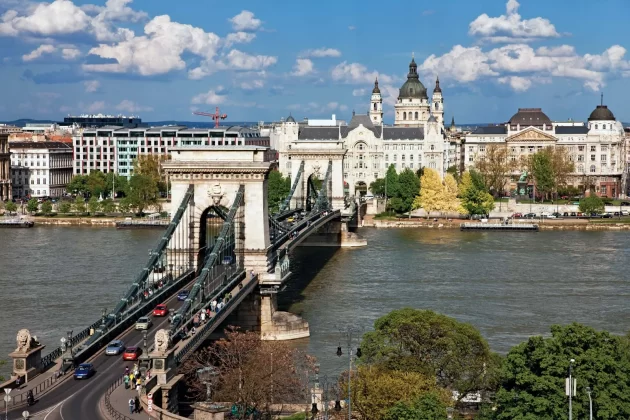
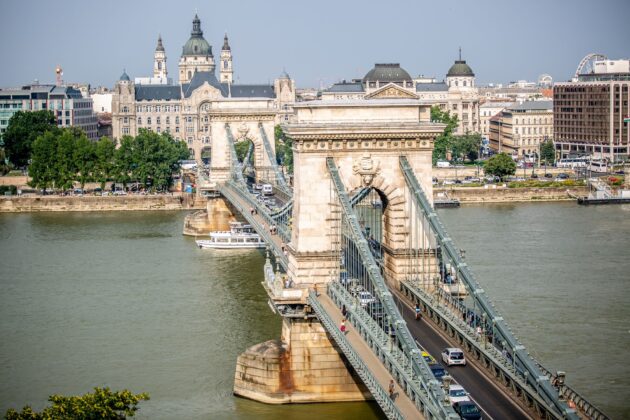
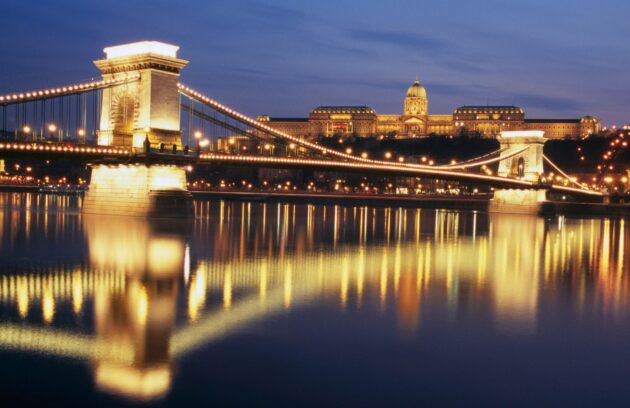
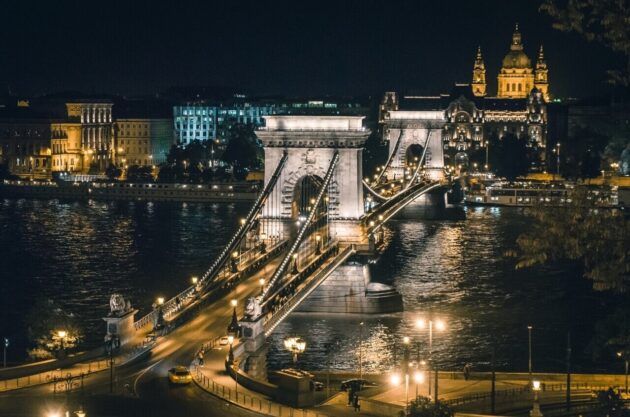
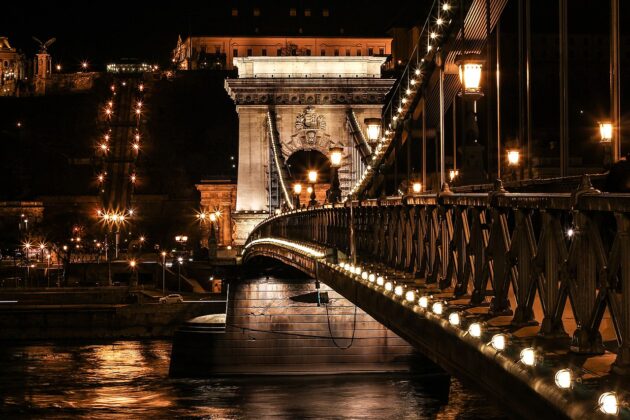
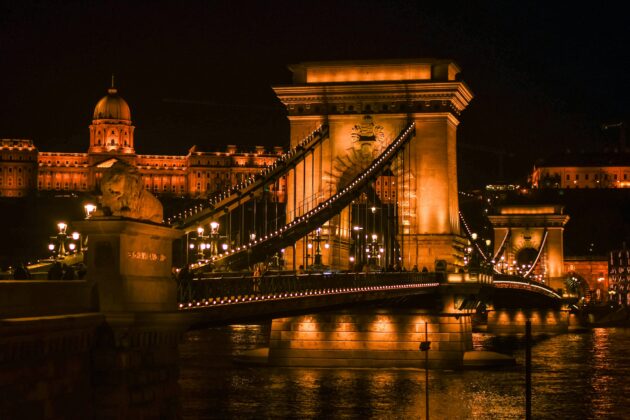
The Széchenyi Chain Bridge (Széchenyi Lánchíd) is one of Budapest’s most iconic landmarks, a stunning suspension bridge that elegantly spans the Danube River, linking the historic Buda side with the vibrant Pest side of the city. Completed in 1849, it was the first permanent bridge to connect these two halves year-round, symbolizing Hungary’s push toward modernization during the 19th century.
Central Market Hall
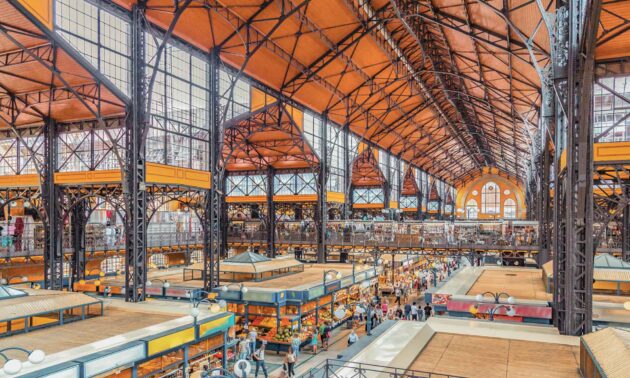
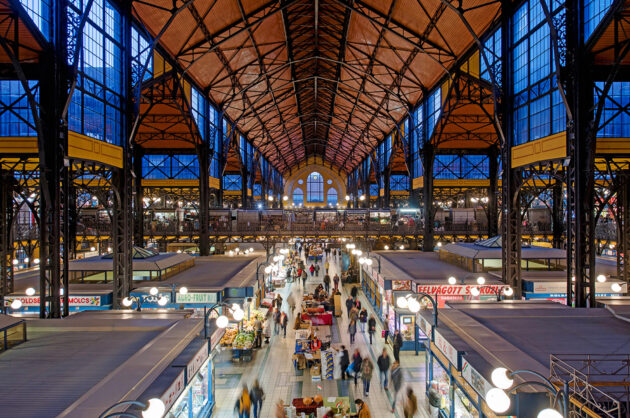
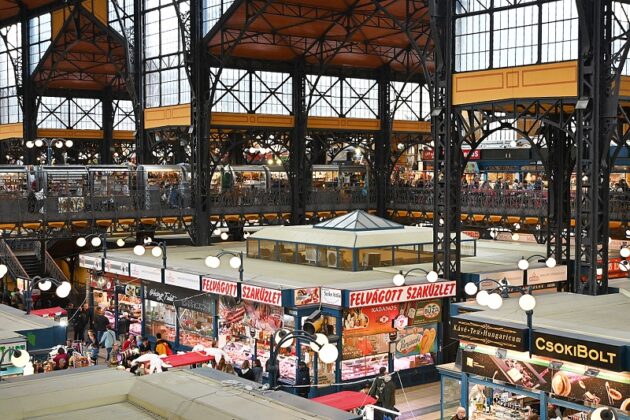
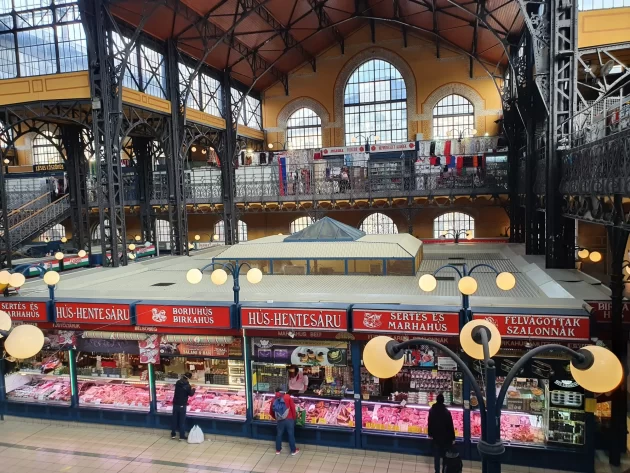
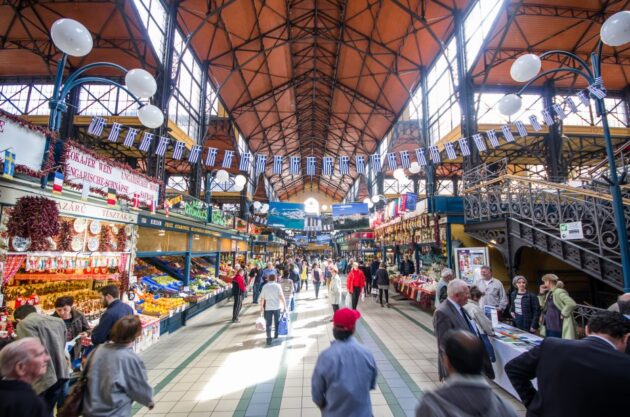
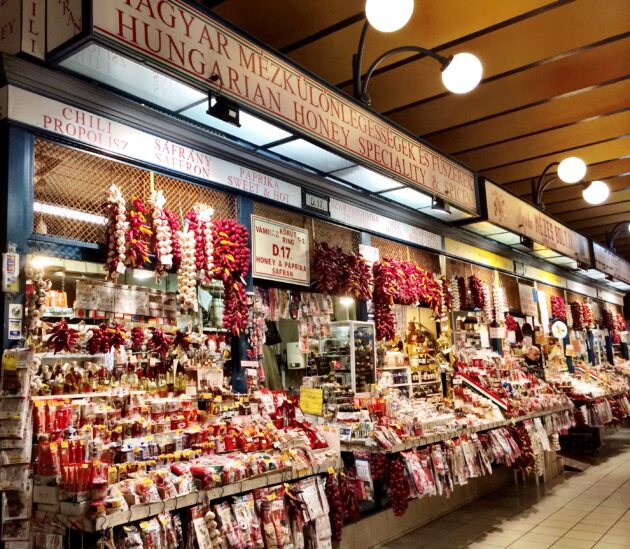
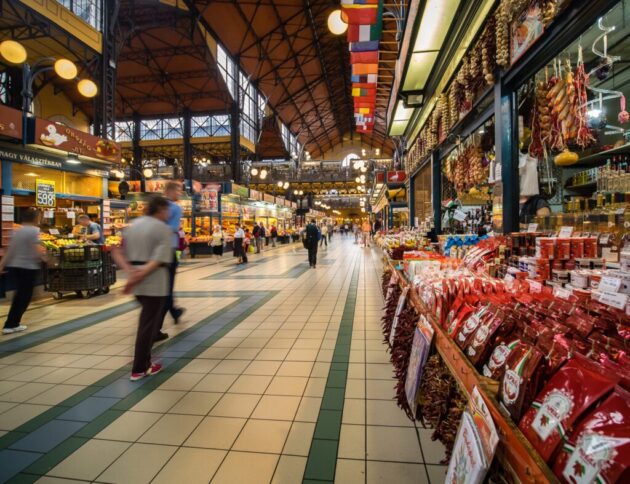
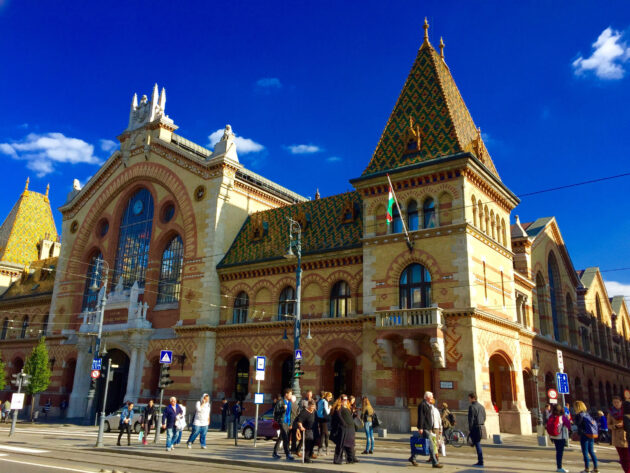
Nestled at the foot of the iconic Liberty Bridge on the Pest side of the Danube River, the Central Market Hall—also known as the Great Market Hall or Nagycsarnok—is Budapest’s crown jewel of culinary and cultural immersion. Opened in 1897, this sprawling neo-Gothic iron-and-glass masterpiece spans three levels and has been a vibrant hub for locals and visitors alike for over 125 years.
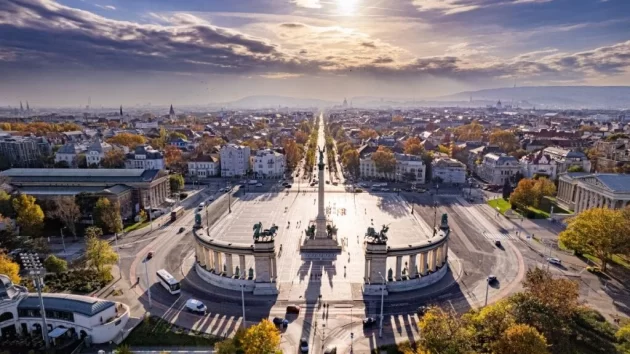
Heroes’ Square
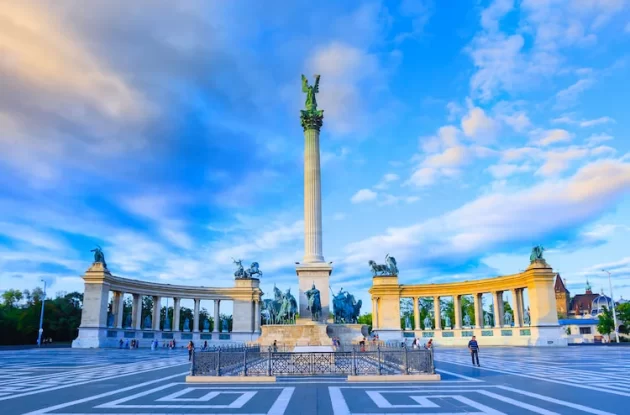
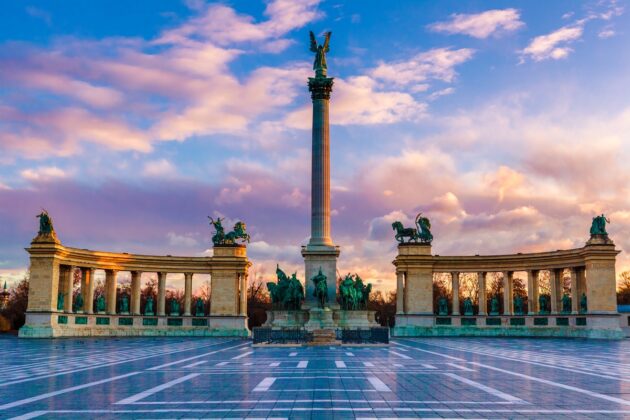
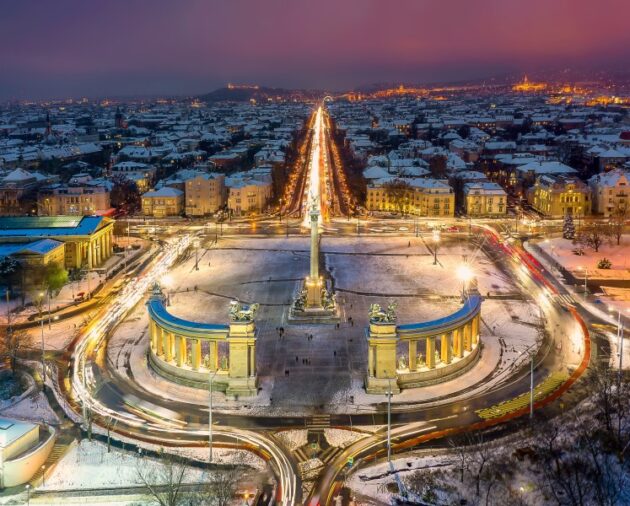
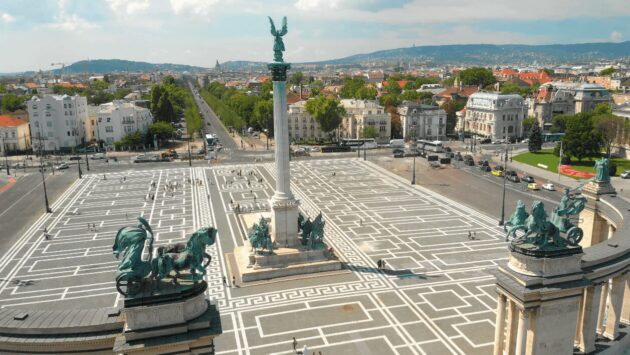
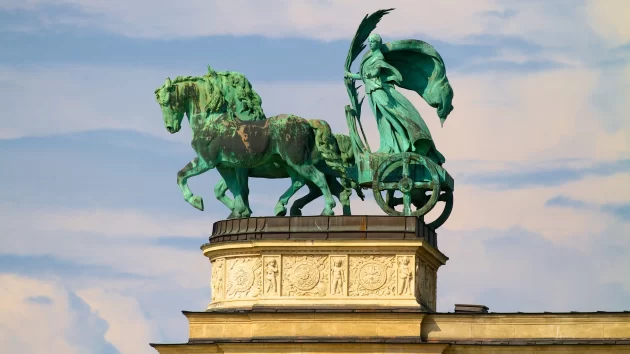
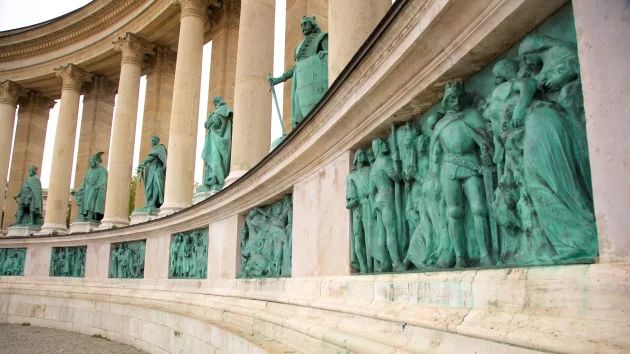
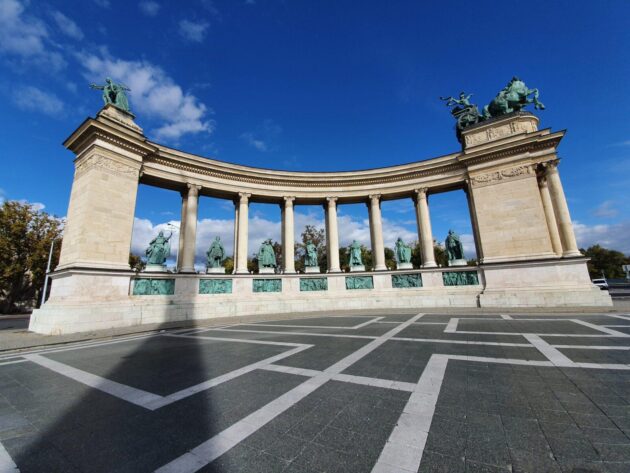
Heroes’ Square (Hősök tere) stands as one of Budapest’s most iconic landmarks, a grand testament to Hungary’s storied past and national pride. Located at the eastern end of the UNESCO-listed Andrássy Avenue, this expansive neoclassical square is dominated by the Millennium Monument, a towering pillar surrounded by statues of Hungary’s greatest leaders and heroes.
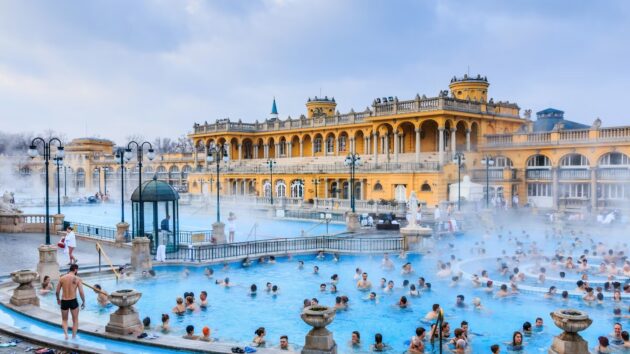
Széchenyi Thermal Bath
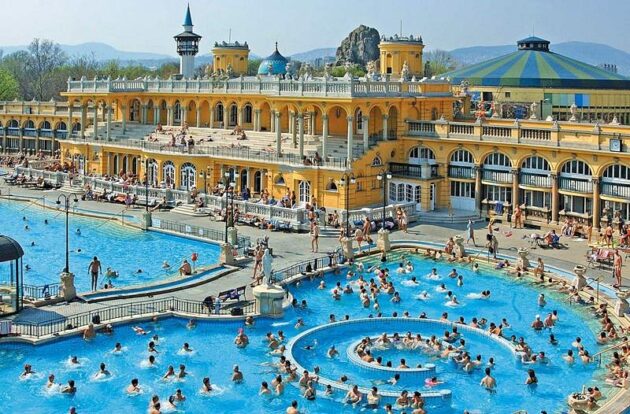
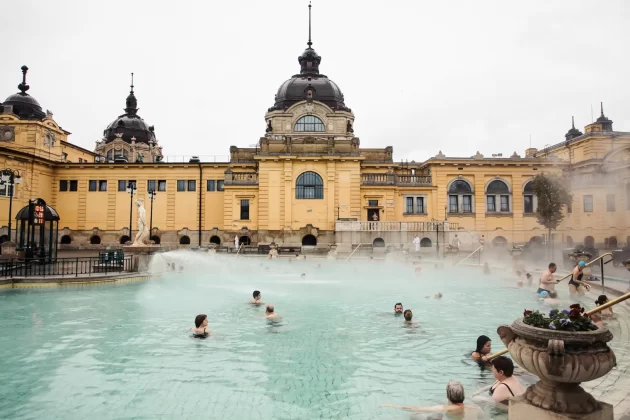
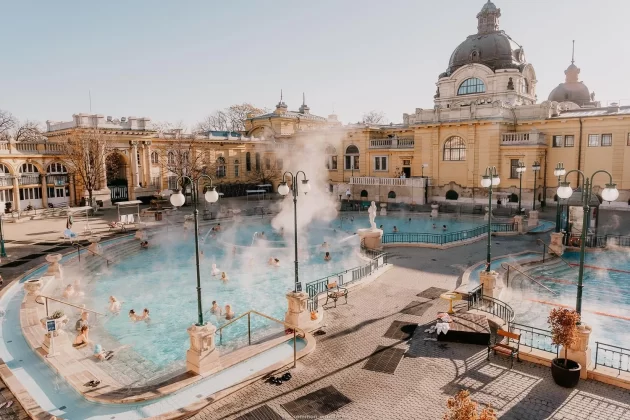
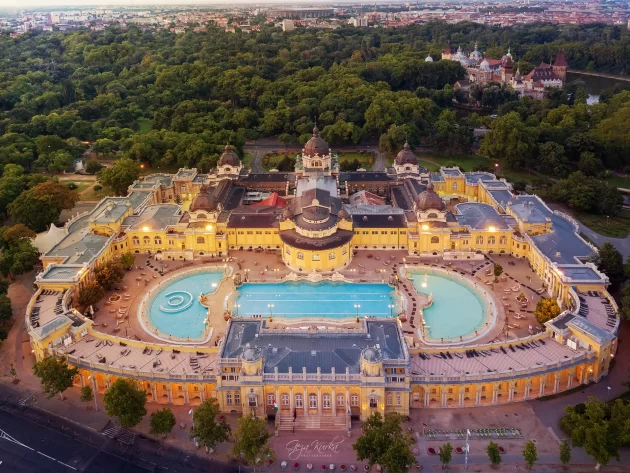
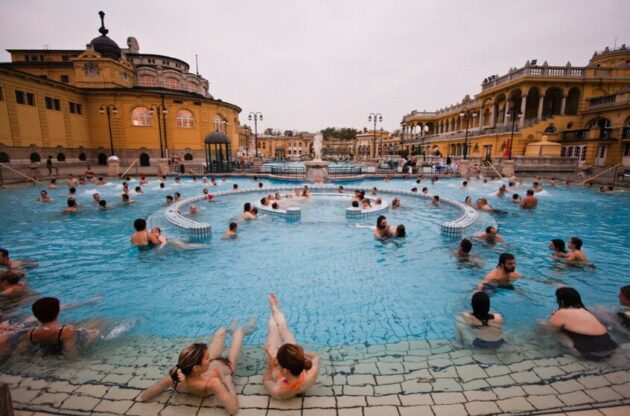
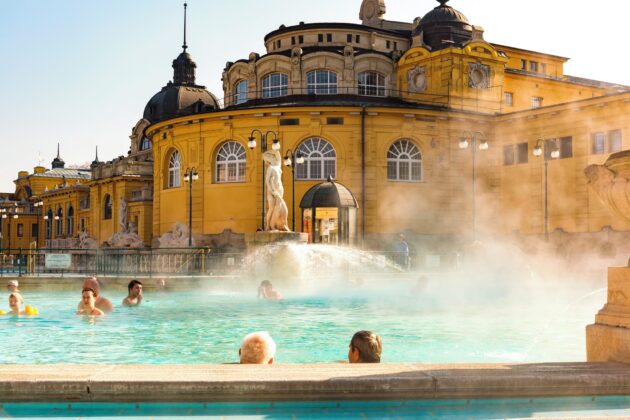
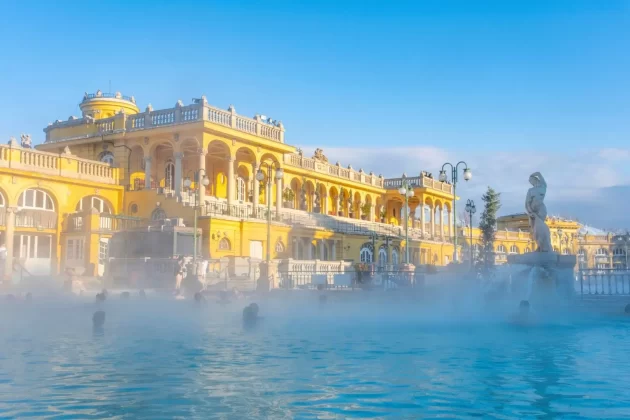
Széchenyi Thermal Bath (Széchenyi Gyógyfürdő) is one of Budapest’s most iconic attractions and Europe’s largest medicinal bath complex. Opened in 1913, this stunning Neo-Baroque palace in the heart of City Park (Városliget) features 18 pools fed by natural hot springs, saunas, steam rooms, and wellness facilities.
Danube River Cruise
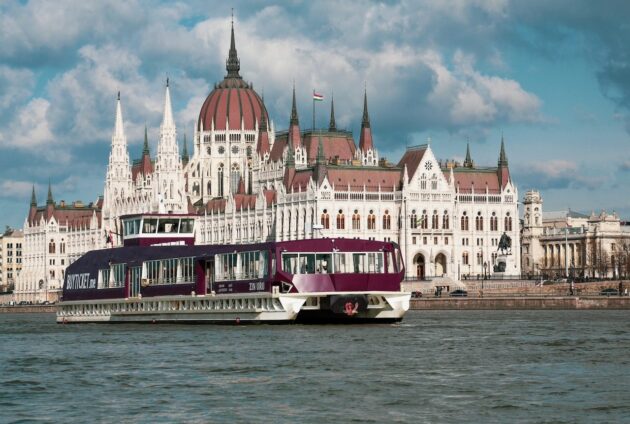
A Danube River cruise in Budapest offers a spectacular and efficient way to view the Hungarian capital’s most famous landmarks from a unique waterfront perspective. The experience is often described as a highlight of any Budapest visit. As the boat glides along the river, which is a designated UNESCO World Heritage site, passengers can marvel at Budapest’s grand architecture, including the magnificent, Gothic-style Hungarian Parliament Building, the imposing Buda Castle on its hill, and the historic Chain Bridge.
Szimpla Kert
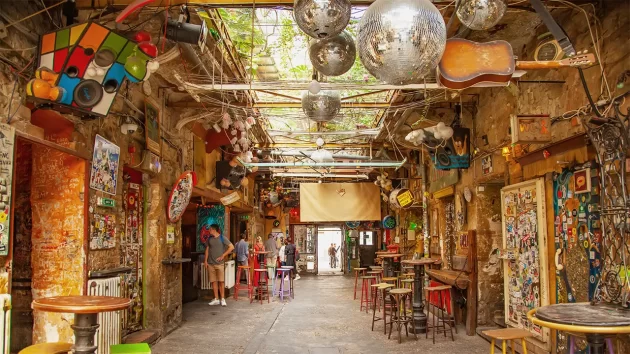
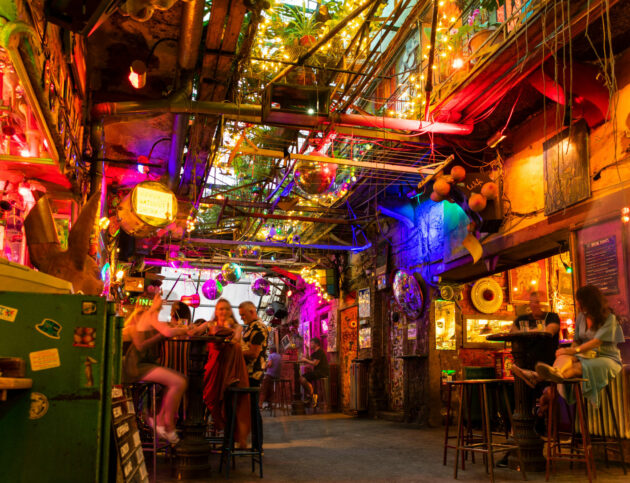
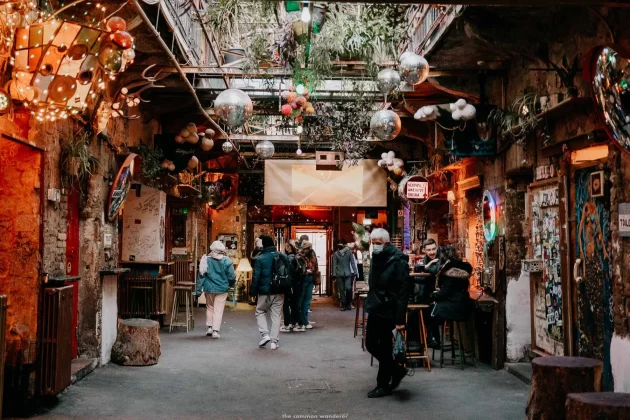
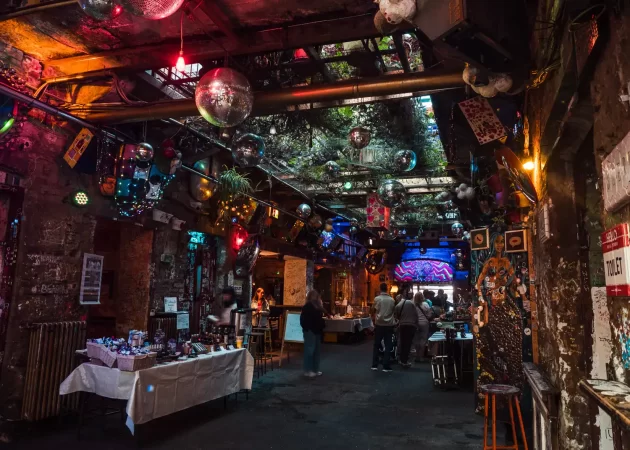
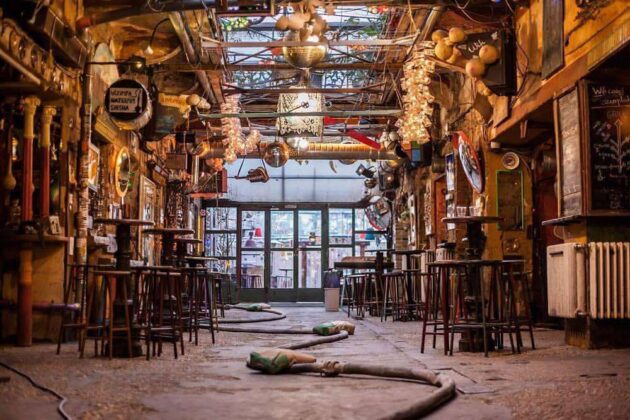
Szimpla Kert, located in Budapest’s vibrant Jewish Quarter, is the pioneering and most iconic ruin bar in Hungary. Housed in a dilapidated, pre-war building, it transformed an abandoned lot into a wildly eclectic, multi-room wonderland of mismatched furniture, quirky art, and surreal decor. More than just a bar, it functions as a cultural hub, hosting farmers’ markets, film screenings, and live events, perfectly capturing Budapest’s creative, bohemian spirit in a uniquely atmospheric setting.
Fisherman’s Bastion
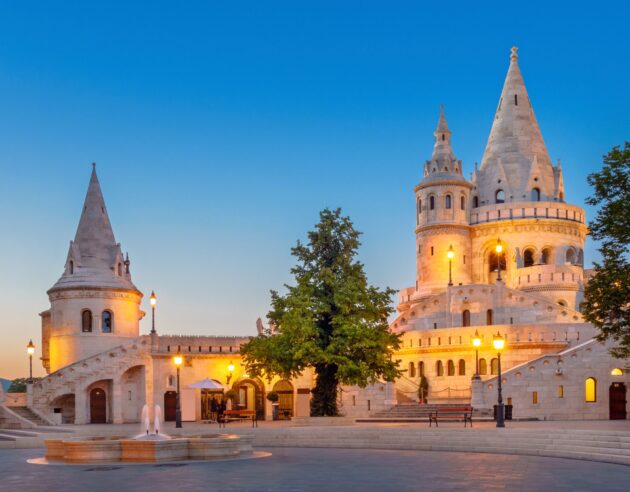
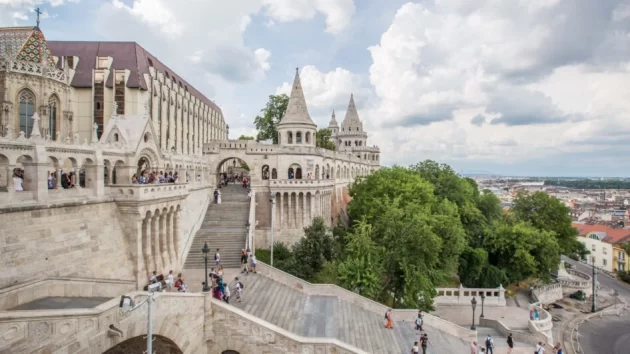
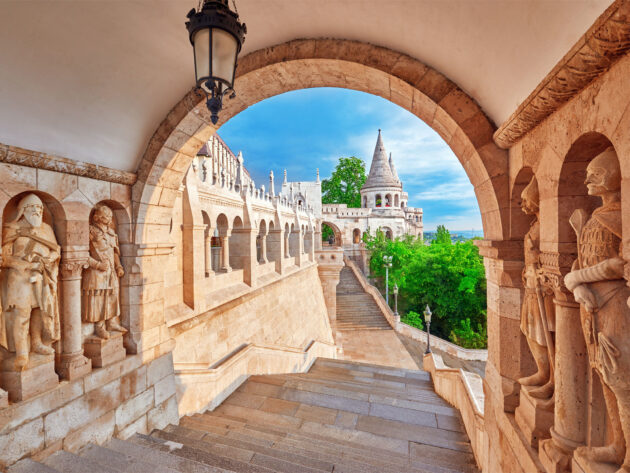
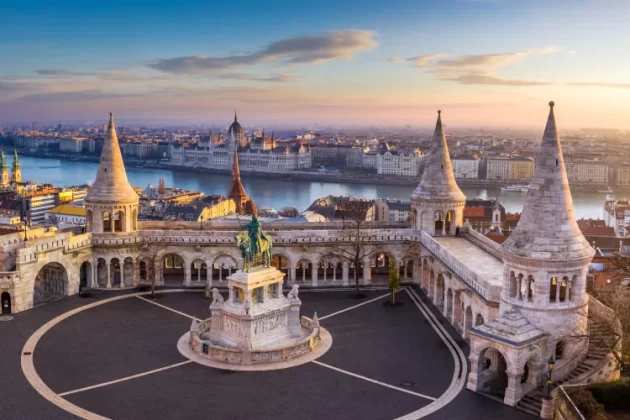
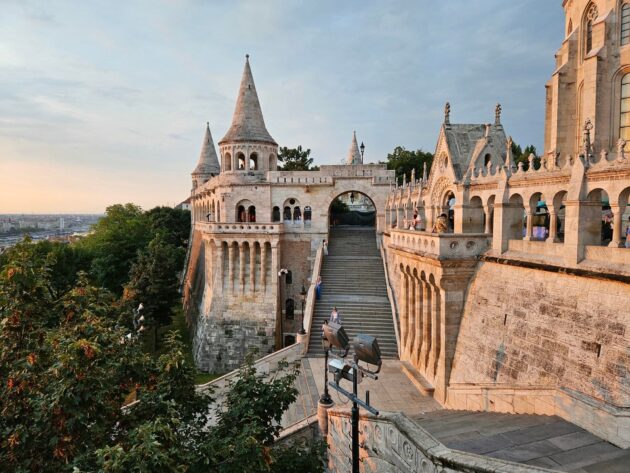
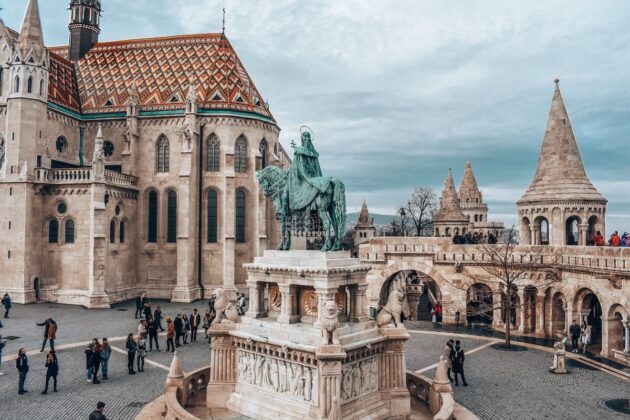
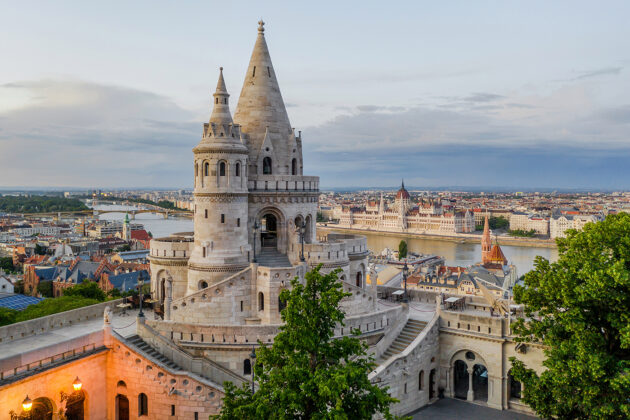
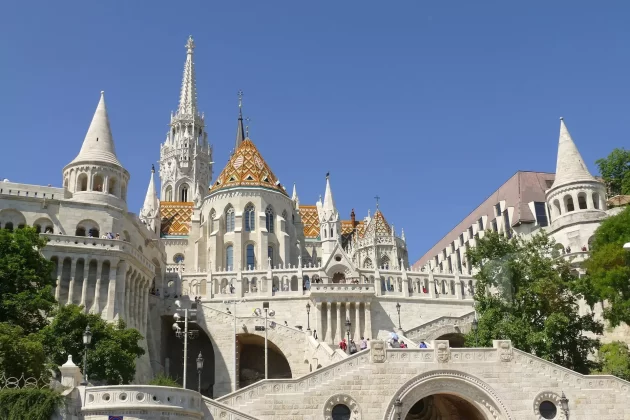
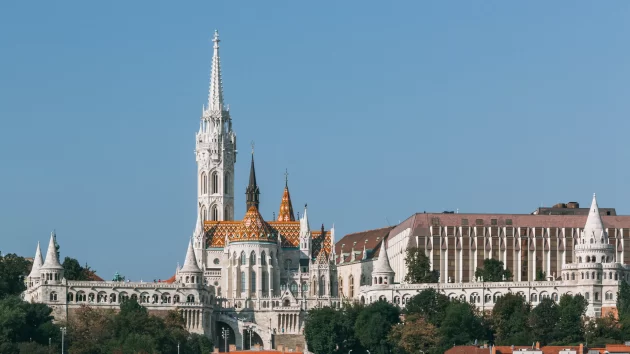
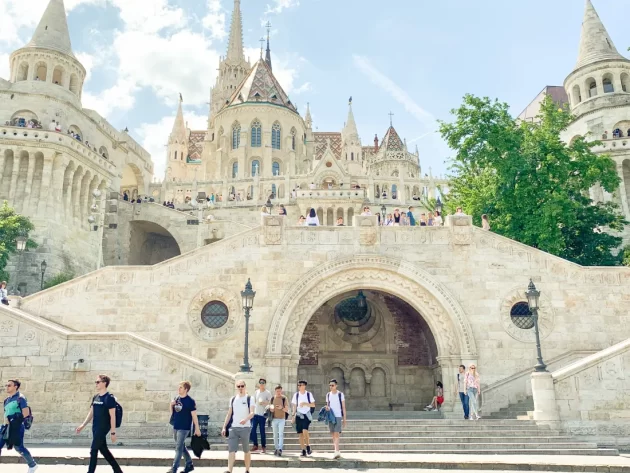
Fisherman’s Bastion (Halászbástya in Hungarian) is one of Budapest’s most iconic and fairy-tale-like landmarks, perched on Castle Hill in the historic Buda district. This Neo-Romanesque and Neo-Gothic terrace, with its seven towering turrets and intricate arches, offers some of the most breathtaking panoramic views of the city, including the Danube River, the Hungarian Parliament Building, Margaret Island, and the Pest skyline.
Szentendre
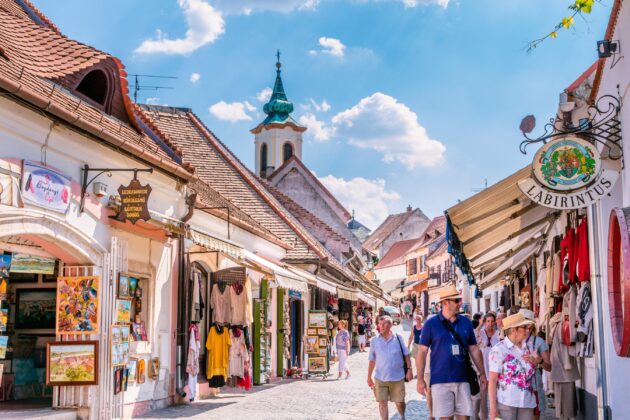
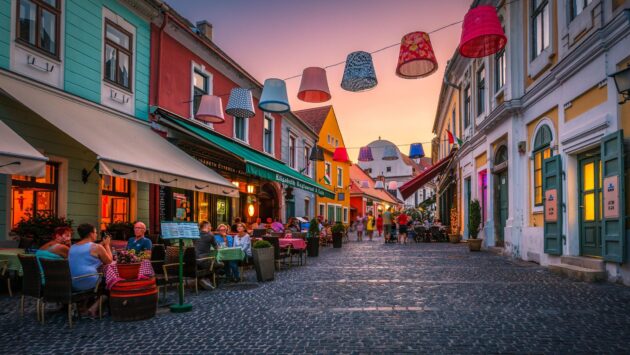
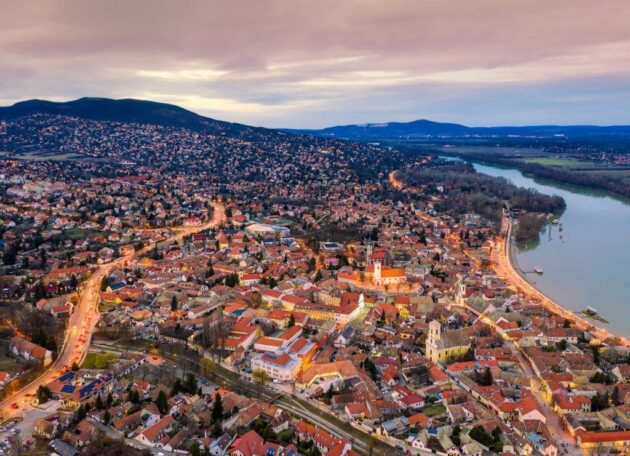
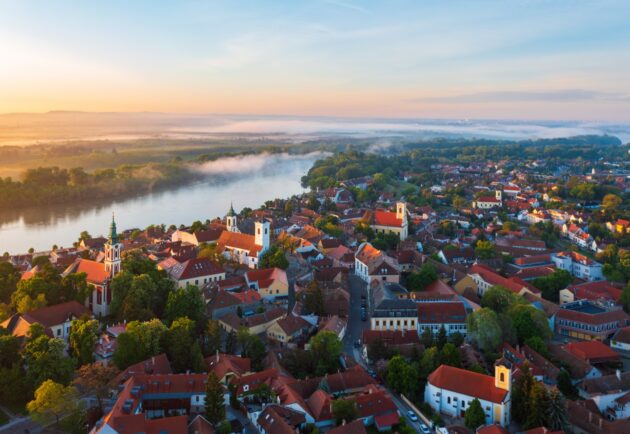
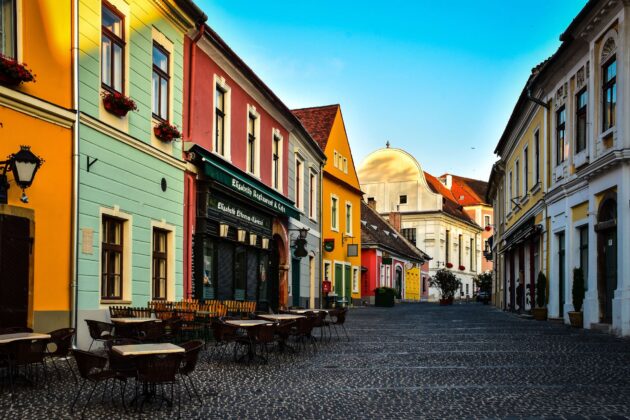
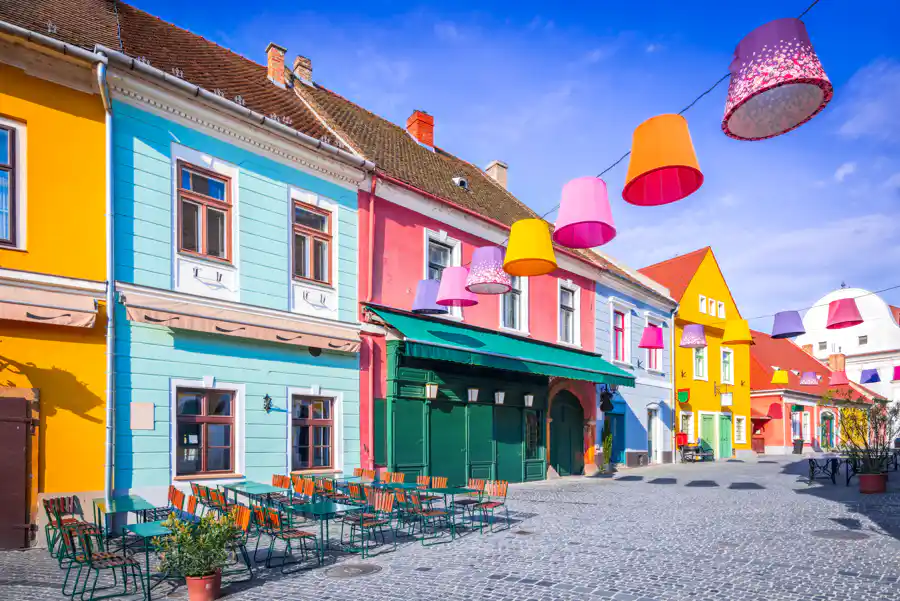
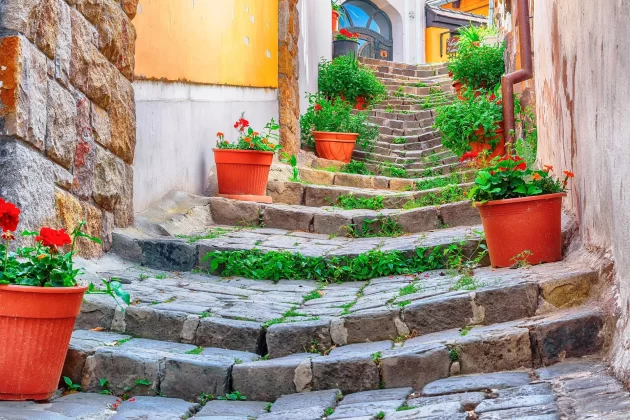
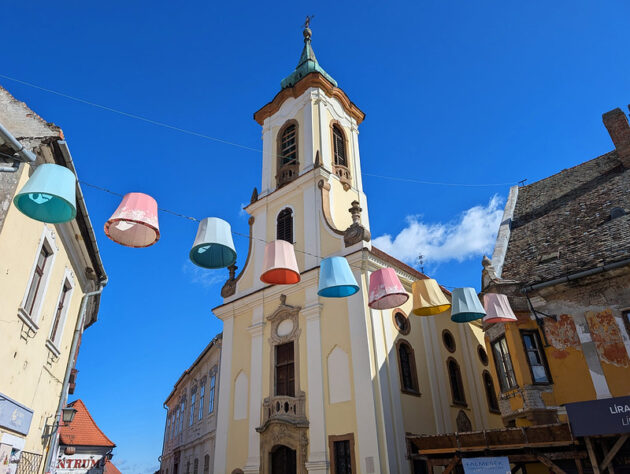
Nestled along the banks of the Danube River just 20 km north of Budapest, Szentendre is a picturesque riverside town often called the “Artists’ Colony” of Hungary. With its colorful Baroque buildings, cobblestone streets, and vibrant Mediterranean vibe—thanks to 17th-century Serbian, Dalmatian, and Greek immigrants fleeing Ottoman rule—Szentendre feels like a living postcard.
Where to Stay
Budapest offers options for every budget, with Pest ideal for nightlife and Buda for views.
| Budget | Area | Options | Price/Night (HUF) |
|---|---|---|---|
| Backpacker | Jewish Quarter (Pest) | Maverick City Lodge (dorms) | 4,000-6,000 (~$11-16) |
| Midrange | District V (Pest) | Roombach Hotel (private rooms) | 11,000-18,000 (~$30-49) |
| Luxury | Castle District (Buda) | Aria Hotel (rooftop bar) | 40,000+ (~$109+) |
Airbnbs start at 7,700 HUF for rooms. Book via Booking.com for flexible cancellations.
Food & Drink
Hungarian cuisine is hearty and paprika-spiced—pair with local wines (Tokaji sweet whites) or Unicum herbal liqueur.
Must-Tries: Goulash soup (2,000 HUF), lángos (fried dough, 1,500 HUF), chimney cake (kürtőskalács, 1,000 HUF).
Where to Eat: Great Market Hall (free entry; stalls from 1,600 HUF) for langos and sausage. Ruin bars for craft beers (1,000 HUF). Fine dining: Onyx (Michelin-starred, 50,000 HUF tasting menu).
Vegetarian/Vegan: Plenty of options like spinach palacsinta at Kőleves (3,000 HUF).
Daily Budget: 5,000-10,000 HUF (~$14-27) including coffee (850 HUF) and a beer.
Tap water is safe; stock up at fountains.
Getting Around
The city is compact—walk or use efficient public transit.
Public Transport: Metro (Europe’s oldest), trams, buses (single ticket 450 HUF/~$1.20; 72-hour pass 5,500 HUF). Download the BKK app for routes.
Budapest Card: 15,350 HUF/24 hours—unlimited transport + free museums/baths.
Bikes/E-Scooters: Mol Bubi rentals (5,500 HUF/day).
Taxis/Uber: Bolt app is reliable (from 1,100 HUF); avoid unlicensed cabs.
Practical Tips & Budget
Currency: Hungarian Forint (HUF); 1 USD ≈ 370 HUF. Cards widely accepted; ATMs everywhere.
Costs for a Week (midrange solo traveler): Accommodation 70,000 HUF, food 50,000 HUF, transport/activities 30,000 HUF. Total: ~150,000 HUF (~$405).
Safety: Very safe, but watch for pickpockets on trams. Solo travelers: Use well-lit areas at night.
Visa: Schengen Area—90 days visa-free for most.
Language: English is common; learn “köszönöm” (thank you).
Sustainability: Use reusable bottles; support local via markets.
Budapest is more accessible than ever, with enhanced English signage and green transport. Dive in, relax in a bath, and let the city’s magic unfold—you’ll leave enchanted. Safe travels!