
A Travel Guide to Fisherman’s Bastion (2026)
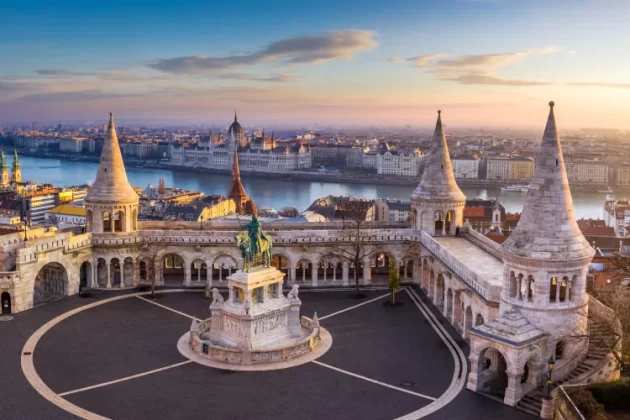
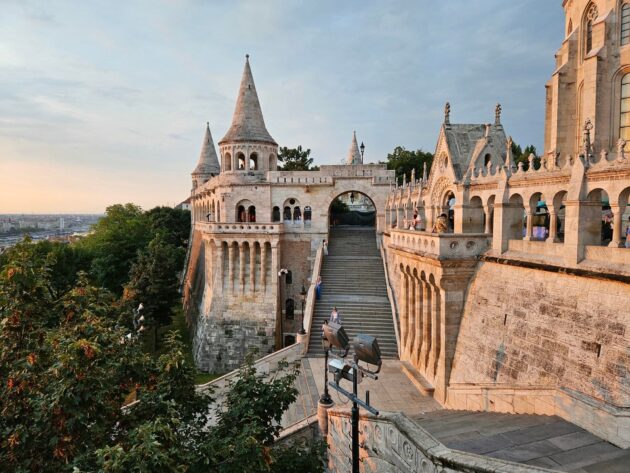
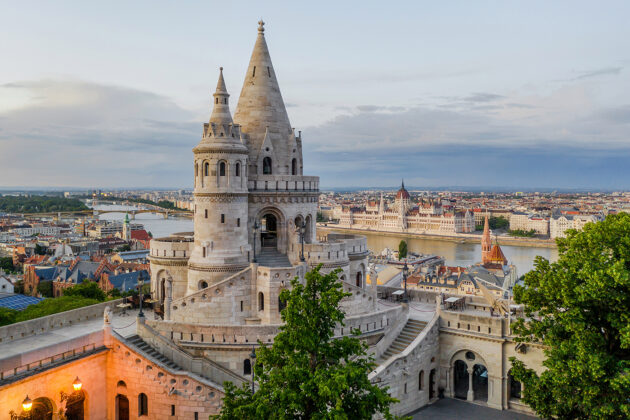
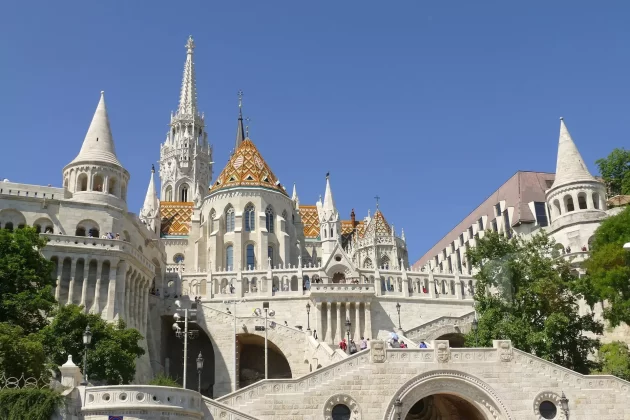
Fisherman’s Bastion (Halászbástya in Hungarian) is one of Budapest’s most iconic and fairy-tale-like landmarks, perched on Castle Hill in the historic Buda district. This Neo-Romanesque and Neo-Gothic terrace, with its seven towering turrets and intricate arches, offers some of the most breathtaking panoramic views of the city, including the Danube River, the Hungarian Parliament Building, Margaret Island, and the Pest skyline. Built between 1895 and 1902 to celebrate the 1,000th anniversary of the Hungarian state, it’s not an ancient fortress but a decorative viewing platform named after the medieval fishermen’s guild that defended this section of the castle walls.
Often compared to a Disney castle, it’s a UNESCO World Heritage site part of the Buda Castle District and a must-visit for photographers, history buffs, and anyone seeking romantic vistas.
Why Visit Fisherman’s Bastion?
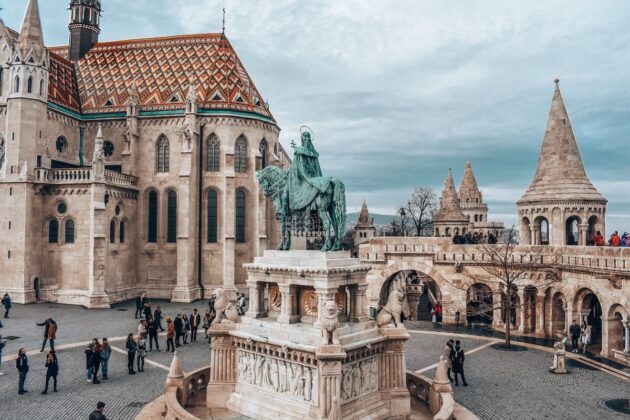
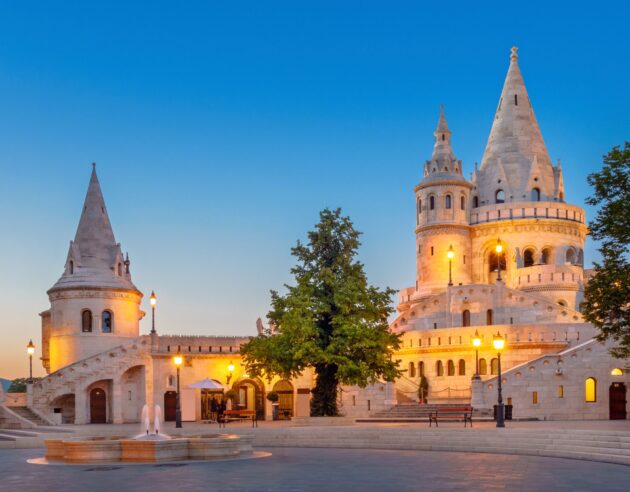
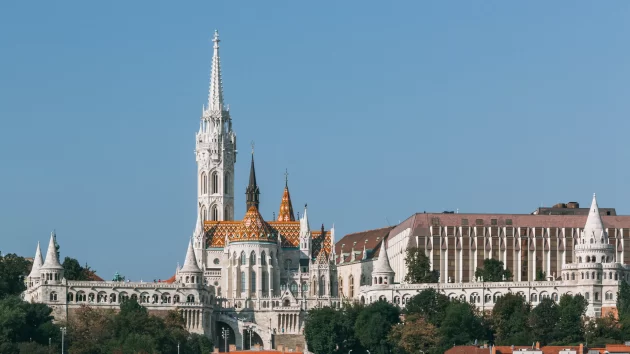
The bastion’s whimsical architecture and unbeatable views make it Budapest’s top photography spot. From the terraces, you can admire the city’s landmarks illuminated at night or glowing in golden sunrise light. It’s especially magical when combined with nearby Matthias Church, creating a perfect blend of history and beauty.
How to Get There
Fisherman’s Bastion is in District I on Castle Hill (Buda side).
Public Transport: Take Bus 16 or 116 from Pest (e.g., from Deák Ferenc Square) directly to Holy Trinity Square. Metro Line 2 to Batthyány tér, then a short walk or bus.
Funicular: The historic Sikló funicular from Clark Ádám Square (near Chain Bridge) offers scenic views up the hill.
Walking: From Pest, cross the Chain Bridge and hike up (steep but rewarding with cobblestone charm).
Taxi/Rideshare: Use Bolt for convenience, especially at night or for sunrise.
Best Time to Visit
Year-Round: Open 24/7, including holidays.
Optimal Times: Sunrise for crowd-free photos and soft light; sunset or nighttime for illuminated city views (Parliament and bridges light up beautifully).
Season: Spring (April–June) or autumn (September–October) for mild weather and fewer crowds. Summer is peak tourist season; winter offers a snowy fairy-tale vibe but colder winds.
Avoid Crowds: Early morning or after dark.
Tickets and Opening Hours
Opening Hours: The lower terraces are accessible 24/7 and mostly free.
Paid Upper Terraces/Towers: Typically charged during peak hours (around 9 AM–7 PM or seasonal; check official site for updates). Adult ticket ~1200 HUF (~€3), discounts for students/children ~600 HUF. Free outside these hours, on national holidays, or during trials (e.g., Christmas period Dec 24–Jan 2 often free).
Tip: Visit before 9 AM or after closing for free access to everything.
What to Do
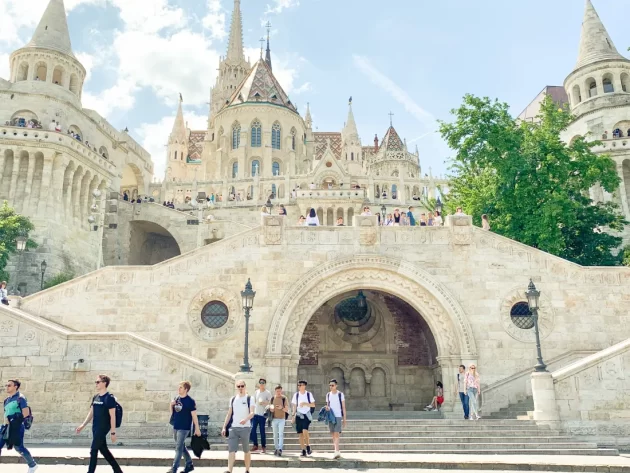
Explore the Terraces: Wander the seven turrets (representing Hungary’s founding tribes) and arches for iconic photos.
Views and Photography: Spot landmarks like Parliament, Chain Bridge, and St. Stephen’s Basilica.
Visit Nearby Matthias Church: The colorful tiled roof and interior are stunning (separate ticket; combo options available).
Stroll Castle District: Combine with Buda Castle, Hungarian National Gallery, or a guided walking tour.
What to Bring and Tips
Essentials: Comfortable walking shoes (cobblestones!), camera/phone for photos, layered clothing (windy on hill).
Crowd Tips: Arrive early or late; avoid midday in summer.
Nearby Eats: Cafés like Panoramia for views; higher prices on the hill—save dinner for Pest.
Accessibility: Steep paths; funicular or bus recommended for mobility issues.
Where to Stay Nearby
For easy access: Hilton Budapest (right next to the bastion) or hotels in the Castle District. Budget options in Pest with good transport links.
Final Thoughts
Fisherman’s Bastion captures Budapest’s romantic essence—like stepping into a storybook with epic views. Whether at dawn for solitude or night for sparkle, it’s unforgettable. Pair it with a Danube cruise or thermal bath for the ultimate Budapest experience.
Happy travels!