
A Travel Guide to the Memorial Museum of Cosmonautics (2026)
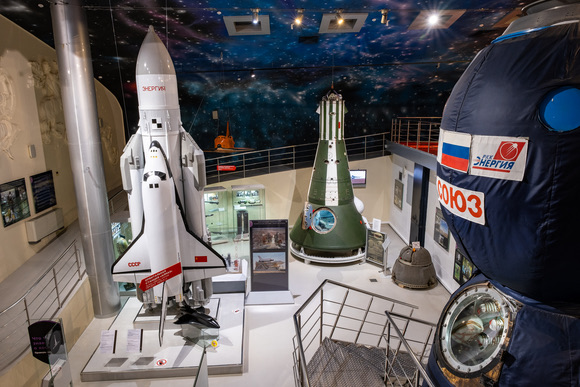
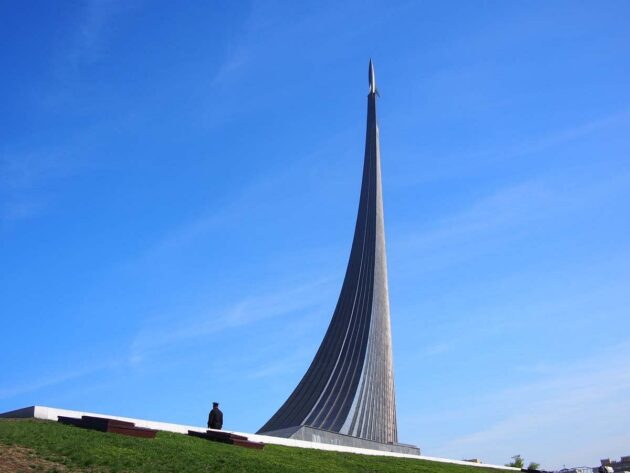
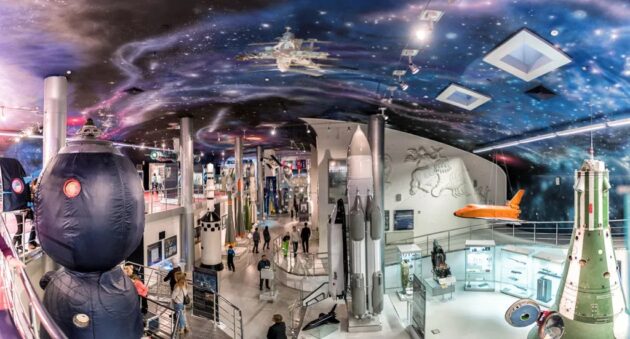
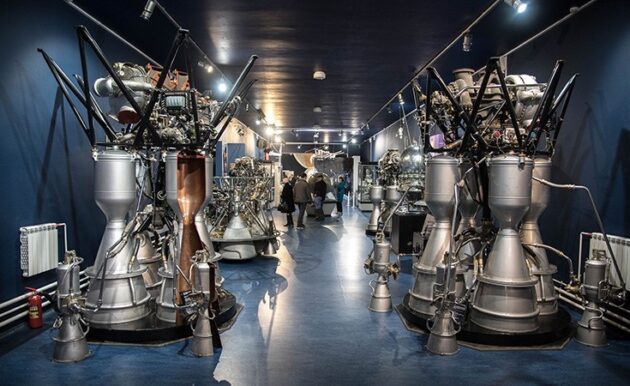
The Memorial Museum of Cosmonautics (also known as the Museum of Cosmonautics or Memorial Museum of Space Exploration) is one of Moscow’s most fascinating attractions, dedicated to the history of space exploration, with a strong emphasis on Soviet and Russian achievements. Located beneath the iconic Monument to the Conquerors of Space—a towering 107-meter titanium rocket sculpture—this museum offers an immersive journey through the Space Race era and beyond. It’s a must-visit for space enthusiasts, history buffs, and families, housing over 100,000 artifacts that chronicle humanity’s quest to the stars.
Why Visit?
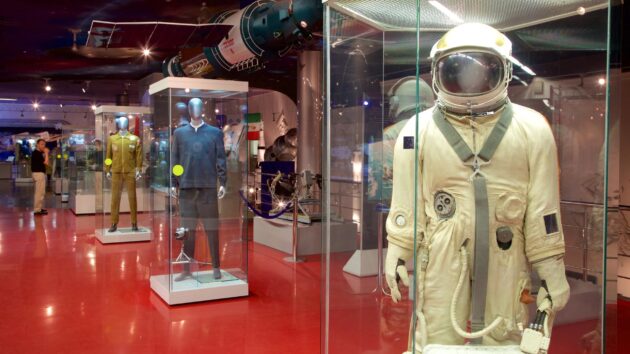
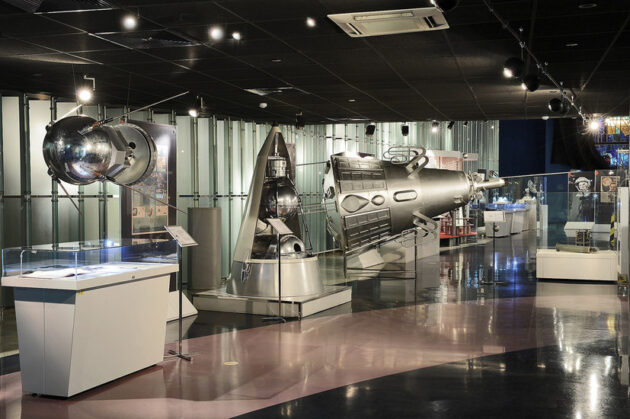
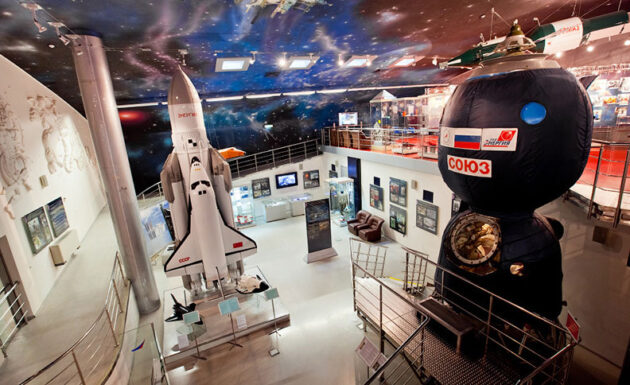
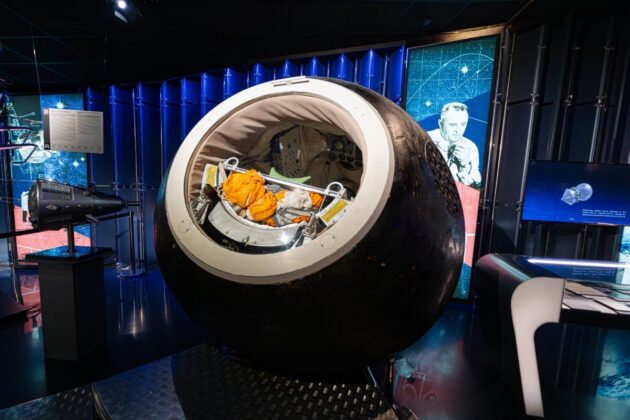
This museum stands out for its authentic collection of space relics, including originals from the Soviet program like Sputnik replicas, Soyuz capsules, and spacesuits. Reopened in 2009 after major renovations, it has tripled in size and now includes interactive exhibits on global space programs (USA, Europe, China, and the ISS). Highlights include the stuffed bodies of space dogs Belka and Strelka (the first animals to orbit Earth and return safely), Yuri Gagarin’s artifacts, and a mini Mission Control Center. It’s educational yet engaging, attracting around 300,000 visitors annually.
How to Get There
By Metro: The easiest way—take Line 6 (orange) to VDNKh station. Exit and walk 2-5 minutes along Cosmonauts Alley to the monument and museum entrance.
Location: Prospekt Mira, 111, in northeast Moscow, integrated into the VDNKh complex.
Accessibility: Wheelchair-friendly with ramps and elevators; audio guides available in multiple languages.
Opening Hours and Tickets
Hours: Typically Tuesday-Sunday, 10:00 AM to 7:00 PM (until 9:00 PM on Thursdays). Closed Mondays.
Tickets: Purchased online only via the official website (kosmo-museum.ru). Adult tickets around 300-800 RUB (check for updates); discounts for students, children, seniors. Includes access to main exhibits, temporary displays, and events.
Tip: Book in advance, especially on weekends or during events like Cosmonautics Day (April 12).
Highlights and What to See
Iconic Exhibits: Replicas and originals of Sputnik-1, Vostok spacecraft (Gagarin’s vehicle), and Lunokhod moon rover. Spacesuits, including Alexei Leonov’s from the first spacewalk. Belka and Strelka—the famous space dogs.
Interactive Areas: Space simulators, a miniature Mission Control, and touch-screen displays on international programs. Temporary exhibitions and events like meetings with cosmonauts.
Cosmonauts Alley: A scenic promenade lined with busts of space pioneers (Gagarin, Korolev, Tereshkova) leading from the metro to the museum.
Guided Tours: Highly recommended for deeper insights, as many labels are in Russian (some English available). Private or group tours can be booked.
Tips for Your Visit
Best Time: Weekday mornings to avoid crowds. Visit in spring (March-May) for pleasant weather when exploring nearby outdoors.
Language: English signage is limited—download an audio guide or join a tour.
Photography: Allowed (no flash); great for Instagram with the dramatic exhibits.
What to Bring: Comfortable shoes for walking; no large bags (lockers available).
Combine With: The massive VDNKh Exhibition Center (Soviet pavilions, fountains), Worker and Kolkhoz Woman statue, or Ostankino Park for a full day.
Nearby Attractions and Staying
Stay at the nearby Cosmos Hotel for a themed experience.
Eat at VDNKh’s food courts or cafes offering Russian cuisine.
This museum captures the thrill of the Space Race like no other, blending history, science, and inspiration under one monumental roof. Whether you’re reliving Gagarin’s “Poyekhali!” or dreaming of future missions, it’s an unforgettable highlight of Moscow.