
A Travel Guide to St. Petersburg (2026)
St. Petersburg, often called the “Venice of the North” or Russia’s cultural capital, is a mesmerizing city of grand palaces, ornate canals, world-class museums, and a rich imperial history. Founded by Peter the Great in 1703, it boasts stunning architecture, vibrant arts scenes, and the magical White Nights in summer. Here’s a comprehensive guide to help you plan an unforgettable trip.
Why Visit St. Petersburg?
This UNESCO-listed city offers a blend of European elegance and Russian soul. Highlights include the Hermitage Museum (one of the world’s largest art collections), opulent palaces, and canal cruises. It’s less crowded than pre-2022 levels, making it easier to enjoy the sights. The city’s theaters, like the Mariinsky, host world-renowned ballet and opera.
How to Get There
By Air: Pulkovo Airport (LED) has connections via hubs like Istanbul, Dubai, or Belgrade. No direct flights from many Western countries due to sanctions.
By Train: High-speed Sapsan trains from Moscow (about 4 hours).
Best Time to Visit
Peak Season (Mid-June to Early July): Experience the White Nights—nearly 24-hour daylight, festivals, and drawbridge openings. Mild weather (50–70°F/10–23°C).
Shoulder Seasons (May/September): Pleasant weather, fewer crowds.
Winter (December–February): Magical snow-covered scenes, but very cold (-10°F/-23°C average). Avoid if not prepared for extreme weather.
Note: Summers are popular; book ahead.
Top Attractions
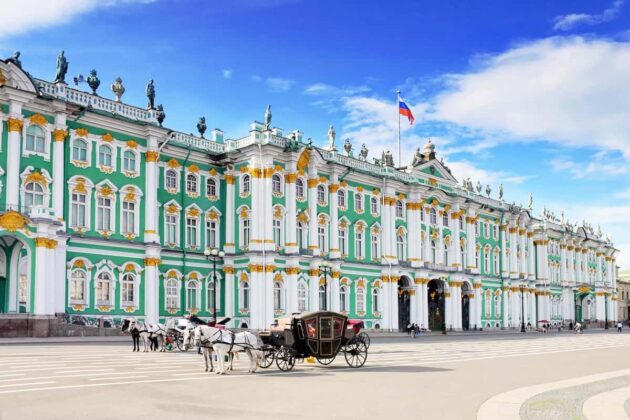
State Hermitage Museum
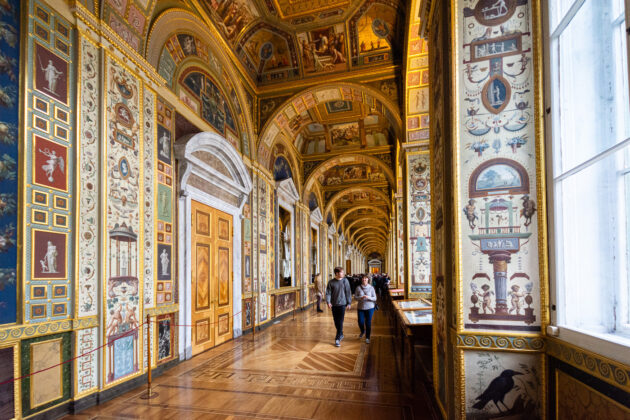
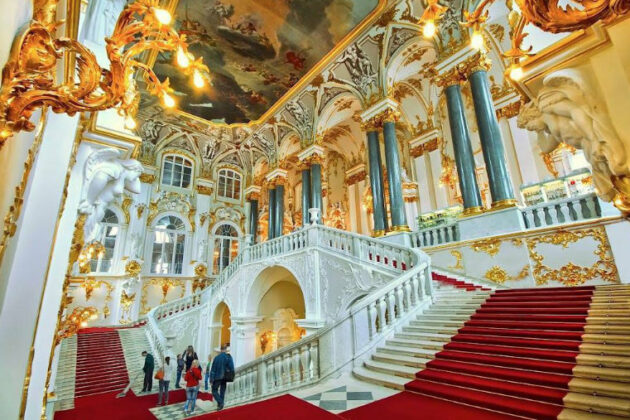
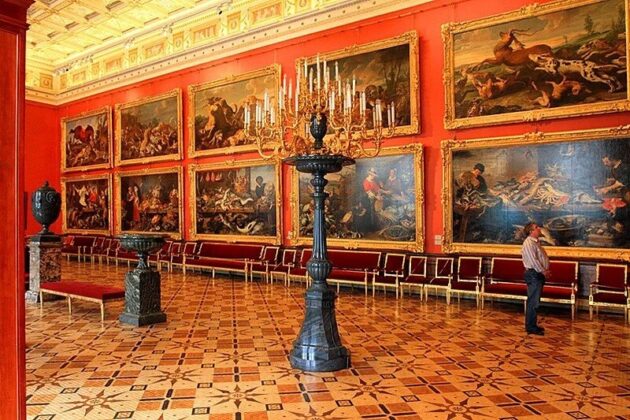
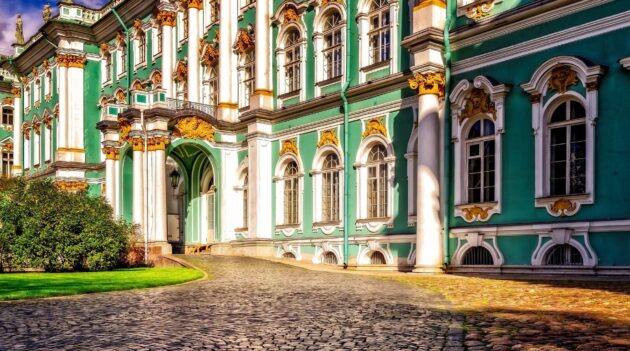
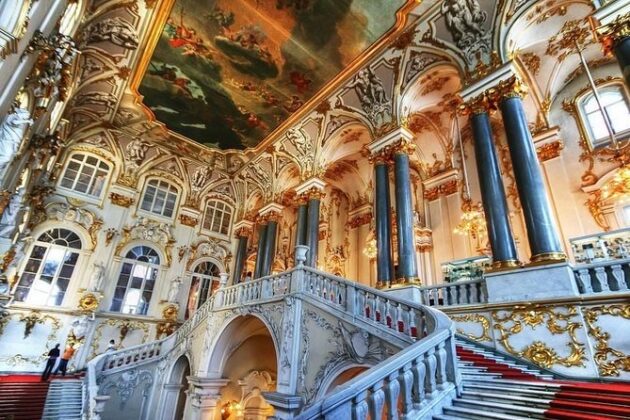
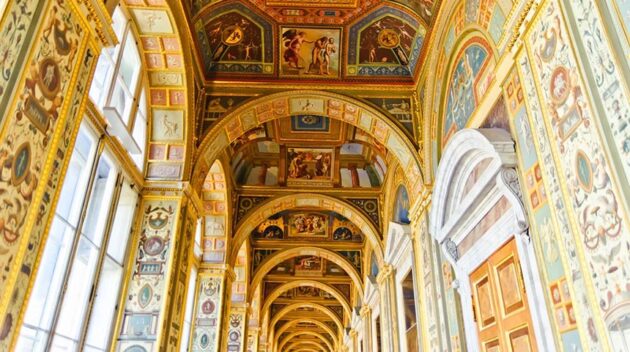
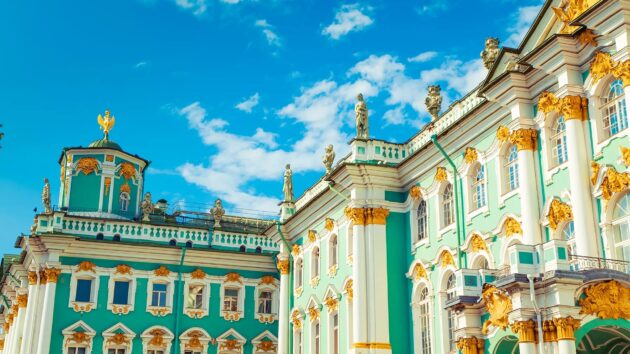
The State Hermitage Museum, one of the world’s largest and oldest art museums, is a crown jewel of St. Petersburg. Housed primarily in the opulent Winter Palace—the former residence of Russian tsars—this vast complex boasts over 3 million artifacts spanning ancient civilizations to modern times. From masterpieces by Leonardo da Vinci, Rembrandt, and Picasso to lavish imperial interiors, the Hermitage offers an unparalleled journey through art, history, and culture.
Kunstkamera
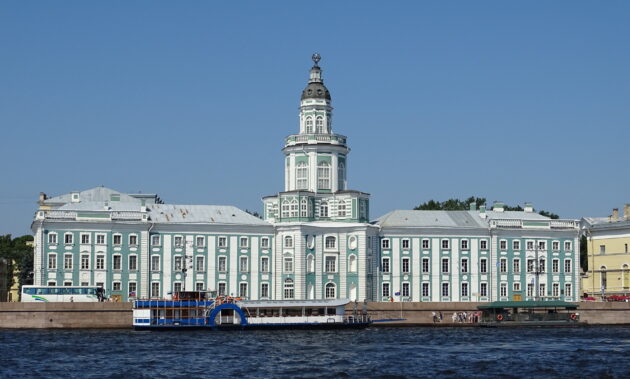
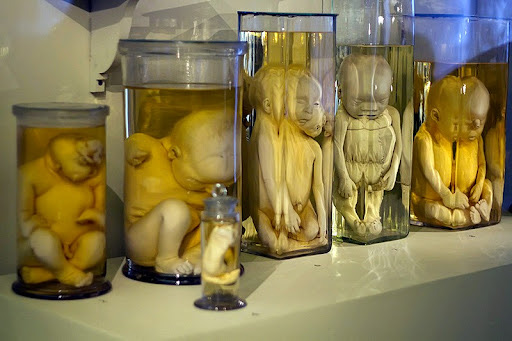
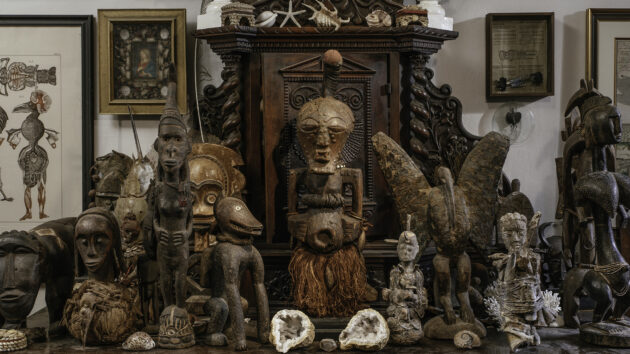
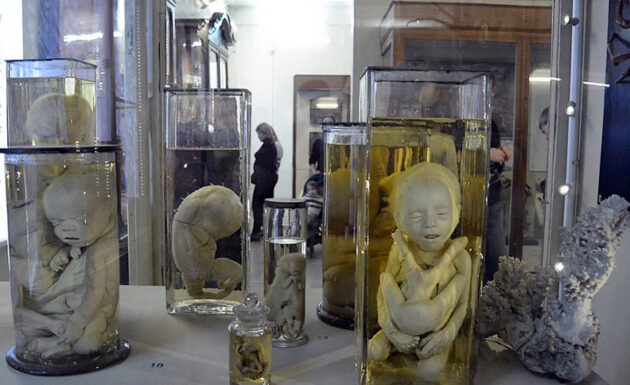
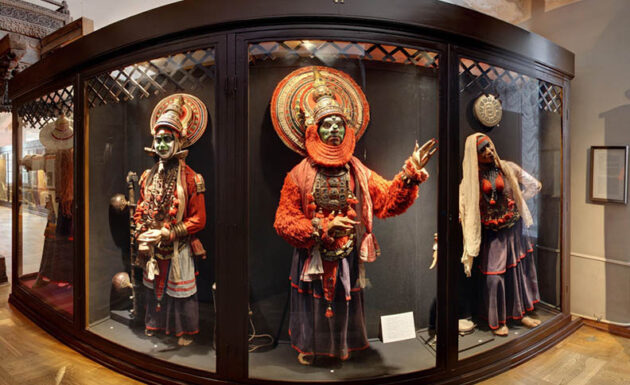
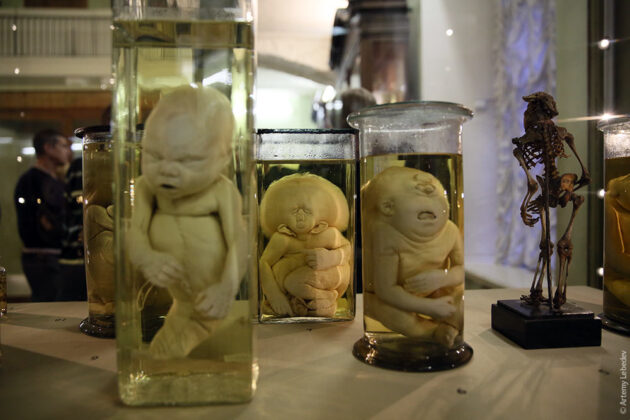
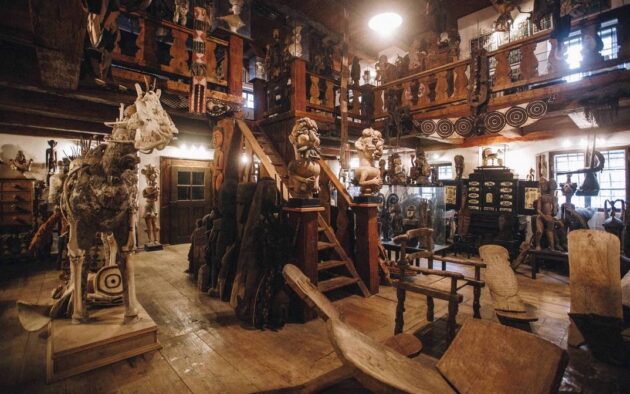
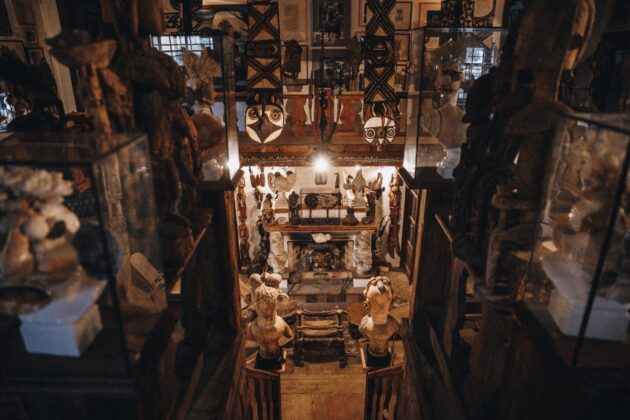
The Kunstkamera is Russia’s oldest museum, founded in 1714 by Peter the Great. Located on the Universitetskaya Embankment on Vasilyevsky Island, this iconic turquoise Baroque building faces the Winter Palace across the Neva River. It began as Peter’s personal “cabinet of curiosities” to promote science and debunk superstitions, evolving into one of the world’s most comprehensive collections of anthropology and ethnography, with nearly 2 million artifacts.
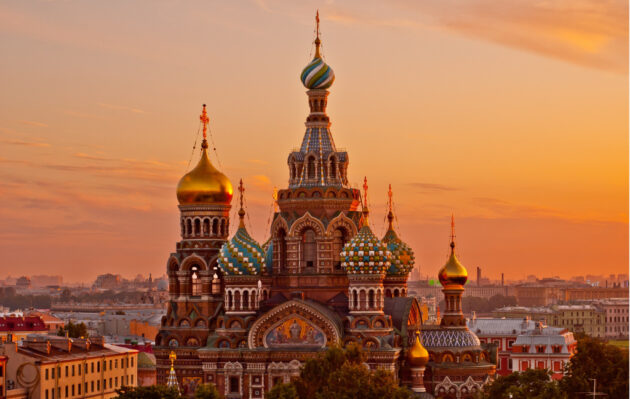
Savior on the Spilled Blood
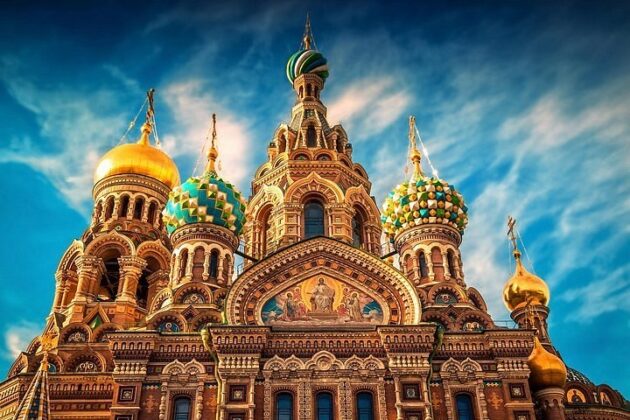
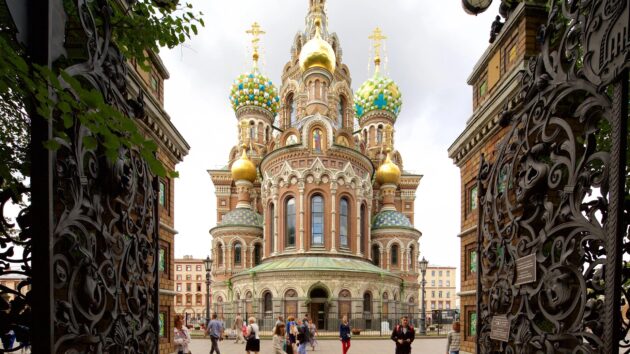
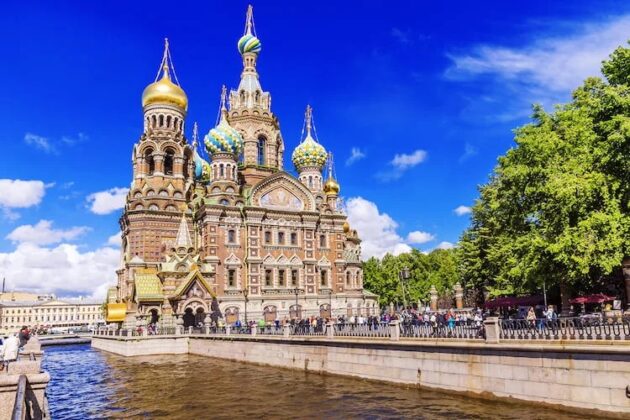
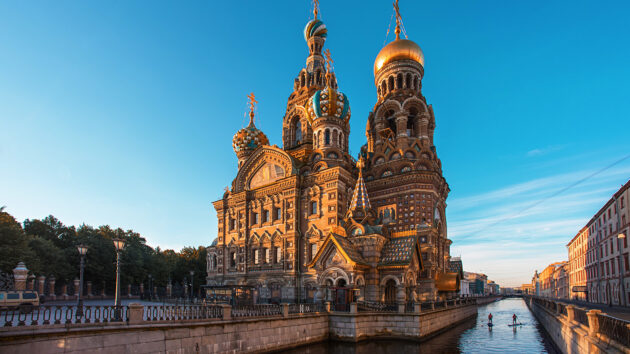
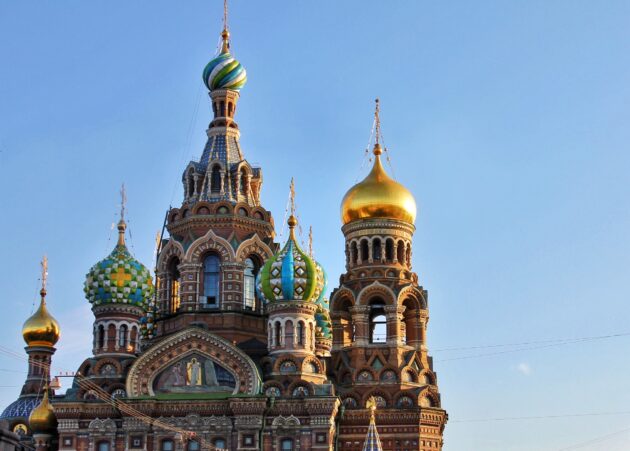
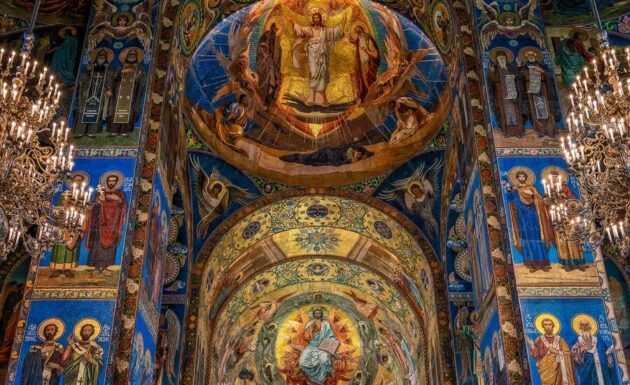
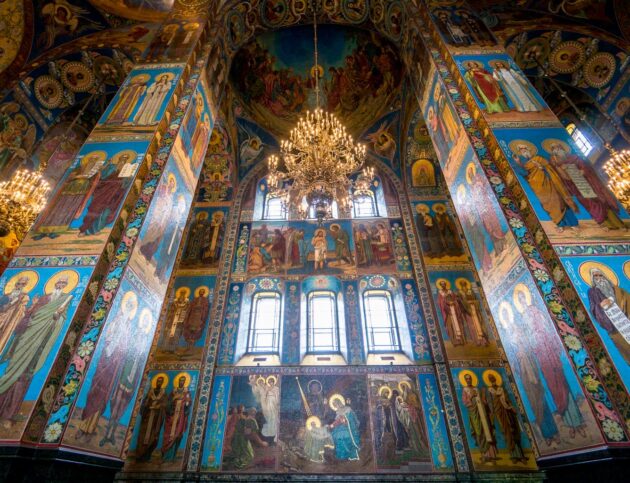
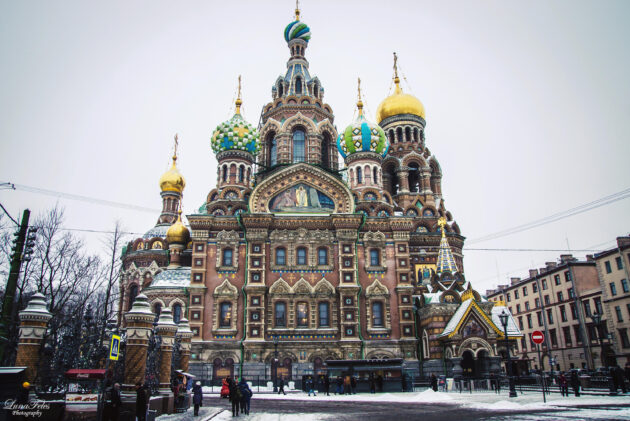
The Church of the Savior on Spilled Blood (officially the Cathedral of the Resurrection of Christ) is one of St. Petersburg’s most iconic landmarks, often compared to Moscow’s St. Basil’s Cathedral for its vibrant, fairy-tale-like appearance. Built on the exact spot where Emperor Alexander II was assassinated in 1881, this Russian Revival masterpiece features colorful onion domes, intricate enamel work, and over 7,500 square meters of stunning mosaics inside—making it a jewel box of art and history.
The State Russian Museum
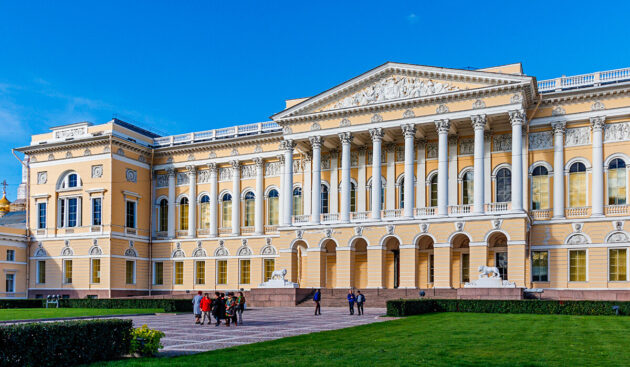
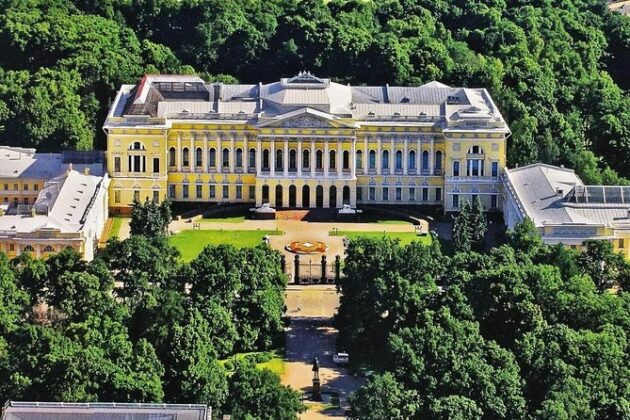
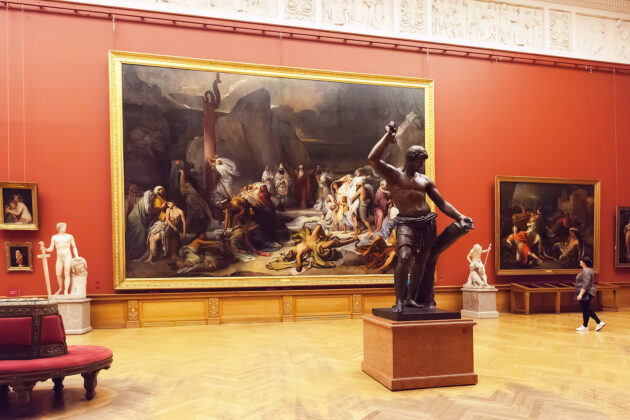
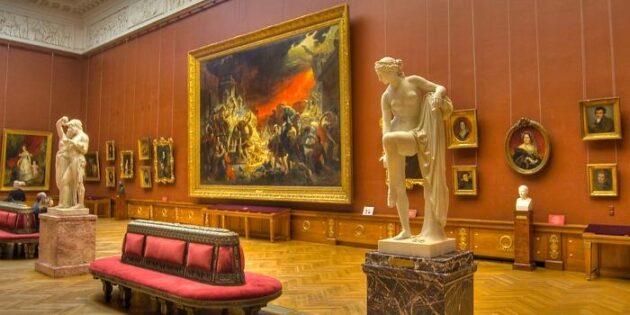
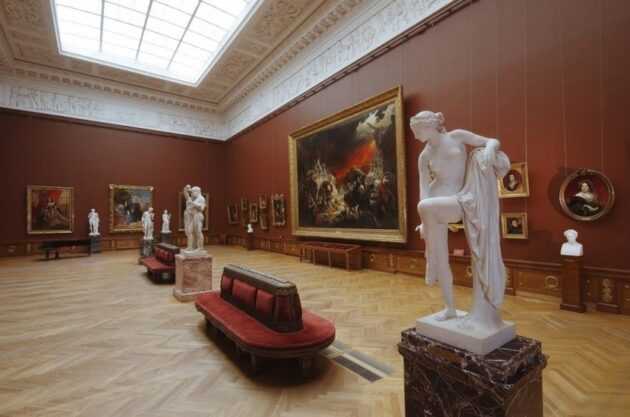
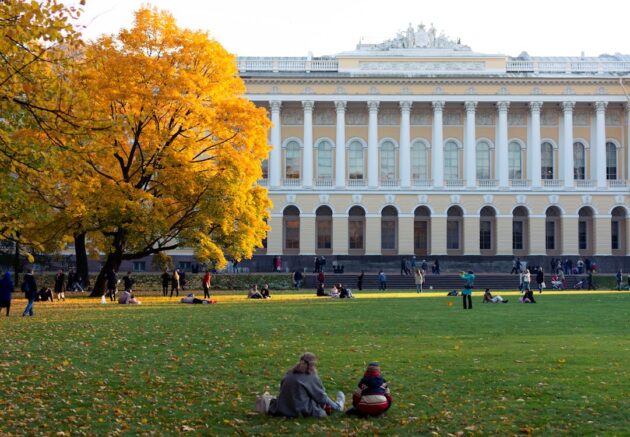
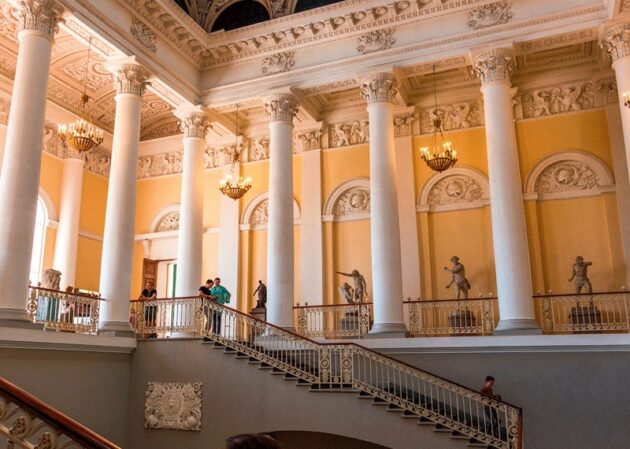
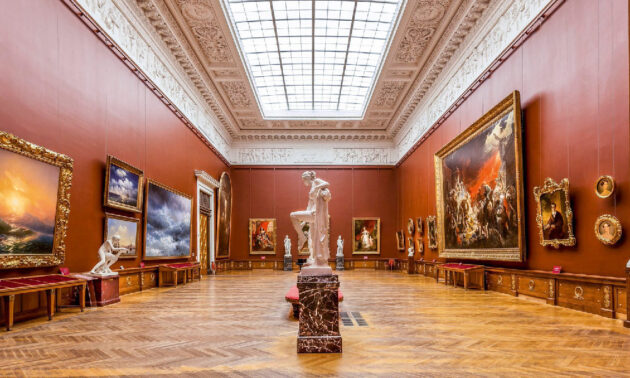
The State Russian Museum (also known as the Russian Museum) in St. Petersburg is the world’s largest collection of Russian fine art, housing over 400,000 works spanning from ancient icons to contemporary pieces. Housed primarily in the stunning neoclassical Mikhailovsky Palace, designed by Carlo Rossi in the early 19th century, it offers a comprehensive journey through Russia’s artistic heritage.
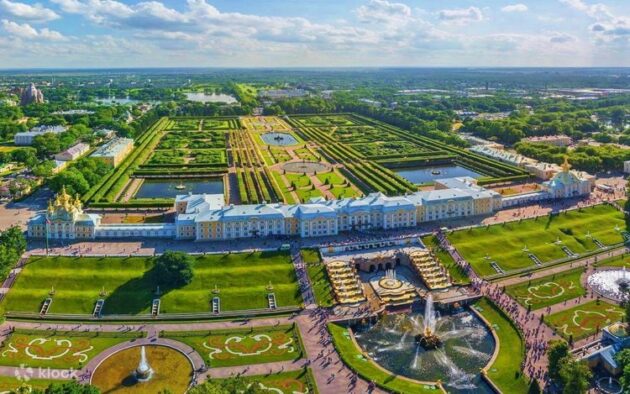
Peterhof Palace
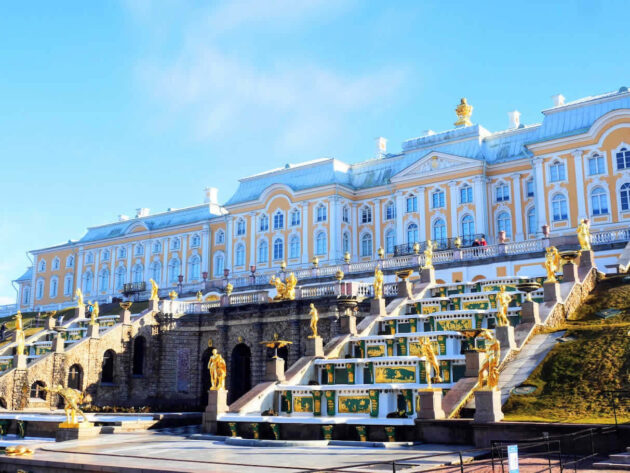
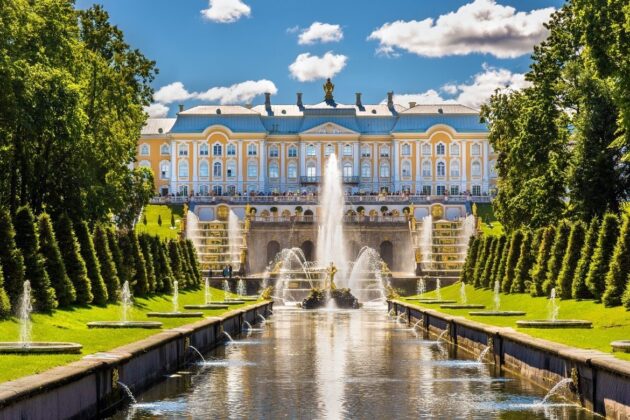
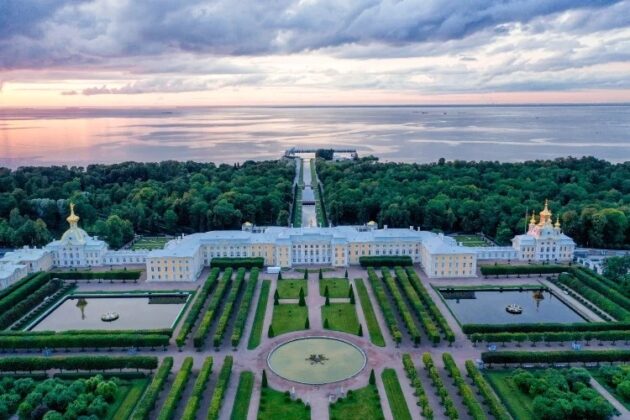
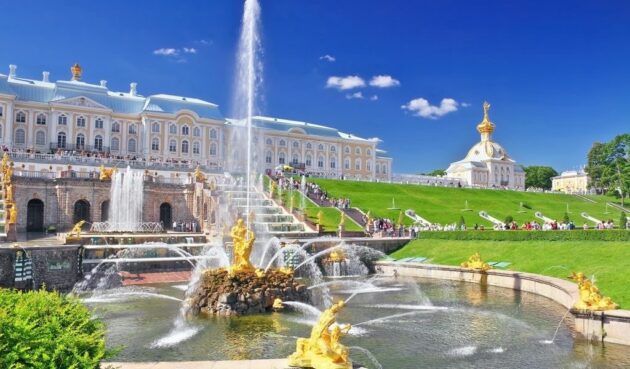
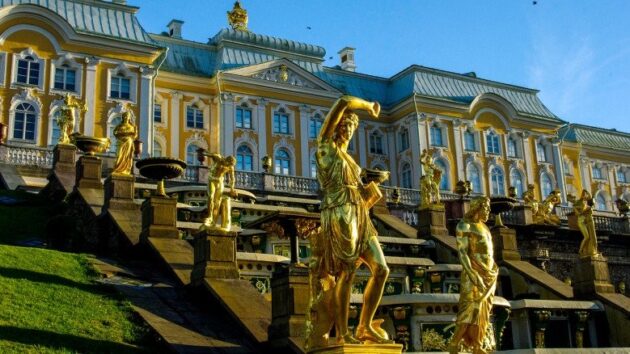
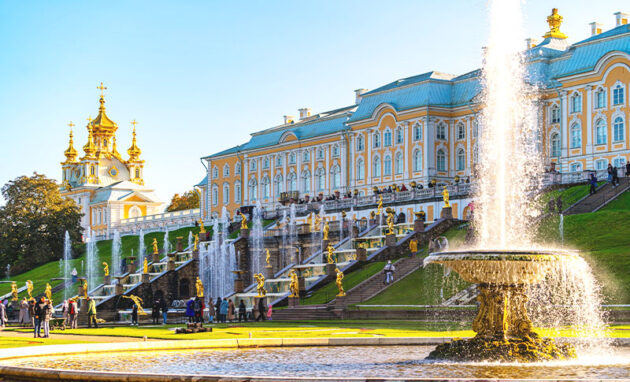
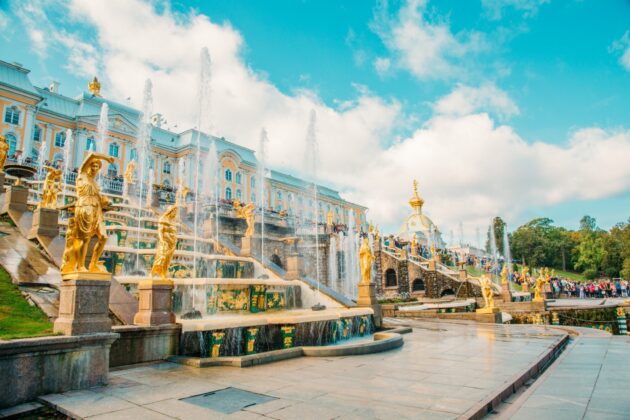
Peterhof Palace, often dubbed the “Russian Versailles,” is a breathtaking UNESCO World Heritage Site located on the Gulf of Finland, about 30 km west of St. Petersburg. Commissioned by Peter the Great in the early 18th century, this grand estate features opulent palaces, manicured gardens, and an extraordinary system of fountains powered entirely by gravity.
Peter and Paul Fortress
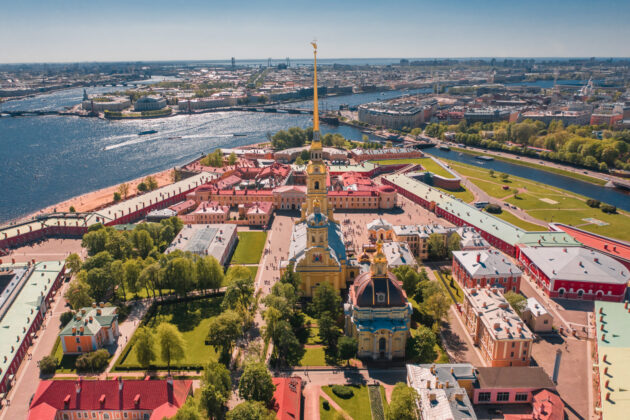
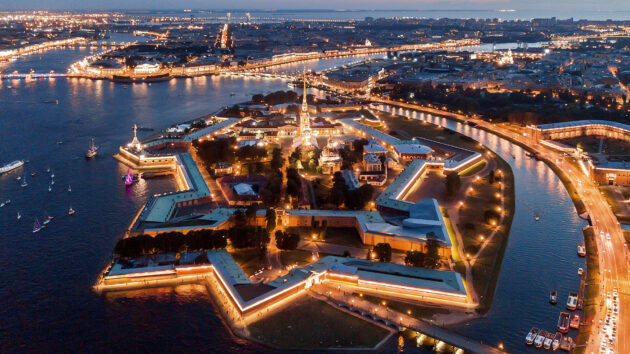
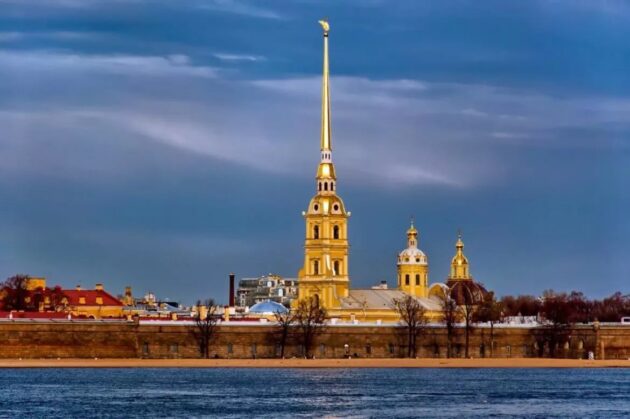
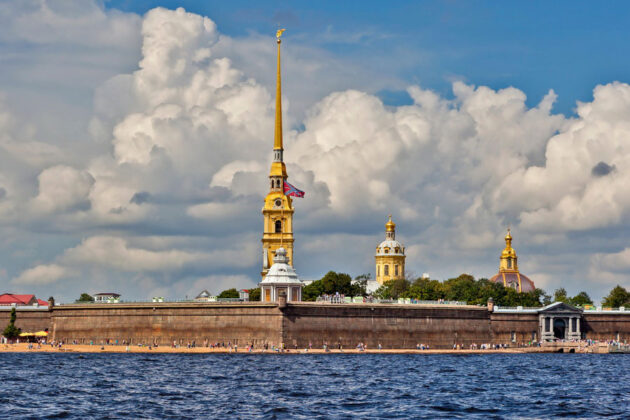
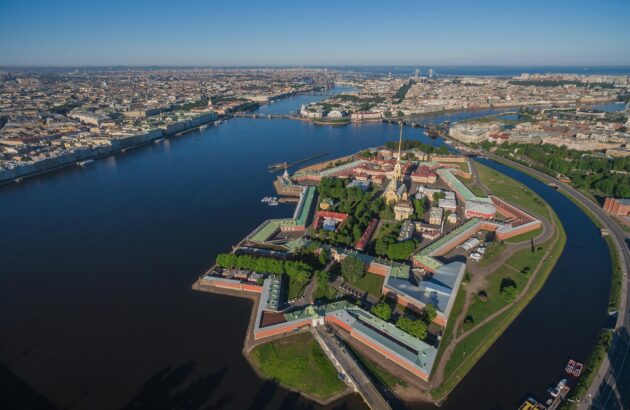
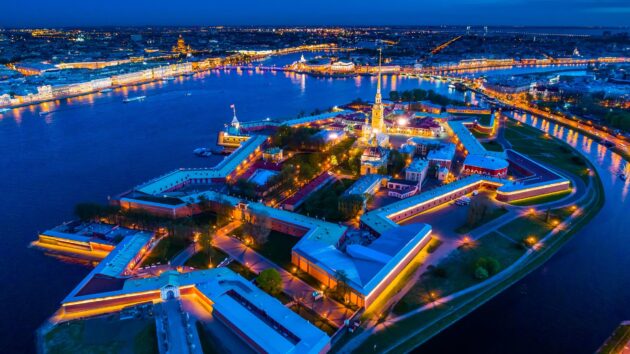
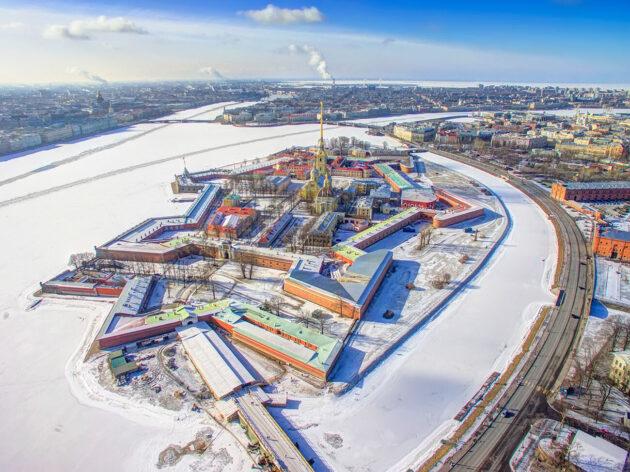
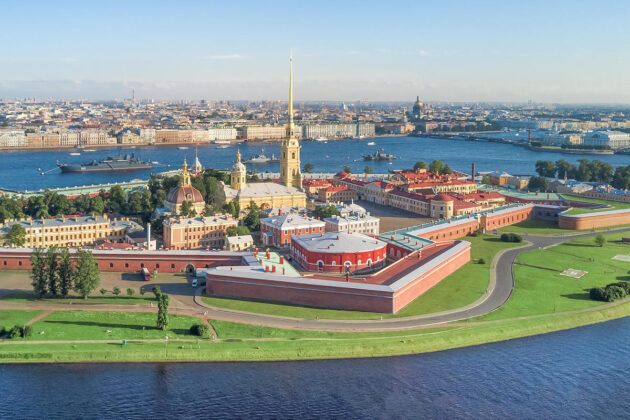
The Peter and Paul Fortress (Petropavlovskaya Krepost) is the historic heart of St. Petersburg and one of Russia’s most iconic landmarks. Founded by Peter the Great in 1703 on Zayachy (Hare) Island in the Neva River, it marks the birthplace of the city. Originally built as a defense against Swedish attacks during the Great Northern War, it never saw battle but became a notorious political prison and later a museum complex.
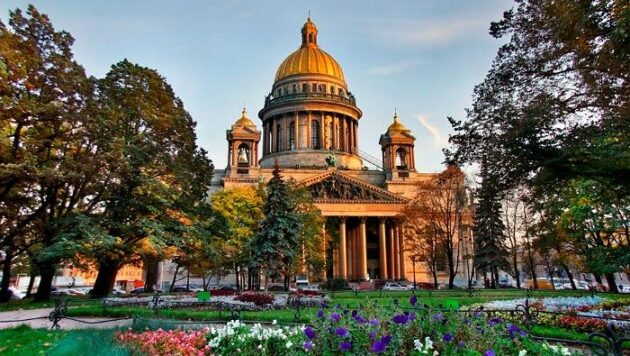
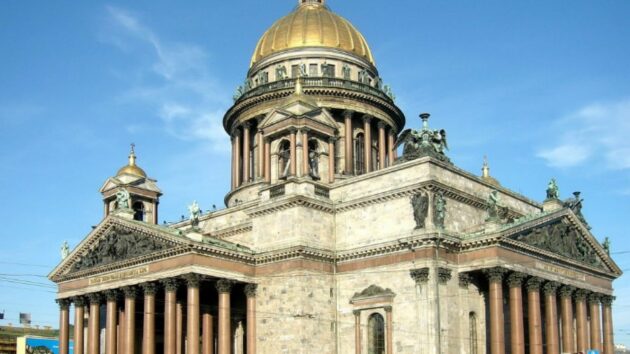
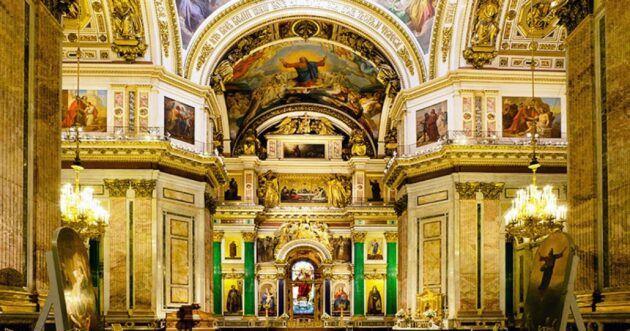
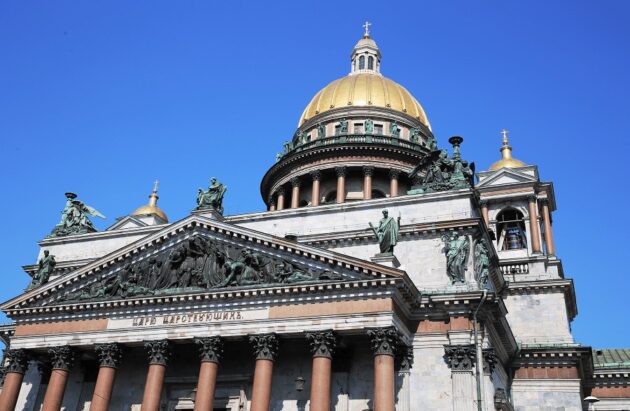
St. Isaac’s Cathedral
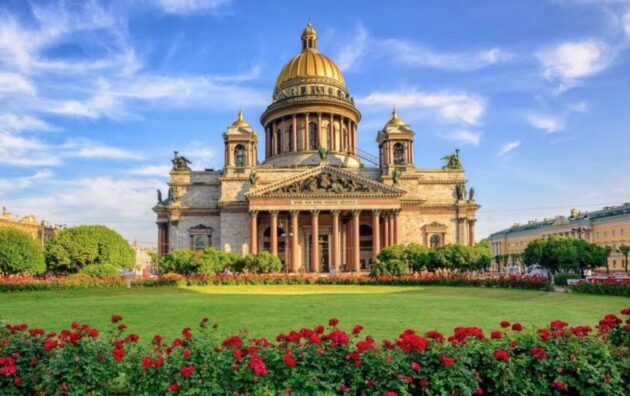
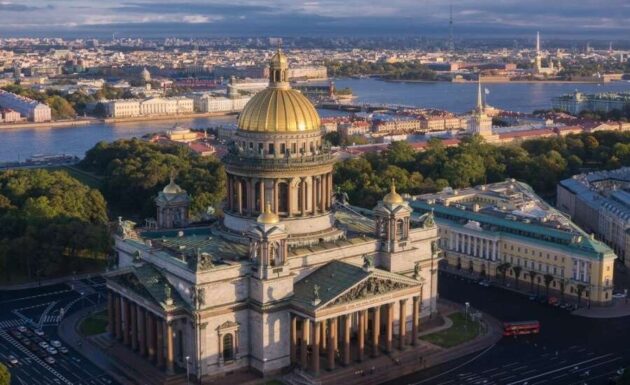
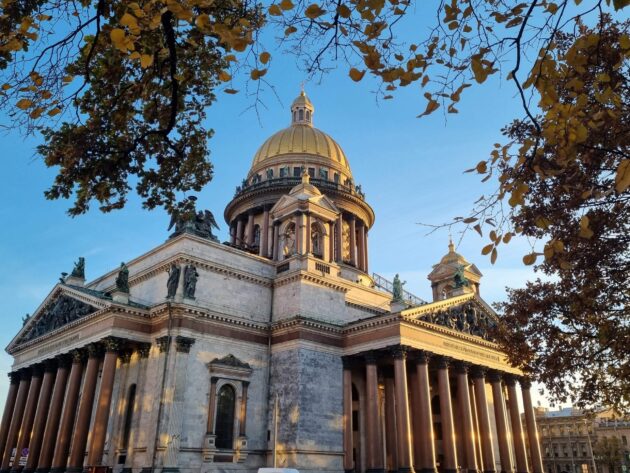
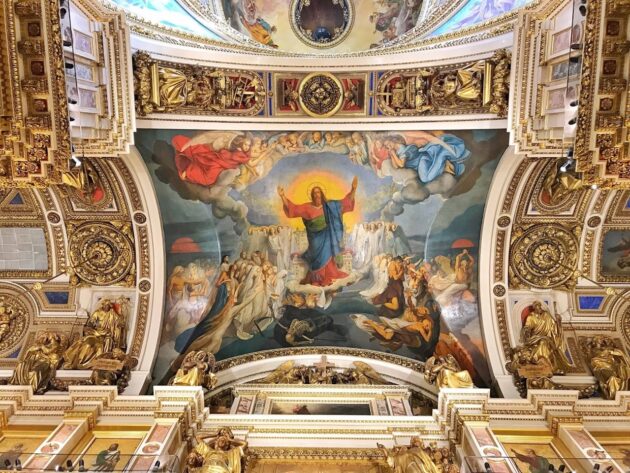
St. Isaac’s Cathedral (Isaakievskiy Sobor) is one of St. Petersburg’s most iconic landmarks, a masterpiece of neoclassical architecture that dominates the city’s skyline with its massive gilded dome. Built between 1818 and 1858 by French architect Auguste Montferrand, it was once the main church of the Russian Empire and is now a state museum with occasional Orthodox services.
What to Do
Day Trips: Peterhof or Catherine Palace in Pushkin.
Cultural Experiences: Attend a performance at the Mariinsky or explore contemporary art at Erarta Museum.
Nightlife: Rooftop bars during White Nights or traditional Russian evenings.
Where to Stay
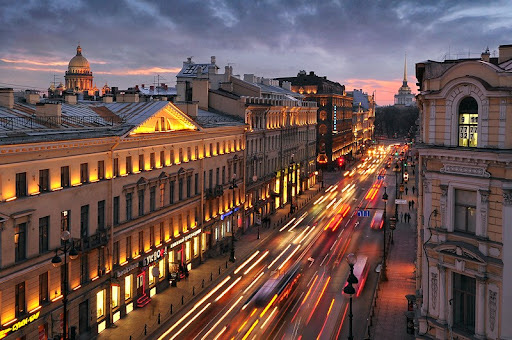
Central Areas: Nevsky Prospekt or Admiralty for easy access (hotels like Belmond Grand Hotel Europe).
Budget Options: Hostels or apartments via Russian platforms (foreign cards may not work directly).
Book via intermediaries accepting international payments.
Getting Around
Metro: Efficient, beautiful stations; cheap (~50–70 RUB).
Public Transport: Buses, trams; use apps like Yandex.
Taxis: Official ones or apps (Yandex Taxi recommended).
Walk along canals and Nevsky Prospekt.
Food and Drink
Try borscht, pelmeni, blini, and caviar. Affordable stolovayas (canteens) for authentic meals. Vodka or kvass to drink. Vegetarian options growing.
Practical Tips & Safety
Safety: Major tourist areas are safe; low crime in central St. Petersburg. Avoid unmarked taxis, remote areas at night. Occasional security incidents possible—stay informed.
Payments: Bring cash (RUB); foreign cards often don’t work due to sanctions. Exchange clean USD/EUR notes.
SIM/Internet: Buy at airport; restrictions on foreign eSIMs.
Language: English limited outside tourist spots; learn basic Cyrillic/phrases or use translation apps.
Health: Bottled water recommended; travel insurance essential.
Carry passport/visa copy; register if staying privately.
Respect local customs; no political discussions.
Final Thoughts
St. Petersburg is a bucket-list destination blending history, art, and romance. With proper planning (visa, flights via hubs, cash), offers a unique, less-crowded experience. Embrace the grandeur and let the city’s magic captivate you!
Safe travels!