
Banff National Park Travel Guide (2026)
Banff National Park, established in 1885 as Canada’s first national park, is a UNESCO World Heritage Site renowned for its dramatic Rocky Mountain landscapes, turquoise glacial lakes, abundant wildlife, and endless outdoor adventures. Spanning over 6,641 square kilometers in Alberta, it attracts millions of visitors year-round with iconic sights like Lake Louise and Moraine Lake, plus activities ranging from hiking and canoeing in summer to skiing and ice skating in winter.
Why Visit Banff National Park?
This park is a paradise for nature lovers, featuring jagged peaks, ancient glaciers, pristine forests, and wildlife like grizzly bears, elk, and bighorn sheep. Highlights include the vibrant blue waters of its lakes (caused by “rock flour” from glacial melt) and the scenic Icefields Parkway. It’s perfect for hikers, photographers, skiers, and families, with something magical in every season.
How to Get There
By Air: Fly into Calgary International Airport (YYC), about 144 km (90 miles) east of Banff. It’s the closest major airport with direct flights from around the world.
By Car: Rent a vehicle at the airport and drive west on the Trans-Canada Highway (Hwy 1)—a scenic 1.5–2-hour journey to the town of Banff.
Shuttles and Transit: Options like Banff Airporter, Brewster Express, or Roam Public Transit provide affordable transfers. For eco-friendly travel, use Parks Canada shuttles within the park.
By Train: Rocky Mountaineer offers luxurious rail journeys from Vancouver, with stunning views en route.
A Parks Canada pass is required for entry (more details below).
Best Time to Visit
Banff is open year-round, but the experience varies:
Summer (June–August): Peak season for hiking, canoeing, and lake visits. Warm days (up to 70°F/21°C), wildflowers, and long daylight hours, but crowds and higher prices.
Fall (September–October): Fewer crowds, golden larch trees, vibrant foliage, and great wildlife viewing. Ideal for hiking with cooler temps.
Winter (December–March): Snowy wonderland for skiing, snowshoeing, and frozen waterfalls. Holiday magic with ice skating on Lake Louise.
Shoulder Seasons (April–May, November): Quieter, lower rates, but some trails/roads may be closed due to snow.
Avoid peak summer weekends if possible; book shuttles early for popular spots like Moraine Lake.
Top Attractions and Things to Do
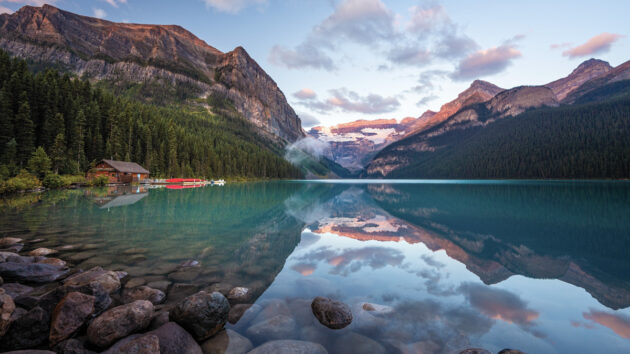
Lake Louise: Paddle a canoe, hike to teahouses, or ski in winter. Iconic Fairmont Chateau overlooks the lake.
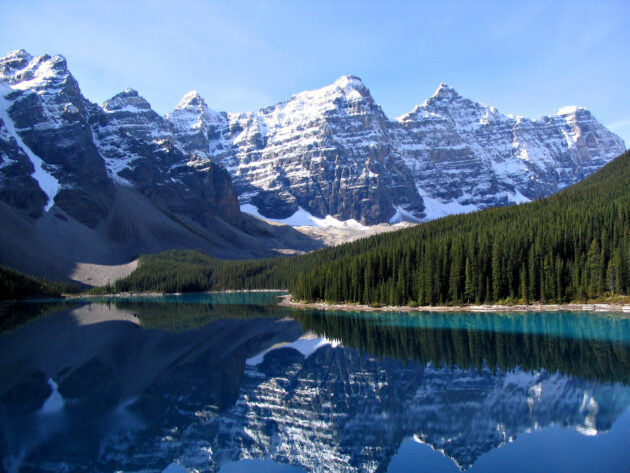
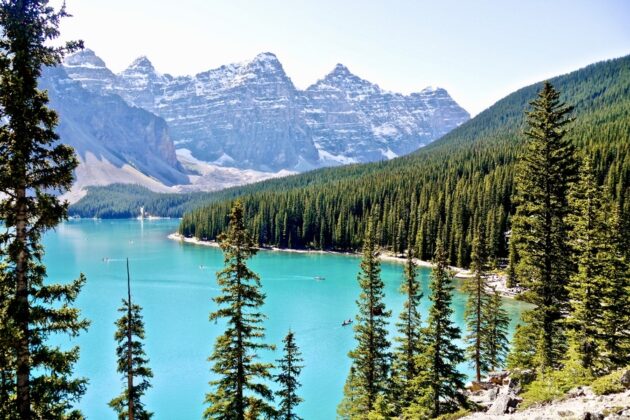
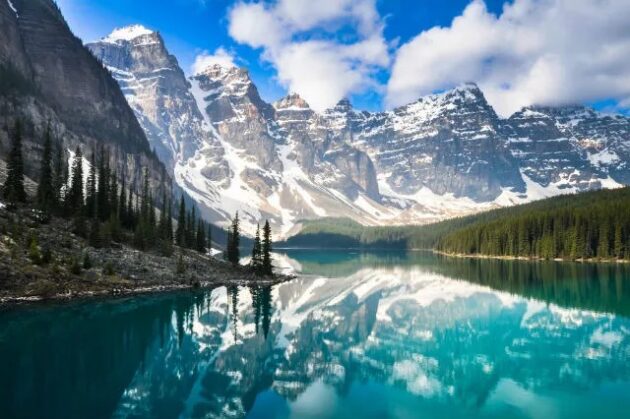
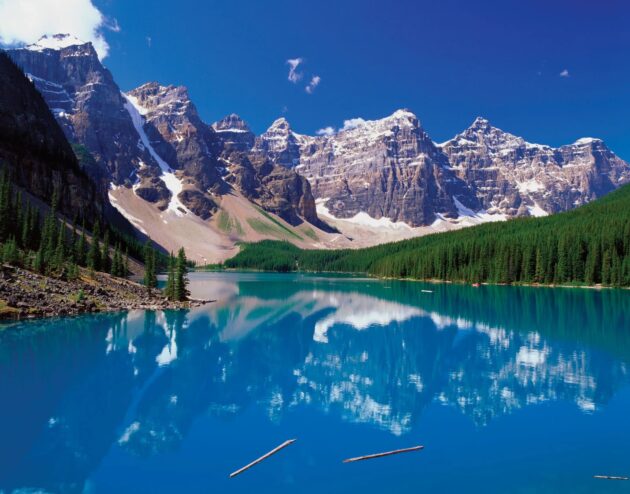
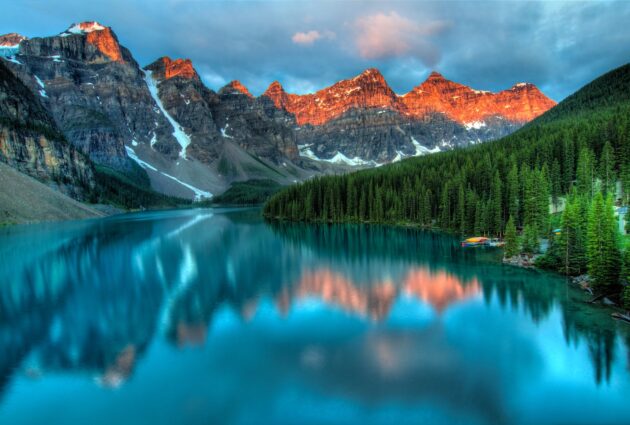
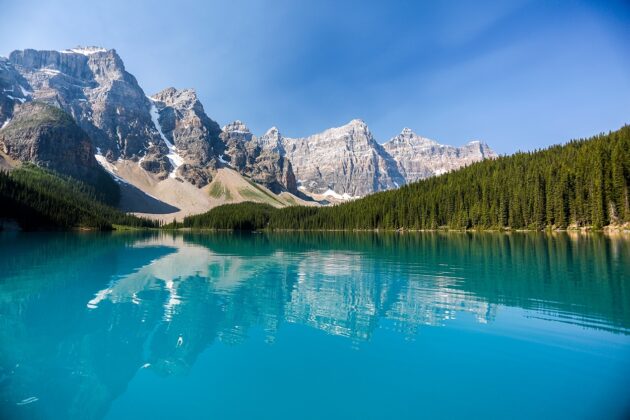
Moraine Lake: Famous for its Ten Peaks backdrop—hike the Rockpile Trail for views.
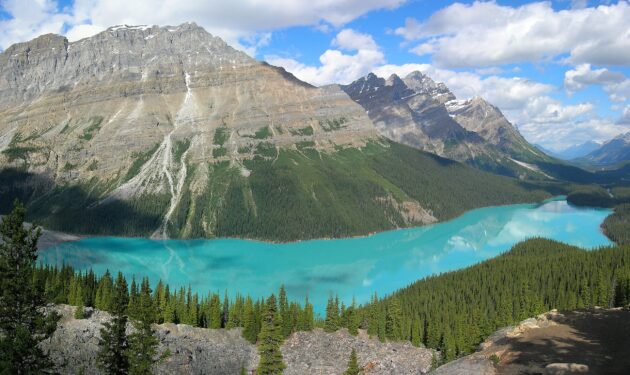
Icefields Parkway: One of the world’s most scenic drives (Hwy 93), with stops at Peyto Lake, Athabasca Glacier, and waterfalls.
Banff Gondola: Ride to Sulphur Mountain for panoramic views.
Johnston Canyon: Hike to waterfalls (easier in summer, magical frozen in winter).
Hot Springs: Soak in Upper Hot Springs or visit historic Cave and Basin.
Wildlife Viewing: Spot bears, elk, and more—join guided tours for safety.
Skiing/Snowboarding: World-class resorts like Lake Louise, Sunshine Village, and Mt. Norquay.
Other activities: Hiking (hundreds of trails), biking, rafting, or stargazing in dark skies.
Entry Fees and Passes
A Parks Canada pass is mandatory:
Daily: Adult ~$11–$21 (varies by season/group).
Annual Discovery Pass: Adult $75.25, Senior $64.50, Family $151.25—best for longer stays or multiple parks.
Free admission periods may apply (check Parks Canada site).
Youth (under 18) free year-round.
Buy online or at gates/visitor centers.
Where to Stay
Town of Banff: Central, with shops, restaurants, and vibe. Options: Fairmont Banff Springs (luxury), Banff Park Lodge, or hostels.
Lake Louise: Closer to lakes and hikes. Fairmont Chateau Lake Louise (iconic luxury) or Lake Louise Inn.
Canmore (nearby): Quieter, more affordable—great base outside the park.
Camping: Numerous sites like Tunnel Mountain or backcountry options.
Book early, especially summer/winter peaks.
Practical Tips
Transportation: Rent a car for flexibility, but use Roam Transit or shuttles to avoid parking hassles (e.g., mandatory for Moraine Lake).
What to Pack: Layers, sturdy shoes, bear spray, rain gear, sunscreen (high altitude).
Safety: Follow wildlife rules—keep distance, store food properly. Check trail conditions and avalanche reports in winter.
Sustainability: Leave no trace; use reusable items to protect this pristine area.
Crowds: Arrive early at popular spots or visit off-peak.
Banff National Park is a bucket-list destination blending raw beauty with adventure. Plan ahead for an epic trip into the heart of the Rockies! Happy exploring!