
Amazon Rainforest Travel Guide (2026)
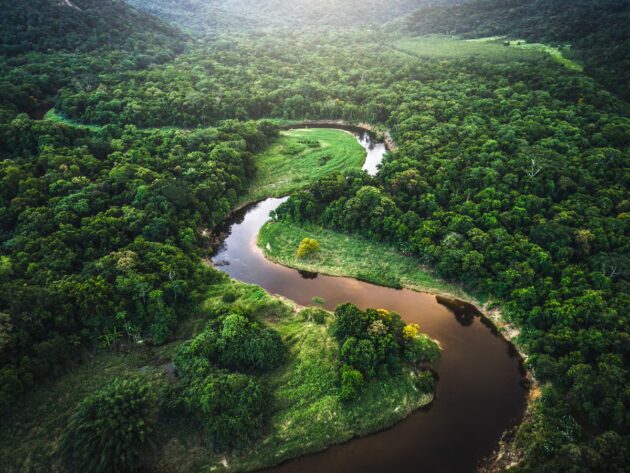
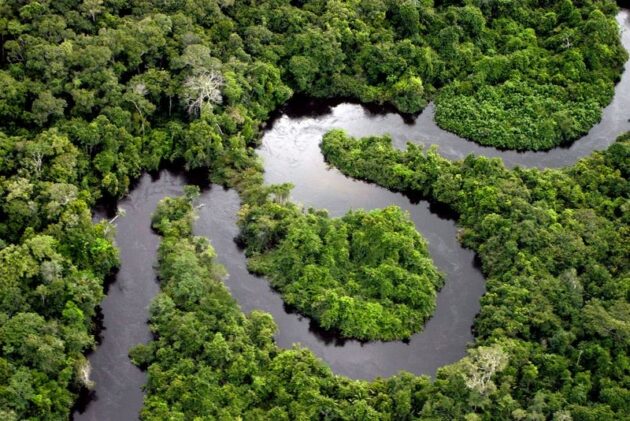
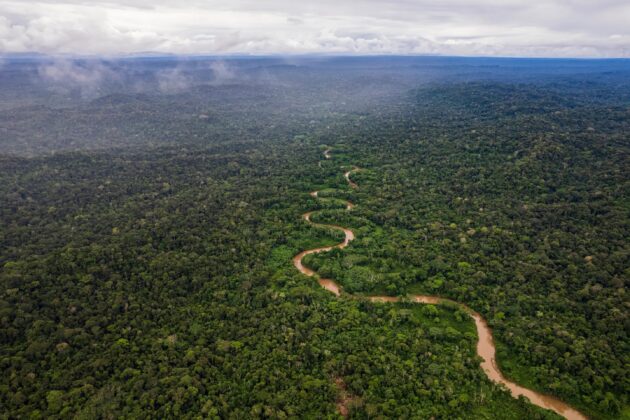
The Amazon Rainforest in Brazil is the world’s largest tropical rainforest, covering vast expanses of the Amazonas state and beyond. Often called the “Lungs of the Earth,” it boasts unparalleled biodiversity, with millions of species of plants, animals, and insects. Home to iconic wildlife like pink river dolphins, jaguars, macaws, and sloths, it’s a bucket-list destination for nature lovers, adventurers, and eco-tourists. The Brazilian Amazon offers immersive experiences through jungle lodges, river cruises, and guided excursions, blending raw wilderness with cultural encounters.
Why Visit the Amazon Rainforest?
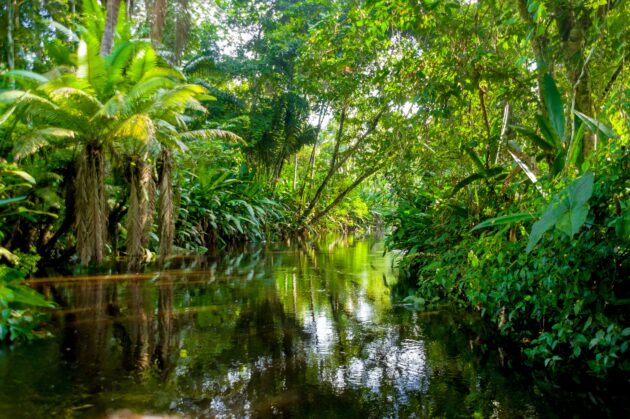
This UNESCO World Heritage site spans over 60% of Brazil’s Amazon Basin and is vital for global climate regulation. Visitors can canoe through flooded forests (igapós), hike jungle trails, spot nocturnal caimans, fish for piranhas, and learn about indigenous communities. It’s an otherworldly escape where the sounds of howler monkeys and the sight of the “Meeting of the Waters” (where the black Rio Negro meets the sandy Solimões) create lifelong memories.
How to Get There
The primary gateway is Manaus, the capital of Amazonas state, located in the heart of the rainforest.
By Air: Fly into Eduardo Gomes International Airport (MAO). Direct flights from Miami (USA), major Brazilian cities like São Paulo or Rio de Janeiro (4 hours), and some international hubs. From Manaus, most tours include transfers to lodges (by boat/van, 1-3 hours).
Alternative Entry Points: Belém or Santarém for eastern Amazon access, but Manaus is most convenient for central rainforest experiences.
From Manaus to the Jungle: Book tours/lodges that handle transfers. Avoid independent travel deep into the jungle—guided tours are essential for safety and conservation.
Best Time to Visit
The Amazon has two seasons, both offering unique experiences:
High Water (Wet) Season (January–June): Rivers flood, enabling canoeing into submerged forests. Cooler temperatures, blooming plants, and easier river navigation. More mosquitoes and rain showers.
Low Water (Dry) Season (July–December): Better for hiking trails, river beaches, and wildlife spotting as animals congregate around shrinking water sources. Fewer mosquitoes, warmer weather.
Overall Best: June–September for a balance, or year-round with proper planning. Avoid peak rain (December–May) if you dislike mud.
What to Do
Most experiences are lodge- or cruise-based with guided activities:
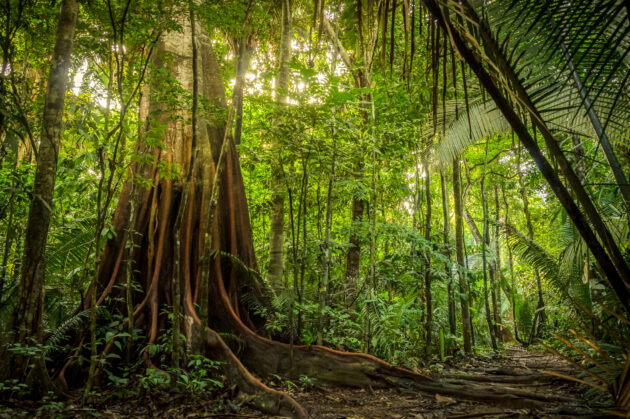
Jungle Treks and Wildlife Spotting: Hike trails to learn about medicinal plants, spot monkeys, birds, and reptiles.
Boat/Canoe Tours: Explore tributaries, fish for piranhas, and spot pink river dolphins.
Night Excursions: Caiman spotting by flashlight.
Cultural Visits: Meet indigenous communities and learn survival techniques.
Iconic Sights: The “Meeting of the Waters” phenomenon and Teatro Amazonas opera house in Manaus.
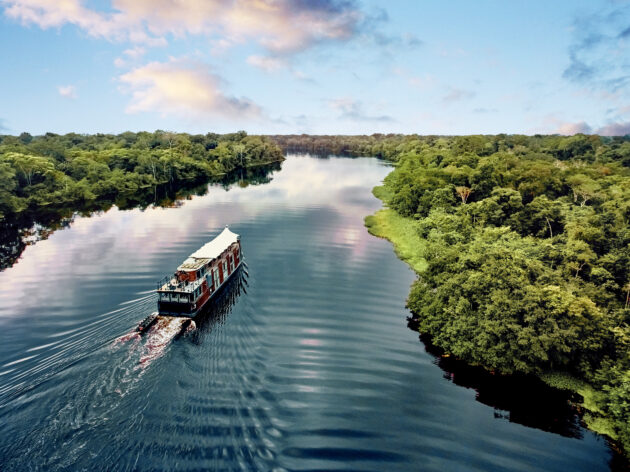
River Cruises: Multi-day options on the Rio Negro or Solimões for deeper exploration.
Recommended Eco-Lodges and Tours
Stay in sustainable jungle lodges for an immersive, all-inclusive experience (meals, guides, activities):
Anavilhanas Jungle Lodge: Luxury option near Anavilhanas Archipelago with pools, panoramic bungalows, and excellent birdwatching.
Cristalino Lodge: Eco-focused in southern Amazon, ideal for wildlife enthusiasts and birders.
Amazon Ecopark Jungle Lodge: Affordable, close to Manaus with monkey rehabilitation center.
Juma Amazon Lodge or Mirante do Gavião: Remote, sustainable with river views.
Tours: 3–5 days recommended; operators like Amazon Gero Tours or GetYourGuide offer packages from Manaus (e.g., Anaconda Lodge tours).
Book in advance via reputable sites—prices range $300–$1,000+ per person for 3–4 nights.
What to Bring
Lightweight, quick-dry clothing (long sleeves/pants for insects).
Rain jacket, sturdy waterproof boots, hat.
High-DEET insect repellent, sunscreen, binoculars.
Reusable water bottle, flashlight/headlamp.
Medications (yellow fever vaccine recommended, though not always required).
Cash (ATMs limited in jungle areas).
Tips for a Responsible Visit
Choose eco-certified operators to support conservation.
Respect wildlife—observe from a distance.
Minimize plastic; lodges emphasize sustainability.
Tipping guides is customary.
Health: Get vaccinations (yellow fever, hepatitis); malaria pills advised for remote areas.
Final Thoughts
The Brazilian Amazon is a profound, humbling destination that reveals nature’s raw power and fragility. Whether paddling silent rivers at dawn or stargazing from a lodge deck, it’s an adventure that reconnects you with the planet. Plan sustainably, embrace the humidity, and let the rainforest’s magic unfold.
Safe travels!