
Chapada Diamantina National Park Travel Guide (2026)
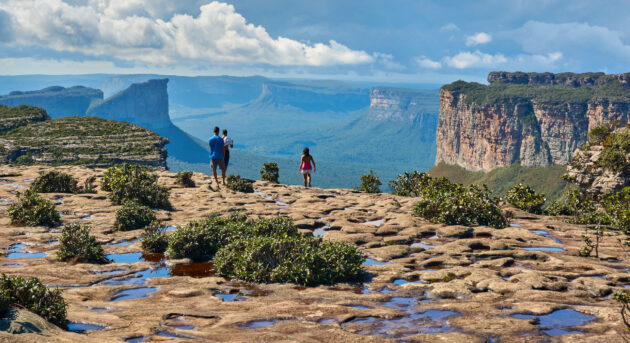
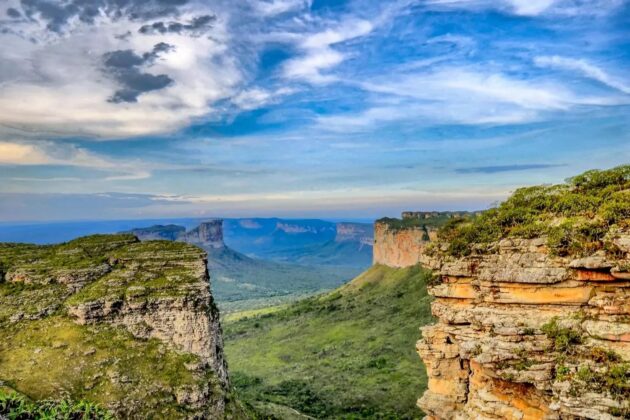
Chapada Diamantina National Park, located in the heart of Bahia state in northeastern Brazil, is a breathtaking natural paradise spanning over 152,000 hectares. Known for its dramatic plateaus, towering waterfalls, crystal-clear caves, and rugged canyons, this UNESCO-recognized biosphere reserve offers some of the best hiking and eco-adventures in the country.
Once a diamond mining hub in the 19th century (hence the name “Diamond Plateau”), it’s now a protected area blending Caatinga, Atlantic Forest, and Cerrado biomes. Whether you’re chasing epic views, swimming in turquoise pools, or trekking through valleys, Chapada Diamantina is a hidden gem for nature lovers.
Why Visit Chapada Diamantina?
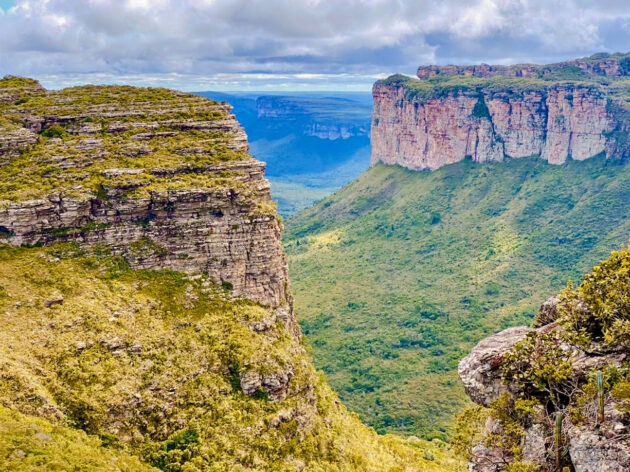
This park stands out for its diverse landscapes: flat-topped mesas, underground rivers, and over 300 km of trails. Highlights include Brazil’s second-tallest waterfall (Cachoeira da Fumaça at 340m), magical blue pools, and panoramic viewpoints. It’s less crowded than Brazil’s coastal hotspots, offering an authentic immersion in nature with opportunities for hiking, caving, swimming, and even stargazing under low light pollution.
How to Get There
The main gateway is the charming colonial town of Lençóis, about 420 km west of Salvador.
By Air: Fly into Salvador (SSA), then take a short domestic flight to Lençóis Airport (LEC) with Azul Airlines (limited flights, Thursdays/Sundays) or a bus/taxi transfer.
By Bus: Direct buses from Salvador’s bus terminal to Lençóis (7 hours, ~R$100-150) with companies like Real Expresso. Comfortable and scenic.
By Car: Rent a vehicle in Salvador and drive via BR-242 (6-7 hours). A 4WD is recommended for park roads.
Alternatives: Bases like Vale do Capão or Mucugê for different access points.
Once in Lençóis, tours include transport, or rent a car for flexibility.
Best Time to Visit
Year-Round: Possible anytime, but seasons differ.
Dry Season (May-October): Ideal for hiking—clear skies, safer trails, but less water in falls.
Rainy Season (November-April): Lush greenery, fuller waterfalls, but muddier paths and possible showers.
Best Overall: May-September for balanced conditions; avoid peak crowds (January-March, around Carnival).
Top Attractions and Activities
Most visitors base in Lençóis and join guided day tours (essential for safety and access).
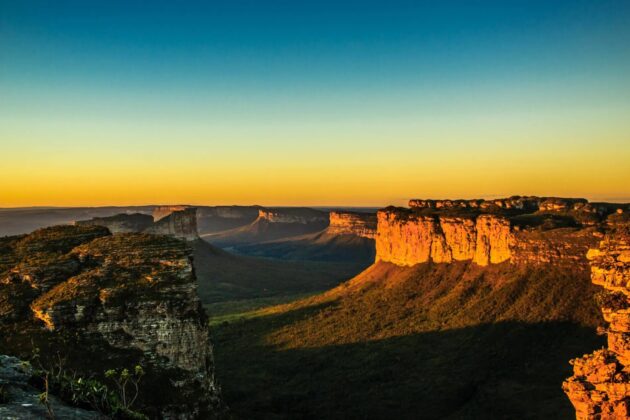
Morro do Pai Inácio: Iconic hill with 360° views—short hike to the summit for sunset panoramas.
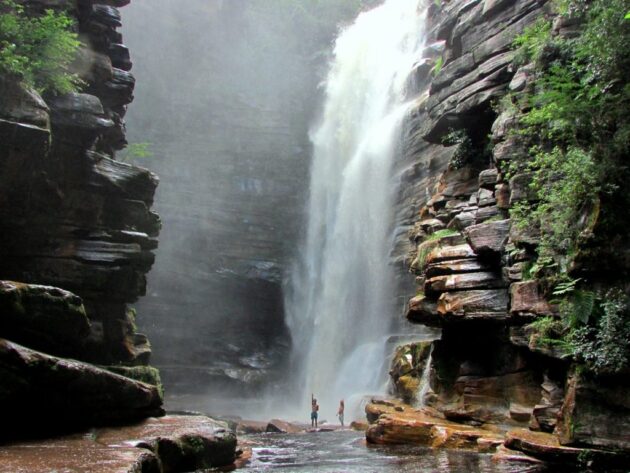
Cachoeira da Fumaça (Smoke Waterfall): Brazil’s second-highest; hike to the top for misty views.
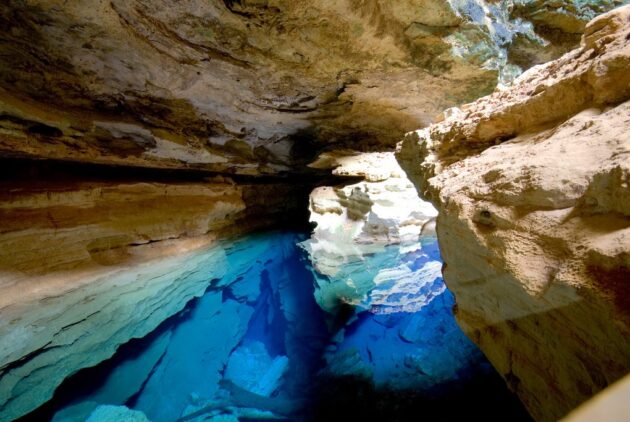
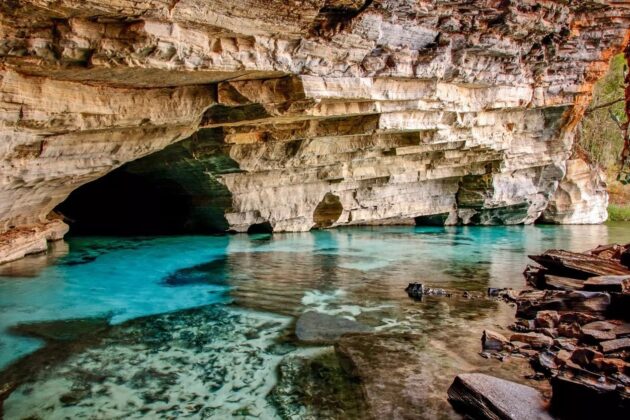
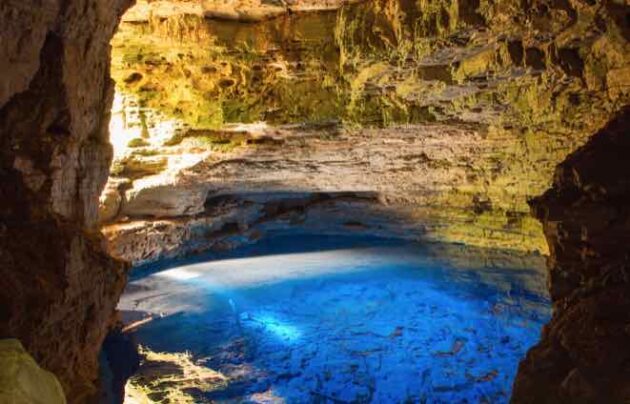
Poço Azul & Poço Encantado: Magical blue pools in caves—best for floating/snorkeling (sunlight enhances the glow September-March).
Vale do Pati Trek: Multi-day (3-5 days) hike through valleys, waterfalls, and local communities—one of Brazil’s best treks.
Gruta da Lapa Doce & Pratinha Cave: Explore stalactites and swim in underground lakes.
Other Highlights: Ribeirão do Meio (natural slide), Cachoeira do Buracão, and Mixila Falls.
Tours cost ~R$150-400/day; book via agencies in Lençóis.
Where to Stay
Lençóis is the top base—colonial charm, restaurants, and tour agencies.
Luxury: Hotel Canto das Águas (riverside, pool) or Hotel de Lençóis.
Mid-Range: Pousada Solar Azul or Vila Serrano.
Budget: Hostels like Viela or Albergue Chapada.
Alternatives: Vale do Capão (hippie vibe, closer to some trails) or Mucugê (quieter).
Book ahead, especially in high season.
Tips for a Great Experience
Guides: Mandatory for many trails—book locally for safety and insights.
What to Bring: Sturdy hiking shoes, swimsuit, sunscreen, insect repellent, water, and cash (limited ATMs).
Duration: 4-7 days minimum to explore highlights.
Sustainability: Stick to trails, no littering—protect this fragile ecosystem.
Food: Try local Bahia cuisine in Lençóis—fresh fish, acarajé, and godó de banana.
Chapada Diamantina is a bucket-list destination blending adventure and serenity. Plan ahead, embrace the hikes, and let its wild beauty captivate you! Happy travels!