
A Travel Guide to Brasília (2025)
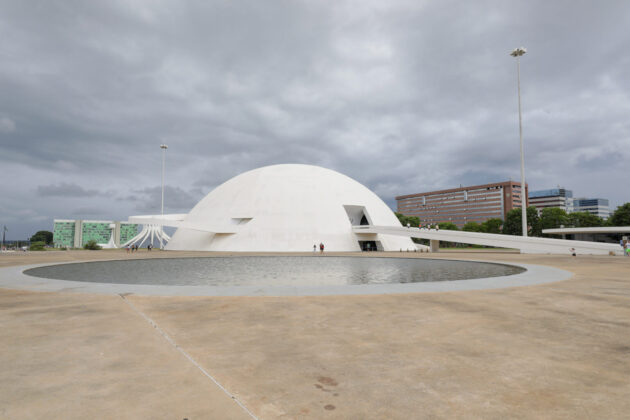
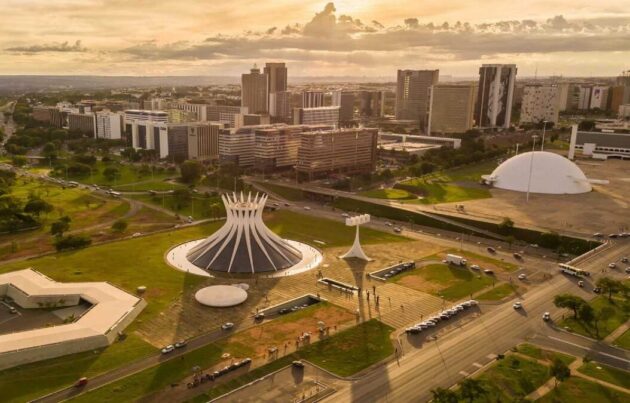
Brasília, Brazil’s modernist capital, is a UNESCO World Heritage Site renowned for its futuristic architecture designed by Oscar Niemeyer and urban planning by Lúcio Costa. Built in just 41 months and inaugurated in 1960 by President Juscelino Kubitschek, the city was created ex nihilo in the central highlands to promote national unity and development. Shaped like a cross (or an airplane, as popularly imagined), it features sweeping curves, concrete forms, and vast open spaces. While not a traditional tourist hotspot like Rio or São Paulo, Brasília appeals to architecture enthusiasts, history buffs, and those seeking a unique urban experience. With a population of about 3 million in the Federal District, it’s safe for visitors in key areas but requires awareness of petty crime.
Why Visit Brasília?
Brasília embodies 20th-century modernism, blending government buildings, parks, and artificial lakes like Lago Paranoá. As home to Brazil’s three branches of government (executive, legislative, judicial), it’s a living symbol of democracy. Highlights include Niemeyer’s iconic structures, cultural museums, and outdoor activities. It’s also a gateway to nearby nature spots like the Chapada dos Veadeiros National Park.
How to Get There
Brasília International Airport (BSB), also known as Presidente Juscelino Kubitschek Airport, is Brazil’s third-busiest and a major domestic hub with connections from all over the country.
International Flights: Direct routes from Lisbon (TAP Air Portugal), Miami/Panama City (LATAM/Copa), and others. Major carriers include LATAM, Gol, Azul, American Airlines, and Delta. From Europe/US, expect connections via São Paulo (GRU) or Rio (GIG).
Domestic Flights: Frequent from São Paulo (1.5 hours), Rio (1.5 hours), Belo Horizonte (1 hour), and beyond. Budget airlines like Gol and Azul offer affordable fares.
From the Airport: 12 km north of downtown. Taxis/Uber cost ~R$50-70 (15-20 min); airport buses (~R$5) connect to the city center/Rodoviária. Renting a car is ideal for exploring due to the city’s sprawling layout.
By bus: Long-distance from São Paulo (~12 hours, R$150-250) or Rio (~18 hours) arrives at the Rodoviária Interestadual.
Best Time to Visit
Brasília has a tropical savanna climate with distinct dry (May-Sep) and wet (Oct-Apr) seasons.
Optimal Months: May-August (dry season) for mild weather (20-28°C/68-82°F), low humidity, and clear skies. Ideal for outdoor sightseeing; crowds are minimal.
Avoid: December-March (rainy summer, 25-30°C/77-86°F with heavy afternoon showers) if you dislike humidity or disruptions. July-September can be very dry and dusty.
Events: Independence Day parades (Sep 7), Festa Junina (June), and occasional government events. No major festivals like Carnival here.
Safety Note: Brasília is safer than many Brazilian cities, but stick to central areas (Asa Sul/Norte), avoid isolated spots at night, and use ride-shares. Petty theft is the main risk; exercise standard precautions.
Getting Around
Brasília’s layout prioritizes cars, making public transport limited but functional.
Metro/Bus: The Metro (lines Orange/Green) covers key sectors; buses are extensive but slow due to traffic. Single ride ~R$5.
Ride-Sharing/Taxis: Uber/Cabify are reliable and cheap (~R$10-20 for short trips). Rent a car/scooter for flexibility (international license needed).
Walking/Biking: Feasible in sectors like Asa Sul, but distances are vast—use apps for navigation.
Tours: Guided bus/walking tours (~R$100-200) cover monuments efficiently.
Top 10 Things to Do
Praça dos Três Poderes (Three Powers Square): The heart of Brasília, featuring the National Congress (twin towers and bowls), Supreme Federal Court, and Palácio do Planalto (Presidential Palace). Watch the flag ceremony (8am/6pm daily).
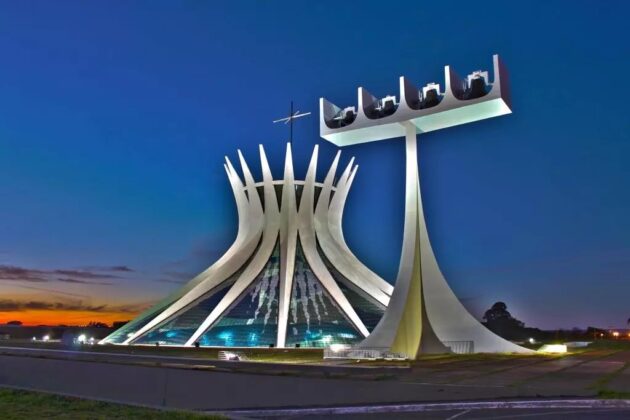
Catedral Metropolitana: Niemeyer’s crown-like hyperboloid cathedral with stained-glass interiors and angel sculptures. Free entry; serene and photogenic.
Congresso Nacional: Tour the legislative building (free guided tours, book online) for panoramic views from the dome.
Palácio do Planalto: Executive seat; Sunday tours (9am-2pm, free, reserve ahead) include interiors and changing of the guard.
Juscelino Kubitschek (JK) Bridge: Iconic arched bridge over Lago Paranoá; stunning at sunset. Drive or cycle across.
Memorial JK: Tribute to the city’s founder with his tomb, photos, and exhibits on Brasília’s creation.
Palácio da Alvorada: Presidential residence; weekend tours showcase modernist elegance.
Parque da Cidade Sarah Kubitschek: Largest urban park in South America—picnic, bike, or jog amid greenery.
Torre de TV de Brasília: 75m tower for 360° city views (free elevator).
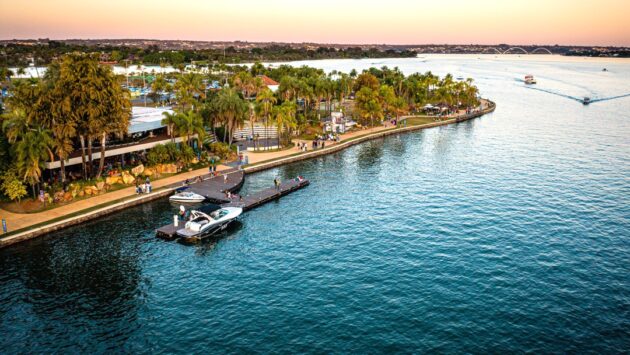
Lago Paranoá: Relax on beaches, sail, or dine lakeside. Day trips to nearby waterfalls like Itiquira.
Bonus: Explore superblocks (residential areas) for Niemeyer’s residential designs.
Where to Stay
Asa Sul/Asa Norte: Central, safe, near monuments. Budget: Hostels like Joy Hostel (~R$50/night). Mid-range: Naoum Plaza (~R$300). Luxury: Royal Tulip Brasília Alvorada (~R$600, lake views).
Setor Hoteleiro Norte/Sul: Hotel zone with options from Ibis (~R$200) to Meliá (~R$400).
Book near Eixo Monumental for walkability.
Where to Eat
Brasília’s cuisine blends Brazilian staples with international flair.
Try Local: Pamonha, pequi chicken, or feijoada at spots like Fogo de Chão (churrasco).
Lakeside Dining: Pontão do Lago Sul for upscale seafood and views.
Street Food: Feira da Torre for regional specialties.
Veggie/Modern: Mangai for buffets or vegetarian spots in Asa Sul.
Tips for a Great Experience
Tours: Book government building visits online (free but required). Join architecture-focused walking tours.
Essentials: Sunscreen, hat (sunny year-round), comfortable shoes for vast plazas. Download offline maps.
Sustainability: Use public transport; Brasília emphasizes green spaces.
Combine Trips: Add Chapada dos Veadeiros (3.5-hour drive) for waterfalls.
Brasília offers a cerebral escape from Brazil’s beaches—embrace its utopian vision for an unforgettable trip!