
A Comprehensive Travel Guide to Argentina (2026)
Argentina, the eighth-largest country in the world, is a land of staggering diversity—from the vibrant streets of Buenos Aires to the thunderous Iguazú Falls, the majestic glaciers of Patagonia, and the world-class vineyards of Mendoza. Known for its passionate tango, succulent steaks, fine wines, and dramatic landscapes spanning from subtropical jungles to Antarctic frontiers, Argentina offers something for every traveler. Whether you’re seeking cultural immersion, adventure, or relaxation, this guide will help you plan an unforgettable trip.
Why Visit Argentina?
Argentina blends European elegance with South American flair. Buenos Aires pulses with tango and history, Patagonia awe-inspires with its rugged wilderness, and the country’s wine regions rival the best in the world. It’s a destination for foodies (think asado barbecues and Malbec), nature lovers, and culture enthusiasts alike.
How to Get There
Most international flights arrive at Buenos Aires’ Ezeiza International Airport (EZE). Direct flights are available from major hubs like New York, Miami, London, Madrid, and São Paulo. Domestic flights via Aerolíneas Argentinas or low-cost carriers connect to regions like Patagonia, Iguazú, and Mendoza.
Best Time to Visit
Argentina’s vast size means varied climates:
Spring (September–November) and Fall (March–May): Ideal overall—mild weather, fewer crowds, and blooming landscapes.
Summer (December–February): Perfect for Patagonia and the south (hiking, glaciers); hot and humid in Buenos Aires and the north.
Winter (June–August): Great for skiing in Bariloche or Mendoza; cooler in the north.
Avoid peak holiday weeks (Christmas/Easter) for lower prices and fewer crowds.
Visa Requirements
Citizens of the US, Canada, UK, EU, Australia, New Zealand, and many others can enter visa-free for up to 90 days for tourism. A valid passport (at least 6 months validity) is required. Proof of onward travel and sufficient funds may be requested. Check official sources for updates, as requirements can change.
Top Destinations and Attractions
Buenos Aires
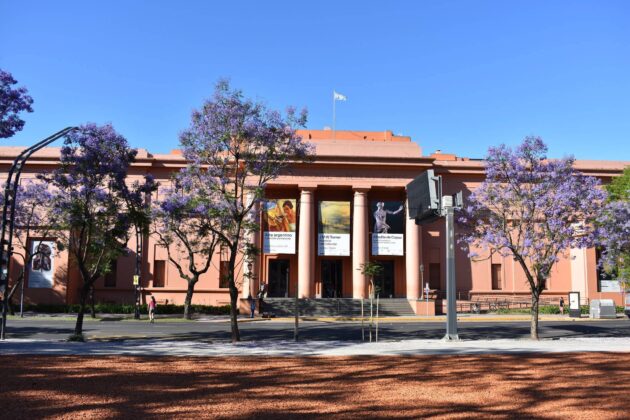
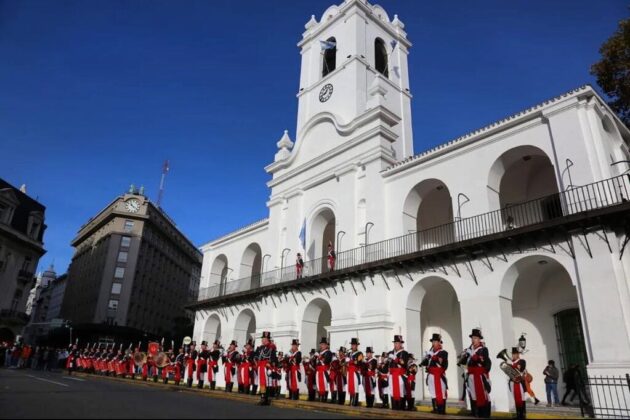
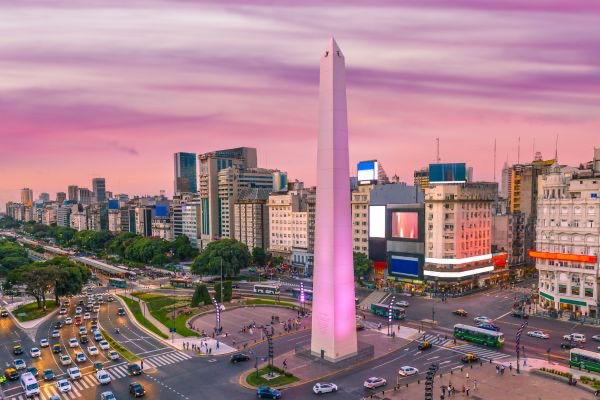
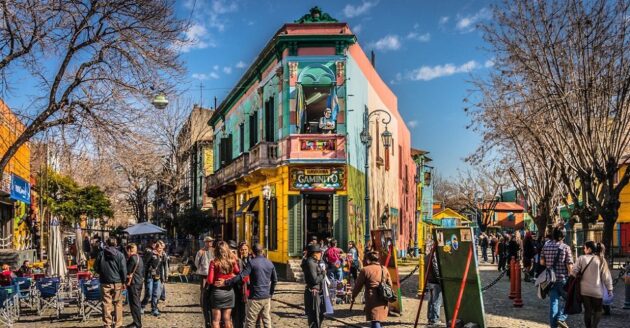
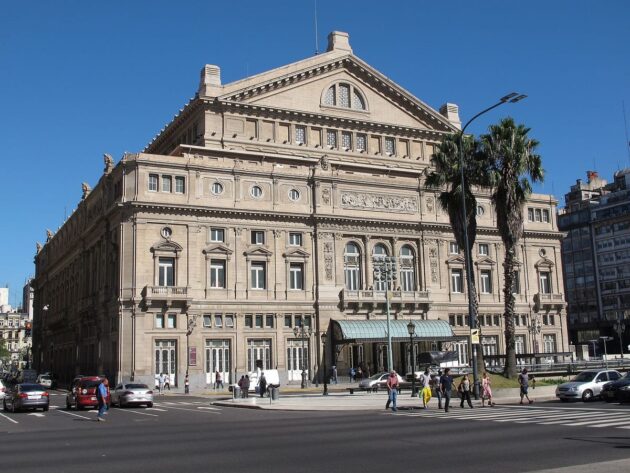
Buenos Aires, often called the “Paris of South America,” is a vibrant metropolis blending European elegance with Latin passion. From grand boulevards and historic architecture to world-class steak, tango, and a thriving arts scene, this city offers an unforgettable mix of culture, cuisine, and nightlife.



Iguazú Falls
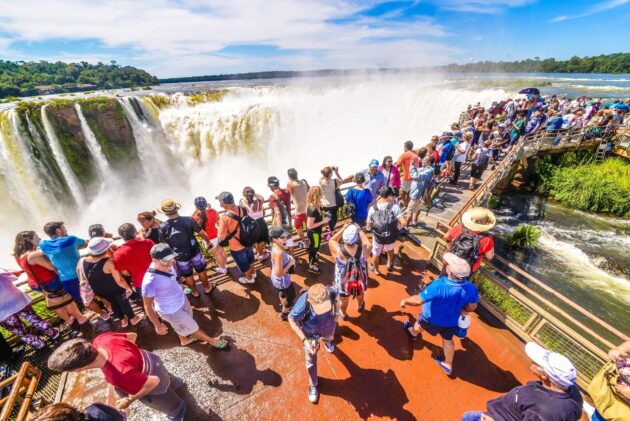
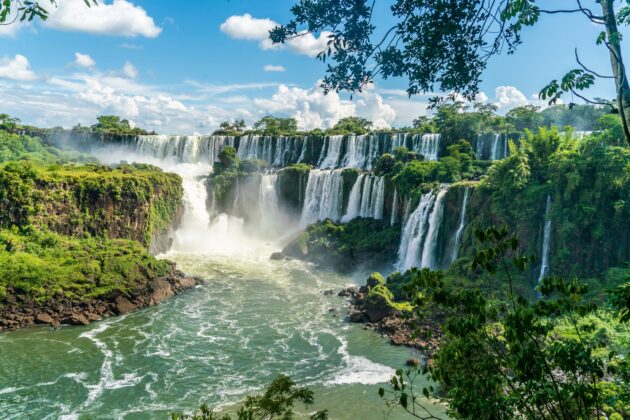
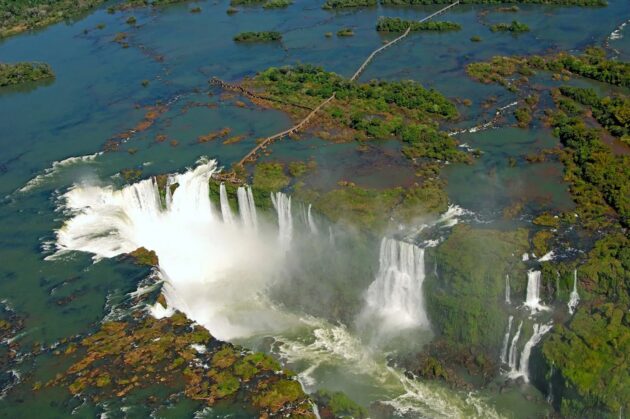
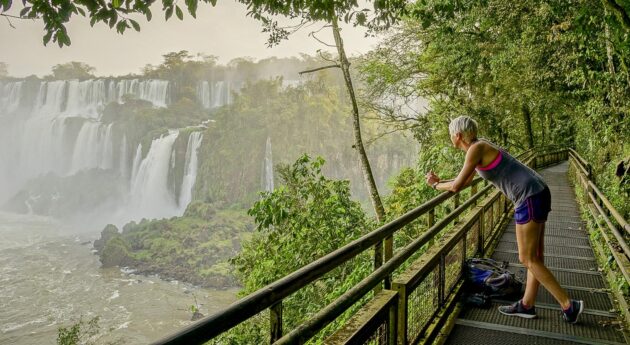
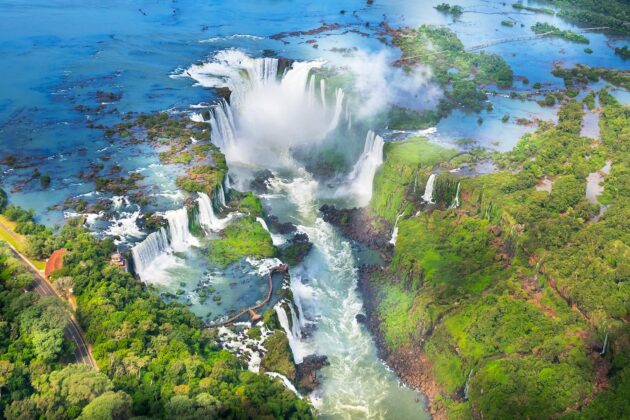
Iguazu Falls (Cataratas del Iguazú) is one of the world’s most spectacular natural wonders, a UNESCO World Heritage Site straddling the border between Argentina and Brazil. The Argentine side offers an immersive, up-close experience with over 80% of the 275 waterfalls, including the iconic Devil’s Throat (Garganta del Diablo). Surrounded by lush subtropical rainforest teeming with wildlife like coatis, toucans, and butterflies, it’s a must-visit for nature lovers.
Ushuaia
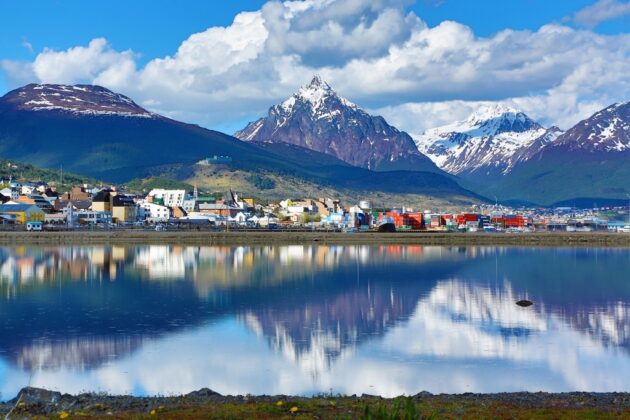
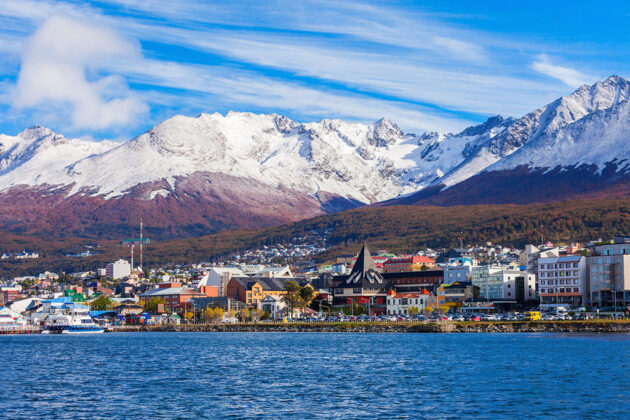
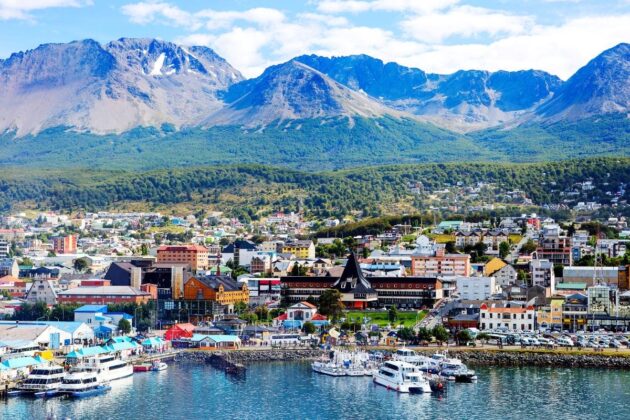
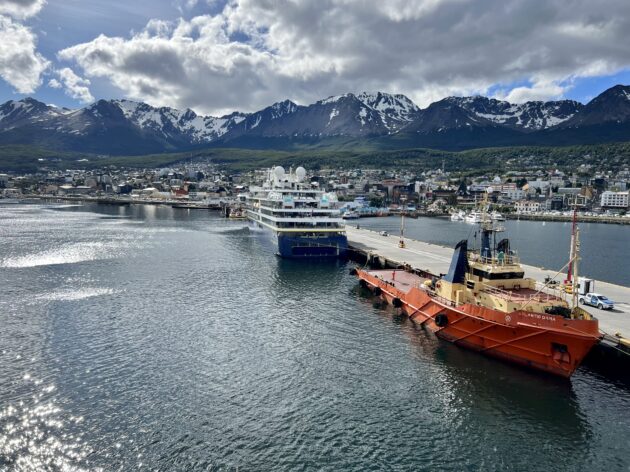
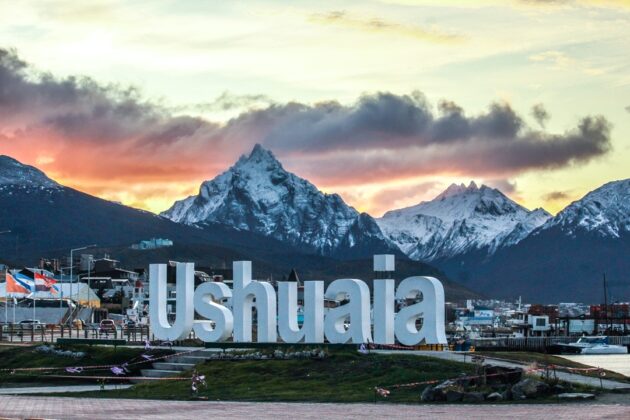
Ushuaia, proudly known as the “End of the World” or “Fin del Mundo,” is the southernmost city on Earth, nestled on the shores of the Beagle Channel in Tierra del Fuego, Argentina. Surrounded by dramatic mountains, glaciers, and pristine wilderness, it’s a gateway to Patagonia’s raw beauty and the primary departure point for Antarctica cruises.
Tierra del Fuego National Park
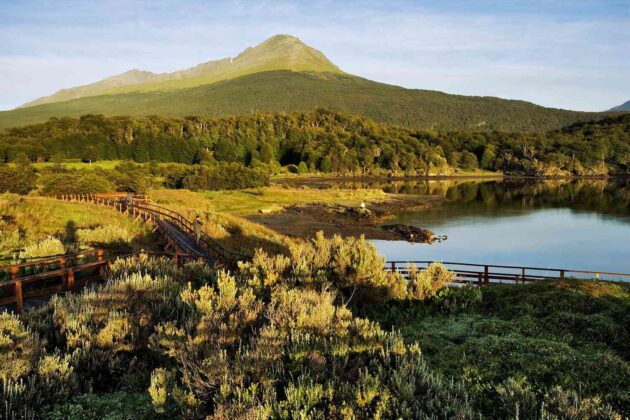
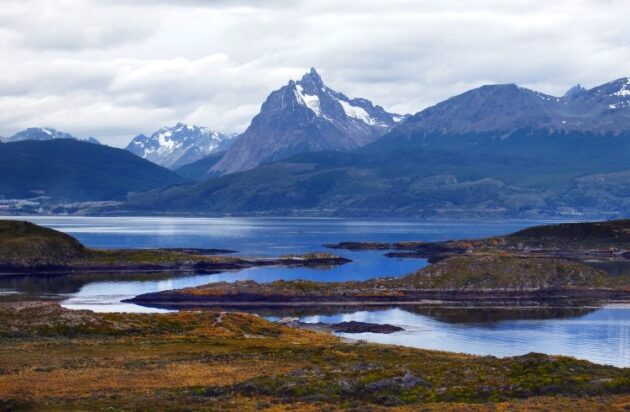
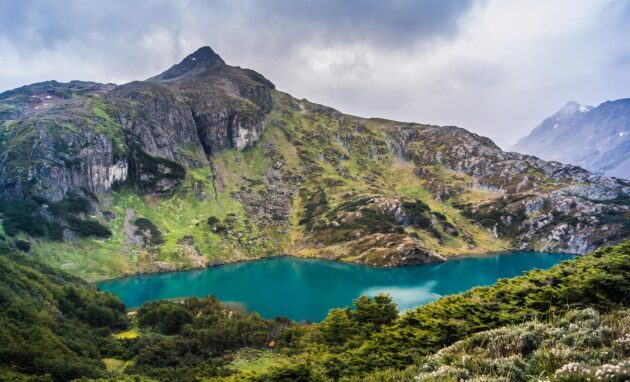
Tierra del Fuego National Park (Parque Nacional Tierra del Fuego) is Argentina’s southernmost national park and one of the world’s most remote natural wonders. Located just west of Ushuaia—the “End of the World” city—it protects over 63,000 hectares of subantarctic forests, rugged mountains, glacial lakes, peat bogs, and dramatic coastline along the Beagle Channel.
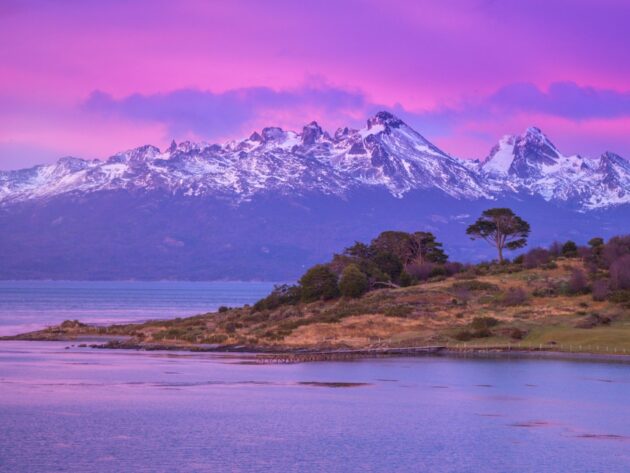
Los Glaciares National Park
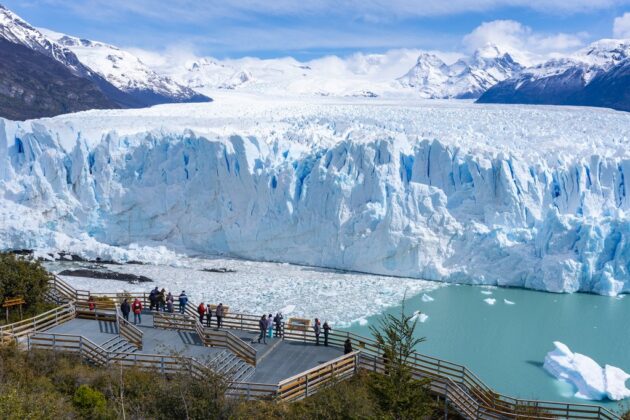
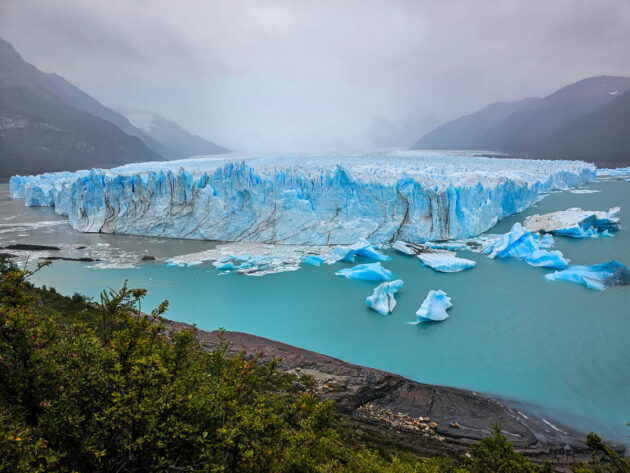
Los Glaciares National Park, a UNESCO World Heritage Site in Argentine Patagonia, is one of the world’s most spectacular natural wonders. Spanning over 7,000 square kilometers, it’s Argentina’s largest national park and home to 47 massive glaciers fed by the Southern Patagonian Ice Field—the third-largest ice cap on the planet after Antarctica and Greenland.
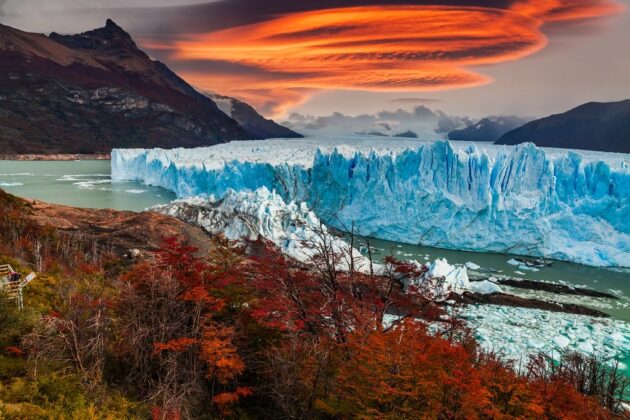
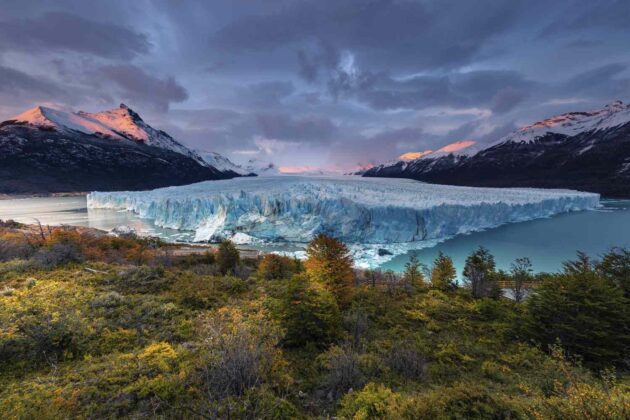
El Chaltén
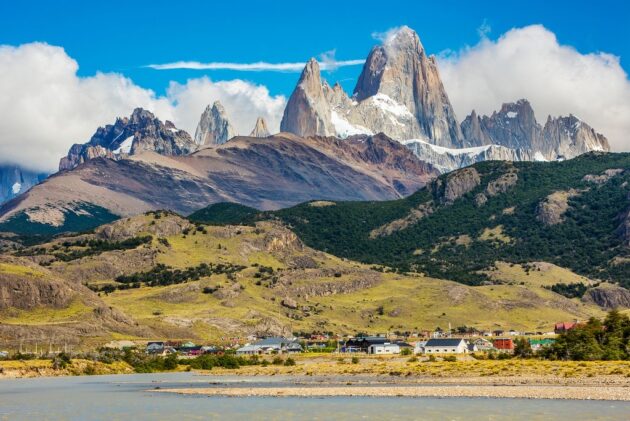
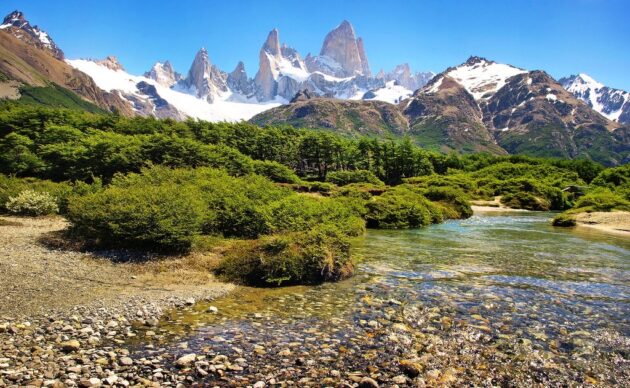
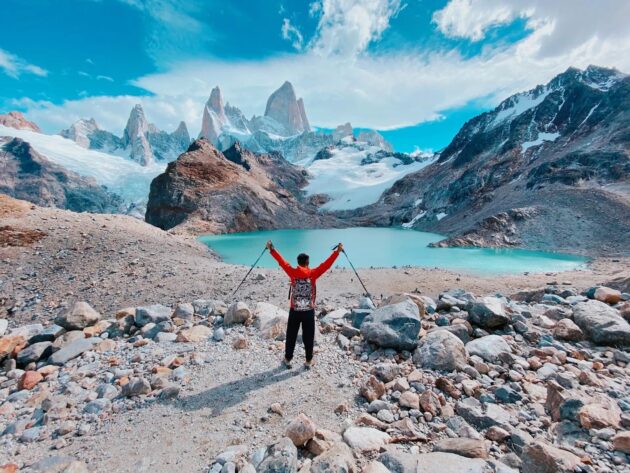
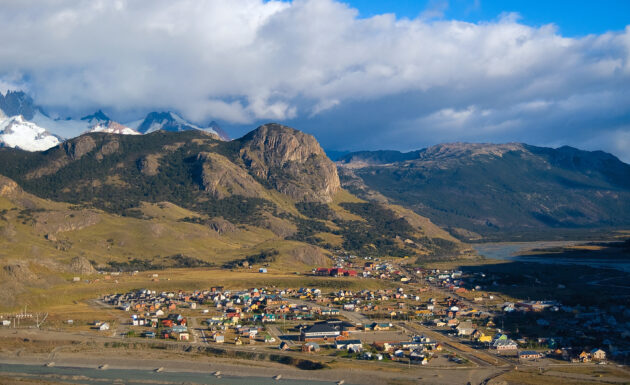
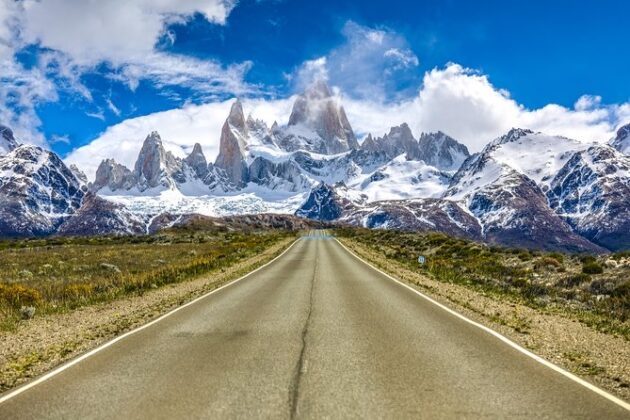
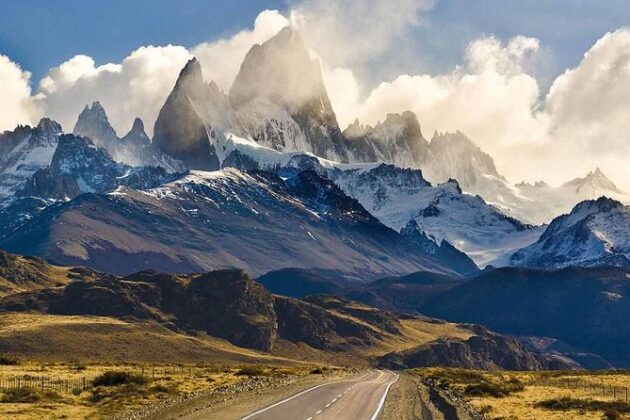
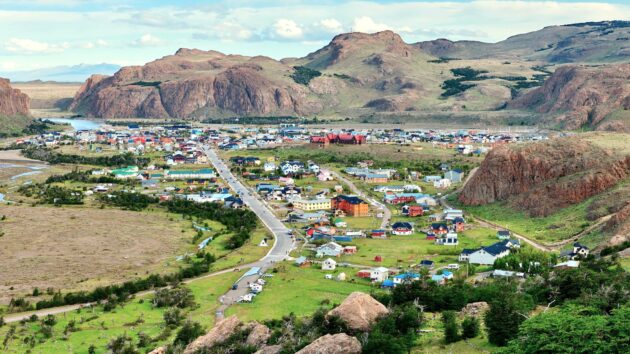
El Chaltén, nestled in the heart of Los Glaciares National Park in Argentine Patagonia, is hailed as the “Trekking Capital of Argentina.” This small mountain village offers unparalleled access to dramatic granite peaks like Mount Fitz Roy and Cerro Torre, glacial lagoons, and pristine wilderness. Founded in 1985, it retains a rustic, frontier charm with unpaved roads and a focus on eco-tourism.
Bariloche
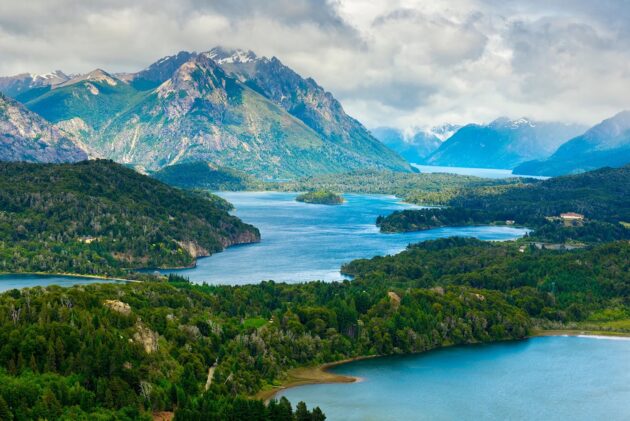
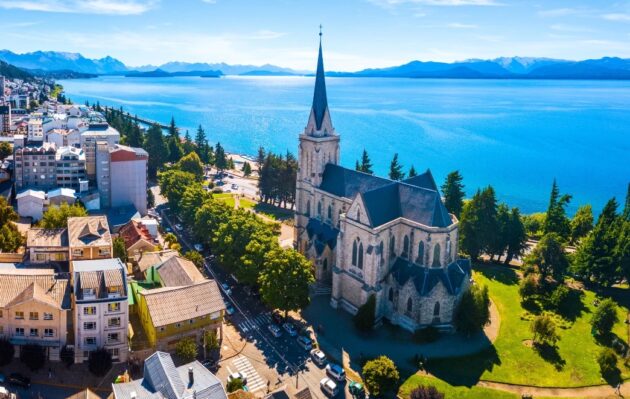
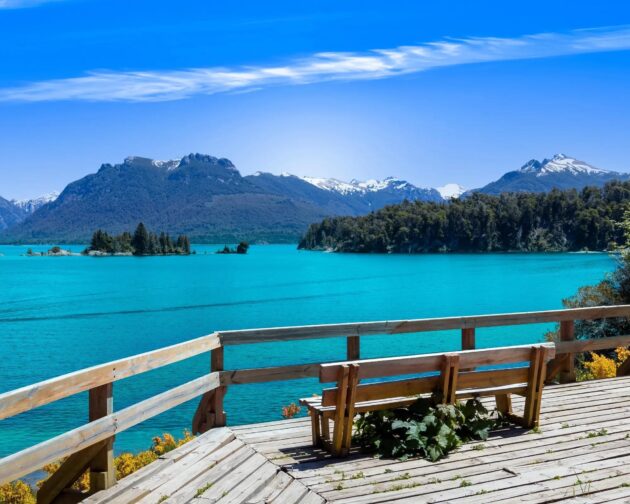
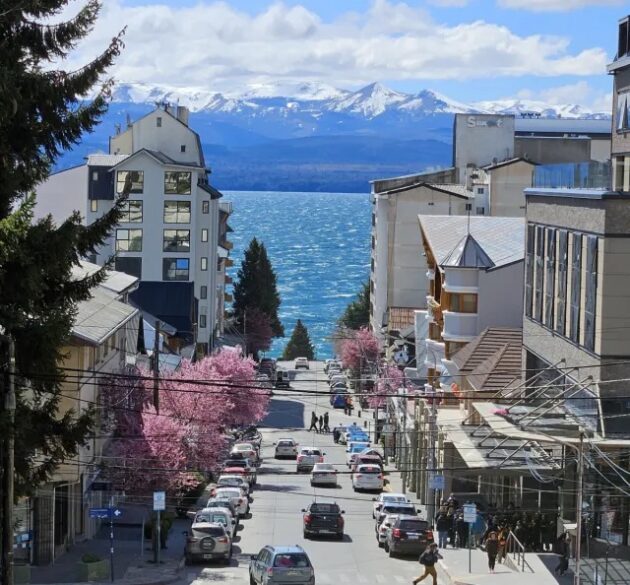
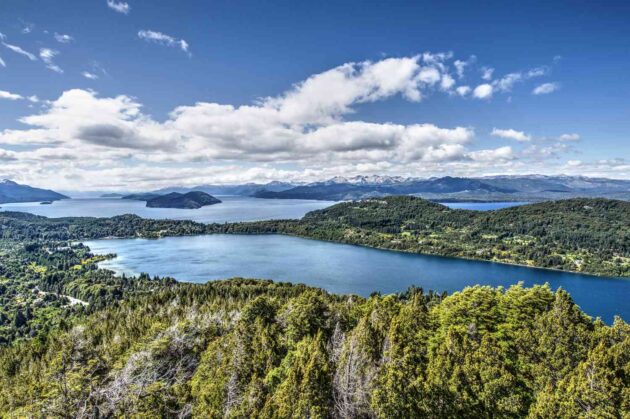
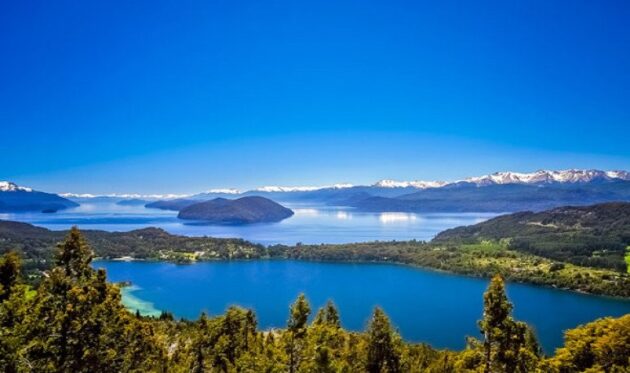
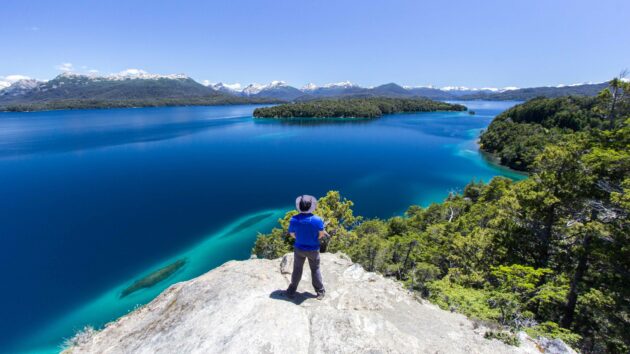
San Carlos de Bariloche, often simply called Bariloche, is a stunning alpine city in Argentina’s Lake District, nestled in northern Patagonia along the shores of Nahuel Huapi Lake. Dubbed the “Switzerland of South America,” it boasts dramatic Andean mountains, crystal-clear lakes, dense forests, and a charming town center with Swiss-inspired architecture.
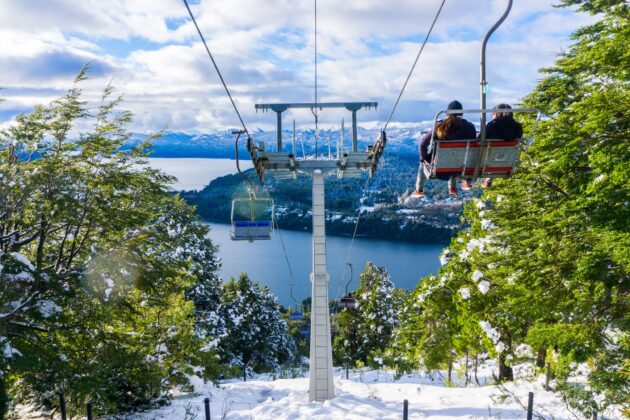
Parque Nacional Nahuel Huapi
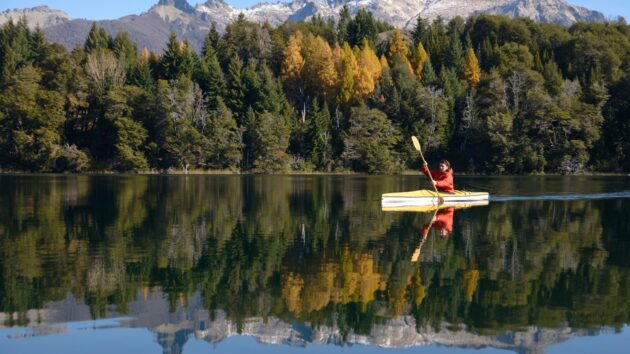
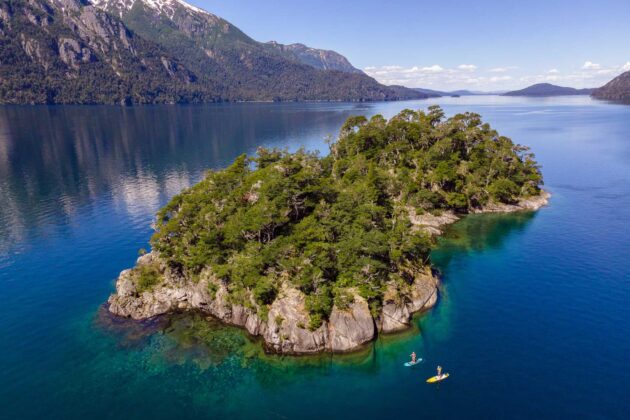
Parque Nacional Nahuel Huapi, established in 1934 as Argentina’s oldest national park, is a stunning expanse of Patagonian wilderness covering over 7,000 square kilometers in the provinces of Río Negro and Neuquén. Centered around the massive, glacier-carved Lake Nahuel Huapi, the park features Andean peaks, ancient forests, crystal-clear rivers, and diverse wildlife, including pumas and condors.
Currency, Costs, and Money Tips
The currency is the Argentine Peso (ARS). Due to inflation, use foreign cards for the favorable “MEP” rate or bring USD to exchange at “blue dollar” spots (reputable only). ATMs are widespread but fees apply. Argentina can be affordable for foreigners—budget $50–100/day mid-range.
Safety Tips
Argentina is generally safe for tourists, especially outside big cities. Exercise caution in Buenos Aires (petty theft common—use rideshares like Uber, avoid flashing valuables). Patagonia and rural areas are very safe. Follow standard precautions: don’t walk alone at night, use hotel safes.
Practical Tips
Language: Spanish; English common in tourist areas.
Food: Try asado, empanadas, and dulce de leche. Vegetarians have options but meat dominates.
Transport: Domestic flights essential; long-distance buses comfortable.
Health: Travel insurance required (min. $20,000 coverage as of 2025). Tap water safe in cities; vaccinations routine.
Packing: Layers for variable weather; sunscreen essential.
Argentina’s magic lies in its contrasts—urban energy meets raw nature. With thoughtful planning, your trip will be filled with passion, beauty, and unforgettable moments. ¡Buen viaje!