
A Travel Guide to Pittsburgh
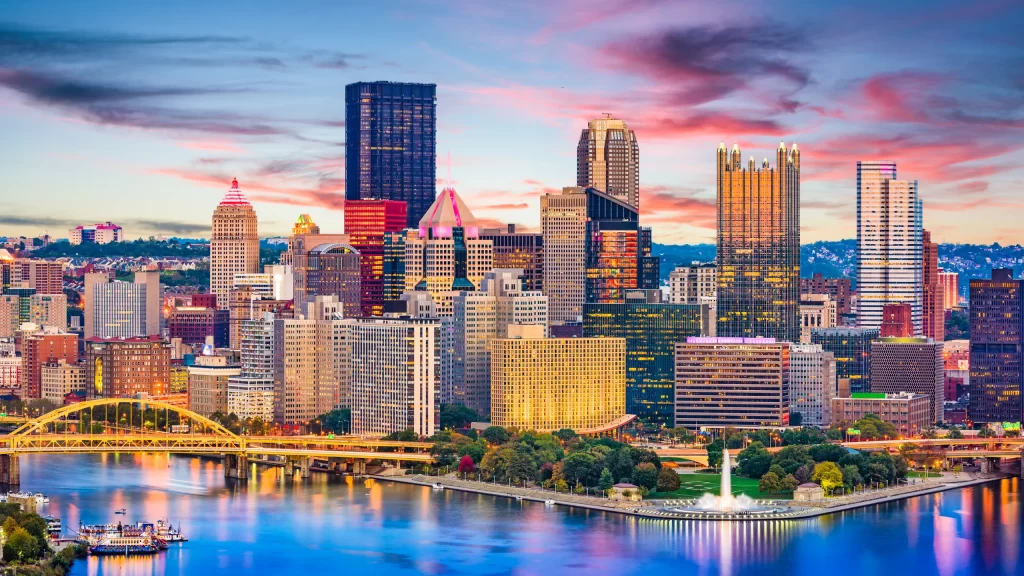
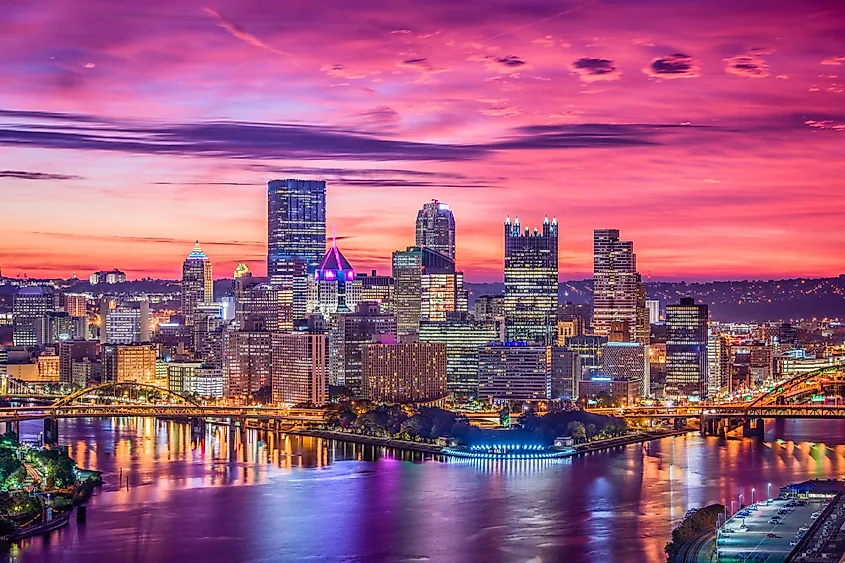
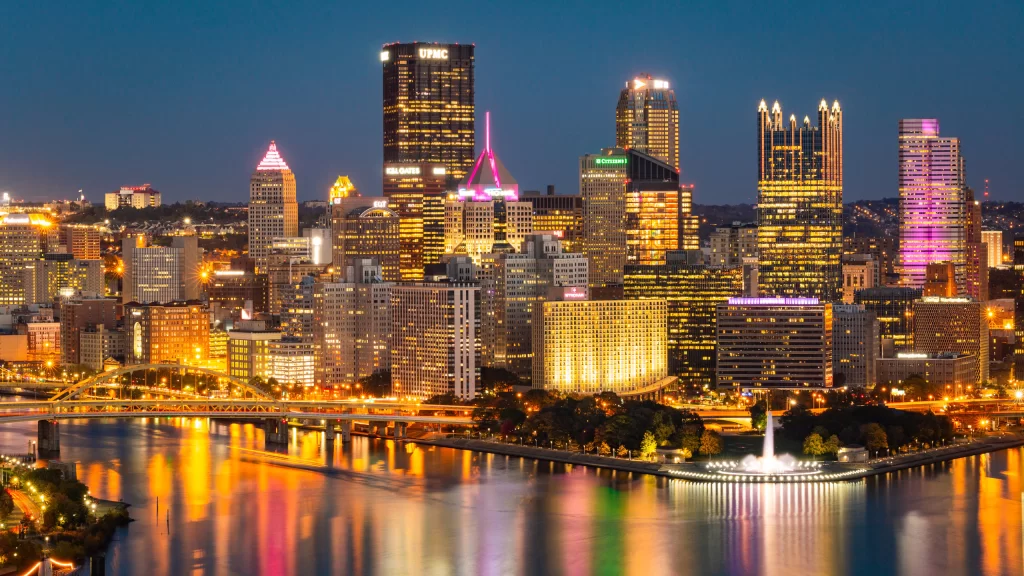
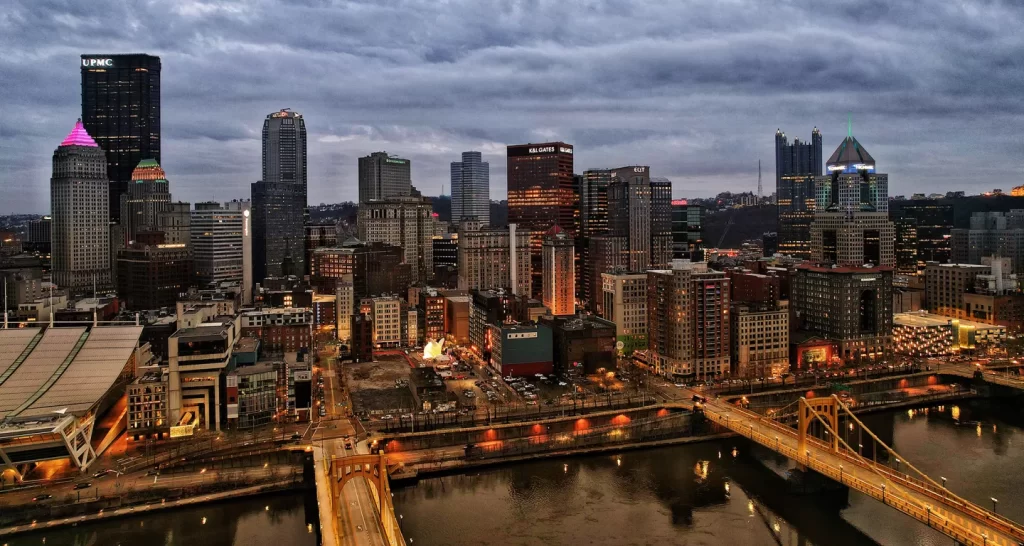
Pittsburgh, often called the “Steel City” or “City of Bridges,” is a vibrant destination in southwestern Pennsylvania, known for its rich industrial history, stunning skyline, and cultural diversity. Situated at the confluence of the Allegheny, Monongahela, and Ohio rivers, Pittsburgh boasts 446 bridges, unique neighborhoods, world-class museums, and a thriving food scene. Whether you’re a history buff, sports fan, or nature lover, this guide will help you plan an unforgettable trip to Pittsburgh in 2025.
Why Visit Pittsburgh?
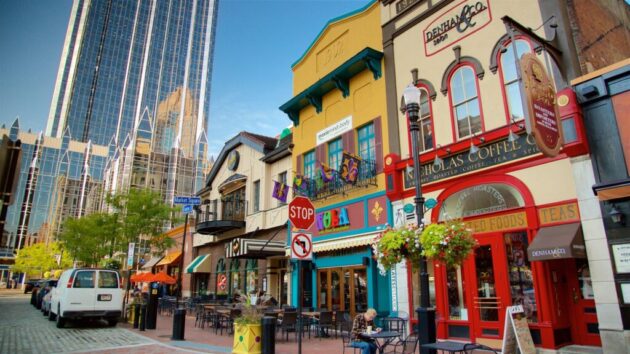
Pittsburgh combines old-world charm with modern innovation. Once the heart of America’s steel industry, it has reinvented itself as a hub for technology, education, and culture. Highlights include breathtaking views from Mount Washington, iconic sports venues like PNC Park, and cultural gems like the Andy Warhol Museum. With 90 distinct neighborhoods, a walkable downtown, and festivals celebrating everything from craft beer to soul food, Pittsburgh offers something for every traveler. Its affordability and welcoming vibe make it a standout destination.
How to Get There
By Air: Pittsburgh International Airport (PIT) serves domestic and limited international flights (e.g., Toronto, Cancun). It’s 20 miles from downtown, about a 25-minute drive. Ground transportation includes the 28X Airport Flyer bus (¥2.75, 40 minutes to downtown), taxis (¥40–50), or ride-hailing apps like Uber (¥30–45).
By Train: Amtrak’s Pennsylvanian connects Pittsburgh to New York City via Philadelphia, and the Capitol Limited links to Chicago and Washington, D.C. The Union Station is centrally located with free Wi-Fi and nearby amenities. Fares from New York start at ¥60; book early for deals.
By Car: Pittsburgh is accessible via I-76 (Pennsylvania Turnpike) from the east/west or I-79 from the north/south. Expect a 5-hour drive from New York City or 3 hours from Cleveland. Parking downtown can be pricey (¥10–20/day), so consider public transit.
Getting Around: Pittsburgh’s roads are famously tricky due to its hilly terrain and river layout, so GPS is recommended. The T light rail is free between downtown and North Shore, ideal for sports venues or museums. Buses and the ConnectCard system (¥2.50/ride) cover most areas. Walking is best in downtown’s Golden Triangle, and bike rentals are available via Pogoh (¥3–5/hour).
Best Time to Visit
Spring (March–May): Mild weather (50–70°F) and blooming parks like Schenley make it ideal for outdoor exploration. Summer (June–August): Warm (70–85°F) and lively with festivals like Little Italy Days in Bloomfield or the Soul Food Festival in August.
Fall (September–November): Stunning foliage and pleasant temperatures (50–70°F). Peak season brings Christmas markets in November. Winter (December–February): Budget-friendly with fewer crowds, but cold (20–40°F). Ice skating at PPG Place is a highlight.
Tip: For the best deals, visit in winter, but spring or fall offers the best balance of weather and activities. Avoid major holidays like Labor Day for fewer crowds.
Top Attractions
Cathedral of Learning
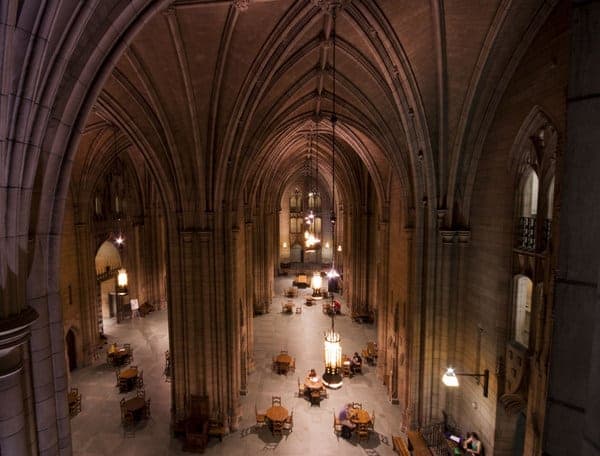
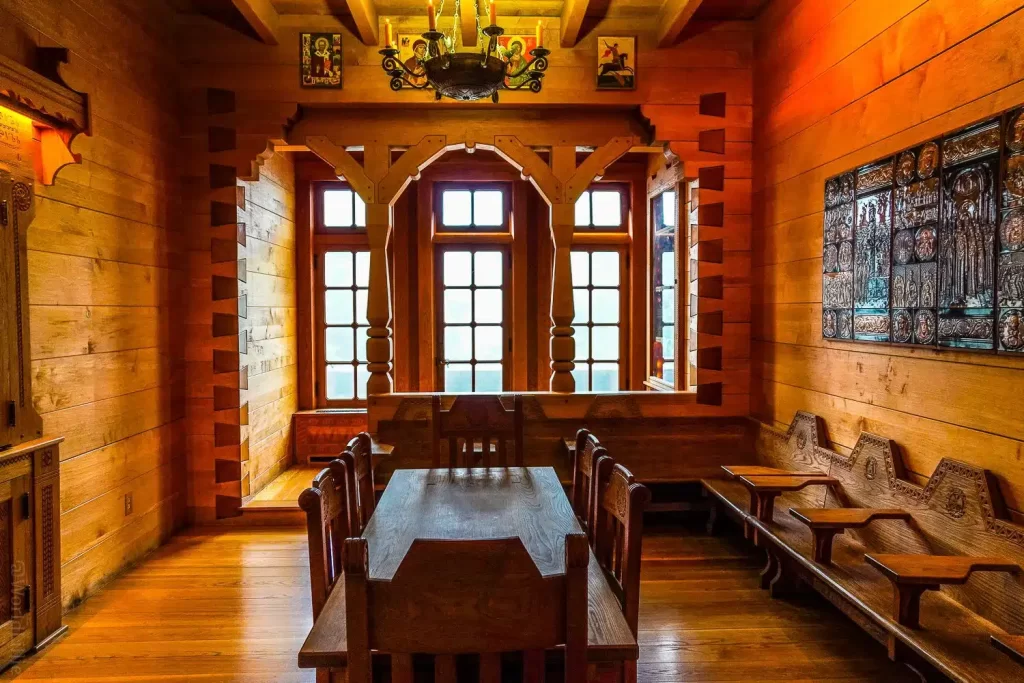
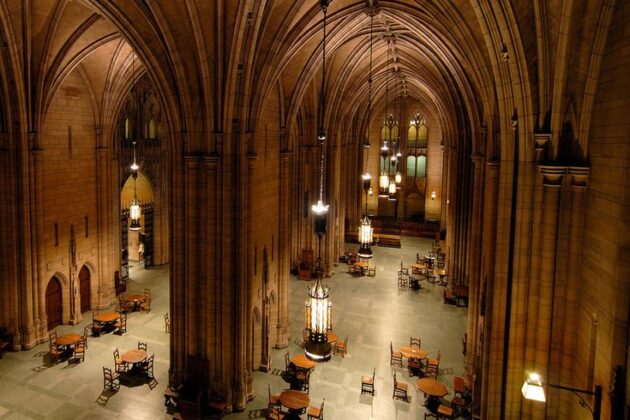
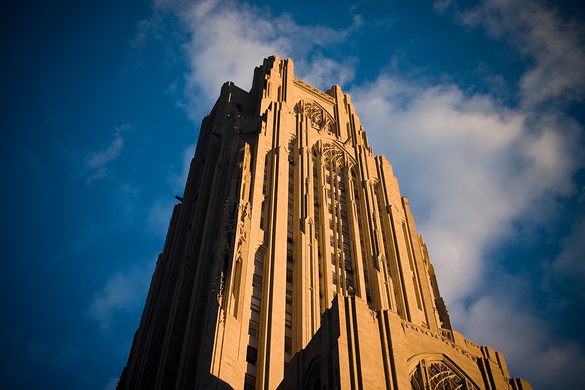
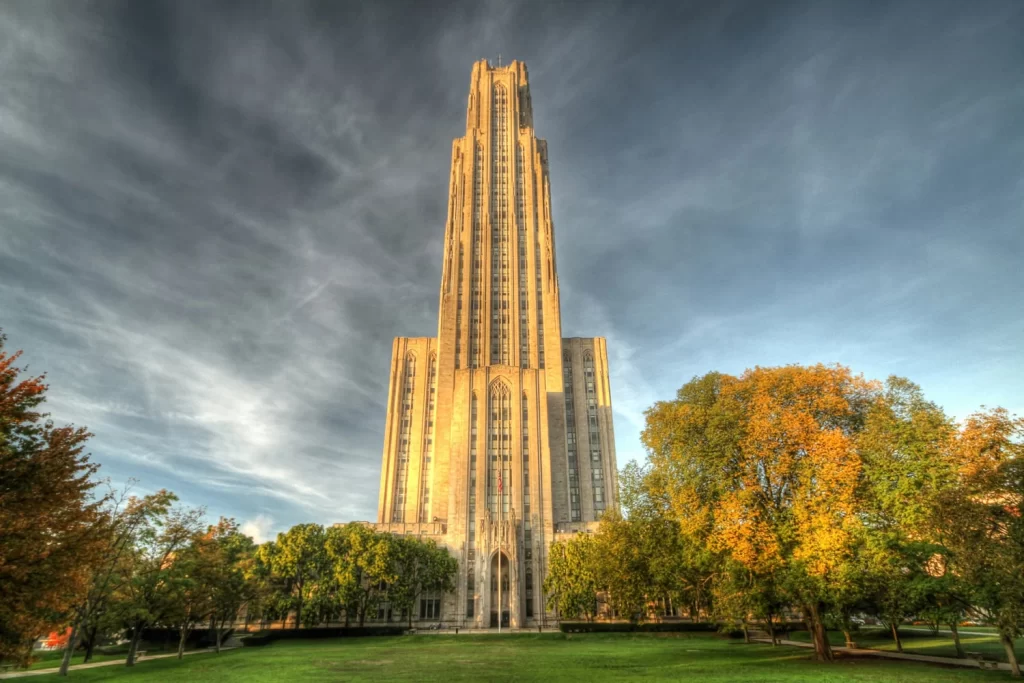
The Cathedral of Learning, a 42-story Gothic Revival skyscraper, stands as the centerpiece of the University of Pittsburgh’s campus in the vibrant Oakland neighborhood. At 535 feet, it’s the tallest educational building in the Western Hemisphere and a National Historic Landmark. Known locally as “Cathy,” this architectural marvel houses classrooms, offices, and the world-renowned Nationality Rooms, each reflecting a different culture’s heritage.
Carnegie Museum of Natural History
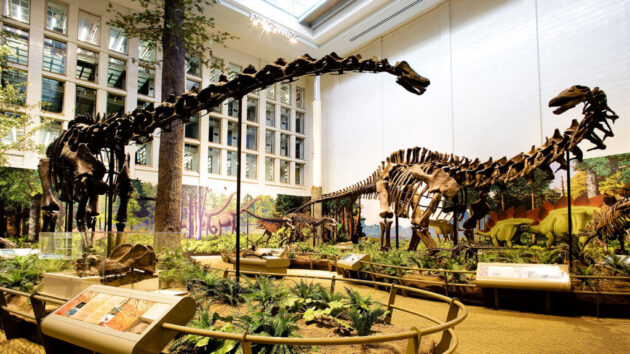
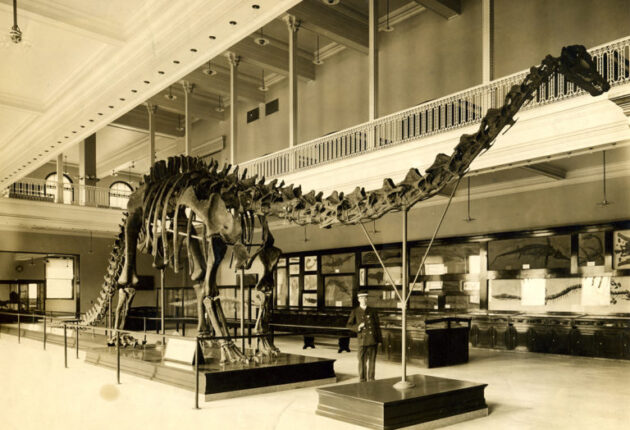
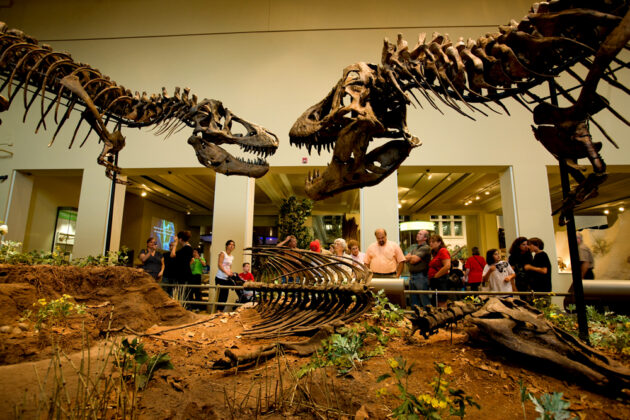
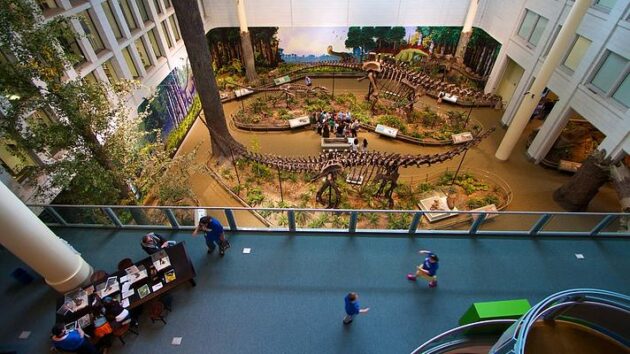
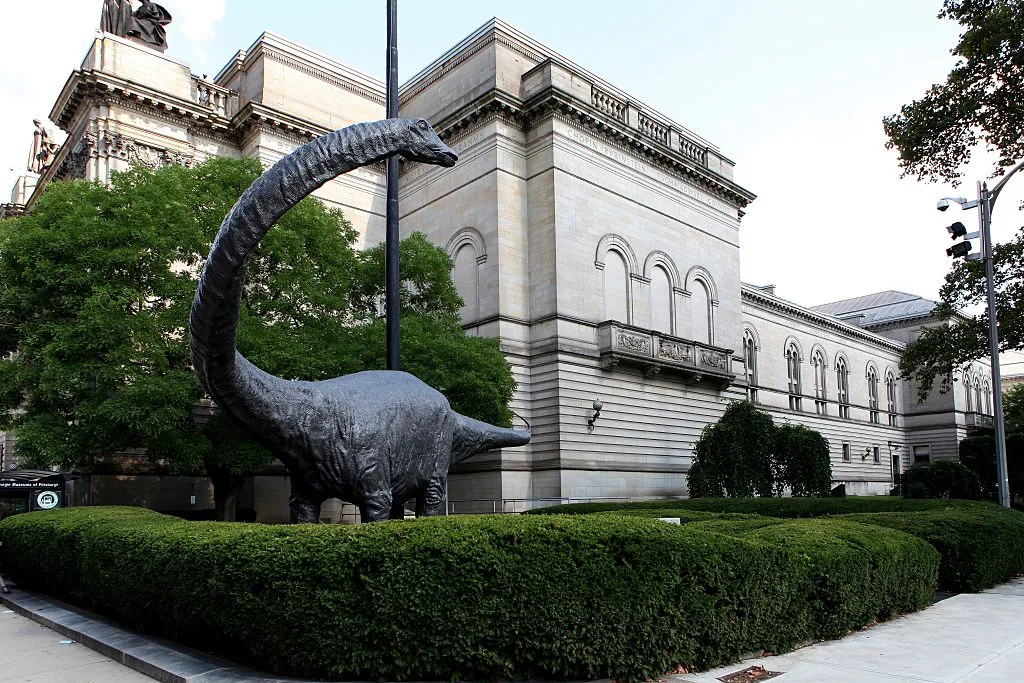
The Carnegie Museum of Natural History, located in Pittsburgh’s vibrant Oakland neighborhood, is one of the premier natural history museums in the United States. Founded in 1896 by industrialist Andrew Carnegie, it houses over 22 million specimens, including one of the world’s most extensive dinosaur fossil collections. With engaging exhibits, hands-on activities, and a blend of science and history, it’s a must-visit for families, science enthusiasts, and curious travelers.
Phipps Conservatory and Botanical Gardens
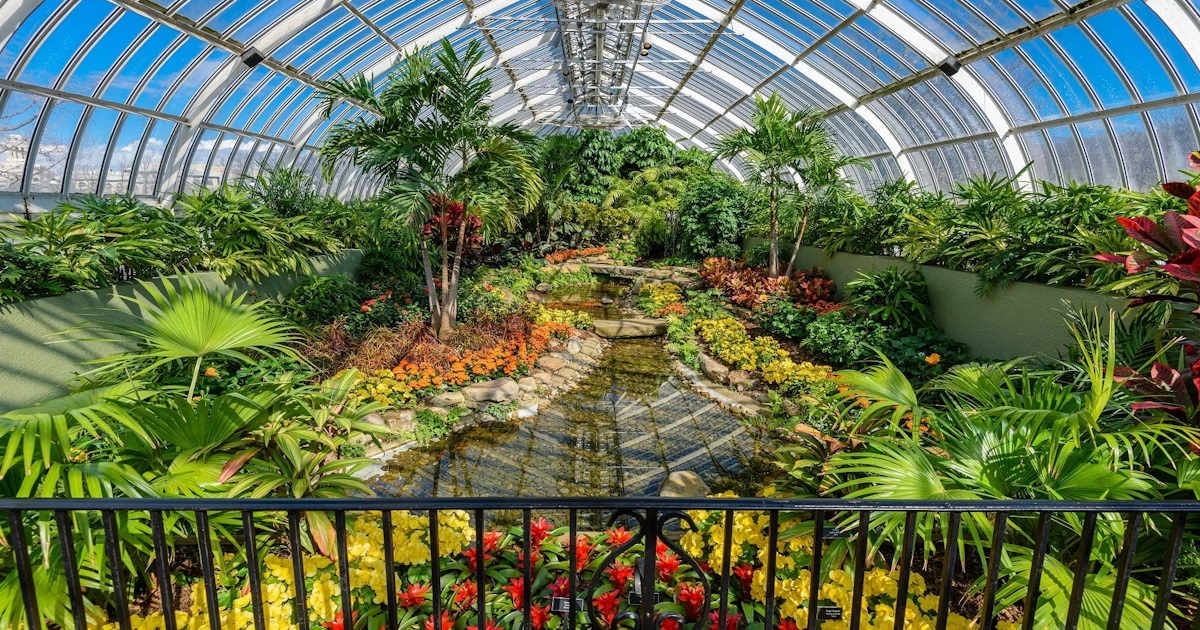
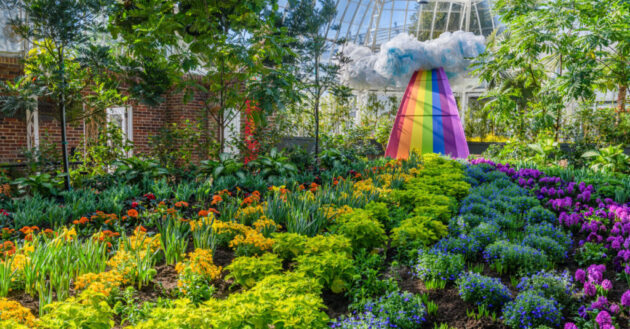
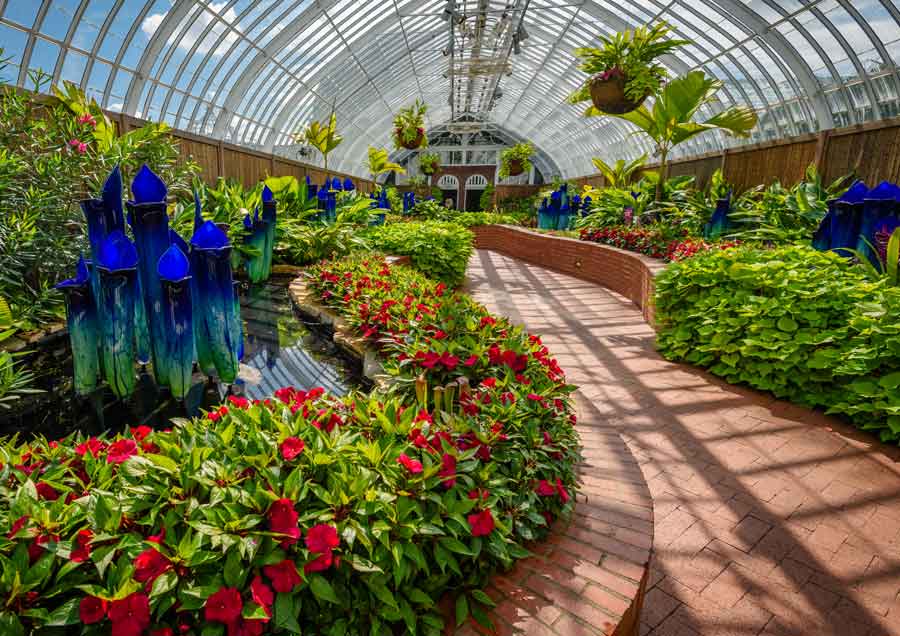
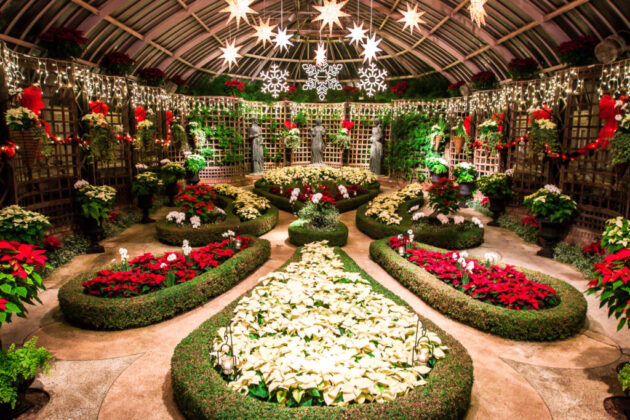
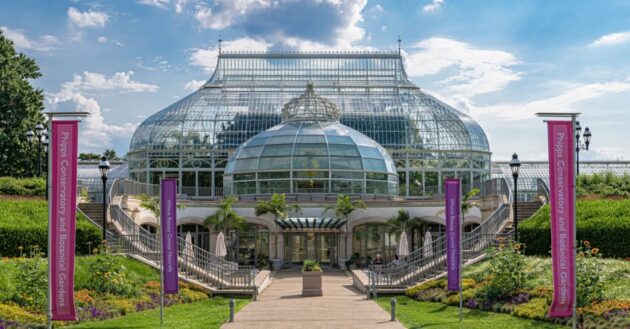
Nestled in the heart of Pittsburgh’s vibrant Oakland neighborhood, Phipps Conservatory and Botanical Gardens is a stunning 15-acre oasis that combines breathtaking floral displays, sustainable architecture, and rich history. Established in 1893, this historic landmark, often dubbed Pittsburgh’s “crystal palace,” is renowned for its 14-room Victorian glasshouse, 23 distinct gardens, and world-class seasonal exhibits.
Point State Park
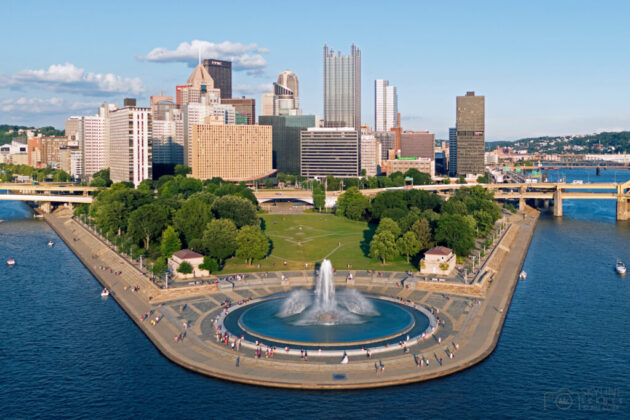
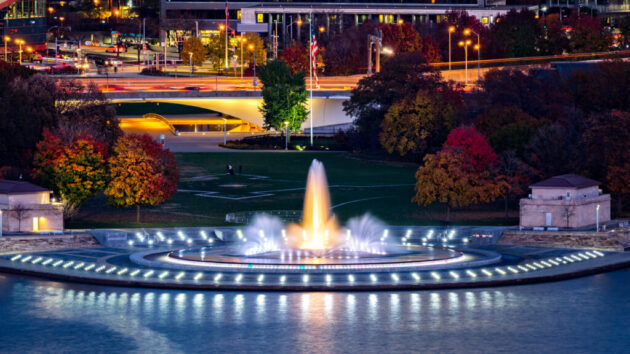
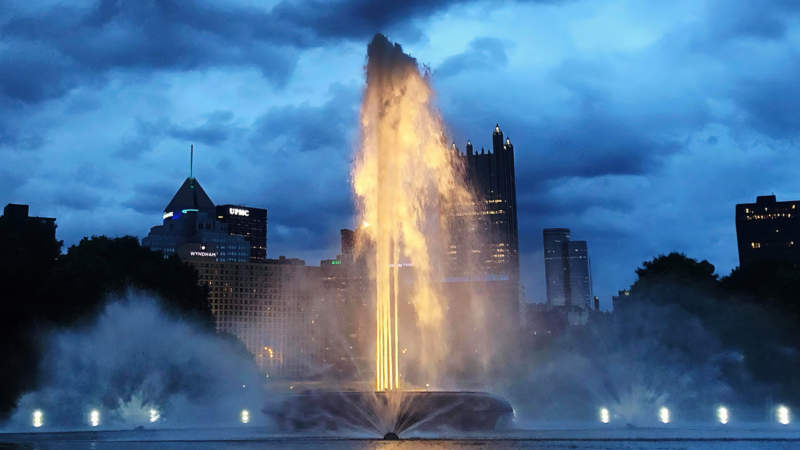
Point State Park is a 36-acre urban state park located at the tip of Pittsburgh’s Golden Triangle, situated at the confluence of the Allegheny and Monongahela rivers, which form the Ohio River. This National Historic Landmark commemorates and preserves the area’s strategic significance during the French and Indian War, featuring the outlines and remnants of historic Fort Pitt and Fort Duquesne.
Duquesne Incline
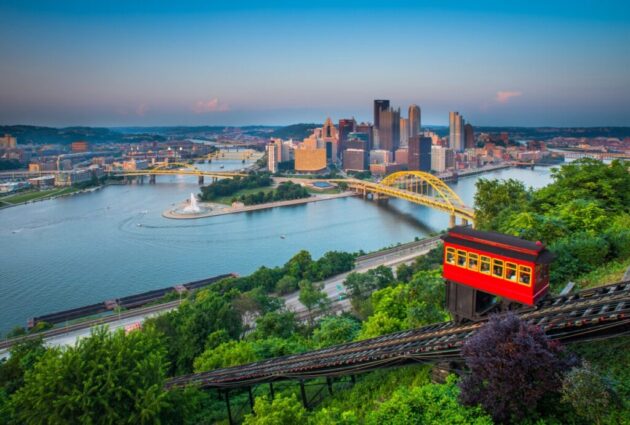
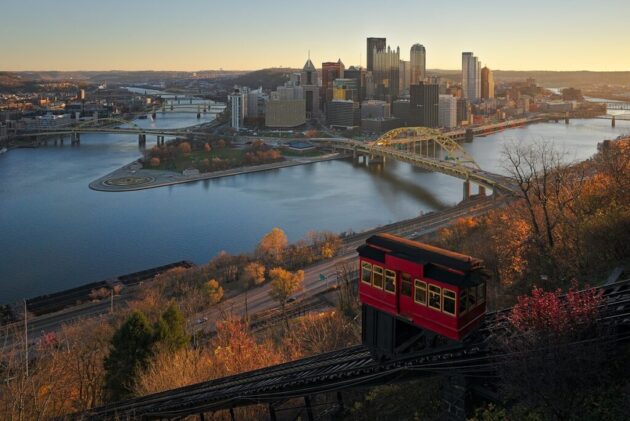
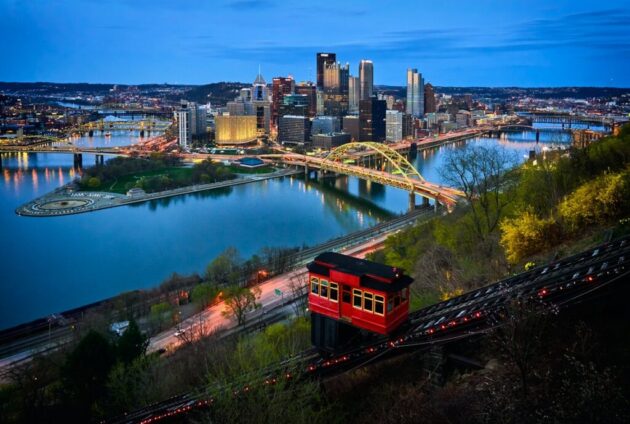
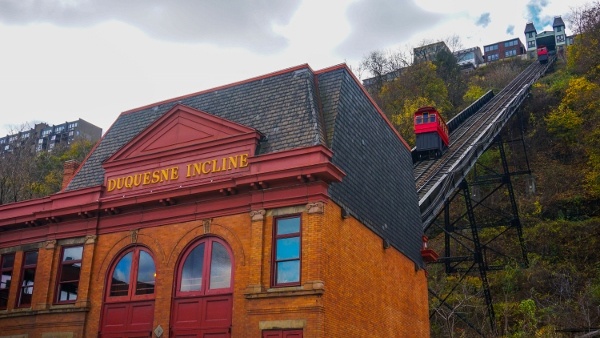
The Duquesne Incline is a historic funicular railway in Pittsburgh, Pennsylvania. Originally built in 1877 to transport cargo and workers up Mount Washington, it now serves as a popular tourist attraction. It offers breathtaking, iconic views of Pittsburgh’s skyline and its three rivers from the top observation deck.
The Strip District
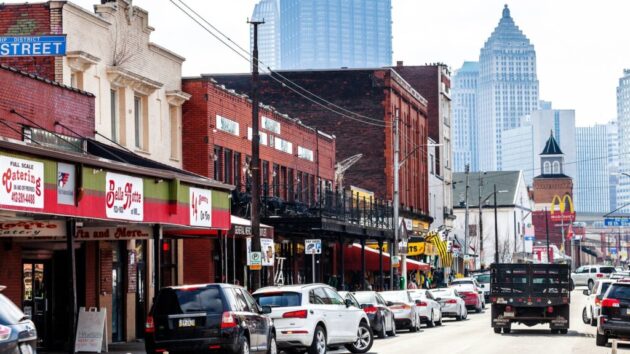
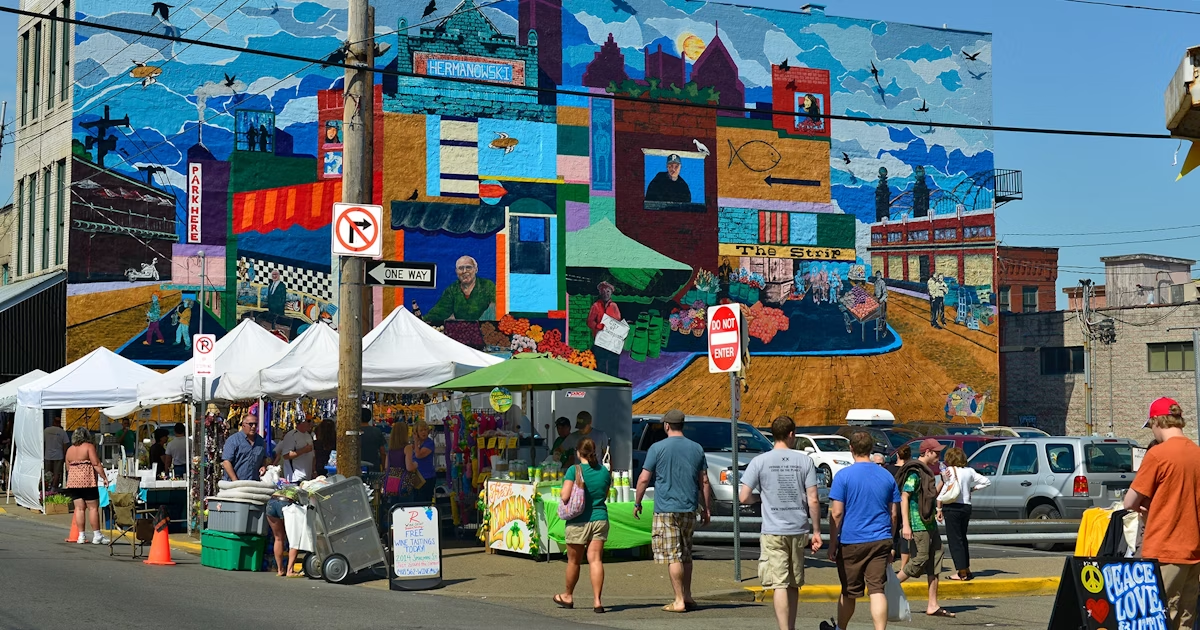
The Strip District in Pittsburgh, Pennsylvania, is a vibrant and historic neighborhood renowned for its bustling marketplace atmosphere. Once an industrial hub filled with factories and mills, it has transformed into a premier destination for food lovers and shoppers. Its streets are lined with an eclectic mix of wholesale vendors, specialty food shops, international grocers, antique dealers, and trendy restaurants. A lively mix of old-world charm and modern energy, it’s a place where locals and tourists alike flock on weekends to experience the authentic sights, sounds, and flavors of Pittsburgh.
Where to Eat
Pittsburgh’s culinary scene is diverse, from iconic sandwiches to upscale dining:
Primanti Bros. (Multiple Locations): Famous for sandwiches topped with fries and coleslaw. Try the “Pitts-Burgher” for ¥8–12. Pamela’s Diner (Strip District): A local favorite for crepe-style pancakes and breakfast. Meals: ¥10–15.
Pierogies Plus (McKees Rocks): Specializes in Eastern European pierogies, a Pittsburgh staple. Dishes: ¥5–10. Fish Nor Fowl (Highland Park): Upscale American with house-made pasta. Reservations recommended; entrees ¥20–35. Sly Fox Brewing Co. (Downtown): A craft brewery with hearty pub food. Meals: ¥12–20.
Tip: For a foodie adventure, visit during the Soul Food Festival in August or explore the Strip District’s markets.
Where to Stay
Downtown: William Penn Hotel (4-star): Historic with an elegant lobby, near the Cultural District. Rooms: ¥150–250/night. Renaissance Pittsburgh Hotel (4-star): Close to PNC Park with a classic vibe. Rooms: ¥130–200/night. EVEN Hotels Pittsburgh Downtown (3-star): Modern, budget-friendly, near Market Square. Rooms: ¥100–150/night.
Strip District: Hampton Inn & Suites: Offers free parking, a 20-minute walk to PNC Park. Rooms: ¥120–180/night. Oakland: Wyndham Pittsburgh University Center: Near Carnegie Museums, ideal for cultural travelers. Rooms: ¥100–160/night.
Budget Option: Hostels or Airbnbs in Shadyside or Lawrenceville: ¥50–100/night for basic accommodations.
Tip: Book via Booking.com or Expedia for deals, especially in winter for lower rates.
Tips for a Great Visit
Dress for the Weather: Pittsburgh’s weather varies widely—bring layers for spring/fall, warm gear for winter, and light clothing for summer. Plan for Traffic: Roads can be confusing; use GPS and allow extra time for parking.
Public Transit: The T and buses are reliable for downtown and North Shore. Get a ConnectCard for convenience. Combine Attractions: Pair a morning at the Carnegie Museums with an afternoon in Schenley Park, or visit North Shore museums and PNC Park in one day.
Check Event Calendars: Look for festivals or sports events on VisitPITTSBURGH.com to enhance your trip.
Final Thoughts
Pittsburgh is a city of surprises, blending its industrial past with a vibrant present. From riding the historic inclines to cheering at PNC Park, exploring quirky Randyland, or savoring a Primanti Bros. sandwich, there’s no shortage of experiences. Plan your visit around the seasons, embrace the city’s walkable charm, and discover why Pittsburgh is consistently ranked among America’s most livable cities. Whether you’re here for a weekend or a week, the Steel City will leave you with memories to cherish.
Happy travels!