
Easter Island Travel Guide (2026)
Easter Island, known locally as Rapa Nui, is one of the most remote inhabited places on Earth — a tiny volcanic island in the southeastern Pacific Ocean, over 2,200 miles (3,500 km) from mainland Chile. Famous worldwide for its enigmatic moai statues (massive stone figures carved by the ancient Rapa Nui people), this UNESCO World Heritage site blends profound mystery, stunning natural landscapes, and living Polynesian culture. Visiting Easter Island feels like stepping into another world — quiet, windswept, and deeply atmospheric.
Why Visit Easter Island?
Beyond the iconic moai, the island offers volcanic craters, dramatic coastlines, white-sand beaches, excellent hiking, stargazing, and the chance to experience Rapa Nui culture through music, dance, and storytelling. It’s a bucket-list destination for history lovers, photographers, and anyone seeking a truly unique and remote adventure.
How to Get There
The only practical way to reach Easter Island is by air.
Main airline: LATAM Airlines operates daily flights (sometimes multiple per day in high season) from Santiago, Chile (SCL) → Mataveri International Airport (IPC) on Easter Island.
Flight duration: Approximately 5.5 hours.
Occasional flights: From Tahiti (Papeete) — less frequent.
Tip: Book well in advance — flights are expensive and seats fill up quickly, especially during peak season.
Entry Requirements
Easter Island has special regulations to protect its environment and culture:
Valid passport
Round-trip ticket with maximum stay of 30 days
Confirmed booking at certified accommodation (registered with SERNATUR — Chilean National Tourism Service)
Complete the mandatory Single Entry Form (FUI) online → https://ingresorapanui.interior.gob.cl/ (can be filled from 21 days before arrival)
Rapa Nui National Park entry ticket (usually purchased online or through your guide; valid for 10 days)
Important: Most archaeological sites require a certified local guide (mandatory rule in recent years).
No special visa is needed if you already qualify to enter Chile.
Best Time to Visit
Easter Island has a mild subtropical climate year-round, but timing affects crowds, weather, and prices.
Best overall (shoulder seasons): April–May and October–November — pleasant temperatures (20–25°C / 68–77°F), fewer crowds, lower prices, good conditions for hiking and photography.
High season (warmest & busiest): December–February (summer) — warm (24–30°C / 75–86°F), ideal for beaches and swimming, but higher prices and more visitors. February hosts the famous Tapati Rapa Nui Festival — a vibrant cultural celebration.
Low season: June–August (winter) — cooler (16–22°C / 61–72°F), windier, occasional rain, but very quiet.
Top Attractions & Must-See Sites
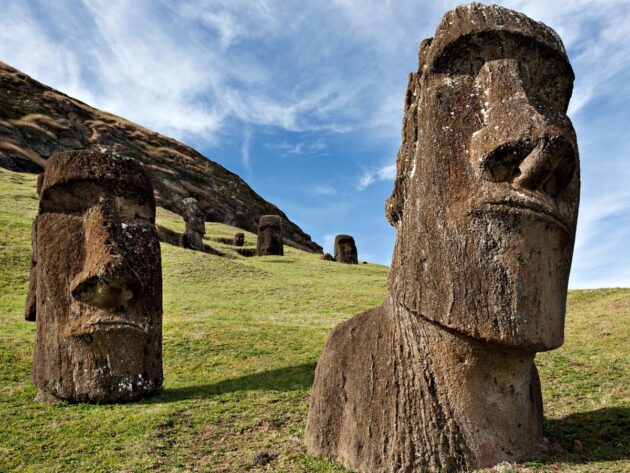
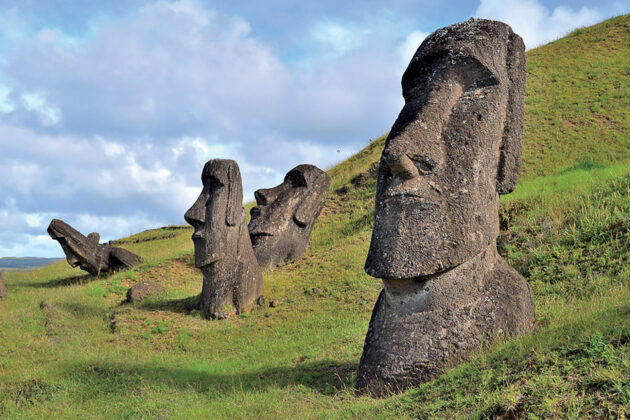
Rano Raraku — The volcanic quarry where almost all moai were carved. Hundreds of statues (many unfinished) remain in dramatic positions.
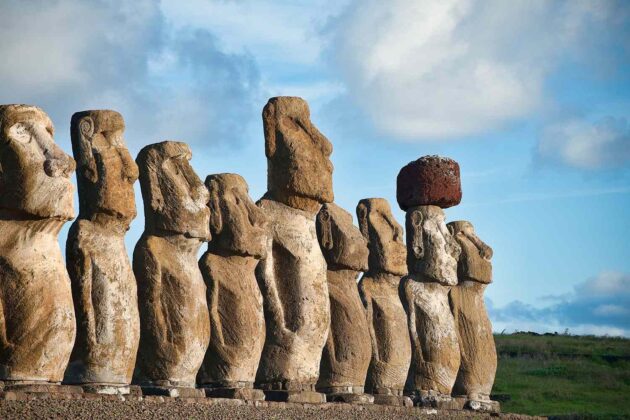
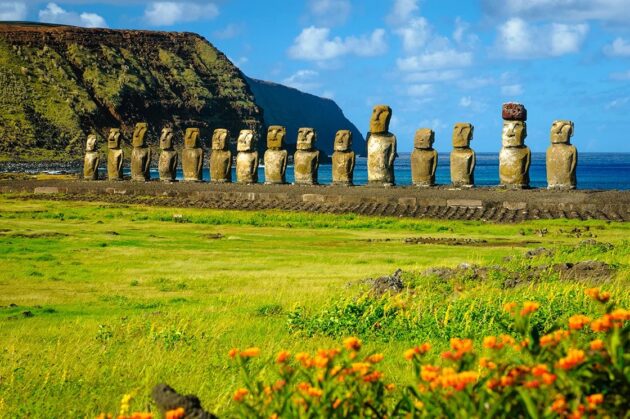
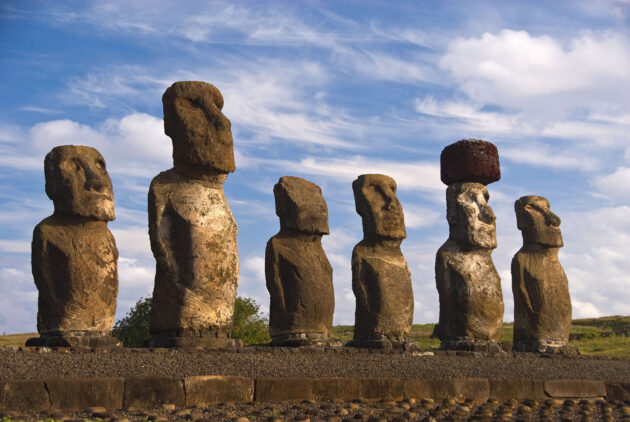
Ahu Tongariki — The most photogenic site: 15 massive, restored moai standing in a row against the ocean backdrop — especially magical at sunrise.
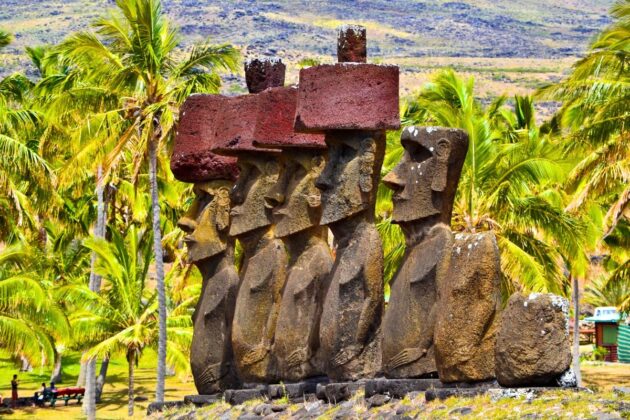
Anakena Beach — Stunning white-sand beach with coconut palms and beautifully preserved moai (Ahu Nau Nau) right on the shore — perfect for swimming.
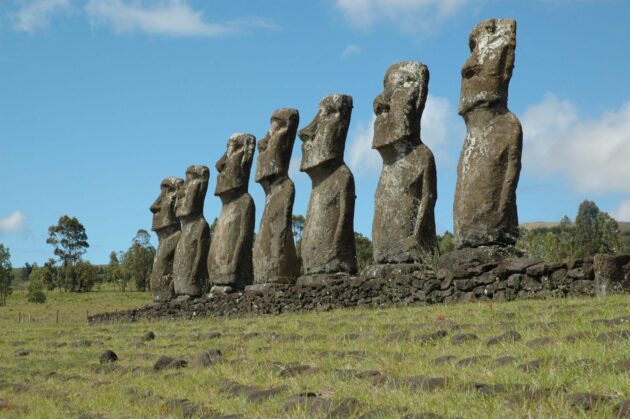
Ahu Akivi — Unique inland platform with 7 moai facing the sea (said to represent the first explorers).
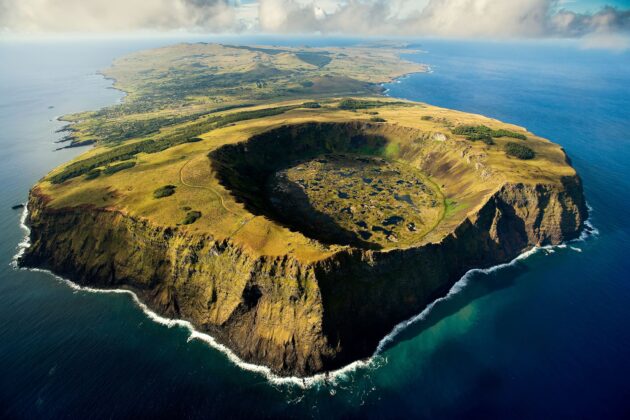
Orongo Ceremonial Village & Rano Kau Crater — Dramatic cliff-top ruins linked to the Birdman competition; incredible panoramic views into the volcanic crater.
Ahu Tahai — Excellent sunset spot near town with restored moai.
Te Pito Kura — Home to the largest moai ever erected (Paro — now toppled).
Puna Pau — Small red-stone quarry where the famous pukao (topknots/hats) were carved.
Suggested 4–5 Day Itinerary
Day 1: Arrival + relax — Explore Hanga Roa town, visit Ahu Tahai at sunset.
Day 2: Full-day guided tour — Sunrise at Ahu Tongariki → Rano Raraku → Anakena Beach → eastern/northern sites.
Day 3: Southwest side — Rano Kau crater, Orongo village, coastal walk.
Day 4: Free day — Beach time, stargazing tour, cultural show, or revisit favorite sites.
Day 5: Departure or extra morning exploration.
Most visitors stay 4–5 days — enough to see the main sites without rushing.
Where to Stay
The only town is Hanga Roa — most accommodations are here.
Luxury: Explora Rapa Nui, Nayara Hangaroa (beautiful design, excellent service)
Mid-range: Altiplanico Easter Island, Hotel Manutahi
Budget: Hostels, guesthouses (many family-run with warm Rapa Nui hospitality)
Book early — especially in high season.
Practical Tips
Transportation: Rent a car/jeep or scooter (roads are mostly paved), join guided tours, or use taxis.
Guides: Mandatory for most sites — highly recommended anyway (local guides share incredible stories and context).
Respect: Never touch or climb on moai. Stay on paths. Support local businesses.
Money & Connectivity: Bring cash (limited ATMs). Wi-Fi exists but is slow/expensive.
What to bring: Sunscreen, hat, windbreaker (strong trade winds), sturdy shoes for hiking, swimsuit, insect repellent.
Food: Try fresh tuna (poisson cru), umu (earth oven) meals, and local fruits. Vegetarian/vegan options available but limited.
Easter Island is not just a destination — it’s a profound, almost spiritual experience. The silence among the moai, the endless ocean horizon, and the warmth of Rapa Nui people create memories that last a lifetime. Safe travels — and enjoy the mystery of Rapa Nui! 🌊🗿