
Peru Travel Guide (2026)
Peru is one of the most diverse and rewarding destinations in South America, blending ancient Inca ruins, world-class cuisine, vibrant colonial cities, dramatic landscapes, and the Amazon rainforest. Whether you’re drawn to the iconic Machu Picchu, the culinary scene in Lima, or the floating islands of Lake Titicaca, Peru offers something for every traveler.
Why Visit Peru?
One of the New Seven Wonders of the World (Machu Picchu); World-renowned food (home to some of the best restaurants globally); Stunning natural wonders: Andes mountains, Amazon jungle, desert coast; Rich indigenous cultures and ancient history.
It’s a perfect mix of adventure, culture, and relaxation.
Best Time to Visit
Peru’s climate varies by region, but the dry season (May–October) is ideal for most visitors, especially for hiking and Machu Picchu.
May–September — Peak dry season: Clear skies, perfect for trekking, but crowded and higher prices.
April/May & September/October — Shoulder seasons: Fewer crowds, lush greenery, great weather balance.
November–March — Rainy season: More affordable, fewer people, lush landscapes (but trails can be muddy; Inca Trail closed in February).
For Machu Picchu specifically, aim for April–May or September–October for the best mix of weather and crowds.
Entry Requirements
Visa: Most nationalities (including US, EU, UK, Canada, Australia) get a free tourist stamp for up to 90–183 days on arrival.
Passport: Valid for at least 6 months beyond entry date.
Vaccinations: No mandatory vaccines for entry, but Yellow Fever is strongly recommended (and sometimes required) if visiting the Amazon or jungle areas. Hepatitis A, Typhoid, and routine vaccines advised.
Other: Proof of onward travel and sufficient funds may be requested. Check official sources before travel.
Safety Note: Peru remains generally safe for tourists in major areas, but exercise increased caution due to petty crime (especially in Lima), occasional protests, and road safety. Stick to tourist zones, use reputable transport, and avoid border regions. Recent incidents (e.g., train issues near Machu Picchu) highlight the importance of booking with reliable operators.
Top Places to Visit & Things to Do
Historic Sanctuary of Machu Picchu
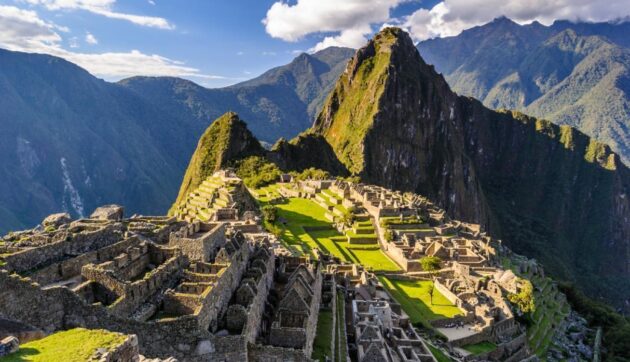
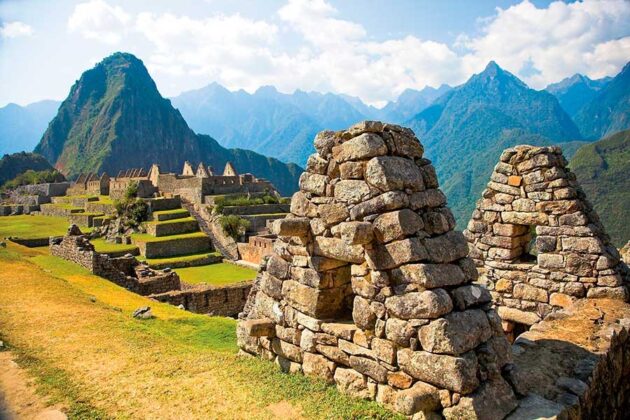
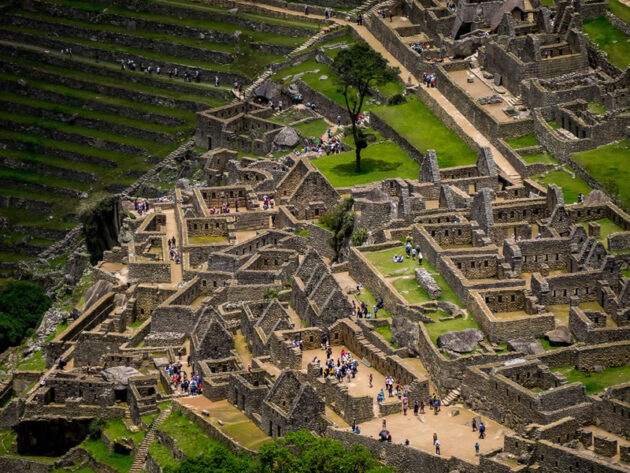
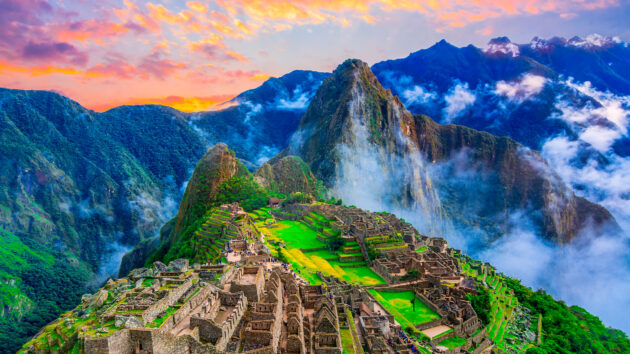
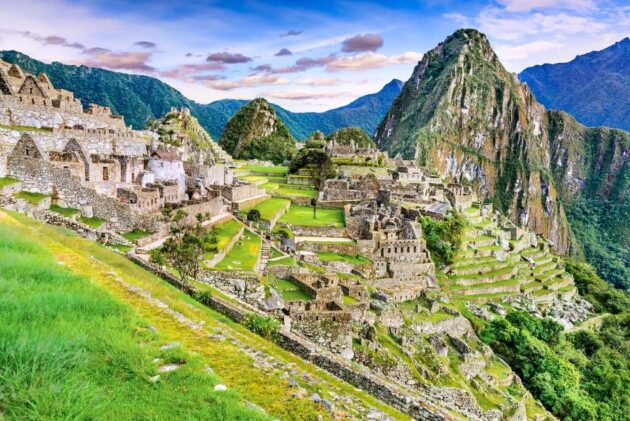
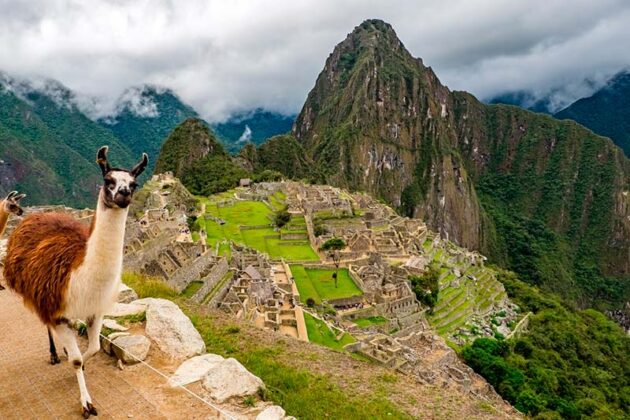
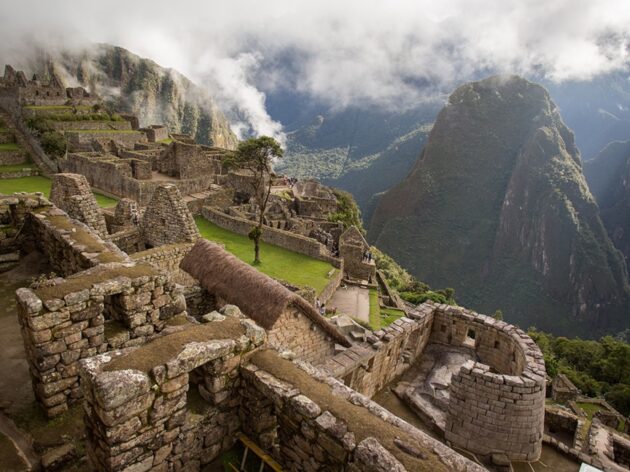
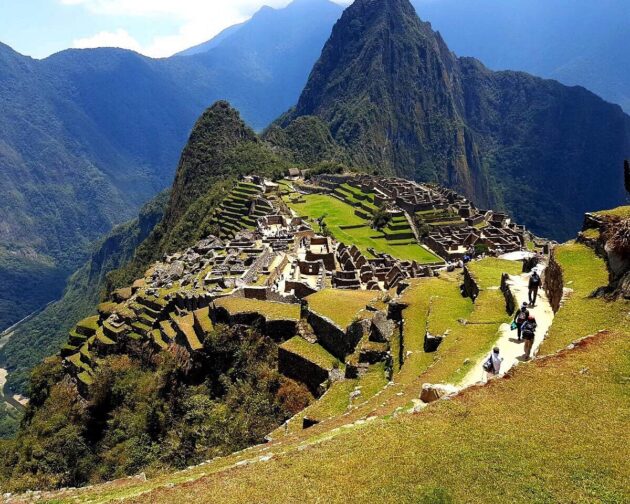
Machu Picchu, the iconic 15th-century Inca citadel perched high in the Andes, is one of the world’s most breathtaking UNESCO World Heritage Sites. This “Lost City of the Incas” offers stunning panoramic views, intricate stone architecture, and a profound sense of ancient mystery. Located about 2,430 meters (7,972 feet) above sea level, it combines archaeological wonder with dramatic natural beauty.
Cusco
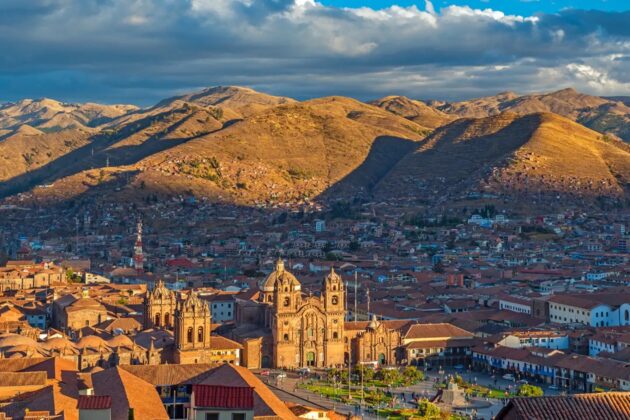
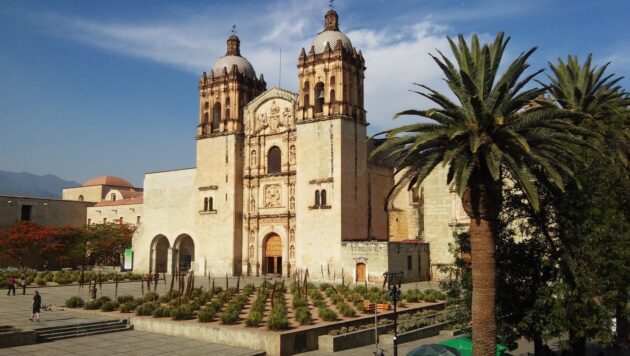
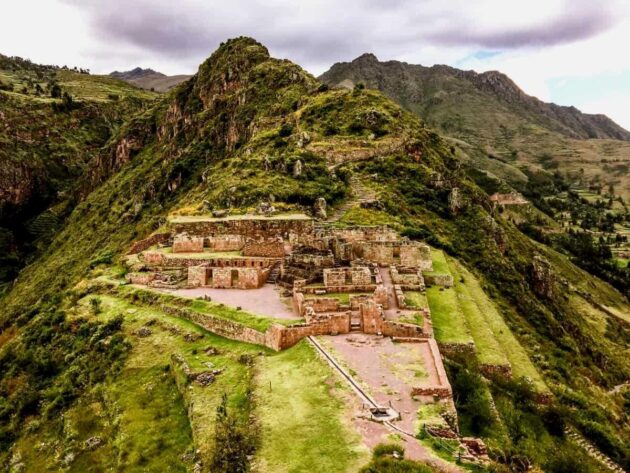
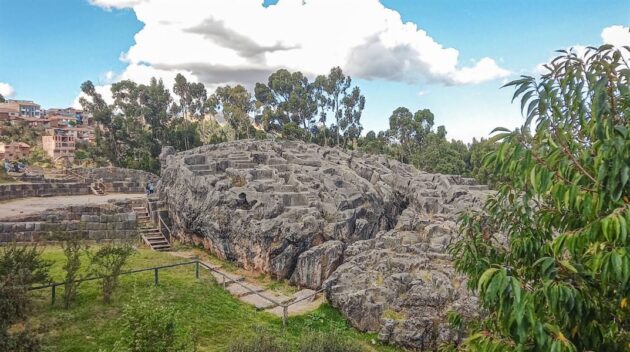
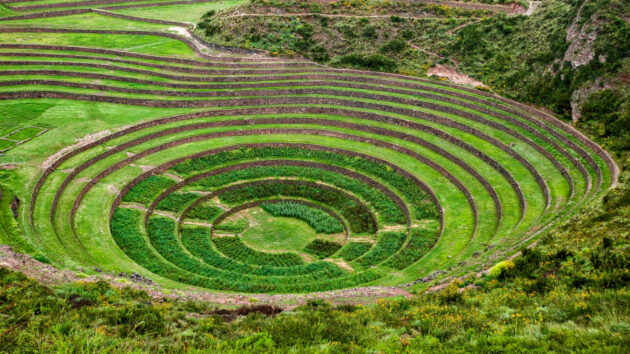
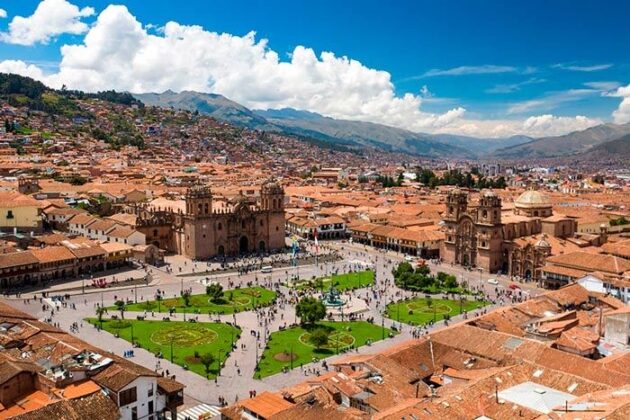
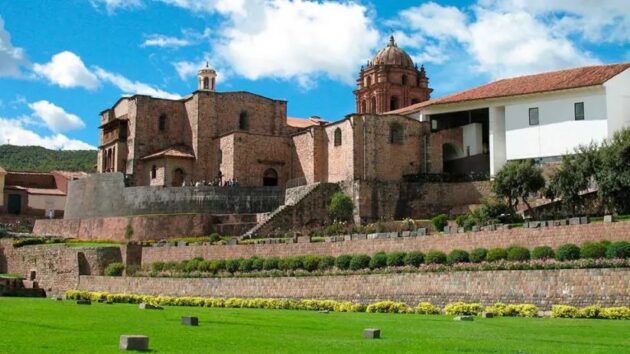
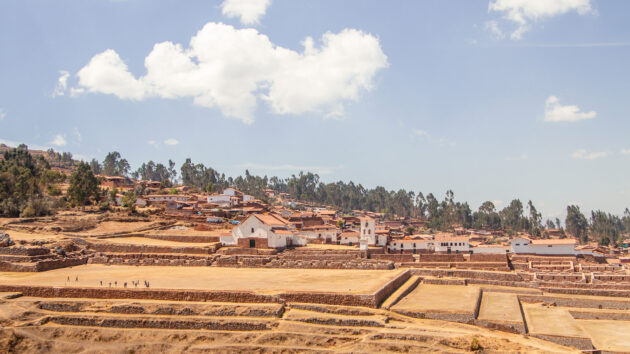
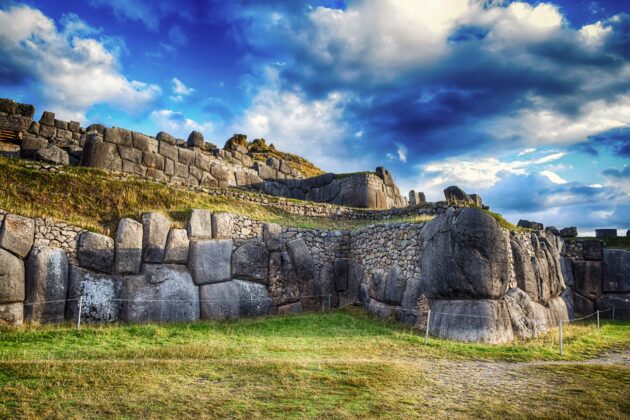
Cusco (also spelled Cuzco), the ancient capital of the Inca Empire, is one of South America’s most captivating destinations. Perched at 3,399 meters (11,152 feet) above sea level in the Andes, this UNESCO World Heritage city blends stunning colonial architecture with living Inca heritage. It’s the perfect gateway to Machu Picchu, the Sacred Valley, and countless other archaeological wonders.
Lima
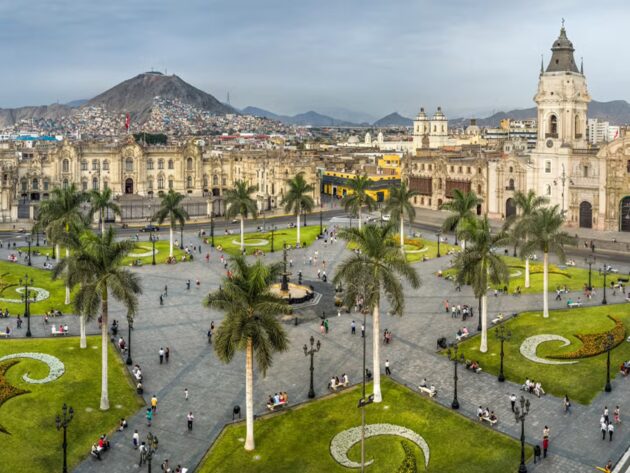
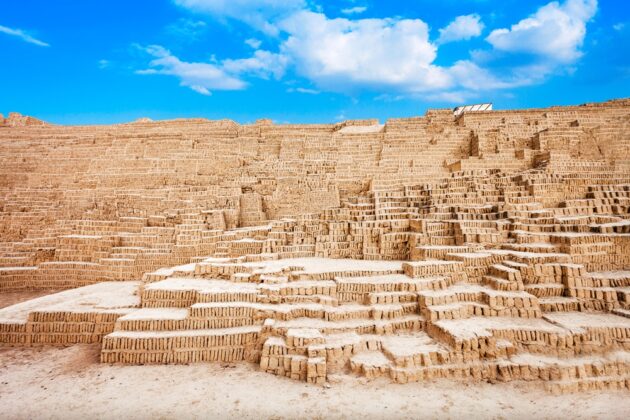
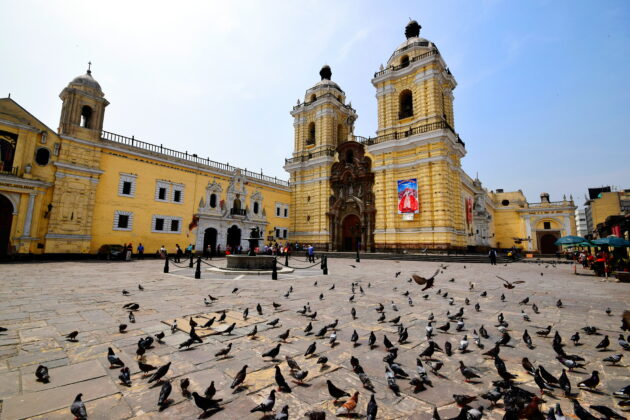
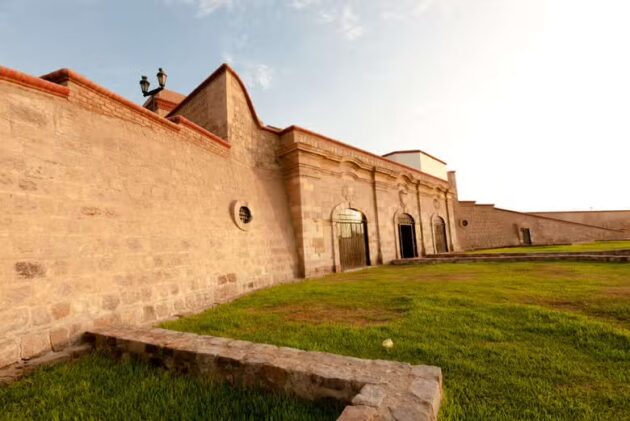
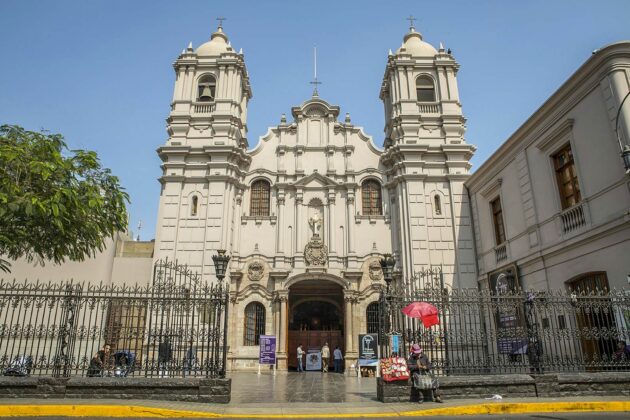
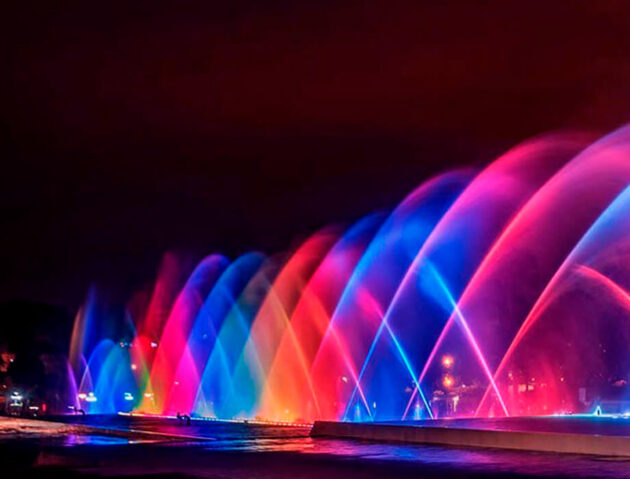
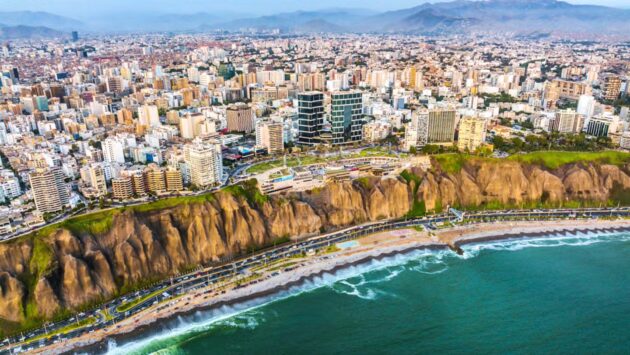
Lima, the sprawling capital of Peru, is a vibrant coastal city that serves as the perfect introduction to the country. Often called the “Gastronomic Capital of the Americas,” Lima blends ancient history, colonial architecture, modern neighborhoods, and world-class cuisine. With its dramatic cliffs overlooking the Pacific Ocean, pre-Inca ruins amid skyscrapers, and bohemian districts full of street art, this metropolis of nearly 10 million people rewards travelers who spend 3–5 days exploring beyond just a layover.
Lake Titicaca
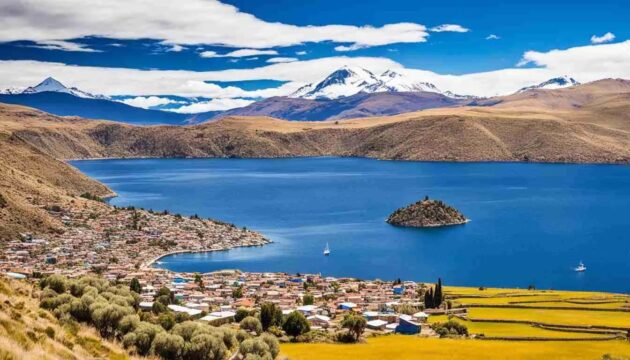
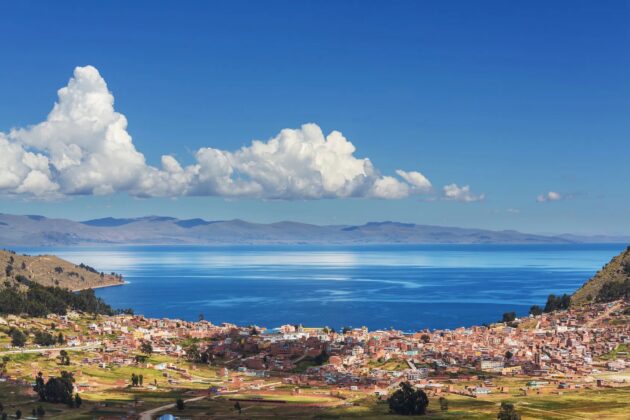
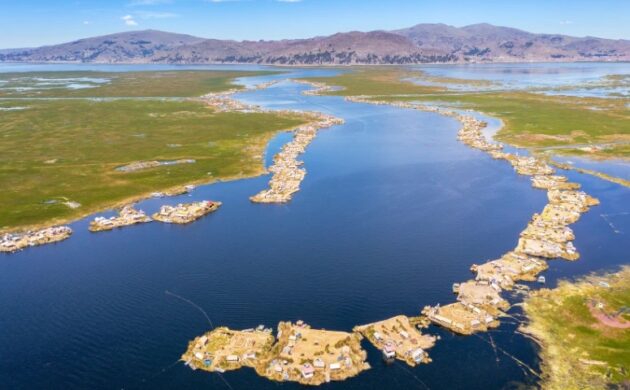
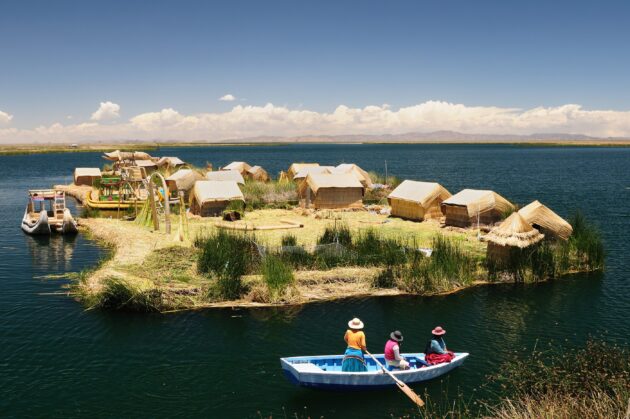
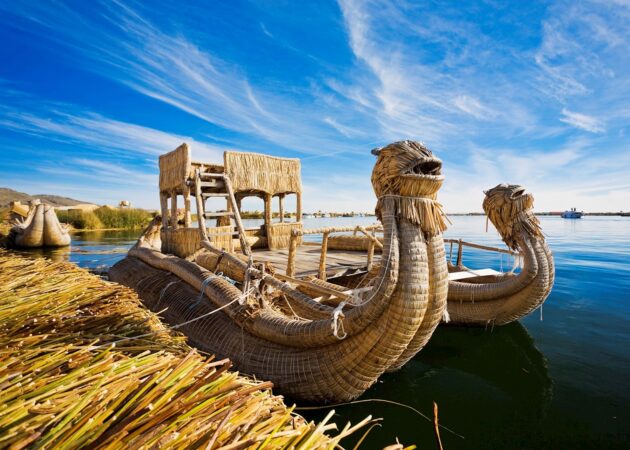
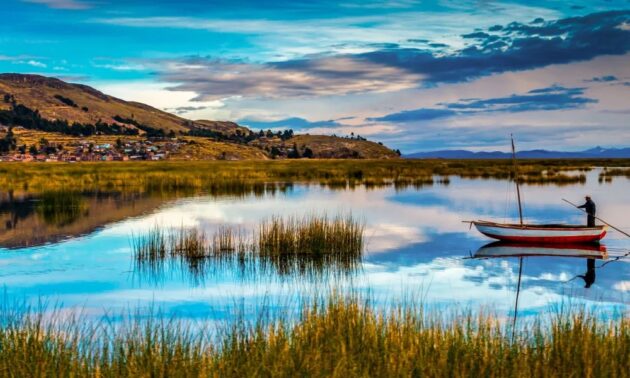
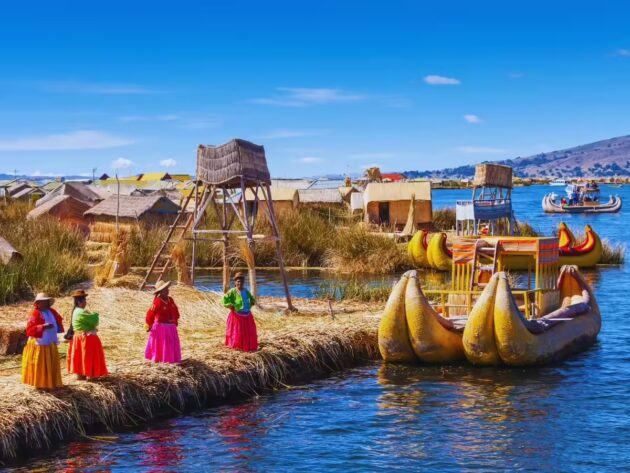
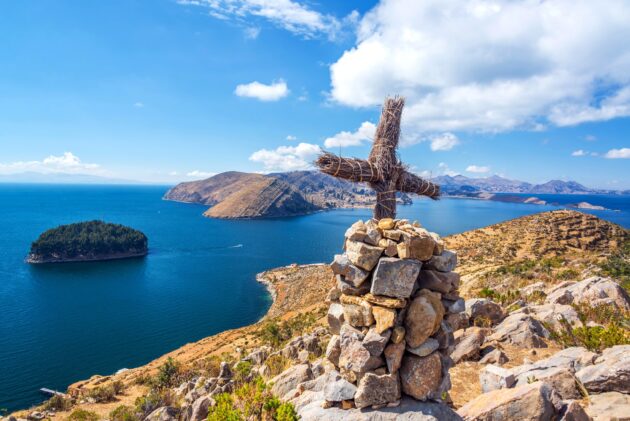
Lake Titicaca, the world’s highest navigable lake, sits at over 3,800 meters (12,500 feet) in the Andes, straddling the border between Peru and Bolivia. On the Peruvian side, it offers a mesmerizing blend of stunning blue waters, dramatic mountain backdrops, ancient cultures, and one-of-a-kind floating islands. This is a place of deep cultural significance — considered the birthplace of the Inca civilization in Andean mythology — and a highlight for travelers seeking authentic experiences beyond Machu Picchu.
Arequipa
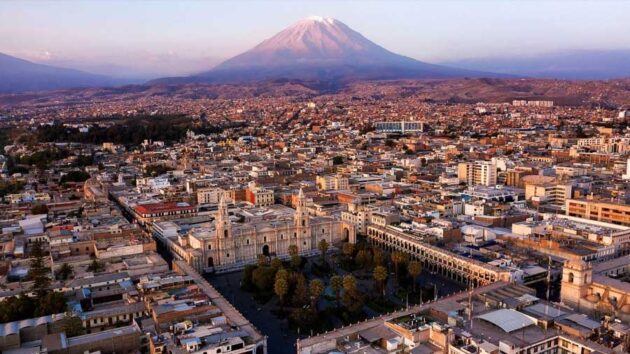
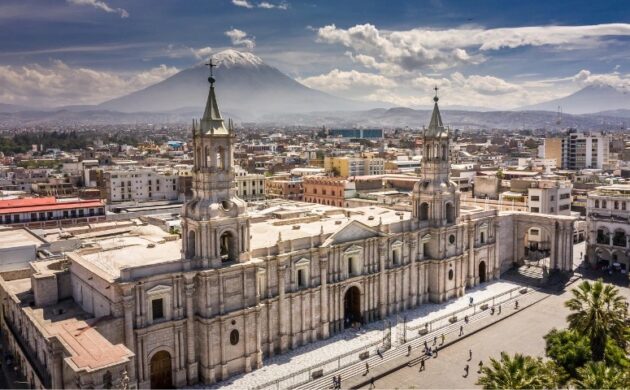
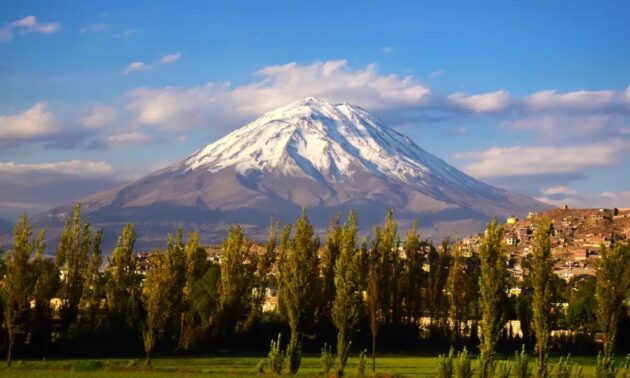
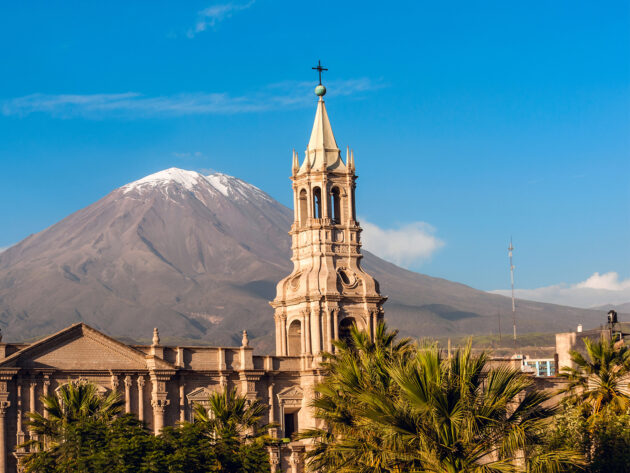
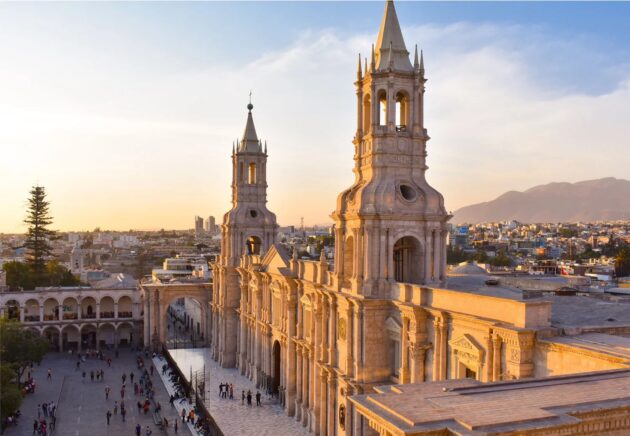
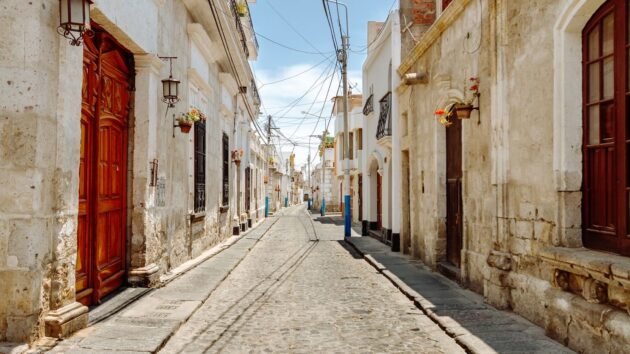
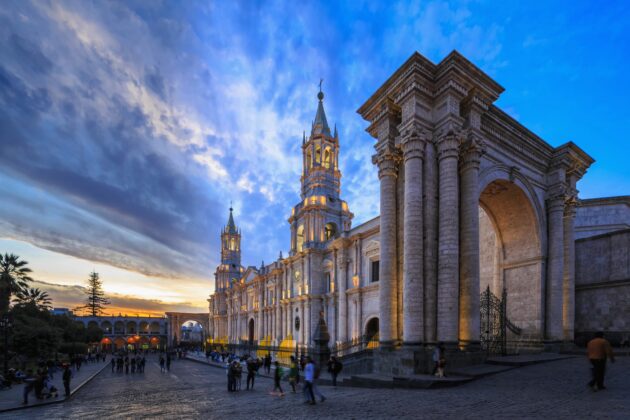
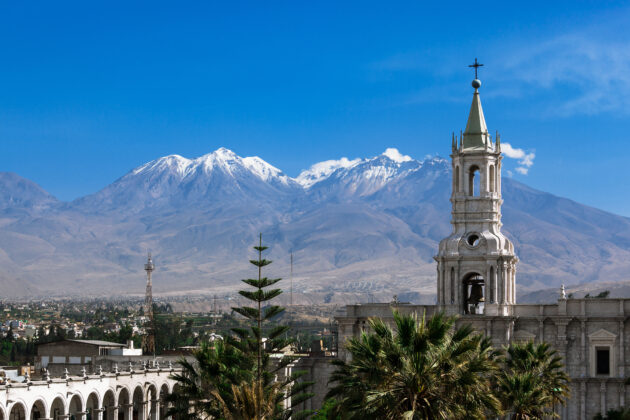
Arequipa, known as Peru’s “White City” (Ciudad Blanca), is the country’s second-largest city and a UNESCO World Heritage site. Built primarily from white volcanic sillar stone, it offers stunning colonial architecture, vibrant culture, delicious cuisine, and easy access to natural wonders like the Colca Canyon. Surrounded by volcanoes (including the iconic Misti), Arequipa blends history, food, and adventure in a relaxed Andean setting. It’s an excellent base for exploring southern Peru.
Nazca Lines
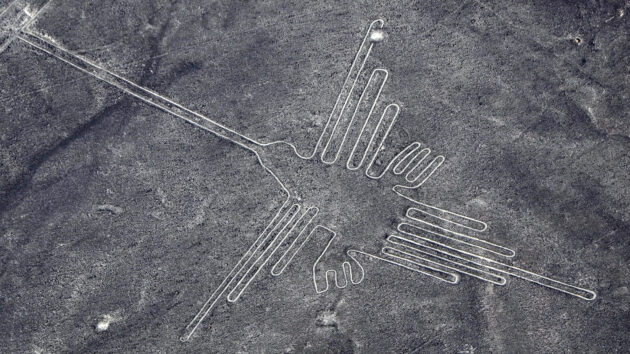
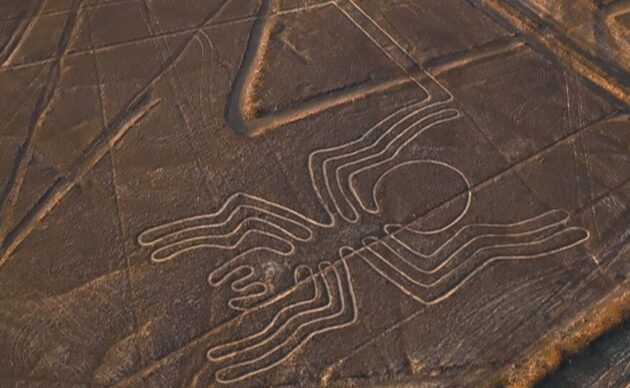
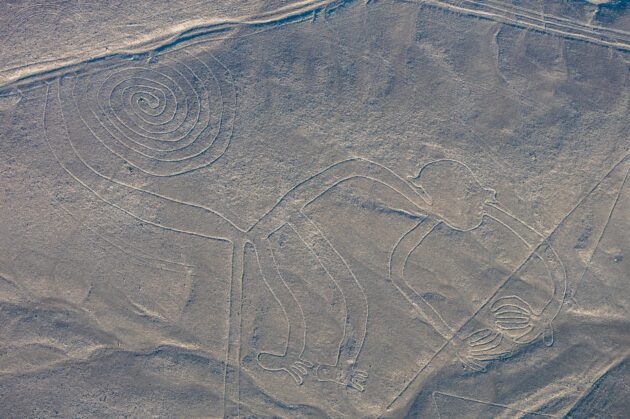
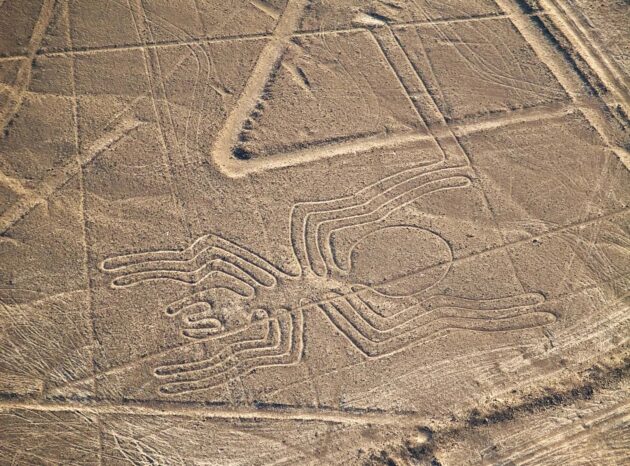
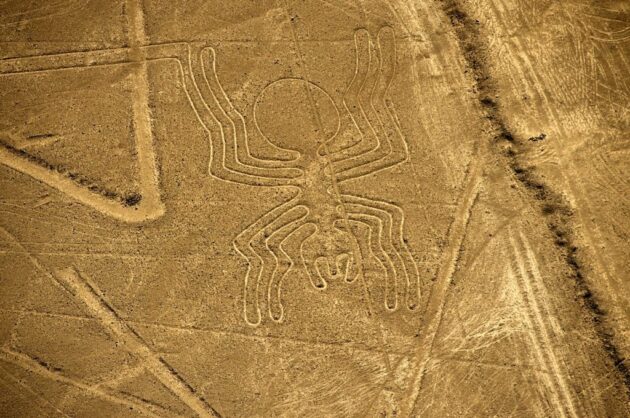
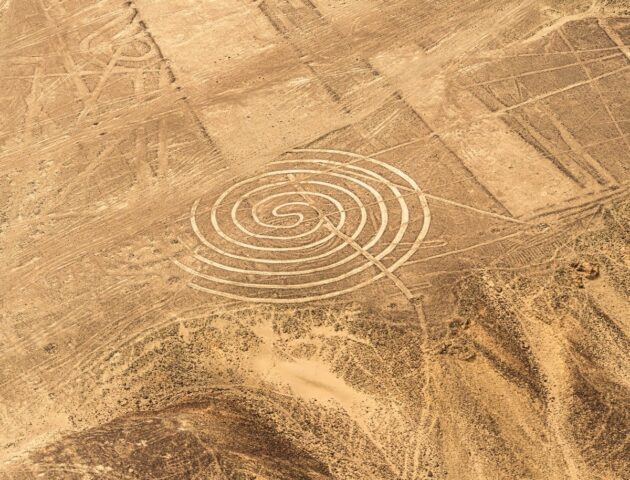
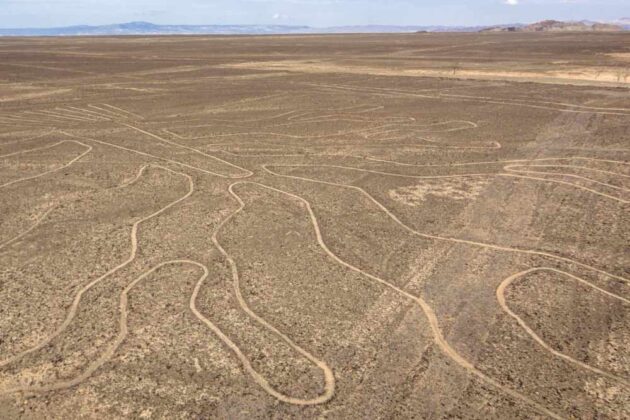
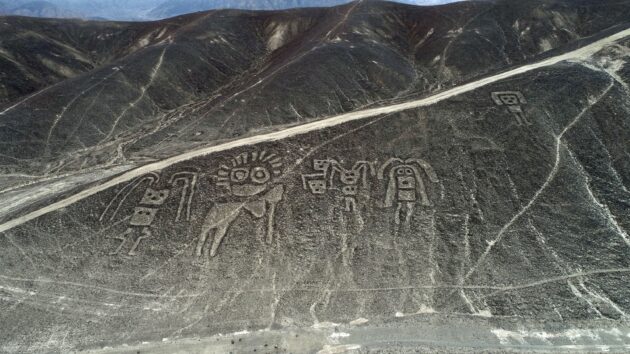
The Nazca Lines are one of the world’s greatest archaeological mysteries — massive geoglyphs etched into the arid desert floor of southern Peru, created by the ancient Nazca culture between 500 BC and 500 AD. These enormous figures include animals (like the hummingbird, spider, monkey, and whale), plants, geometric shapes, and straight lines stretching for miles. Visible only from the air, they cover over 450 square kilometers and were designated a UNESCO World Heritage Site in 1994.
Huacachina
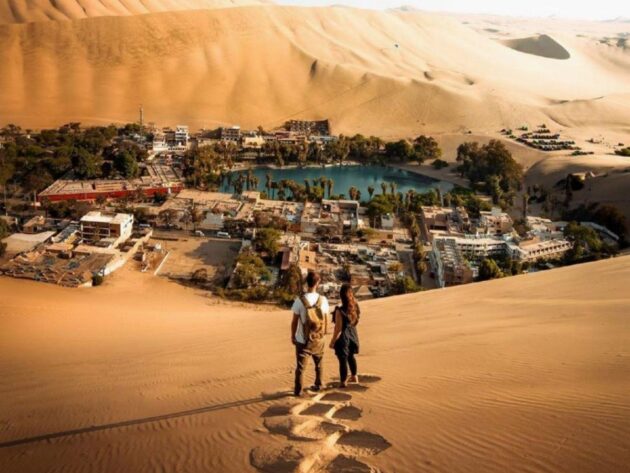
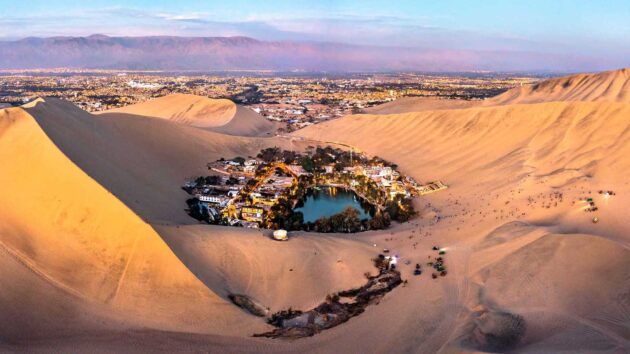
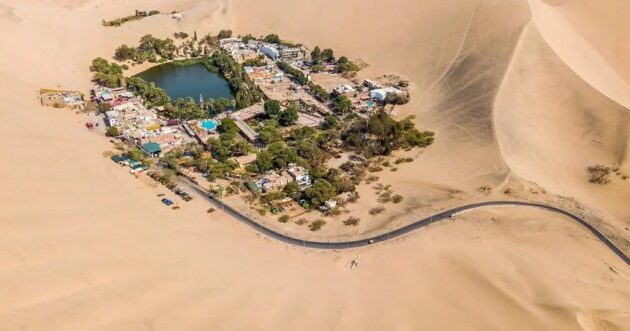
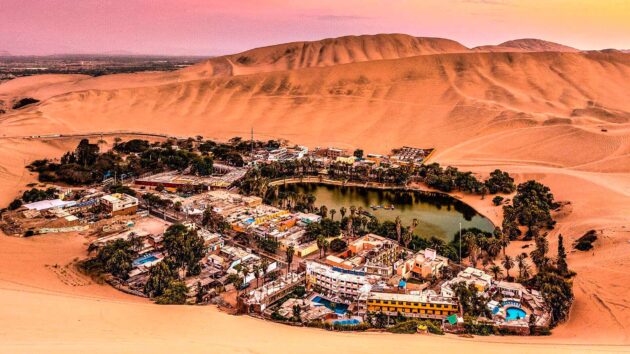
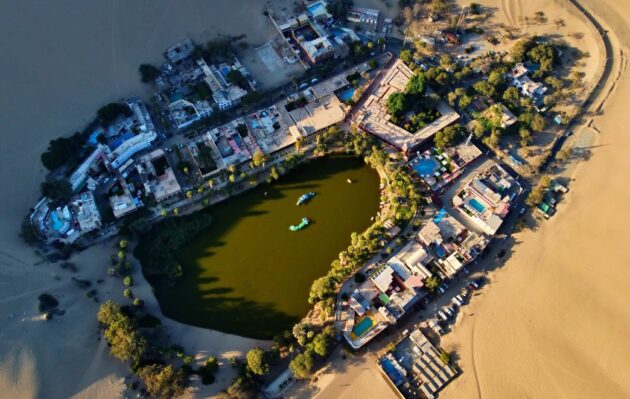
Huacachina is one of Peru’s most surreal destinations: a tiny desert oasis village built around a natural lagoon, completely surrounded by towering golden sand dunes in the middle of the arid Ica region. Often called South America’s only true desert oasis, this magical spot feels like something out of a fantasy movie — palm trees, calm waters, and endless waves of sand as far as the eye can see.
Vinicunca
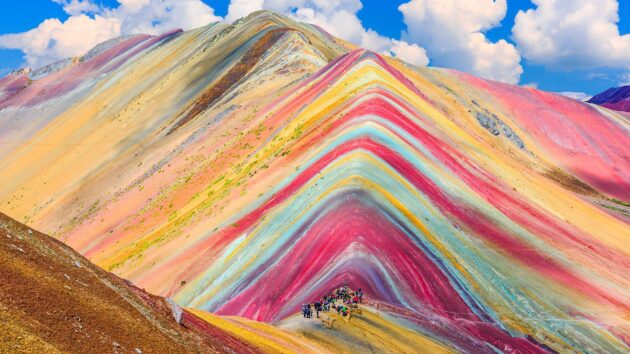
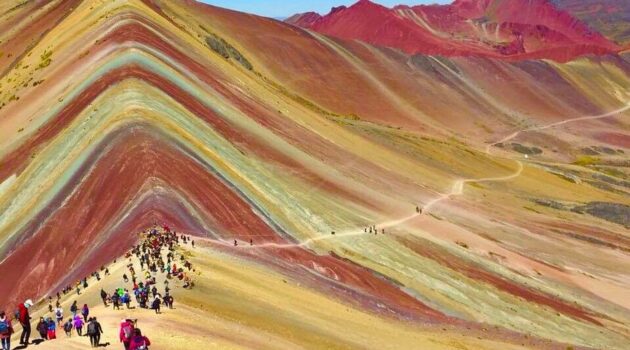
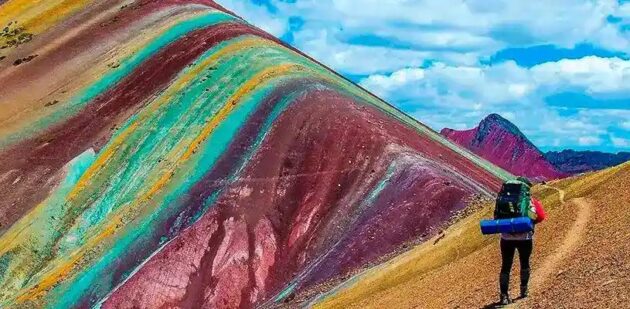
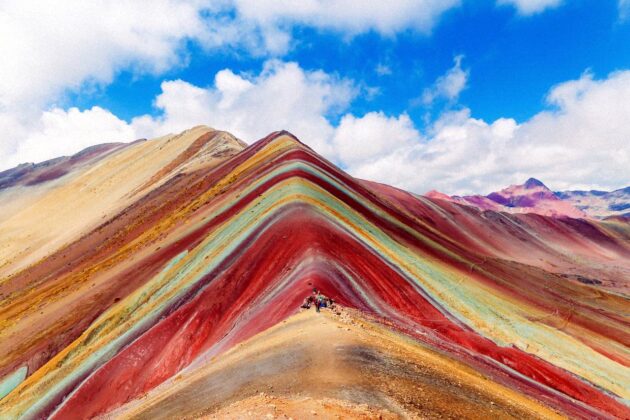
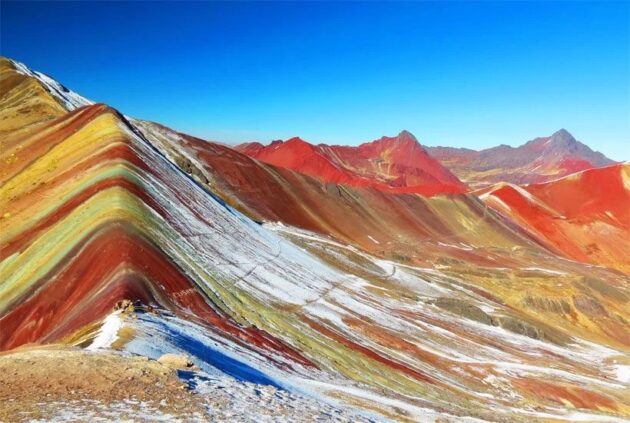
Vinicunca, famously known as Rainbow Mountain or Montaña de Siete Colores (Mountain of Seven Colors), is one of Peru’s most spectacular natural wonders. Located in the Andes near Cusco, this breathtaking mountain features vivid stripes of red, yellow, orange, green, and turquoise created by mineral deposits and tectonic activity. At an elevation of around 5,200 meters (17,060 feet), the viewpoint offers stunning panoramic vistas including snow-capped peaks like Ausangate and roaming llamas/alpacas.
Practical Tips
Altitude Sickness: Cusco (3,400m) and Machu Picchu (2,430m) can cause issues. Acclimatize slowly, drink coca tea, and consider meds (consult a doctor).
Money & Costs: Use soles (PEN). ATMs widespread; cards accepted in tourist areas. Budget: $50–100/day mid-range.
Transport: Domestic flights (LATAM, Star Perú), buses (Cruz del Sur for comfort), trains to Machu Picchu.
Food: Try ceviche, lomo saltado, cuy (guinea pig), and pisco sour. Lima is a foodie paradise!
Packing: Layers for variable weather, good walking shoes, rain jacket (even dry season), sunscreen, insect repellent (Amazon).
Sustainability: Choose responsible operators, avoid single-use plastics, support local communities.
Peru is magical — from ancient mysteries to modern flavors. Plan ahead, stay flexible, and get ready for an adventure of a lifetime! Safe travels! 🌄