
A Travel Guide to Lima (2026)
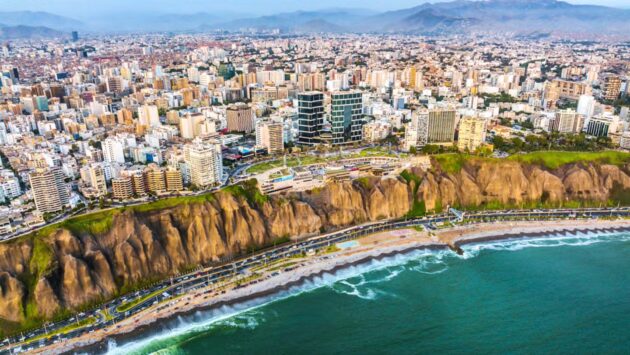
Lima, the sprawling capital of Peru, is a vibrant coastal city that serves as the perfect introduction to the country. Often called the “Gastronomic Capital of the Americas,” Lima blends ancient history, colonial architecture, modern neighborhoods, and world-class cuisine. With its dramatic cliffs overlooking the Pacific Ocean, pre-Inca ruins amid skyscrapers, and bohemian districts full of street art, this metropolis of nearly 10 million people rewards travelers who spend 3–5 days exploring beyond just a layover.
Why Visit Lima?
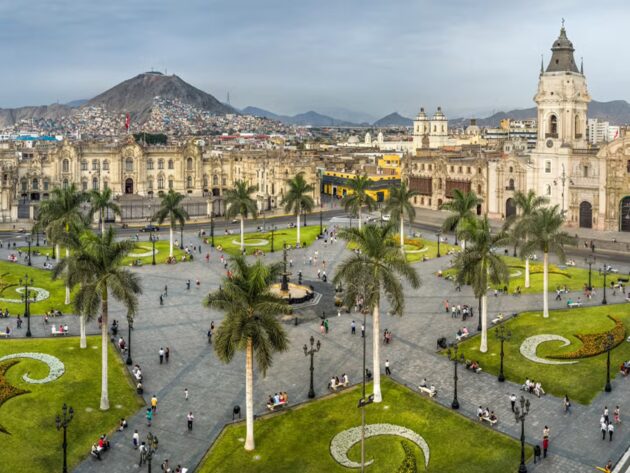
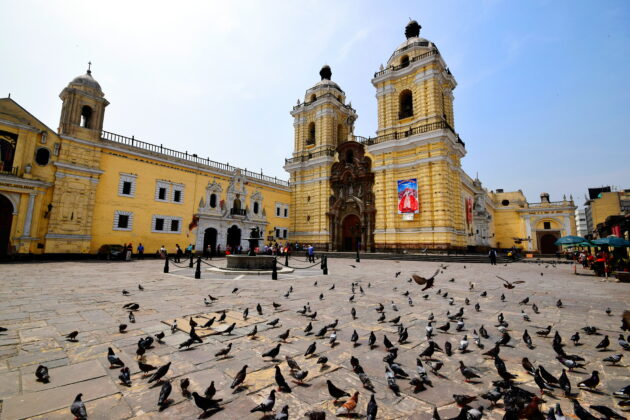
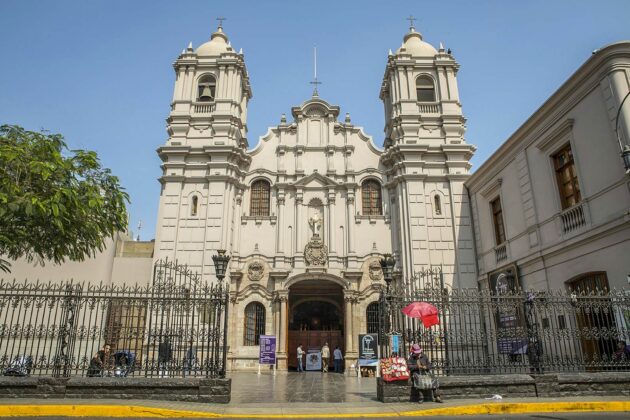
UNESCO-listed Historic Center with colonial gems.
World-renowned food scene (home to several of the World’s 50 Best Restaurants).
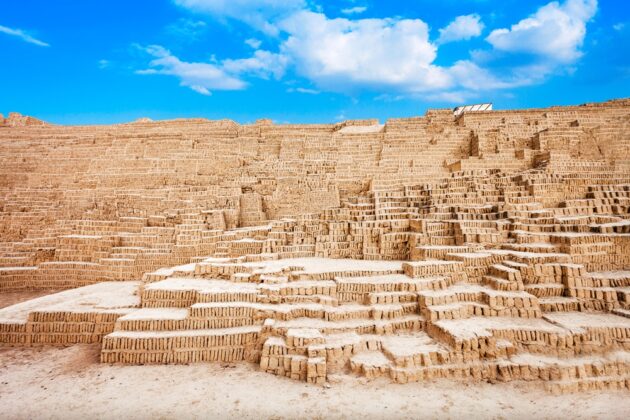
Pre-Columbian archaeological sites.
Cliffside parks, beaches, and vibrant neighborhoods.
Easy access to day trips (Paracas, Caral, etc.).
Many visitors use Lima as a gateway to Machu Picchu or the Amazon, but the city deserves time in its own right.
Best Time to Visit
Lima has a unique coastal desert climate with very little rain year-round.
Best overall (December–April — summer): Warm (75–85°F / 24–29°C), sunny days, perfect for coastal walks, beaches, and outdoor dining. Clear skies make photography and Malecón strolls ideal.
Shoulder seasons (April–May & September–November): Pleasant temperatures, fewer crowds, and better hotel rates.
Winter (May–November — garúa season): Cooler (60–70°F / 15–21°C), frequent foggy/overcast “garúa” (mist), but still dry. Good for museums, food tours, and lower prices.
Avoid peak crowds in June–August if you prefer quieter streets.
Getting There & Around
Airport: Jorge Chávez International Airport (LIM) — about 45–60 minutes from central areas.
Transport from airport: Use official taxis (e.g., Green Taxis), Uber (limited airport pickup), or Airport Express bus to Miraflores. Avoid unofficial taxis.
In the city: Uber, InDriver, or Didi are safe & affordable. Walking is great in Miraflores/Barranco. Taxis are common but negotiate fares.
Where to Stay
Stay in safe, tourist-friendly neighborhoods:
Miraflores — Most popular choice: Ocean views, parks, shopping (Larcomar mall), restaurants, and high safety. Walkable, lots of hotels/hostels.
Barranco — Bohemian & artistic vibe, colorful street art, nightlife, boutique hotels, and a village feel. Great for couples & foodies.
San Isidro — Upscale, quiet, business-oriented with luxury hotels.
Avoid staying in the Historic Center at night unless on a guided tour.
Top Things to Do
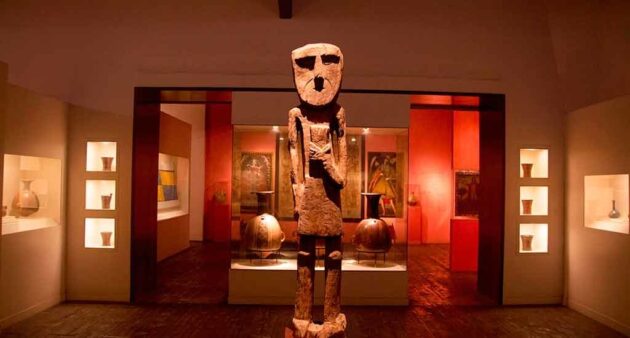
Larco Museum
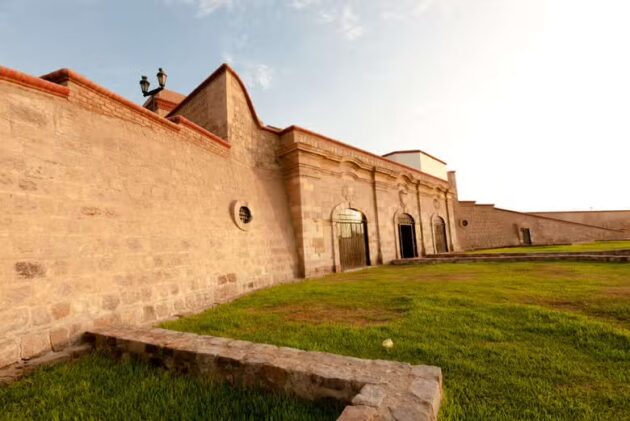
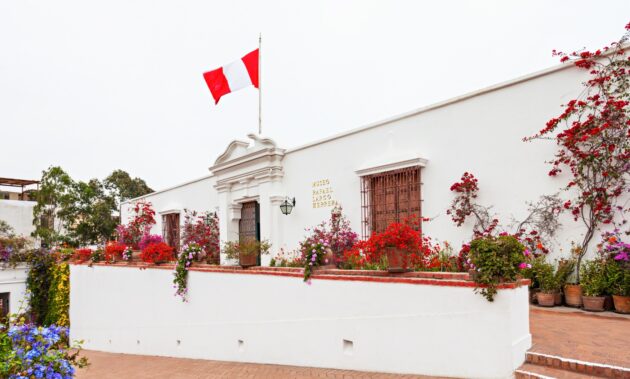
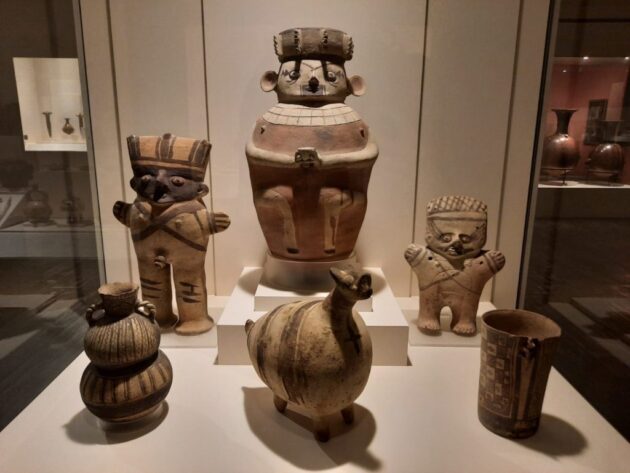
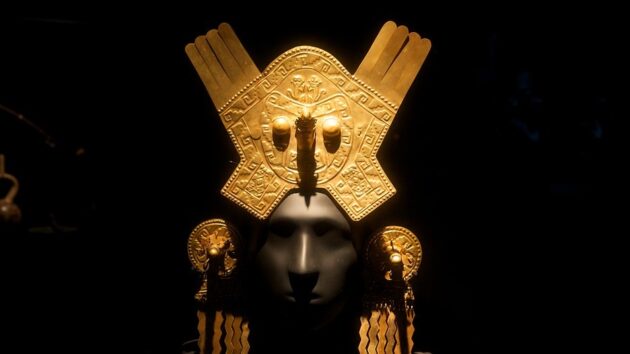
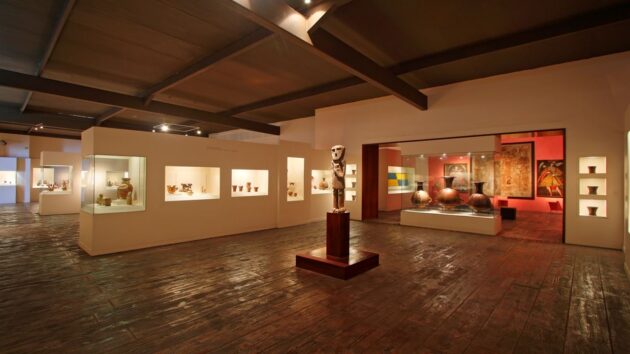
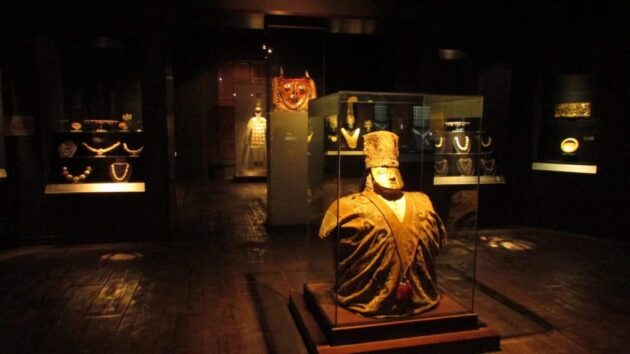
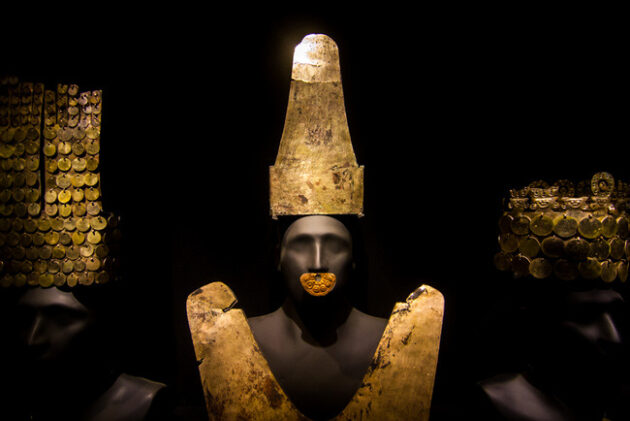
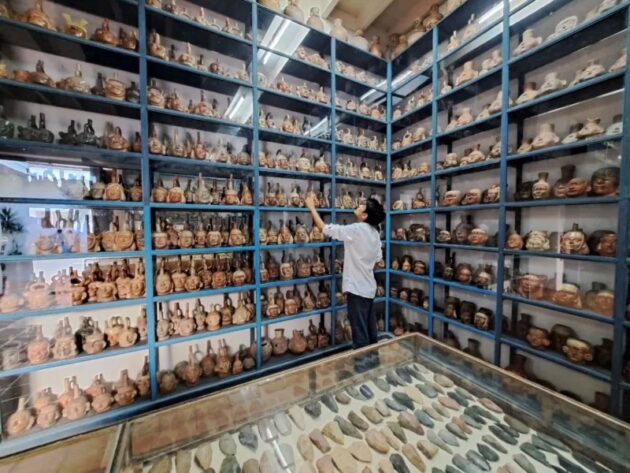
The Larco Museum (Museo Larco) is widely regarded as one of the best museums in South America and one of the top attractions in Lima. Housed in a beautifully restored 18th-century colonial mansion built atop a pre-Columbian pyramid, this private museum showcases an extraordinary collection of pre-Columbian art spanning more than 5,000 years of ancient Peruvian history. With over 45,000 artifacts (including gold, silver, ceramics, textiles, and more), it’s an essential stop for anyone interested in Peru’s rich indigenous cultures.
Food Recommendations
Ceviche — Fresh & iconic (try Punto Azul or La Mar)
Nikkei (Japanese-Peruvian fusion) — Osaka, Maido
Casual — Panchita, El Bodegón
Street food — Anticuchos, picarones, chicha morada
Safety Tips
Lima is generally safe in tourist areas (Miraflores, Barranco, San Isidro). Exercise normal big-city precautions:
Use Uber/taxi apps instead of street taxis
Don’t flash valuables or phones openly
Avoid walking alone at night outside main neighborhoods
A state of emergency exists in parts of Lima/Callao (more police presence — often makes tourist zones feel safer)
Petty theft (pickpocketing) is the main concern — keep belongings close.
Final Tips
Currency: Peruvian Sol (PEN) — use ATMs in malls, carry small bills.
Language: Spanish (English widely spoken in tourist areas).
Altitude: Lima is at sea level — no issues (save that for Cusco!).
Power: 220V — bring adapter if needed.
Lima is chaotic, flavorful, and endlessly fascinating. Take your time, savor the food, and enjoy the coastal energy. Buen viaje!