Travel Guide to La Paz (2026)
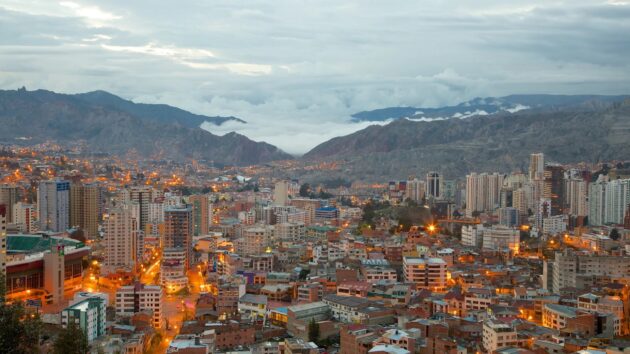
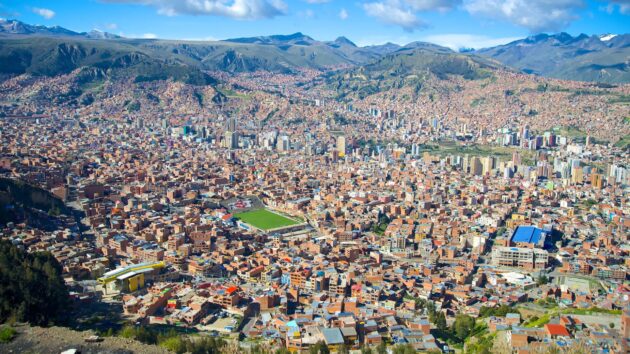
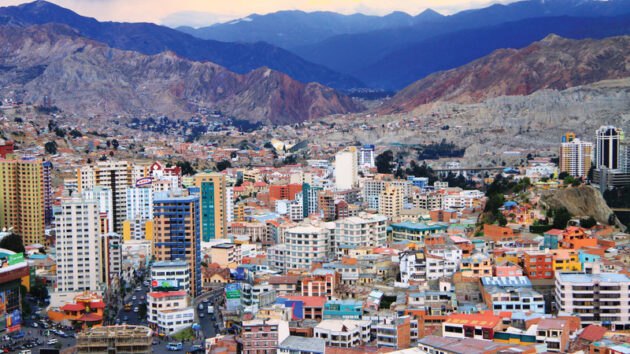
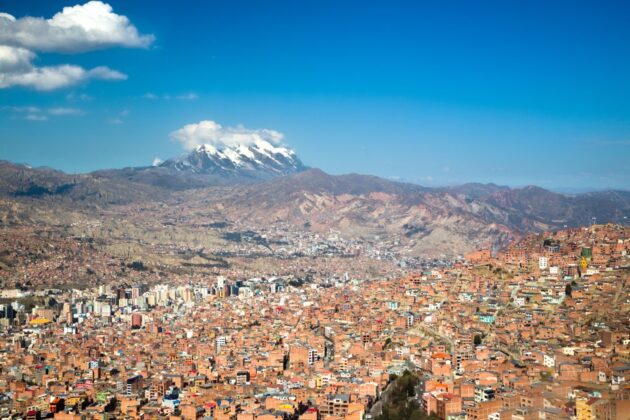
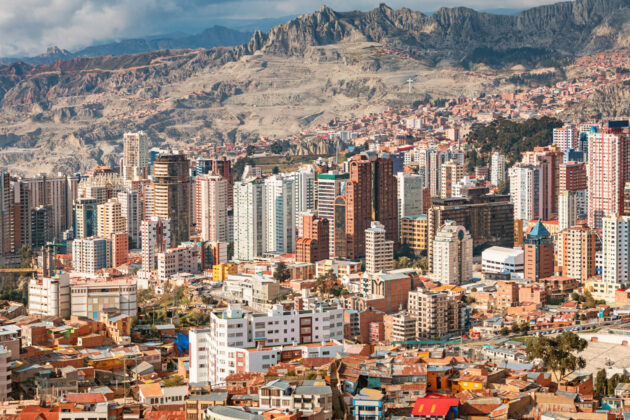
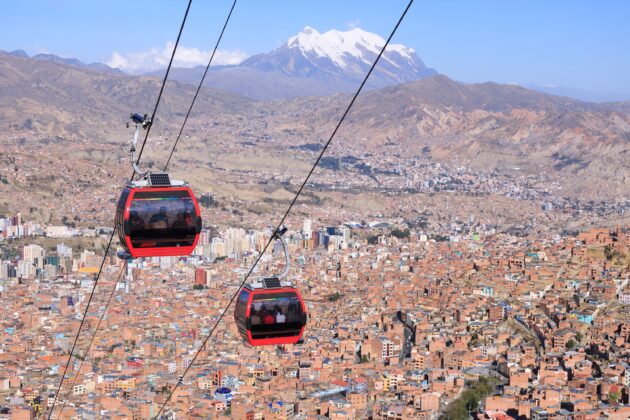
La Paz, the administrative capital of Bolivia (Sucre is the constitutional capital), is one of the most dramatic and unique cities in the world. Nestled in a deep canyon at an average altitude of 3,650 meters (11,975 feet), it’s the highest major capital city on Earth. Surrounded by towering Andes peaks like Illimani, the city offers a stunning mix of indigenous Aymara culture, colonial history, chaotic markets, and modern innovation — most famously its world-record-breaking Mi Teleférico cable car system.
Why Visit La Paz?
La Paz is a gateway to Bolivia’s wonders: Death Road biking, Tiwanaku ruins, Lake Titicaca, and Uyuni Salt Flats. The city itself blends vibrant street life, traditional Cholitas (indigenous women in bowler hats), colorful markets, and surreal landscapes — all set against jaw-dropping scenery.
Getting There
By Air: Most visitors arrive at El Alto International Airport (LPB) — the world’s highest international airport at over 4,000m. The airport is technically in El Alto (the sister city above the canyon).
Airport to City Center: Take an official radio taxi (yellow sticker with number), Uber, or a shared minibus (micro). The ride takes 30–60 minutes and costs ~100–200 BOB (~$15–30 USD). Buy coca tea/leaves immediately upon arrival to help with altitude!
Best Time to Visit
The dry season (May–October) offers the best weather: sunny days, clear skies for views, and ideal conditions for outdoor activities. Days are mild (10–18°C/50–64°F), but nights drop sharply (can be below freezing). Avoid the rainy season (November–April) if possible, as heavy downpours can disrupt plans.
Altitude Sickness Tips (Very Important!)
Altitude sickness (soroche) is common. Symptoms include headache, nausea, dizziness, and fatigue.
Acclimatize: Spend your first 2–3 days resting. Walk slowly, avoid alcohol/caffeine initially.
Hydrate: Drink lots of water.
Coca Tea/Leaves: Locals swear by it — chew leaves or drink tea (available everywhere).
Medication: Consider acetazolamide (Diamox) — consult a doctor before travel.
Oxygen: Cans are sold in pharmacies if needed.
Take it easy — many people feel better after a few days.
Top Things to Do
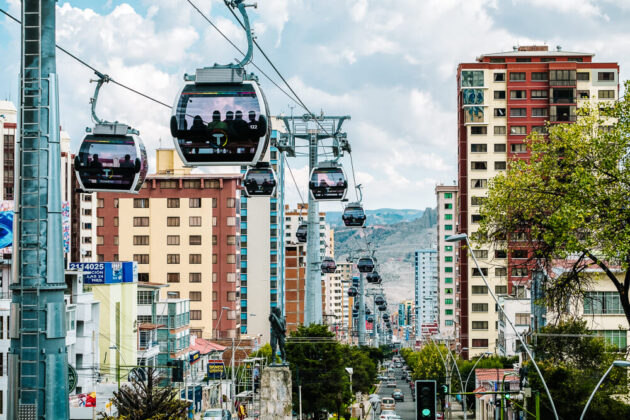
Ride the Mi Teleférico (Cable Cars): The world’s largest/highest urban cable car network! Cheap (3 BOB/~$0.43 per ride), scenic, and efficient. Take multiple lines for epic city views.
Visit the Witches’ Market (Mercado de las Brujas): On Calle Sagárnaga — a fascinating (and slightly eerie) market selling llama fetuses, herbs, potions, and amulets for good luck and rituals.
Explore Valle de la Luna (Valley of the Moon): Just 30 minutes from the center — bizarre eroded rock formations resembling a lunar landscape. Easy walking trails and great afternoon light.
Other Must-Dos: Watch Cholita Wrestling — traditional Bolivian women wrestlers in folk dress (fun & cultural!). Bike the infamous Death Road (Yungas Road) — thrilling (but safer with reputable operators). Day trip to Tiwanaku ruins (pre-Inca site) or Lake Titicaca.
Where to Stay
Sopocachi — Trendy, safe, great restaurants/bars.
Sagárnaga Street area — Backpacker central, close to markets and cable cars.
Zona Sur (Calacoto) — Upscale, modern, quieter (but farther from center).
Budget: Hostels from $8–15/night; mid-range hotels $40–80.
Practical Tips
Safety: Generally safe for tourists, but watch for pickpockets in crowded areas. Use radio taxis at night; avoid walking alone late.
Money: ATMs widely available; carry small bills (BOB).
Food: Try salteñas (savory empanadas), anticucho (grilled heart skewers), and api (hot purple corn drink).
Language: Basic Spanish helps; many tourist spots speak English.
La Paz is intense, beautiful, and unforgettable. Take it slow, embrace the altitude, and enjoy one of South America’s most extraordinary cities! Safe travels! 🚡✨