
A Travel Guide to the Jesuit Mission of the Holy Trinity (2026)
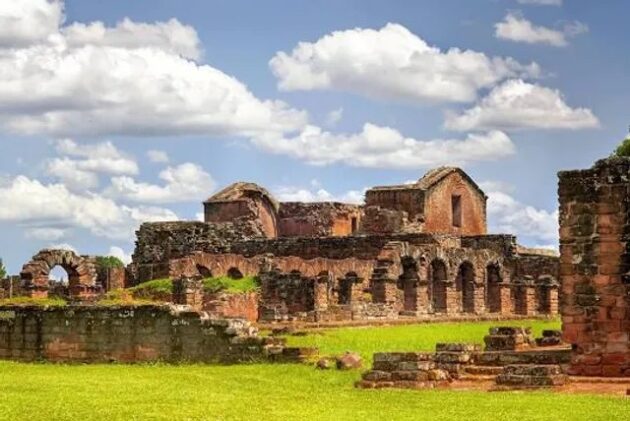
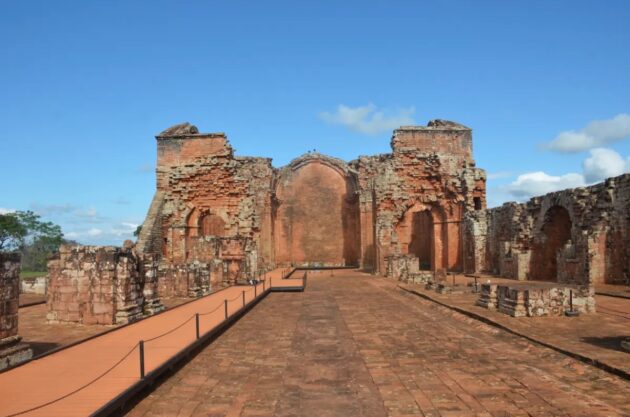
The Jesuit Mission of the Holy Trinity, commonly known as the Ruins of Trinidad (Misión Jesuítica de la Santísima Trinidad del Paraná), is one of Paraguay’s most impressive historical sites and the country’s premier UNESCO World Heritage Site (inscribed in 1993 together with Jesús de Tavarangüe). Founded in 1706, this 18th-century Jesuit reducción (mission town) represents one of the best-preserved examples of the 30 Jesuit missions established in the Río de la Plata region during the 17th and 18th centuries.
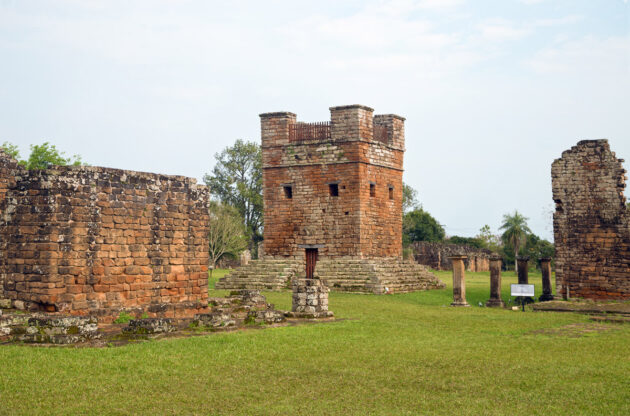
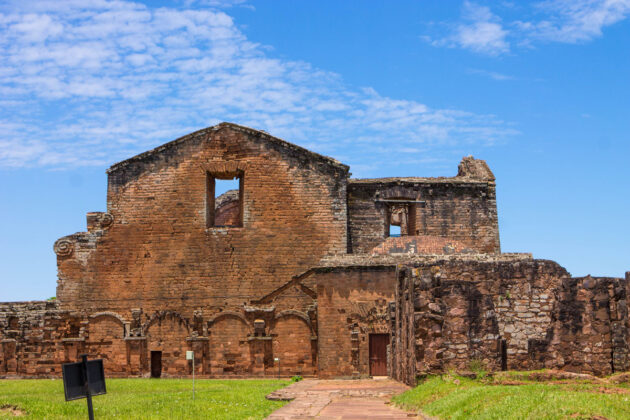
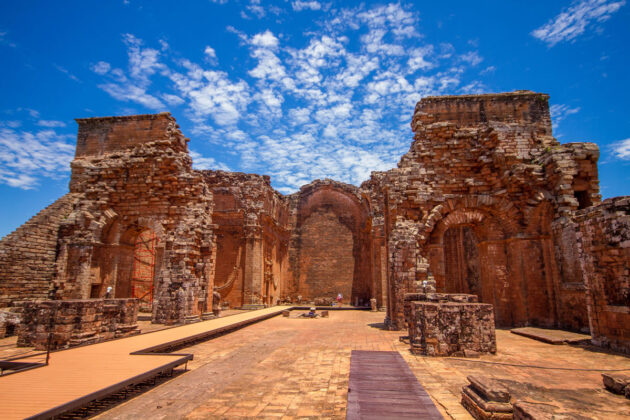
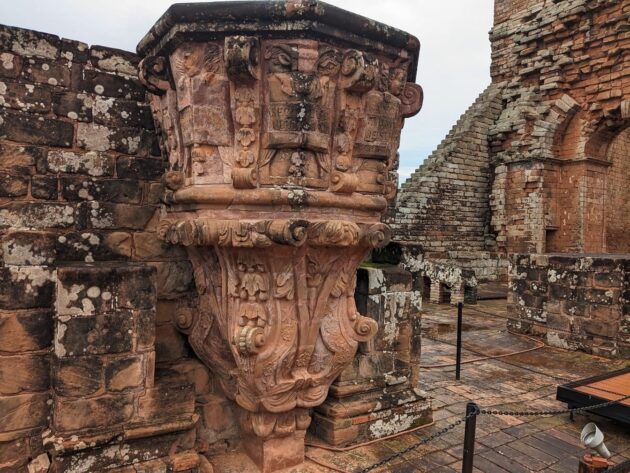
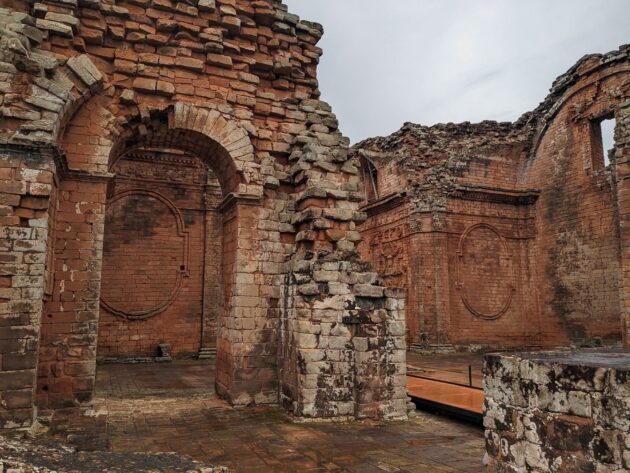
Here, European Baroque architecture blends seamlessly with indigenous Guaraní craftsmanship, featuring intricate red stone carvings, a grand church, bell tower, workshops, indigenous housing, and a vast central plaza. The site offers a peaceful, atmospheric glimpse into a unique chapter of colonial history where Jesuits created self-sustaining communities for thousands of Guaraní people.
Why Visit?
One of the largest and best-preserved Jesuit mission complexes in South America
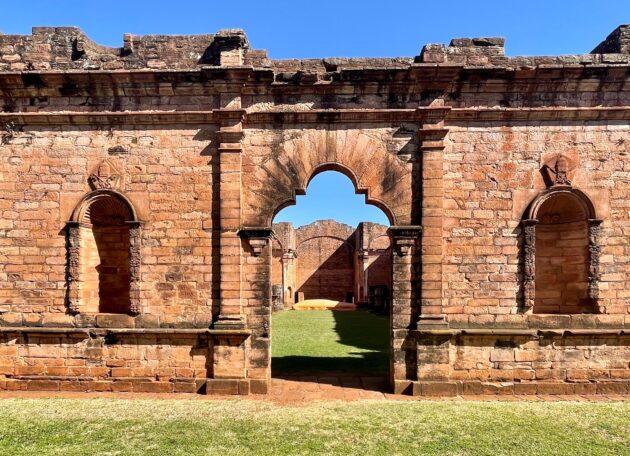
Striking red sandstone ruins with Moorish-influenced arches and rich symbolism
A rare, uncrowded UNESCO experience — often you’ll have the vast grounds almost to yourself
Includes a small museum and short introductory video (available in English)
How to Get There
The mission is located in the small town of Trinidad, Itapúa Department, about 30 km (38-minute drive) northeast of Encarnación, the most convenient base for visitors.
From Encarnación (recommended base): Take a local bus from the Terminal de Ómnibus de Encarnación heading toward Ciudad del Este. Buses run frequently (every 20–60 minutes), cost around 10,000–15,000 PYG (~$1.50–2 USD), and drop you near the entrance to Trinidad town. From there, it’s a short 10–15 minute walk to the ruins.
By taxi or private transfer: More comfortable; expect 80,000–150,000 PYG round-trip (~$10–20 USD).
From Posadas (Argentina): Cross the border via ferry or bridge to Encarnación, then continue as above.
Rental car: Ideal for flexibility, especially if combining with nearby Jesús de Tavarangüe (12 km away).
Best Time to Visit
Year-round accessibility — The site is open daily.
Opening hours: Summer (approx. Oct–Mar): 8:00 AM – 8:00 PM; Winter: 8:00 AM – 7:30 PM (times may vary slightly).
Special experience: Evening light & sound show (Wednesday–Sunday, starts ~7:00–9:00 PM depending on season) — highly recommended for a magical atmosphere.
Best weather: Dry season (May–September) for comfortable exploration; avoid midday heat in summer.
What to See & Do
Grand Church & Bell Tower — The centerpiece with elaborate stone carvings and a separate smaller church.
Central Plaza & Indigenous Housing — Walk the arcaded blocks that once housed thousands.
Workshops, School & Museum — See remnants of daily life and artifacts.
Guided tours — Available on-site (mostly in Spanish; English occasionally); worth it for deeper historical context.
Combine visits — Your ticket (valid for 3 days) includes nearby Jesús de Tavarangüe ruins (unfinished but impressive) and sometimes San Cosme y Damián.
Practical Tips
Entrance fee: Around 25,000–40,000 PYG for foreigners (~$3.50–5.50 USD); cheaper for Mercosur citizens; children under 12 free.
What to bring: Comfortable walking shoes (uneven terrain & grass), water, sunscreen, hat, insect repellent, and a camera. Bring cash (small bills) as facilities are limited.
Facilities: Basic restrooms, small shop, and parking available.
Accessibility: Partially wheelchair-friendly; some paths are uneven.
Where to Stay
Encarnación — Most convenient base with hotels, restaurants, and riverside vibes (e.g., Hotel Maitei or budget options).
Trinidad — Limited but peaceful guesthouses if you want to stay close (e.g., near the ruins for the light show).
The Jesuit Mission of the Holy Trinity offers a profound, off-the-beaten-path experience that combines history, architecture, and tranquility. Whether you’re a history enthusiast or simply seeking something different in South America, this hidden gem is well worth the journey. Safe travels!