

A Travel Guide to Punta del Este (2026)
Punta del Este, often called the “St. Tropez of South America” or the “Pearl of the Atlantic,” is Uruguay’s most glamorous beach resort town. Located on a peninsula about 140 km east of Montevideo, this upscale destination combines stunning beaches, vibrant nightlife, world-class dining, and iconic art installations. It attracts celebrities, jet-setters, and beach lovers from Argentina, Brazil, and beyond, especially during the Southern Hemisphere summer.
Why Visit Punta del Este?
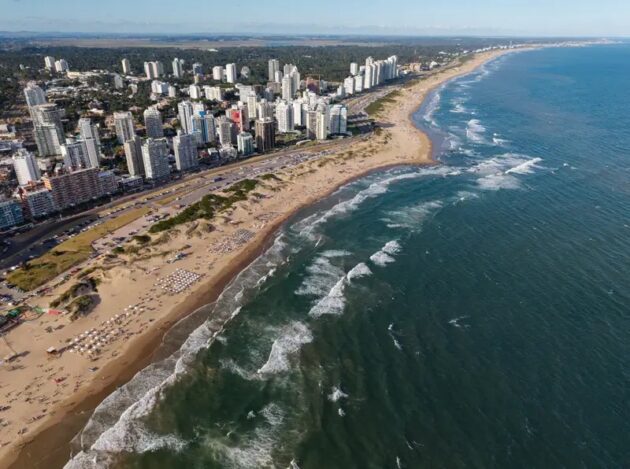
Punta del Este offers over 20 miles of beautiful coastline, divided into calmer waters on one side and wild Atlantic waves on the other. Beyond the beaches, you’ll find artistic landmarks, chic neighborhoods like La Barra and José Ignacio, excellent seafood, and a lively party scene that rivals the best in South America.
Best Time to Visit
Peak Season (December–February): Summer brings warm temperatures (77–90°F/25–32°C), long sunny days, and the most vibrant atmosphere. This is when the nightlife peaks, but expect crowds, higher prices, and the need to book everything in advance.
Shoulder Seasons (October–November & March–April): Ideal for milder weather (around 70–80°F/21–27°C), fewer people, and better deals on accommodations. Perfect if you want to enjoy the beaches without the summer frenzy.
Off-Season (May–September): Much quieter and cooler (50–65°F/10–18°C). Some restaurants and hotels close, but it’s great for peaceful walks and lower costs.
How to Get There
From Montevideo: The easiest option is a 2-hour bus ride from Tres Cruces Terminal (frequent services by companies like COT, around $7–10 USD).
By Air: Punta del Este International Airport (PDP) has limited direct flights, mostly seasonal from Buenos Aires, São Paulo, or Santiago. Many visitors fly into Montevideo (MVD) first.
From Buenos Aires: Take a fast ferry to Montevideo or Colonia, then bus onward, or fly directly (about 1 hour).
Local Transport: Taxis, rideshares, or renting a car/scooter for flexibility. The town is walkable, but beaches further out require transport.
Top Things to Do & Must-See Attractions
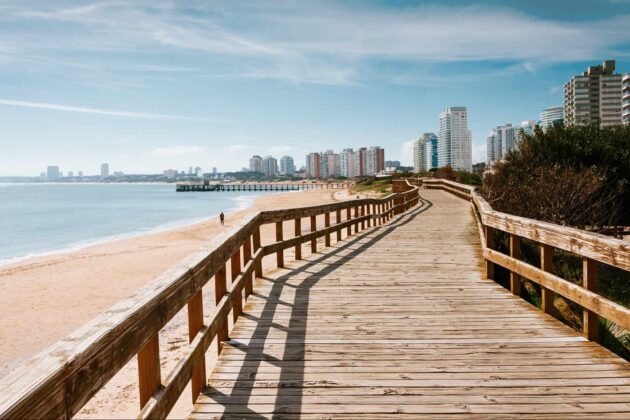
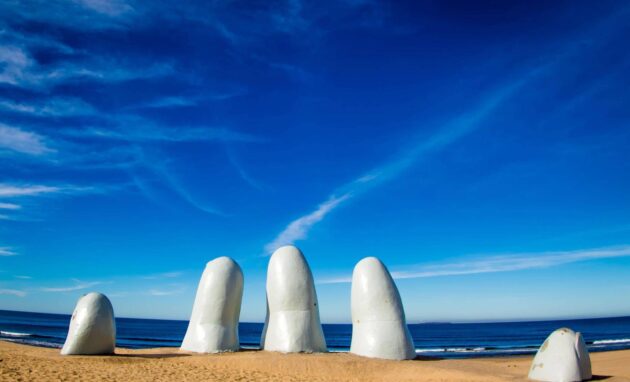
Relax on the Iconic Beaches: Playa Mansa (Calm Beach): Perfect for families, swimming, and beautiful sunsets. Wide golden sand and gentle waters. Playa Brava (Fierce Beach): Great for surfing, kiteboarding, and the famous La Mano (The Hand) sculpture — a giant hand emerging from the sand, created by Chilean artist Mario Irarrázabal.
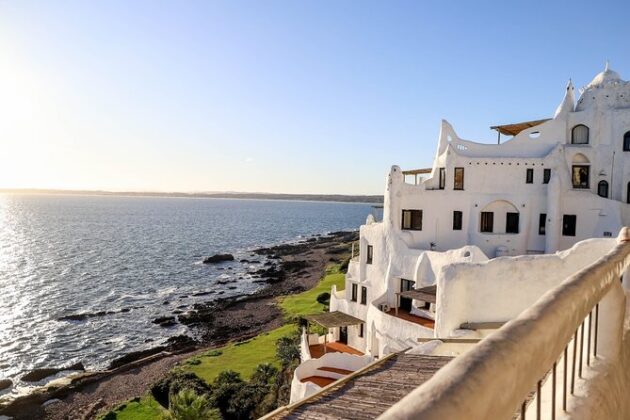
Visit Casapueblo: This white, whimsical cliffside complex in nearby Punta Ballena was built by artist Carlos Páez Vilaró. It features a museum, art gallery, hotel, and breathtaking sunset views over the Atlantic.
Explore La Barra & José Ignacio: Cross the famous wavy Puente Leonel Viera bridge to La Barra for trendy beaches (like Bikini Beach), boutiques, and nightlife. Further north, the chic village of José Ignacio offers relaxed luxury, celebrity sightings, and top restaurants like La Huella.
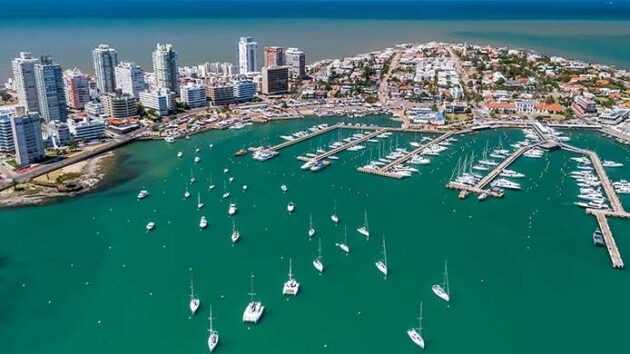
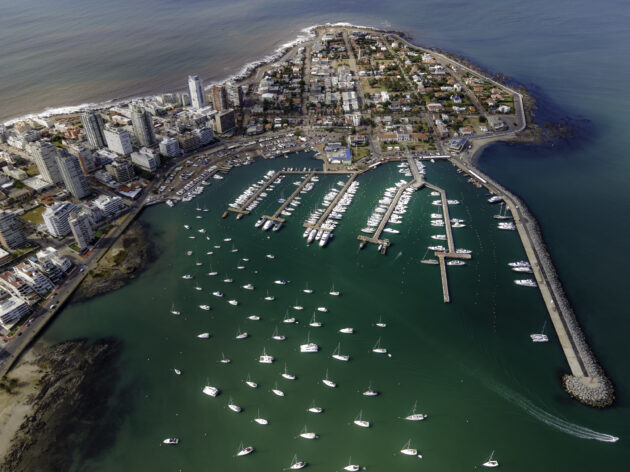
Other Highlights: Stroll the Rambla (coastal promenade); Visit the Puerto (yacht harbor) and spot sea lions; Day trip to Isla Gorriti (ferry from the port) for peaceful beaches; Whale watching (June–October) or surfing lessons.
Where to Stay
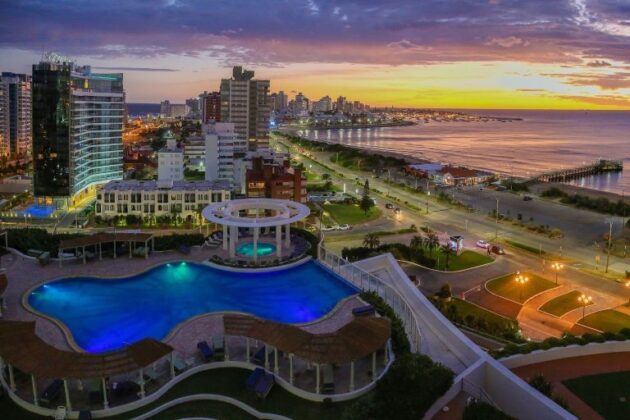
Luxury: Conrad Punta del Este Resort & Casino, The Grand Hotel, or boutique spots in José Ignacio.
Mid-Range: Beachfront apartments or hotels like Hotel Atlántico or Enjoy Punta del Este.
Budget: Hostels in town or guesthouses in La Barra (more affordable outside peak season).
Food & Nightlife
Dine on fresh seafood, chivito (Uruguay’s famous sandwich), and parrilla (grilled meats). Popular spots include beachfront restaurants and upscale venues in La Barra. Nightlife explodes in summer with international DJs, beach clubs, and bars — places like Moby Dick Pub or exclusive clubs stay open late.
Practical Tips
Safety: Punta del Este is one of the safest places in South America, but watch for petty theft on crowded beaches.
Costs: Uruguay is relatively expensive — expect higher prices for food, drinks, and accommodations in peak season.
Currency: Uruguayan Peso (UYU); USD widely accepted.
What to Bring: Sunscreen, hat, light clothes, and something elegant for evenings.
Language: Spanish is official; English is common in tourist areas.
Punta del Este delivers a perfect mix of relaxation, glamour, and natural beauty. Whether you’re seeking sun-soaked days or lively nights, this Uruguayan gem won’t disappoint. Safe travels! 🌊🇺🇾