

A Comprehensive Travel Guide to Ecuador (2026)
Ecuador, a small yet incredibly diverse South American nation, offers a wealth of natural wonders, rich cultural experiences, and adventure opportunities. Straddling the equator, it’s home to the Amazon rainforest, the towering Andes Mountains, the Galápagos Islands, and vibrant colonial cities. Whether you’re an eco-tourist, history buff, or thrill-seeker, Ecuador packs a punch in a compact package. This guide covers the essentials to help you plan an unforgettable trip. Note: Always check current travel advisories, as Ecuador’s security situation can vary by region.
Why Visit Ecuador?
Ecuador stands out for its biodiversity—one of the highest in the world. It’s the only country where you can hike active volcanoes, explore cloud forests, spot giant tortoises on volcanic islands, and wander through UNESCO-listed historic centers like Quito. The country is also affordable, with a U.S. dollar-based economy making it budget-friendly for many travelers. Plus, its indigenous cultures, delicious cuisine (think ceviche and empanadas), and year-round mild climate add to the appeal.
How to Get There
By Air: Most international visitors fly into Mariscal Sucre International Airport (UIO) in Quito, the capital. Direct flights are available from major U.S. cities like Miami, New York, and Atlanta via airlines such as American Airlines, Delta, or LATAM. From Europe, options include Iberia or Avianca. For the Galápagos, fly from Quito or Guayaquil (GYE) to islands like Baltra or San Cristóbal.
Entry Requirements: U.S. citizens need a passport valid for at least six months and no visa for stays up to 90 days. Proof of onward travel may be required. Yellow fever vaccination is recommended if coming from certain regions.
Getting Around: Domestic flights (e.g., Avianca Ecuador) are quick and cheap for long distances. Buses via companies like Cooperativa Cruz del Sur or Reina del Camino are reliable and scenic for shorter trips—expect to pay $5–20 USD. Renting a car is an option in safer areas, but roads can be winding and challenging. For the Galápagos, cruises or inter-island ferries are popular.
Best Time to Visit
Ecuador’s climate varies by region due to its equatorial location:
Highlands (Andes): Dry season (June–September) offers clear skies for hiking; rainy season (December–May) brings lush greenery but mudslides.
Amazon (Oriental): Year-round humidity, but drier months (June–November) are best to avoid heavy rains.
Galápagos: Warmest and driest from June–December; cooler, wetter from January–May, which is great for marine life spotting.
Coast (e.g., Guayaquil): Hot and humid year-round; avoid December–April for fewer crowds.
Overall, shoulder seasons (May–June, September–October) balance weather and crowds. Ecuador is prone to earthquakes, so monitor updates.
Top Destinations
Quito
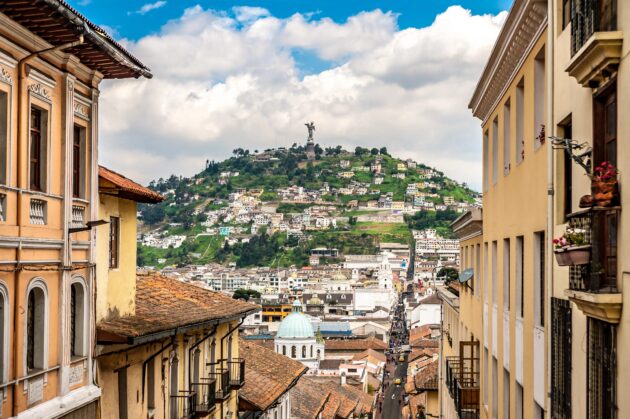
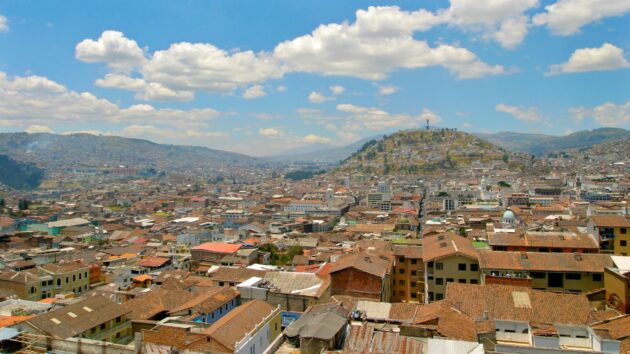
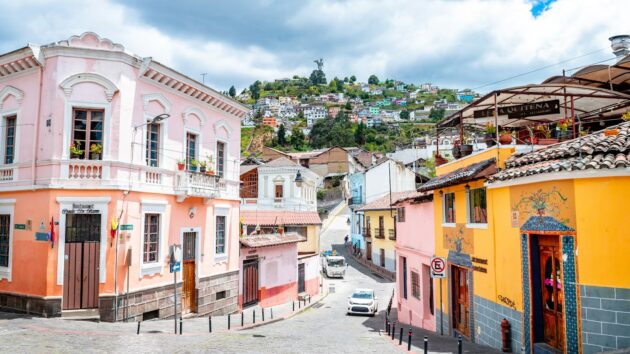
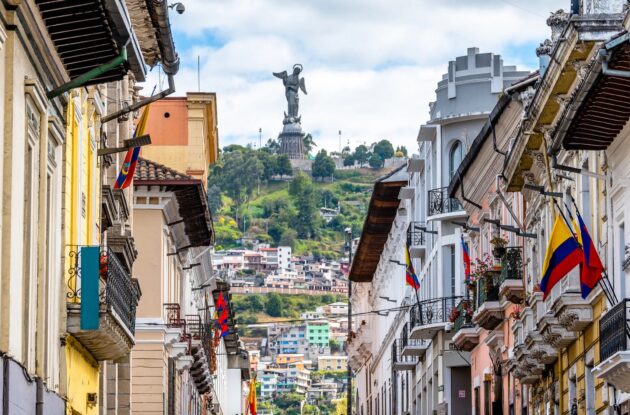
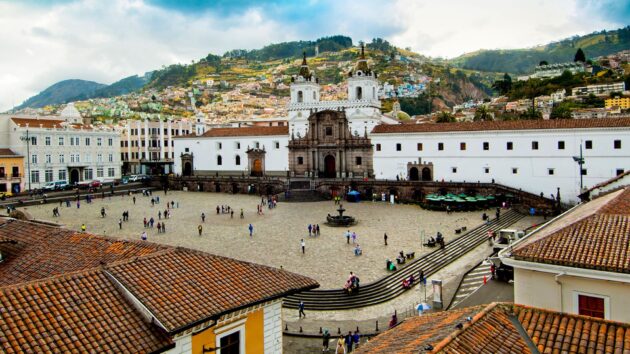
Quito, the high-altitude capital of Ecuador, is one of South America’s most captivating cities. Perched at approximately 2,850 meters (9,350 feet) in the Andes, it’s the second-highest capital in the world, blending stunning colonial architecture, dramatic volcanic landscapes, and vibrant indigenous culture. The historic center is a UNESCO World Heritage Site — the largest and best-preserved colonial old town in Latin America.



Galápagos Islands
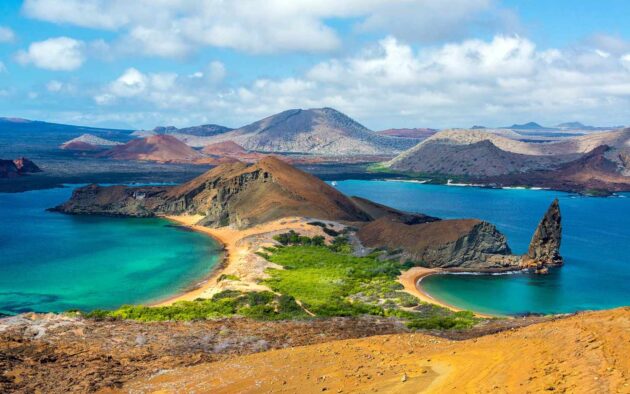
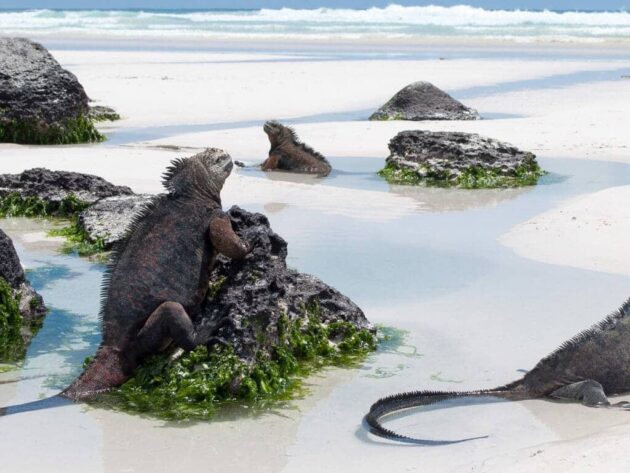
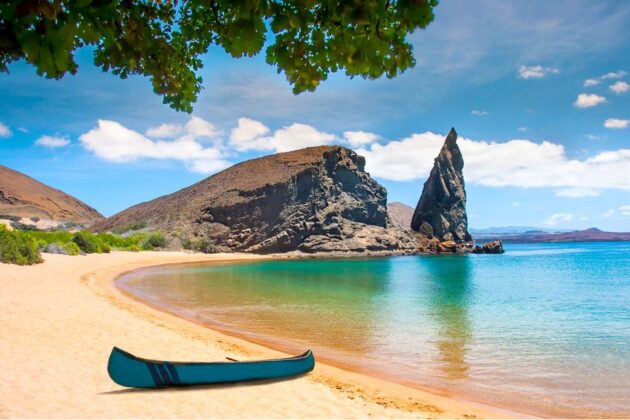
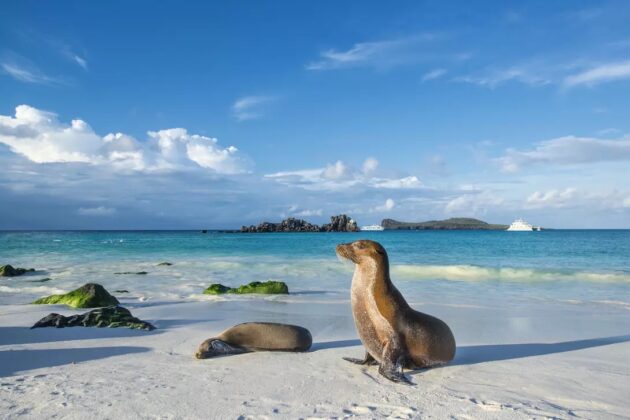
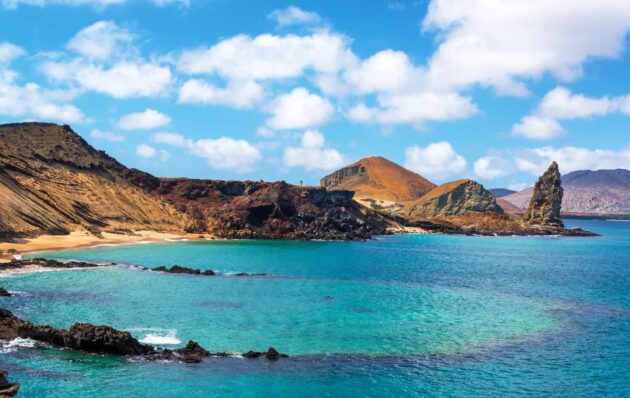
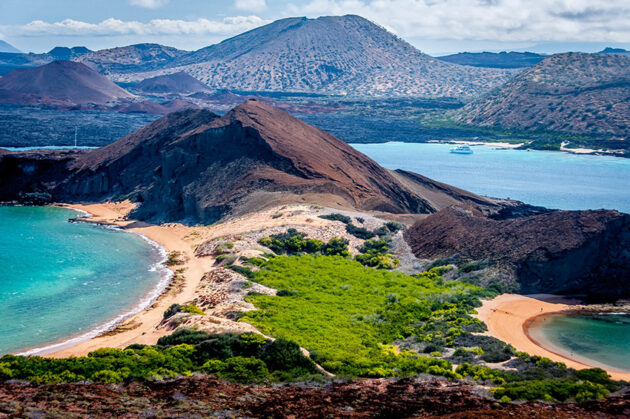
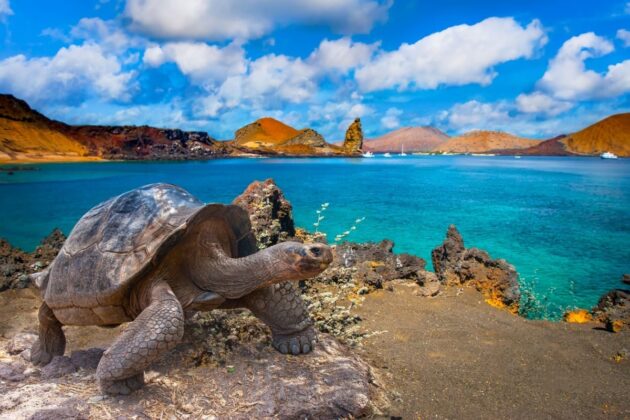
The Galápagos Islands, located about 600 miles off the coast of Ecuador, are one of the world’s most extraordinary natural destinations. This UNESCO World Heritage Site and living laboratory inspired Charles Darwin’s theory of evolution, featuring unique wildlife like giant tortoises, marine iguanas, blue-footed boobies, and playful sea lions that often approach visitors fearlessly.

Cuenca
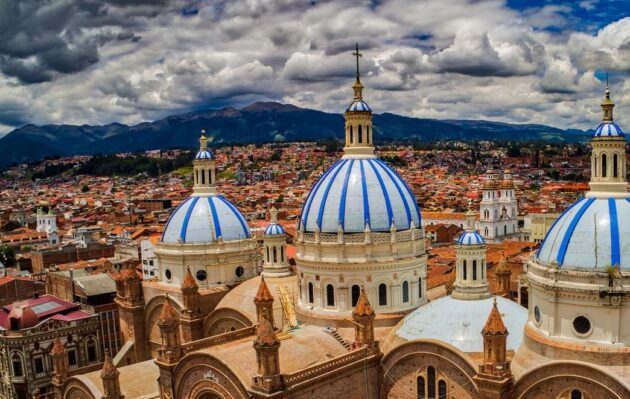
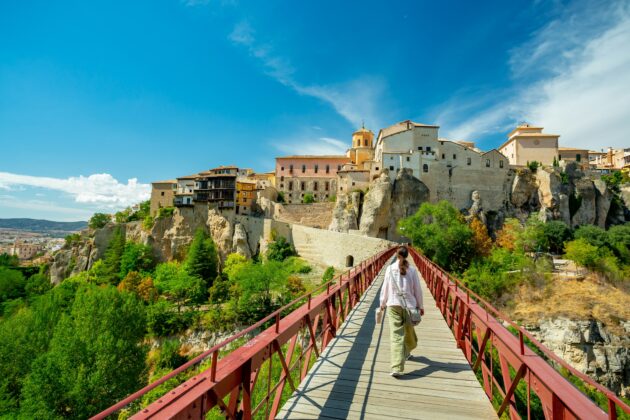
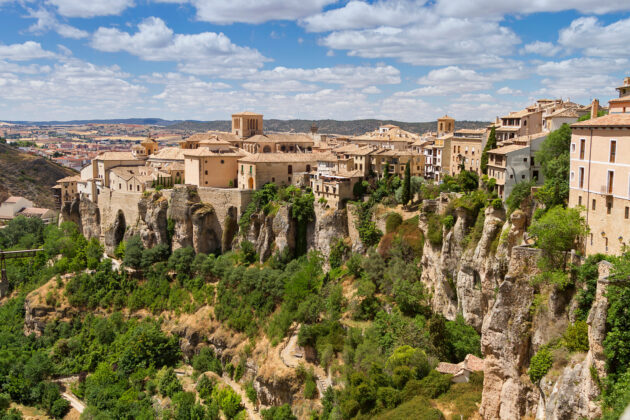
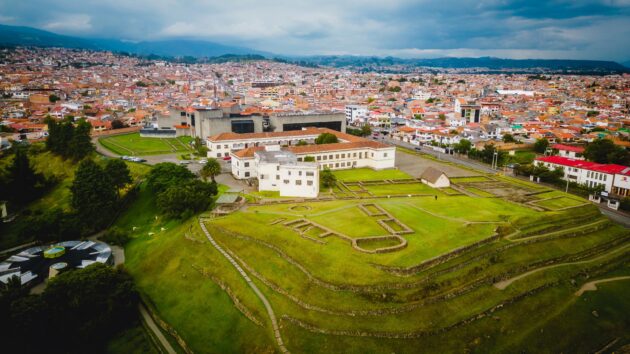
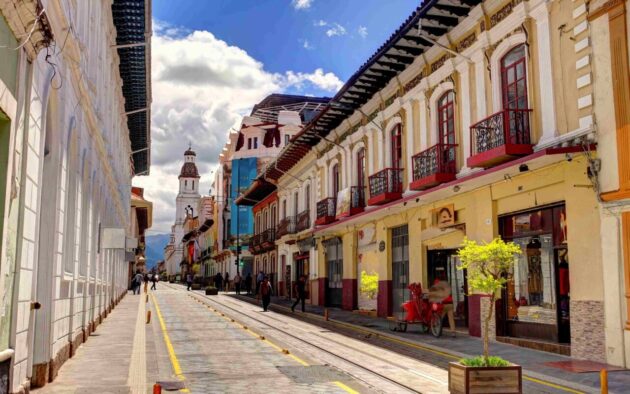
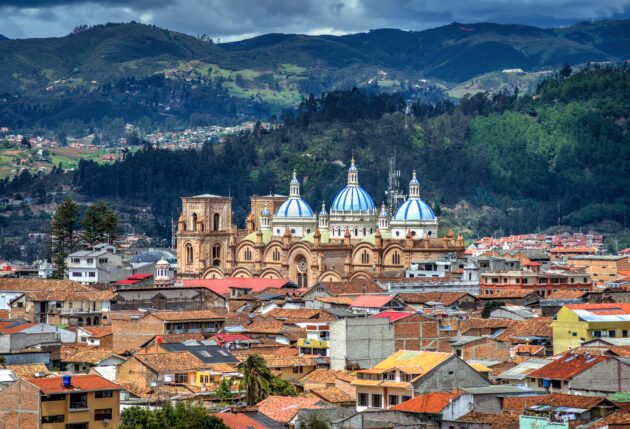
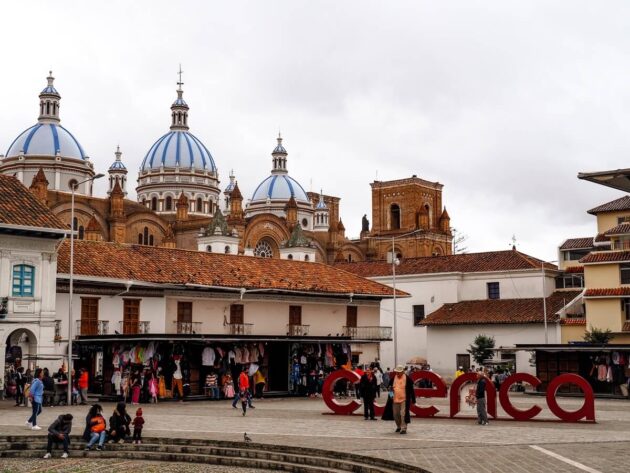
Cuenca, officially known as Santa Ana de los Cuatro Ríos de Cuenca, is Ecuador’s third-largest city and one of its most enchanting destinations. Nestled in the southern Andes at an altitude of about 2,550 meters (8,366 feet), this UNESCO World Heritage-listed colonial gem is often called the “Athens of Ecuador” for its rich intellectual, artistic, and cultural heritage. With stunning Spanish colonial architecture, charming cobblestone streets, beautiful churches, lively markets, and breathtaking surrounding nature, Cuenca offers a perfect blend of history, culture, and Andean beauty.
Baños de Agua Santa
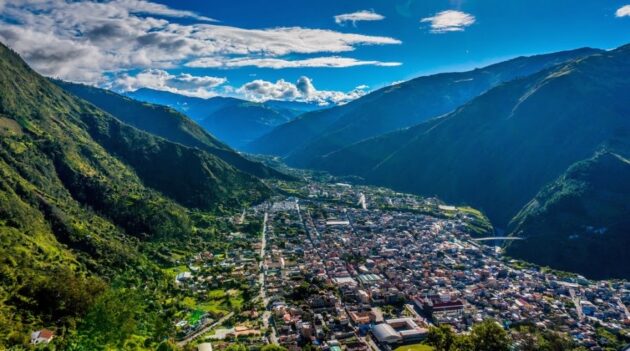
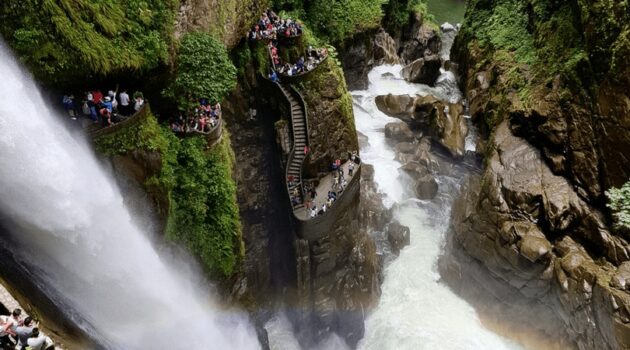
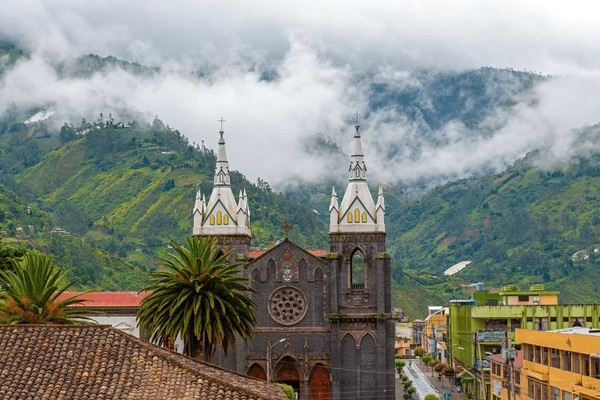
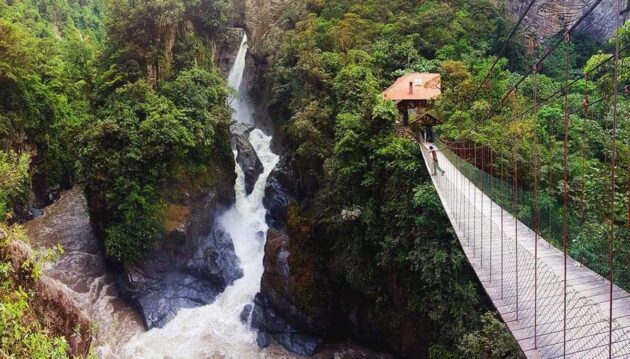
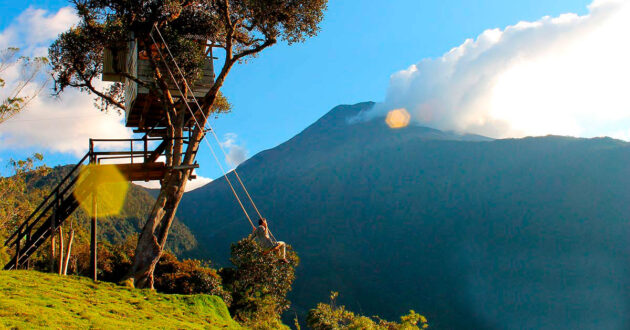
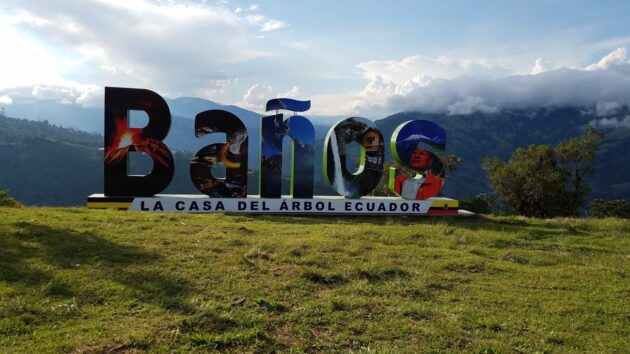
Baños de Agua Santa (commonly just called Baños), nestled in the lush Andean foothills at the base of the active Tungurahua volcano, is Ecuador’s undisputed adventure capital and the gateway to the Amazon. This charming town blends heart-pounding thrills with relaxing natural hot springs, surrounded by dramatic waterfalls, misty mountains, and vibrant greenery.


Guayaquil
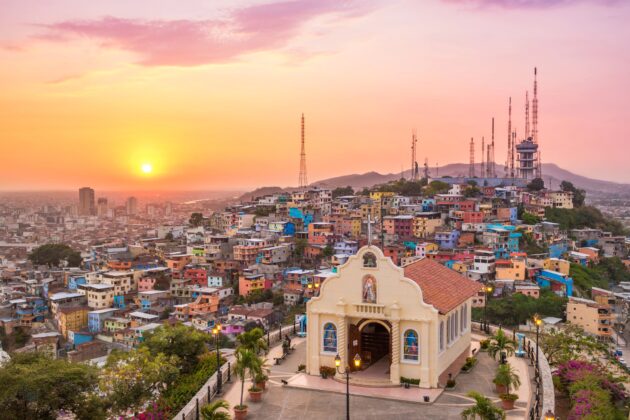
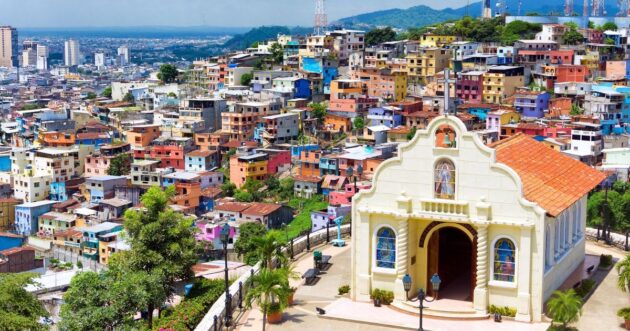
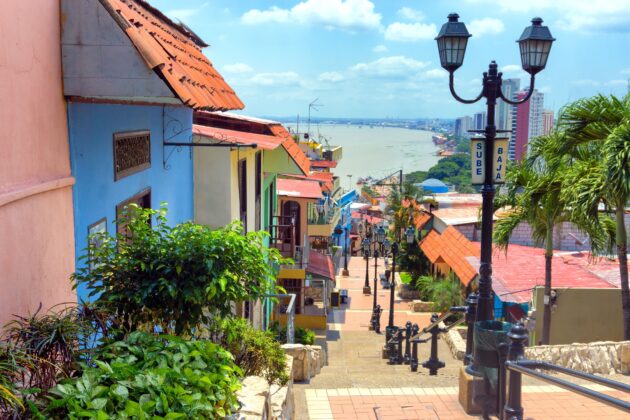
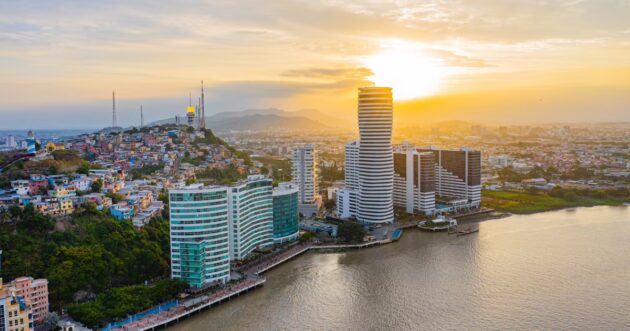
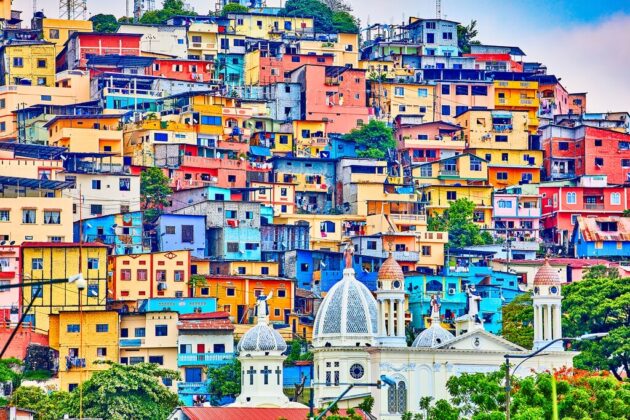
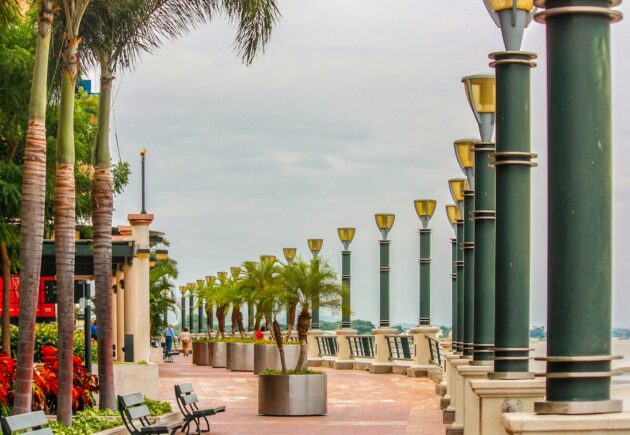
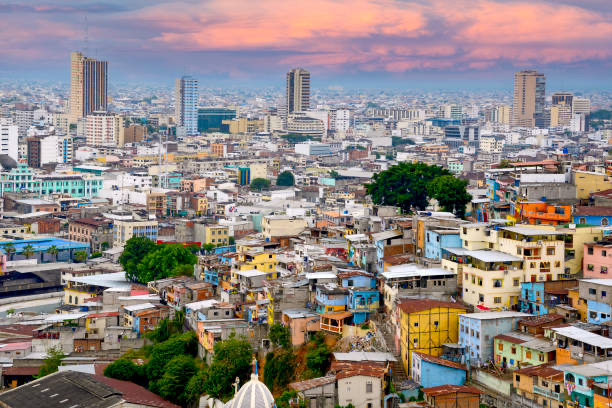
Guayaquil, Ecuador’s largest city and bustling economic hub, is a vibrant coastal metropolis often overlooked as just a gateway to the Galápagos Islands. Known as the “Pearl of the Pacific,” this tropical port city offers a lively mix of modern waterfront promenades, colorful historic neighborhoods, river views, and rich Creole culture. With recent urban renewal projects, it’s become a rewarding stop for travelers seeking urban energy, history, and tropical vibes.

What to Do
Adventure Activities: Hike in Cotopaxi National Park (home to an active volcano), zip-line in Mindo Cloud Forest, or surf on the Pacific coast.
Cultural Experiences: Join a chocolate tour in the Amazon (Ecuador produces 70% of the world’s fine cocoa), attend an indigenous festival, or learn about Kichwa traditions.
Wildlife and Nature: Snorkel with sharks in the Galápagos, birdwatch (over 1,600 species), or trek the Quilotoa Lagoon crater.
Food and Drink: Try llapingachos (potato cakes), locro de papa (potato soup), and fresh seafood. Don’t miss the craft beer scene in Quito or cane alcohol (canelazo) in the highlands.
Where to Stay
Budget: Hostels like Community Hostels in Quito ($10–20/night) or eco-lodges in the Amazon ($50–100).
Mid-Range: Boutique hotels like Hotel Oro Verde in Guayaquil or fincas (farms) in the highlands ($50–150).
Luxury: Galápagos cruises (e.g., Celebrity Xpedition, $5,000+ per week) or high-end resorts like Mashpi Lodge in the cloud forest ($500+/night).
Airbnb and Booking.com are reliable for options. Stay in safer areas like Quito’s La Mariscal or Gringolandia in Baños.
Practical Tips
Budget: Expect $50–100/day per person for mid-range travel (food, transport, lodging). ATMs are widespread (uses USD), but carry cash for rural areas.
Health and Safety: Drink bottled water, use insect repellent (for dengue/zika), and get altitude sickness meds for the Andes. Petty crime is common in cities—avoid flashing valuables. Use registered taxis or apps like Uber. Women travelers should take standard precautions.
Language: Spanish is official; English is limited outside tourist spots. Learn basics like “buenos días” (good morning).
Sustainability: Ecuador emphasizes eco-tourism—choose certified operators, avoid single-use plastics, and support community-based initiatives.
Currency: USD is legal tender; carry small bills. No tipping culture like in the U.S., but 10% is appreciated in restaurants.
Final Thoughts
Ecuador is a gem for travelers seeking variety without vast distances—everything from beaches to mountains is within a day’s drive. With its friendly locals and stunning landscapes, it’s perfect for 1–2 weeks. Start in Quito, head to the Galápagos if budget allows, and explore the Andes or Amazon for immersion. Safe travels, and enjoy the equator’s magic!