
Galápagos Islands Travel Guide (2026)
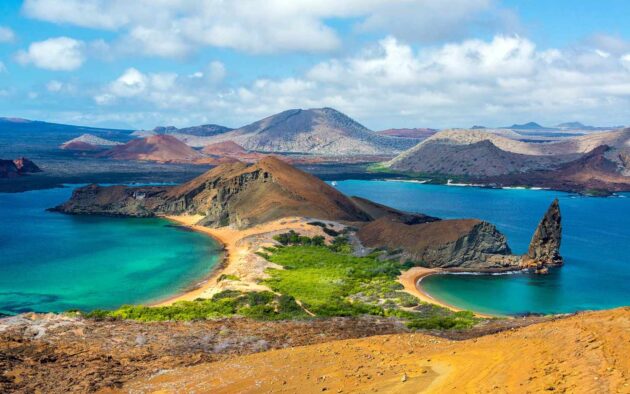
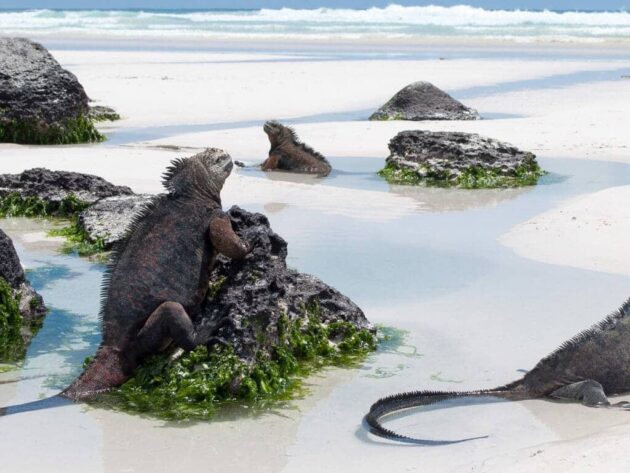
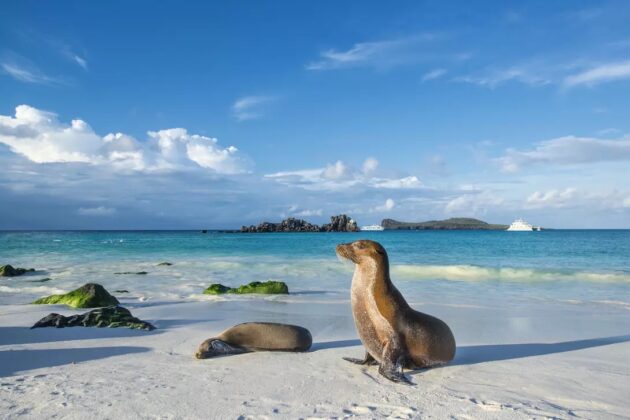
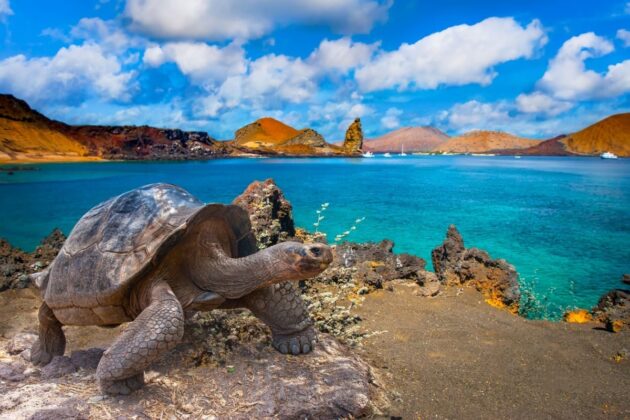
The Galápagos Islands, located about 600 miles off the coast of Ecuador, are one of the world’s most extraordinary natural destinations. This UNESCO World Heritage Site and living laboratory inspired Charles Darwin’s theory of evolution, featuring unique wildlife like giant tortoises, marine iguanas, blue-footed boobies, and playful sea lions that often approach visitors fearlessly.
Why Visit the Galápagos?
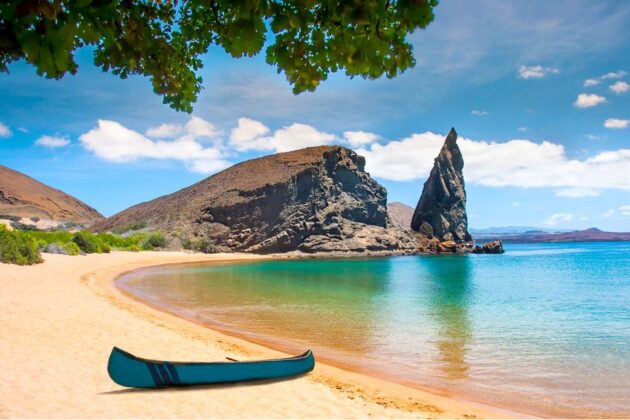
The islands offer unparalleled wildlife encounters in pristine volcanic landscapes. Animals show little fear of humans, allowing close, ethical observations. Key highlights include snorkeling with sea lions, spotting penguins and sharks, and hiking among lava fields and giant tortoises.
How to Get There
Flights to the Galápagos depart only from Quito or Guayaquil (mainland Ecuador). The two main airports are:
Seymour Airport (GPS) on Baltra (near Santa Cruz)
San Cristóbal Airport (SCY)
Round-trip flights typically cost $400–$700 USD. Book in advance, especially during peak seasons.
Entry Requirements & Fees
Transit Control Card (TCT/INGALA): $20 USD per person — purchase online in advance via the official Galápagos government platform.
Galápagos National Park Entrance Fee: $200 USD for adults (12+), $100 for children under 12 — payable in cash (USD) upon arrival. Funds support conservation.
Valid passport (6+ months validity).
Round-trip ticket and hotel reservations.
Biosafety declaration (online form).
Strict biosecurity checks apply — no fresh produce, plants, or untreated items allowed.
Best Time to Visit
The islands are great year-round due to their equatorial location, but conditions vary:
December–May (warm/wet season): Warmer water (76–82°F/24–28°C), calmer seas, ideal for snorkeling/diving. Occasional short showers.
June–November (cool/dry season): Cooler water (72°F/22°C), nutrient-rich currents attract more marine life (e.g., whales, hammerheads). Best for birdwatching.
Peak seasons: Mid-December–mid-January and June–September — book early!
How to Explore: Cruise vs. Land-Based (Island Hopping)
Cruise (Recommended for most visitors)
Small ships (12–100 passengers) visit remote islands inaccessible by land. All-inclusive (meals, guides, excursions). Efficient for seeing diverse wildlife and landscapes. Cost: $3,000–$10,000+ USD for 7–8 days (varies by luxury level). Best for maximizing wildlife sightings.
Land-Based/Island Hopping
Stay on inhabited islands (Santa Cruz, San Cristóbal, Isabela). Take day trips by boat. More flexible, potentially cheaper, and seasickness-friendly. Limited to fewer sites. Cost: $1,500–$4,000 USD for 7 days (flights, hotels, tours).
For first-timers wanting the full experience, a cruise is usually superior.
Top Islands to Visit
Focus on these three inhabited ones for land-based trips:
Santa Cruz — Central hub (Puerto Ayora), Charles Darwin Research Station, Tortuga Bay beach, highlands tortoises.
Isabela — Largest island, volcanic hikes (Sierra Negra), penguins, flamingos, excellent snorkeling (Los Tuneles, Tintoreras).
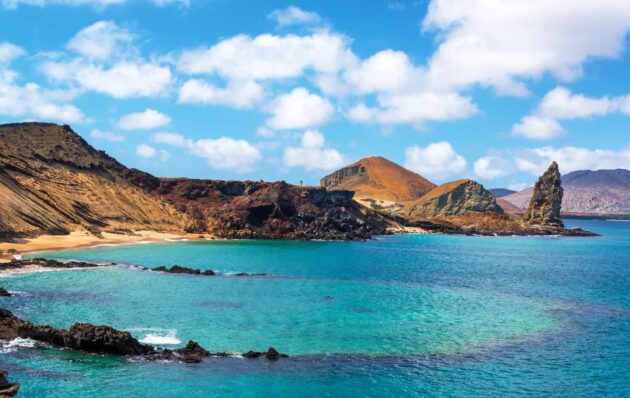
San Cristóbal — Laid-back town, sea lions everywhere, Kicker Rock (top snorkel/dive spot).
What to Do & See
Snorkel/dive daily (sea lions, turtles, rays, sharks).
Hike volcanic trails and lava tunnels.
Visit tortoise breeding centers.
Observe bird colonies (boobies, frigatebirds, albatrosses seasonally).
Practical Tips
Pack: Sunscreen (reef-safe), hat, quick-dry clothes, water shoes, seasickness meds, reusable water bottle.
Budget: Expect high costs due to isolation — food, tours, and transport are expensive.
Conservation Rules: Stay on trails, no touching animals, no littering, follow guides strictly.
Health: No special vaccines required, but standard ones recommended. Bring motion sickness remedies.
Book Early: Especially cruises and internal flights.
The Galápagos is a once-in-a-lifetime destination — plan responsibly, respect the fragile ecosystem, and prepare for an adventure filled with wonder. Safe travels!