
Bogotá Travel Guide (2026)
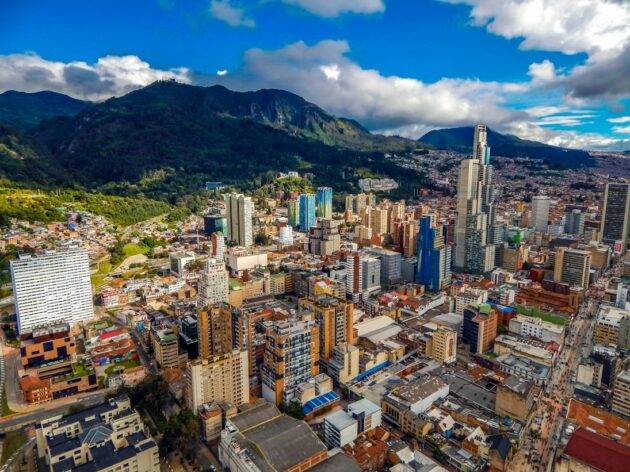
Bogotá, the vibrant capital of Colombia, sits at an impressive 2,640 meters (8,660 feet) above sea level in the Andes, making it one of the highest major cities in the world. Known for its rich colonial history, world-class museums, thriving street art scene, emerging food culture, and dramatic mountain backdrop, Bogotá offers a fascinating mix of old and new. While safety concerns persist in some areas, tourist-friendly zones have improved significantly in recent years.
Why Visit Bogotá?
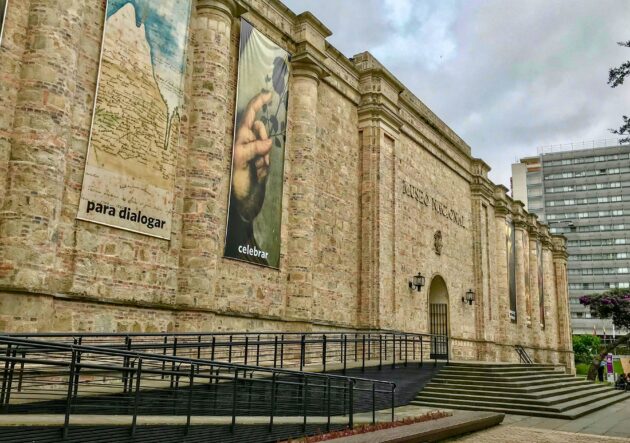
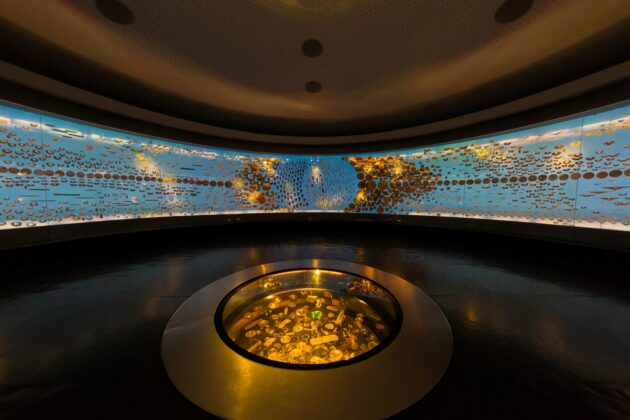
Home to incredible museums (Gold Museum, Botero Museum)
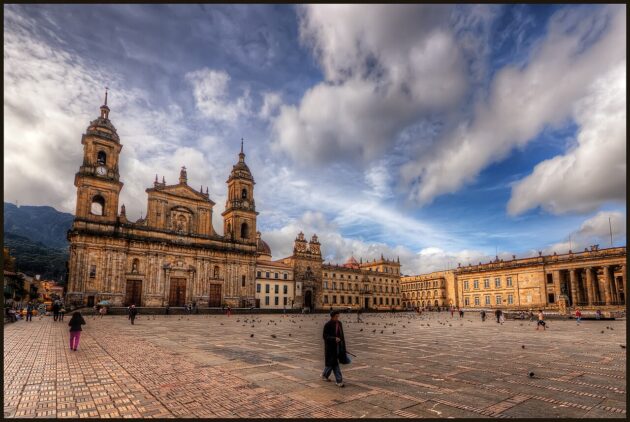
Stunning colonial architecture in La Candelaria
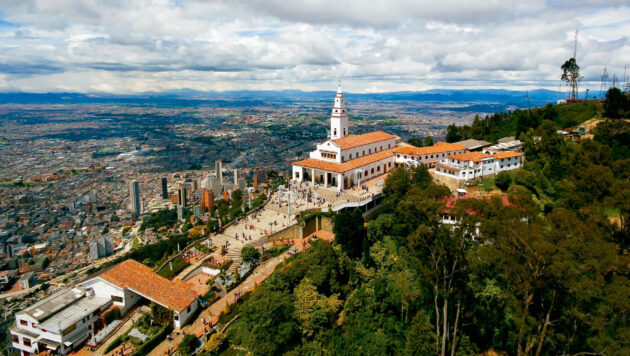
Panoramic views from Monserrate
Excellent street food, coffee culture, and fine dining
Vibrant nightlife in Zona T and Chapinero
Gateway to nearby attractions like the Salt Cathedral of Zipaquirá
Best Time to Visit
Dry seasons — December to March and July to August — offer the most sunshine and fewer rain showers.
Year-round temperatures hover between 7–19°C (45–66°F), so pack layers and a light rain jacket.
Avoid peak Christmas/New Year and Easter weeks if you dislike crowds.
Getting There & Airport Transfer
El Dorado International Airport (BOG) is about 15–20 km northwest of the city center.
Recommended options: Uber / InDriver / Didi — Very popular, usually safe and reasonably priced (COP 25,000–45,000 ≈ USD 6–11 depending on traffic and time).
Official airport taxi — Buy a ticket at the designated counters inside arrivals (Terminal 1 or 2); fixed rate to most central areas (around COP 30,000–50,000). Avoid hailing random yellow taxis outside — they often overcharge or take longer routes.
TransMilenio bus — Cheapest (≈ COP 3,000) but can be crowded and confusing for first-timers, especially with luggage. Use only if you’re comfortable with public transport.
Best Neighborhoods to Stay
For most first-time visitors, prioritize safety, convenience, and atmosphere.
Chapinero (including Chapinero Alto & Zona G) — Overall best balance: trendy restaurants, cafes, nightlife, safer vibe, good for foodies and young travelers.
Zona Rosa / Zona T / Parque 93 — Upscale, modern, excellent dining and bars, very safe at night, great for nightlife and shopping.
La Candelaria — Historic heart of the city, walking distance to major sights (Gold Museum, Plaza de Bolívar), colorful street art, backpacker hostels. Daytime is fine, but many advise against walking alone after dark.
Usaquén — Quieter, charming northern neighborhood with a village feel, weekend flea market, family-friendly.
Quick picks: Budget → Hostels in La Candelaria or Chapinero (Masaya Bogotá, Selina); Mid-range → Holiday Inn Express Zona G, Movich Casa del Alférez; Luxury → Four Seasons Casa Medina, W Bogotá, JW Marriott.
Top Things to Do (3–5 Day Itinerary Suggestion)
Day 1 – Historic Center & Museums: La Candelaria walking tour (Plaza de Bolívar, Gold Museum, Botero Museum); Street art & graffiti tour (many excellent free/paid options); Evening: Dinner in La Macarena neighborhood (great small restaurants).
Day 2 – Monserrate & Views: Take the funicular or cable car up Cerro de Monserrate (early morning to avoid crowds and clouds); Hike down if you’re fit (takes 1.5–2.5 hours); Afternoon: Explore more of La Candelaria or relax in a café.
Day 3 – Modern Bogotá & Food: Zona G or Zona T for gourmet lunch; Shopping or people-watching in Parque 93; Evening: Salsa dancing lesson or bar hopping in Chapinero / Zona Rosa.
Day 4 – Day Trip Options: Salt Cathedral of Zipaquirá (1.5 hours north, very popular half-day tour); Guatavita Lake & the legend of El Dorado; Paloquemao Market for fresh fruit, arepas, and local vibes.
Day 5+ — Coffee region (Salento), Medellín, or Cartagena if extending your trip.
Food Highlights
Must-try: Ajiaco (chicken & potato soup), bandeja paisa, arepas, empanadas, obleas.
Street food — Paloquemao Market or street vendors (be cautious with hygiene).
Coffee — Bogotá has excellent third-wave coffee shops (Azahar, Amor Perfecto).
Fine dining → Andrés Carne de Res (legendary), El Cielo, Harry Sasson.
Safety Tips (Essential Reading)
Colombia — and Bogotá — has improved dramatically, but petty crime remains common in tourist areas.
Follow the local saying “No dar papaya” — Don’t make yourself an easy target (no phones out on streets, no flashy jewelry, bags in front).
Use Uber/InDriver instead of street taxis at night.
Avoid walking alone in La Candelaria after dark; stick to busy streets.
Keep valuables in hotel safe; carry only what you need.
Northern areas (Chapinero, Zona Rosa, Usaquén) are generally much safer than southern parts.
Current government advisories (US, UK, Australia, Canada) recommend high degree of caution for Colombia overall but do not prohibit travel to Bogotá tourist zones.
Practical Tips
Currency: Colombian Peso (COP). Cards widely accepted; carry some cash for markets/taxis.
Altitude: Bogotá’s elevation can cause mild soroche (altitude sickness). Drink coca tea, stay hydrated, take it easy first day.
Language: Spanish dominant. Basic phrases help; many in tourist areas speak some English.
SIM card: Claro or Movistar at airport — cheap data plans.
Apps: Uber, Didi, Google Maps, Rappi (food delivery).
Bogotá rewards travelers who approach it with curiosity and common sense. Embrace the street art, the museums, the food, and the resilient spirit of its people — and you’ll leave with memories of one of South America’s most dynamic capitals. Safe travels!