
A Travel Guide to Cocora Valley (2026)
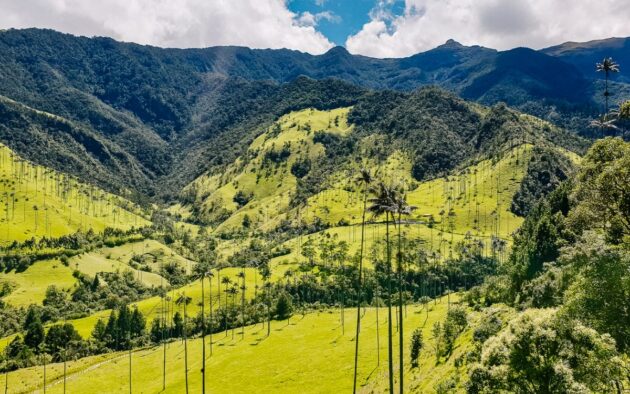
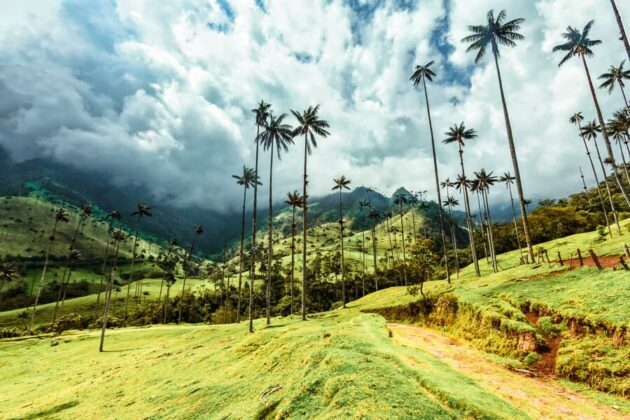
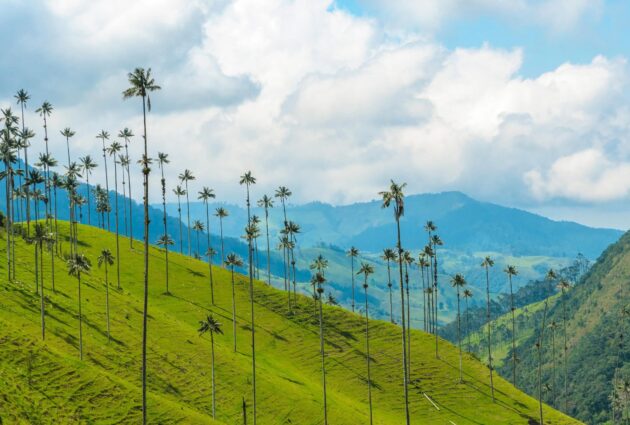
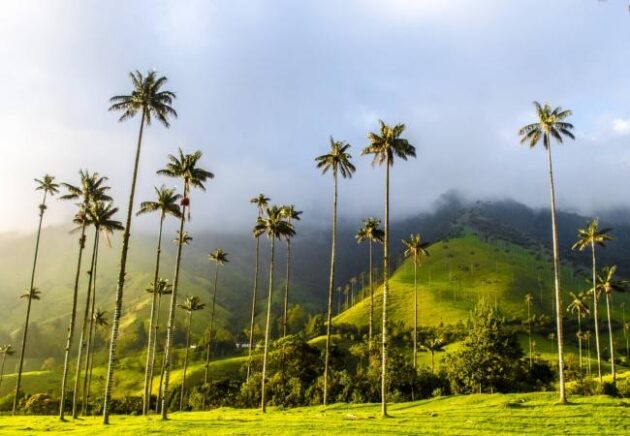
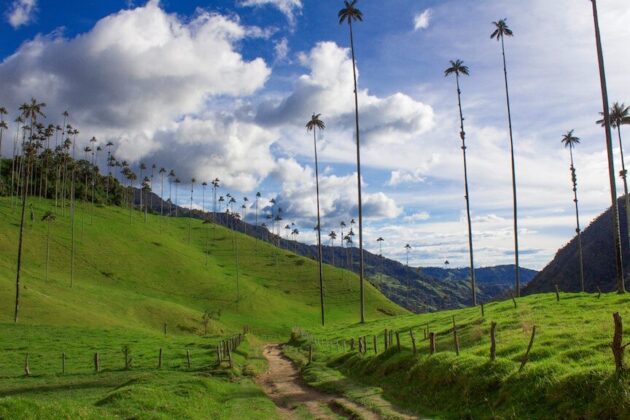
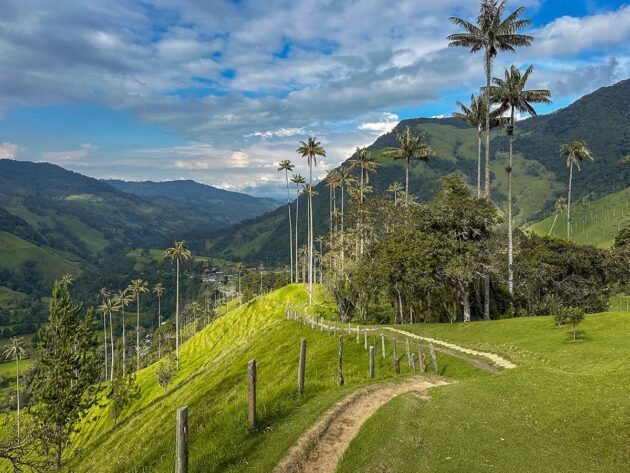
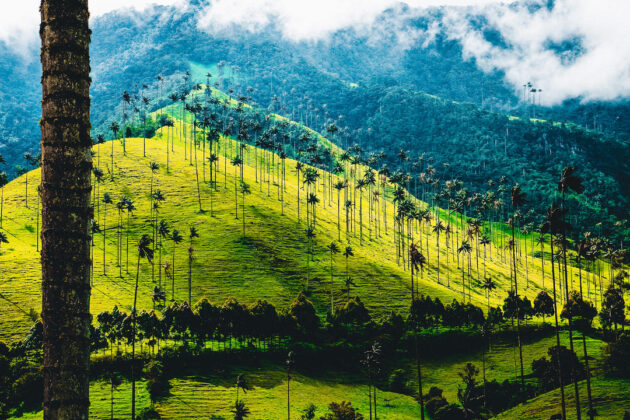
Cocora Valley, nestled in Colombia’s Coffee Region (Eje Cafetero) near the colorful town of Salento in Quindío Department, is one of the country’s most iconic natural wonders. Famous for housing the world’s tallest palm trees—the towering wax palms (Ceroxylon quindiuense), Colombia’s national tree, reaching up to 60 meters (nearly 200 feet)—the valley offers surreal landscapes of misty green hills, cloud forest, rivers, and rolling meadows dotted with these prehistoric-looking giants. Whether you’re seeking an epic hike, scenic photos, or a peaceful escape into nature, Cocora Valley is a bucket-list destination that feels like stepping into a fairy-tale version of the Andes.
Why Visit Cocora Valley?
Home to the tallest palm trees on Earth, creating a dramatic, almost otherworldly scenery.
Part of the Los Nevados National Natural Park ecosystem, rich in biodiversity (hummingbirds, cloud forest birds, orchids).
Combines adventure with the charm of nearby Salento—a vibrant, rainbow-hued coffee town with colonial architecture, great cafés, and a laid-back vibe.
Perfect for hikers, photographers, birdwatchers, or anyone wanting a quintessential Colombian nature experience.
How to Get There
Cocora Valley is easily accessible as a day trip from Salento (about 25–30 minutes away). Most visitors base themselves in Salento.
To Salento:
Fly into Pereira (PEI) or Armenia (AXM) airports (both ~1–1.5 hours by bus/taxi to Salento). From Bogotá or Medellín: Take a bus (6–9 hours) or fly domestically. Recommended: Fly to Pereira for convenience.
From Salento to Cocora Valley:
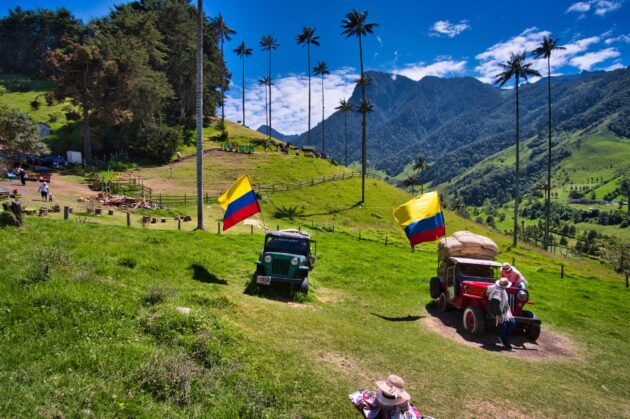
Willys Jeeps (iconic open-sided WWII-style jeeps): Depart from Salento’s main square (Plaza de Bolívar). They leave when full (every 15–60 minutes, starting ~6:00–6:30 AM). Round-trip fare is around COP $10,000–12,000 (~USD $2.50–3).
Pro tip: Catch the earliest jeep (aim for 6:30–7:30 AM) to beat crowds, enjoy better weather, and finish the hike before afternoon rain.
Private taxi or shared transfer: More expensive (~COP $80,000–120,000 round-trip) but flexible.
Horseback or full hike from Salento: Possible but long and not recommended due to traffic on the road.
Best Time to Visit
Dry seasons (best overall): December–February and June–August. Clearer skies, drier trails, fewer afternoon showers.
Year-round appeal: Temperatures stay mild (~15–22°C / 59–72°F), but rain is common (especially afternoons in April–May and October–November).
Avoid peak crowds: Weekdays > weekends. Skip major Colombian holidays (Holy Week, Christmas/New Year, long weekends) when domestic tourists flood in.
Early start golden rule: Morning visits offer calmer vibes, mist-shrouded palms, and stable weather.
Top Things to Do
The Classic Cocora Valley Loop Hike (Most Popular Option)
Distance: ~12–15 km (7.5–9 miles) loop. Duration: 5–7 hours (moderate-strenuous; elevation gain ~600–800 m). Difficulty: Moderate to challenging—steep ascents/descents, muddy sections possible, uneven terrain, several suspension bridges.
Two main directions:
Counter-clockwise (recommended by many): Start uphill through cloud forest, past hummingbird gardens and farms, over wobbly bridges, then descend dramatically into the open valley of wax palms for the grand finale.
Clockwise: Easier uphill sections but palms first (great if starting later to avoid midday sun in open areas).
Highlights: Towering wax palms, misty views, river crossings, birdwatching, coffee fincas along the way.
Trailhead: Jeep drops off near “La Montaña” or main parking area.
Short & Easy Options: Walk straight to the main palm valley (~30–60 min one way from drop-off). Ideal for casual visitors, families, or limited time. Visit hummingbird gardens or eat trout at riverside restaurants.
Horseback Riding: Guided rides through parts of the valley (~COP $60,000–100,000). Good alternative if hiking isn’t your thing.
Birdwatching & Photography: Early mornings offer the best light and bird activity (hummingbirds, toucans, etc.).
Practical Tips
What to Bring: Sturdy hiking shoes/boots (trails can be muddy/slippery). Rain jacket/poncho (afternoon showers common). Layers (cool mornings, warm midday). Sunscreen, hat, insect repellent. At least 2 liters of water + snacks (limited facilities on trail). Cash (small bills for jeeps, food, entry if any).
Costs: Jeep round-trip: ~USD $2.50–3. Full-day food/snacks: USD $10–20. Optional guide: USD $20–40. Trout lunch in valley: ~USD $8–15.
Safety & Etiquette: Trails are generally safe but go with a buddy or group if possible. Stay on marked paths—protect the fragile wax palms and ecosystem. No drones in sensitive areas. Respect local farmers and wildlife.
Combine with Salento: Stay 3–4 nights: Day 1 Cocora hike, Day 2 coffee farm tour + horseback riding, Day 3 relax/explore town. Must-tries in Salento: Fresh trout, arepas, bandeja paisa, artisanal coffee, colorful street murals.
Where to Stay
Base in Salento (walking distance to jeeps and restaurants):
Budget: Hostels like La Serrana or La Florecita (~USD $10–25/night).
Mid-range: Boutique guesthouses or fincas like Casa Hostal La Montaña or Hotel Salento Real (~USD $40–80).
Splurge: Eco-lodges with valley views (e.g., some fincas outside town).
Cocora Valley remains one of Colombia’s most magical and photogenic spots—those towering wax palms rising from emerald hills are unforgettable. Start early, pack light, embrace the unpredictable Andean weather, and let this surreal landscape leave you in awe. Safe travels and enjoy the giants of the Andes! 🌴🇨🇴