
A Travel Guide to El Badi Palace (2026)
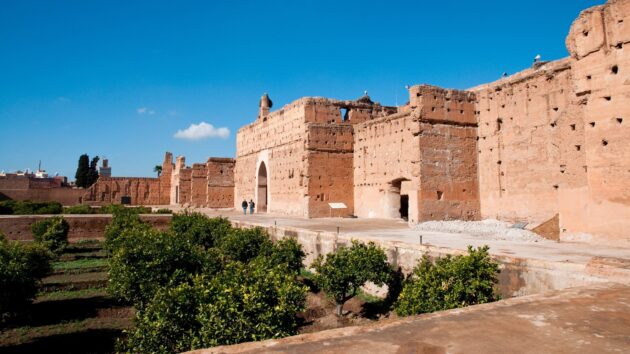
El Badi Palace (Palais El Badi), also known as the “Incomparable Palace,” is one of Marrakesh’s most evocative historical sites. Built in the late 16th century during the Saadian dynasty, this once-opulent royal residence now stands as impressive sandstone ruins, offering visitors a powerful sense of Morocco’s golden age of wealth and power. Its vast scale, sunken gardens, stork-nested ramparts, and the preserved 12th-century minbar (pulpit) from the Koutoubia Mosque make it a must-see for history lovers, photographers, and anyone seeking a quieter contrast to the bustling Medina.
Why Visit El Badi Palace?
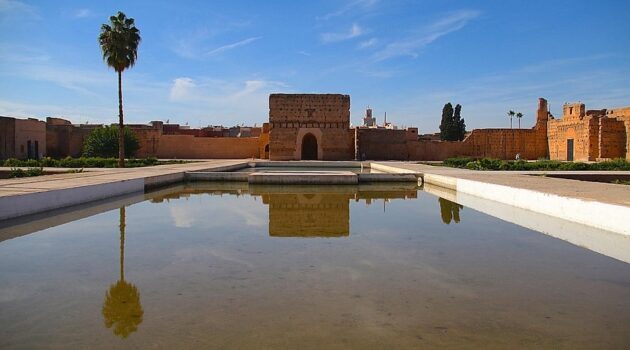
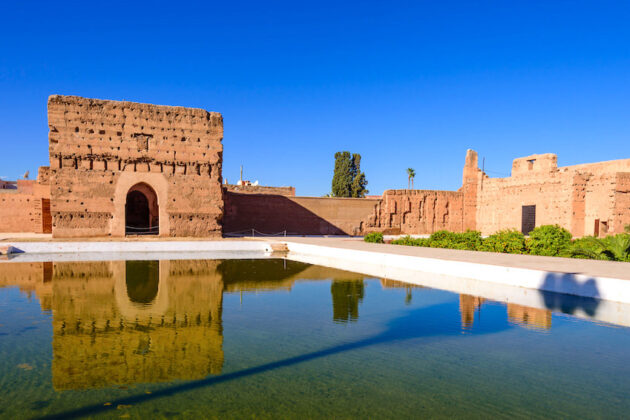
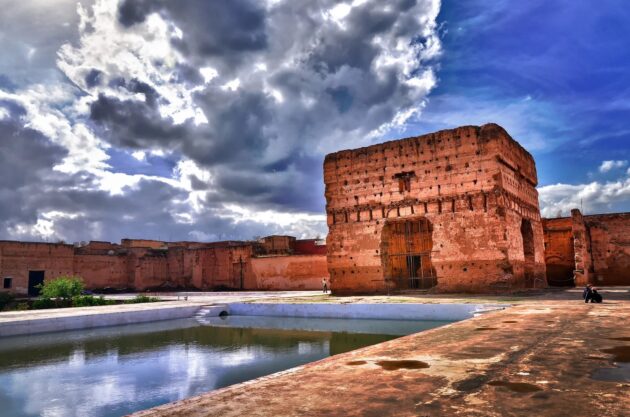
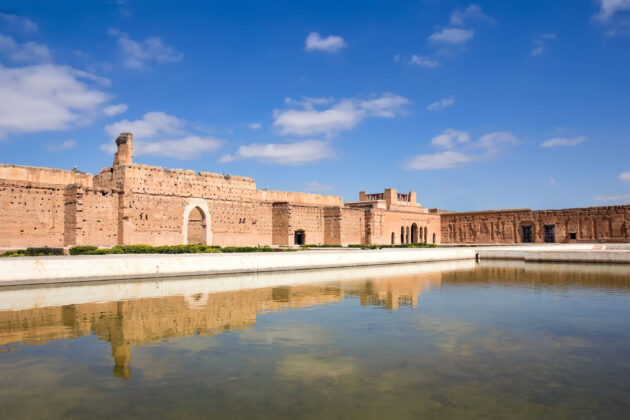
Constructed by Sultan Ahmad al-Mansur after his victory over the Portuguese at the Battle of the Three Kings (1578), the palace symbolized the sultan’s immense wealth—funded partly by tribute and trade. It featured lavish decorations with marble from Italy, gold leaf, cedar wood, and imported materials from across Africa and Europe. Though largely dismantled in the 17th century by Sultan Moulay Ismail (who reused its precious materials for his own palaces), the remaining structure still conveys grandeur through its enormous central courtyard, massive walls, and reflective pools.
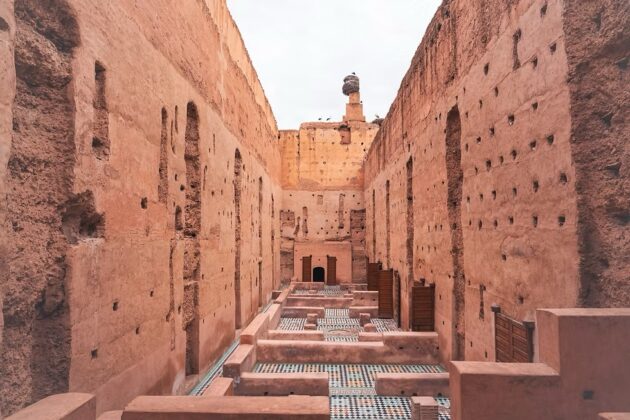
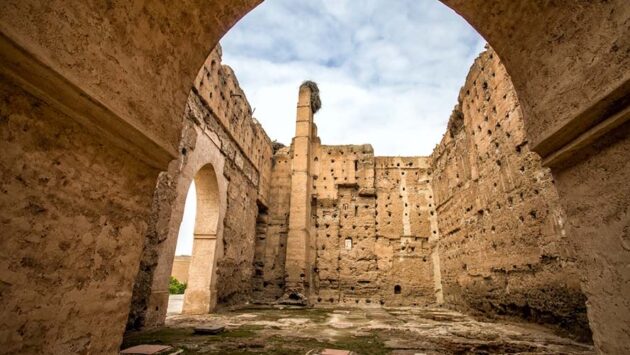
Today, it’s a peaceful archaeological site where white storks build enormous nests atop the ramparts—a surreal and photogenic sight against the red stone.
How to Get There
El Badi Palace is located in the southern part of the Medina, near the Kasbah area:
From Jemaa el-Fna Square — About a 15–20 minute walk (head south past the Koutoubia Mosque, then follow signs or ask locals).
By Taxi — A petit taxi ride from the main square costs around 20–30 MAD (negotiate in advance).
GPS/Address — Search for “Palais El Badi” or “Kasbah / Mechouar” area.
It’s conveniently close to the Saadian Tombs (a 5–10 minute walk) and Bahia Palace (about 15–20 minutes on foot), making it easy to combine visits.
Opening Hours & Ticket Prices
Hours — Open daily from approximately 9:00 AM to 5:00 PM (some sources list 8:00 AM–5:00 PM; last entry usually 30 minutes before closing).
Ticket Price — Around 70–100 MAD (≈ $7–10 USD) for adults; children often pay less or enter free. Cash only is common—bring small bills. An extra small fee (≈10 MAD) may apply for access to the minbar exhibit.
Note — Hours can vary slightly during Ramadan or public holidays; check locally or on official channels if possible.
Best Time to Visit
Morning (9:00–11:00 AM) — Cooler temperatures, softer light for photos, and fewer crowds.
Late Afternoon — Golden hour lighting on the ruins and storks returning to nests.
Avoid midday in summer (June–August) due to intense heat.
The palace feels most atmospheric with fewer tour groups—early arrival is ideal.
What to See & Do
The Immense Central Courtyard: Walk the vast open space (once a grand reception area) and imagine it filled with fountains, orange trees, and luxury.
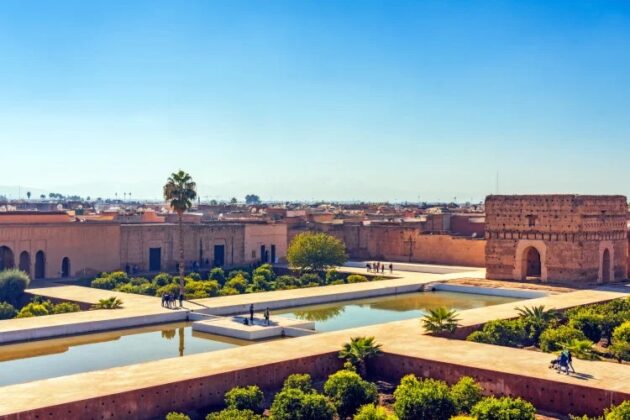
Sunken Gardens & Pools: Four large sunken gardens (now mostly dry) and the outline of a massive central pool remain—symbolic of paradise in Islamic garden design.
The Koutoubia Minbar: Housed in a small pavilion/museum area, this intricately carved cedar-wood pulpit from the 12th century (Almoravid period) is a masterpiece of geometric artistry and one of the site’s true highlights (extra fee may apply).
Ramparts & Rooftop Views: Climb the ruined walls for panoramic views over Marrakesh, the Atlas Mountains (on clear days), and the Koutoubia minaret. Watch the resident storks—bring binoculars if you’re into birdwatching.
Underground Tunnels & Exhibits: Explore a few accessible underground passages (sometimes featuring temporary art or historical displays).
Practical Tips
Time Needed — 1–2 hours is sufficient; allow extra if you enjoy photography or want to relax in the open spaces.
What to Bring — Comfortable walking shoes (uneven surfaces and some stairs), hat/sunscreen, water bottle, and cash for entry.
Guides — Official guides are available at the entrance (negotiate price, ≈100–200 MAD for a group). Self-exploration works well, but a guide adds depth to the history.
Accessibility — The site has some steps and uneven terrain; not fully wheelchair-friendly.
Combine Visits — Pair it with Saadian Tombs (nearby) in the morning, then Bahia Palace in the afternoon for a full “palace day.”
Etiquette — Dress modestly (shoulders and knees covered), respect the site, and avoid feeding or disturbing the storks.
Final Thoughts
El Badi Palace offers a quieter, more contemplative experience compared to Marrakesh’s vibrant souks and squares. Its haunting beauty—vast ruins under an open sky, storks silhouetted against red stone—captures the rise and fall of empires in a single location. Whether you’re tracing Saadian history or simply seeking stunning photos, this site remains one of Marrakesh’s most rewarding historical gems.
Enjoy your visit to the “Incomparable Palace”!