
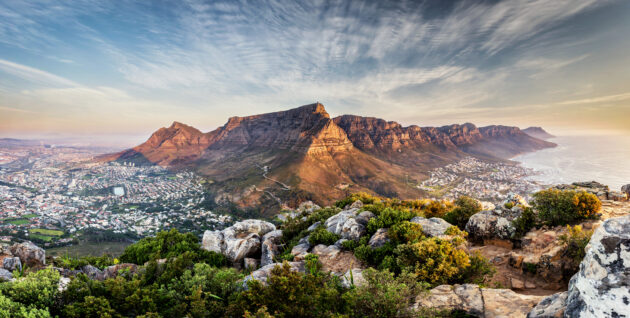
A Comprehensive Travel Guide to Cape Town (2026)
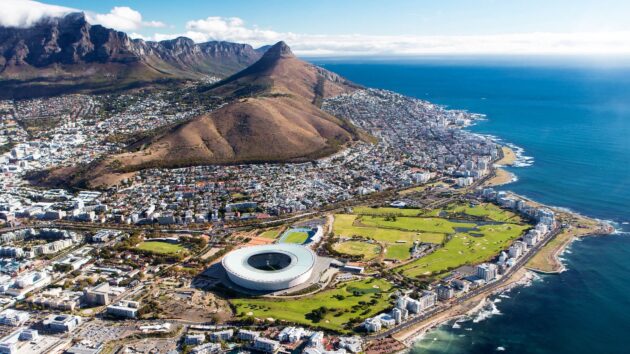
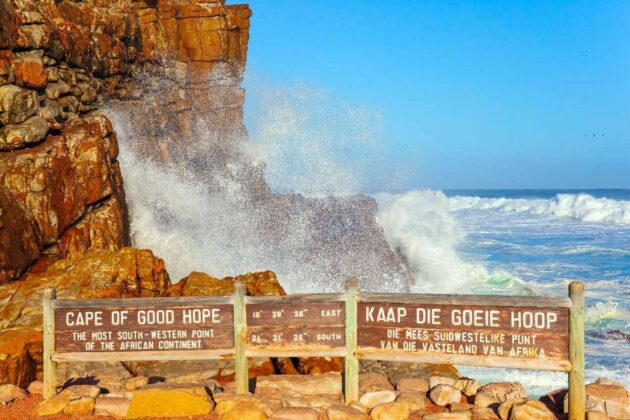
Cape Town, often called the “Mother City,” is one of the world’s most spectacular destinations, blending dramatic natural beauty, rich history, vibrant culture, and world-class cuisine. Nestled between Table Mountain and the Atlantic Ocean, it offers everything from iconic landmarks and beaches to wine regions and wildlife encounters.
Why Visit Cape Town?
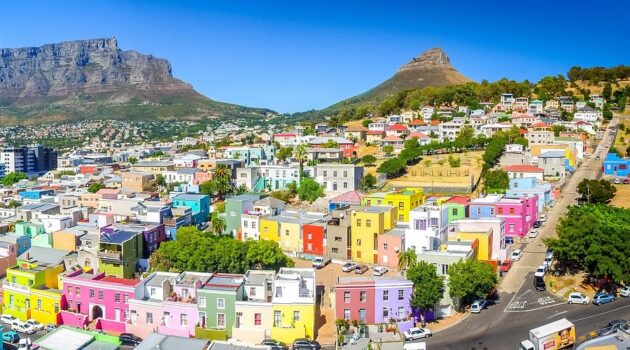
Cape Town combines jaw-dropping scenery (Table Mountain as a backdrop), diverse neighborhoods, excellent food and wine scenes, and easy access to beaches, mountains, and penguins. It’s frequently ranked among the top cities globally for its mix of urban energy and natural wonders.
Best Time to Visit
Peak Summer (December–February): Hot, sunny, and dry (22–28°C / 72–82°F). Ideal for beaches and outdoor activities, but crowded and more expensive (especially around Christmas/New Year).
Shoulder Seasons (March–May & September–November): Pleasant weather (18–25°C / 64–77°F), fewer crowds, lower prices, and blooming wildflowers in spring (Sep–Oct). Excellent overall choice.
Winter (June–August): Cooler and rainier (15–20°C / 59–68°F), but great for whale watching (July–October), wine tasting, and indoor experiences. Fewer tourists.
Avoid strong “Cape Doctor” winds (especially summer afternoons) and check Table Mountain cable car status (it closes for wind/maintenance).
Getting There & Around
Airport: Cape Town International (CPT) is well-connected. From the airport, use Uber/Bolt (recommended), MyCiti bus, or pre-booked transfers. Avoid secondary roads near the airport at night due to occasional safety concerns.
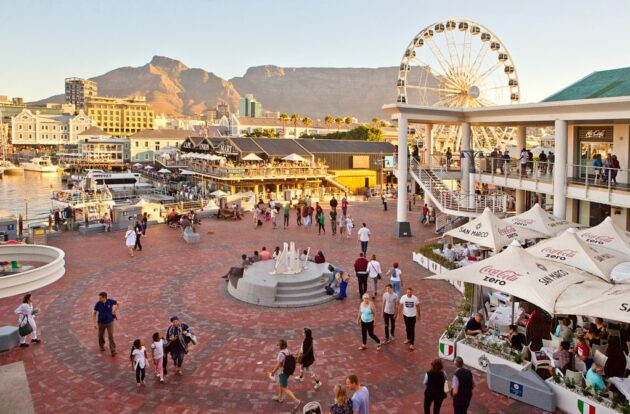
Getting Around: Rent a car for flexibility (drive on the left). Uber/Bolt are safe and affordable in central areas. Walk in safe neighborhoods like the City Bowl or V&A Waterfront during the day.
Top Things to Do & Must-See Attractions
Table Mountain
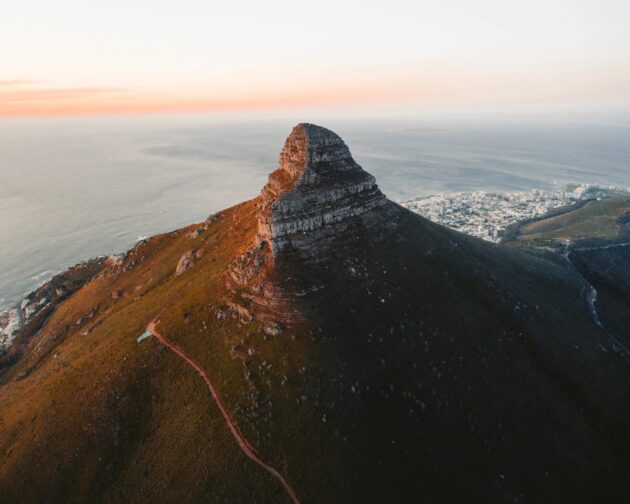
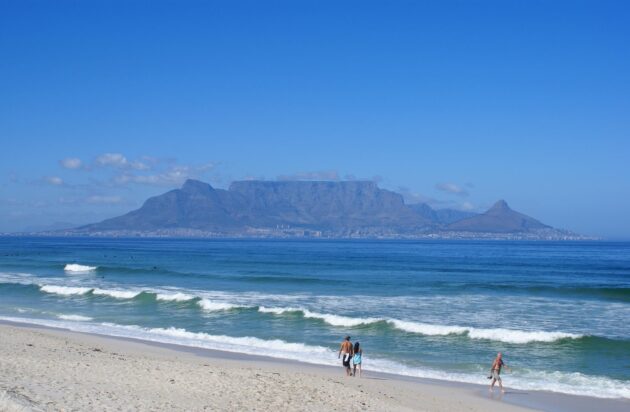
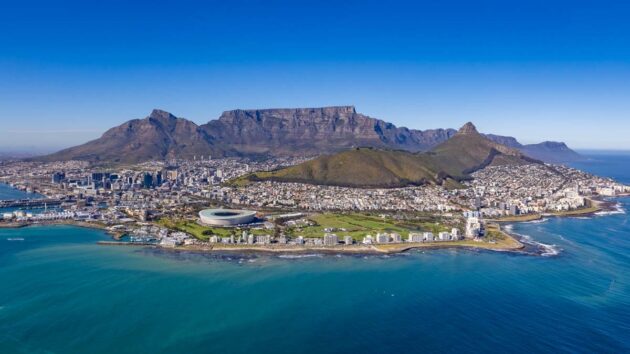
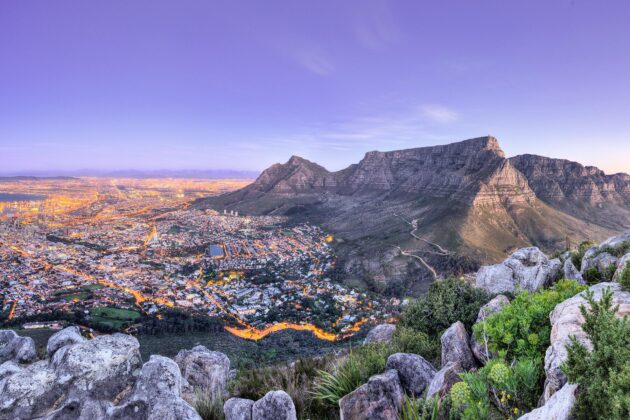
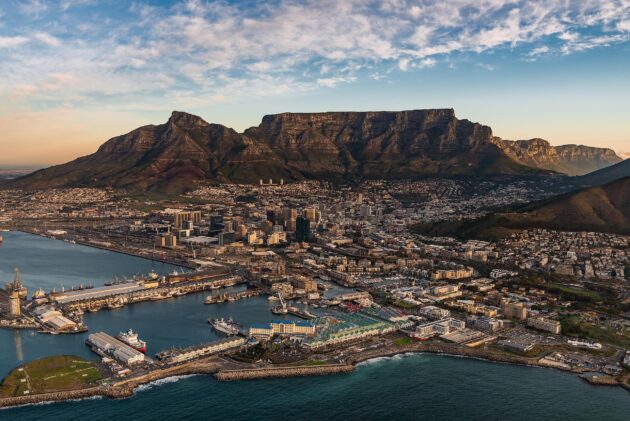
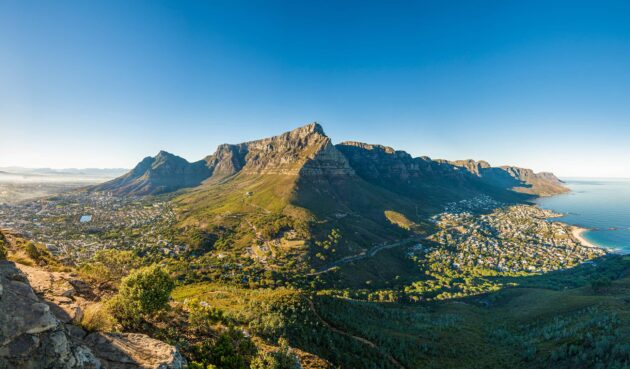
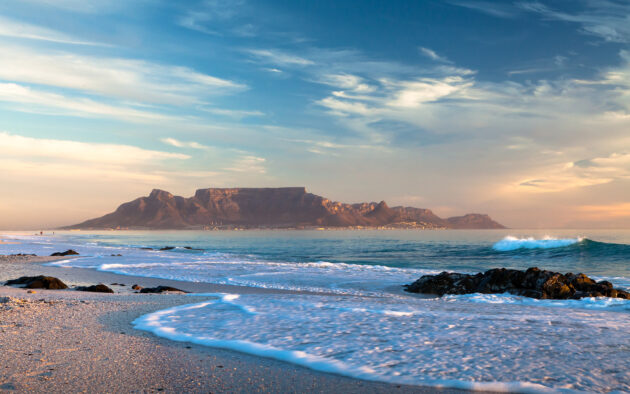
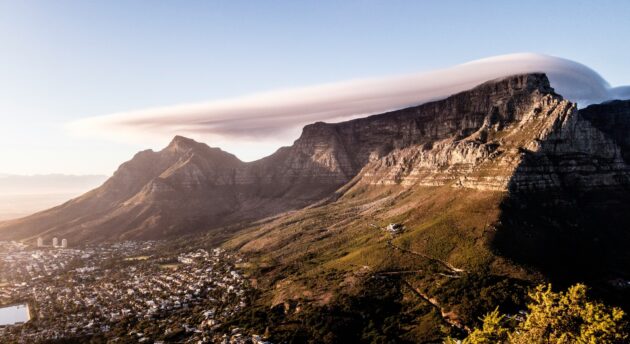
Table Mountain, towering dramatically over Cape Town, South Africa, is one of the world’s most iconic natural landmarks and a New7Wonders of Nature. Rising over 1,000 meters (about 3,500 feet) with its flat “tabletop” summit, it offers breathtaking 360-degree views of the city, Table Bay, the Atlantic Ocean, and the Cape Peninsula.
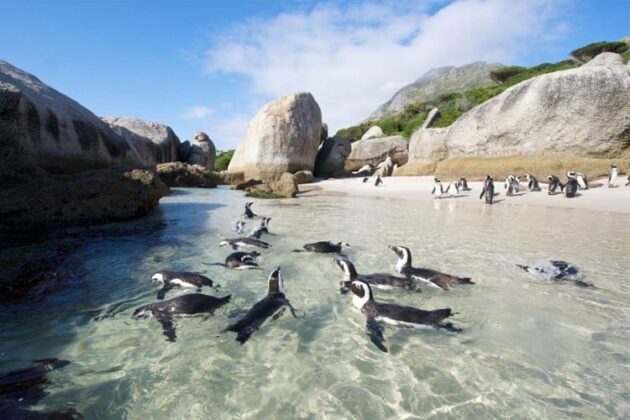
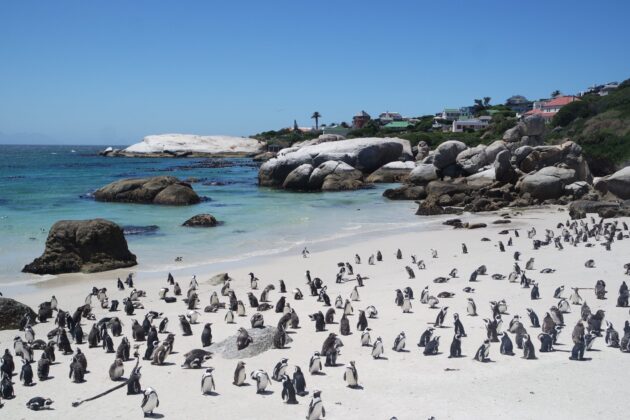
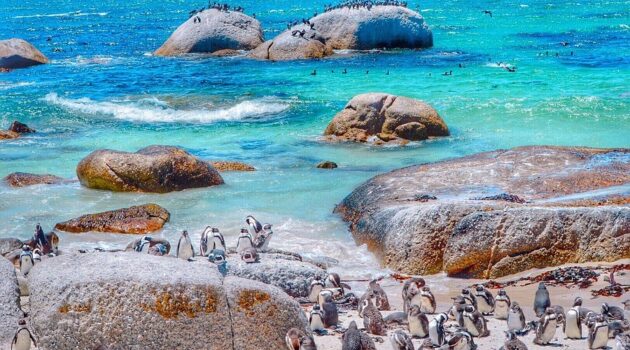
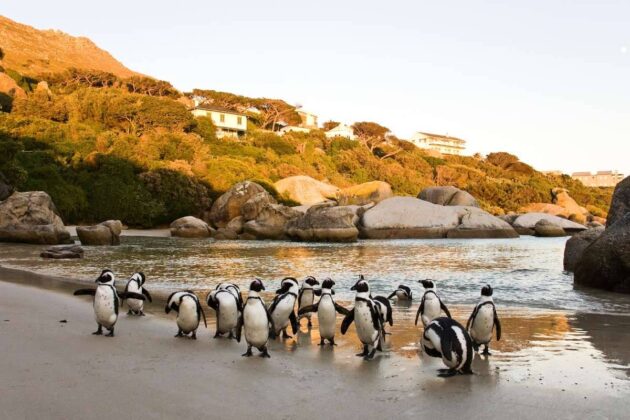
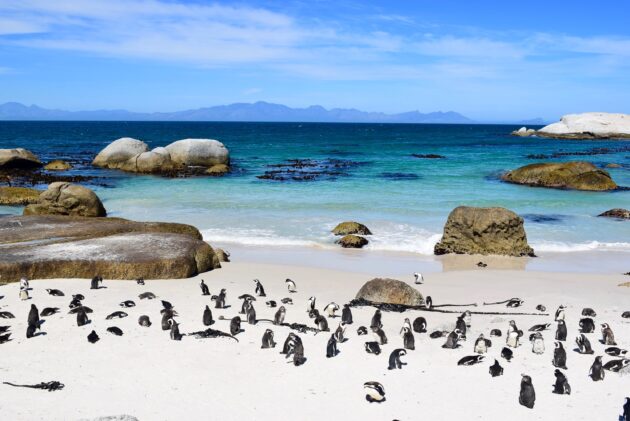
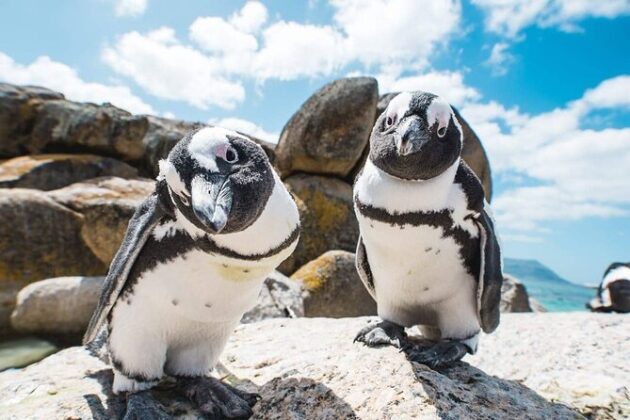
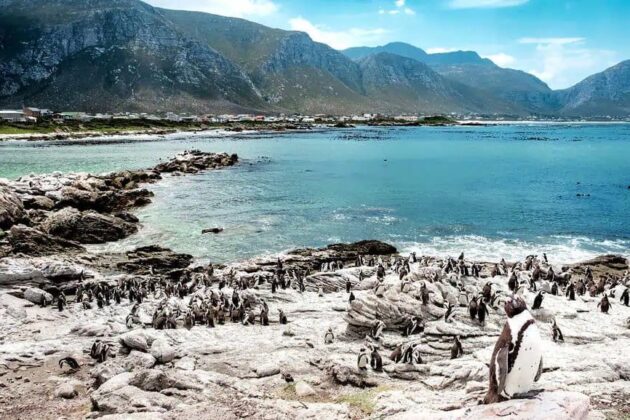
Boulders Beach Penguins
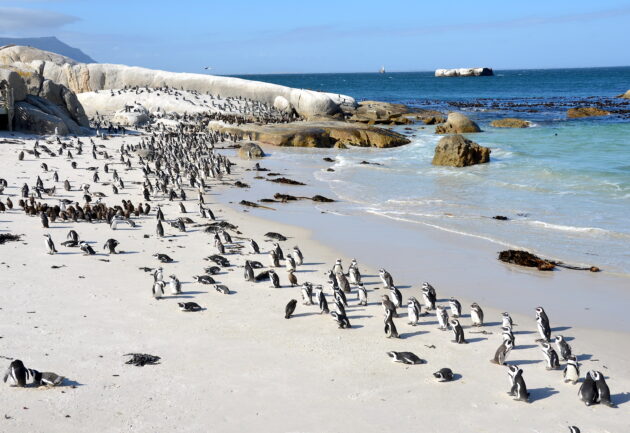
Boulders Beach, nestled in Simon’s Town on the Cape Peninsula, is one of the world’s most unique and delightful wildlife experiences. Home to a thriving colony of African penguins (also known as jackass penguins due to their braying calls), this protected cove in Table Mountain National Park lets visitors get remarkably close to these charismatic, endangered birds in their natural habitat.
Kirstenbosch National Botanical Garden
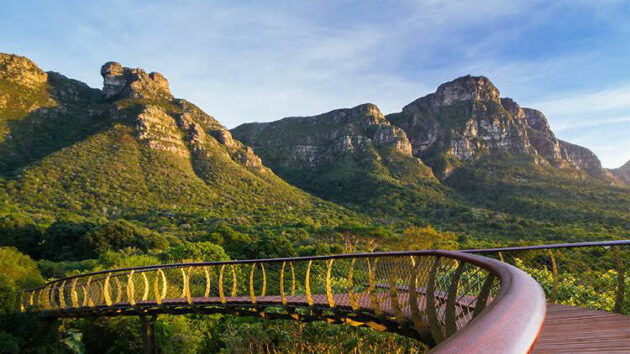
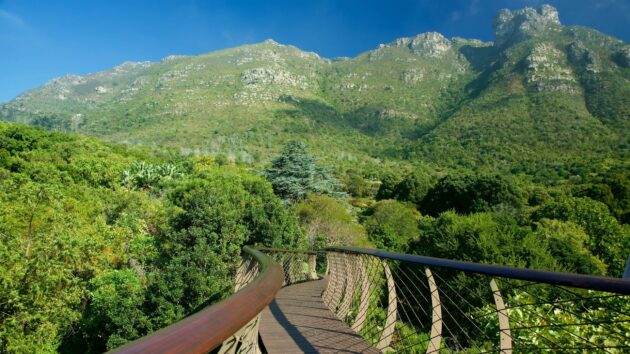
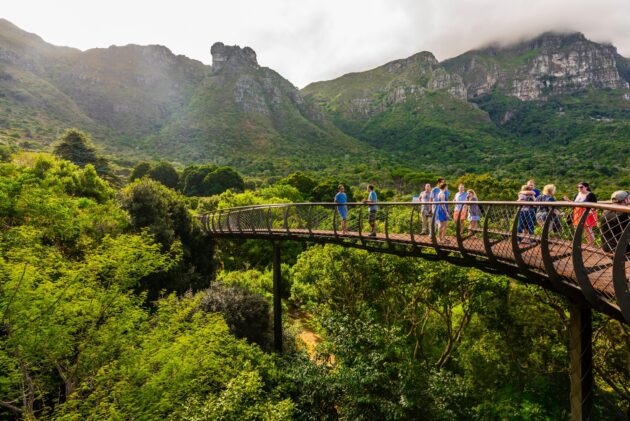
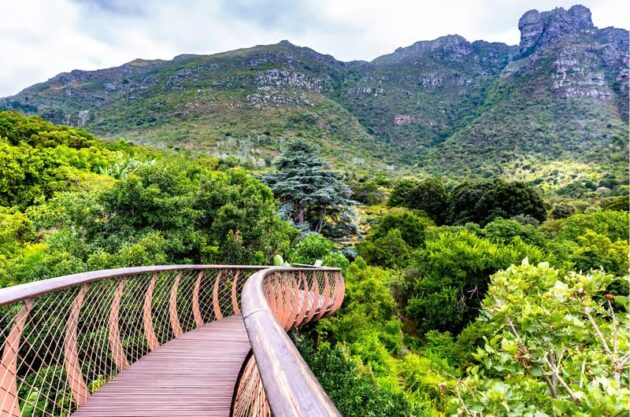
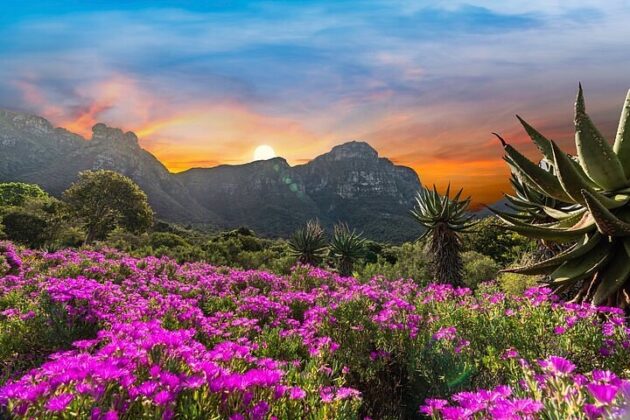
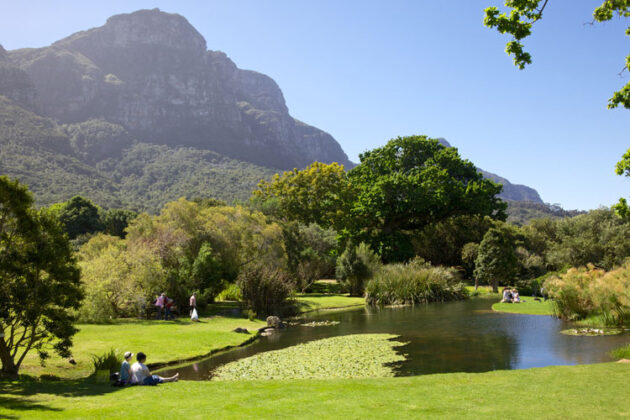
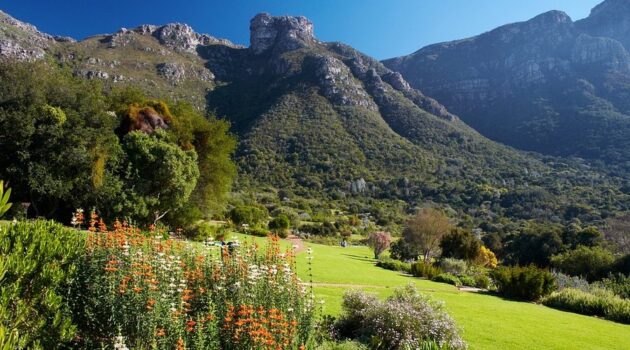
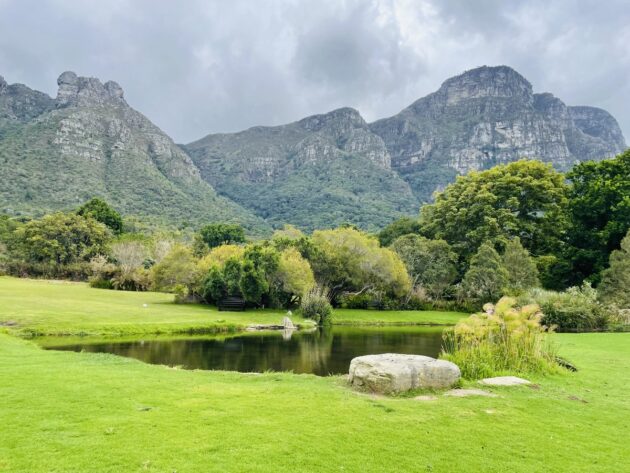
Kirstenbosch National Botanical Garden is one of the world’s most spectacular botanical gardens, nestled against the eastern slopes of Table Mountain in Cape Town. Established in 1913, it spans 528 hectares (including a 36-hectare cultivated garden and a vast natural reserve) and is part of the UNESCO World Heritage-listed Cape Floral Region. Home to over 7,000 species of indigenous South African plants—including rare and endangered ones like proteas and fynbos—it’s a haven for nature lovers, hikers, and photographers.
Where to Stay
Luxury: One&Only, Belmond Mount Nelson, or Cape Grace (V&A area).
Mid-range: Southern Sun The Cullinan, or boutique hotels in Gardens/City Bowl.
Budget/Trendy: Hostels or Airbnbs in Green Point, Sea Point, or Observatory.
Popular areas: V&A Waterfront (convenient/safe), City Bowl (vibrant), Camps Bay/Sea Point (beach vibes).
Food & Drink Highlights
Cape Town boasts incredible dining: fresh seafood, Cape Malay curries, braai (BBQ), and fusion cuisine. Try:
Waterfront spots for views.
Kloof Street or Bree Street for trendy eateries.
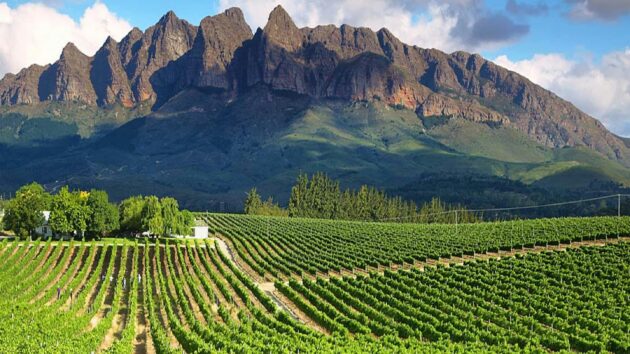
Wine estates for pairings.
Street food or markets like Oranjezicht City Farm Market.
Safety Tips
Cape Town is generally safe for tourists in main areas, but petty crime (pickpocketing, bag snatching) and occasional violent incidents occur. Follow these guidelines:
Use Uber/Bolt instead of walking alone at night.
Avoid displaying valuables, large cash amounts, or walking in quiet/dark areas after dark.
Stick to tourist zones (V&A, City Bowl, Atlantic Seaboard).
Don’t visit townships unless on a reputable guided tour.
Drive with windows up/doors locked; avoid night driving outside cities.
Check current advisories (e.g., U.S. State Dept: Level 2 – Exercise Increased Caution due to crime).
Use hotel safes and follow local advice.
Cape Town rewards respectful, aware travelers with unforgettable experiences. Plan ahead for popular sites, embrace the diversity, and enjoy one of the planet’s most beautiful cities. Safe travels!