A Comprehensive Travel Guide to Durban (2026)
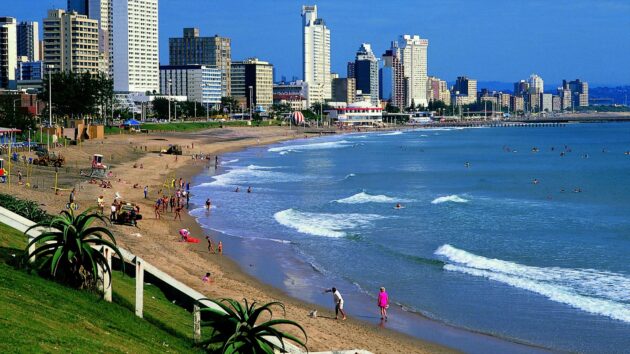
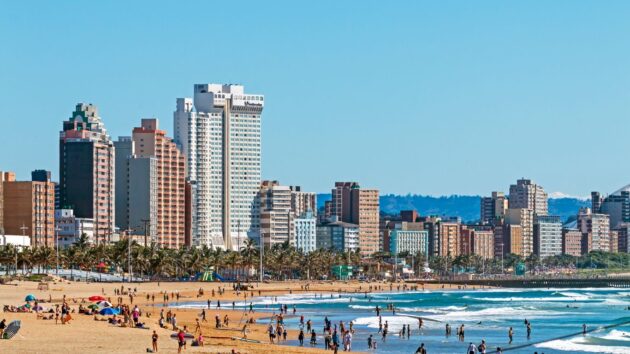
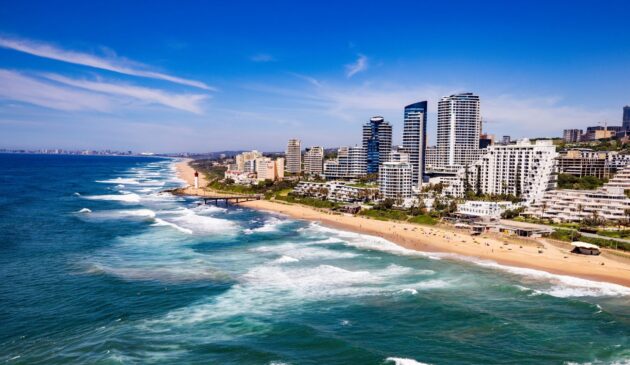
Durban, often called “Durbs” by locals, is South Africa’s third-largest city and a vibrant coastal gem in KwaZulu-Natal province. Known for its golden beaches, warm Indian Ocean waters, rich cultural diversity (influenced by Zulu, Indian, and colonial histories), and year-round subtropical climate, it’s a perfect blend of urban energy, beach relaxation, and adventure. From surfing the waves to exploring bustling markets and marine life, Durban offers something for every traveler. Whether you’re seeking sun-soaked holidays or a gateway to safaris, this guide will help you plan an unforgettable trip.
Why Visit Durban?
Durban stands out for its laid-back vibe, multicultural cuisine (famous for bunny chow – a spicy curry in a bread loaf), and easy access to nature. It’s more affordable and less crowded than Cape Town or Johannesburg, with a cosmopolitan feel. Highlights include the iconic Golden Mile promenade, world-class surfing, and proximity to wildlife reserves. It’s also a hub for Indian culture, with the largest Indian population outside India.
How to Get There
By Air: King Shaka International Airport (DUR) is about 35 km north of the city center in Umhlanga. It’s well-connected with direct flights from Johannesburg, Cape Town, and international hubs like Dubai, London, and Istanbul. From the airport, taxis, Uber, or shuttles take 30–45 minutes to central Durban (around ZAR 400–600).
By Road: If driving from Johannesburg (about 6–7 hours) or Cape Town (16+ hours), major highways like the N3 are excellent but watch for tolls.
By Bus/Train: Long-distance buses (Greyhound, Intercape) from major cities are budget-friendly. Trains are scenic but less reliable.
Visa: Most visitors (e.g., from the US, EU, UK) get a free 90-day visa on arrival. Check current requirements.
Best Time to Visit
Durban’s subtropical climate means warm weather year-round, but the best time is autumn (March–May) or winter (June–September) for pleasant temperatures (20–28°C/68–82°F), low humidity, and minimal rain – ideal for beaches and outdoor activities.
Summer (October–February): Hot and humid (up to 32°C/90°F) with frequent thunderstorms; peak tourist season with crowded beaches.
Winter (June–August): Mild and dry (around 23°C/73°F daytime), perfect for whale-watching (humpbacks off the coast) and fewer crowds. Avoid heavy rain periods in summer if possible. Water temperatures stay warm (22–26°C) for swimming almost always.
Top Things to Do
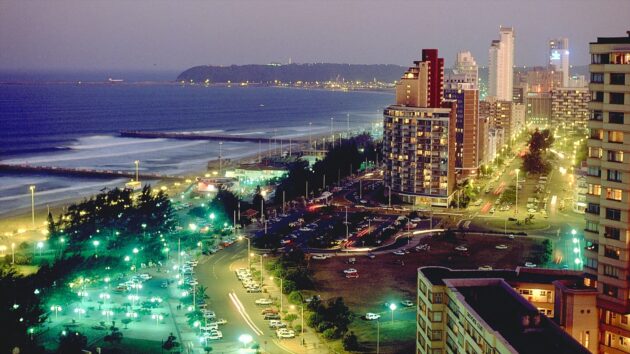
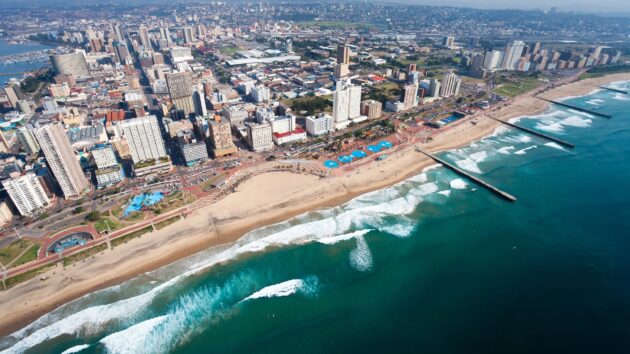
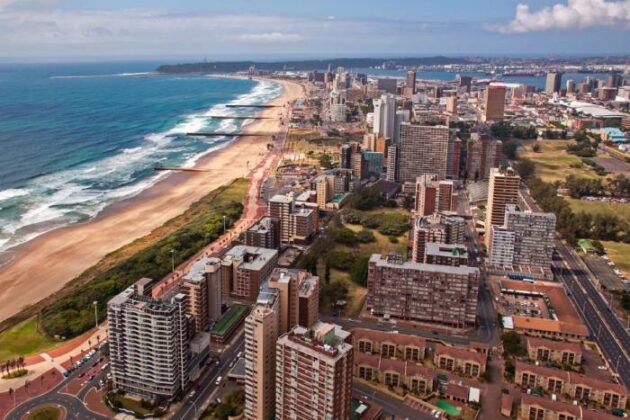
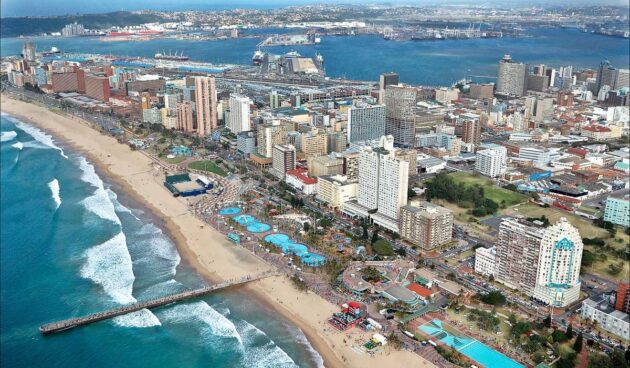
The Golden Mile Promenade: This 6-km beachfront stretch is Durban’s heartbeat. Walk, cycle, or jog along the palm-lined path. Surf, bodyboard, or relax on shark-net-protected beaches like North Beach or Addington.
uShaka Marine World: One of Africa’s largest aquariums and water parks. See sharks, dolphins, and penguins; snorkel with fish or dive in the oceanarium. Great for families (entry ~ZAR 200–400).
Beaches Beyond the City: Head north to Umhlanga Rocks for upscale vibes, lighthouse views, and whale-watching. South to Amanzimtoti for quieter sands.
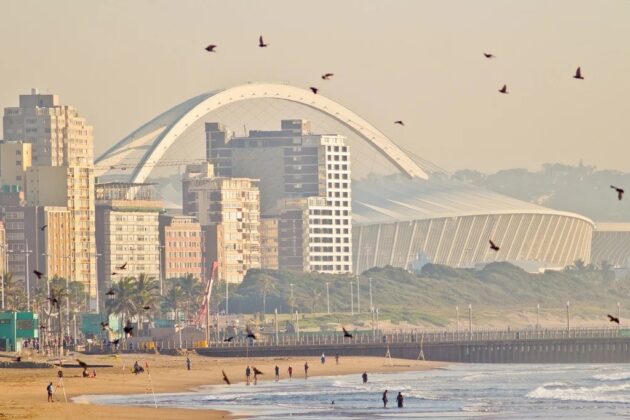
Cultural Experiences: Victoria Street Market: Bargain for spices, crafts, and Indian street food. Moses Mabhida Stadium: Ride the SkyCar to the top for panoramic views or do the Big Swing (world’s tallest!). Hare Krishna Temple (Sri Sri Radha Radhanath): Stunning architecture and vegetarian meals.
Nature and Adventure: Durban Botanic Gardens: Free, lush gardens with orchids and ancient trees. Valley of a Thousand Hills: Day trip for Zulu cultural villages and scenic views. Nearby safaris: Drive 2–3 hours to Hluhluwe-iMfolozi Park for Big Five game viewing.
Food Scene: Try bunny chow, fresh seafood, or Durban curry. Florida Road and Umhlanga have trendy restaurants.
Where to Stay
Durban has options for all budgets; stick to safer, tourist-friendly areas:
Umhlanga Rocks: Upscale, beachfront hotels like the Oyster Box or Protea Hotel by Marriott. Great for luxury and proximity to the airport.
Golden Mile/Beachfront: Convenient spots like Southern Sun Elangeni & Maharani or Hilton Durban.
Florida Road/Morningside: Vibrant, with boutique guesthouses and nightlife.
Budget: Hostels in Glenwood or Airbnb apartments (~ZAR 800–1500/night mid-range).
Book in advance during holidays (December–January).
Safety Tips
South Africa has high crime rates, but Durban is generally safe for tourists in popular areas if you exercise caution.
Stick to tourist zones (Golden Mile, Umhlanga, uShaka) during the day; use Uber/taxis at night.
Avoid walking alone after dark, especially in the CBD or townships.
Don’t flash valuables; use hotel safes.
Beaches are patrolled with lifeguards and shark nets.
Petty theft (bag-snatching) is common – stay aware in crowds.
Many visitors report feeling safe with common sense; join guided tours for added security.
Practical Tips
Currency: South African Rand (ZAR). ATMs widespread; cards accepted everywhere.
Transport: Uber is reliable and cheap. Rent a car for day trips (drive on the left!).
Health: No malaria in Durban city (unlike rural KZN). Tap water is safe; sunscreen essential.
What to Pack: Light clothes, swimwear, insect repellent, and a light jacket for evenings.
Costs: Affordable – meals ZAR 150–300, attractions ZAR 200–500.
Eco Tip: Support responsible tourism; avoid single-use plastics on beaches.
Durban’s warm waters, diverse culture, and endless sunshine make it a standout South African destination. Whether lounging on the beach, diving into adventure, or savoring spicy flavors, you’ll leave with a true taste of the “Rainbow Nation.” Safe travels – or as locals say, “Hamba kahle”!