
A Travel Guide to Madagascar (2026)
Madagascar, the world’s fourth-largest island, is a biodiversity hotspot like no other. Located off the southeast coast of Africa, it is home to an astonishing array of unique wildlife—over 90% of its species are found nowhere else on Earth—including lemurs, chameleons, bizarre plants, and endemic birds. From ancient rainforests and dramatic limestone formations to pristine beaches and iconic baobab landscapes, Madagascar offers one of the most extraordinary and off-the-beaten-path travel experiences on the planet.
Why Visit Madagascar?
See lemurs in the wild (including the iconic indri and ring-tailed varieties).
Explore surreal landscapes like the razor-sharp Tsingy limestone pinnacles.
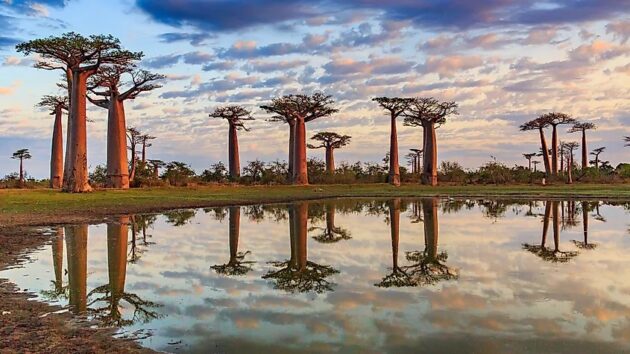
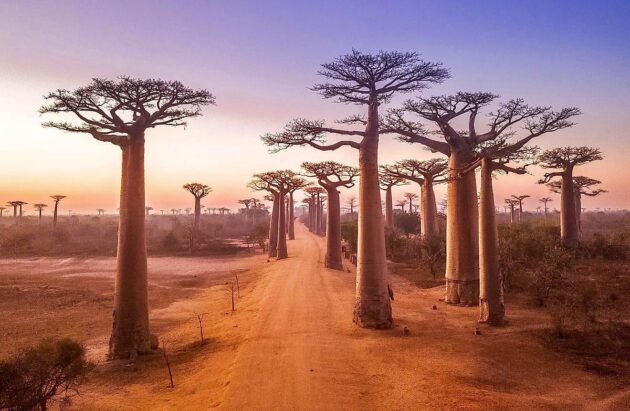
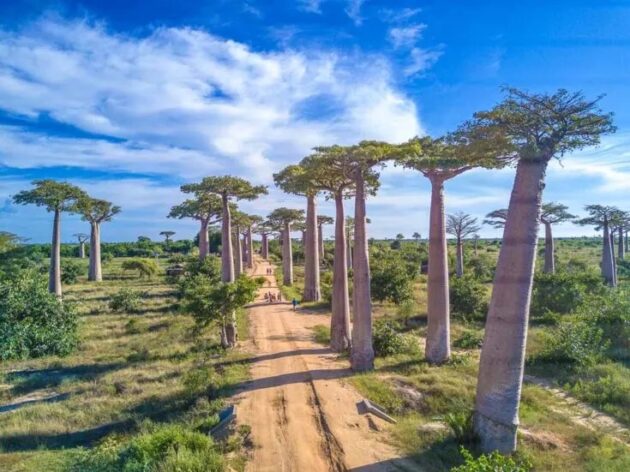
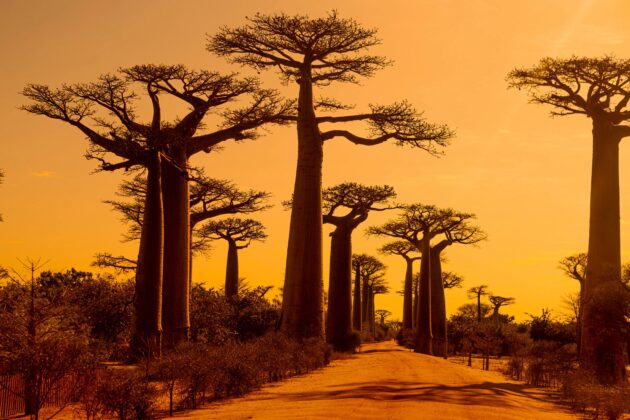
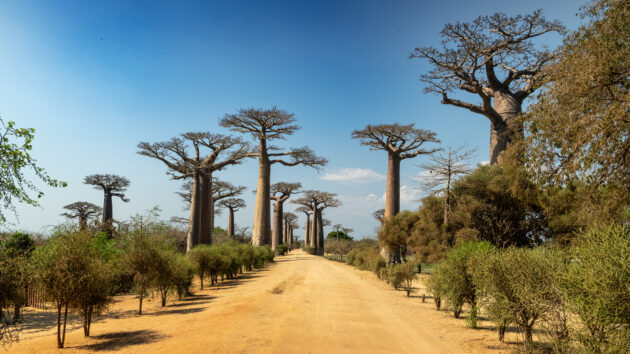
Marvel at the Avenue of the Baobabs at sunset.
Relax on tropical beaches and snorkel in crystal-clear waters.
Experience a unique culture blending African, Asian, and European influences.
Best Time to Visit
The dry season (April to November) is the most popular and comfortable time:
Pleasant temperatures, minimal rain in most areas.
Ideal for national parks, hiking, and wildlife spotting.
Peak season: July–October (lemurs are active, whale watching from June–September).
The wet season (December to March) brings heavy rain, cyclones (especially January–March), and difficult road conditions—avoid if possible unless focusing on the drier northwest.
How to Get There
Main international airport: Ivato International Airport (TNR) in Antananarivo (Tana), the capital.
Major airlines: Air France, Ethiopian Airlines, Kenya Airways, Turkish Airlines, and others connect via Paris, Addis Ababa, Nairobi, or Istanbul.
Internal travel: Domestic flights (Air Madagascar or Tsaradia) are essential for long distances; roads can be rough and slow.
Visa and Entry Requirements
Most nationalities can obtain a visa on arrival at the airport (up to 60–90 days).
Fees: Around €10–35 depending on duration (carry cash in euros).
Passport valid for at least 6 months beyond your stay.
Yellow fever vaccination certificate may be required if coming from a risk country.
Check for malaria prophylaxis—consult a doctor; antimalarials are recommended for most areas.
Safety Tips
Madagascar is generally safe for tourists who take precautions, but:
Exercise increased caution due to petty crime (pickpocketing, bag snatching) in cities and some rural areas.
Avoid walking alone at night, especially in Antananarivo.
Protests can occur—monitor local news.
Roads are poor; hire experienced drivers/guides.
Stick to reputable tour operators for national parks and remote areas.
Top Places to Visit & Highlights
Antananarivo
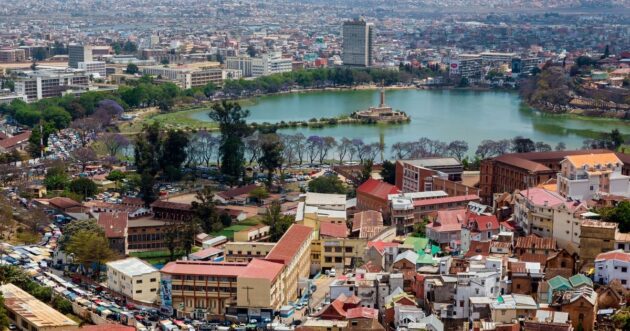
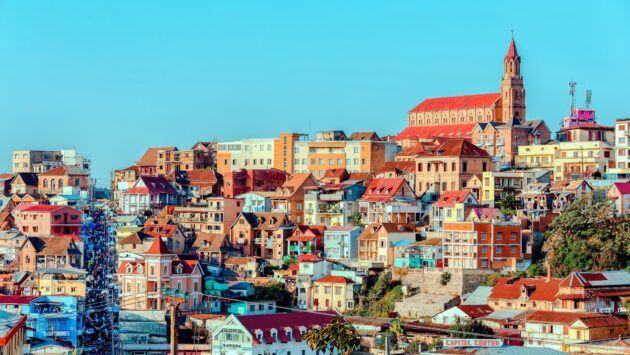
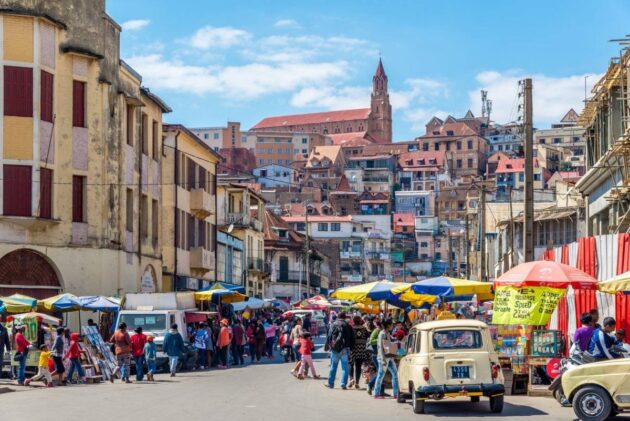
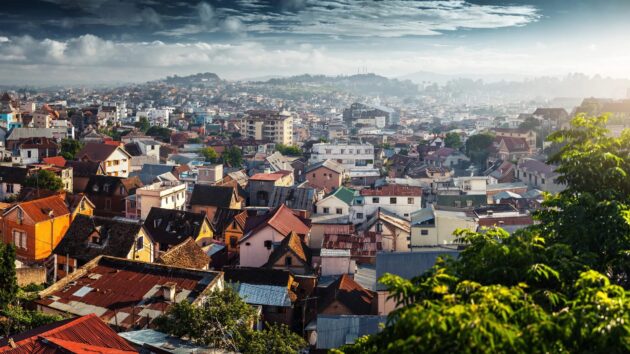
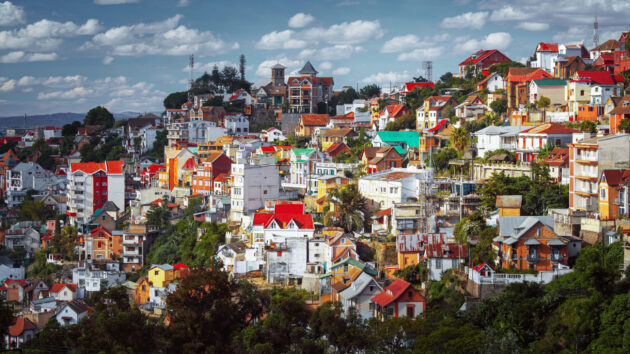
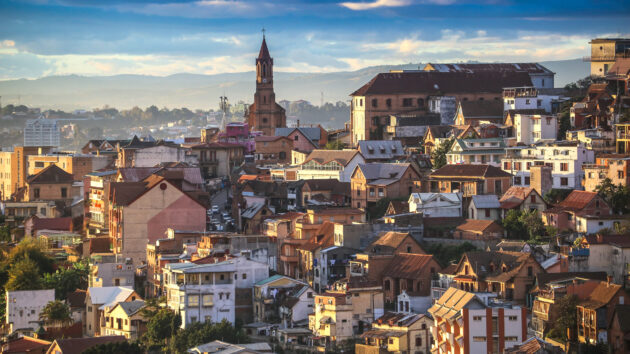
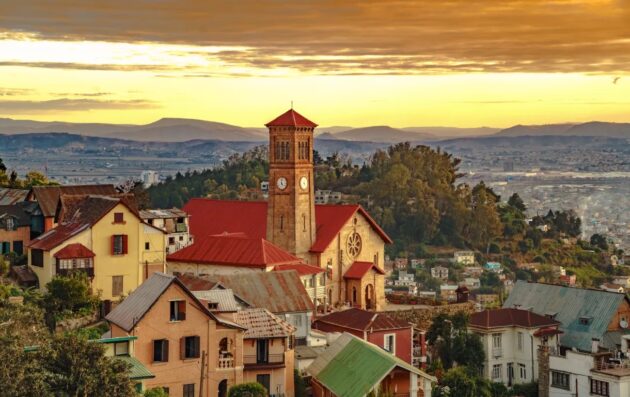
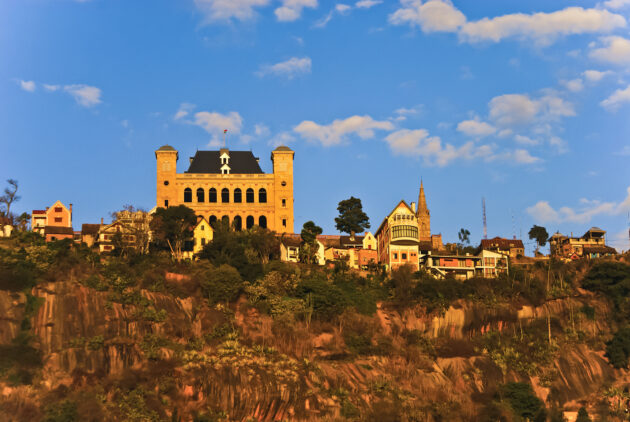
Antananarivo, often affectionately shortened to Tana, is the vibrant capital and largest city of Madagascar. Perched on a series of hills at an elevation of about 1,280 meters (4,200 feet), it offers a fascinating mix of colonial architecture, bustling markets, rich Merina history, and a chaotic yet charming urban energy.
Tsingy de Bemaraha National Park
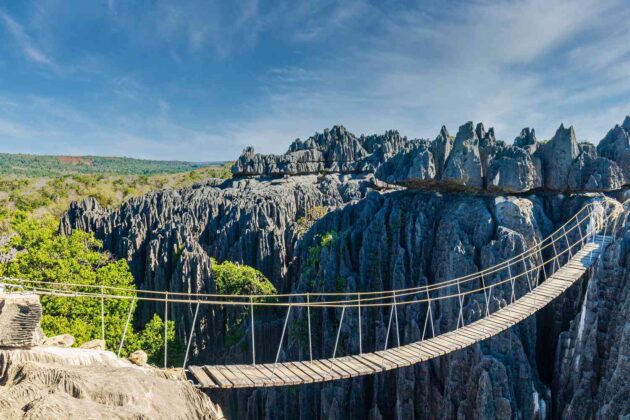
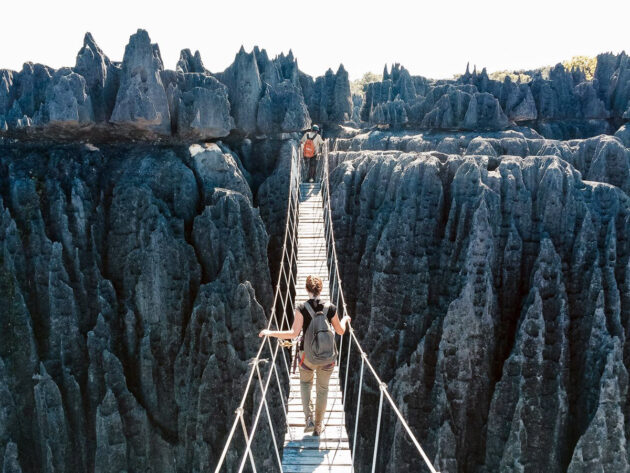
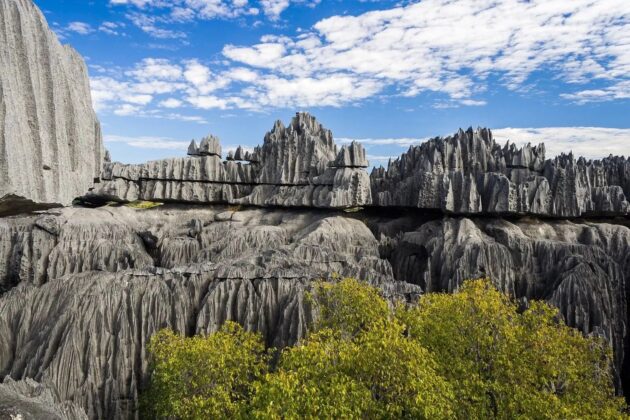
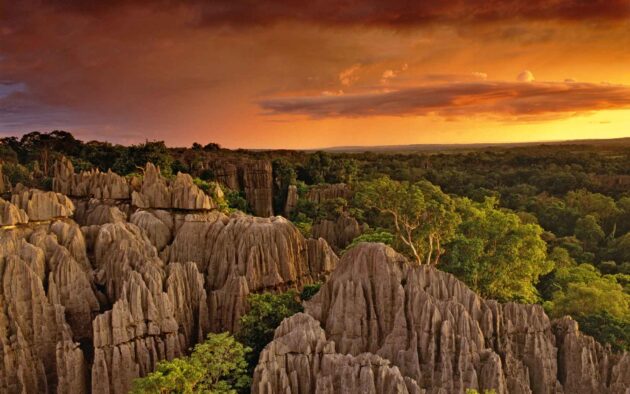
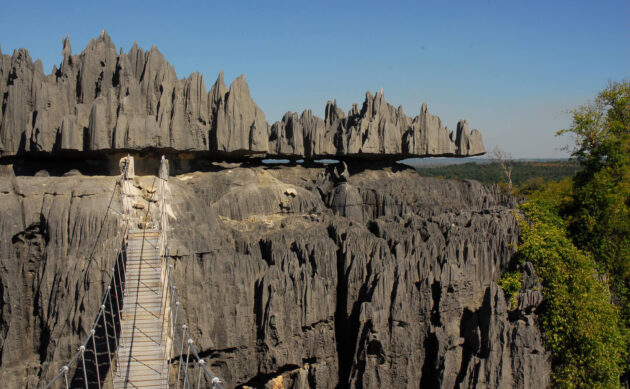
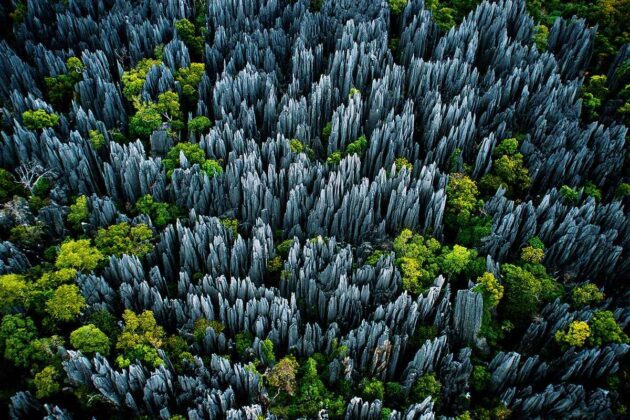
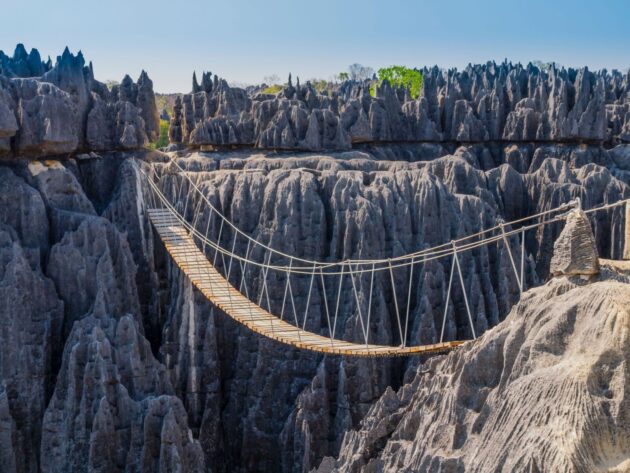
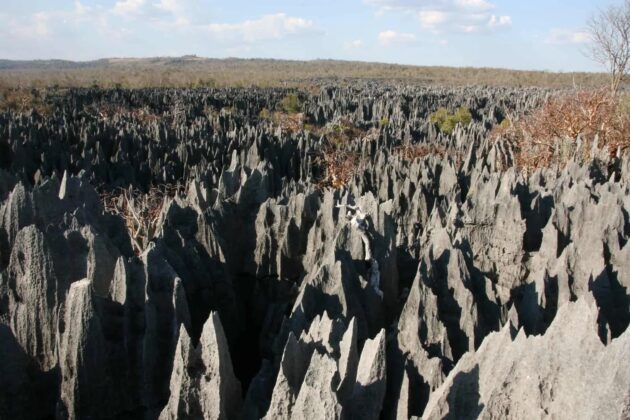
Tsingy de Bemaraha National Park is one of Madagascar’s most extraordinary natural wonders and a UNESCO World Heritage Site since 1990. Located in the remote Melaky region of western Madagascar, this vast protected area (approximately 1,500 square kilometers) features dramatic karst landscapes of sharp, needle-like limestone pinnacles known as “tsingy” (the Malagasy word for “where one cannot walk barefoot” or “walking on tiptoes”).
Avenue of the Baobabs
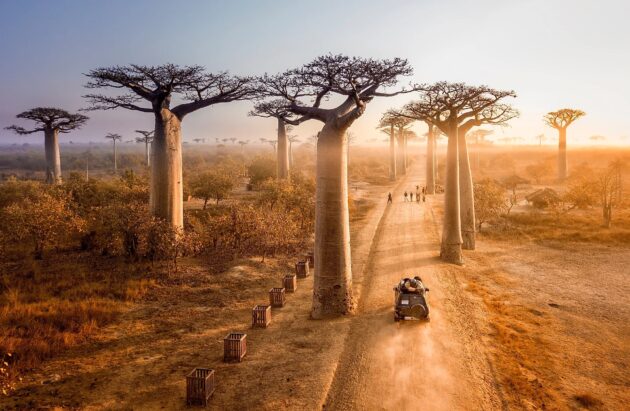
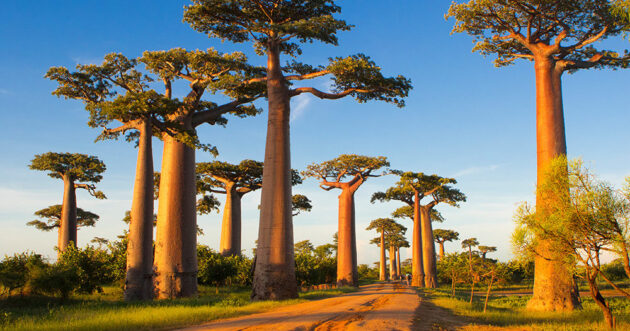
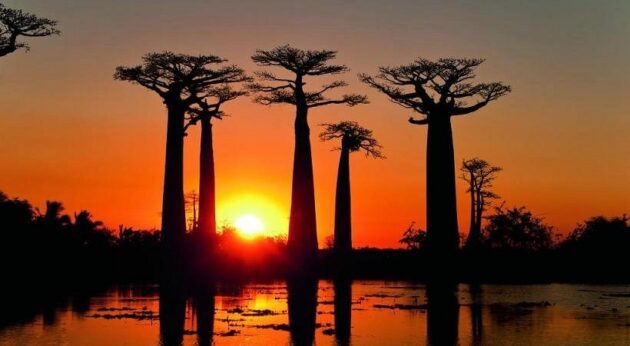
The Avenue of the Baobabs (also known as Allée des Baobabs or Avenue des Baobabs) is one of Madagascar’s most iconic and photogenic natural landmarks. This short stretch of dirt road, lined with towering, ancient Grandidier’s baobab trees (Adansonia grandidieri), creates a surreal, almost otherworldly scene—especially at sunrise and sunset when the massive trunks cast long shadows against dramatic skies.
Île Sainte Marie
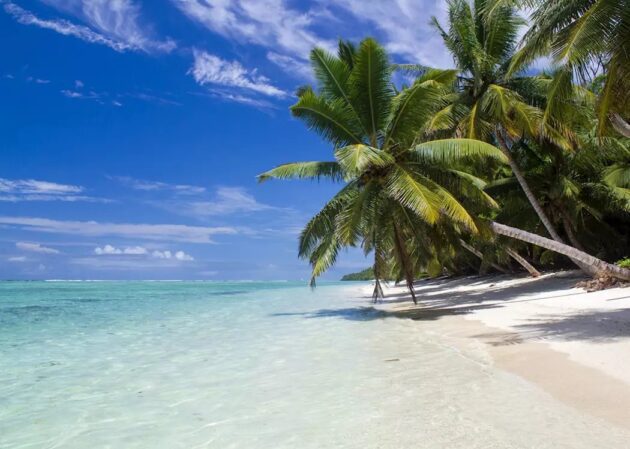
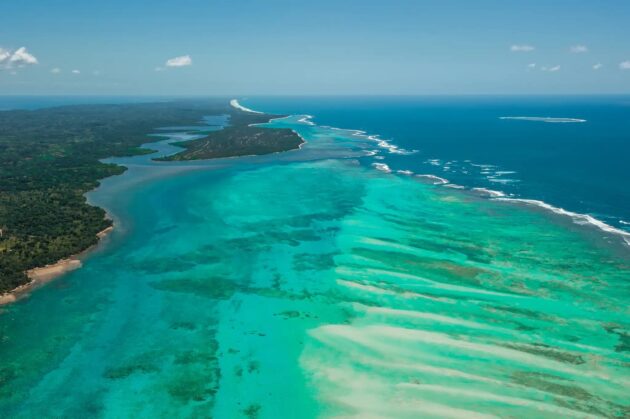
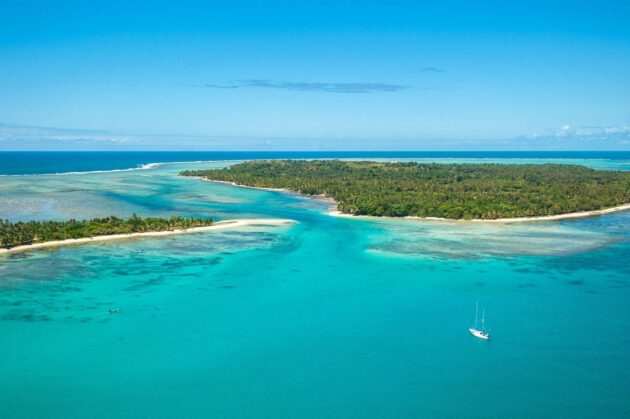
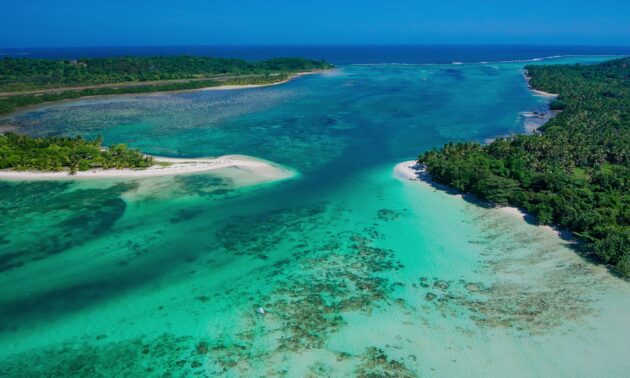
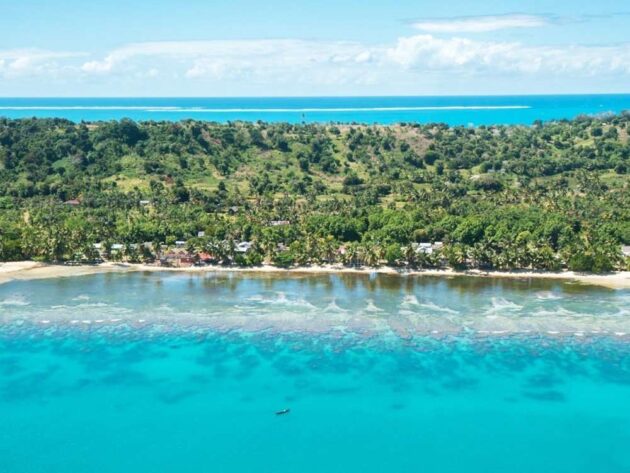
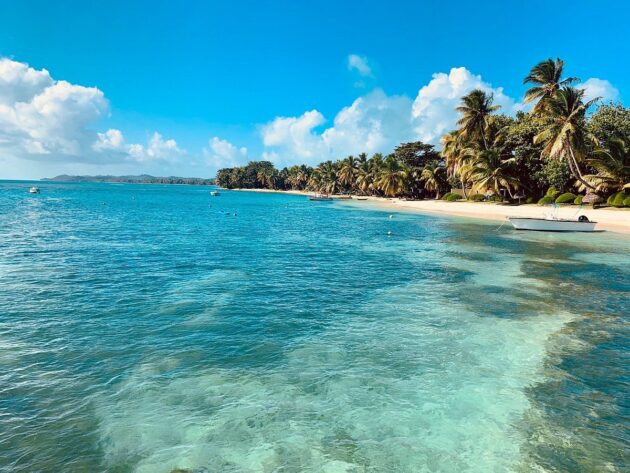
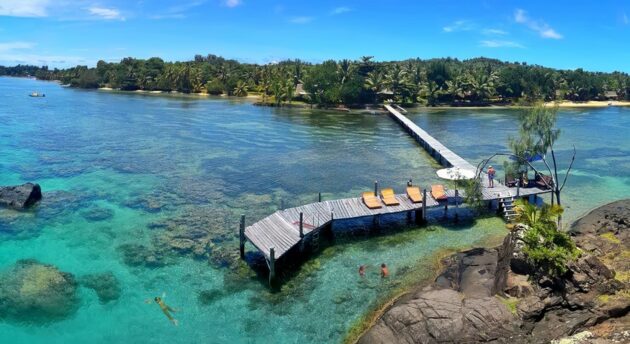
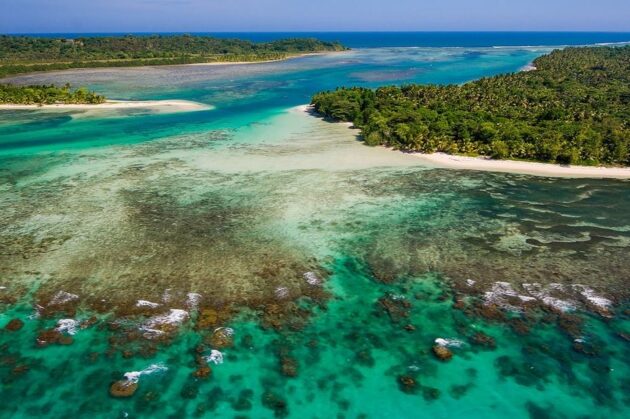
Île Sainte-Marie, also known locally as Nosy Boraha (“Island of Abraham”), is a slender, tropical island off Madagascar’s northeastern coast. Measuring about 57 km long and up to 7 km wide, it offers a laid-back paradise with palm-fringed beaches, crystal-clear lagoons, vibrant coral reefs, and a relaxed Malagasy island vibe. Far less crowded than Nosy Be, it’s a favorite for backpackers, nature lovers, and those seeking authentic charm combined with seasonal humpback whale watching — one of the island’s biggest highlights.
Sample 2-Week Itinerary
Days 1–2: Arrive in Antananarivo (Tana) → acclimate, explore the city.
Days 3–5: Andasibe-Mantadia → lemurs, night walks.
Days 6–9: Fly to Morondava → Avenue of the Baobabs + Kirindy Forest → Tsingy de Bemaraha (multi-day excursion).
Days 10–13: Fly to Nosy Be → beaches, diving, relaxation.
Day 14: Return to Tana and depart.
For 10–12 days: Focus on Andasibe + Morondava/Tsingy or Andasibe + Nosy Be.
Practical Tips
Transportation: Internal flights + 4×4 with driver-guide (essential for national parks). Roads are slow—distances feel longer than they look.
Guides: Mandatory in national parks—hire local guides (great value and knowledge).
Money: Bring euros or USD cash (ATMs unreliable outside Tana). Euros widely accepted.
Language: Malagasy and French; English is limited outside tourist areas.
What to Pack: Lightweight clothing, good walking shoes, rain jacket (even in dry season), insect repellent, binoculars, camera, malaria meds, and a power bank (power cuts common).
Health: Drink bottled water; use DEET repellent; consider hepatitis A/B and typhoid vaccines.
Sustainability: Choose eco-lodges and operators supporting conservation and local communities.
Madagascar rewards adventurous travelers with unforgettable wildlife encounters and landscapes found nowhere else. Plan ahead, embrace the slower pace, and prepare to be amazed by this extraordinary island. Safe travels!