
A Travel Guide to Antananarivo (2026)
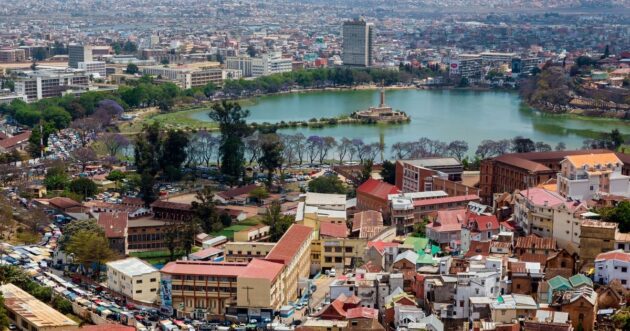
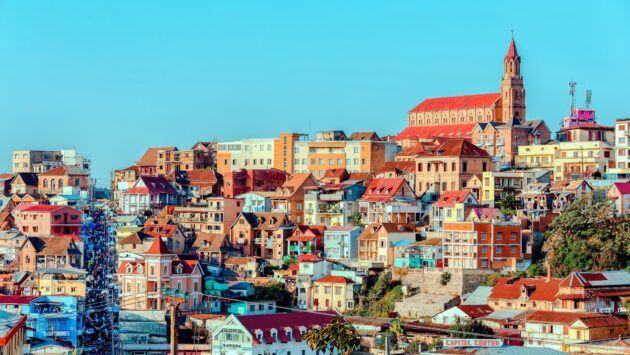
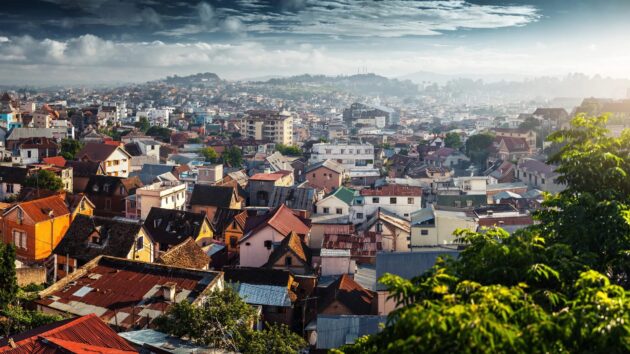
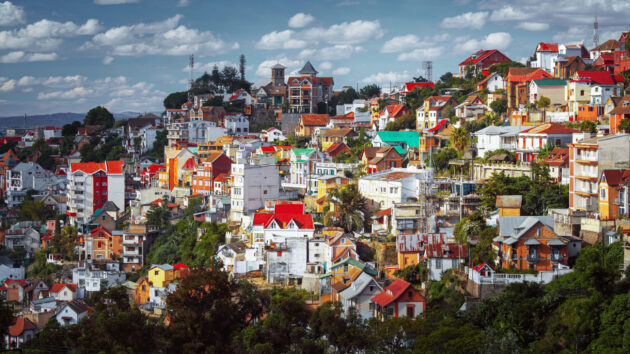
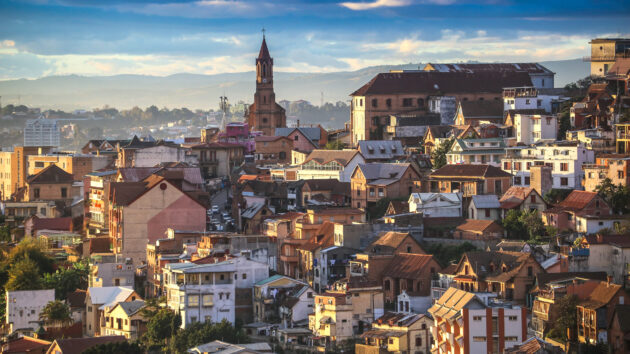
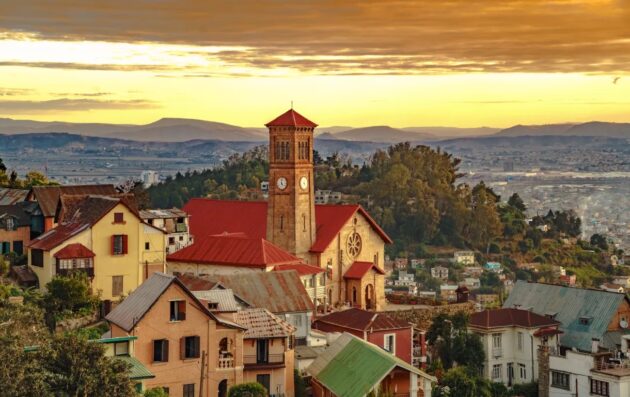
Antananarivo, often affectionately shortened to Tana, is the vibrant capital and largest city of Madagascar. Perched on a series of hills at an elevation of about 1,280 meters (4,200 feet), it offers a fascinating mix of colonial architecture, bustling markets, rich Merina history, and a chaotic yet charming urban energy. While many travelers see Tana mainly as a gateway to Madagascar’s famous national parks, lemurs, and beaches, the city itself deserves at least 2–4 days of exploration for its unique culture, historical sites, and local life.
Why Visit Antananarivo?
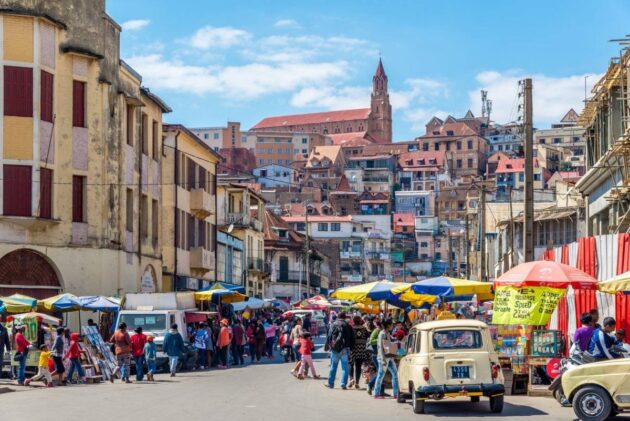
Tana is the cultural and historical heart of Madagascar. You’ll encounter French colonial buildings, traditional Malagasy architecture, lively street food scenes, artisan markets, and panoramic views over the city’s red-tiled roofs and rice paddies. It’s also the best place to organize onward adventures to places like Andasibe, Ranomafana, or the Avenue of the Baobabs.
How to Get There
Most international visitors arrive at Ivato International Airport (TNR), located about 20 km (12 miles) north of the city center.
From the Airport to the City:
Taxi: The most convenient option. Official taxis cost around MGA 50,000–80,000 (≈ €10–15) to central Antananarivo. Negotiate the price beforehand or use a hotel-arranged transfer for reliability. The ride takes 30–60 minutes depending on traffic.
Private Transfer: Many hotels and tour operators offer airport pickups (recommended for first-timers).
Bus: Public minibuses (taxi-brousse style) exist but are less comfortable and not ideal with luggage.
Note: Madagascar’s roads can be busy and chaotic—plan extra time.
Best Time to Visit
The cool, dry season from April to October is ideal for Antananarivo. Temperatures are pleasant (15–25°C / 59–77°F), with low rainfall and clear skies.
Peak Months: July–August (cooler, busiest)
Shoulder Seasons: April–May and September–October (good weather, fewer crowds)
Avoid: December–March (wet season; heavy rains, potential cyclones, and muddy conditions)
Top Things to Do in Antananarivo
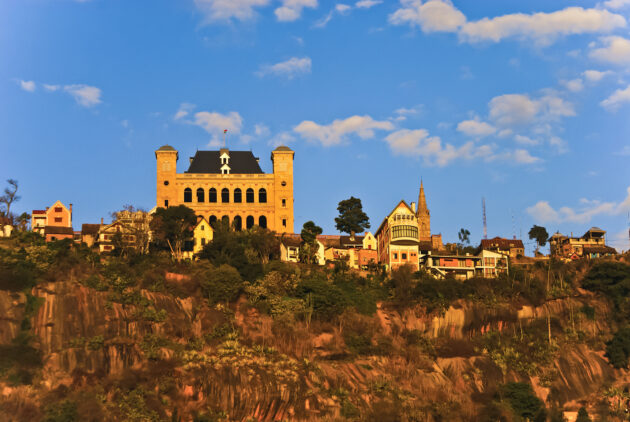
Rova of Antananarivo (Queen’s Palace Complex): The historic royal palace atop the highest hill. Offers stunning panoramic views of the city and insight into Merina kingdom history. The site includes the rebuilt palace (after a 1995 fire), tombs, and museums.
Musée Andafiavaratra (Prime Minister’s Palace): A beautiful colonial building housing artifacts, royal relics, and furniture from Madagascar’s past.
Lemurs’ Park: Just 20–22 km southwest of the city, this private reserve lets you see several lemur species up close in a natural setting (ring-tailed, black-and-white ruffed, etc.). A great half-day wildlife introduction.
Croc Farm: Near the airport, this spot features Nile crocodiles, giant tortoises, chameleons, and birds. Fun and educational, especially for families.
Ambohimanga (Royal Hill): A UNESCO World Heritage site 21 km north of Tana. The sacred hill was the spiritual and political center of the Merina dynasty. Explore royal tombs, traditional houses, and beautiful views.
Analakely Market & Street Food: Dive into the daily hustle at the huge covered market. Try local snacks like koba (peanut-rice bars), mofo gasy (rice cakes), or fresh fruit.
Artisan Markets & Shopping: Visit places like Akany Concept Store or the handicraft markets for wood carvings, vanilla products, textiles, gemstones, and Malagasy silk scarves.
Parc de Tsarasaotra (Private Bird Park): A peaceful urban oasis for birdwatching (herons, egrets, kingfishers).
Lake Anosy & Sunset Views: A scenic lake with a black-and-white photo museum nearby. Great for a relaxed stroll or sunset watching.
Where to Stay
Luxury: Carlton Hotel, Palissandre Hotel & Spa, or Ibis Styles Antananarivo (comfortable with good views).
Mid-Range: Hotel Sakamanga, Le Jardin Sakay, or Tamboho Suite Hotel.
Budget: Hostels or guesthouses in the city center or near Analakely.
Tip: Stay in safer, central areas like Haute-Ville (upper town) or near major hotels. Book in advance during peak season.
Getting Around
Taxi: Use official taxis or hotel-arranged ones. Agree on the fare first.
Private Driver/Guide: Highly recommended for day trips and city exploration (many speak English/French).
Walking: Possible in Haute-Ville, but traffic and uneven sidewalks require caution.
Rickshaws (pousse-pousse): Fun for short distances in quieter areas.
Safety Tips
Antananarivo is generally safe for tourists who take normal precautions, but petty crime (pickpocketing, bag-snatching) occurs in crowded areas.
Avoid walking alone at night, especially in poorly lit streets.
Keep valuables hidden; don’t flash expensive items.
Use hotel safes for passports and cash.
Be cautious on major roads after dark.
Political protests can occur—avoid large crowds or demonstrations.
Medical facilities are limited—bring necessary medications and travel insurance.
Practical Tips
Currency: Malagasy Ariary (MGA). ATMs are available in Tana; carry cash for markets.
Language: Malagasy and French are official. English is limited but growing in tourism.
Health: Drink bottled water. Malaria risk exists—use repellents and consider prophylaxis. Vaccinations (hepatitis A, typhoid) recommended.
Food: Try romazava (beef/herb stew), ravitoto (pork with cassava leaves), and fresh zebu (local beef). Vegetarian options are available.
Day Trips from Antananarivo
Andasibe-Mantadia National Park (3–4 hours drive) → Indri lemurs and rainforest.
Ampefy & Lily Waterfalls → Scenic nature escape.
Mantasoa Lake → Relaxing day by the water.
Final Thoughts
Antananarivo is chaotic, colorful, and full of character—an authentic introduction to Madagascar’s culture before heading to the island’s wilder wonders. Take your time, hire a local guide, embrace the slow pace, and enjoy the unique blend of history, wildlife, and Malagasy hospitality.
Veloma (goodbye in Malagasy)—and safe travels!