
A Travel Guide to Tsingy de Bemaraha National Park (2026)
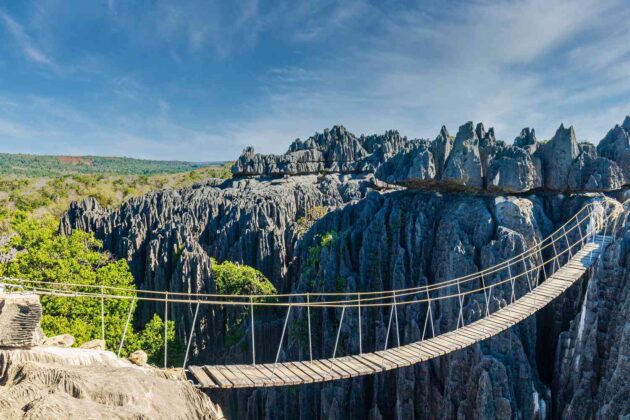
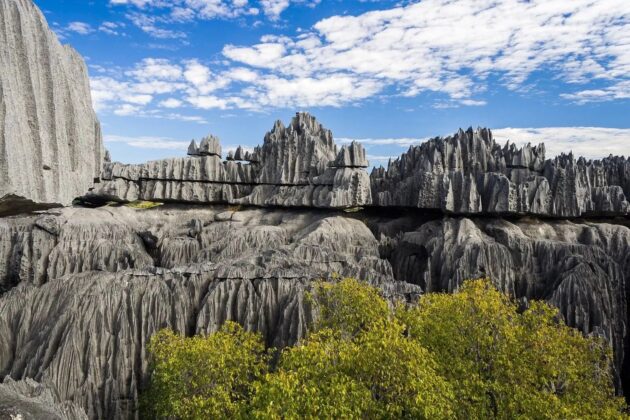
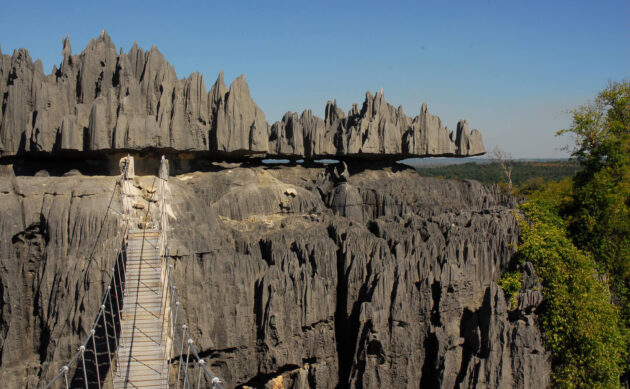
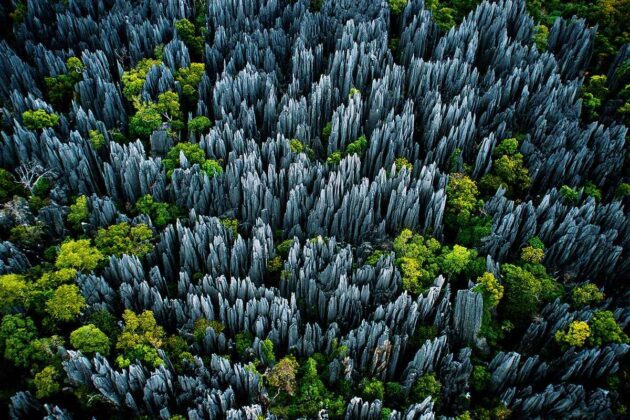
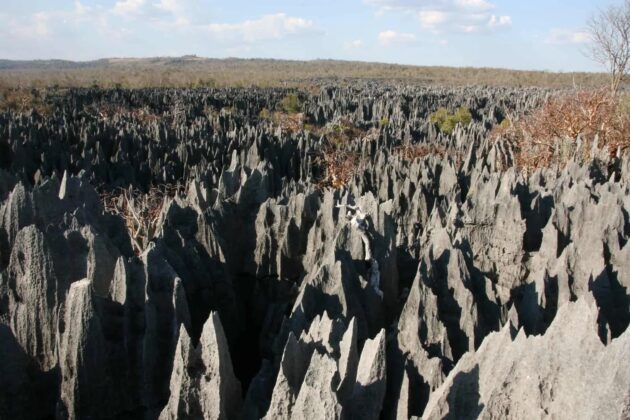
Tsingy de Bemaraha National Park is one of Madagascar’s most extraordinary natural wonders and a UNESCO World Heritage Site since 1990. Located in the remote Melaky region of western Madagascar, this vast protected area (approximately 1,500 square kilometers) features dramatic karst landscapes of sharp, needle-like limestone pinnacles known as “tsingy” (the Malagasy word for “where one cannot walk barefoot” or “walking on tiptoes”).
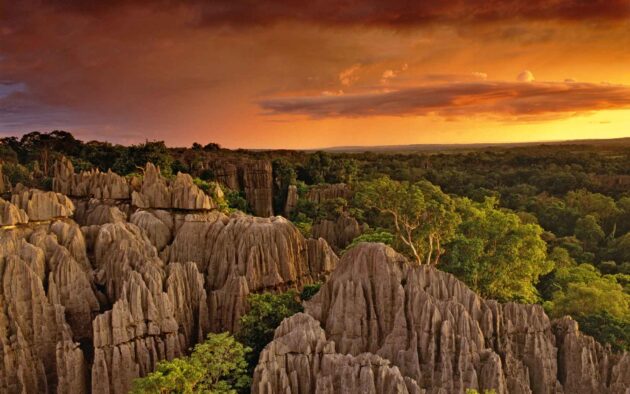
These jagged formations create a surreal “stone forest” interspersed with dry deciduous forests, canyons, gorges, rivers, and mangroves. The park is home to incredible biodiversity, including 11 species of lemurs, over 100 bird species, reptiles, amphibians, and many endemic plants.
Why Visit Tsingy de Bemaraha?
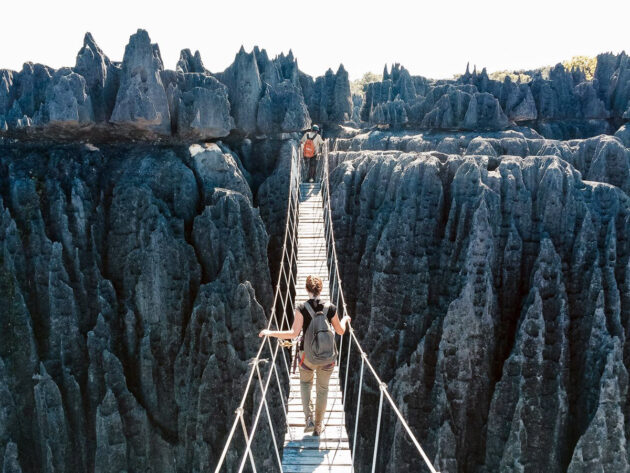
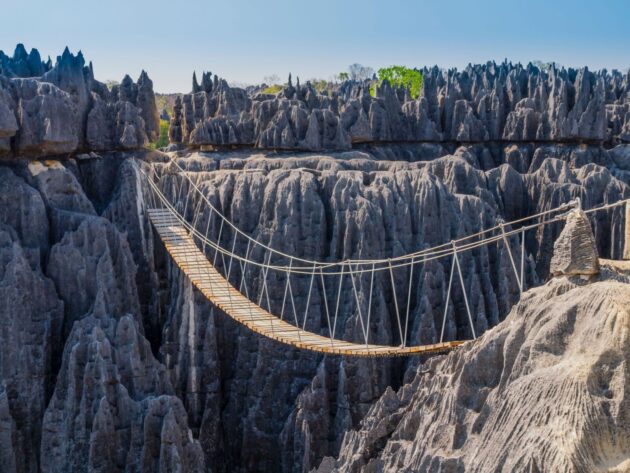
The park’s otherworldly limestone spires, suspension bridges high above deep ravines, and the chance to spot rare wildlife like Decken’s sifaka lemurs make it one of Madagascar’s top highlights. It’s a place that feels like stepping into another planet — perfect for photographers, hikers, and nature enthusiasts seeking something truly unique.
How to Get There
Reaching Tsingy de Bemaraha is part of the adventure due to its isolation. The park is only accessible during the dry season.
Most Common Route: Fly into Morondava (the closest major town) via domestic flight from Antananarivo (Tana), the capital. From Morondava, it’s a long but scenic 4×4 drive (7–10 hours) to Bekopaka village, the gateway to the park. The journey includes two river ferry crossings (Tsiribihina and Manambolo) and rough dirt roads.
Faster Option: Charter flights directly to Bekopaka airstrip (about 1.5 hours from Morondava or Tana), which saves significant time and is popular for multi-day tours.
Independent Travel: Possible but strongly discouraged without a 4×4 vehicle, experienced driver, and pre-arranged guide. Most visitors join organized tours that handle logistics.
Best Time to Visit
The park is only open from April to November (dry season). During the rainy season (December–March), roads become impassable, rivers flood, and the park closes.
Optimal Months: June to October — cooler temperatures, dry conditions, and the Great Tsingy (Grand Tsingy) is fully accessible.
Avoid: December to March (closed) and very early April or late November (possible rain and muddy roads).
What to Do
All exploration requires a mandatory local park guide and usually a safety harness for the more adventurous trails.
Little Tsingy (Petit Tsingy) Circuits: Shorter, easier half-day hikes with stunning views, suspension bridges, and good wildlife spotting. Ideal for families or those with moderate fitness.
Great Tsingy (Grand Tsingy) Circuits: Full-day adventure through the more dramatic limestone forest. Involves climbing ladders, crossing rope bridges, and scrambling over sharp rocks with harnesses for safety. Offers breathtaking panoramic viewpoints and a true sense of adventure.
Other Activities: Manambolo River boat trip (pirogue) to see gorges and caves. Wildlife walks to spot lemurs, chameleons, birds, and reptiles. Night walks (in nearby areas) for nocturnal creatures.
All trails are guided; routes vary in difficulty — good physical condition and no fear of heights are essential.
Tour Operators
Most visitors book multi-day tours from Morondava or Antananarivo that include transport, accommodation, park fees, and guides. Reputable options include:
Local agencies like Mad Trek, Cactus Madagascar, or Great Madagascar Tours.
International operators offering Madagascar packages (e.g., G Adventures, Kensington Tours).
“Tsingy Express” fly-in tours (3 days) for those short on time.
Where to Stay
Accommodations are basic and located in or near Bekopaka village (about 10–20 km from the park entrance).
Mid-range: Orchidée du Bemaraha, Tanankoay Hotel, or similar lodges with private rooms and basic facilities.
Budget: Simple guesthouses or camping options near the park.
Luxury: Very limited — most high-end travelers stay in Morondava (e.g., Palissandre Côte Ouest) before/after the Tsingy leg.
Book in advance, especially July–August (peak season).
What to Bring
Sturdy hiking shoes (sharp rocks everywhere).
Lightweight long-sleeved clothing and hat for sun protection.
Harness-compatible clothing (no loose items).
Sunscreen, insect repellent, water bottle, snacks.
Binoculars for wildlife spotting.
Good camera (but watch for dust).
Practical Tips
Fitness Level: Trails are strenuous; expect 4–8 hours of hiking/climbing per day.
Entry Fees: Around 55,000–65,000 MGA (~$10–12 USD) per person + guide fees (group rate).
Wildlife: Lemurs, birds, and reptiles are highlights — but sightings aren’t guaranteed.
Combine Visits: Pair Tsingy with Avenue of the Baobabs (near Morondava), Kirindy Forest (night walks), or a Tsiribihina River descent for a full western Madagascar itinerary.
Safety: Follow your guide strictly; the limestone can be razor-sharp.
Tsingy de Bemaraha is not an easy destination, but the reward is one of the most spectacular and unique landscapes on Earth. With proper planning and a spirit of adventure, it becomes an unforgettable highlight of any Madagascar trip. Safe travels!