
A Travel Guide to Lesotho (2026)
Lesotho, often called the “Kingdom in the Sky,” is a small, landlocked mountain nation completely surrounded by South Africa. Sitting at an average elevation of over 2,000 meters (6,562 feet), it boasts dramatic highland landscapes, rugged peaks, deep valleys, thundering waterfalls, and a rich Basotho culture. This off-the-beaten-path destination is perfect for adventure travelers, nature lovers, hikers, and those seeking authentic cultural experiences away from mass tourism.
Why Visit Lesotho?
Lesotho offers pristine nature, friendly locals, and unique activities like pony trekking on sure-footed Basotho ponies, world-class abseiling, fly fishing, and exploring ancient rock art. It’s one of Africa’s highest countries, with snow in winter and clear starry skies. Highlights include Africa’s second-highest single-drop waterfall and engineering marvels like massive dams.
How to Get There
Most visitors arrive via South Africa:
By Air: Fly into Johannesburg’s O.R. Tambo International Airport (JNB), then take a short domestic flight to Moshoeshoe I International Airport (MSU) in Maseru with Airlink (about 45–60 minutes).
By Road: Drive from South Africa via scenic mountain passes like Sani Pass (requires 4×4), Van Rooyen’s Gate, or other border crossings. Many overland travelers enter this way from Durban or Johannesburg.
Border Crossings: Common entry points include Sani Pass (dramatic but challenging), Caledonspoort, or Van Rooyen’s Gate.
Visa Requirements
Many nationalities (including US, UK, Canada, Australia, EU, and South Africa) receive visa-free entry for stays up to 30–180 days (often 30 days on arrival, extendable). Check the official Lesotho e-Visa portal or your nearest embassy for the latest rules. A passport valid for at least 6 months is required.
Best Time to Visit
Dry Season (May–September): Cooler weather, clear skies, and ideal for hiking and outdoor activities. Winter (June–August) brings snow in the highlands—perfect for skiing or snow experiences.
Wet Season (October–April): Lush greenery and full waterfalls, but expect afternoon showers and some road challenges.
Peak Seasons: Avoid school holidays if you prefer fewer crowds.
Top Attractions & Things to Do
Sehlabathebe National Park
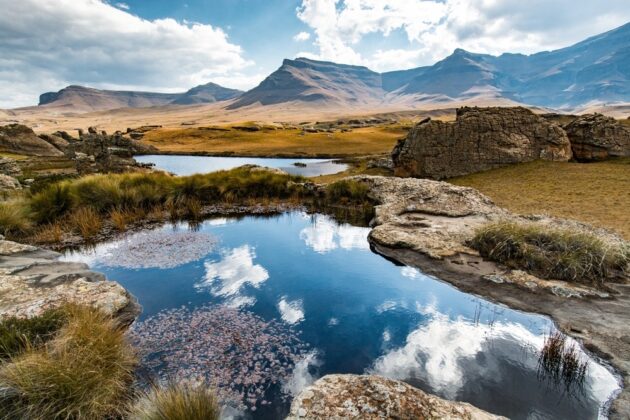
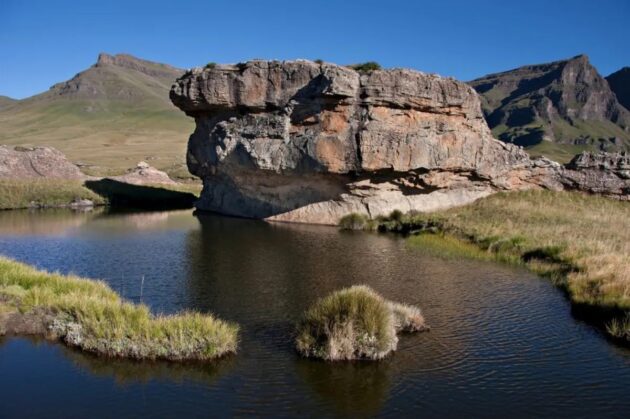
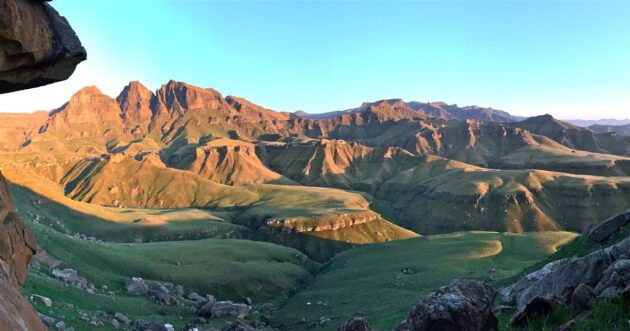
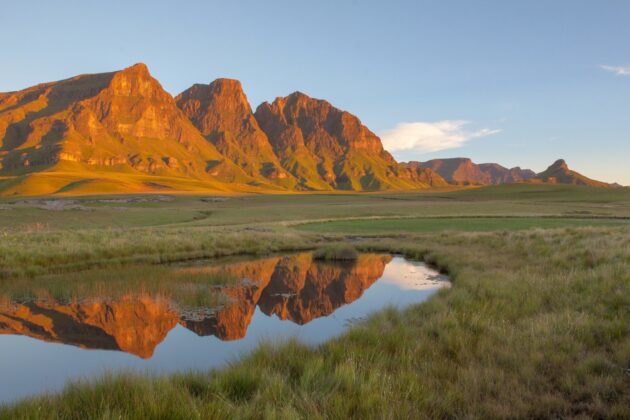
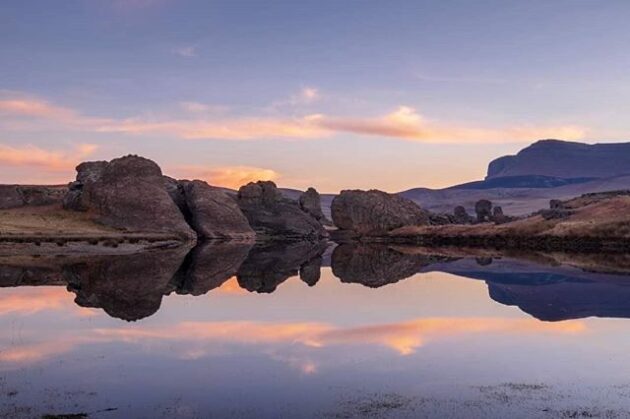
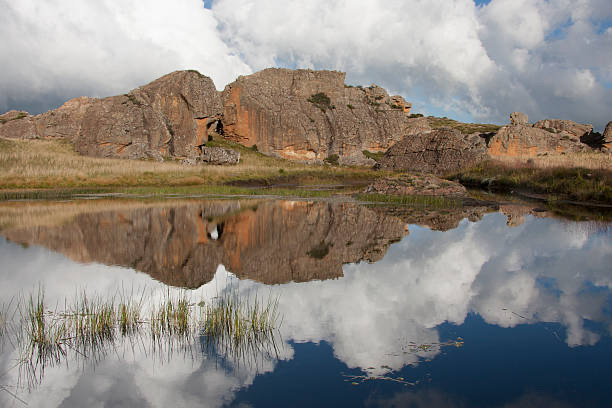
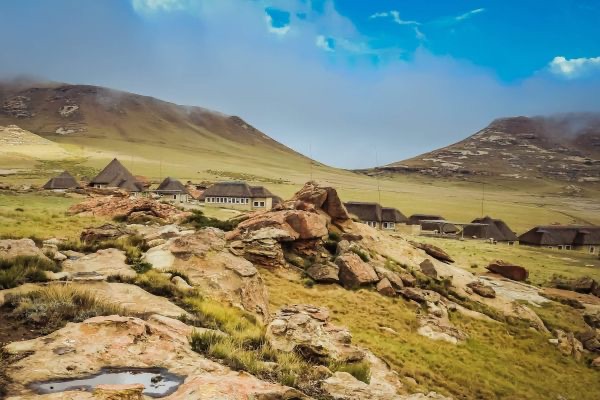
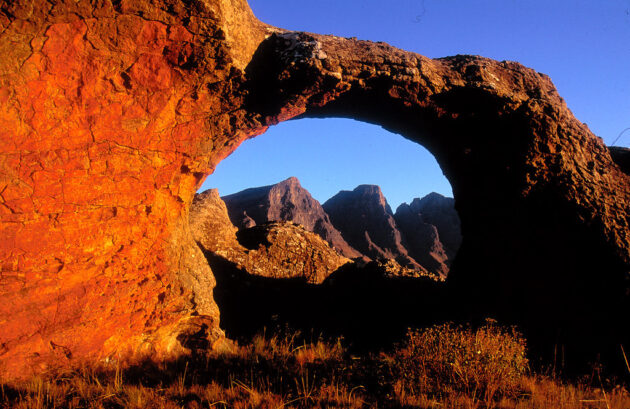
Sehlabathebe National Park is Lesotho’s oldest national park and one of the most remote and pristine wilderness areas in southern Africa. Established in 1970, it covers approximately 65 km² of rolling, boulder-strewn grasslands perched along the uKhahlamba-Drakensberg escarpment on the border with South Africa. As part of the UNESCO-listed Maloti-Drakensberg Park World Heritage Site, it offers breathtaking high-altitude scenery, abundant wildflowers, ancient rock art, and a profound sense of isolation.
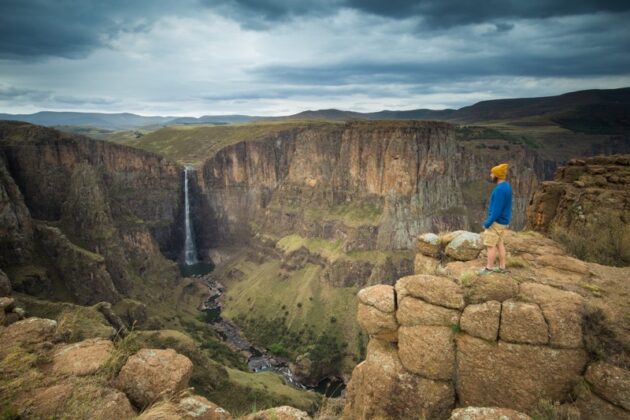
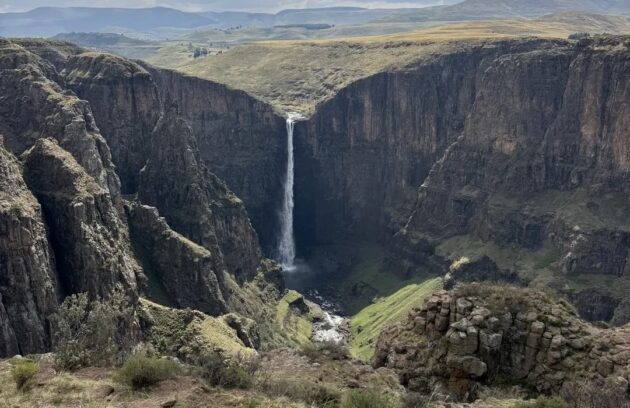
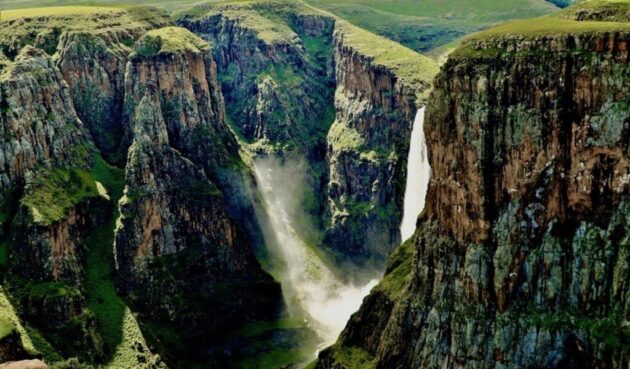
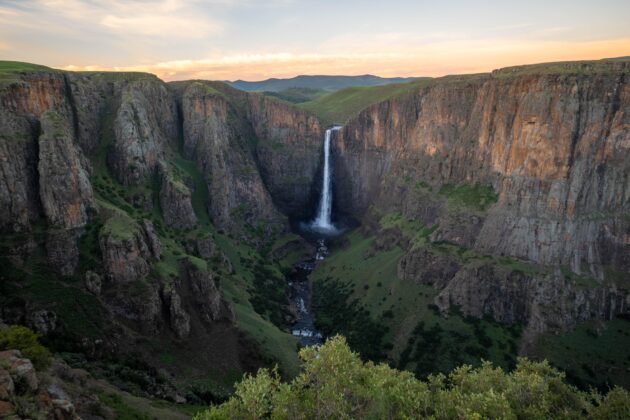
Maletsunyane Falls
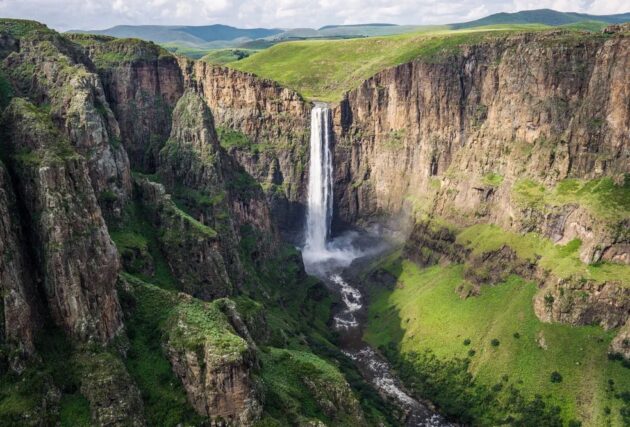
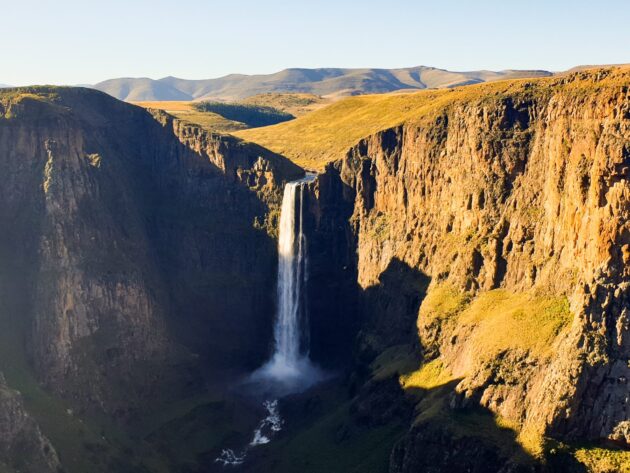
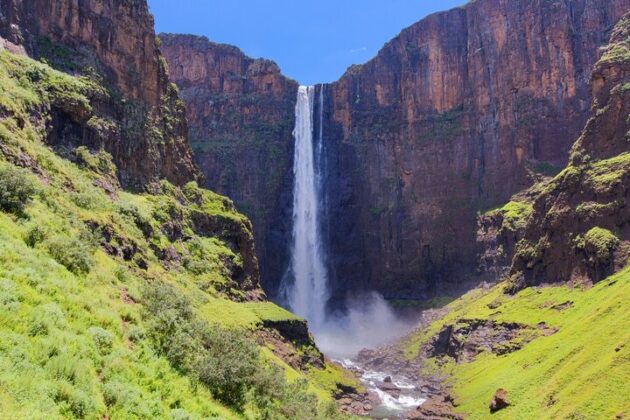
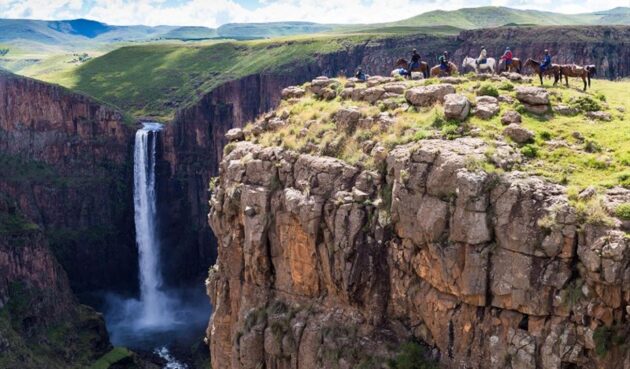
Maletsunyane Falls (also known as Le Bihan Falls in some older references) is one of Lesotho’s most spectacular natural landmarks. Plunging 192 meters (630 feet) in a single, uninterrupted drop into a dramatic basalt gorge, it ranks among the tallest single-drop waterfalls in Southern Africa and is a highlight for anyone visiting the “Kingdom in the Sky.”
Sani Pass
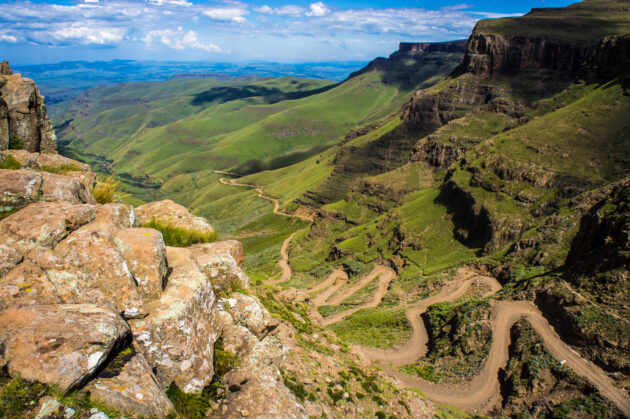
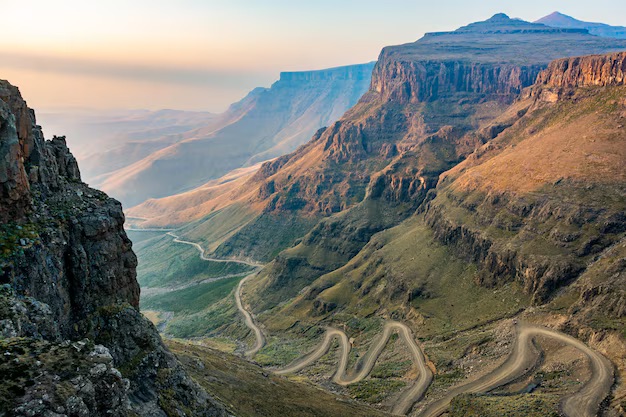
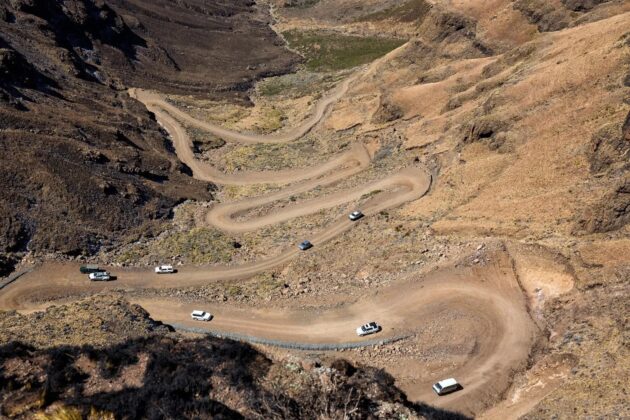
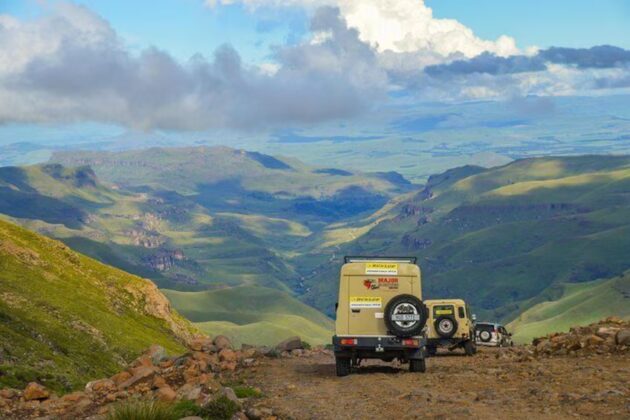
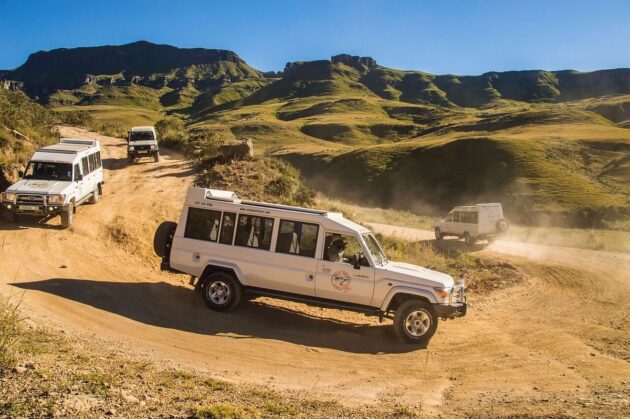
Sani Pass is a breathtaking and notoriously rugged mountain pass located in the Drakensberg range, forming a dramatic gateway between South Africa and the Kingdom of Lesotho. Winding its way up to an altitude of over 2,876 meters (9,429 feet), it is one of the highest passes in southern Africa. The route, which requires a 4×4 vehicle, features steep, winding gravel tracks with sharp switchbacks, offering thrilling adventure and stunning, panoramic views of remote valleys and sheer cliffs.
Katse Dam
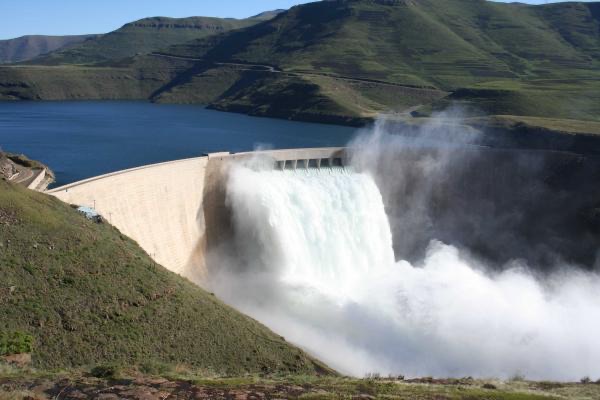
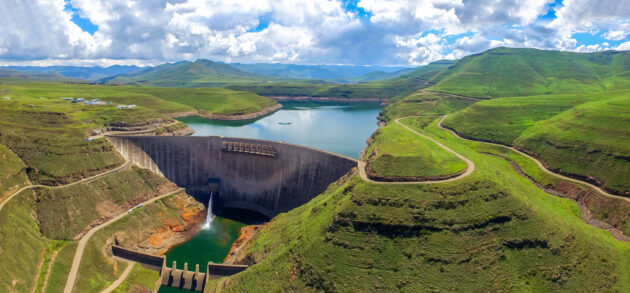
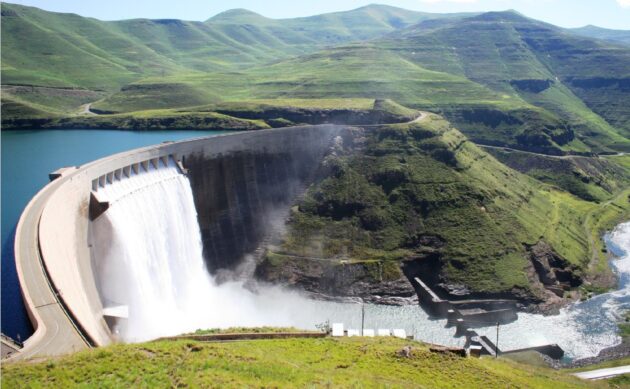
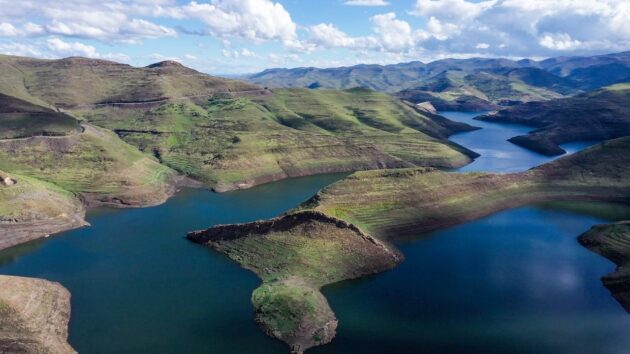
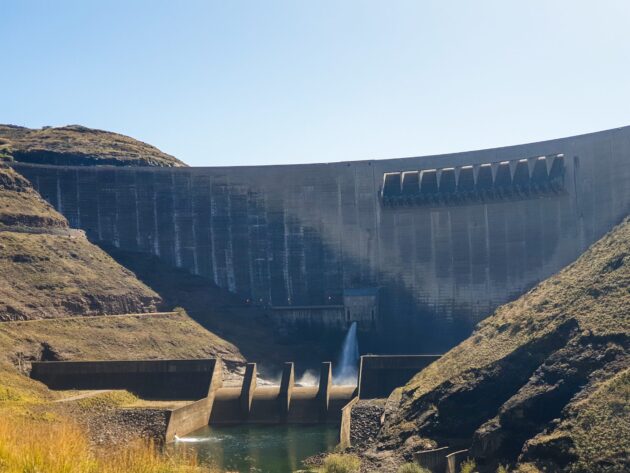
The Katse Dam, located in the mountainous Kingdom of Lesotho, is a massive concrete arch dam and the centerpiece of the Lesotho Highlands Water Project. It primarily diverts water from the Senqu (Orange) River system to South Africa, generating hydroelectric power for Lesotho itself. As one of Africa’s largest dams, it created the vast Katse Reservoir and is a critical source of revenue and energy for the nation, representing a monumental feat of engineering.
Thaba Bosiu
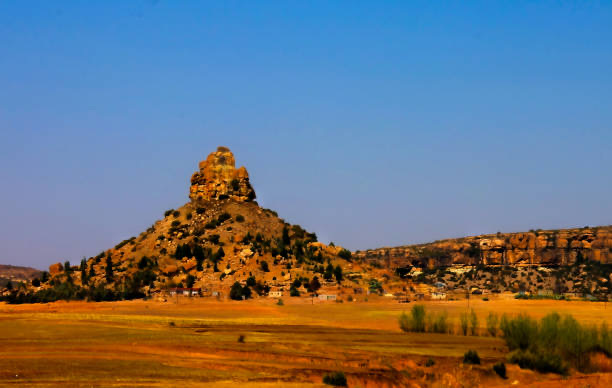
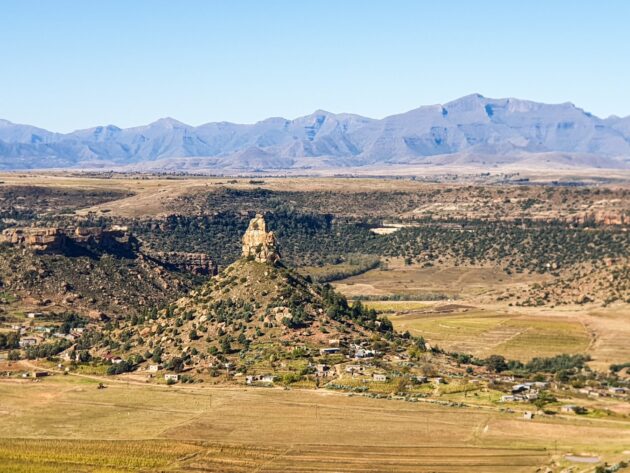
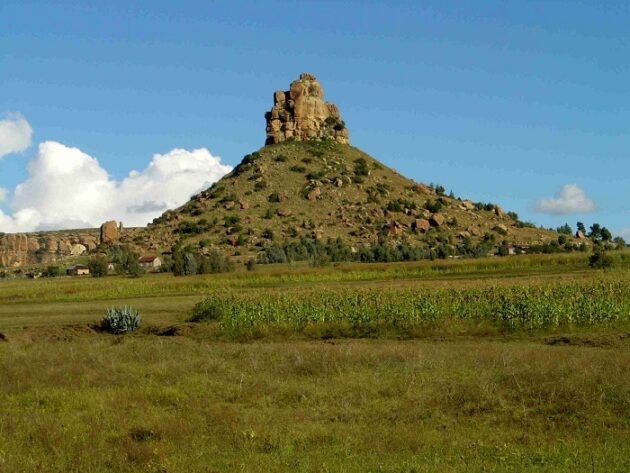
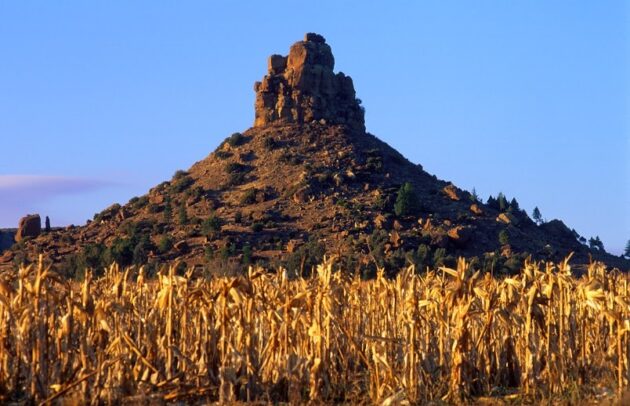
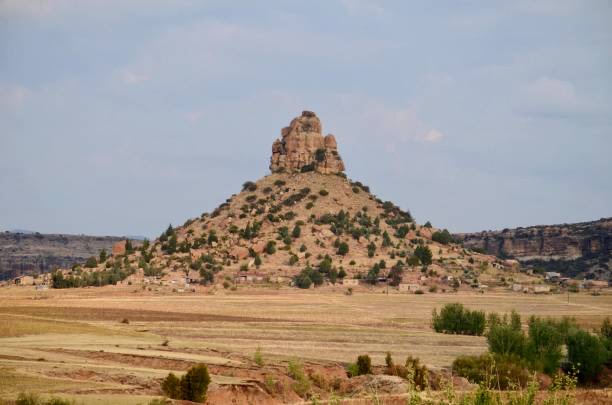
Thaba Bosiu, meaning “Mountain of the Night,” is a iconic flat-topped mountain fortress in Lesotho. It served as the strategic stronghold and capital of King Moshoeshoe I from 1824, playing a crucial role in the founding and defense of the Basotho nation. While successfully repelling numerous attacks in the 19th century, it ultimately became the site where Lesotho was annexed as a British protectorate in 1868.
Where to Stay
Semonkong Lodge — Adventure hub near the falls
Maliba Mountain Lodge — Eco-luxury in Ts’ehlanyane National Park
Malealea Lodge — Community-run, cultural experiences
Sani Top Chalet — Highest pub in Africa
Maseru — Capital city hotels for urban base (e.g., Avani Lesotho or budget guesthouses)
Practical Tips
Transportation: 4×4 recommended for highlands; many lodges offer transfers. Public transport (minibuses) exists but is limited.
Currency & Payments: Maloti (LSL) – pegged to South African Rand (ZAR), widely accepted. Cards work in Maseru but carry cash for rural areas.
Safety: Lesotho is generally safe for tourists, especially in rural and tourist areas. Exercise caution in Maseru (petty crime). Avoid walking alone at night in cities.
Health: No mandatory vaccines, but consider hepatitis, typhoid, and rabies if adventuring. Drink bottled water; altitude can cause issues—acclimatize slowly.
Packing Essentials: Layers (weather changes fast), sturdy shoes, rain gear, sunscreen, hat, and warm clothes for evenings/highlands.
Respect Local Culture: Basotho people are welcoming; ask permission before photographing people. Traditional blankets (Basotho blankets) are a cultural symbol.
Lesotho remains one of Africa’s best-kept secrets—raw, beautiful, and authentic. Whether you’re conquering mountain passes, abseiling waterfalls, or meeting local communities, this Kingdom in the Sky promises unforgettable adventures. Safe travels!