
A Travel Guide to Sehlabathebe National Park (2026)
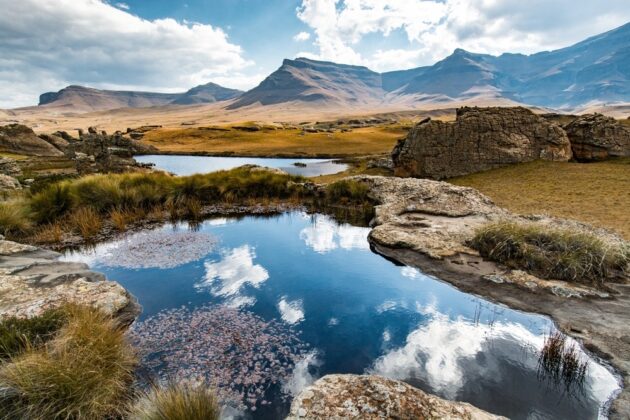
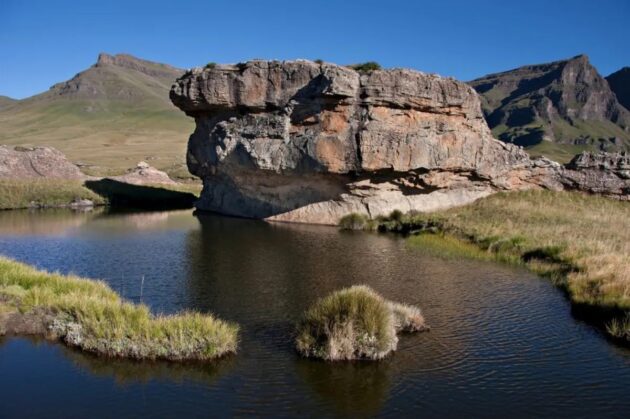
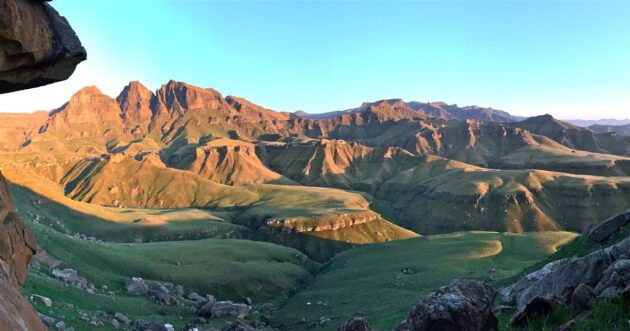
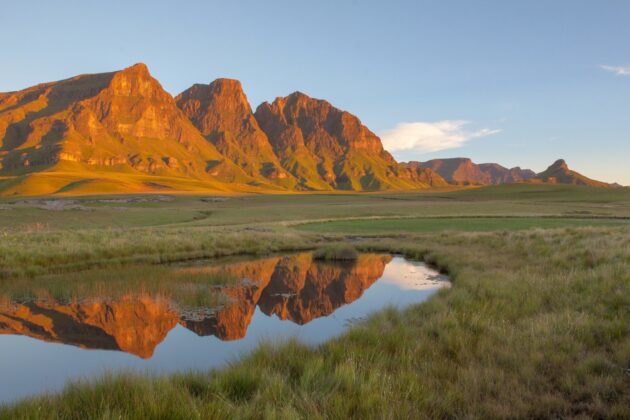
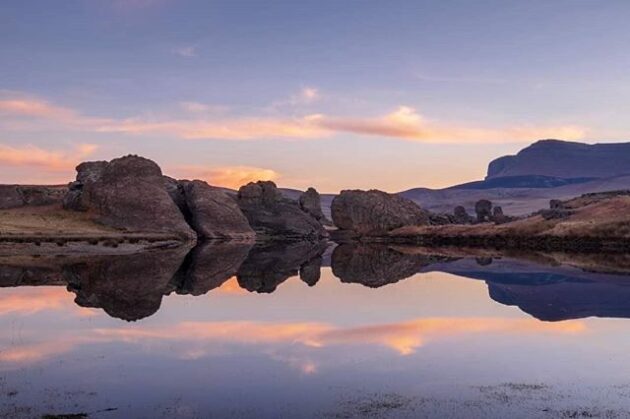
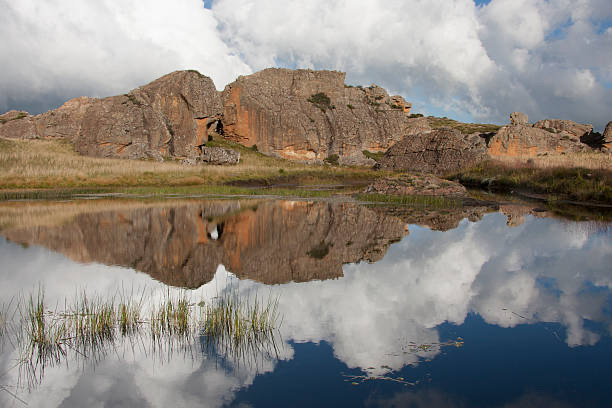
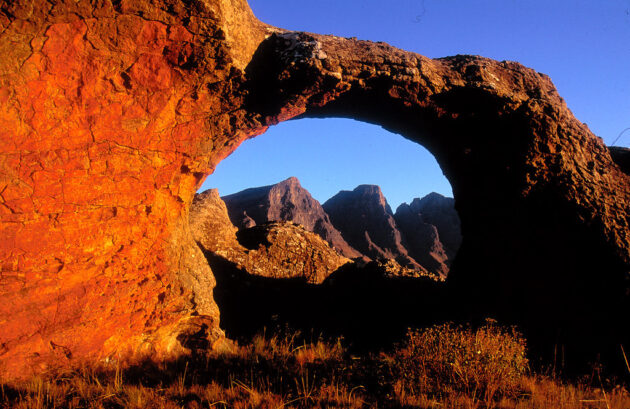
Sehlabathebe National Park is Lesotho’s oldest national park and one of the most remote and pristine wilderness areas in southern Africa. Established in 1970, it covers approximately 65 km² of rolling, boulder-strewn grasslands perched along the uKhahlamba-Drakensberg escarpment on the border with South Africa. As part of the UNESCO-listed Maloti-Drakensberg Park World Heritage Site, it offers breathtaking high-altitude scenery, abundant wildflowers, ancient rock art, and a profound sense of isolation. This is a paradise for hikers, birdwatchers, and those seeking an off-the-beaten-path adventure in the “Kingdom in the Sky.”
Why Visit Sehlabathebe National Park?
Stunning highland landscapes at elevations between 2,200–2,600 meters (7,200–8,500 ft).
Rich biodiversity: prolific wildflowers (especially November–February), rare birds, small mammals, and occasional eland or baboons.
Over 65 documented San (Bushman) rock art sites, some easily accessible.
Excellent hiking, pony trekking, trout fishing in the Tsoelikana River, and a scenic waterfall with a natural swimming pool.
True wilderness feel — very few visitors mean peaceful solitude.
How to Get There
Sehlabathebe is remote and requires careful planning. Most visitors enter from South Africa or drive from Maseru.
From South Africa (Recommended for most international visitors):
Via Qacha’s Nek Border Post: Drive from Matatiele (Eastern Cape) or Underberg (KwaZulu-Natal) to Qacha’s Nek (about 4 hours on good roads). From Qacha’s Nek, take the unsurfaced road northeast toward the park gate (90 km, 2–3 hours). A 4×4 vehicle is strongly recommended, especially after rain.
Via Ramatseliso’s Gate: A more adventurous gravel route from the South African side — suitable for experienced off-road drivers.
Hiking Option: Multi-day trek from Sani Top (South Africa) along the escarpment (around 40 km, 3 days) — very scenic but demanding.
From Maseru (Lesotho capital):
Follow the A5 southeast via Semonkong to Qacha’s Nek (225 km, about 4 hours on surfaced road).
Then continue northeast on the unsurfaced road to the park gate (90 km, 2–3 hours).
Total distance: around 315 km; allow a full day.
Note: Roads can be rough; 4×4 is essential in wet conditions. Public transport is limited — self-drive or join an organized tour from South Africa (many operators in Underberg or Sani Pass offer guided trips).
Best Time to Visit
Spring/Summer (September–March): Warm days, blooming wildflowers (peak Nov–Feb), and better hiking weather. This is the most popular season.
Dry Winter (April–August): Cooler temperatures, clear skies, and fewer rain risks. Good for birding and hiking, but nights can be very cold (frost possible).
Avoid heavy summer rains (Dec–Feb) if concerned about road conditions.
Entrance Fees and Permits
Entry fee: Typically around M50–M100 per person (approx. USD 3–6), plus possible vehicle fee. Fees are payable at the gate.
No special permits needed for standard visits, but check current rates on arrival or via Lesotho’s tourism office.
What to Do
Hiking and Trekking: Numerous trails through grasslands, along rivers, and to viewpoints overlooking the Drakensberg escarpment. Popular short walks: to the Tsoelikana River waterfall and natural pool. Multi-day hikes possible, including routes toward Bushman’s Nek (South Africa).
Pony Trekking: Traditional Basotho ponies are excellent for navigating the terrain. Guided pony treks (day or multi-day) are available near the park or through operators in Qacha’s Nek / Underberg.
Rock Art Exploration: Visit accessible San rock art sites signposted from the main road — some of the best-preserved examples in the region.
Birdwatching and Nature: Excellent for high-altitude species; bring binoculars.
Trout Fishing: Catch-and-release on the Tsoelikana River (bring your own gear and check regulations).
Note: Swimming is possible in natural pools, but water is very cold.
Where to Stay
Accommodation inside the park is limited:
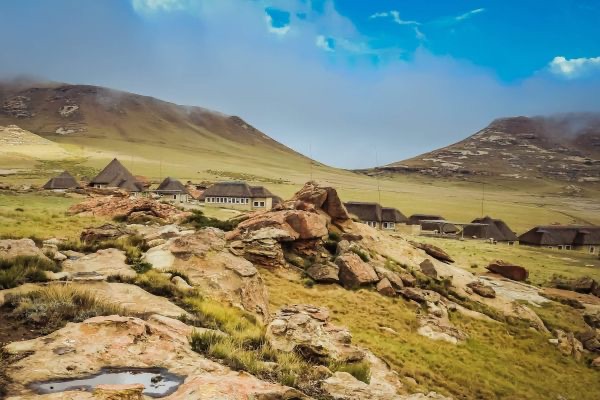
Sehlabathebe National Park Lodge: A basic self-catering lodge inside the park (a few kilometers from the gate). Offers comfortable rooms with scenic views. Book in advance — availability can be inconsistent.
Camping: Basic camping options may be available; self-sufficient camping is possible in designated areas.
Nearby alternatives: Basic guesthouses or lodges outside the park gate or in Qacha’s Nek. For more comfort, stay in South Africa (Underberg / Sani Pass area) and do day trips or multi-day guided tours.
Important: Bring all food, drinking water, and supplies — no restaurant or shop exists in the park.
What to Bring
Warm layers (temperature drops sharply at night and in shade).
Rain gear (summer thunderstorms possible).
Sturdy hiking boots, sun protection, insect repellent.
Plenty of water, snacks, and meals.
First-aid kit, torch/headlamp, and power bank.
Cash (Lesotho Maloti or South African Rand accepted; cards rarely work).
4×4 vehicle with spare tire, fuel, and recovery gear if self-driving.
Tips for a Great Experience
Travel with a guide or in a group if you’re new to remote high-altitude areas — weather can change quickly.
Respect the environment: no littering, stick to trails, and follow park rules.
Combine with other Lesotho highlights like Semonkong Falls, Maletsunyane Falls, or Sani Pass for a fuller trip.
Check road conditions and park status before departure — remote areas can be affected by weather.
Final Thoughts
Sehlabathebe National Park delivers raw, untouched beauty and a genuine sense of remoteness that few places in southern Africa can match. Whether you’re hiking across flower-strewn plateaus, spotting ancient rock paintings, or simply soaking in the silence of the highlands, this park offers a deeply rewarding escape. Plan carefully, pack sensibly, and prepare to be captivated by Lesotho’s dramatic mountain wilderness.
Safe travels to the Kingdom in the Sky!