

A Travel Guide to Central Kalahari Game Reserve (2026)
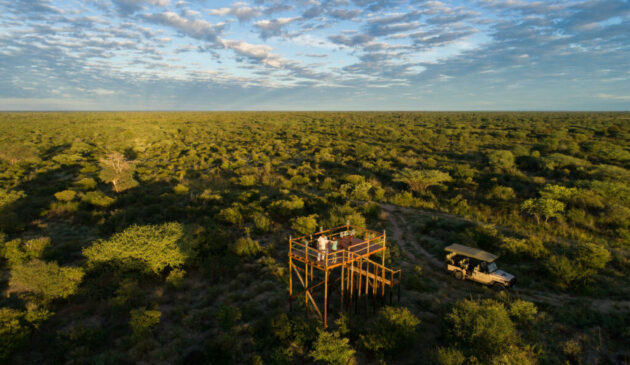
The Central Kalahari Game Reserve (CKGR) is one of Africa’s most remote and awe-inspiring wilderness areas. Spanning over 52,800 square kilometers (about the size of Denmark or Switzerland), it ranks as the world’s second-largest wildlife reserve and offers a true sense of untouched isolation. This vast expanse of golden grasslands, ancient salt pans, fossil riverbeds, and rolling sand dunes lies at the heart of Botswana’s Kalahari Desert. It is a land of extreme contrasts—harsh and arid most of the year, yet bursting into life during the rains.
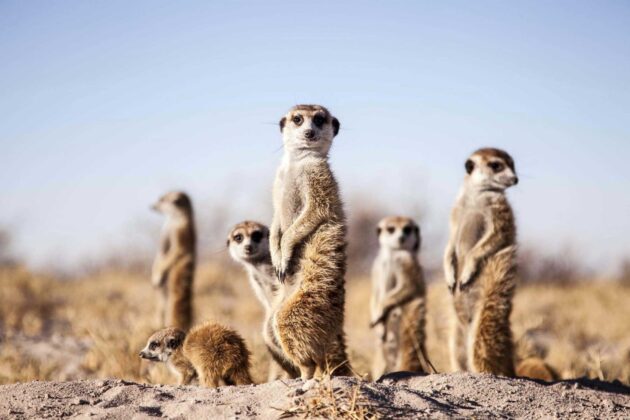
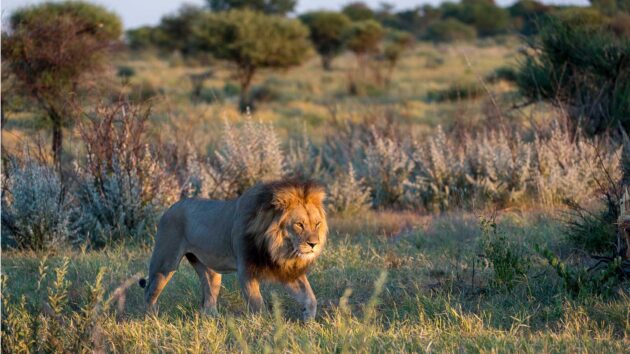
The CKGR is famous for desert-adapted wildlife, including black-maned Kalahari lions, cheetahs (one of the highest concentrations in southern Africa), brown hyenas, wild dogs, meerkats, and springbok. It is also home to the San (Bushmen) people, whose ancient culture adds deep cultural significance to the area.
This is not a conventional safari destination—there are no large herds of elephants or buffalo, and sightings require patience and skill. The CKGR is best suited for adventurous travelers seeking solitude, raw nature, and the thrill of self-exploration.
Why Visit Central Kalahari Game Reserve?
Experience one of the last true wilderness frontiers in Africa.
Witness desert-adapted animals thriving in an extreme environment.
Enjoy spectacular stargazing due to zero light pollution.
Observe large concentrations of predators and prey during the green season.
Feel the immense scale and silence of the Kalahari.
How to Get There
The CKGR is very remote and only accessible by 4×4 vehicle. There are no scheduled flights directly into the reserve, though some luxury camps offer fly-in options.
Main Entrance Gates: Matswere Gate (northeast) — Easiest access from Maun or Rakops (about 45 km of sandy track from the main road near Rakops). Xade Gate (west) — From Ghanzi. Khutse Gate (south) — From the Khutse Game Reserve area.
Most visitors enter via Matswere Gate for the northern areas (Deception Valley, Piper’s Pan). A high-clearance 4×4 is mandatory, and you must be fully self-sufficient.
Best Time to Visit
Unlike most African parks, the green/wet season (December to March/April) is the prime time for wildlife viewing.
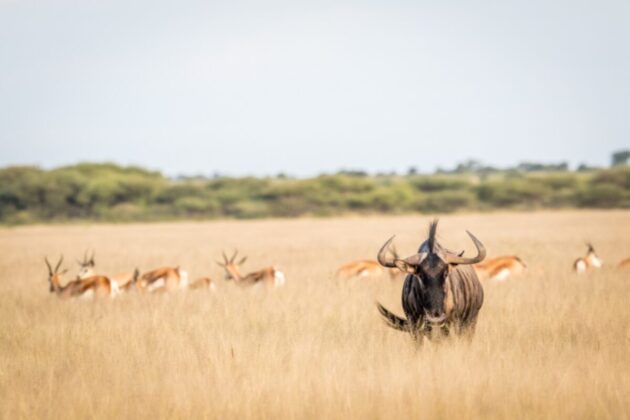
December–March (Green Season – Best Overall): Rains transform the plains into lush grazing areas. Thousands of springbok, gemsbok, wildebeest, and other herbivores gather in Deception Valley and Piper’s Pan, attracting predators (lions, cheetahs, wild dogs). Birdlife explodes, and the landscape is vibrant. Roads can be muddy—experience required.
April–May: Still good wildlife concentrations; fewer visitors.
June–October (Dry Season): Cooler days, easier driving, but animals are more dispersed and harder to spot. Excellent for solitude and stargazing.
Avoid the hottest months (September–November) if possible, as daytime temperatures can exceed 40°C (104°F).
What to Expect & Key Highlights
Deception Valley: The most famous area—open plains where large herds concentrate during the rains. Named for the mirage that makes the dry pan look like water.
Piper’s Pan: A series of beautiful pans with excellent game viewing, especially lions and birds.
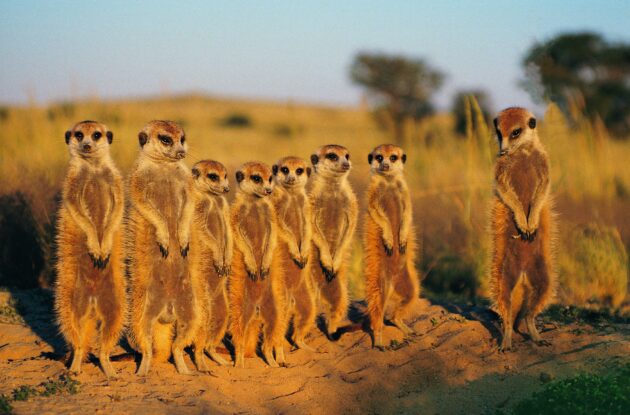
Passarge Valley & Other Pans: Great for cheetahs, brown hyenas, and meerkats.
Wildlife: Black-maned lions, cheetahs, wild dogs, brown hyena, springbok, gemsbok, eland, red hartebeest, meerkats, bat-eared foxes, aardvark (night), and Kori bustards.
Birding: Exceptional during the wet season—flamingos, migratory birds, and raptors.
Cultural: Some areas offer guided walks with San Bushmen (often arranged through lodges).
Game viewing is challenging and rewarding—animals are spread out, and sightings feel special because of the effort involved.
Activities
Self-drive game viewing (most common)
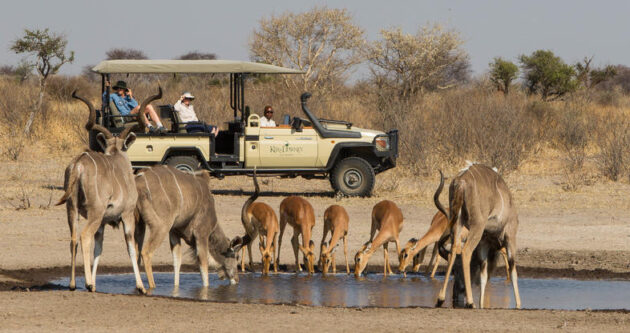
Guided game drives (if staying at a lodge)
Nature walks (with guides, if available)
Bushman cultural experiences (at select lodges)
Stargazing and photography
Swimming or water activities are not possible—no permanent rivers or large water bodies.
Accommodation Options
Camping — The most authentic way to experience the CKGR. Public campsites (basic—no water, no facilities) include: Deception Valley camps; Piper’s Pan camps; Kori camps.
Sunday Pan: Book in advance through the Department of Wildlife and National Parks (very limited availability).
Luxury & Semi-Permanent Camps (fly-in or drive-in): Tau Pan Camp — Excellent location with waterhole views.
Kalahari Plains Camp: Other mobile or private concessions.
Practical Tips for Visitors
Permits & Bookings: Required in advance for entry and campsites (via Botswana government portals or agents).
Self-Sufficiency: Carry all water (at least 20–30 liters per person per day), food, fuel (extra 100+ liters), spare tires, recovery gear, satellite phone/GPS, and first-aid kit. No shops or fuel inside the reserve.
Vehicle: High-clearance 4×4 essential. Know how to handle deep sand.
Safety: Travel with at least two vehicles if possible (especially long routes). Lions and hyenas are around camps at night—store food securely.
What to Bring: Ample water and fuel; Sun protection, warm layers (cold nights); Binoculars, camera; GPS/maps (tracks can be confusing); Trash bags (leave no trace).
Rules: Strictly no off-road driving, no feeding animals, no night driving (except in some concession areas).
Final Thoughts
The Central Kalahari Game Reserve is for those who crave raw adventure and solitude. It rewards patience with unforgettable moments—watching a pride of black-maned lions cross the plains at sunset, spotting a cheetah in pursuit, or simply feeling the vast silence of the Kalahari under a blanket of stars.
If you are prepared for self-reliance and love off-the-beaten-path wilderness, the CKGR offers one of the most authentic safari experiences in Africa.
Safe travels and enjoy the wild heart of Botswana!