

A Travel Guide to Makgadikgadi Pans (2026)
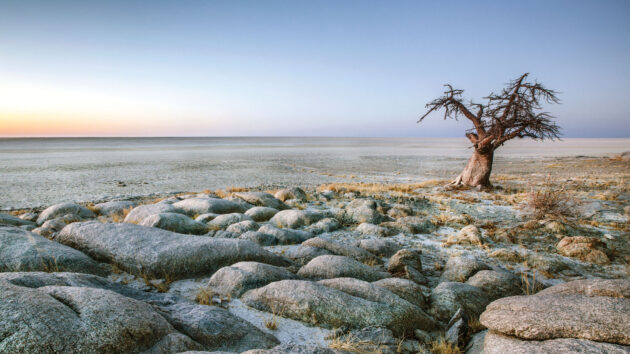
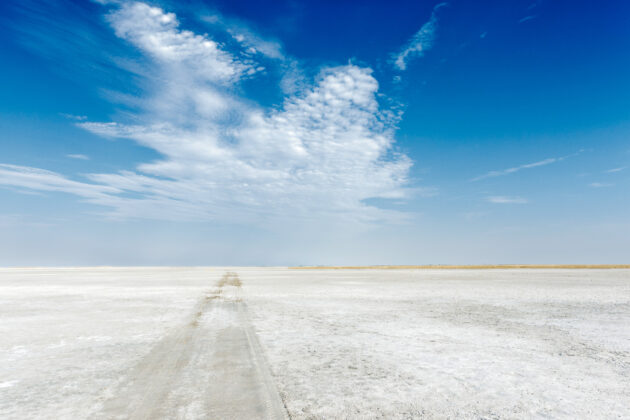
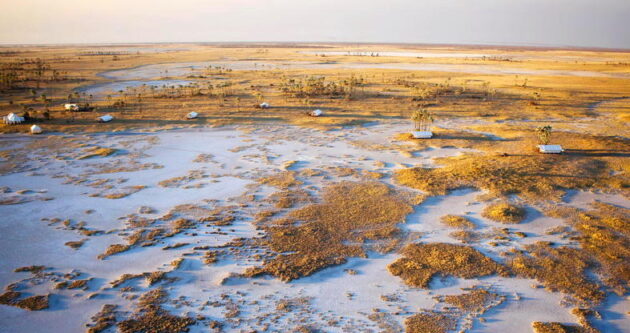
The Makgadikgadi Pans in Botswana offer one of Africa’s most surreal and unforgettable landscapes: vast, shimmering salt flats stretching to the horizon, remnants of an ancient super-lake that once covered much of the region. Covering over 12,000 km², this is one of the world’s largest salt pan systems, blending stark desert beauty with surprising wildlife and unique adventure activities. Located in the Kalahari region, the area includes Makgadikgadi National Park, Nxai Pan National Park, and surrounding private concessions, making it a perfect off-the-beaten-path addition to a Botswana safari.
Why Visit Makgadikgadi Pans?
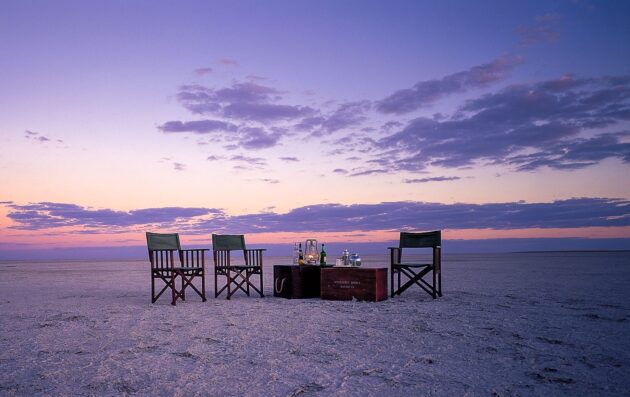
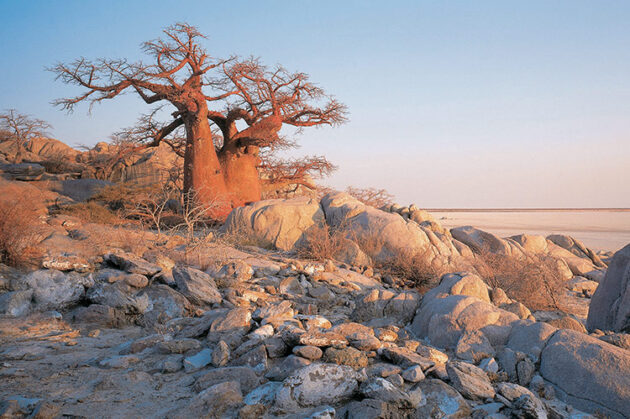
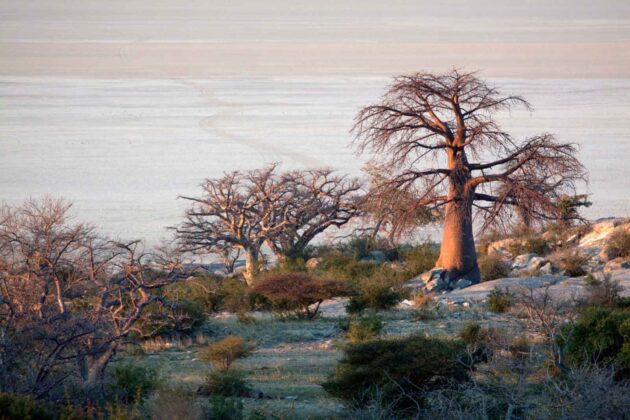
This destination stands out for its otherworldly scenery — endless white salt crusts, ancient baobab trees, and dramatic sunsets — combined with experiences you won’t find elsewhere in Botswana:
Quad biking across the pans
Close encounters with habituated meerkats
Massive zebra and wildebeest migrations in the wet season
Stargazing under some of the clearest skies in Africa
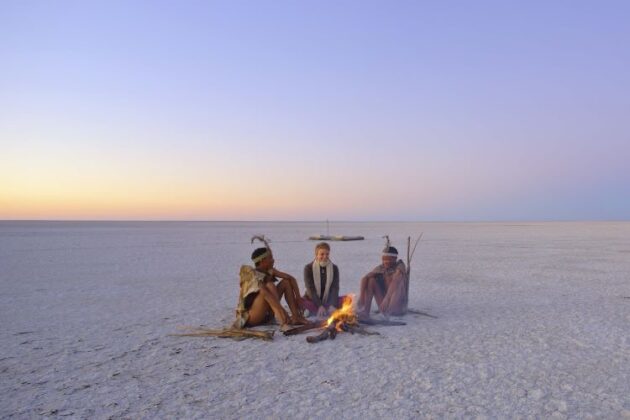
Cultural interactions with San Bushmen
It’s ideal for travelers seeking adventure, solitude, and a contrast to the lush Okavango Delta or busy Chobe River.
How to Get There
Most visitors access the Makgadikgadi Pans via Maun (gateway to the Okavango Delta) or Kasane (near Chobe).
By Air — Charter flights from Maun or Kasane to airstrips near the pans (e.g., Nata, Sua Pan, or private concessions). Many luxury camps include transfers.
By Road — Self-drive or guided transfer from Maun (about 3–5 hours to the western side) or Nata (easier access to Sua Pan). Roads can be sandy or muddy, especially in the wet season; 4×4 is essential.
Best Entry Points — Nata for Sua Pan, or via the Boteti River area for Makgadikgadi National Park.
Best Time to Visit
The pans change dramatically with the seasons:
Dry Season (May–October): Best overall time for most visitors. Clear skies, mild days, and cold nights; Excellent for quad biking, meerkat encounters, and exploring the salt flats; Wildlife concentrates around water sources like the Boteti River; Fewer mosquitoes and more comfortable conditions
Wet/Green Season (November–April): Best for dramatic wildlife spectacles. Zebra and wildebeest migration (tens of thousands) from December–March; Lush grasslands, migratory birds (including flamingos on some pans); Pans may fill with shallow water, creating mirror-like reflections; Hot and humid; some roads become inaccessible, but birdwatching is exceptional.
Many people combine dry-season adventure activities with a wet-season migration visit if doing multiple trips.
Top Things to Do
Quad Biking on the Salt Pans: The signature experience — roar across the vast, flat expanse on a guided quad bike tour. Feel the thrill of endless horizons and see the curvature of the Earth.
Meerkat Encounters: Visit habituated meerkat colonies (especially at places like Jack’s Camp or Camp Kalahari). Sit quietly as these adorable, curious animals climb on you and forage — a truly magical moment.
Game Drives & Nature Walks: Spot desert-adapted wildlife: brown hyena, aardvark, aardwolf, jackal, springbok, oryx, and occasional lion or cheetah. Night drives reveal nocturnal creatures.
Zebra & Wildebeest Migration Viewing: In the green season, witness thousands of animals crossing the pans — one of Africa’s lesser-known mass migrations.
Sleep-Out on the Pans: Sleep under the stars on the salt flats (fly-camping style) for an immersive, silent night experience.
Visit Ancient Baobabs & Cultural Experiences: See iconic Baines’ Baobabs (in Nxai Pan) or Kubu Island. Some tours include walks with San Bushmen guides sharing traditional knowledge.
Birdwatching: Especially rewarding in the wet season with flamingos, pelicans, and thousands of migratory species.
Where to Stay
Accommodation ranges from luxury tented camps to more rustic options:
Jack’s Camp — Iconic 1940s-style luxury camp with vintage glamour, meerkat visits, and quad biking.
Camp Kalahari — Elegant desert camp on the edge of Ntwetwe Pan, great for sleep-outs and adventure.
San Camp — Minimalist luxury with stunning views over the pans.
Leroo La Tau — Overlooking the Boteti River, excellent for dry-season game viewing.
Meno a Kwena — Tented camp on a cliff with river views and a more affordable feel.
Many camps are small (6–10 tents) and offer all-inclusive packages with guided activities.
Practical Tips
What to Bring — Sunscreen, hat, sunglasses, scarf (for quad biking dust), warm layers for cold nights, binoculars, camera, insect repellent, and sturdy shoes.
Health & Safety — Malaria risk is low but present; consult a doctor for prophylaxis. Stay hydrated — the area is very hot and dry.
Tours — Most visitors join guided safaris through operators or stay at camps that include activities. Self-driving is possible but requires experience and a reliable 4×4.
Budget — Mid-to-high range; luxury camps are expensive, but shorter add-on stays from Maun can be more affordable.
Combine with Other Areas — Easily add 3–4 days to an Okavango Delta or Chobe itinerary for contrast.
Final Thoughts
The Makgadikgadi Pans deliver a completely different Botswana experience — one of silence, space, and raw natural beauty. Whether you’re racing across salt flats on a quad bike, watching meerkats at sunrise, or sleeping under a blanket of stars, this destination leaves a lasting sense of wonder. It’s a perfect complement to classic Botswana safaris and a reminder of the planet’s wild, untamed places.
Safe travels and enjoy the endless horizons!