
Zimbabwe Travel Guide (2026)
Zimbabwe is one of Africa’s most rewarding destinations, offering breathtaking natural spectacles, world-class wildlife safaris, rich history, and warm hospitality. Home to the iconic Victoria Falls, vast national parks teeming with elephants, and ancient ruins, it appeals to adventure seekers, nature lovers, and cultural explorers alike.
Why Visit Zimbabwe?
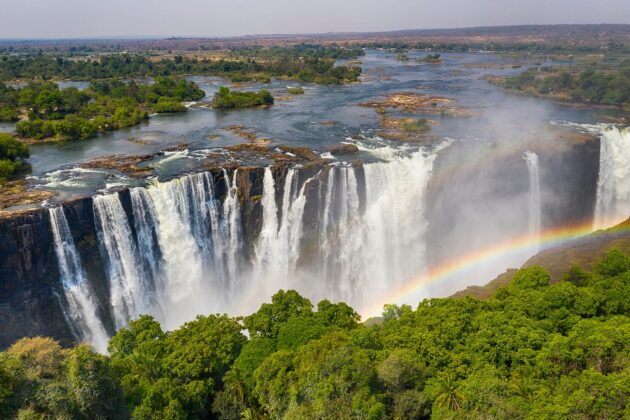
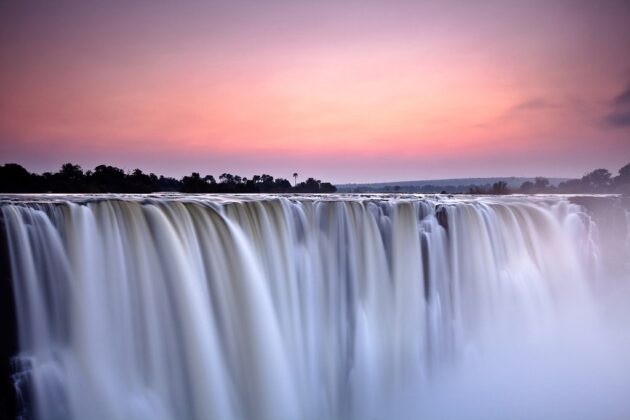
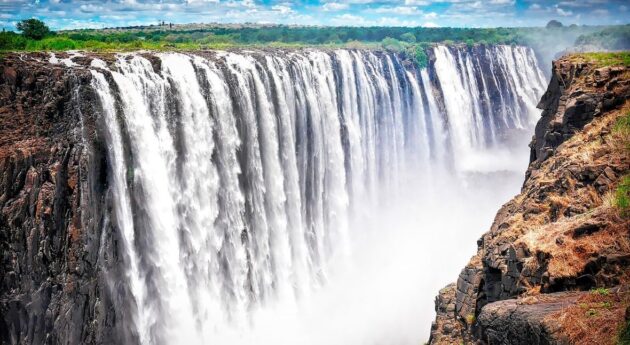
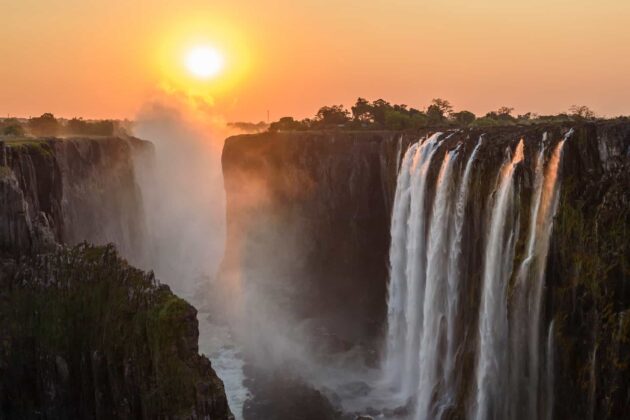
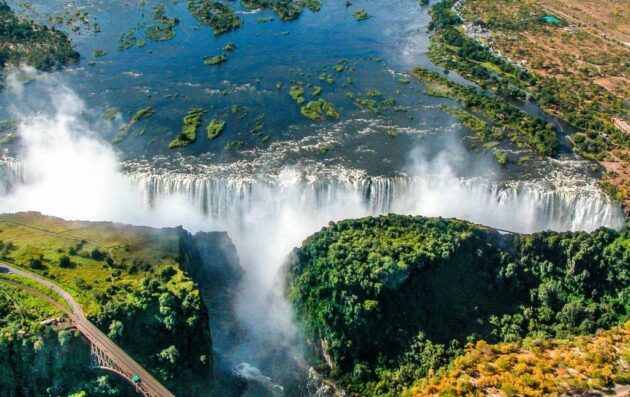
Witness one of the Seven Natural Wonders of the World — Victoria Falls (Mosi-oa-Tunya, “The Smoke That Thunders”).
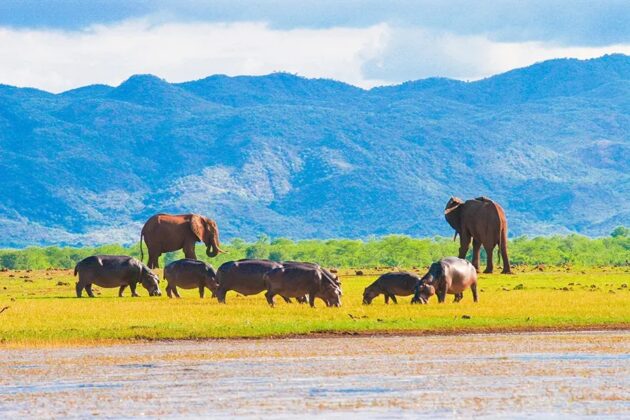
Experience exceptional Big Five safaris in uncrowded parks like Hwange and Mana Pools.
Explore ancient history at Great Zimbabwe, a UNESCO World Heritage Site.
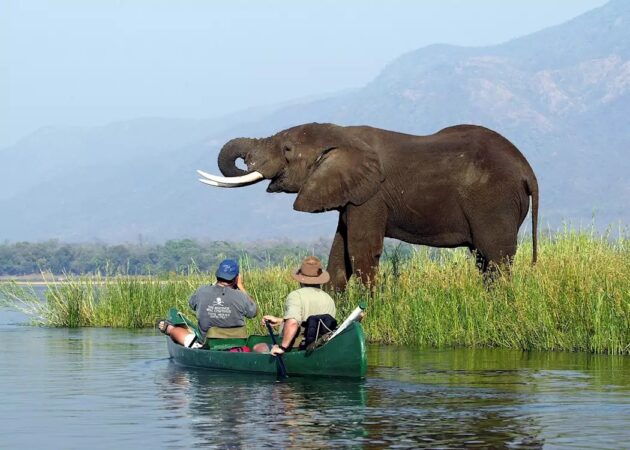
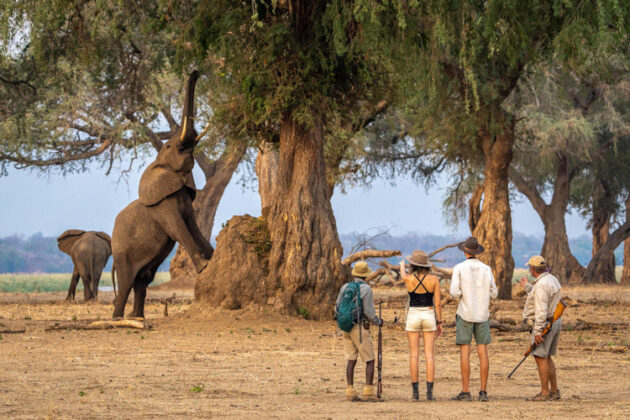
Enjoy diverse activities: walking safaris, canoeing on the Zambezi, bungee jumping, and scenic flights.
Zimbabwe delivers authentic, high-quality wildlife experiences often at better value than neighboring Botswana or South Africa.
Best Time to Visit
Dry Season (May–October) — Best overall time: Excellent wildlife viewing (animals concentrate around waterholes). Cooler temperatures (especially nights in June–August). Victoria Falls views are clearer (less spray). Peak season: July–September.
Shoulder Seasons: April–May & October–November: Fewer crowds, good value, still decent game viewing. Green season (November–April): Lush landscapes, birdwatching, lower prices, but rain and some camps close.
How to Get There
Main entry point: Victoria Falls Airport (VFA) — easiest for most tourists.
Other airports: Harare International (HRE) and Bulawayo (BUQ).
International flights: Connect via Johannesburg (South Africa), Addis Ababa, Dubai, or Doha.
Overland: Popular from South Africa, Botswana, or Zambia (especially Victoria Falls border).
Visa Requirements
Most nationalities require a visa.
Visa on arrival available at major airports and borders (recommended to check eligibility).
Fees (in USD cash): Single entry (30 days): ~$30–$50; Double entry: ~$45–$75; Multiple entry: higher fees.
eVisa option: Apply online in advance via evisa.gov.zw for smoother entry.
KAZA UniVisa: If visiting Zambia + Zimbabwe (and possibly Botswana), consider the combined visa.
Passport: Valid for at least 6 months beyond departure + at least 2 blank pages.
Always confirm latest requirements before travel.
Top Places to Visit
Victoria Falls
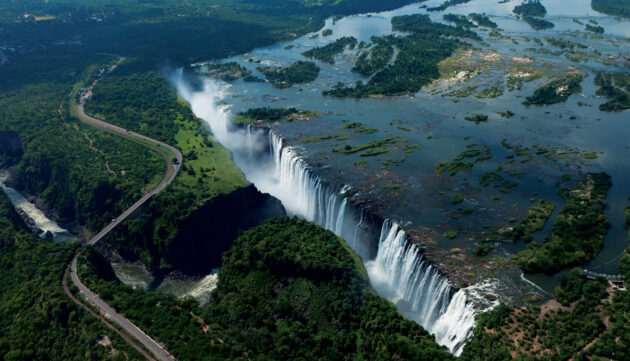
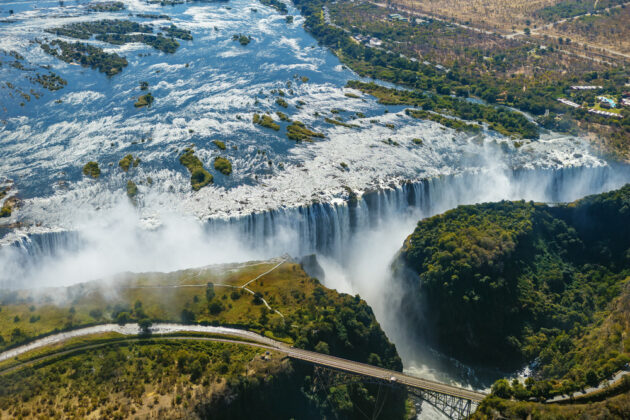
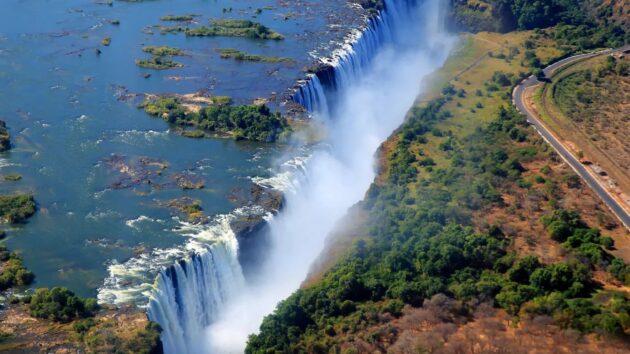
Victoria Falls, known locally as Mosi-oa-Tunya (“The Smoke That Thunders”), is one of the world’s most spectacular natural wonders. Straddling the border between Zimbabwe and Zambia, the falls plunge 108 meters (354 feet) across a 1.7 km (1 mile) wide front, creating a dramatic curtain of water, rainbows, and constant mist.
Hwange National Park
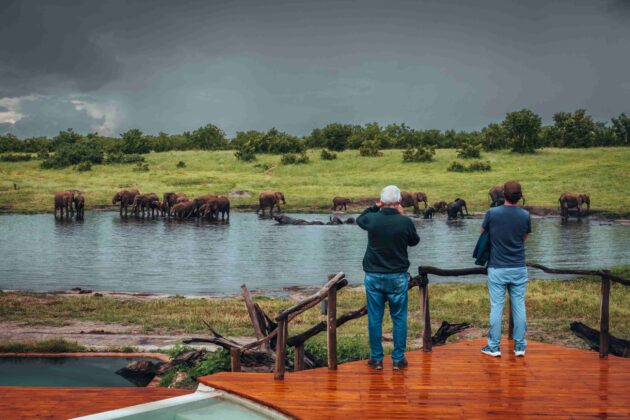
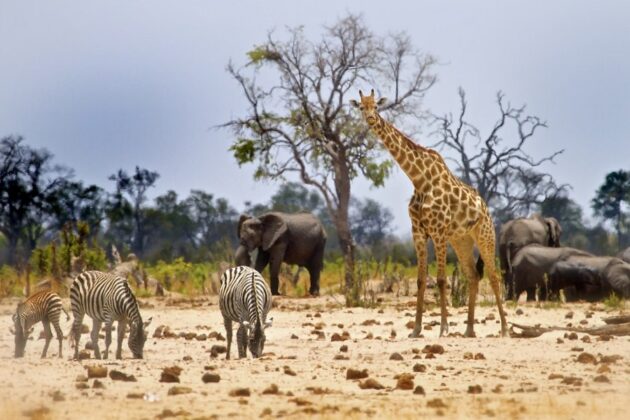
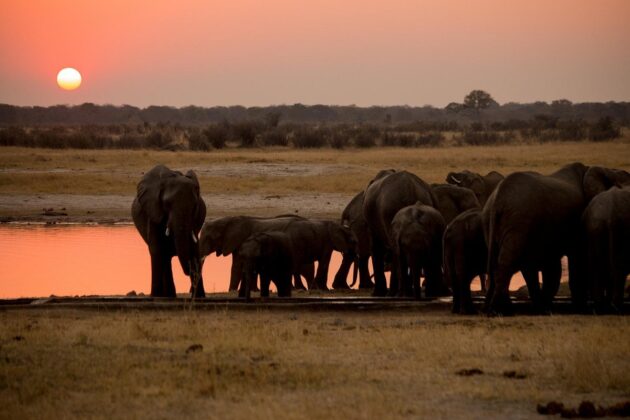
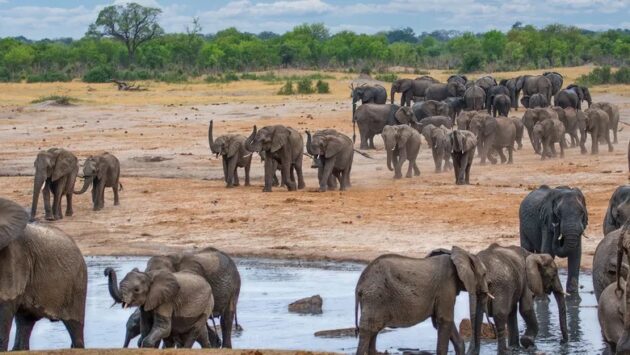
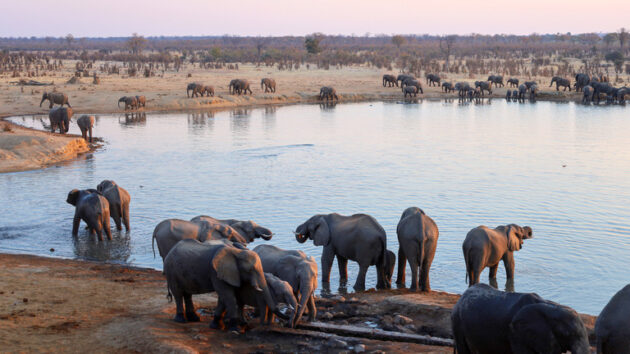
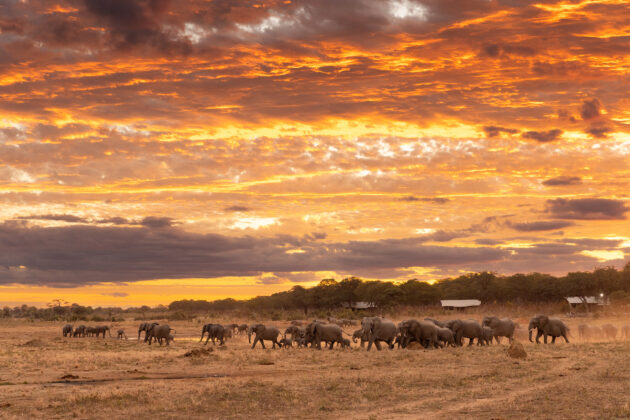
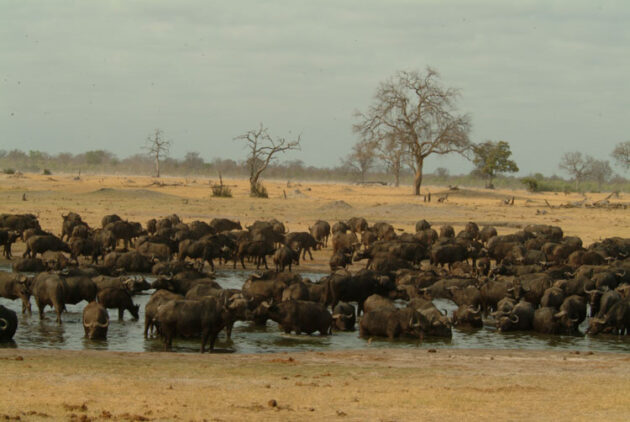
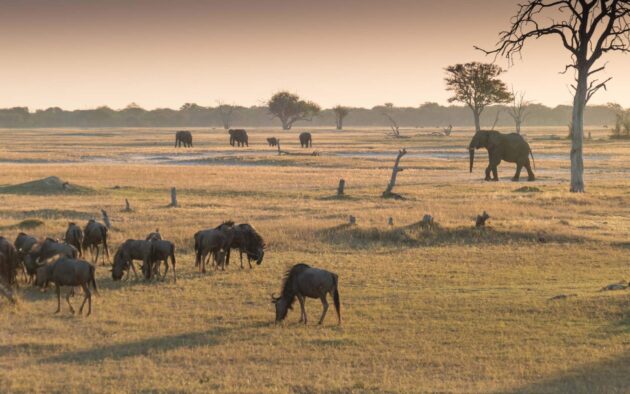
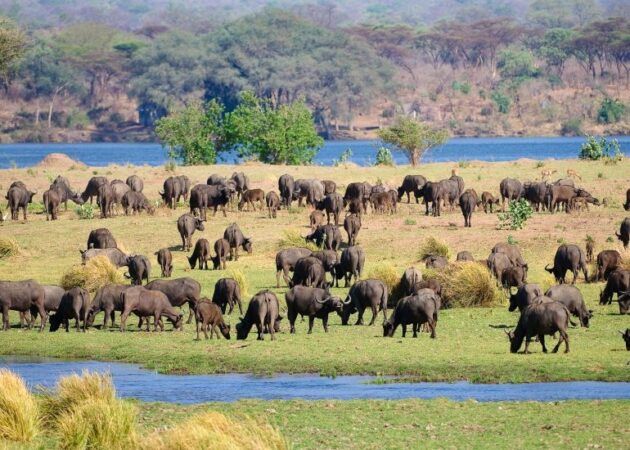
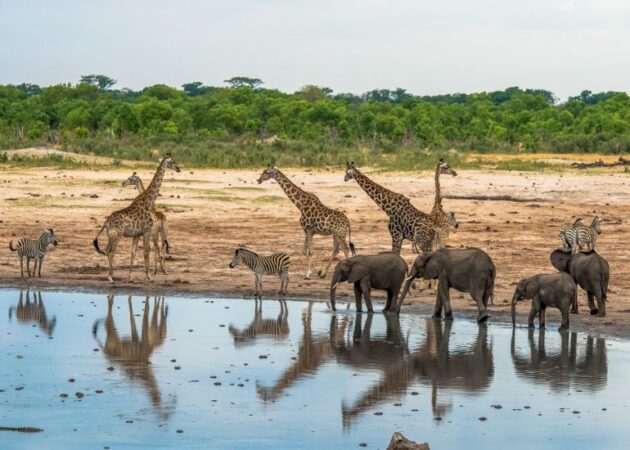
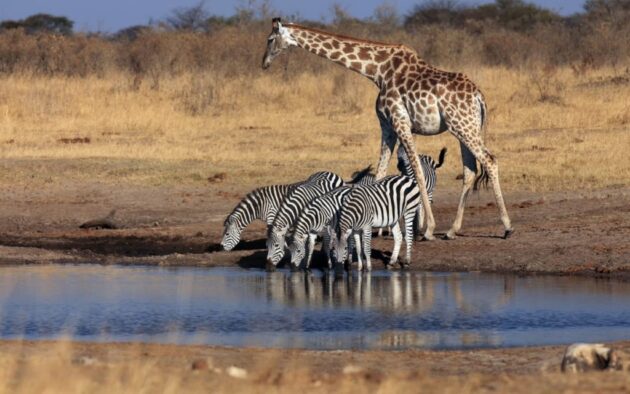
Located in the northwest of the country near the border with Botswana, it is renowned for its massive elephant populations (often estimated at 45,000–60,000), one of Africa’s largest remaining groups of endangered African wild dogs, and excellent sightings of lions, leopards, cheetahs, giraffes, zebras, buffalo, and many antelope species.
Mana Pools National Park
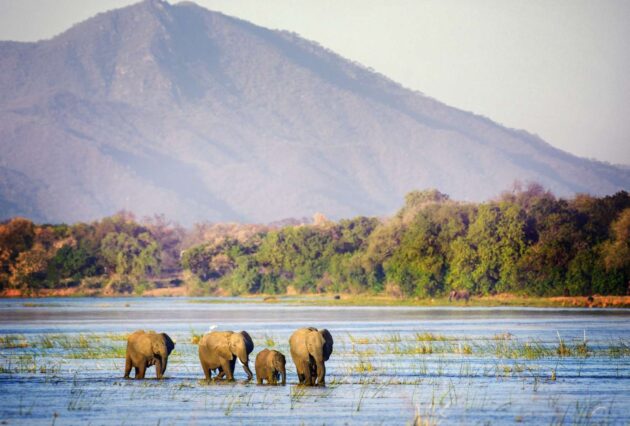
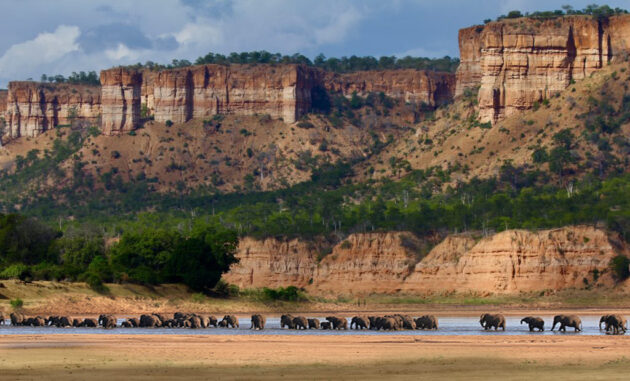
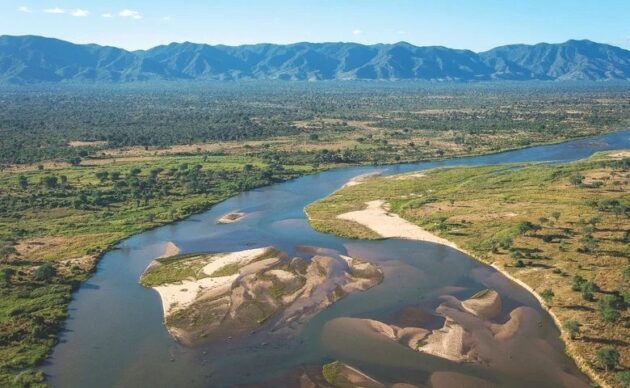
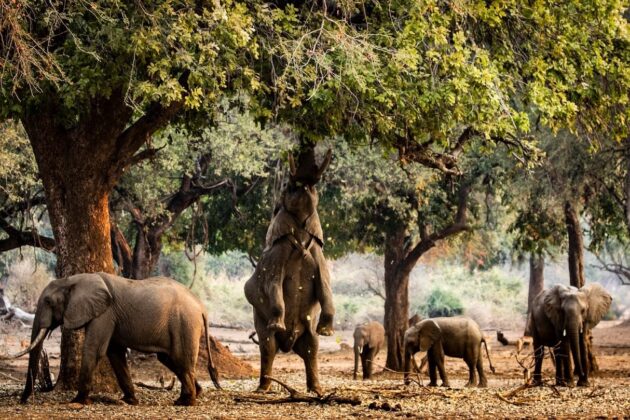
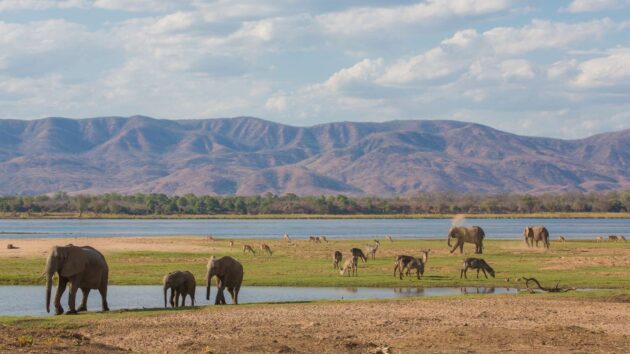
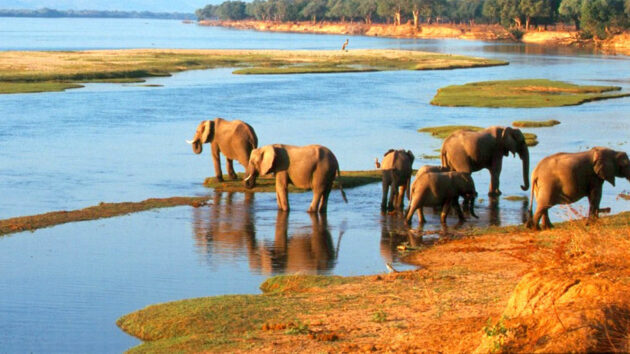
As a UNESCO World Heritage Site (inscribed in 1984 together with the adjacent Sapi and Chewore Safari Areas), it offers a pristine wilderness experience with stunning floodplains, ancient oxbow lakes (the “four pools” that give the park its name), thick riverine forests, and dramatic views of the Rift Valley escarpment.
Great Zimbabwe National Monument
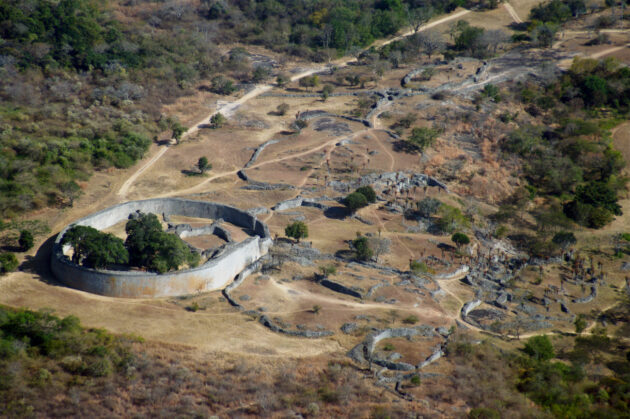
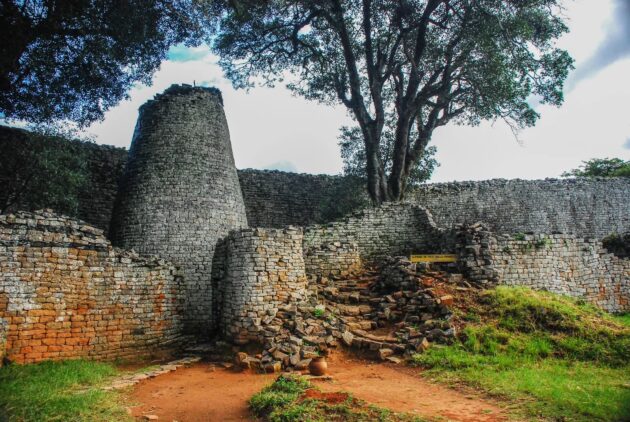
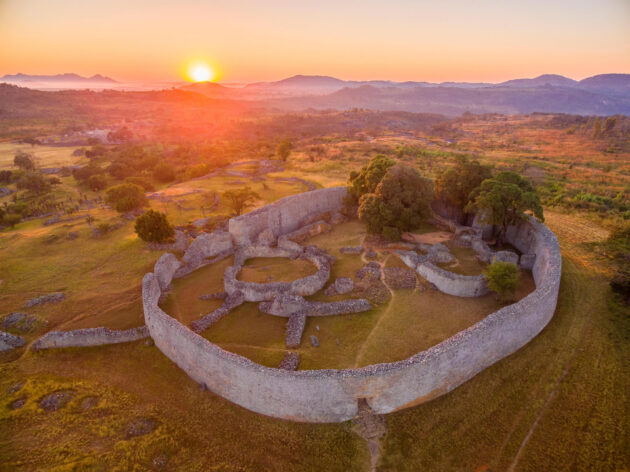
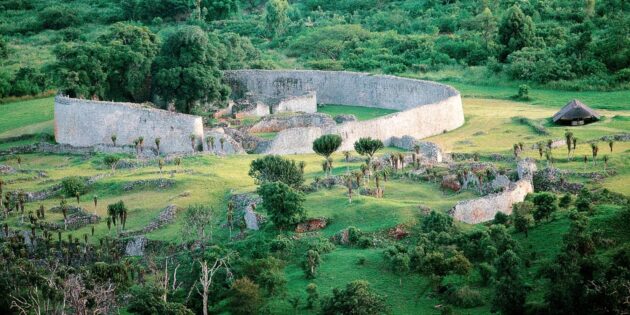
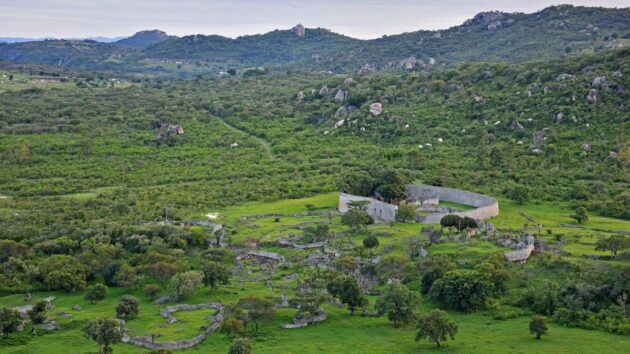
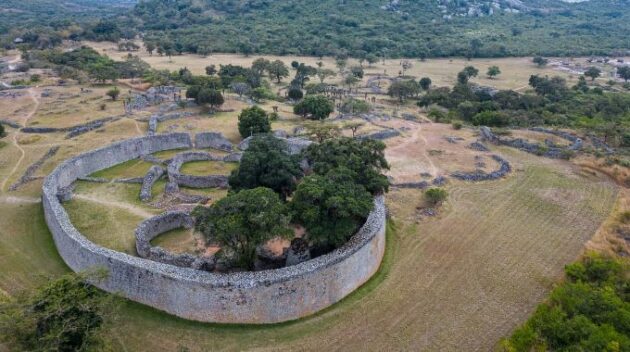
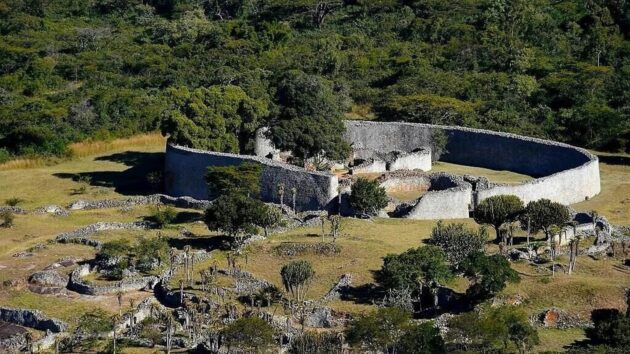
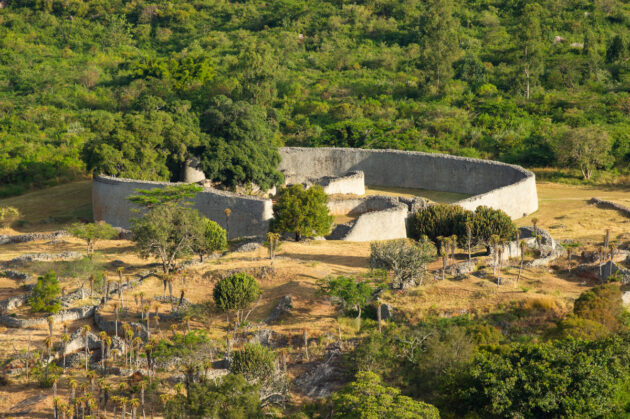
Great Zimbabwe National Monument is one of Africa’s most significant archaeological sites and a UNESCO World Heritage Site since 1986. Located in southeastern Zimbabwe, these impressive stone ruins represent the remains of a thriving medieval city built by the Shona people between the 11th and 15th centuries. Once the capital of the Kingdom of Zimbabwe, it was a major trading hub dealing in gold, ivory, and other goods with connections as far as China, Persia, and East Africa.
Matobo National Park
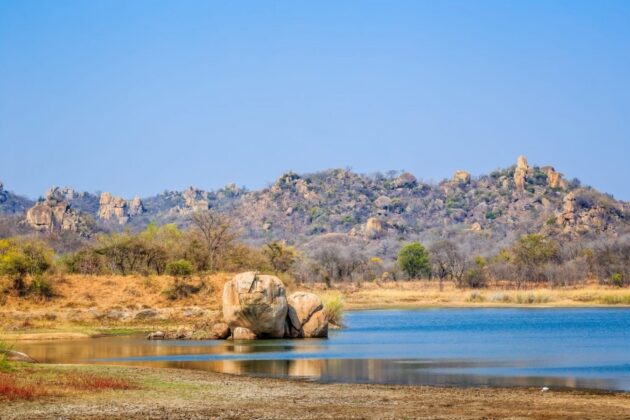
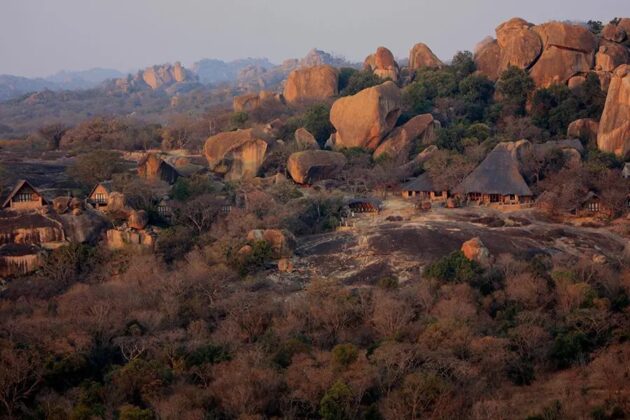
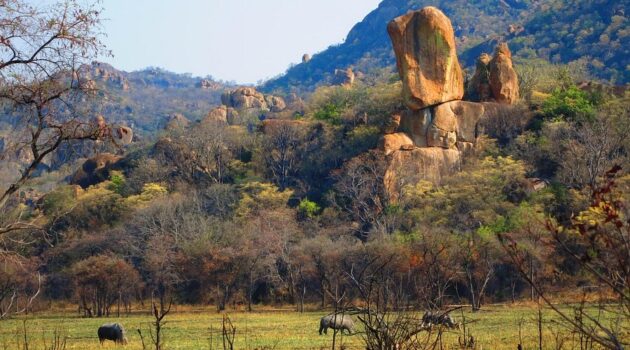
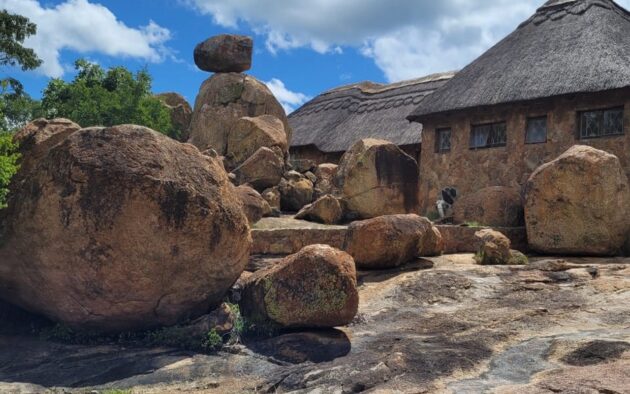
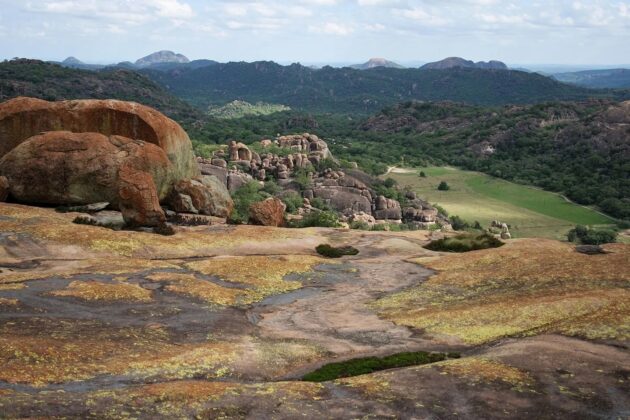
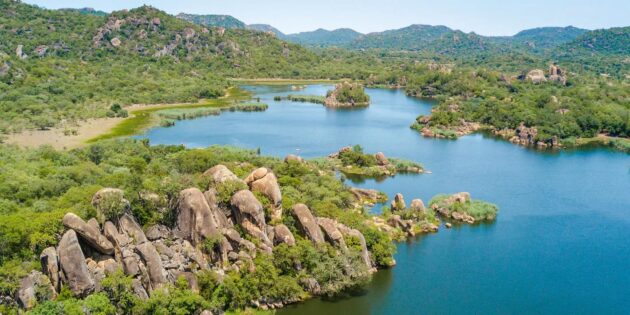
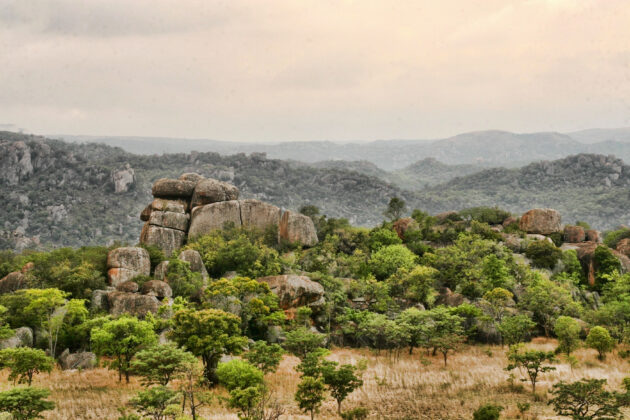
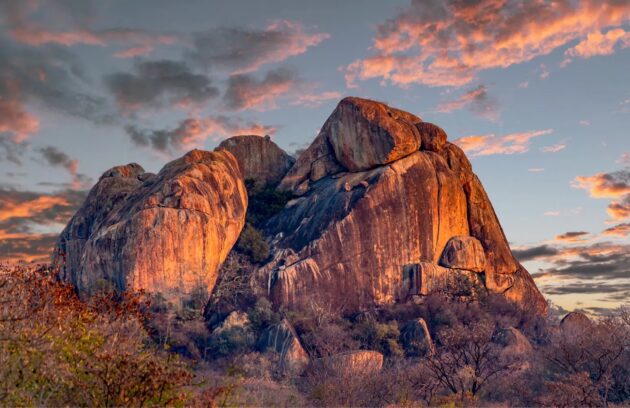
Matobo National Park, located in southwestern Zimbabwe, is one of the country’s most unique and spiritually significant protected areas. A UNESCO World Heritage Site since 2003, it is famous for its dramatic granite kopjes (boulder-strewn hills), ancient San (Bushman) rock art, and one of the highest concentrations of black and white rhinoceros in Africa.
Matusadona National Park
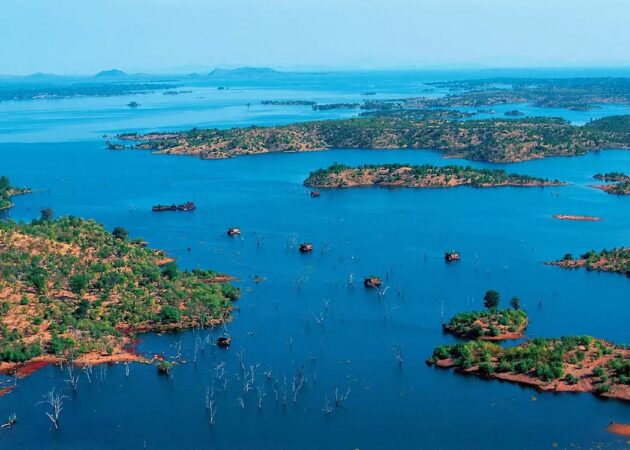
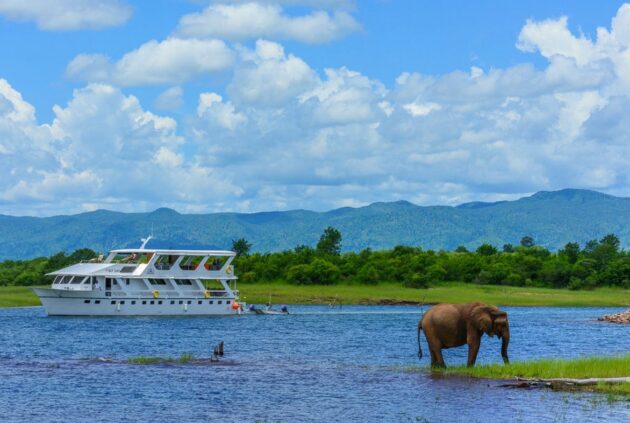
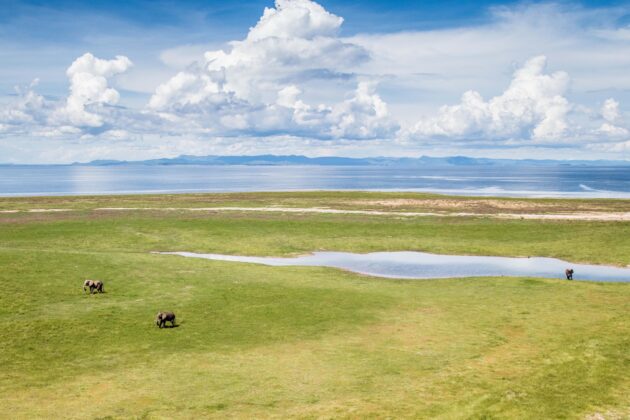
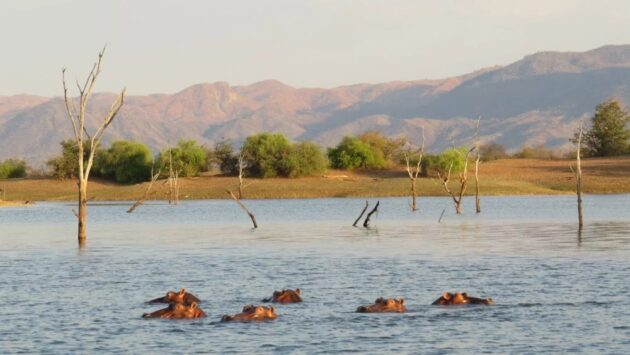
Matusadona National Park is one of Zimbabwe’s most beautiful and underrated wilderness areas, located on the southern shores of the vast Lake Kariba. Spanning approximately 1,407 km² (543 mi²), the park combines dramatic Matusadona mountain ranges, fertile valley woodlands, open floodplains, and a stunning lakeshore.
Gonarezhou National Park
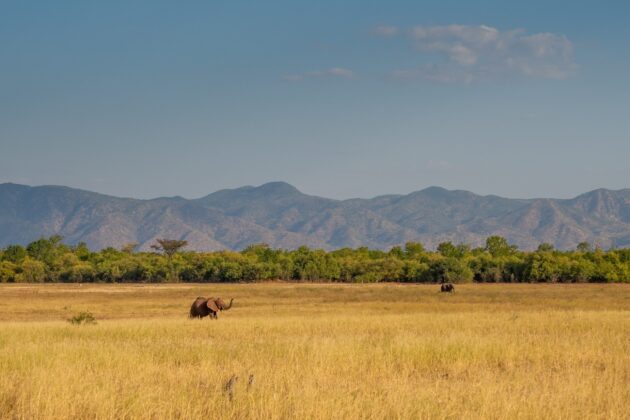
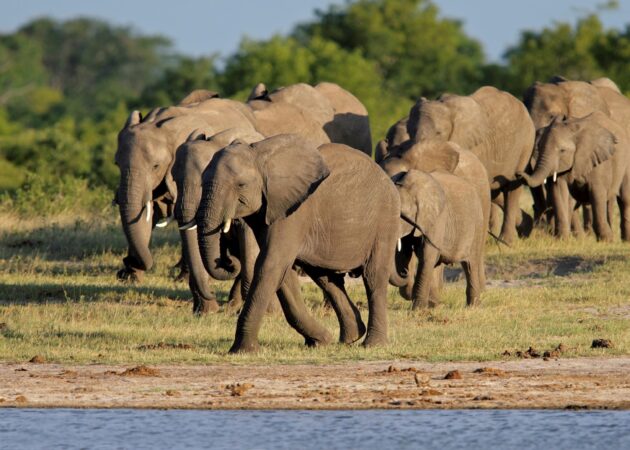
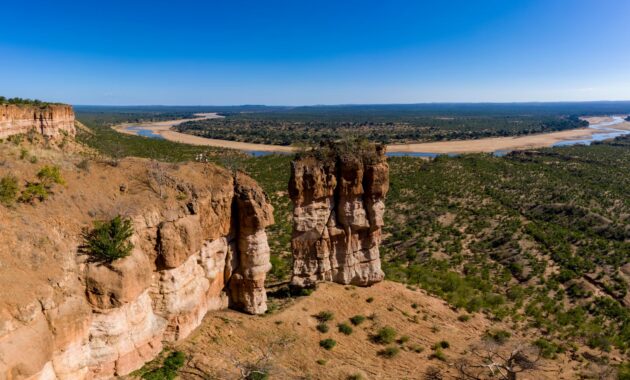
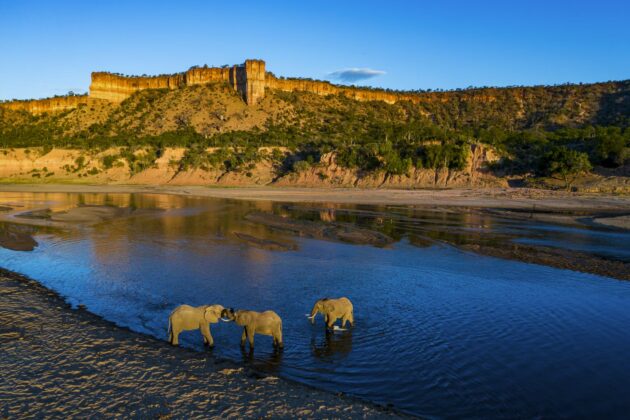
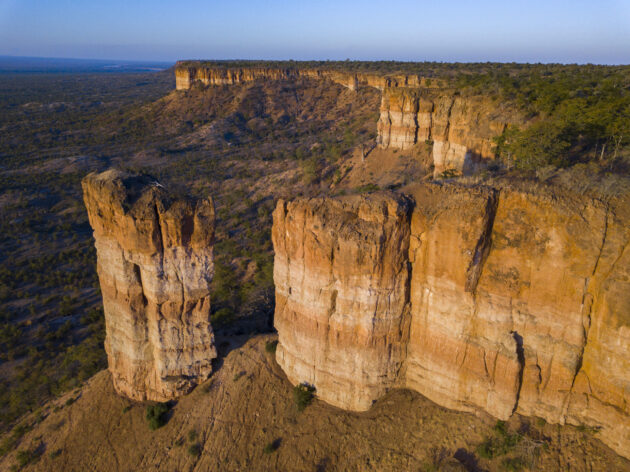
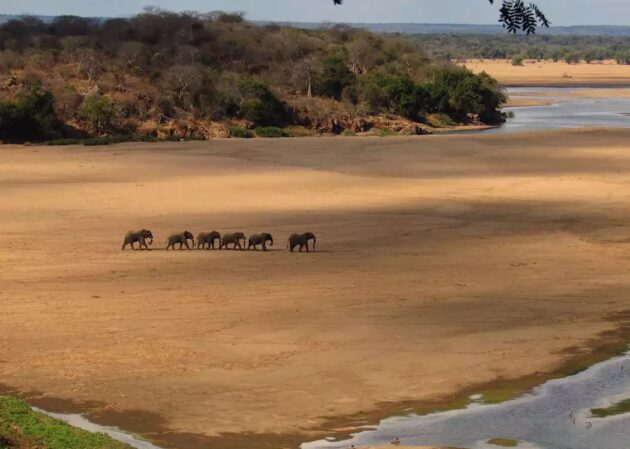
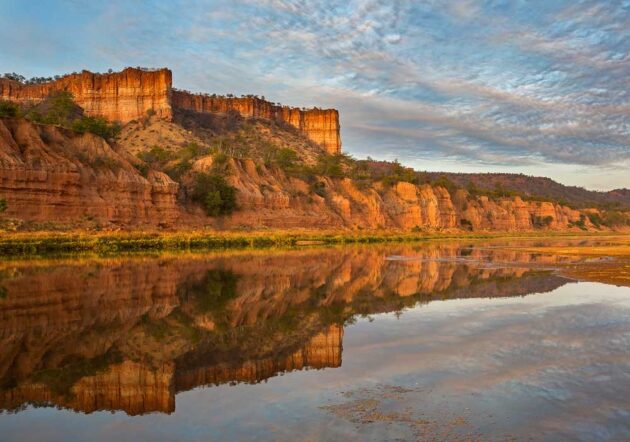
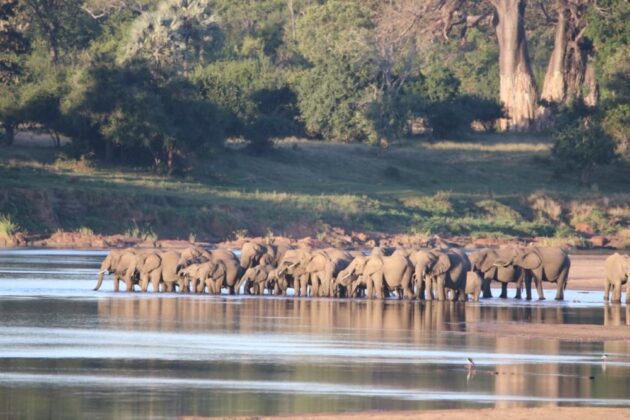
Gonarezhou National Park, meaning “Place of Elephants” in Shona, is Zimbabwe’s second-largest national park and one of southern Africa’s most authentic and underrated wilderness areas. Spanning over 5,000 square kilometers in the southeastern lowveld, it borders Mozambique and forms a vital part of the Greater Limpopo Transfrontier Park.
Safety Tips
Zimbabwe is generally safe for tourists who take normal precautions, especially in tourist areas (Victoria Falls, national parks, major lodges).
Current travel advisories: Exercise a high degree of caution (due to opportunistic crime and occasional civil unrest). Violent crime against tourists is rare, but petty theft, bag-snatching, and car break-ins occur (especially in cities like Harare and Bulawayo).
Practical advice: Use reputable tour operators / lodges for transfers and safaris. Avoid walking alone at night in towns. Keep valuables hidden; use hotel safes. Carry USD cash (widely accepted); ATMs can be unreliable. Avoid political demonstrations. Malaria risk — take prophylaxis, use repellent, sleep under nets. Drink bottled water; be cautious with food hygiene. Standard vaccinations recommended: Hepatitis A/B, typhoid, tetanus; consider rabies if on safari.
Practical Information
Currency: US Dollars (USD) widely used; Zimbabwean ZiG currency also exists but less trusted. Bring clean USD notes.
Language: English (official) + Shona, Ndebele.
Health: Malaria zones — prophylaxis advised. Yellow fever certificate if coming from endemic area.
Getting around: Domestic flights (Victoria Falls–Hwange–Mana Pools), private transfers, or self-drive (but roads can be rough).
Connectivity: Mobile data available but patchy in remote areas.
Suggested Itineraries
Classic 7–10 days: Victoria Falls (3–4 nights) + Hwange safari (3–5 nights).
Premium 10–14 days: Victoria Falls + Hwange + Mana Pools.
Culture & Wildlife: Add Matobo or Great Zimbabwe.
Zimbabwe offers some of the most authentic and spectacular African experiences with fewer crowds than many neighbors. With good planning and respect for local customs, it can be an unforgettable journey. Safe travels!