
A Travel Guide to Victoria Falls (2026)
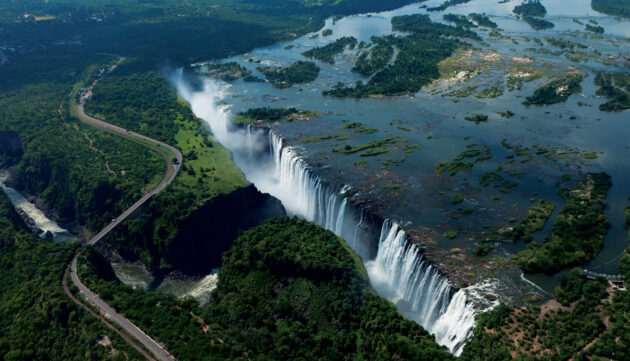
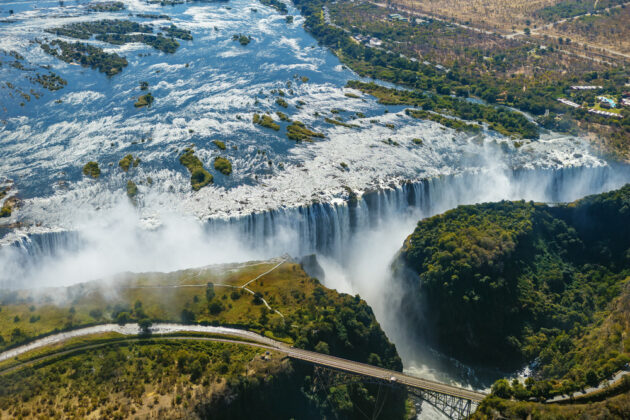
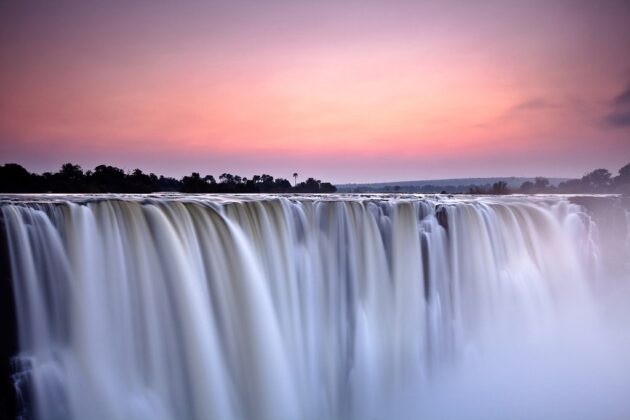
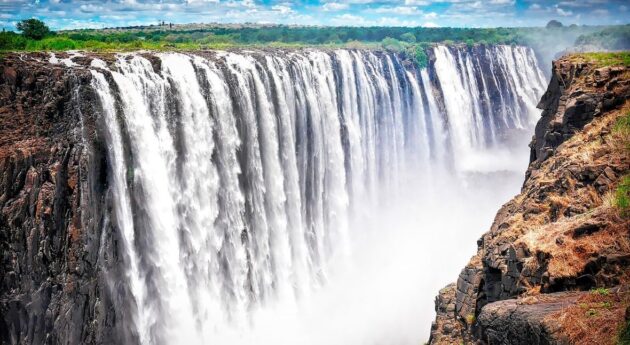
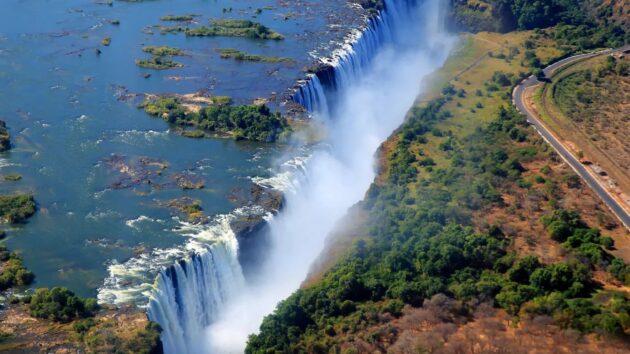
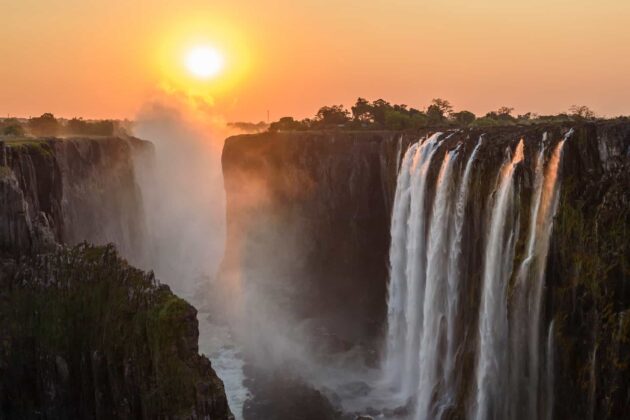
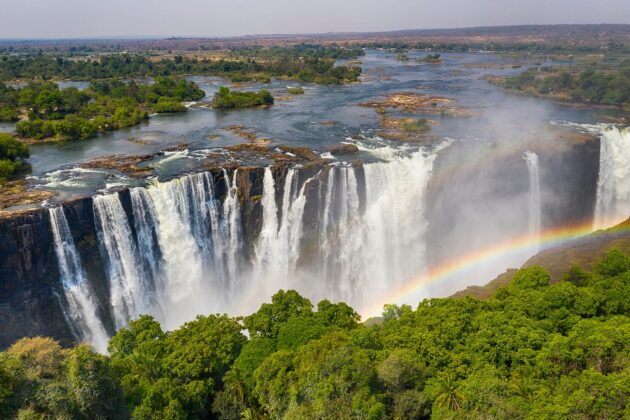
Victoria Falls, known locally as Mosi-oa-Tunya (“The Smoke That Thunders”), is one of the world’s most spectacular natural wonders. Straddling the border between Zimbabwe and Zambia, the falls plunge 108 meters (354 feet) across a 1.7 km (1 mile) wide front, creating a dramatic curtain of water, rainbows, and constant mist. The Zimbabwe side offers the most comprehensive and iconic views, making it the preferred choice for many first-time visitors who want to see the broadest expanse of the falls.
Why Visit Victoria Falls (Zimbabwe Side)?
Superior Views — Approximately 75% of the falls are visible from Zimbabwe, including panoramic vistas of the main falls and the dramatic gorge.
Accessibility — The Zimbabwean side has well-maintained paths, viewpoints, and easy access to the falls.
Adventure Hub — The town of Victoria Falls serves as a base for thrilling activities like helicopter flights, white-water rafting, and wildlife encounters.
How to Get There
Victoria Falls is well-connected, especially by air.
By Air: The most convenient option is flying into Victoria Falls International Airport (VFA), about 20 km (12 miles) from town. Direct flights from Johannesburg (South Africa), Harare (Zimbabwe), and other regional hubs. Many international visitors fly into Johannesburg or Cape Town, then connect to VFA. Airport transfers to town or hotels are widely available (30–45 minutes).
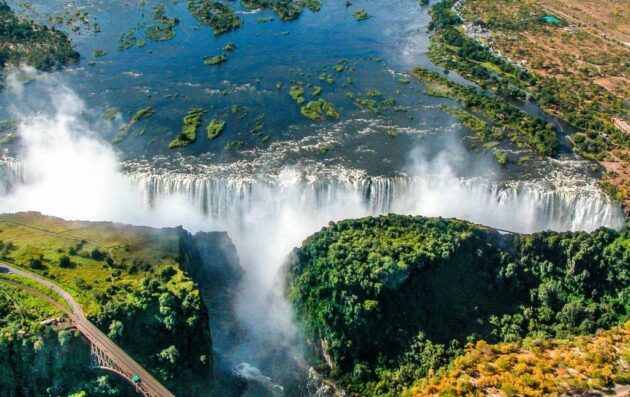
By Road: From Bulawayo (Zimbabwe) or Kasane (Botswana) via bus or private transfer. Cross-border road trips from Zambia are popular (via the Victoria Falls Bridge).
Border Crossings: If you want to see both sides, the border is walkable via the famous Victoria Falls Bridge (passport and visa required). A KAZA UniVisa (available at certain entry points) allows multi-entry between Zimbabwe and Zambia for about USD 50.
Best Time to Visit
Victoria Falls flows year-round, but water levels dramatically change the experience:
High Water (February–May) → Peak flow, massive mist and rainbows, most dramatic views. Best for photography and feeling the raw power. (March–April often peak.)
Mid-Season (June–August) → Excellent balance: good water volume, clear skies, cooler weather, and ideal for adventure activities.
Low Water (September–December) → Lower flow reveals more rock formations; best for activities like Devil’s Pool (on Zambia side) and white-water rafting. Hotter and drier.
Avoid → Late October–November if you want maximum water spectacle.
Tip — July–October is also prime for combining Vic Falls with safaris in nearby national parks.
What to Do
The Zimbabwe side offers a mix of sightseeing and adrenaline.
Victoria Falls National Park Guided Tour: Walk the trails to 16 viewpoints. Expect mist (bring a raincoat/poncho) and stunning rainbows. Entry fee ~USD 30–40; guided tours recommended.
Flight of Angels (Helicopter Tour): A 12–25 minute scenic flight over the falls and Zambezi River. One of the best ways to appreciate the scale.
Zambezi River Sunset Cruise: Relax on a boat with drinks, wildlife spotting (hippos, crocodiles, elephants), and sunset views.
White-Water Rafting & Bungee Jumping: Thrilling rapids below the falls (best in low-water season) or the famous 111 m (364 ft) bungee from the bridge.
Wildlife & Nature: Chobe National Park day trip (Botswana) for elephant herds. Zambezi National Park for short safaris or walking safaris.
Other Highlights: Victoria Falls Bridge walk or zip-line. Local markets for crafts and souvenirs.
Where to Stay
Victoria Falls town has options for all budgets:
Luxury — Victoria Falls Hotel (historic, colonial charm, gardens, falls views), Matetsi River Lodge (private reserve setting).
Mid-Range — Ilala Lodge (close to falls, great food), Victoria Falls Safari Lodge (overlooking a waterhole with wildlife).
Budget — Guesthouses, backpacker lodges, or campsites in town.
Many hotels offer free shuttles to the falls and town center.
Practical Tips
Currency — US Dollars widely accepted. Bring small bills (USD 1, 5, 10). ATMs available but can be unreliable.
Safety — Victoria Falls town is generally safe for tourists. Use reputable operators, avoid walking alone at night, and watch belongings in busy areas.
Health — Malaria risk—take prophylaxis. Drink bottled water. Yellow fever certificate may be required if coming from endemic areas.
What to Pack — Quick-dry clothes, rain poncho (mist is constant), sturdy shoes, sunscreen, hat, insect repellent, waterproof camera/phone case.
Tours — Book guided tours in advance for convenience (includes transfers, entry fees). Popular operators offer half-day falls tours, helicopter flights, etc.
Final Thoughts
Victoria Falls is a bucket-list destination that combines raw natural power with adventure and African beauty. The Zimbabwe side delivers the classic, awe-inspiring panorama that has captivated travelers since David Livingstone’s discovery in 1855. Whether you’re gazing at rainbows in the mist or soaring above the gorge by helicopter, the experience is unforgettable.
Plan ahead, choose your season wisely, and get ready for one of the planet’s greatest natural spectacles.
Safe travels! 🌈