
Mana Pools National Park Travel Guide (2026)
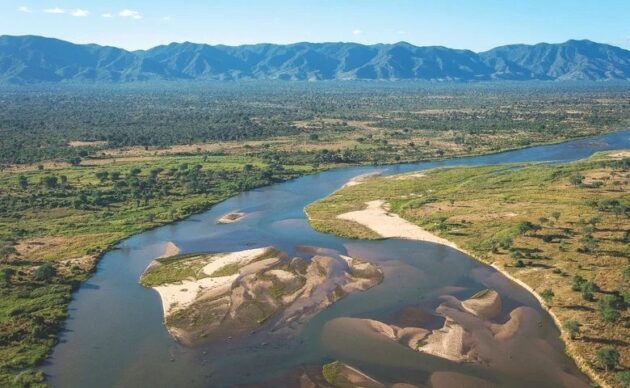
Mana Pools National Park, located in northern Zimbabwe along the Zambezi River, is widely regarded as one of Africa’s most beautiful and authentic safari destinations. As a UNESCO World Heritage Site (inscribed in 1984 together with the adjacent Sapi and Chewore Safari Areas), it offers a pristine wilderness experience with stunning floodplains, ancient oxbow lakes (the “four pools” that give the park its name), thick riverine forests, and dramatic views of the Rift Valley escarpment.
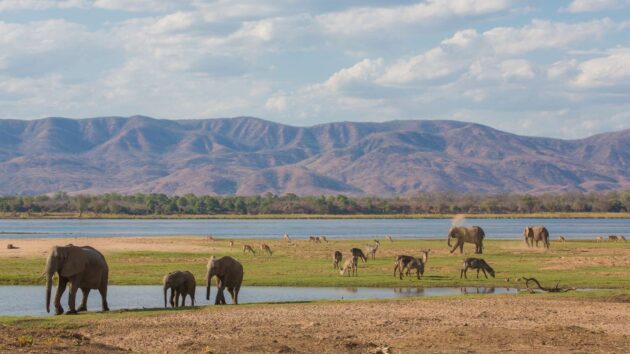
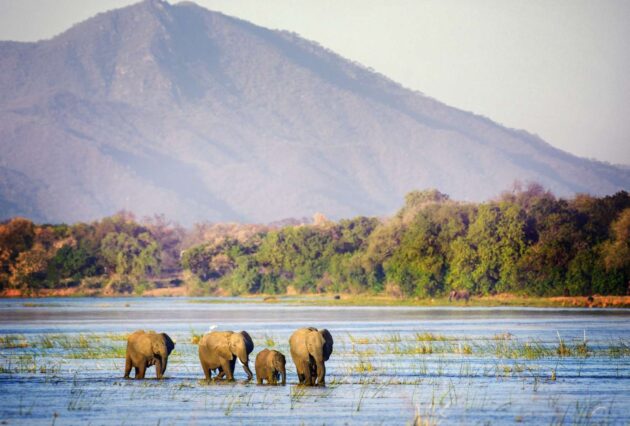
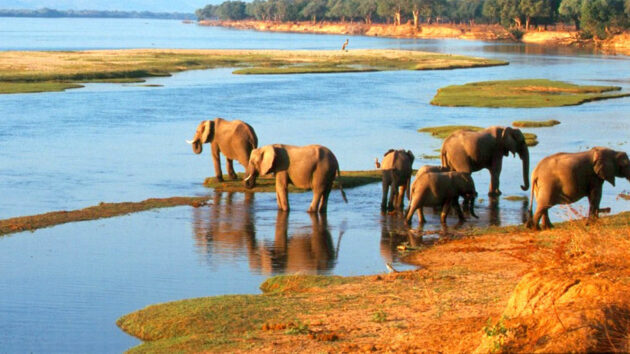
Famous for its high density of wildlife—especially large herds of elephants—and exceptional guided walking safaris, Mana Pools provides an intimate, immersive encounter with nature in a relatively unfenced and remote setting. It’s one of the few places in Africa where you can truly feel the wild Africa of old.
Why Visit Mana Pools National Park?
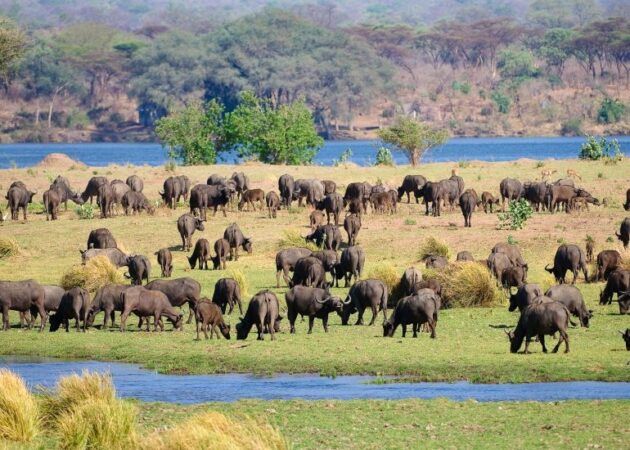
Iconic Wildlife Encounters: Home to massive elephant populations (over 12,000 in the greater ecosystem), buffalo, hippos, Nile crocodiles, lions, leopards, cheetahs, wild dogs, and more than 400 bird species.
Signature Activities: Renowned walking safaris (often on foot with highly skilled guides) and canoe safaris along the Zambezi River.
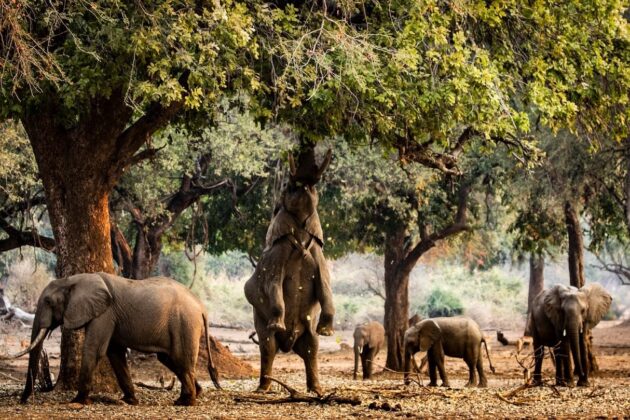
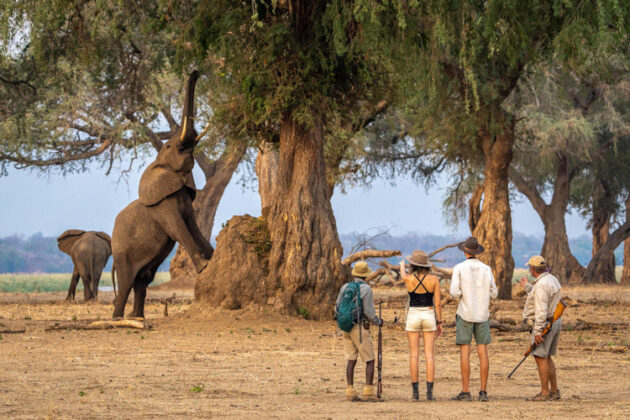
Unique Scenery: Floodplains dotted with Ana trees (Faidherbia albida), where bull elephants famously stand on their hind legs to reach seedpods.
Low Tourist Density: Remote location keeps crowds minimal, preserving a genuine wilderness feel.
How to Get There
Mana Pools is remote and access is deliberately limited to protect the environment.
By Air (Recommended): Charter flights are the most convenient option. Fly from Harare (about 1 hour) or Victoria Falls (longer flight) to the Mana Pools airstrip. Most luxury camps arrange transfers from the airstrip (usually a 30–60 minute game drive).
By Road: A long, adventurous drive (around 6–10 hours from Harare or longer from other cities). The final stretch is on dirt roads and can be rough, especially in the rainy season. 4×4 vehicles are essential if driving yourself.
Best Time to Visit
Dry Season (May–October): The absolute best time for wildlife viewing. Animals concentrate around the permanent water sources (pools and Zambezi River), vegetation thins out, and walking/canoeing conditions are ideal.
Peak Months (September–October): Highest wildlife density and excellent predator sightings, though temperatures can be very hot (up to 38°C/100°F+).
June–August: Cooler mornings/evenings, great for walking safaris.
Green/Rainy Season (November–April): Lush landscapes, excellent birdwatching, fewer visitors, but wildlife disperses, roads can be impassable, and many camps close or operate on reduced schedules.
What to Do
Guided Walking Safaris: Mana Pools is legendary for walking safaris. Experienced armed guides lead you on foot to track animals, read spoor, and experience the bush up close. Encounters with elephants, lions, and buffalo are common and thrilling.
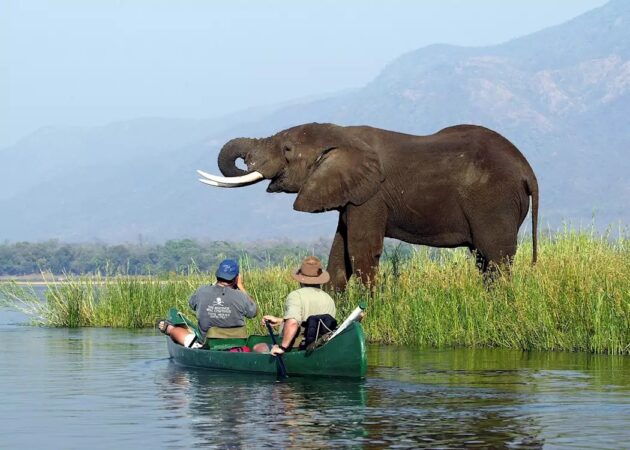
Canoe Safaris: Paddle along the Zambezi River, spotting hippos, crocodiles, elephants drinking, and numerous birds. A serene yet exciting way to explore.
Game Drives: Morning, afternoon, and night drives in open 4×4 vehicles offer classic safari viewing, especially for predators.
Birdwatching: Over 400 species, including waterbirds, eagles, and migrants.
Fishing (seasonal): Catch-and-release tiger fishing is possible in some areas.
Where to Stay
Accommodation is limited to preserve the wilderness feel—mostly high-end tented camps and a few national parks options.
Luxury Safari Camps (highly recommended for most visitors): Vundu Camp; Little Vundu; John’s Camp (Robin Pope Safaris); Camp Mana; African Bush Camps properties; Nyamepi (National Parks lodge—more basic). These camps offer full-board, guided activities, and expert guides.
Budget/Independent Options: National Parks campsites (self-catering, bring everything). Some allow self-guided walks (with permit), but guided options are safer and more rewarding.
Book well in advance (6–12 months) as capacity is low.
What to Bring
Neutral-colored clothing (khaki, green, beige; avoid bright colors)
Lightweight long-sleeved shirts and pants for sun/insect protection
Sturdy walking shoes/boots
Hat, sunglasses, high-SPF sunscreen
Binoculars (essential)
Camera with zoom lens (20 kg luggage limit on charters—pack light)
Insect repellent, malaria prophylaxis (consult a doctor)
Reusable water bottle
Personal medications, basic first-aid
No fresh fruit in the park (elephants are attracted to it)
Practical Tips
Health & Safety: Malaria risk—take prophylaxis. Follow guide instructions at all times; the park is unfenced and wild animals roam freely.
No Swimming: Zambezi has crocodiles and hippos.
Respect the Environment: Leave no trace; follow park rules.
Combine Your Trip: Pair Mana Pools with Hwange National Park, Victoria Falls, or Lake Kariba for a full Zimbabwe safari.
Mana Pools delivers one of Africa’s most authentic, soul-stirring wilderness experiences. Prepare for heat, dust, and unforgettable moments with elephants, lions, and the mighty Zambezi. Plan carefully, book early, and let the magic of this UNESCO gem unfold. Safe travels and enjoy the wild!