
A Travel Guide to Great Zimbabwe National Monument (2026)
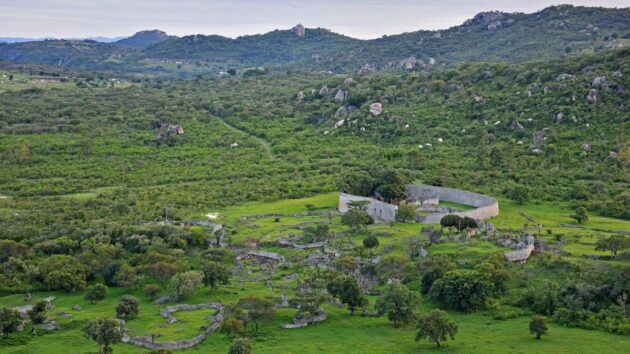
Great Zimbabwe National Monument is one of Africa’s most significant archaeological sites and a UNESCO World Heritage Site since 1986. Located in southeastern Zimbabwe, these impressive stone ruins represent the remains of a thriving medieval city built by the Shona people between the 11th and 15th centuries. Once the capital of the Kingdom of Zimbabwe, it was a major trading hub dealing in gold, ivory, and other goods with connections as far as China, Persia, and East Africa. The site’s name inspired the modern country of Zimbabwe (“houses of stone”).
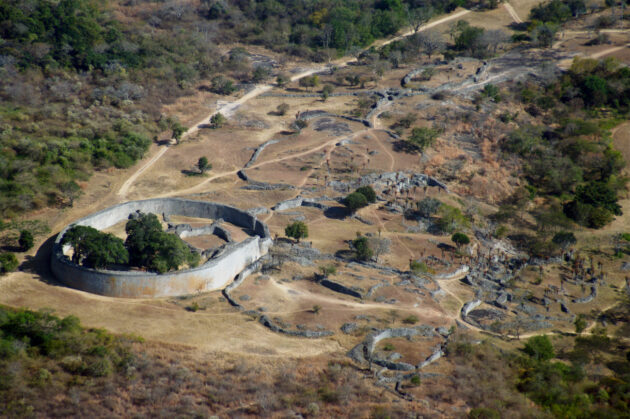
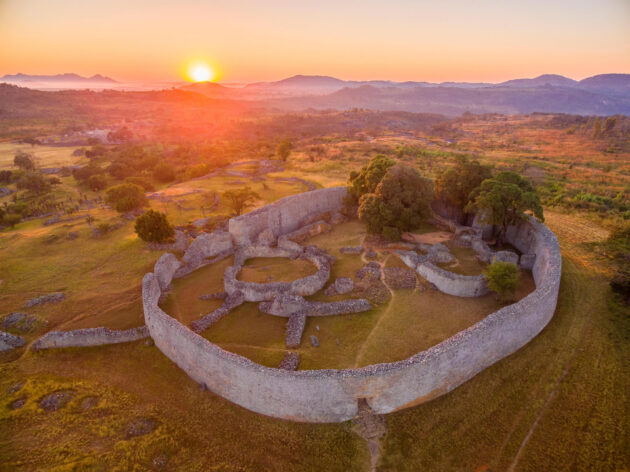
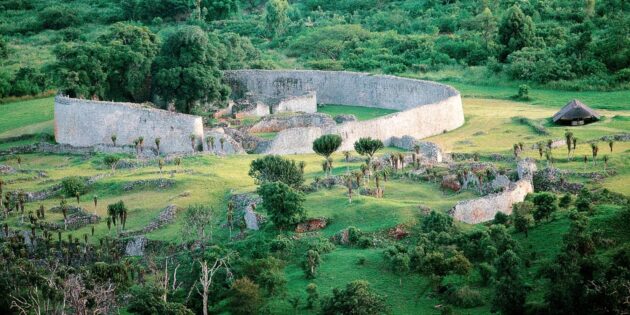
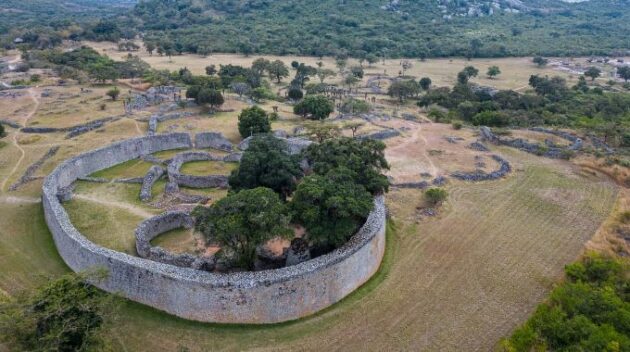
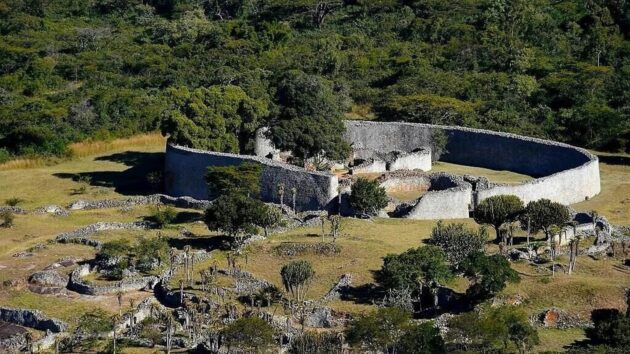
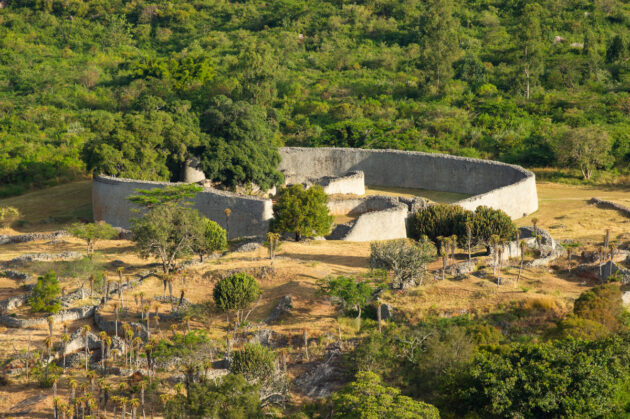
The ruins cover nearly 800 hectares and are divided into three main areas: the Hill Complex, the Great Enclosure, and the Valley Ruins. The dry-stone walls (built without mortar) showcase remarkable engineering skill and are the largest ancient stone structures in sub-Saharan Africa.
Why Visit Great Zimbabwe?
Marvel at ancient African architecture and engineering.
Learn about Shona civilization, trade networks, and cultural heritage.
Enjoy a peaceful, uncrowded experience compared to more tourist-heavy sites.
Combine it with other Zimbabwe attractions like Victoria Falls or Matobo Hills.
How to Get There
Great Zimbabwe is located about 30 km southeast of Masvingo (the nearest town), making it easily accessible.
From Harare (capital city): Drive ~300–340 km south along the A4 highway (approximately 3.5–4.5 hours). The road is generally in good condition.
From Bulawayo: Around 4 hours by car.
From Victoria Falls: About 8 hours by road.
Public Transport: Take a bus from Harare or Bulawayo to Masvingo (several daily services, e.g., Tamuka Coaches). From Masvingo, catch a local minibus or taxi to the site (~20–30 minutes, ~US$1–5).
Private Transfer/Tours: Many visitors opt for private shuttles, guided day trips from Harare, or combine it with a larger itinerary.
Self-driving is straightforward and recommended for flexibility. The site is well signposted from Masvingo.
Best Time to Visit
The dry season (May to October) is ideal:
Mild temperatures (pleasant for walking and climbing).
Clear skies and dry paths (no mud or rain interruptions).
Peak months: June–August (cooler days, excellent visibility).
Avoid the rainy season (November–April) if possible, as trails can become slippery and humid, though the landscape turns lush and green with fewer visitors.
What to See and Do
The site is best explored on foot with a guided tour (highly recommended for historical context and stories). Allow 2–4 hours to see the main areas.
Hill Complex: The oldest and highest section, perched on a granite hill. Features enclosures believed to be royal residences and ritual spaces. Offers panoramic views of the surrounding landscape.
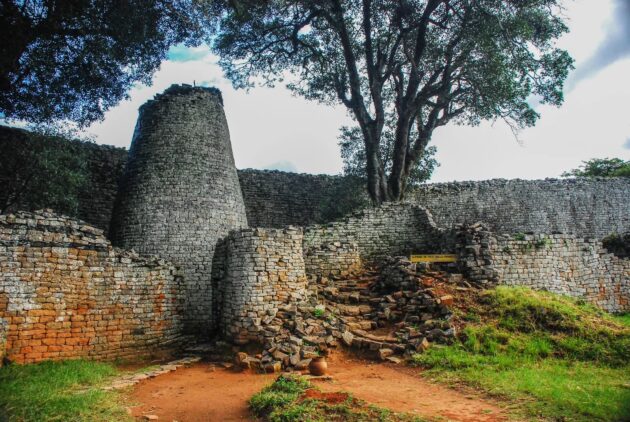
Great Enclosure: The most iconic part: a massive elliptical wall up to 11 meters high and 250 meters in circumference. Inside lies the Conical Tower (a mysterious solid stone structure). Symbolizes power and prestige; entry is through narrow passages.
Valley Ruins: Lower area with residential structures and evidence of everyday life.
On-site Museum: Displays artifacts like soapstone birds (national symbols), pottery, iron tools, Chinese porcelain, and Arab coins. Explains the site’s trade history and daily life.
Guided Tours: Local guides are available at the entrance (tip-based or small fee, often US$10–20). They provide fascinating insights into Shona culture, legends, and archaeology. Photography is allowed (no drones without permission).
Practical Information
Opening Hours: Generally 8:00 AM – 5:00 PM daily (confirm in advance).
Entry Fees (approximate, based on recent info; payable in USD): Non-residents/adults: US$15; Children: US$8; Zimbabwe residents: US$5; Fees include museum access.
Guides: Optional but worthwhile (negotiate on-site).
Facilities: Toilets, shaded areas, small shops for drinks/snacks/crafts. Limited food options — bring water and snacks.
Where to Stay
Near the Site: Great Zimbabwe Hotel (close to the ruins, basic but convenient).
Masvingo (30 km away): Offers more options, including budget lodges, guesthouses, and mid-range hotels.
Nearby Lodges: Some eco-lodges and campsites in the area.
For luxury or multi-day trips, combine with nearby national parks or Victoria Falls lodges.
Tips for a Great Visit
Arrive early to beat the heat and crowds.
Wear comfortable walking shoes (some paths are rocky/steep).
Bring sunscreen, hat, water, and insect repellent.
Respect the site: no climbing on walls, stay on paths.
Hire a guide for deeper understanding — many are knowledgeable and passionate.
Currency: USD widely accepted; carry small notes.
Combine with other sites: Lake Mutirikwi, Matobo National Park, or Victoria Falls for a fuller Zimbabwe experience.
Great Zimbabwe offers a profound connection to Africa’s rich pre-colonial history. The sense of mystery, scale, and achievement of the ancient builders makes it unforgettable. Plan your visit with respect for this living cultural heritage — and enjoy one of the continent’s true wonders!