
A Travel Guide to Matobo National Park (2026)
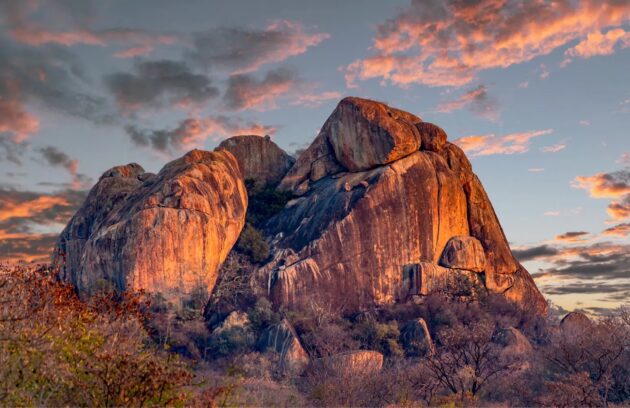
Matobo National Park, located in southwestern Zimbabwe, is one of the country’s most unique and spiritually significant protected areas. A UNESCO World Heritage Site since 2003, it is famous for its dramatic granite kopjes (boulder-strewn hills), ancient San (Bushman) rock art, and one of the highest concentrations of black and white rhinoceros in Africa. The park covers about 440 km² and offers a quieter, more intimate safari experience compared to larger reserves like Hwange or Mana Pools.
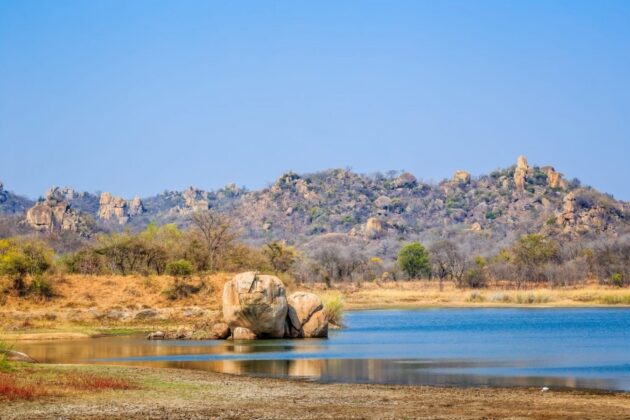
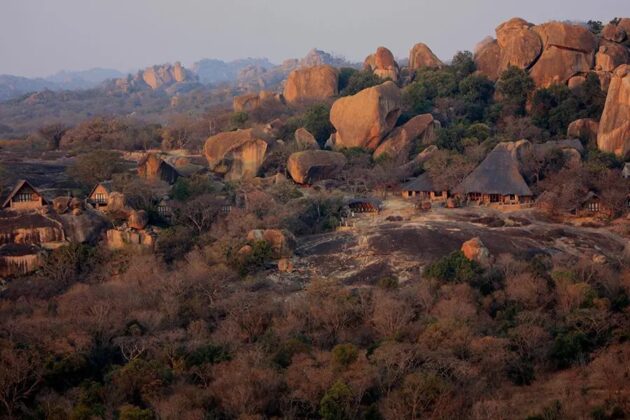
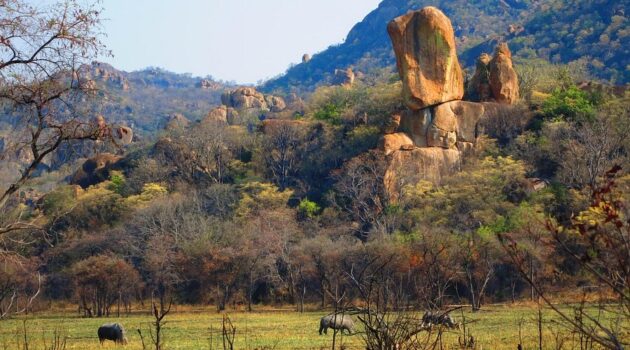
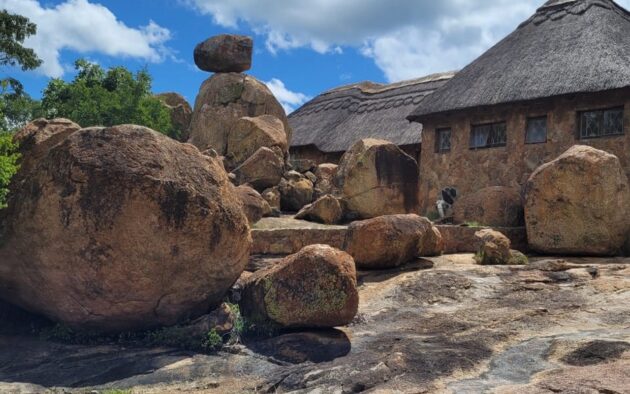
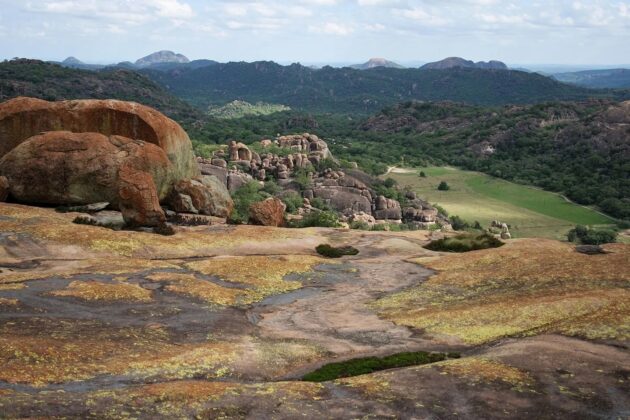
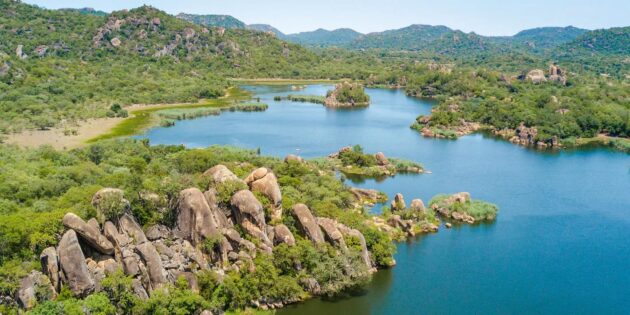
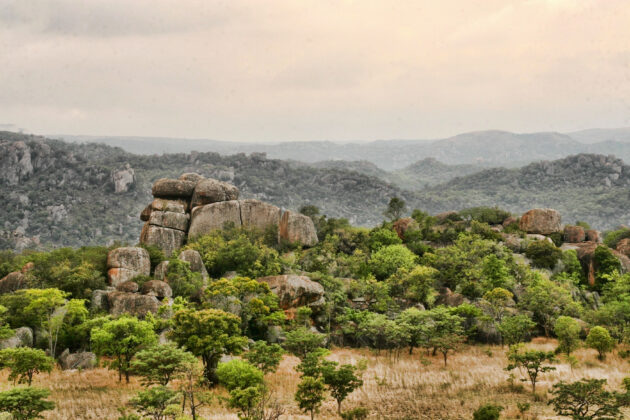
The landscape features balancing rocks, massive granite domes, wooded valleys, and scenic dams—creating a surreal, almost otherworldly beauty. It is also historically important: the grave of Cecil John Rhodes lies atop Malindidzimu Hill (World’s View), and the area holds deep cultural significance for the local Ndebele people.
Why Visit Matobo National Park?
Rhino tracking on foot — One of the best places in Africa to see and approach both black and white rhinos safely.
Exceptional San rock art — Thousands of prehistoric paintings in caves and shelters.
Dramatic scenery — Granite formations, balancing rocks, and panoramic viewpoints.
Abundant birdlife (including Verreaux’s black eagles) and good chances to spot leopards, klipspringers, zebras, giraffes, warthogs, and various antelope.
Walking safaris and horse trails (no lions or elephants in the main area, making it safer for foot exploration).
Cultural and historical sites — Rhodes’ grave, Mzilikazi’s burial place, and colonial history.
How to Get There
Matobo is easily accessible from Bulawayo, Zimbabwe’s second-largest city (about 30–40 minutes’ drive).
By Road (Recommended): From Bulawayo, take Robert Mugabe Way (which becomes Matopos Road) south for about 30 km to the park entrance. The road is mostly tarred to Maleme Dam; beyond that, gravel roads require a standard vehicle, though a 4×4 is ideal for remote areas.
By Air: Fly into Joshua Mqabuko Nkomo International Airport (BUQ) in Bulawayo. From there, hire a car, take a taxi, or join a guided tour. Charter flights to small airstrips near the park are possible but uncommon.
Self-Drive vs Guided: Self-driving is allowed and popular (park roads are navigable), but many visitors prefer guided tours for rhino tracking, rock art interpretation, and navigation.
Best Time to Visit
Dry Season (May–October) — Best overall time: June–October: Excellent wildlife viewing (animals concentrate around water), clear skies, cooler mornings/evenings, and thinner vegetation. September–October can be very hot (up to 35°C/95°F).
Wet Season (November–April) — Good for birdwatching and lush scenery: More mosquitoes, occasional heavy rain, and denser bush, but fewer visitors and beautiful green landscapes.
Most international visitors choose the dry winter months for the best rhino tracking and general safari conditions.
Things to Do
Rhino Tracking on Foot: The park’s flagship activity. Accompanied by armed, experienced guides and rangers, track white and black rhinos on foot. Encounters are often very close and thrilling. Usually a 2–4 hour morning activity.
Explore San Rock Art: Visit famous sites like Nswatugi Cave, Silozwane, Bambata, and Inanke. Guides explain the paintings (animals, hunters, spiritual scenes) that date back thousands of years.
World’s View & Malindidzimu Hill: Hike to the scenic viewpoint and Cecil John Rhodes’ grave. Stunning panoramic views of the granite landscape.
Game Drives & Nature Walks: Day or night drives to spot leopard, hyrax, klipspringer, and plains game. Walking safaris are popular due to the absence of dangerous predators in most areas.
Birdwatching: Over 300 species, including Verreaux’s black eagles (one of the highest densities worldwide).
Horseback Safaris: Some lodges offer guided rides through the hills.
Visit Maleme Dam: Picnic spots, boating (seasonal), and relaxing views.
Where to Stay
Inside the Park: Matobo (Maleme) Rest Camp — Budget-friendly chalets, lodges, and camping run by ZimParks. Basic but scenic location.
Private Lodges & Camps (Recommended for most visitors): Camp Amalinda — Quirky, luxurious rock-lodge style with excellent guiding. Big Cave Camp — Stunning views, eco-friendly, great for rhino tracking. Matobo Hills Lodge — Comfortable, family-friendly, good value. The Hide or Amakhala — Higher-end options with guided activities included.
Many lodges are located just outside the park boundary in the Matobo Hills area, offering better facilities and meals.
Practical Tips
Park Fees (approximate, as of recent data): International visitors: ~US$15 per person per day; Vehicle entry: ~US$5–10; Rhino tracking or guided activities: Usually extra (often included in lodge packages or ~US$50–80 pp).
What to Bring: Comfortable walking shoes/hiking boots; Sun protection, hat, sunscreen; Binoculars (great for birds and distant game); Camera with zoom lens; Insect repellent (especially wet season); Water bottle and snacks.
Safety & Etiquette: Always go rhino tracking with a qualified guide. Stay on paths when hiking to protect fragile rock art sites. Zimbabwe uses USD for most transactions; carry small notes.
Combine with Other Destinations: Matobo works perfectly as a 2–4 day add-on after Victoria Falls or Hwange National Park, or as a short extension from Bulawayo.
Final Thoughts
Matobo National Park offers a different kind of African safari—one that blends breathtaking geology, deep cultural history, and rare rhino encounters in a peaceful, uncrowded setting. Whether you’re tracking rhinos on foot, marveling at ancient rock paintings, or simply soaking in the views from a granite dome, Matobo delivers a profound and memorable experience.
Plan ahead, book a good guide, and prepare to be amazed by this sacred corner of Zimbabwe. Safe travels!