A Comprehensive Travel Guide to Mozambique (2026)
Mozambique, a long coastal country in southeastern Africa, boasts one of the continent’s most stunning Indian Ocean shorelines, with over 2,500 km of pristine beaches, turquoise waters, world-class diving, and a rich blend of African, Portuguese, and Swahili cultures. From idyllic island archipelagos to vibrant cities and emerging safari destinations, Mozambique offers a mix of relaxation, adventure, and cultural immersion. While still relatively off the beaten path compared to neighbors like South Africa or Tanzania, it is increasingly popular for its untouched beauty.
Best Time to Visit
Dry Season (May–October): Ideal for beach holidays, diving, snorkeling, and wildlife viewing. Weather is sunny, with lower humidity and fewer mosquitoes.
Shoulder Seasons: April–May and November offer good weather with fewer crowds.
Avoid: December–March (cyclone season and heavy rains, especially along the coast).
Visa and Entry Requirements
Most nationalities require a visa, but many can obtain one easily:
Citizens of numerous countries (including the US, UK, Canada, EU, Australia, etc.) can enter visa-free for up to 30 days or apply for an Electronic Travel Authorization (ETA) online at least 48 hours before arrival (small fee, around USD 10–20).
Others may use e-visa or visa on arrival at major entry points.
Requirements: Passport valid for 6+ months, return/onward ticket, proof of accommodation, and sufficient funds.
Always check the latest rules before booking, as policies can change.
How to Get There
Main International Airport: Maputo International Airport (MPM).
Other gateways: Beira, Pemba, Vilankulo (for Bazaruto), Nampula.
Common routes: Fly via Johannesburg (South Africa), Nairobi (Kenya), or Addis Ababa (Ethiopia). Direct flights are limited.
Internal travel: Domestic flights (LAM, Ethiopian, or charter services) are the most efficient way to reach islands and northern areas. Road travel is possible but slow and sometimes challenging due to road conditions.
Top Places to Visit
Bazaruto Archipelago
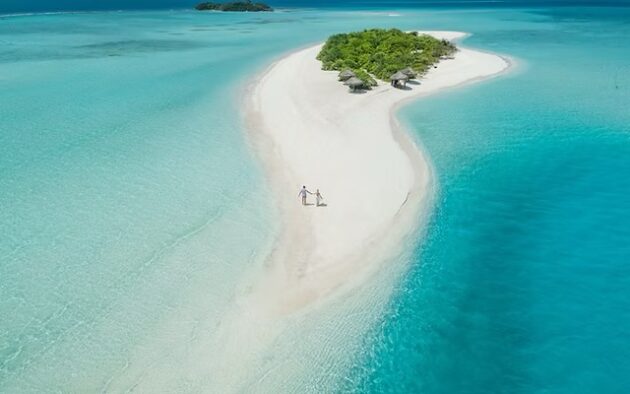
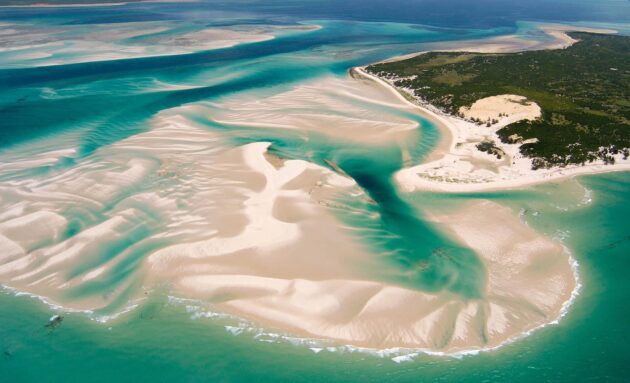
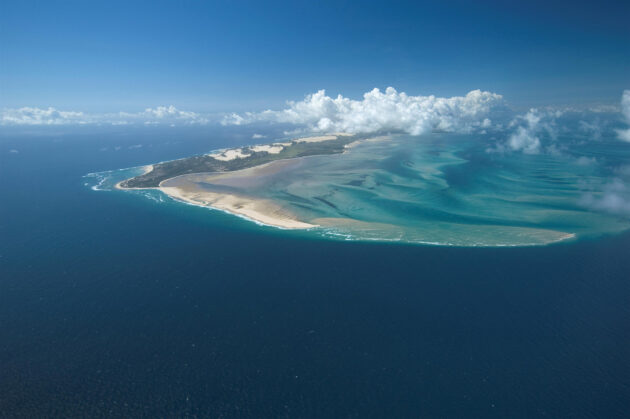
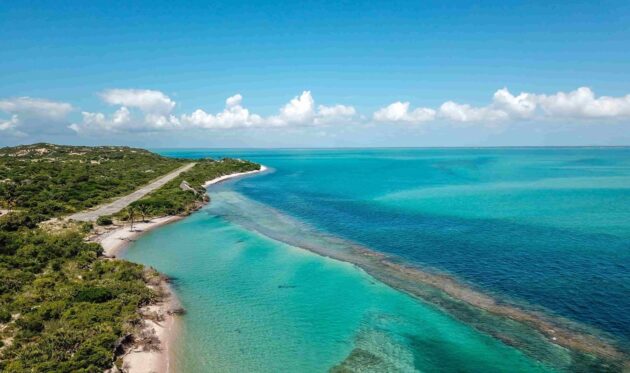
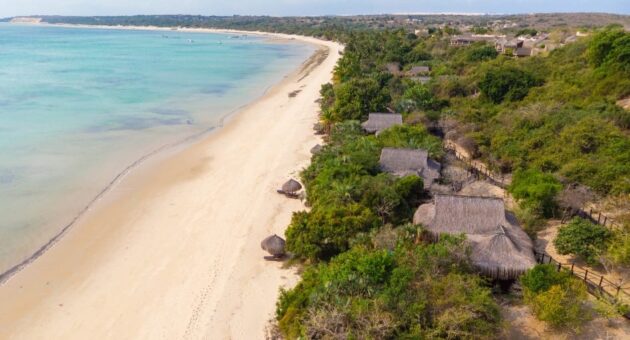
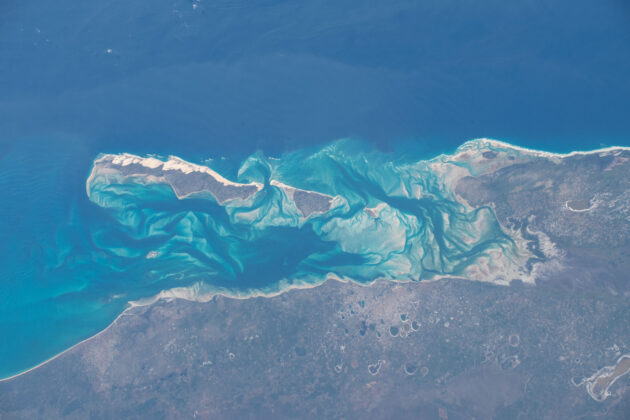
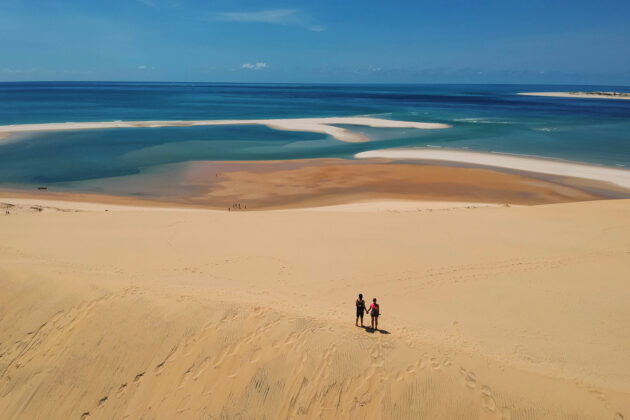
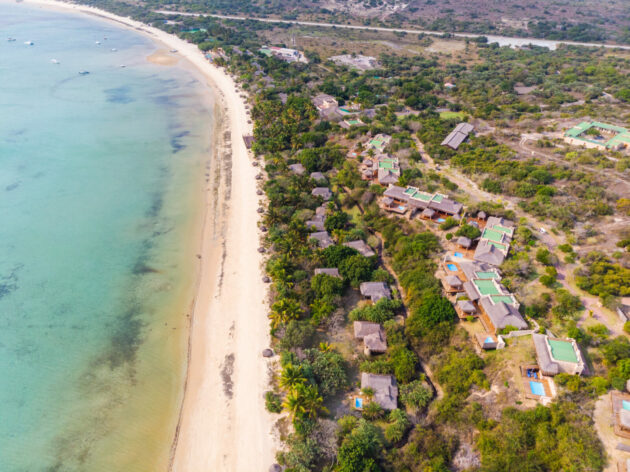
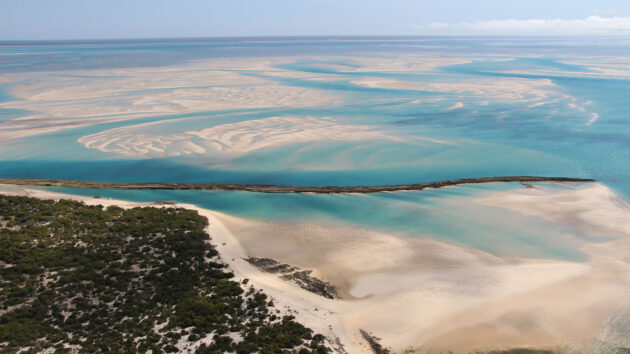
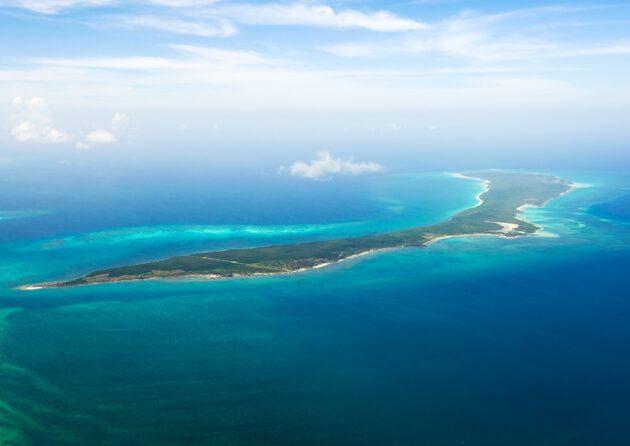
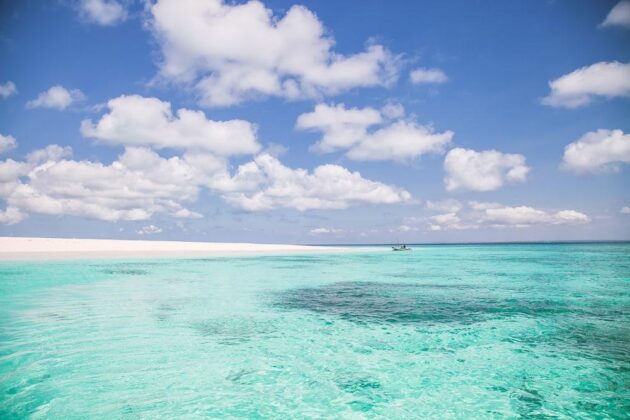
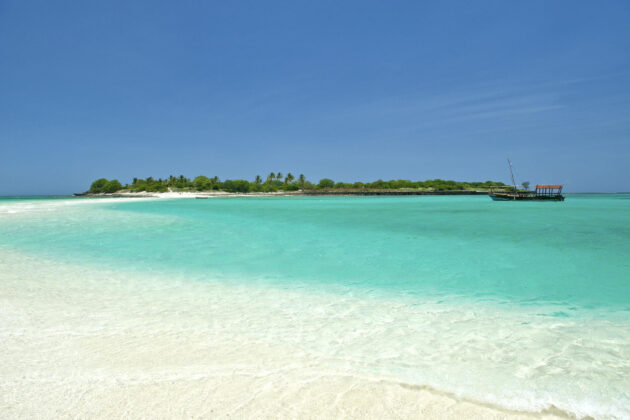
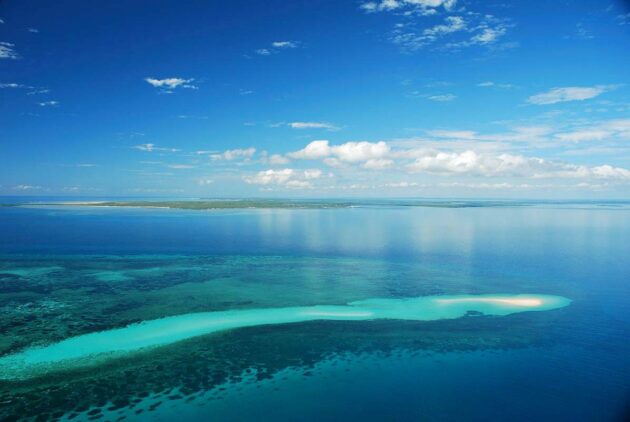
This protected marine national park consists of five main islands—Bazaruto (the largest), Benguerra, Magaruque, Santa Carolina (also known as Paradise Island), and Bangue—featuring pristine white-sand beaches, rolling dunes, turquoise waters, coral reefs, mangroves, and diverse marine life including dugongs, dolphins, manta rays, turtles, and humpback whales.
Quirimbas Archipelago
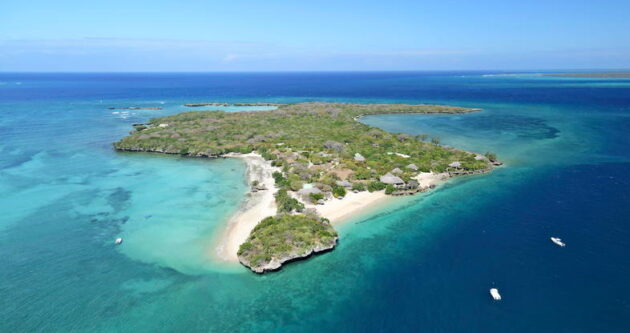
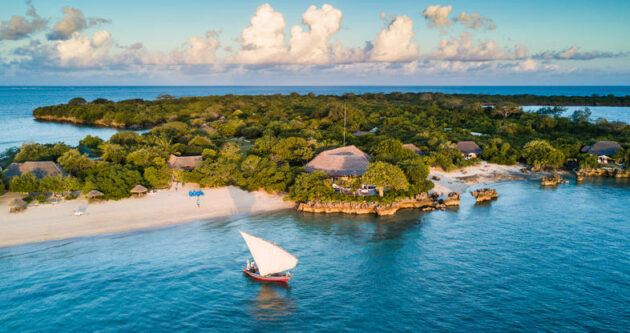
The Quirimbas Archipelago is one of Africa’s most pristine and least-developed island paradises. This chain of over 30 coral islands stretches along the northern coast of Mozambique in the Indian Ocean, near the border with Tanzania. Part of the Quirimbas National Park (which protects 11 of the islands), the archipelago offers untouched white-sand beaches, crystal-clear turquoise waters, vibrant coral reefs, and a relaxed, off-the-grid atmosphere.
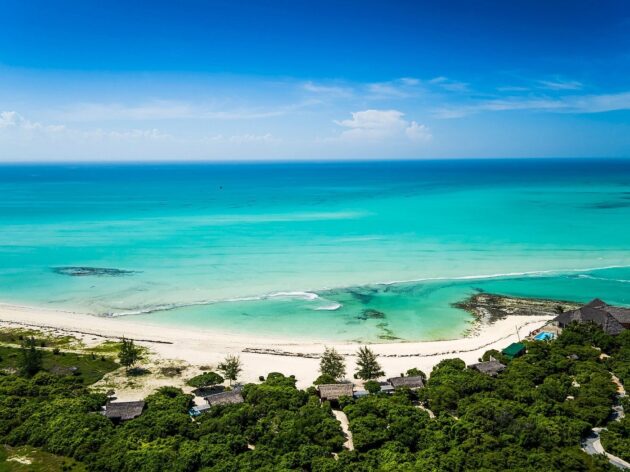
Ilha de Moçambique
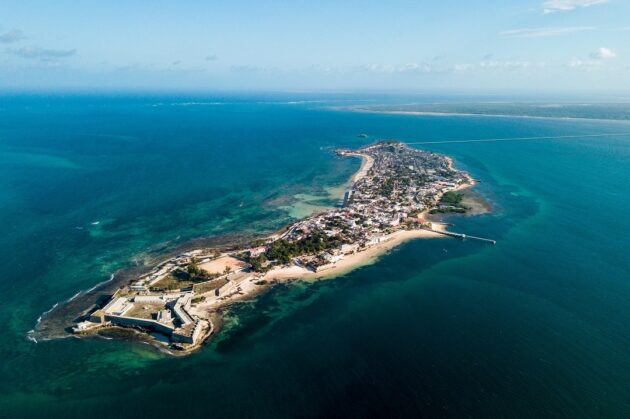
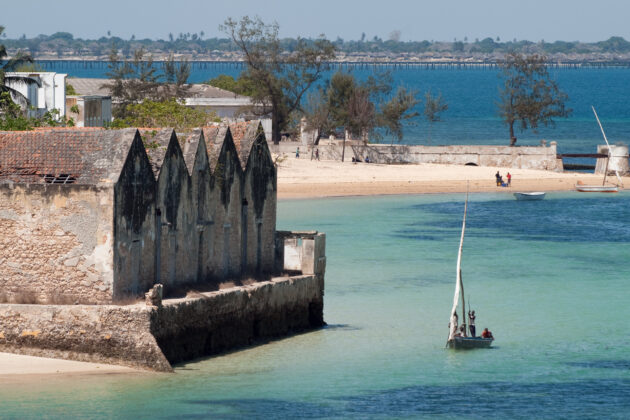
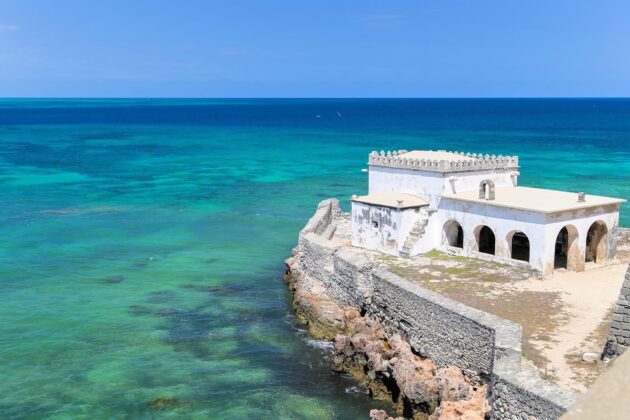
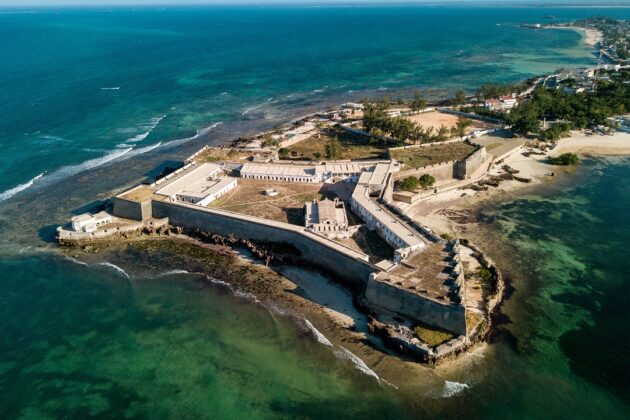
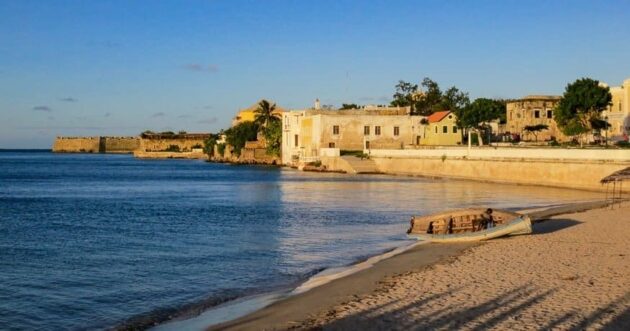
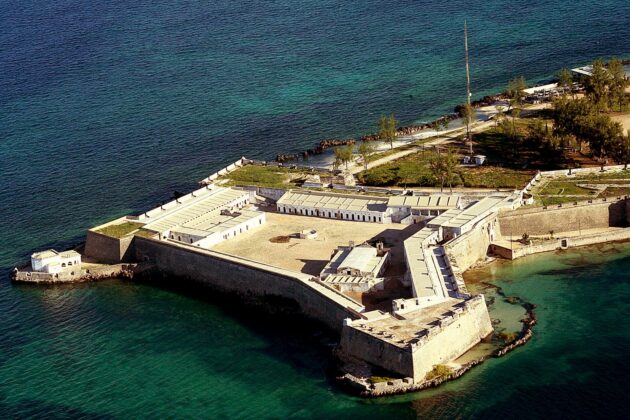
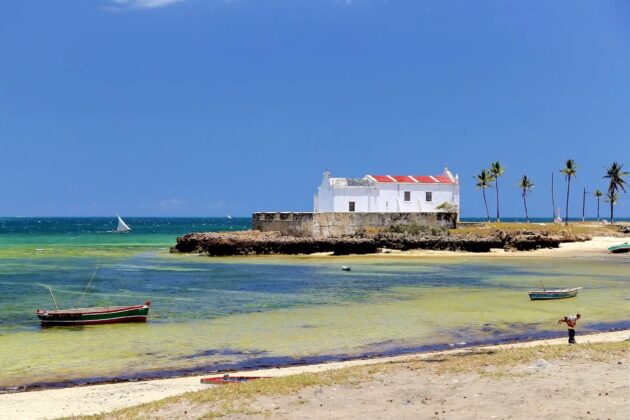
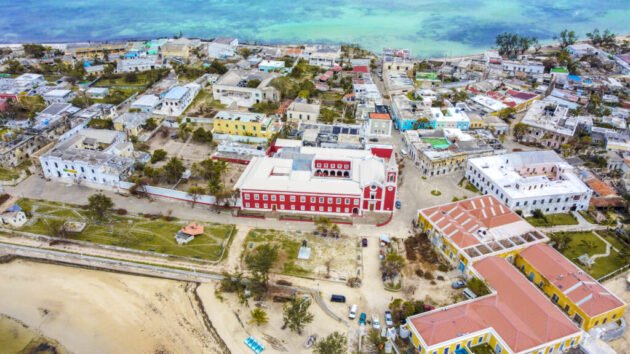
Ilha de Moçambique (also known as Mozambique Island) is a small, enchanting coral island off the northern coast of Mozambique. This UNESCO World Heritage Site is one of Africa’s most historically rich and atmospheric destinations. Once the colonial capital of Portuguese East Africa, the island blends centuries of Swahili, Arab, Indian, and Portuguese influences into a unique cultural tapestry.
Maputo
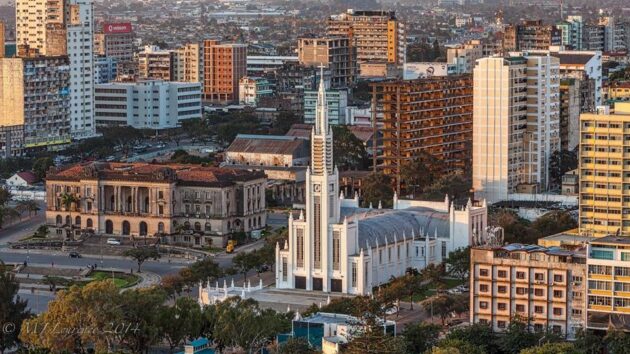
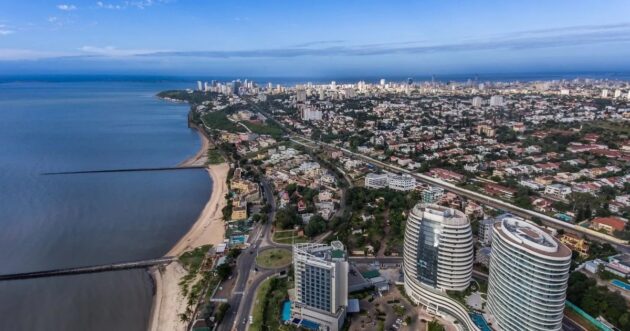
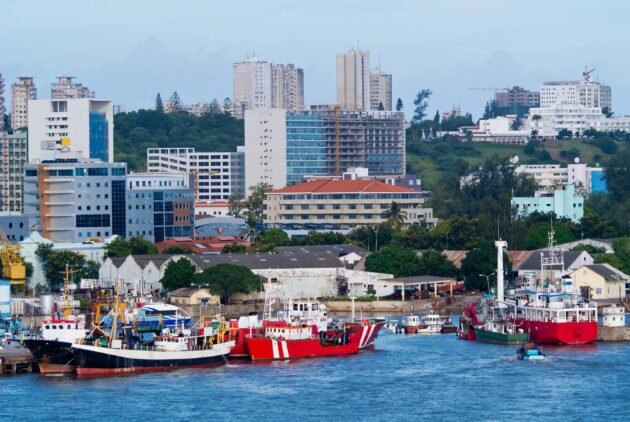
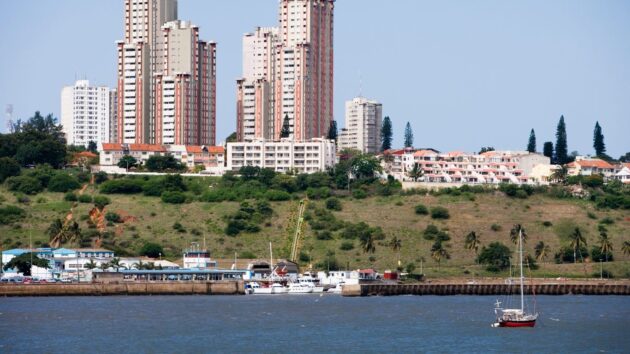
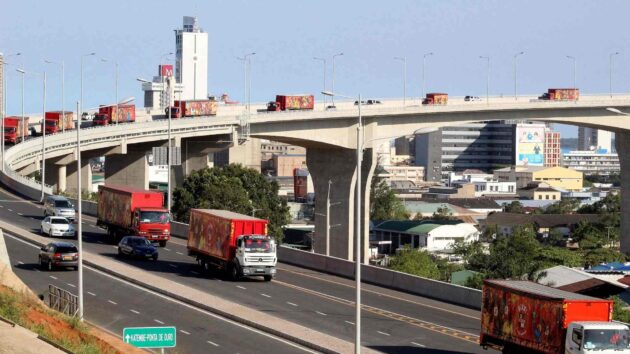
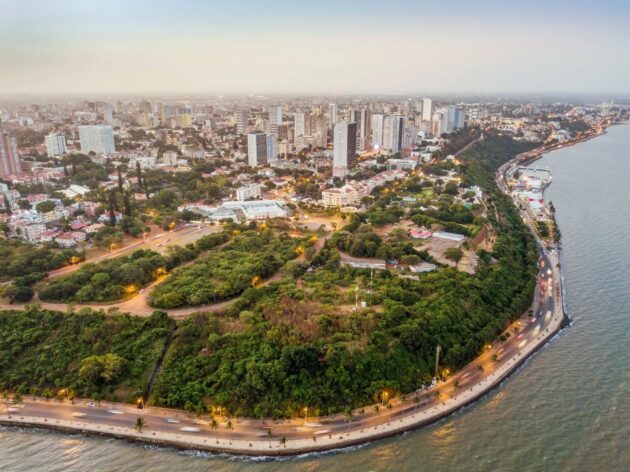
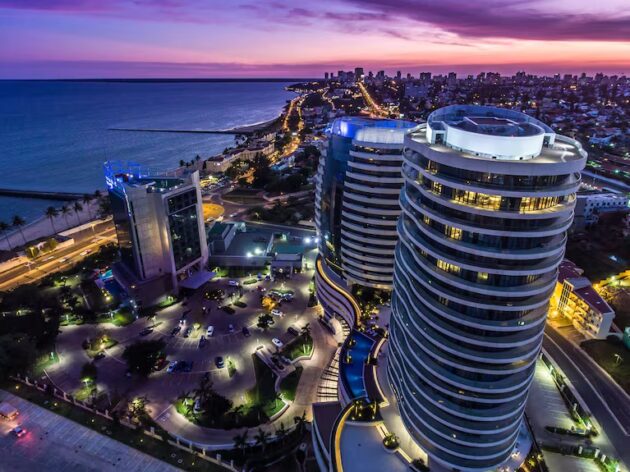
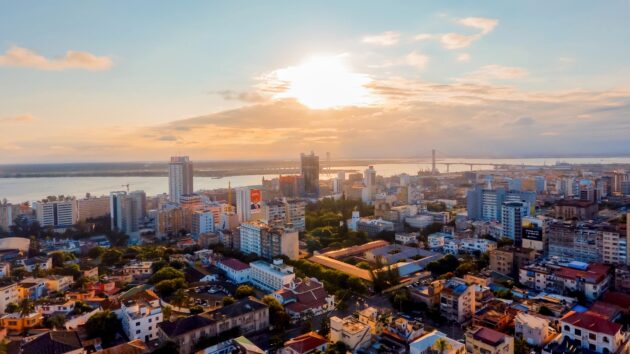
Maputo, the vibrant capital of Mozambique, is a coastal city blending Portuguese colonial architecture, lively markets, Afro-Portuguese culture, and access to beautiful beaches and nearby wildlife reserves. As the gateway to southern Mozambique, it offers a mix of urban energy, delicious seafood (especially prawns), and a relaxed tropical vibe. While often overlooked compared to beach destinations like Tofo or the Bazaruto Archipelago, Maputo rewards visitors with its unique charm and authentic feel.
Gorongosa National Park
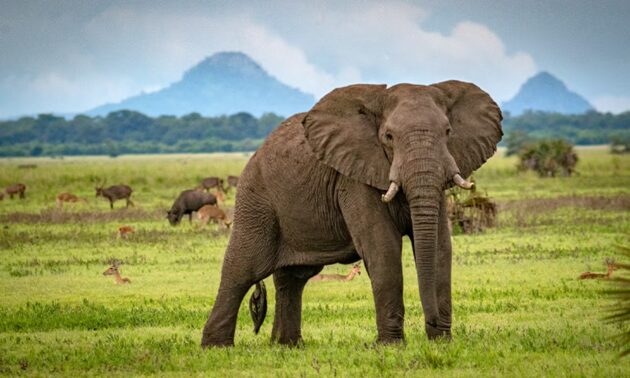
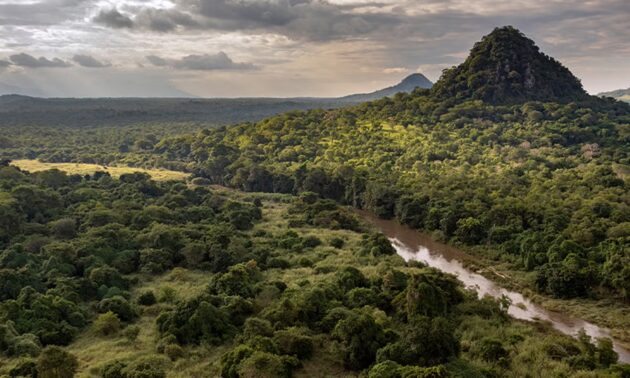
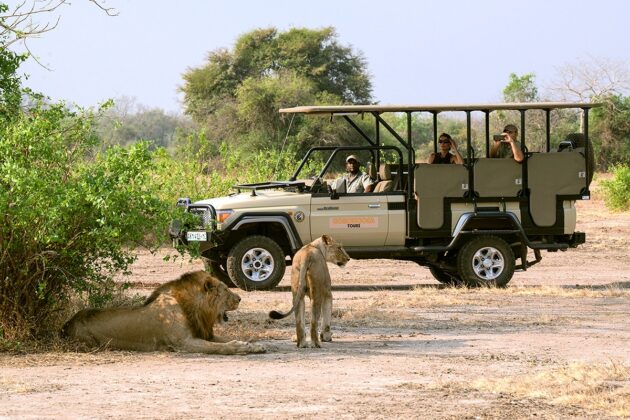
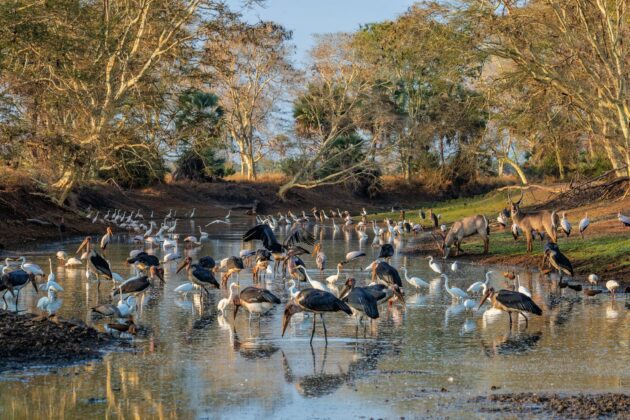
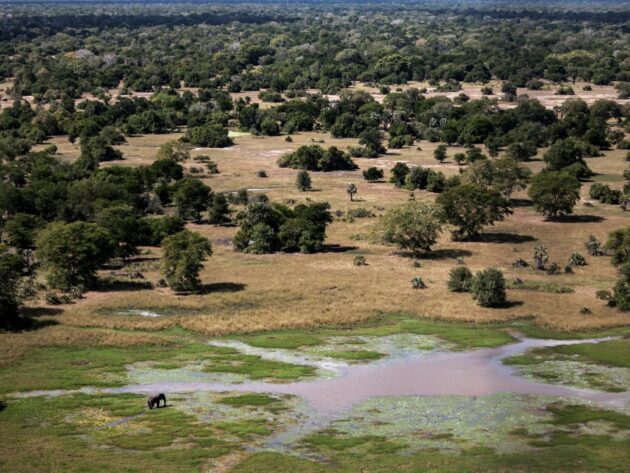
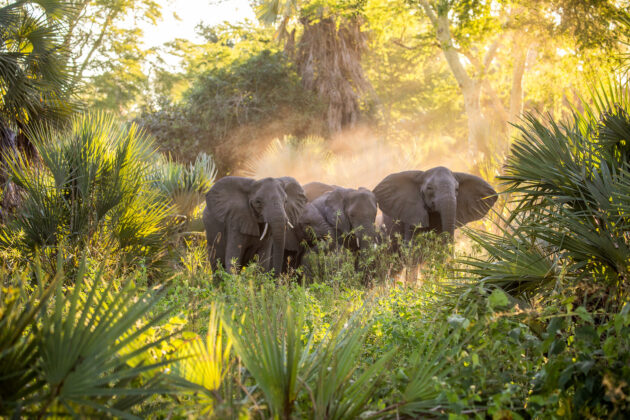
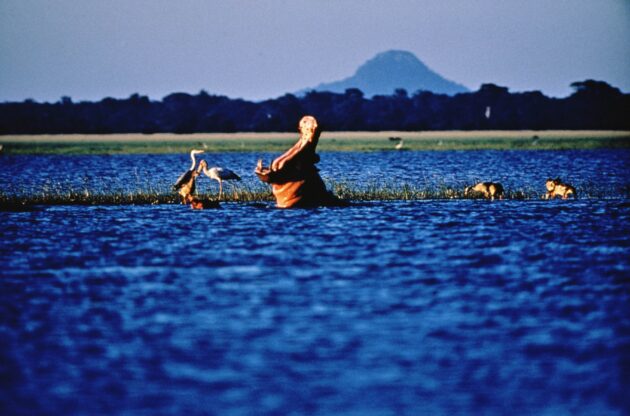
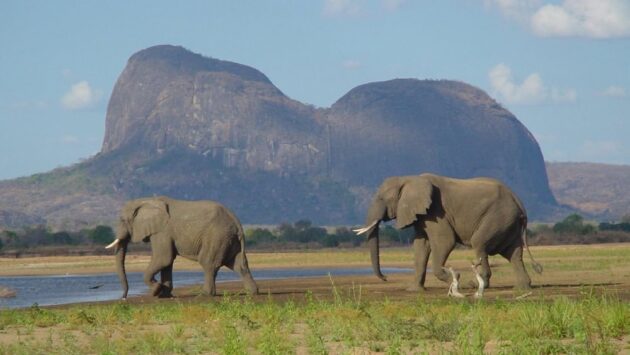
Gorongosa National Park, located in central Mozambique’s Sofala Province, is one of Africa’s most inspiring conservation success stories. Once devastated by civil war and poaching, the park has undergone remarkable restoration through the Gorongosa Restoration Project (a partnership between the Government of Mozambique and the Carr Foundation).
Where to Stay
Luxury: Private island lodges (Anantara Bazaruto, &Beyond Benguerra, Azura Benguerra, Ibo Island Lodge).
Mid-range: Beach resorts in Vilankulo, Tofo, or Pemba.
Budget: Guesthouses, backpacker lodges in Maputo, Tofo, or Ilha de Moçambique.
Tip: Many top experiences are in remote lodges — book in advance.
Safety Tips
General: Exercise normal precautions in tourist areas. Petty theft occurs in cities — keep valuables secure, avoid flashing wealth, and don’t walk alone at night in urban areas.
Restricted Areas: Avoid Cabo Delgado Province and parts of northern Nampula/Niassa due to terrorism risks.
Health: Malaria risk — use prophylaxis, repellents, and nets. Drink bottled water. Vaccinations: Yellow fever (if coming from risk area), routine shots, hepatitis A/B, typhoid recommended.
Other: Use reputable operators for transfers/diving. Roads can be poor — domestic flights are safer for longer distances.
Practical Tips
Currency: Mozambican Metical (MZN). USD widely accepted in tourist areas; carry small bills.
Language: Portuguese (official); English is common in tourist zones.
Food: Delicious seafood, peri-peri prawns, cashews, matapa (coconut shrimp stew).
What to Pack: Light clothing, reef-safe sunscreen, hat, insect repellent, good walking shoes, mask/snorkel if you have one.
Mozambique rewards those willing to venture beyond the mainstream. With careful planning, it delivers unforgettable beaches, rich marine life, and authentic African experiences in a setting that still feels undiscovered. Safe travels!