
A Travel Guide to Quirimbas Archipelago (2026)
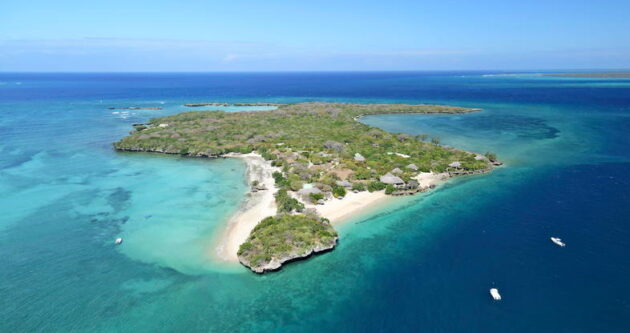
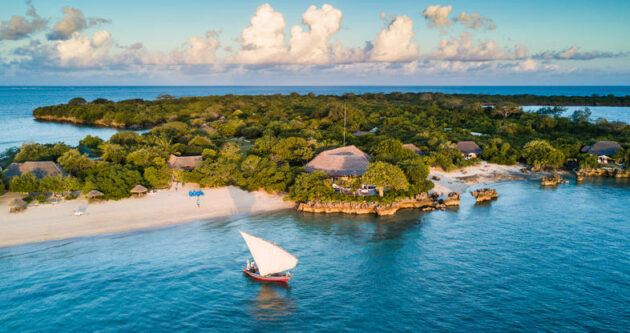
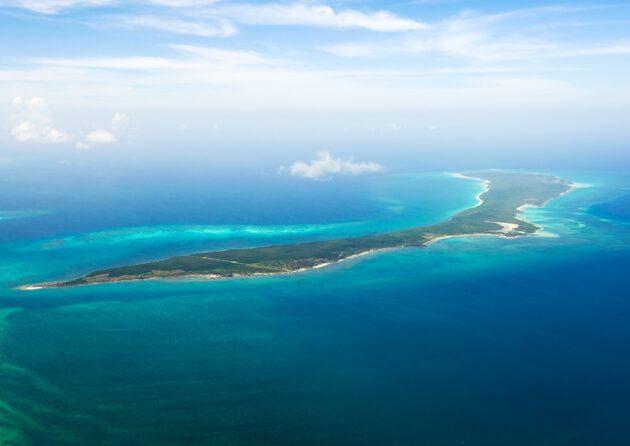
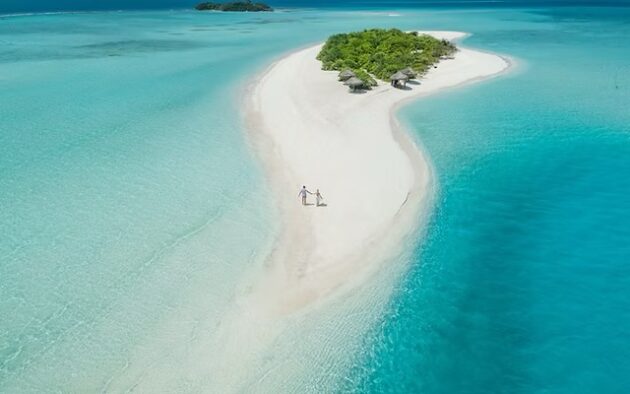
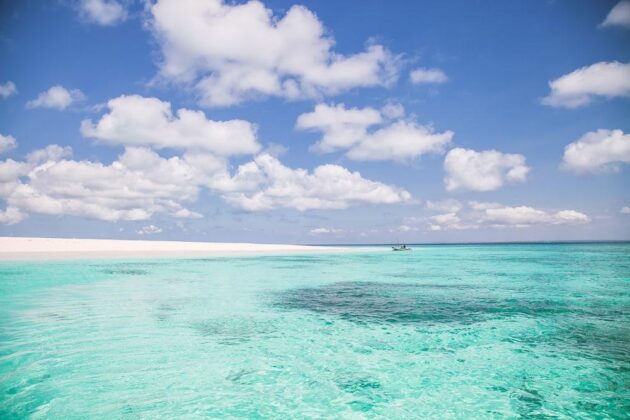
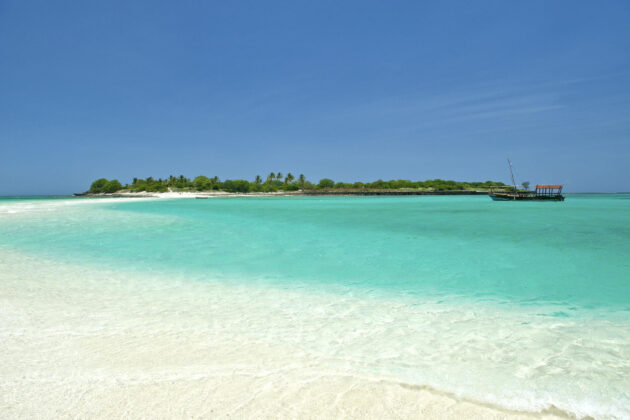
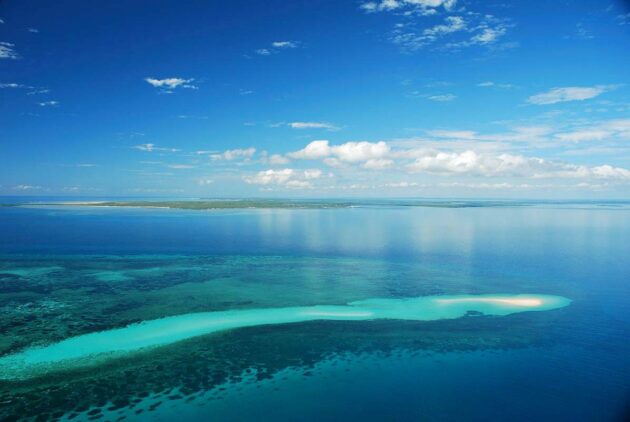
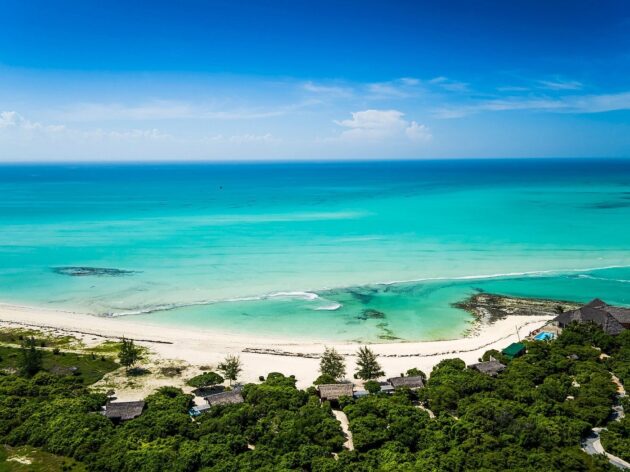
The Quirimbas Archipelago is one of Africa’s most pristine and least-developed island paradises. This chain of over 30 coral islands stretches along the northern coast of Mozambique in the Indian Ocean, near the border with Tanzania. Part of the Quirimbas National Park (which protects 11 of the islands), the archipelago offers untouched white-sand beaches, crystal-clear turquoise waters, vibrant coral reefs, and a relaxed, off-the-grid atmosphere. Often called the “African Caribbean,” it is perfect for those seeking seclusion, world-class diving, snorkeling, and authentic island exploration.
Why Visit the Quirimbas Archipelago?
Pristine, uncrowded beaches and some of the healthiest coral reefs in the region.
Excellent diving and snorkeling with exceptional marine biodiversity (including turtles, reef sharks, manta rays, and colorful fish).
Historic charm on islands like Ibo, with centuries-old Portuguese colonial ruins.
Luxury private island escapes combined with authentic local culture.
Ideal for relaxation, dhow sailing, fishing, and eco-tourism.
How to Get There
Accessing the Quirimbas is part of the adventure due to its remote location.
Fly to Pemba: Most travelers arrive at Pemba Airport (POL) in northern Mozambique. Direct flights from Johannesburg (South Africa) operate several times a week with airlines such as Airlink. Connections from Maputo (Mozambique’s capital) or international hubs are also available.
From Pemba to the Islands: Ibo Island — The most accessible and common entry point. Options include: Small charter flights (about 30–45 minutes) from Pemba. Road + boat: A bumpy 4–5 hour drive to a port, then a ferry or dhow (traditional sailboat). Private islands (Vamizi, Medjumbe, Quilalea, Matemo): Luxury resorts usually arrange private charter flights or helicopter transfers directly from Pemba (often included in packages). Island hopping: From Ibo, local dhows or speedboats connect to nearby islands.
Tip: Book internal flights and island transfers well in advance, especially during peak season.
Best Time to Visit
Dry season (May–October) — The best overall time. Lower humidity, minimal rainfall, cooler temperatures (around 25–30°C / 77–86°F). Excellent visibility for diving and snorkeling (peak from June–September).
Shoulder months (April–May and October–November) — Good weather and fewer crowds.
Wet season (December–March) — Hotter, more humid, with higher chance of rain and cyclones. Diving visibility can be reduced, though marine life remains abundant.
July–August is the most popular period, while September offers great weather with fewer visitors.
Top Islands to Visit
Ibo Island: Historic heart of the archipelago with Portuguese colonial ruins, old forts, and a sleepy village atmosphere. Great base for island hopping, dhow trips, and cultural exploration. More budget-friendly guesthouses and lodges.
Vamizi Island: One of the most stunning and remote islands. Famous for ultra-luxury villas, pristine beaches, and exceptional diving.
Medjumbe Island: Powder-white beaches and luxury resorts (e.g., Anantara Medjumbe). Ideal for romance and seclusion.
Quilalea Island: Small, private, and eco-focused with high-end lodges like Azura Quilalea. Excellent for snorkeling right off the beach.
Matemo Island: Beautiful beaches and a more intimate resort experience.
What to Do
Scuba Diving & Snorkeling — World-class reefs with drop-offs, healthy coral, and abundant marine life.
Dhow Cruises — Sail on traditional wooden boats at sunset or explore hidden sandbanks.
Island Hopping — Visit multiple islands for day trips or overnight stays.
Kayaking & Stand-Up Paddleboarding — Explore mangroves and calm lagoons.
Deep-Sea Fishing — Renowned for big game fish.
Historical Walks — Explore Ibo’s old town, churches, and forts.
Relaxation — Hammocks, beach walks, and pure downtime.
Note: Swimming and water activities are generally safe around the islands, but always follow resort or guide advice regarding tides and currents.
Where to Stay
Accommodation ranges from rustic to ultra-luxury:
Ibo Island: Ibo Island Lodge — Historic boutique option with charm. Cinco Portas or similar guesthouses — More affordable and authentic.
Luxury Private Islands: Vamizi Lodge — Ultra-exclusive with spacious beach villas. Anantara Medjumbe Island Resort — High-end with excellent service. Azura Quilalea — Eco-luxury with a focus on sustainability.
Most luxury properties are all-inclusive or offer full-board packages, including meals, activities, and transfers.
What to Bring
Reef-safe sunscreen and eco-friendly toiletries.
Lightweight, quick-dry clothing and swimwear.
Hat, sunglasses, and insect repellent (especially evenings).
Snorkel gear (if you have your own—many places provide it).
Cash (USD or Meticais) — Cards are accepted at luxury lodges but not everywhere.
Waterproof bag and dry bag for boat transfers.
Practical Tips
Health — Malaria risk exists; consult a doctor for prophylaxis. Drink bottled water.
Safety — The Quirimbas islands themselves are generally very safe and peaceful. However, the northern Cabo Delgado mainland has experienced security issues in recent years. Stick to the islands and follow official travel advisories (e.g., avoid non-essential travel to certain mainland areas). Luxury resorts have excellent security.
Sustainability — Choose eco-conscious operators and avoid touching coral or marine life.
Budget — This is a premium destination. Expect higher costs due to remoteness and limited supply.
Final Thoughts
The Quirimbas Archipelago is a true hidden gem — remote, beautiful, and blissfully quiet. Whether you seek barefoot luxury on a private island or a more adventurous stay on historic Ibo, this destination delivers unforgettable beaches, incredible underwater worlds, and a deep sense of escape. Plan ahead, embrace the slow pace, and prepare to fall in love with one of Africa’s last unspoiled island frontiers.
Safe travels!