
Ilha de Moçambique Travel Guide (2026)
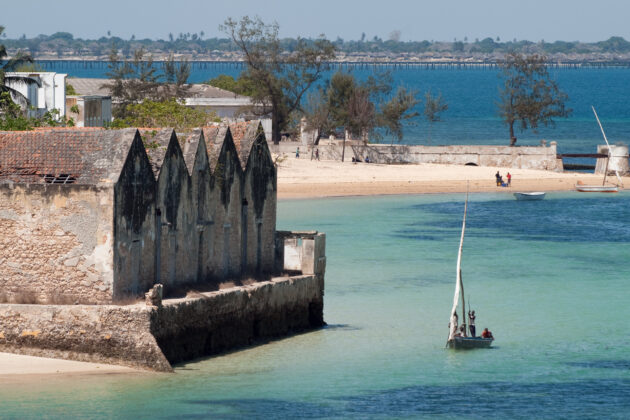
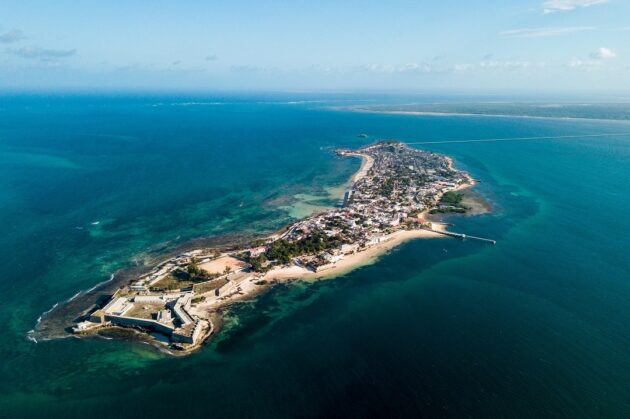
Ilha de Moçambique (also known as Mozambique Island) is a small, enchanting coral island off the northern coast of Mozambique. This UNESCO World Heritage Site is one of Africa’s most historically rich and atmospheric destinations. Once the colonial capital of Portuguese East Africa, the island blends centuries of Swahili, Arab, Indian, and Portuguese influences into a unique cultural tapestry. With its faded colonial architecture, narrow streets, ancient fort, and laid-back island life, Ilha feels like stepping back in time.
The island is only about 3 km long and 500 m wide, divided into two main areas: Stone Town (the historic northern part with colonial buildings) and Macuti Town (the more residential southern part). It’s a perfect spot for slow, immersive travel, history lovers, photographers, and those seeking an off-the-beaten-path experience.
Why Visit Ilha de Moçambique?
A living museum of colonial and pre-colonial history
Stunning blend of Portuguese, Swahili, and African architecture
Quiet beaches, fresh seafood, and a relaxed pace
One of the least crowded UNESCO sites in Africa
Gateway to northern Mozambique’s culture and coast
How to Get There
Reaching Ilha de Moçambique requires some effort, as it’s remote and not heavily touristed.
By Air (Recommended): Fly into Nampula Airport (APL), the closest major airport (~3–4 hours by road from the island). Domestic flights from Maputo (capital) or international connections via Johannesburg (South Africa) or Nairobi (Kenya). From Nampula, arrange a private transfer, taxi, or shared minibus (chapa) to the island.
By Road / Bus: Long-distance chapas (minibuses) or buses run from Nampula to Ilha de Moçambique. The journey takes 3–5 hours depending on conditions. A single-lane bridge connects the island to the mainland.
Tip: Book transfers in advance, especially if arriving late in Nampula. Many lodges offer airport pick-up services.
Best Time to Visit
Dry season (May–October): Ideal weather — cooler temperatures (around 25–30°C / 77–86°F), low humidity, and minimal rain. July–September are peak months but still uncrowded.
Shoulder seasons (April–May and September–November): Good balance of pleasant weather and fewer visitors.
Avoid: January–March (wet season with heavy rain, humidity, and potential cyclones).
Top Things to Do
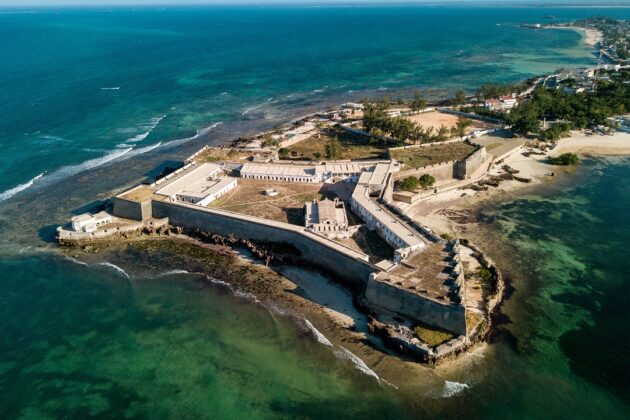
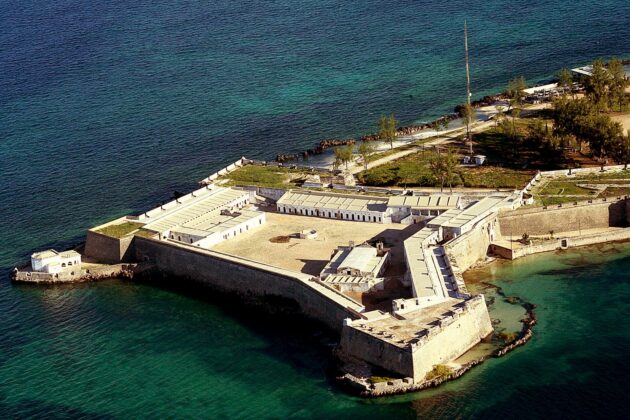
Fortaleza de São Sebastião: The 16th-century fortress dominates the northern tip of the island. Climb the walls for panoramic views, explore the old chapel (one of the oldest European buildings in the Southern Hemisphere), and visit the small museum inside.
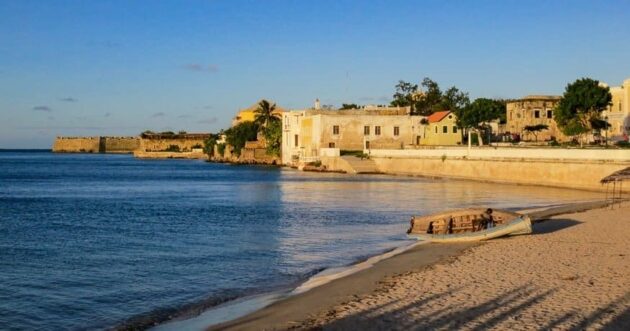
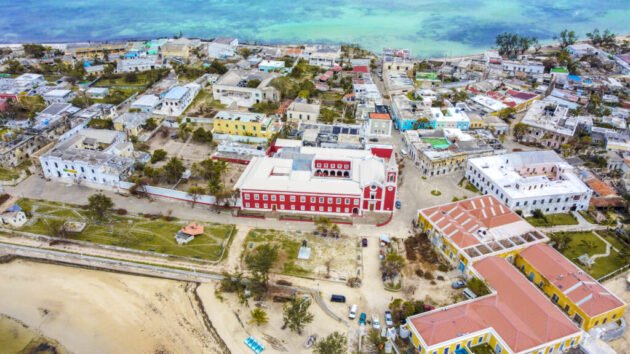
Wander Stone Town: Stroll the narrow lanes lined with pastel-colored colonial mansions, coral-stone houses, verandas, and intricately carved doors. Many buildings are slowly being restored.
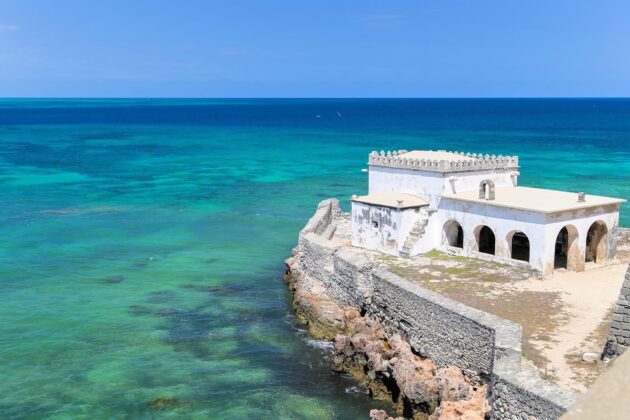
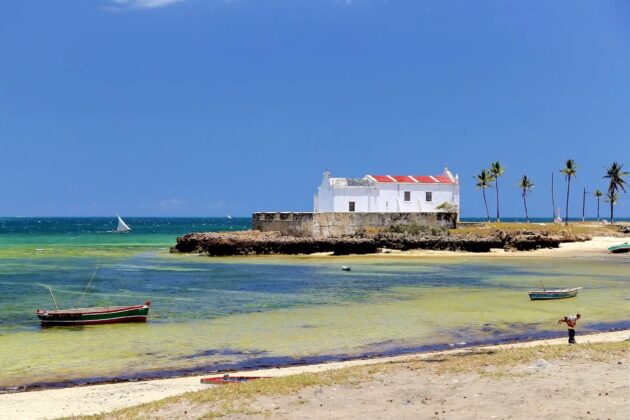
Chapel of Nossa Senhora de Baluarte: Built in 1522, this tiny chapel is considered the oldest European building still standing in the Southern Hemisphere.
Governor’s Palace Museum: A beautifully restored 18th-century palace now housing artifacts, furniture, and exhibits on the island’s history.
Macuti Town & Local Life: Cross to the southern side to see everyday life, colorful markets, and traditional Makuti (palm-thatched) houses.
Beaches & Swimming: Small but pleasant beaches on the island. For better sand and water, take a short boat trip to nearby mainland beaches or São Sebastião Peninsula.
Sunset Dhow Cruises: Traditional wooden dhow boats offer relaxing sunset sails around the island.
Seafood & Local Cuisine: Enjoy fresh prawns, calamari, peri-peri chicken, and matapa (coconut-cashew stew) at local restaurants.
Where to Stay
Accommodation ranges from budget guesthouses to boutique historic hotels. Book early, especially in peak season.
Luxury / Boutique: Villa Sands — stylish, restored colonial villa with sea views; São Sebastião Boutique Hotel — elegant and central.
Mid-Range: Ruby Backpackers — popular with travelers, great rooftop views; Villa de Arco — charming guesthouse in a historic building.
Budget: Various small guesthouses and family-run pensões in Stone Town and Macuti Town.
Practical Tips
Getting Around: Walk everywhere — the island is tiny. Motorbike taxis (okadas) are available for short trips.
Money: Bring cash (Mozambican Metical — MZN). ATMs are scarce; cards are rarely accepted.
Language: Portuguese is official, but English is understood in tourist spots. Locals often speak Swahili-influenced dialects.
Safety: The island is generally safe and peaceful. Use common sense at night and avoid flashing valuables.
What to Bring: Sunscreen, hat, insect repellent, light clothing, comfortable walking shoes, and a reusable water bottle.
Respect Local Culture: Dress modestly when visiting religious sites; ask permission before photographing people.
Connectivity: Mobile coverage is available, but Wi-Fi is limited and slow — plan for offline time.
Final Thoughts
Ilha de Moçambique offers a rare, authentic glimpse into Africa’s layered colonial and trading past. It’s not a classic beach resort destination but a place for reflection, history, and slow discovery. Spend 3–5 days here to fully absorb its magic, then consider combining it with beaches in the Quirimbas Archipelago or wildlife in northern Mozambique.
A truly hauntingly beautiful and underrated gem — perfect for travelers seeking something different. Safe travels!