
A Travel Guide to Angola (2026)
Angola is one of Africa’s least-visited yet most rewarding destinations, offering stunning natural diversity—from Atlantic beaches and dramatic waterfalls to deserts, savannas, and rich cultural heritage. Once difficult to access due to visa hurdles and post-civil war challenges, the country has become much more tourist-friendly in recent years. With visa-free entry for many nationalities (including most Western countries) for short tourist stays, Angola is emerging as an adventurous off-the-beaten-path gem.
Why Visit Angola?
Angola boasts incredible contrasts: colonial architecture in the capital Luanda, the massive Kalandula Falls (one of Africa’s largest waterfalls), the surreal Namib Desert meeting the ocean, wildlife in national parks, and vibrant indigenous cultures in the southwest (including Himba, Mucubal, and Muila communities). It’s a place for nature lovers, photographers, cultural explorers, and those seeking an authentic, uncrowded African experience.
Visa and Entry Requirements
Good news: Many nationalities (including citizens of the US, EU countries, UK, Canada, and others—over 90 countries total) can enter Angola visa-free for tourism.
Stay: Up to 30 days per entry, with a maximum of 90 days total per calendar year.
Requirements on arrival: Valid passport (at least 6 months validity and blank pages), proof of onward/return ticket, proof of accommodation, and possibly yellow fever vaccination certificate.
Yellow fever vaccination is required for entry (and recommended by health authorities).
Always check the latest rules on official sources like the Angolan Migration Service (SME) website or your local Angolan embassy, as policies can change.
For other purposes (business, longer stays), apply for a visa in advance.
Best Time to Visit
The dry season (June to October) is ideal: Milder temperatures, clearer skies, better road conditions. Wildlife easier to spot in parks. Fewer mosquitoes and lower malaria risk.
Avoid the rainy season (November to April) when roads become difficult and flooding is common.
How to Get There
International flights arrive at Luanda’s Quatro de Fevereiro Airport (LAD), with connections from Europe (Lisbon, Paris), Africa (Johannesburg, Addis Ababa), and some from Brazil.
Internal travel: Domestic flights (e.g., TAAG Angola Airlines) connect Luanda to key spots like Benguela, Lubango, and Namibe. Road travel is common but slow—roads vary from good highways to rough tracks.
Top Places to Visit
Luanda
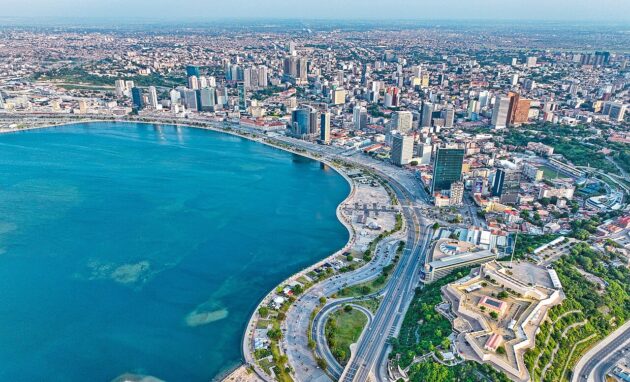
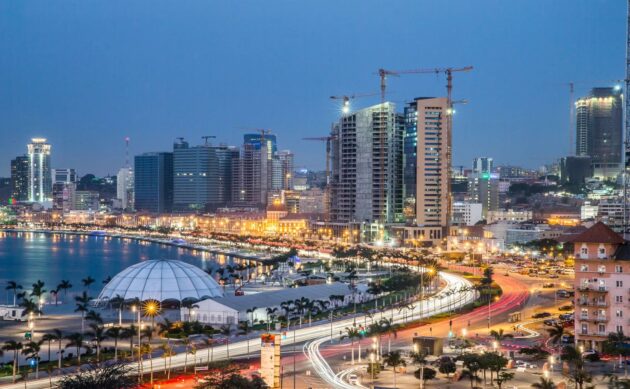
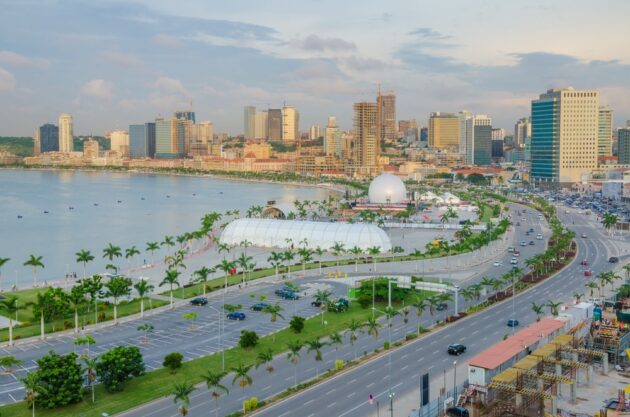
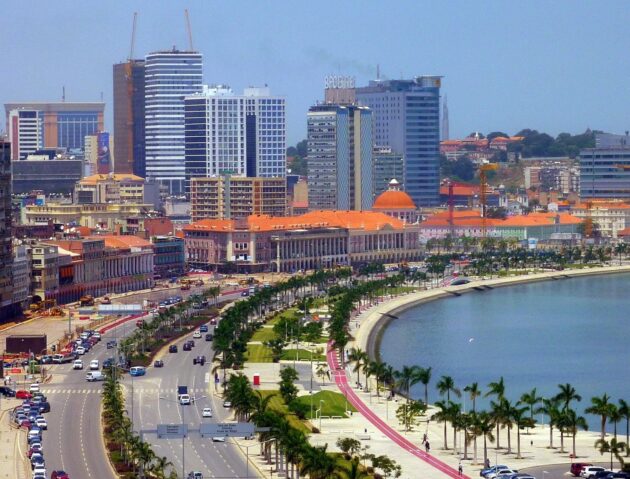
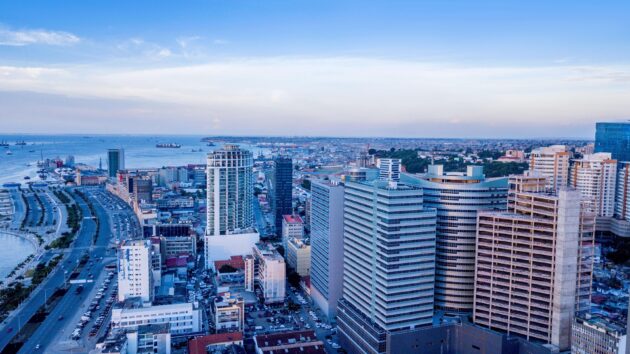
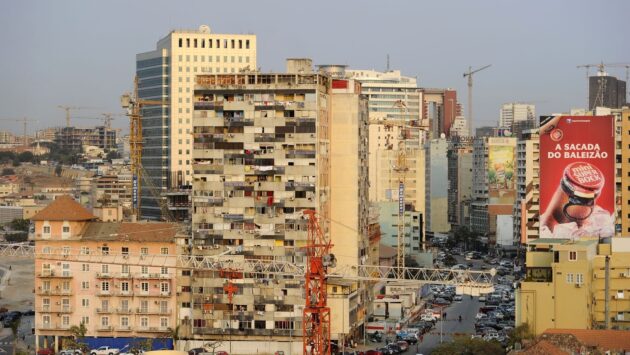
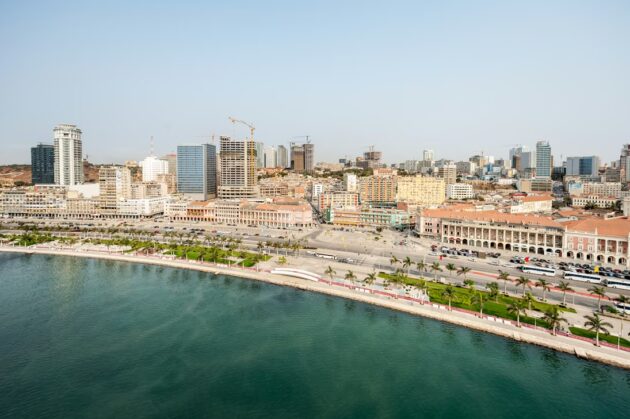
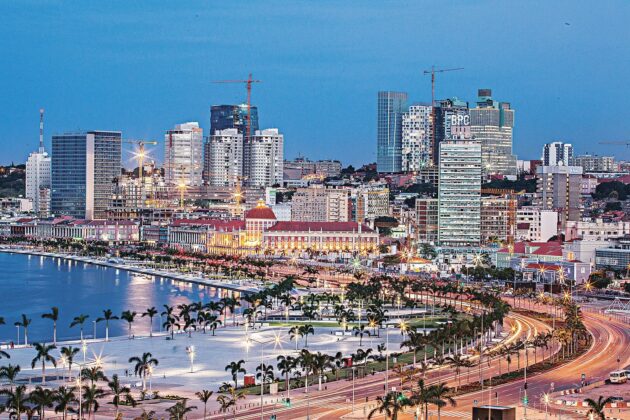
Luanda, the vibrant capital of Angola, is a bustling coastal city where colonial history meets modern skyscrapers, golden beaches, and rich African culture. As one of Africa’s fastest-growing cities, it offers a unique blend of Portuguese heritage, lively markets, stunning Atlantic views, and emerging tourism. While Luanda can feel expensive and requires caution due to crime, it’s an rewarding destination for adventurous travelers seeking an off-the-beaten-path experience.
Kissama National Park
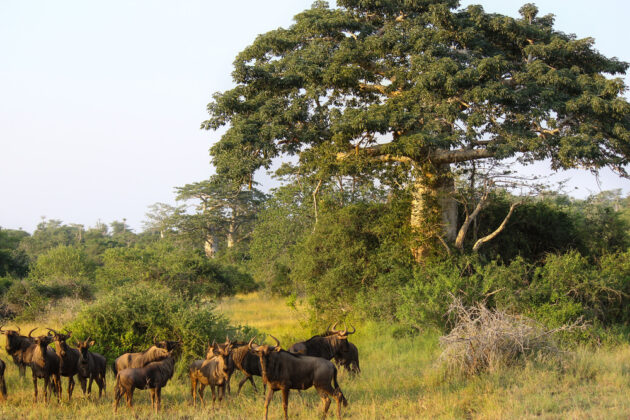
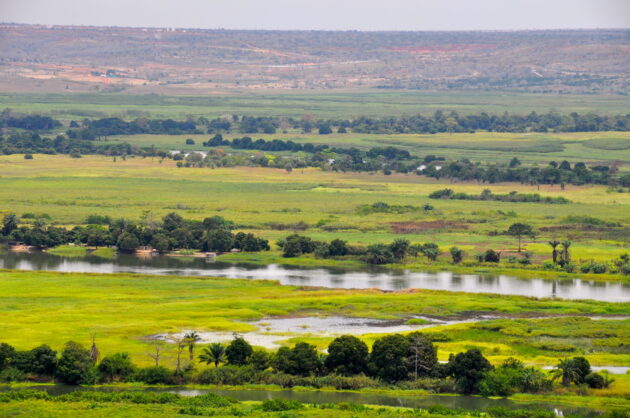
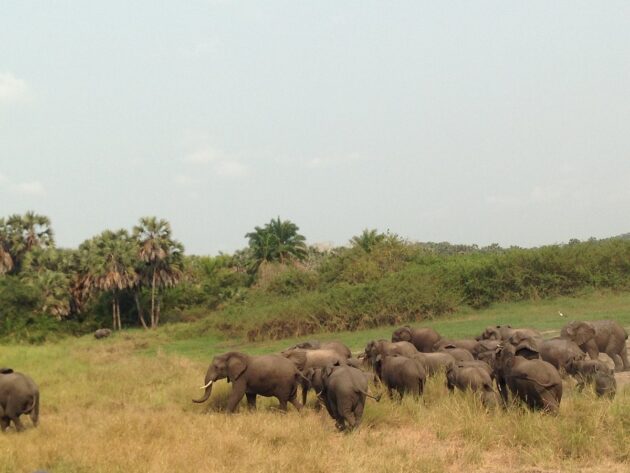
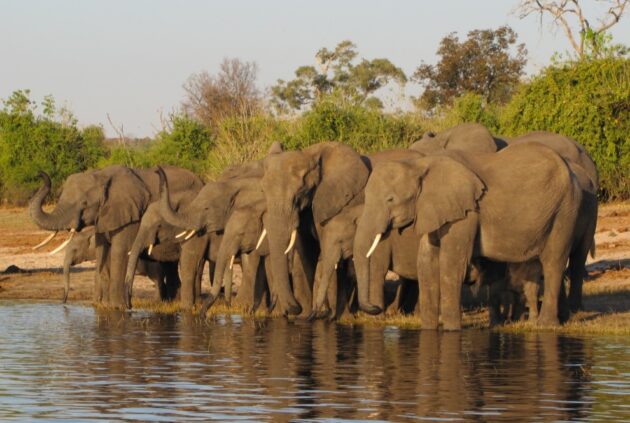
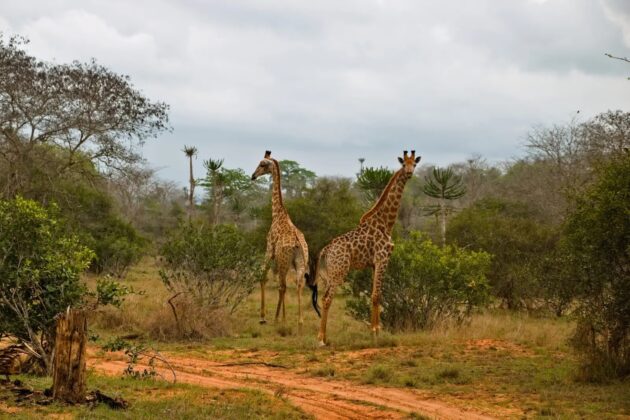
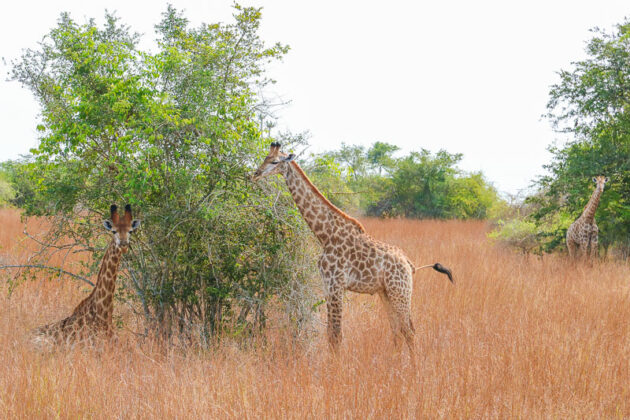
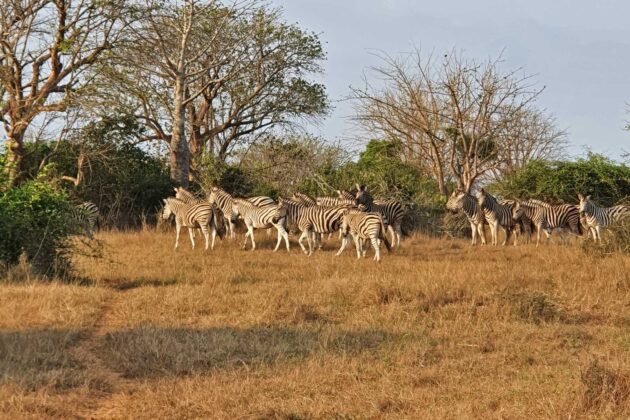
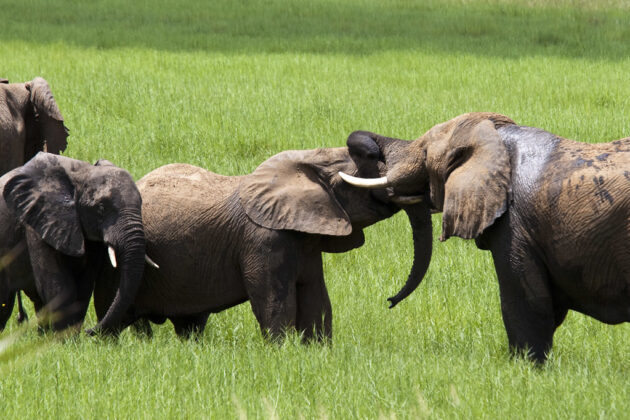
Kissama National Park, also known as Quiçama or Quicama National Park, is Angola’s most accessible and popular wildlife destination. Located just 70–100 km south of Luanda, the capital, it offers a genuine safari experience with savannah landscapes, baobab trees, riverine forests, mangroves, and coastal dunes. The park spans approximately 9,960 km² and is bounded by the Kwanza (Cuanza) River to the north and the Longa River to the south.
Kalandula Falls
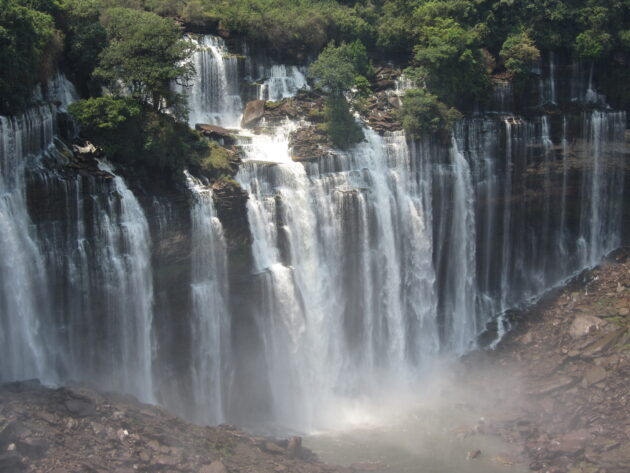
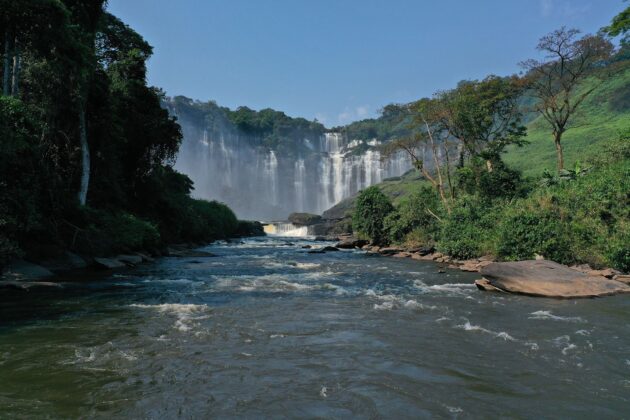
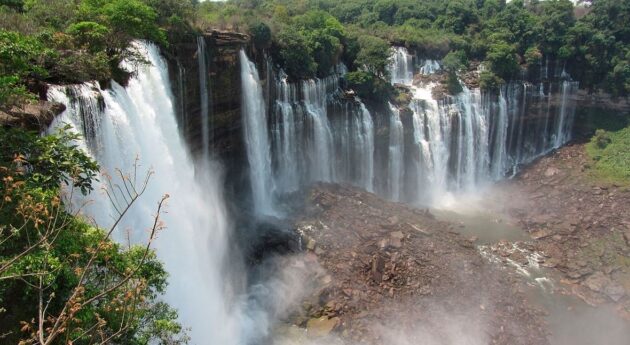
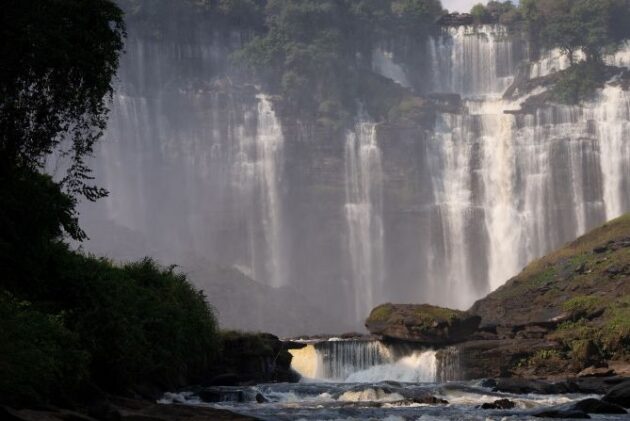
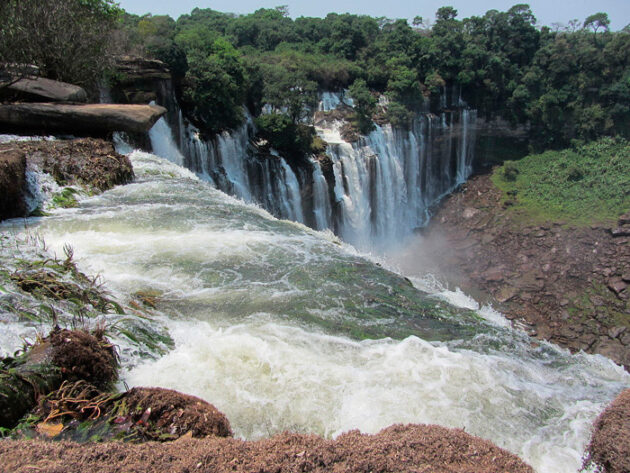
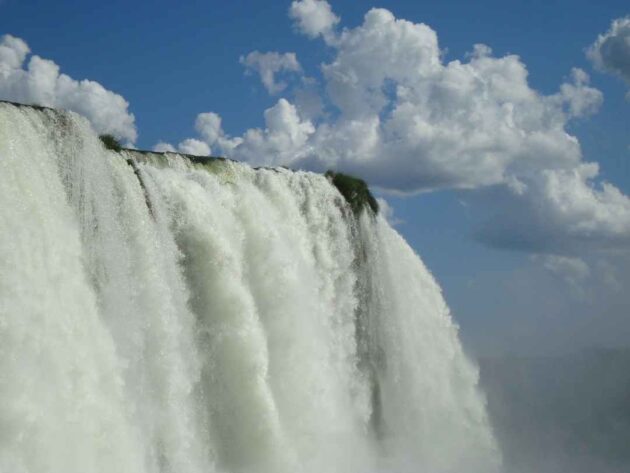
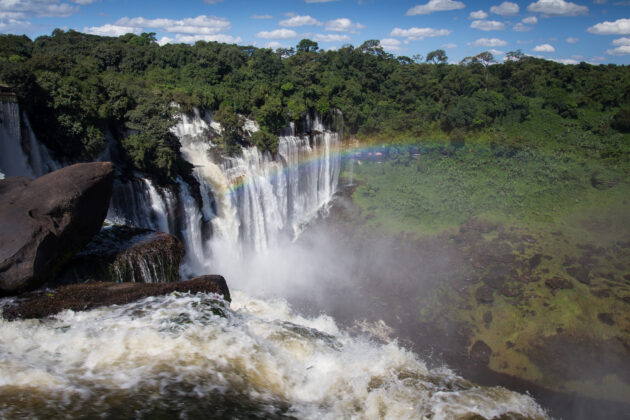
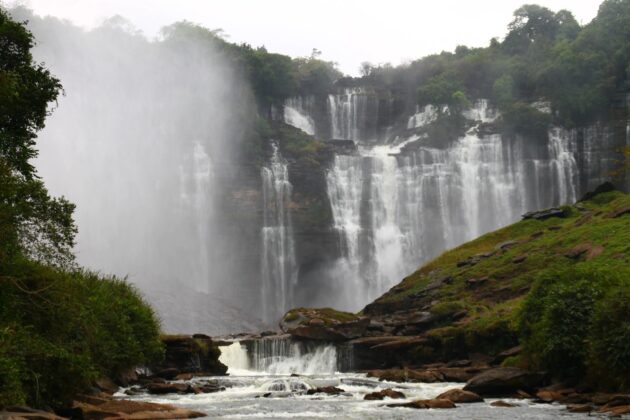
Kalandula Falls (also known as Cachoeiras de Kalandula or formerly Duque de Bragança Falls) is one of Africa’s most impressive natural wonders and a true hidden gem. Located in Malanje Province on the Lucala River, these waterfalls measure 105 meters (344 feet) high and 400 meters (1,300 feet) wide, making them one of the continent’s largest by volume — wider than Victoria Falls, though less famous.
Iona National Park
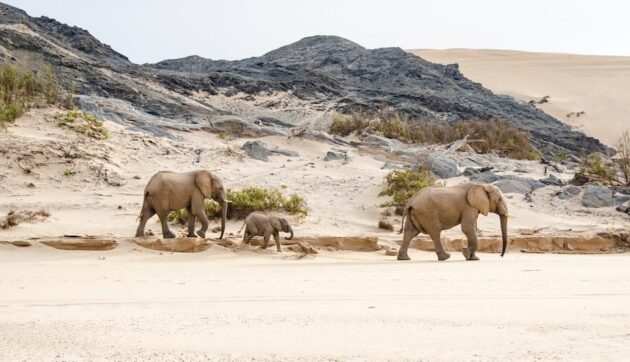
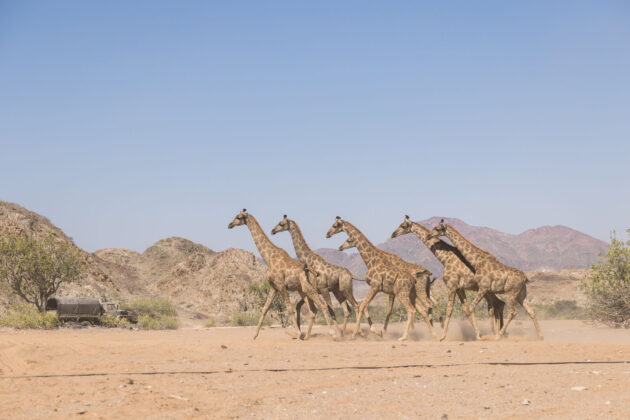
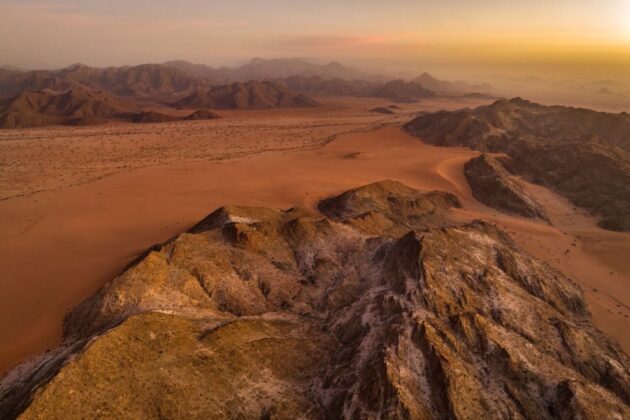
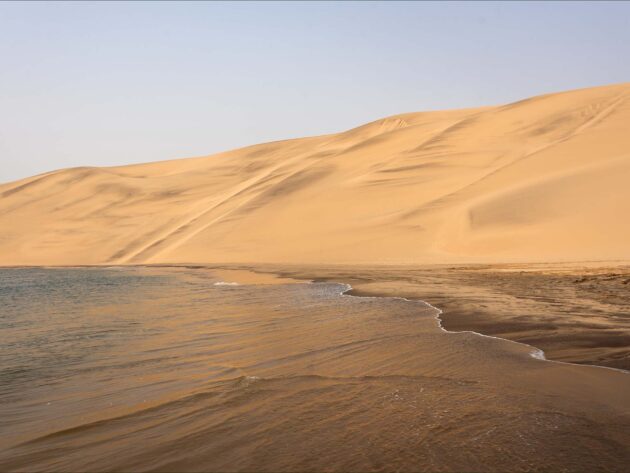
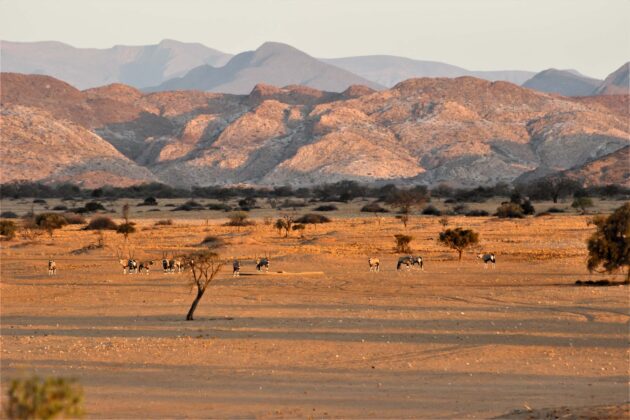
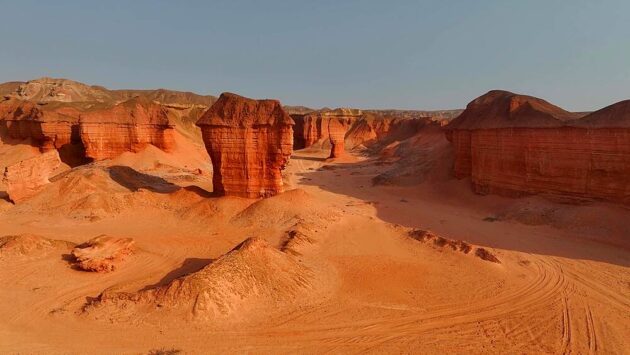
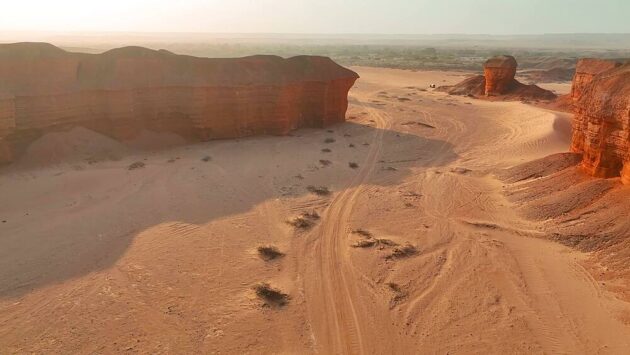
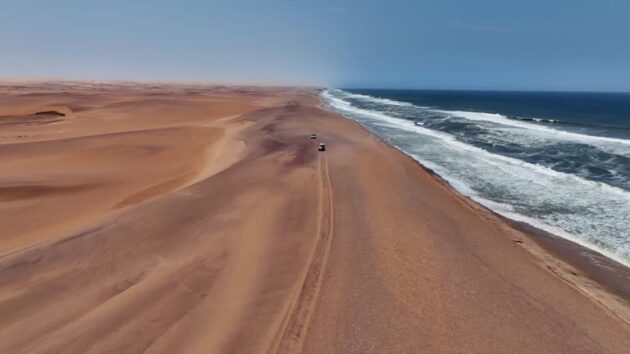
Iona National Park is one of Angola’s most extraordinary and remote natural treasures. As the country’s oldest (established as a reserve in 1937 and declared a national park in 1964) and largest protected area, covering over 15,150 km², Iona forms the northern extension of the ancient Namib Desert—the oldest desert on Earth.
Tundavala Gap
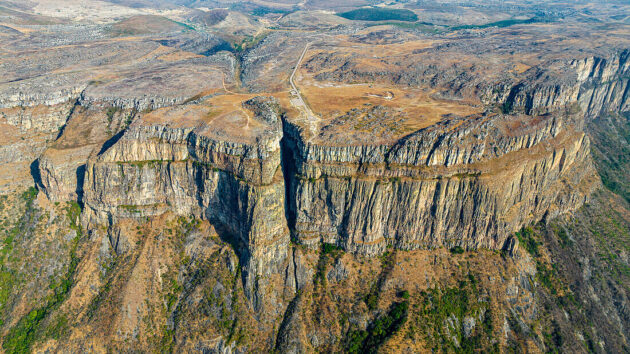
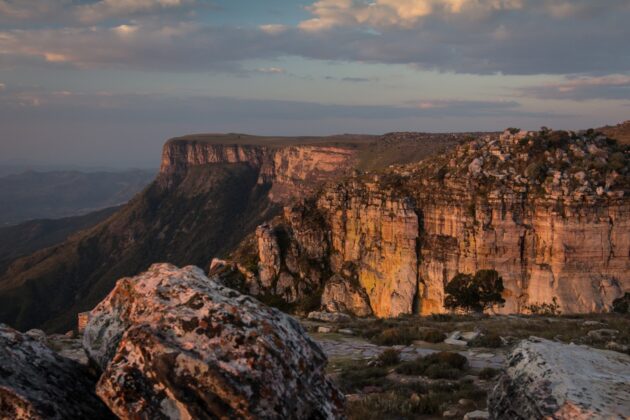
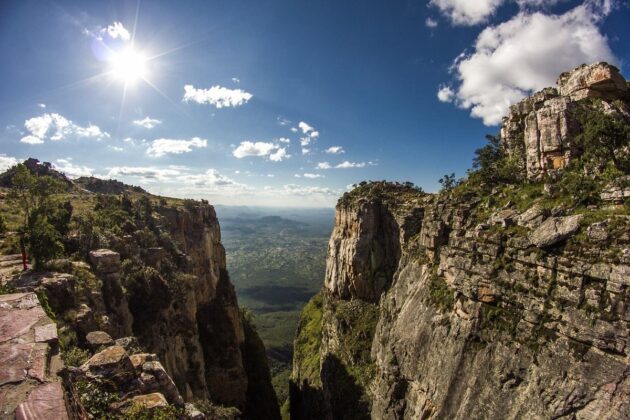
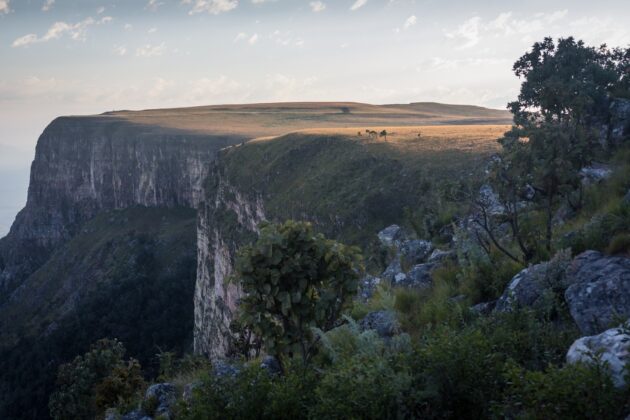
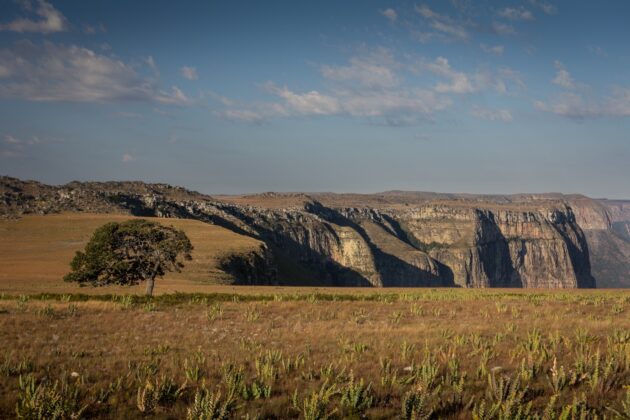
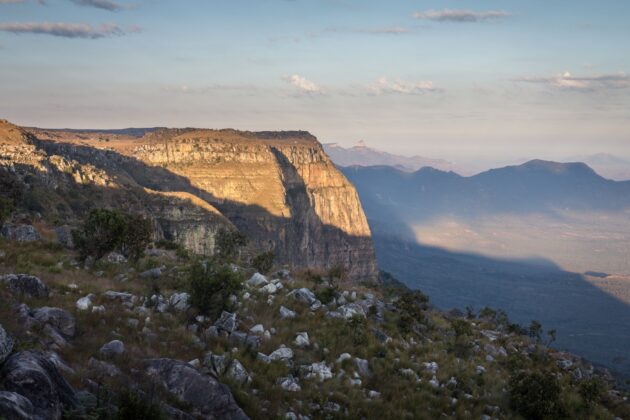
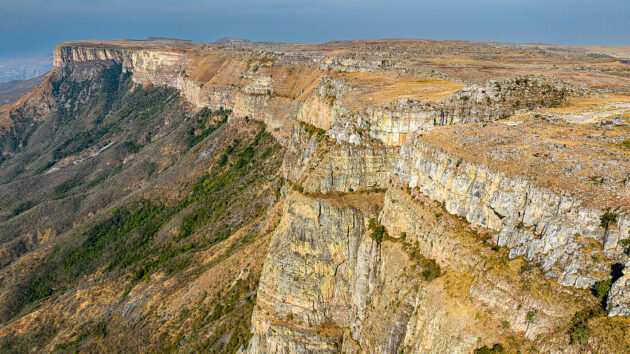
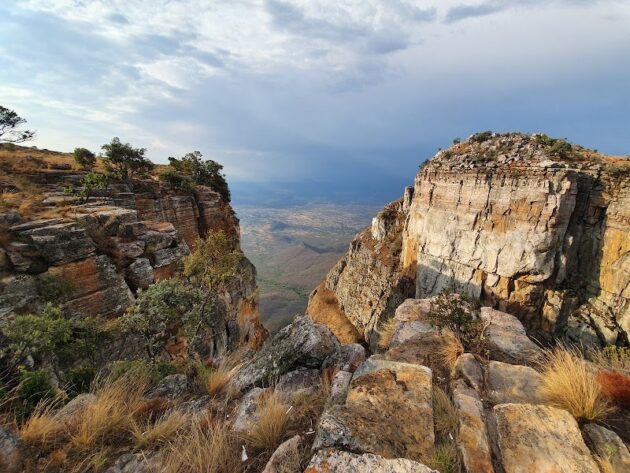
Located in the Huíla Province near the city of Lubango, this dramatic escarpment features sheer cliffs that plunge over 1,000 meters (approximately 3,300 feet) from the Humpata Plateau down to the plains below. At an elevation exceeding 2,200 meters (7,200 feet), the viewpoint offers panoramic vistas of vast valleys, lush greenery, distant mountains, and endless horizons stretching toward the Namibe Province and the Namib Desert.
Safety Tips
Angola is generally welcoming to tourists, but exercise increased caution (U.S. Level 2 advisory; similar from UK/Australia). Crime (especially petty theft and occasional violent incidents) is higher in Luanda than in rural areas.
Avoid walking alone at night, especially in Luanda.
Use trusted taxis, ride-hailing apps, or private drivers.
Don’t flash valuables; keep belongings secure.
Outside Luanda, rural areas are often very safe and peaceful.
Avoid the Cabinda enclave (north) due to occasional tensions.
Landmines remain a risk in some remote areas—stick to established paths and guided tours.
Health: Malaria is present—use prophylaxis, repellents, and nets. Drink bottled water.
Violent crime against tourists is rare, especially with common-sense precautions and guided travel.
Practical Tips
Language: Portuguese is official. English is limited outside tourist areas—learn basic phrases or use a translator app.
Currency: Angolan Kwanza (AOA). ATMs exist in cities; carry cash (USD widely accepted informally).
Costs: Angola is expensive (Luanda ranks among the world’s priciest cities). Expect high accommodation and food prices. Budget tours or camping help outside the capital.
Getting Around: Independent travel is challenging due to limited infrastructure—guided tours or private drivers are highly recommended for most visitors.
Accommodation: Good hotels in Luanda; guesthouses/camping elsewhere.
What to Bring: Sunscreen, insect repellent, medications, power bank, modest clothing (especially in rural areas).
Final Thoughts
Angola rewards those willing to venture beyond the mainstream. With proper planning—ideally through a reputable local tour operator—you’ll experience raw beauty, warm hospitality, and a sense of true discovery. It’s not an easy destination, but for adventurous travelers, it’s unforgettable.
Safe travels and enjoy exploring this hidden corner of Africa!